
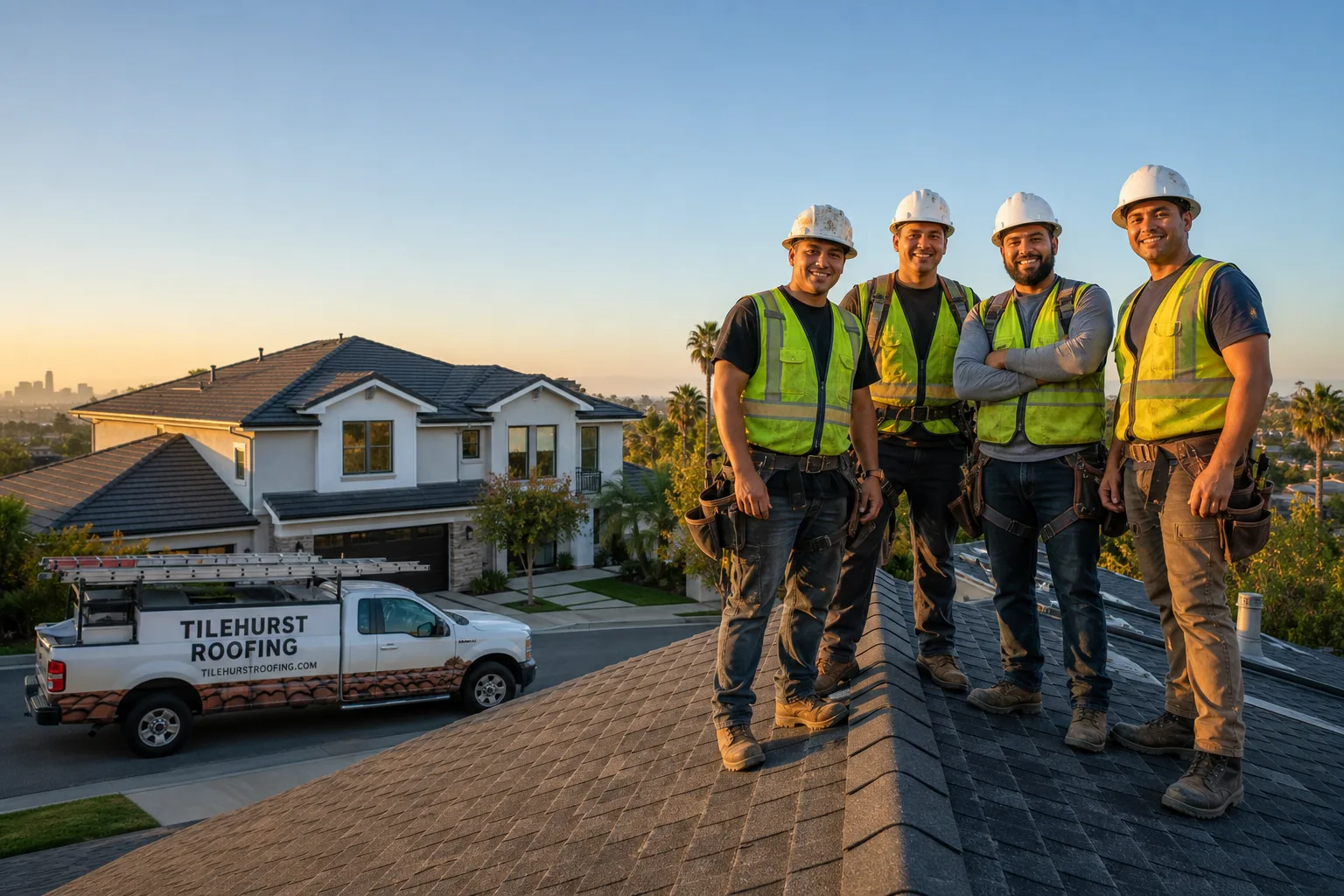
Free roof inspection with deck photos before we talk money - GAF and Owens Corning certified installation
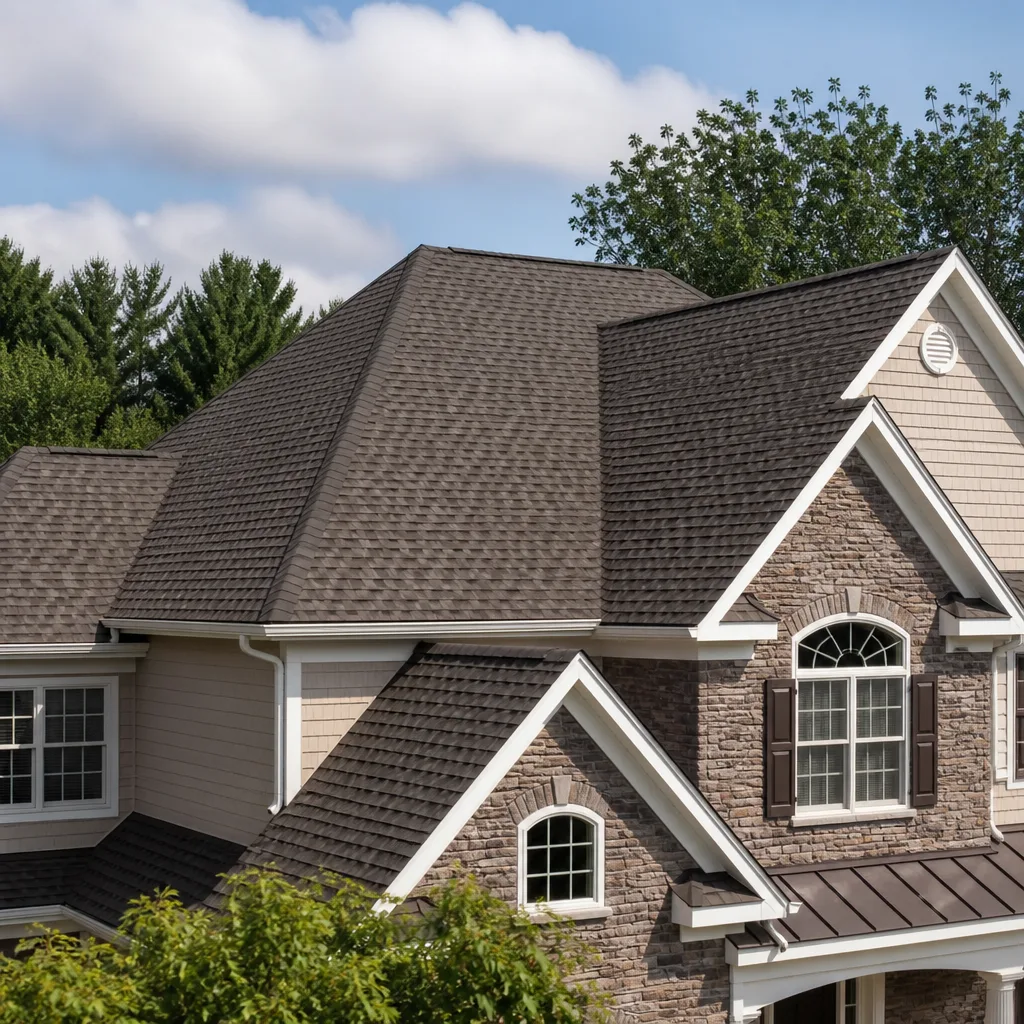
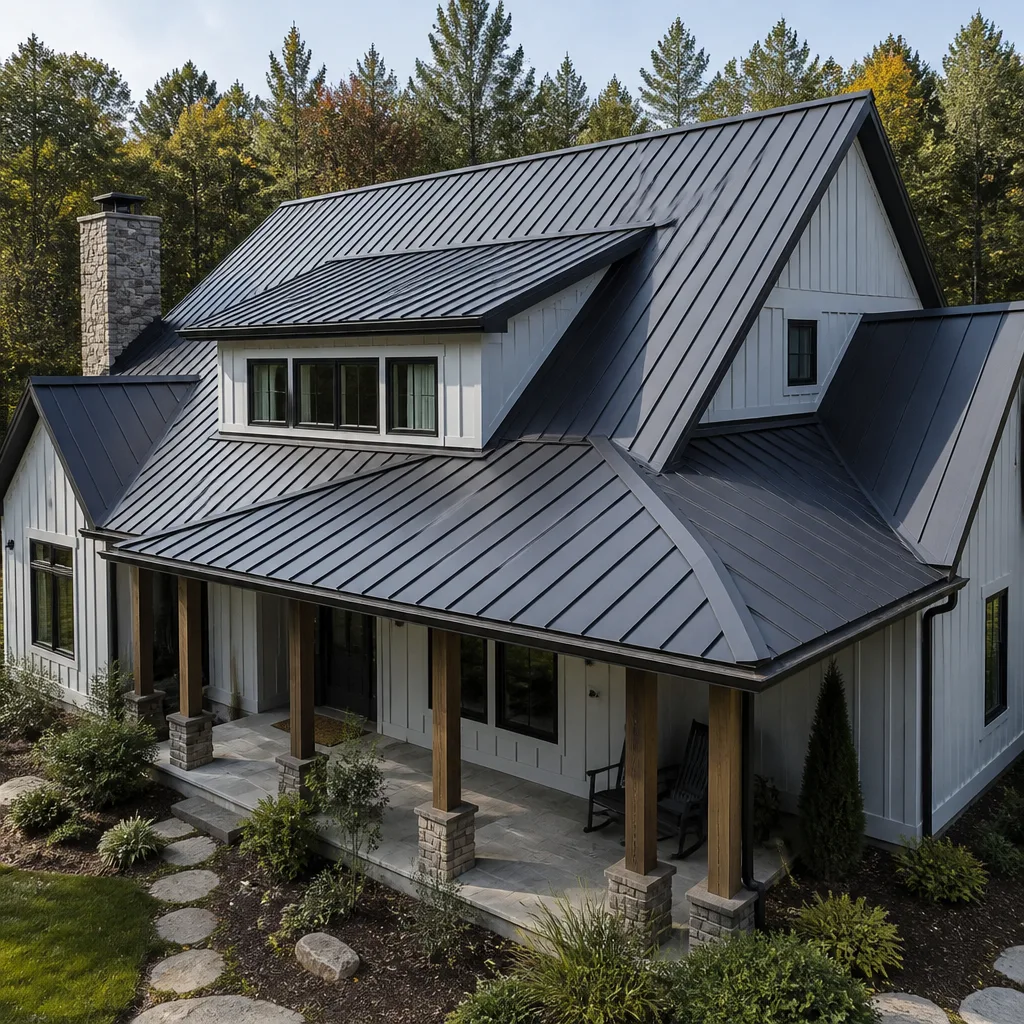
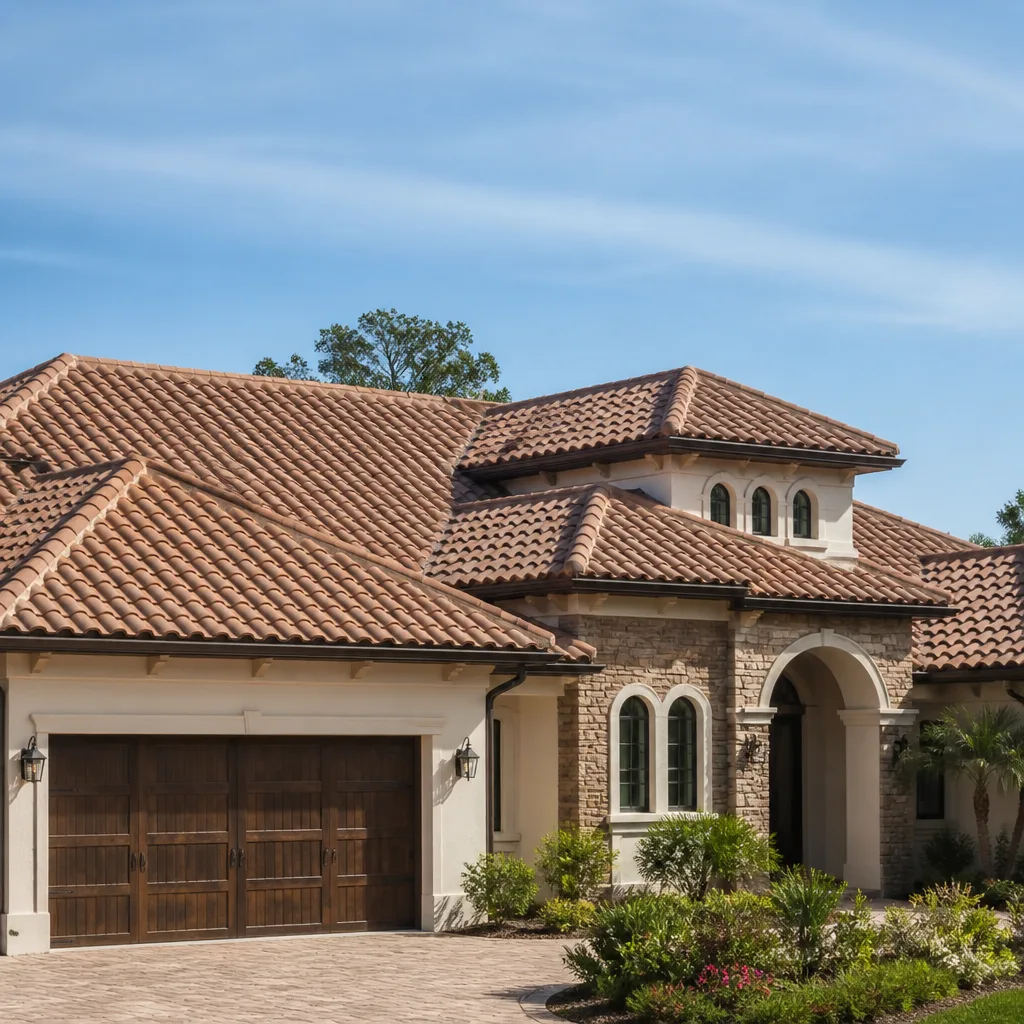
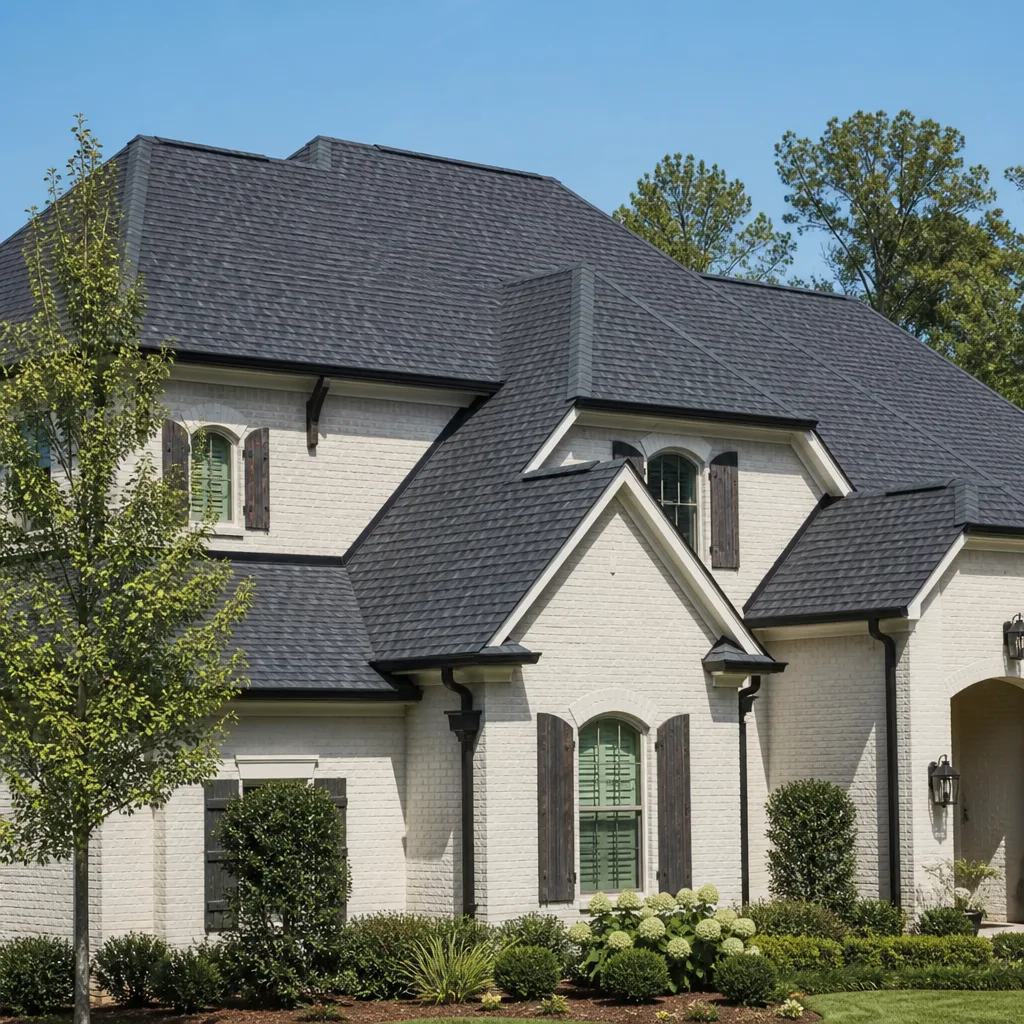
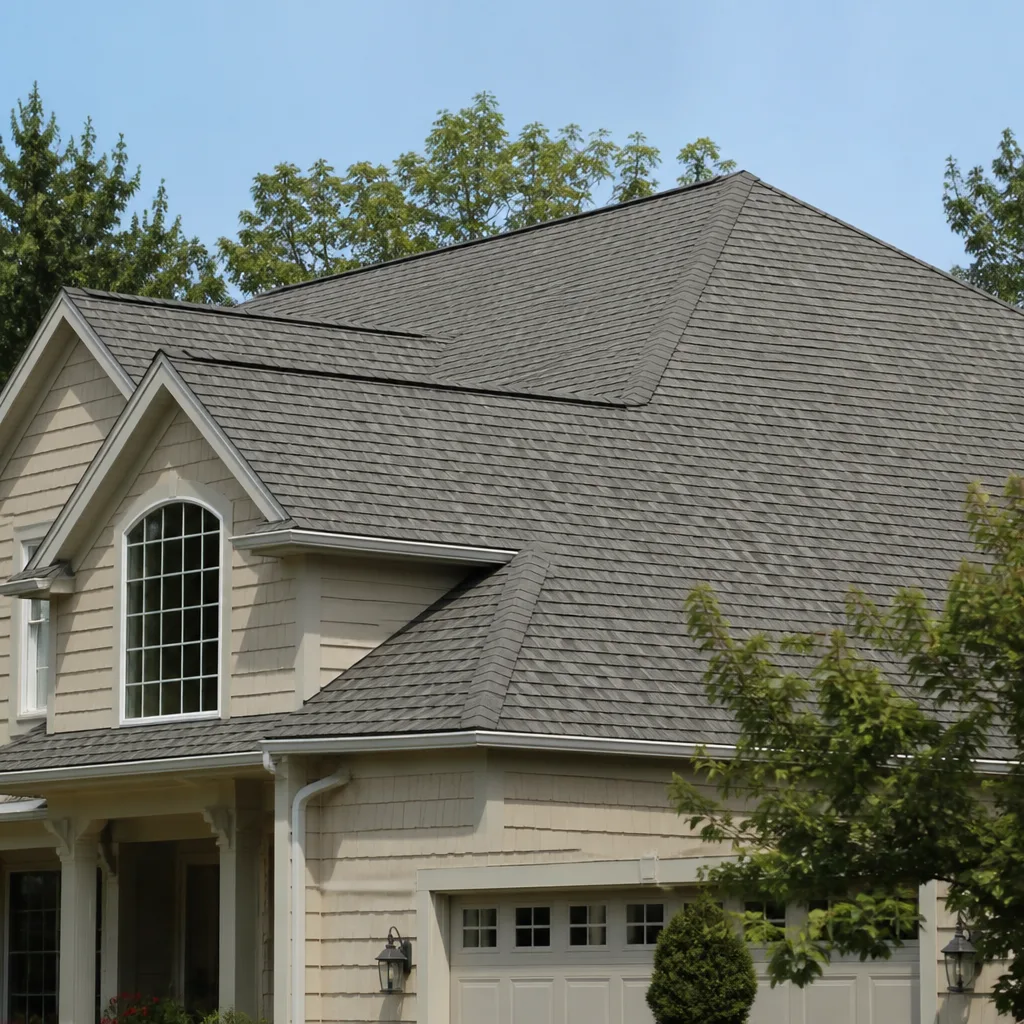
 Before
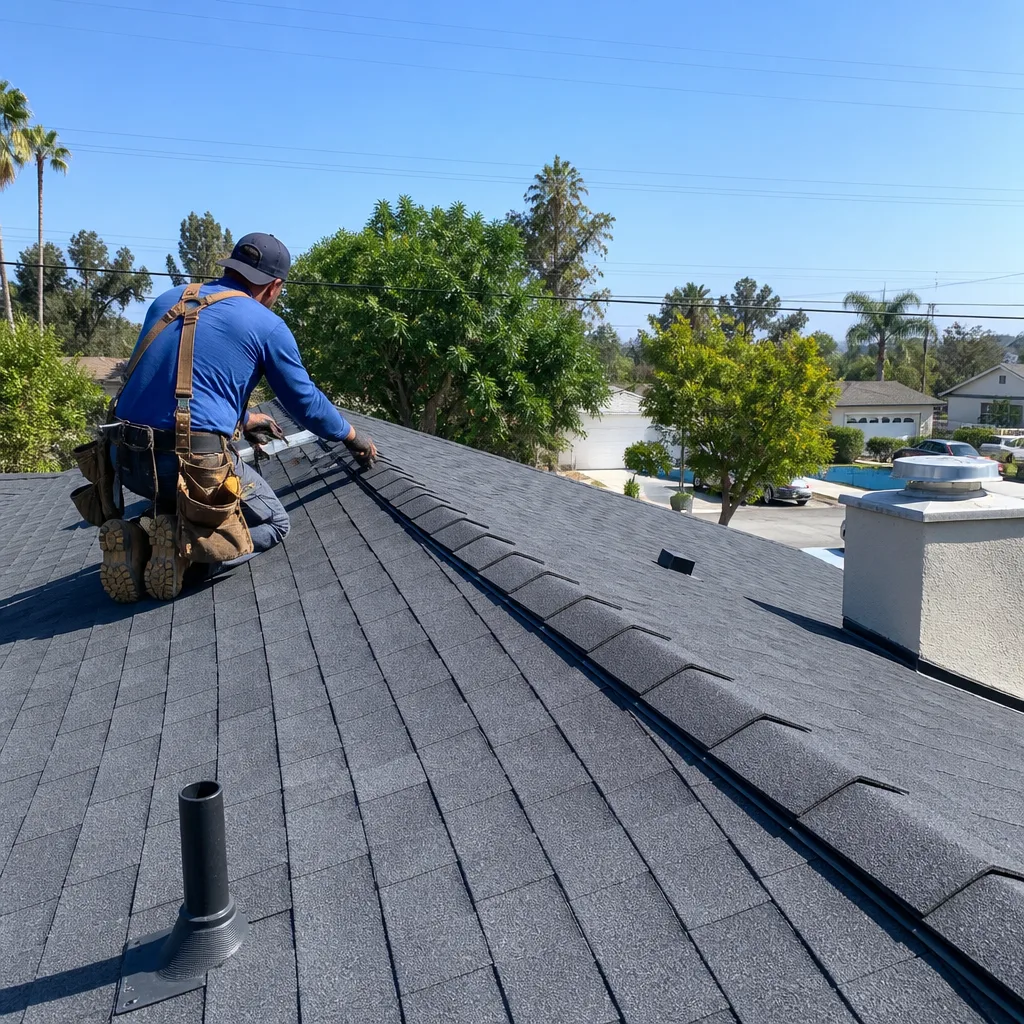 After
After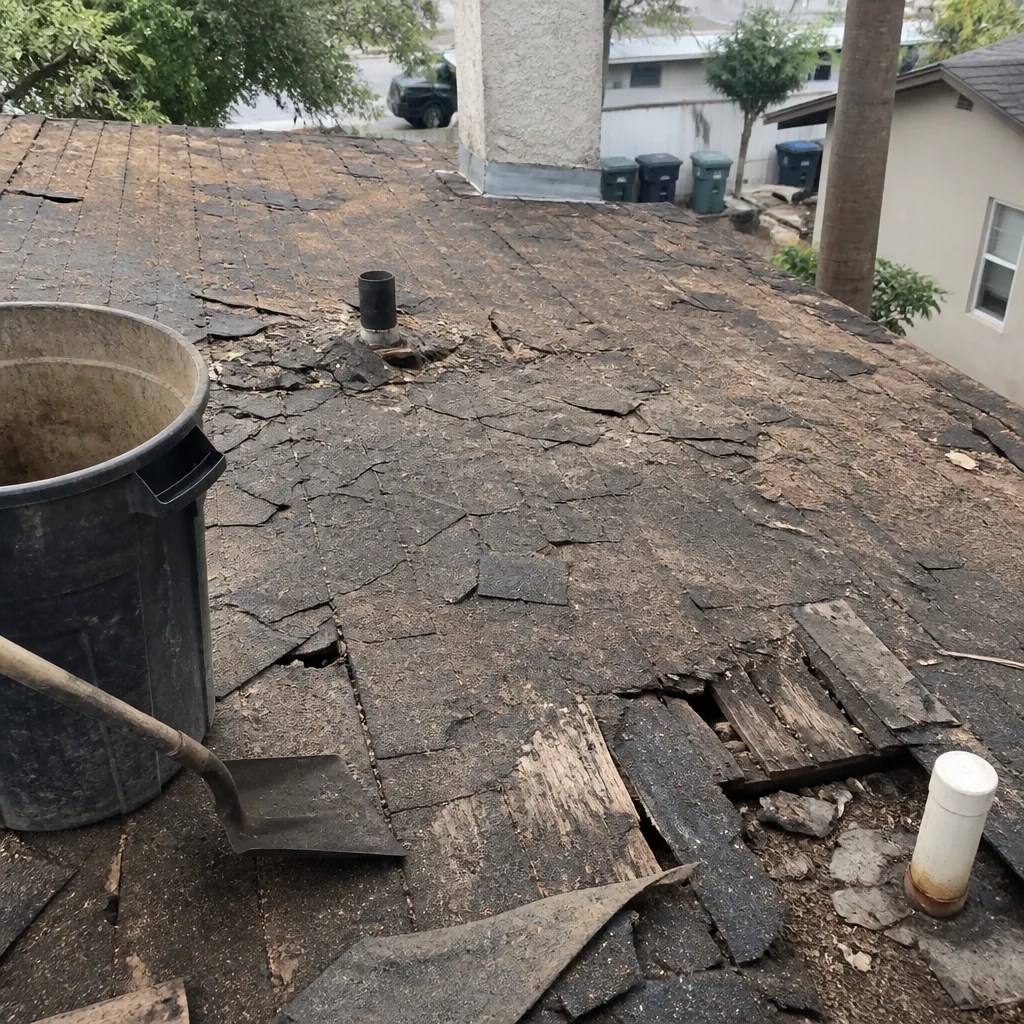 Before
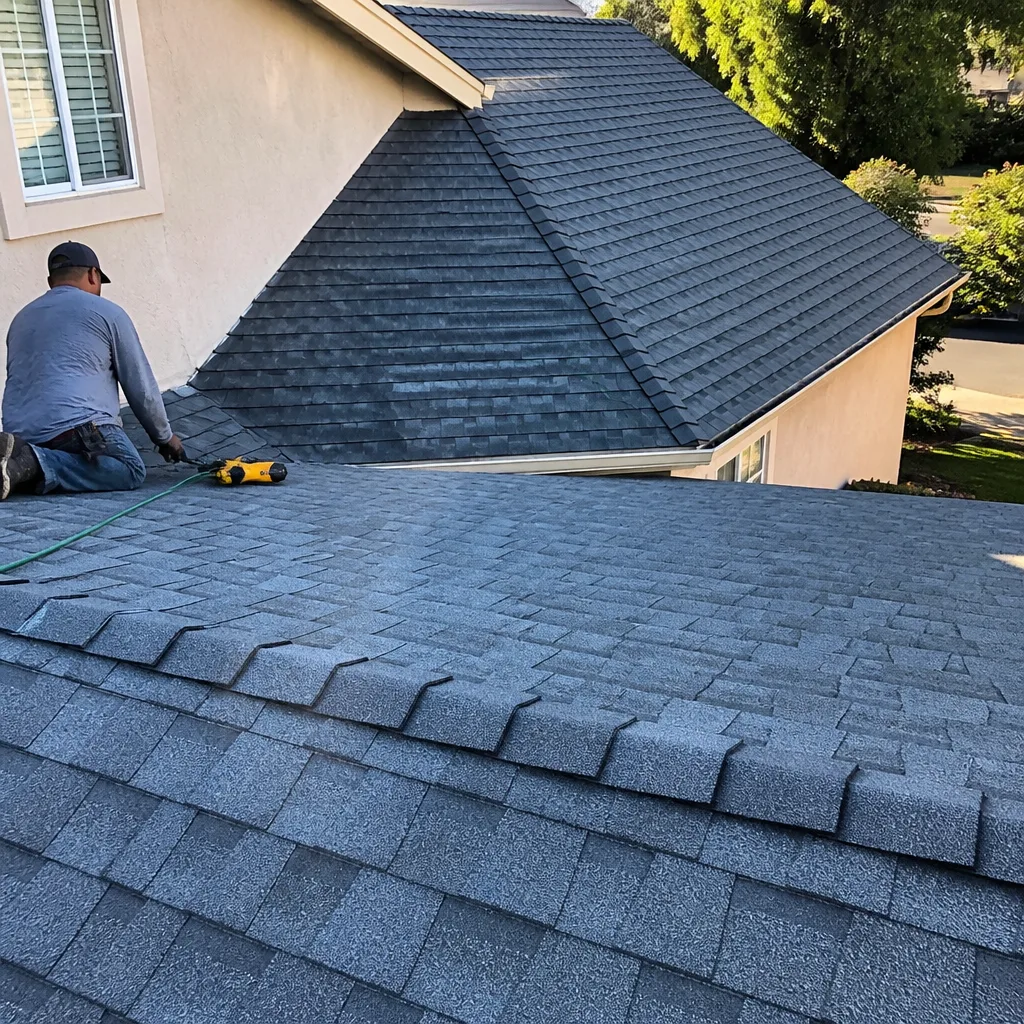 After
After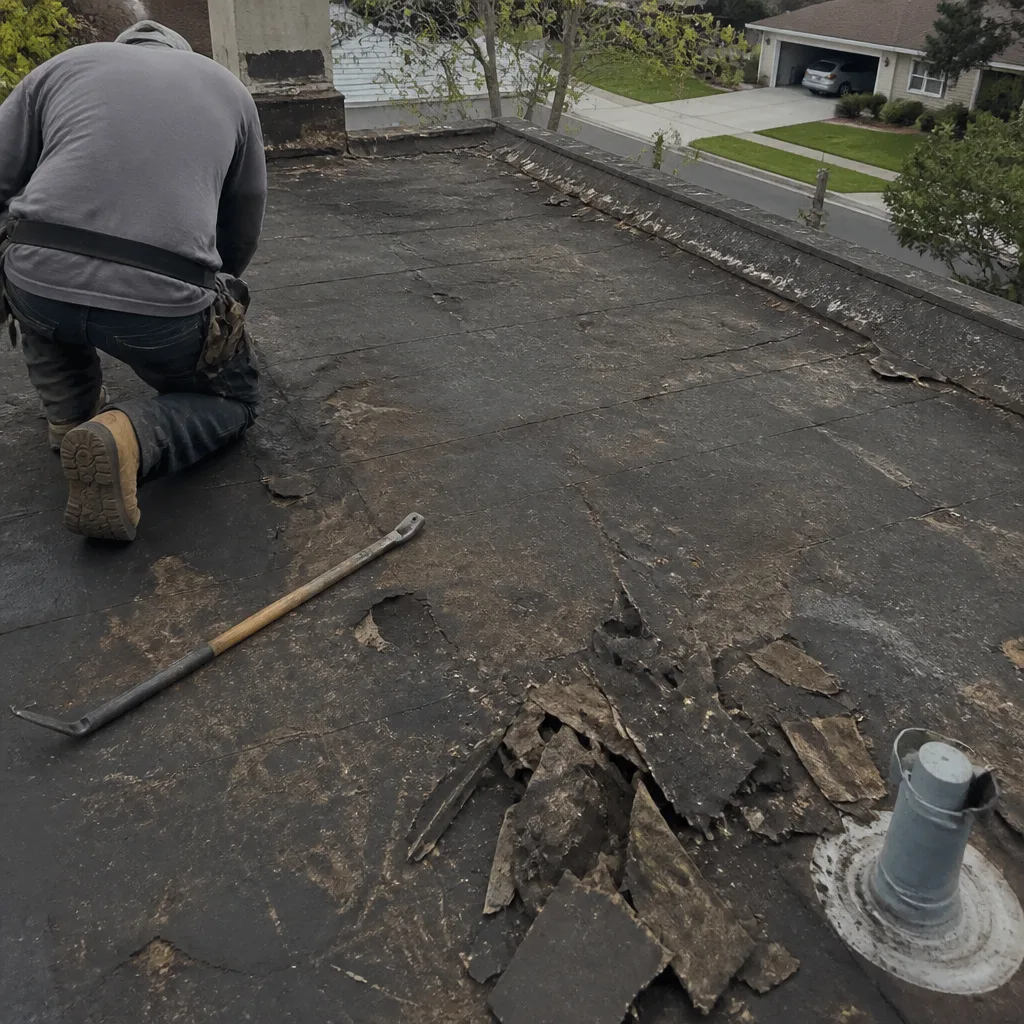 Before
 After
AfterFast, Reliable Roof Replacement Across Mountain View
A full roof replacement in Mountain View typically costs between $14,000 and $28,000 for a standard single-story ranch, with most jobs landing around $18,000 to $22,000 depending on square footage, decking condition, and material grade. That price should include tear-off, new underlayment, new flashing, shingle installation, and haul-away, all in writing before the first nail goes in. If you’re calling around Mountain View, you already know the neighborhoods: Rex Manor, Cuesta Park, Waverly Park. We know them too, and we know what those 1950s and 1960s ranch roofs hide once the old shingles come off. Call (945) 303-9821 and we’ll walk you through exactly what your roof needs and what it will cost.
Why Tilehurst Roofing Is Mountain View’s Preferred Roof Replacement Company
Tilehurst Roofing is part of the Kingswell family of roofing companies, founded in 2000. We built our Mountain View presence around a simple promise: a written price before any work starts, a written guarantee on every job, and a live person answering every call at (945) 303-9821, day or night. You won’t get a voicemail queue. You’ll get a real person who knows roofing.
Homeowners across Mountain View have dealt with no-shows, door-step price changes, and repairs that failed within months. That’s exactly why the Kingswell Way exists: say the price before the work, show up in the window we gave, leave the place cleaner than we found it, put the guarantee in writing, and come back if it fails. Our 365-Day Done Right Promise means we stand behind every Mountain View roof for a full year after the job. If it’s not done right, we make it right. Greg Holloway leads the team, and every technician who steps onto a Mountain View roof is background-checked and in uniform, so you know exactly who’s on your property.
We do not bid low and hope you won’t notice what’s missing. We bid the real scope of work, including the marine-layer material spec that Mountain View roofs actually need. More on that below.
New Roof Installation in Mountain View
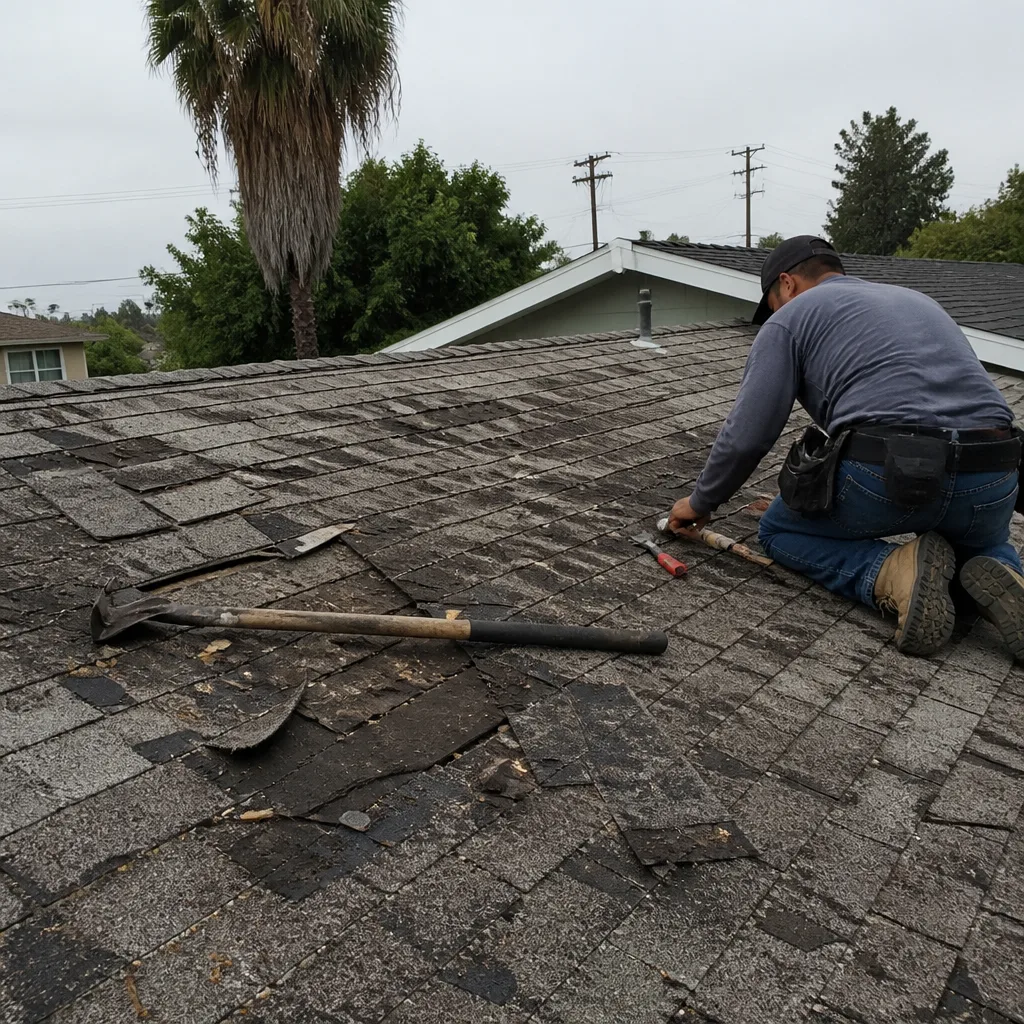
New Roof Installation in Mountain View usually means a full tear-off and replacement on an aging ranch whose decking has given out, or a new roof on an addition or ADU. The job starts with removing everything down to the sheathing, inspecting it plank by plank, and replacing any rotted or delaminated sections before new materials go down. In Mountain View, a typical single-story ranch of 1,400 to 1,800 square feet runs $16,000 to $26,000 for an architectural shingle system, depending on eave length, valley count, and whether the deck needs rebuilding.
Marine-Fog Material Spec, Not Inland Spec
Mountain View sits in the marine layer fog belt. North- and west-facing slopes stay damp from May through September. We specify stainless steel and hot-dip galvanized fasteners, not electro-galvanized, and we recommend zinc or copper ridge strips on any north-facing plane. These details cost a few hundred dollars more upfront and save you a full moss remediation within seven years.
Cool-Roof and Title 24 Coordination
California’s Title 24 building code now requires cool-roof compliant materials on most low-slope residential re-roofs in Mountain View. That means the shingle or membrane product we install has to be CEC-listed, and in many cases we’re coordinating with your solar installer at the same time. We handle that coordination as a standard part of the job. It’s not an upgrade. It’s how you pass inspection in Mountain View.
Reroofing in Mountain View
Reroofing in Mountain View is the most common project we take on: tearing off an original or once-replaced 3-tab composition roof on a 1948 to 1972 ranch and installing a new architectural shingle system with modern underlayment, flashing, and ventilation. In Rex Manor, Cuesta Park, and Waverly Park, these homes share the same anatomy: 3:12 to 4:12 slopes, skip sheathing or thin plywood, and decades of deferred maintenance hidden under the shingles. A full reroof on these homes typically runs $15,000 to $24,000 in Mountain View, while homes with solar panels, failed decking, or extensive dry rot rarely come in under $22,000.
Decking Reality: What We Find Under the Old Roof
Before we quote, we look at what’s under the shingles. On Mountain View ranches from the 1950s and 1960s, that often means skip sheathing, 3/8-inch plywood, or both. When we re-deck, we install solid 7/16-inch CDX plywood or 1/2-inch OSB, and we replace any rafter ends showing water damage. We quote decking replacement at a per-sheet rate in writing, so you’re never surprised when the old roof comes off and the problems show themselves.
Solar Removal and Reinstallation
Mountain View has some of the highest residential solar adoption rates in Santa Clara County. If you have panels, your re-roof scope includes rack removal, panel removal and safekeeping, re-roofing, and reinstallation by a licensed solar contractor. We coordinate that as part of the job. The cost usually adds $2,500 to $5,000 depending on array size. Leaving panels on while re-roofing is not something we will do; it voids warranties and hides leaks.
Trusted Brands We Service in Mountain View
We install and service roofing systems from GAF, CertainTeed, and Owens Corning, among others, because your roof should fit your home, not whatever happens to be in the truck. For Mountain View specifically, we keep a strong inventory of algae-resistant architectural shingles in classic coastal colors, plus the stainless and hot-dip galvanized flashing and fasteners this climate demands. That means less waiting on parts and a faster turnaround when the tear-off reveals an unexpected flashing or vent requirement. If you want a full range of manufacturer options, we can walk you through GAF Timberline HDZ, CertainTeed Landmark, and Owens Corning Duration side by side, with real prices for each, before you choose.
Common Roof Replacement Problems We See in Mountain View Homes
- Moss and algae on north-facing slopes. Rex Manor and Cuesta Park homes develop moss colonies within five to seven years of a fresh install because the marine fog sits on those planes through summer. We treat this with algae-resistant shingles and a zinc or copper ridge strip, not a pressure washer that strips granule coating.
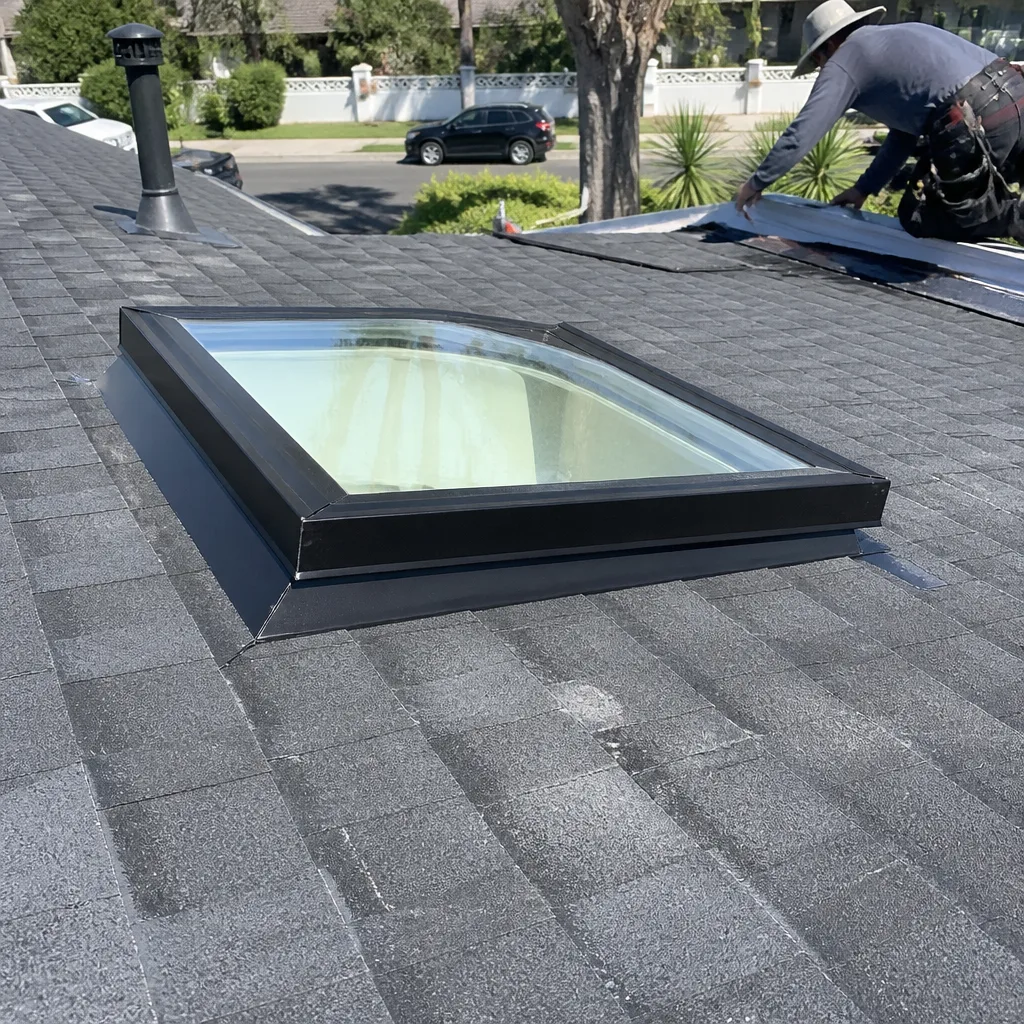
- Failed flashing at skylights, pipe boots, and chimney crickets. With 14 to 15 inches of winter rain and no freeze-thaw stress, Mountain View roofs don’t crack from cold. They leak at metal details. We replace all flashing on a full re-roof, not just the visible pieces.
- Hidden deck deterioration under solar mounts. A big share of Mountain View re-roofs reveal rotted plywood under solar panel feet, where water has been seeping for years. We inspect every mount point and replace decking before it becomes a ceiling stain.
- Non-compliant ventilation. Original ranch roofs often have no intake ventilation, just a couple of box vents. That trapped heat shortens shingle life and keeps the attic damp through the summer fog season. We calculate ridge and soffit ventilation to code before we quote.
Pricing for Roof Replacement in Mountain View, CA
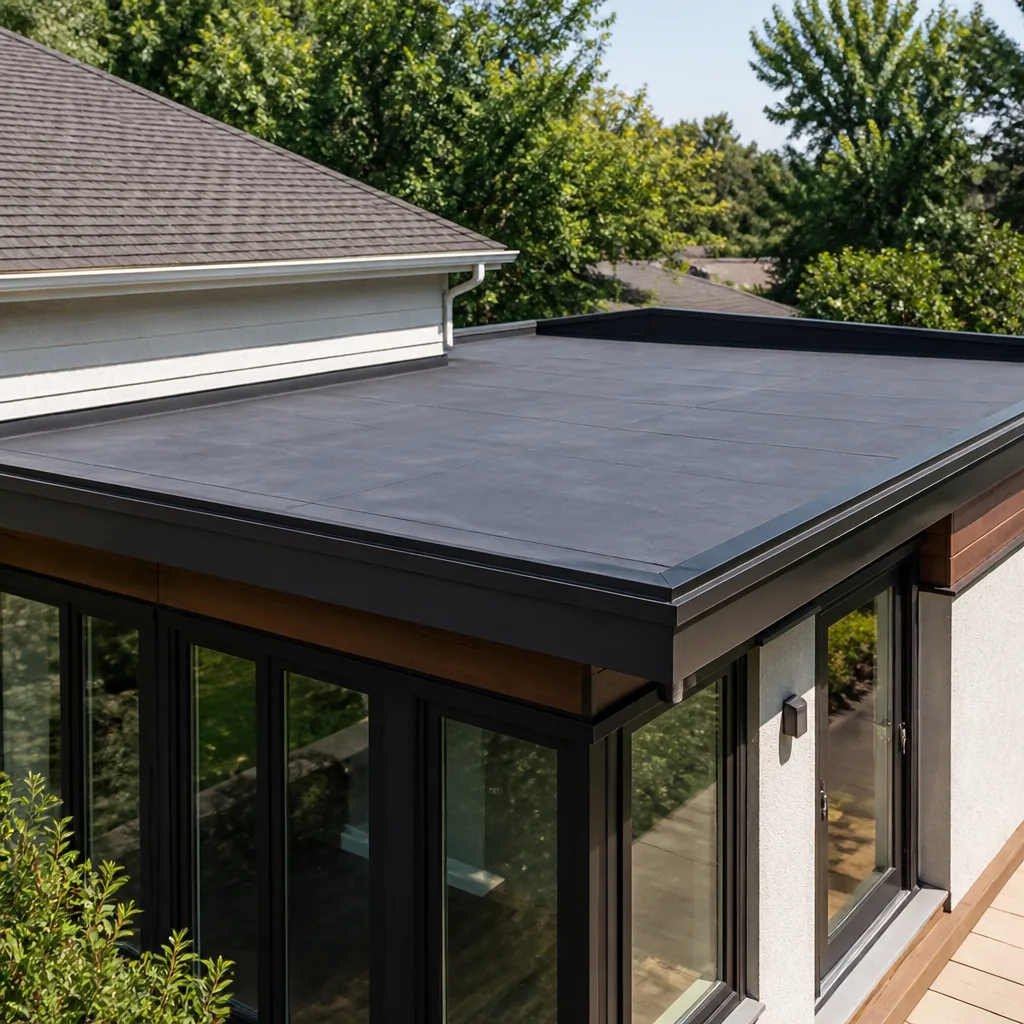
Here are real numbers for Mountain View, not national averages. A standard architectural shingle re-roof on a 1,200 to 1,600 square foot ranch runs $15,000 to $22,000. A full new roof installation with decking replacement and Title 24 cool-roof compliance runs $18,000 to $28,000. Flat or low-slope roofs with membrane systems run $14,000 to $20,000 for an average single-story home. Solar panel removal and reinstallation typically adds $2,500 to $5,000. What pushes a job to the upper end is decking replacement, valley count, steepness, and whether the existing roof has multiple layers. We give you a written line-item price before any work starts, and that price does not change unless you change the scope. Call (945) 303-9821 for a free estimate.
We Also Serve Cities Near Mountain View
While this page focuses on Mountain View, our crews also cover Roof Replacement projects in Los Altos, Sunnyvale, Stanford, and Cupertino. If you’re in one of those communities and need a written quote, we coordinate scheduling from our San Francisco Bay Area office and dispatch locally. For a detailed look at our work specifically in this city, visit Roof Replacement in Mountain View.
Serving Mountain View, CA - Our Local Coverage Area
We’re based in the Mountain View area and know this community well. Use the map below to see our service coverage - if you’re nearby, we can almost certainly help.
FAQs About Roof Replacement in Mountain View
Mountain View sits in the marine layer fog belt, so north- and west-facing roof slopes stay damp from May through September, while San Jose sits drier inland. Moss and algae need persistent moisture to colonize, and Mountain View’s Bayshore fog provides exactly that. The fix is a zinc or copper ridge strip along the affected plane plus algae-resistant architectural shingles. Call (945) 303-9821 and we’ll explain which slopes on your home are vulnerable before you spend a dollar.
Yes, it adds a solar removal and reinstallation component to the job. Your panels and racking come down, we re-roof and inspect the decking under every mount point, and then a licensed contractor reinstalls the array. This typically adds $2,500 to $5,000 to the total. It’s not optional; leaving panels on the roof hides leaks and voids shingle warranties. We coordinate the whole thing so you’re not calling two companies and hoping their schedules line up.
It means the new roofing material must meet California’s cool-roof reflectance and emittance standards for low-slope residential buildings, which covers most Mountain View ranch homes. We specify CEC-listed shingles or membranes and keep the cool-roof verification documents on file for your building permit. If your roof has a slope over 2:12, the standard is less restrictive, but we still recommend cool-rated products because Mountain View’s sun exposure on south slopes breaks down standard shingles faster.
You don’t need it for ice damming, but you do need it at valley lines, around penetrations, and along the drip edge to handle wind-driven rain from Pacific fronts. Mountain View gets 14 to 15 inches of rain in winter storms that push water sideways into vulnerable seams. We install self-adhered underlayment in valleys and at any roof-to-wall junction as standard practice, not as an upsell. It’s part of the written scope, not a surprise line item.
Most Mountain View ranches from the 1950s to 1970s run between 16 and 24 squares, where one square equals 100 square feet of roof area. To compare bids fairly, ask every contractor to break out decking replacement per sheet, underlayment material and type, flashing scope, and whether the price includes haul-away and permit fees. We provide all of that in writing before any work starts. Call (945) 303-9821 for a line-item quote you can actually compare.
What the Fog Belt Actually Does to a Mountain View Roof
We tore off a 1962 ranch in Rex Manor and found the north-facing plane already colonized with moss five years after a builder-grade re-roof. Under the three-tab we found skip sheathing with no ice and water shield in the valleys and a failed pipe boot at a plumbing penetration. This is what we see on Mountain View roofs week after week. The marine layer keeps north slopes damp all summer. Moss takes hold. The roots work under the shingle tabs and lift them. Water slides in. By the time you see a ceiling stain, the decking under that spot is already soft.
We re-decked the slope, laid self-adhered underlayment in the valleys and along the drip edge, set new flashing at every penetration, and installed an Owens Corning Duration system with a copper ridge strip so the marine fog stops feeding the growth cycle. That job cost more than a bare-bones inland-spec re-roof would have. It also won’t leak in five years. The cheap spec always costs more within a decade because you pay for a second roof and the damage the first one let through.
If you’re comparing bids in Mountain View, ask whether the price includes stainless or hot-dip galvanized fasteners, not electro-galvanized. Ask whether the flashing is 26-gauge or thicker. Ask whether the valleys get self-adhered membrane or just 15-pound felt. These are the line items that separate a roof that lasts 20 years from one that fails in eight. We write all of it down before you sign anything.
Written by Greg Holloway, Owner at Tilehurst Roofing, serving Mountain View since joining the Kingswell family of roofing companies.