

Free roof inspection with deck photos before we talk money - GAF and Owens Corning certified installation
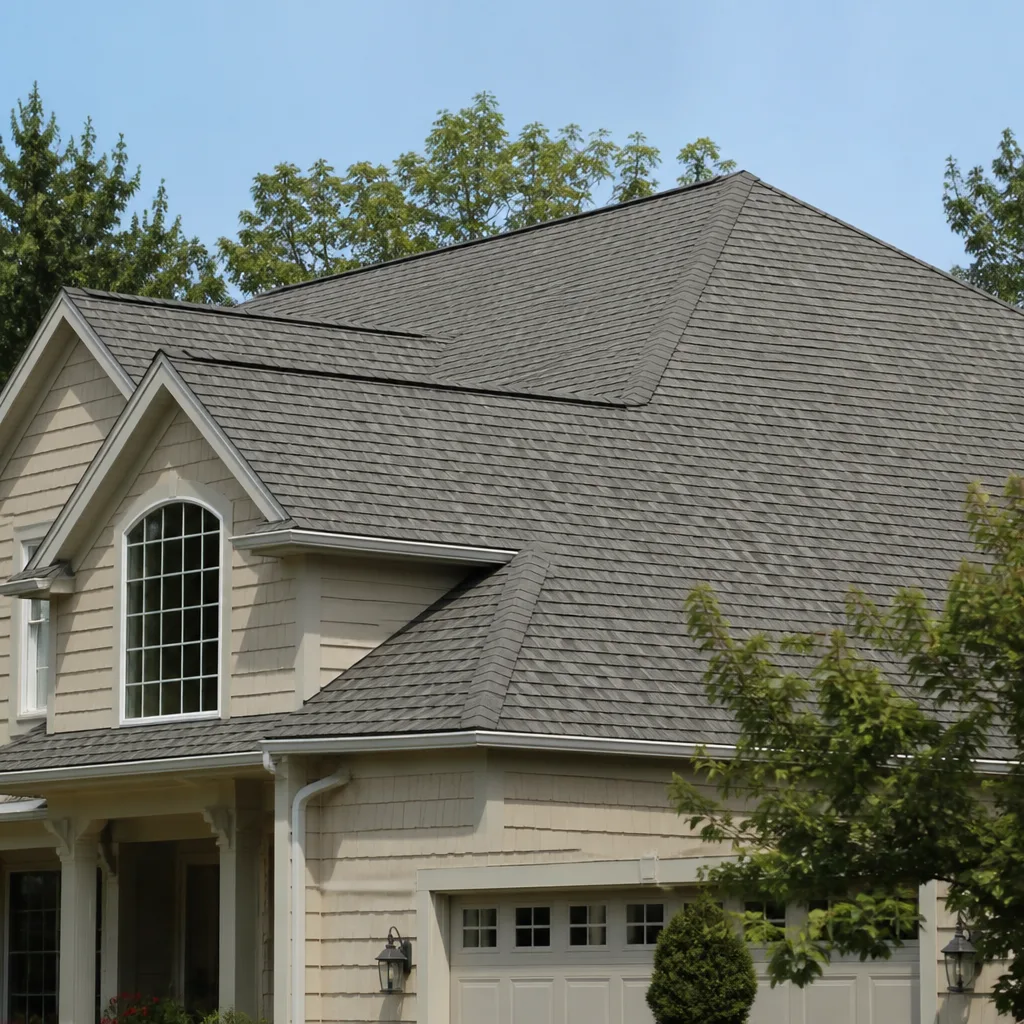
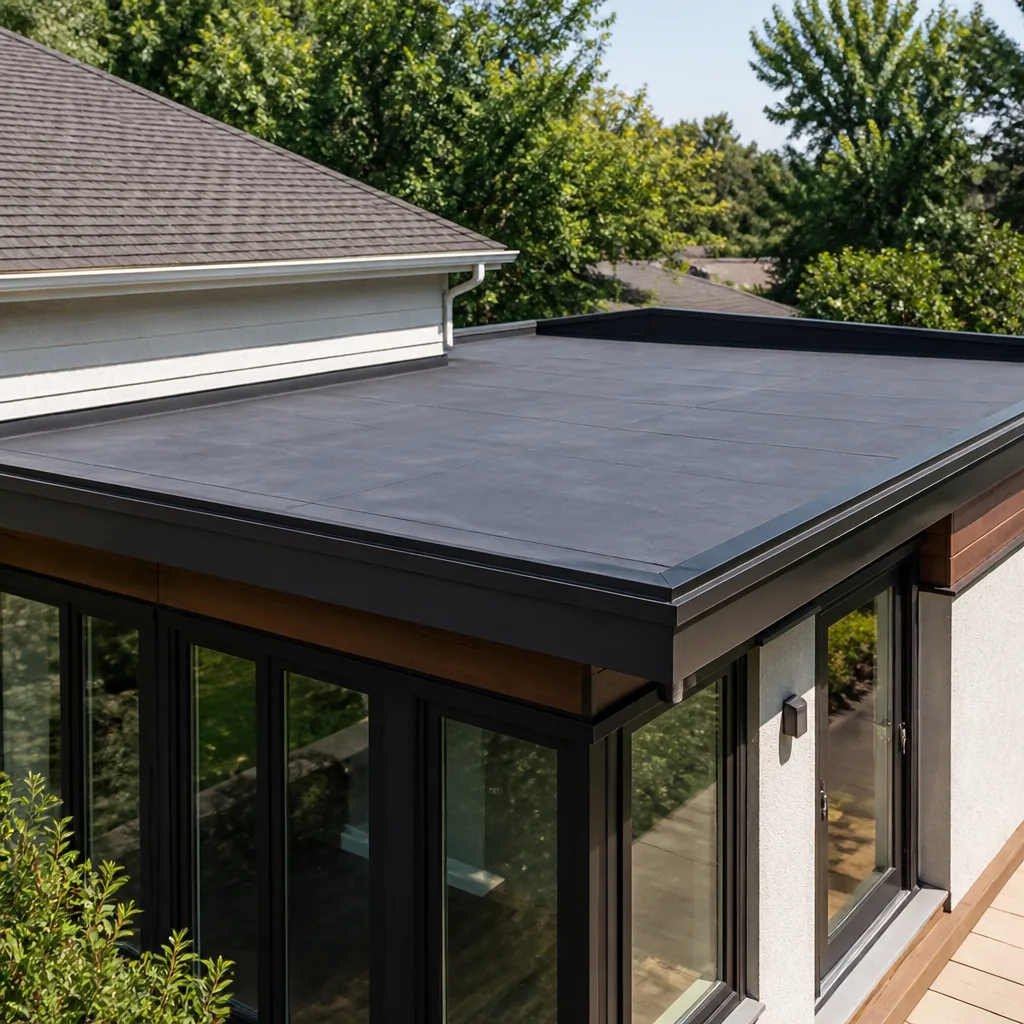
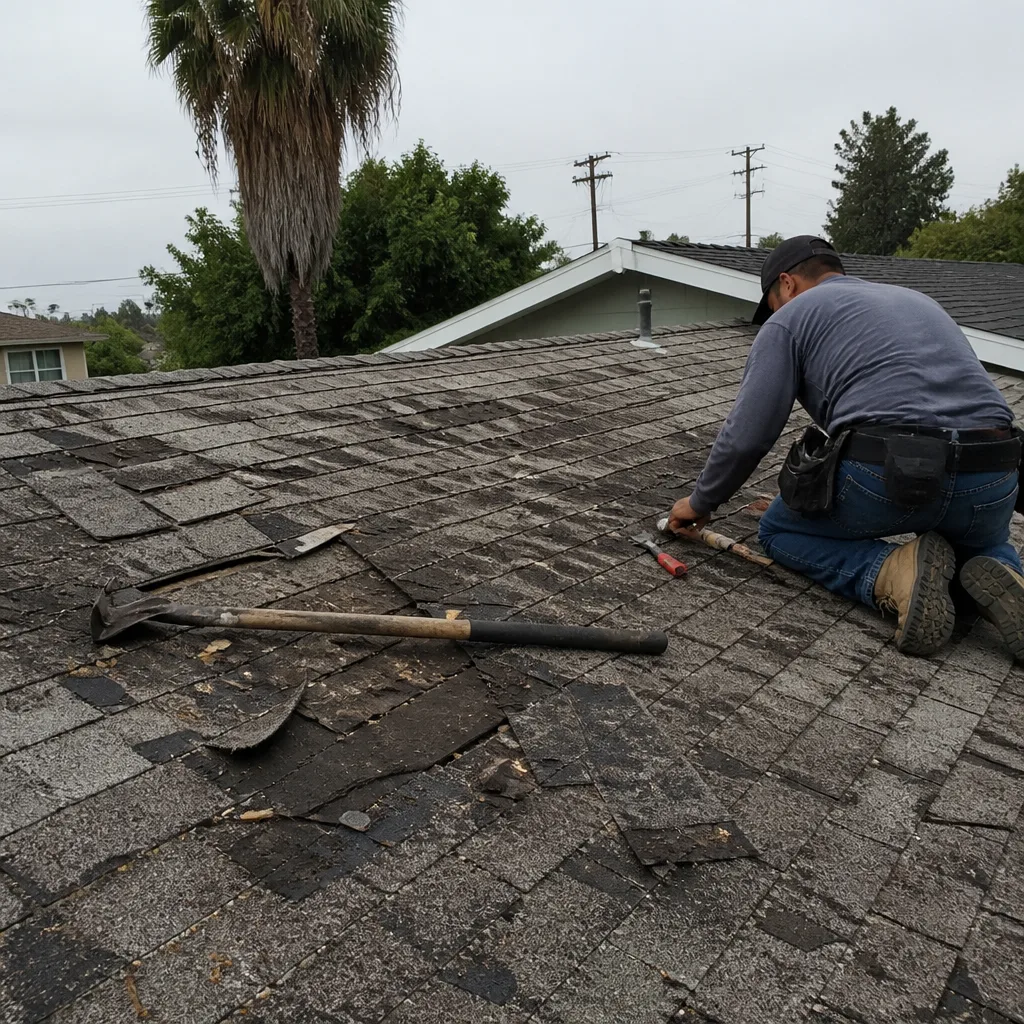 Before
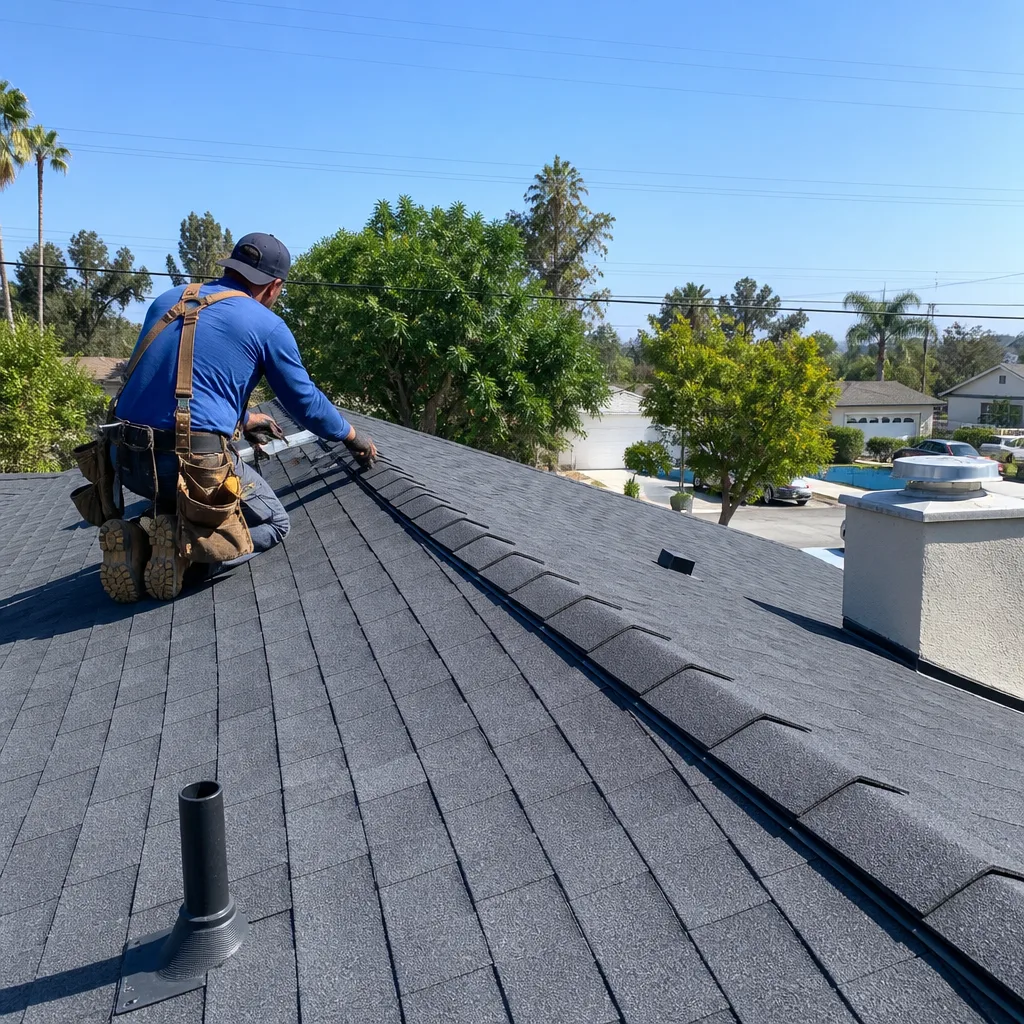 After
After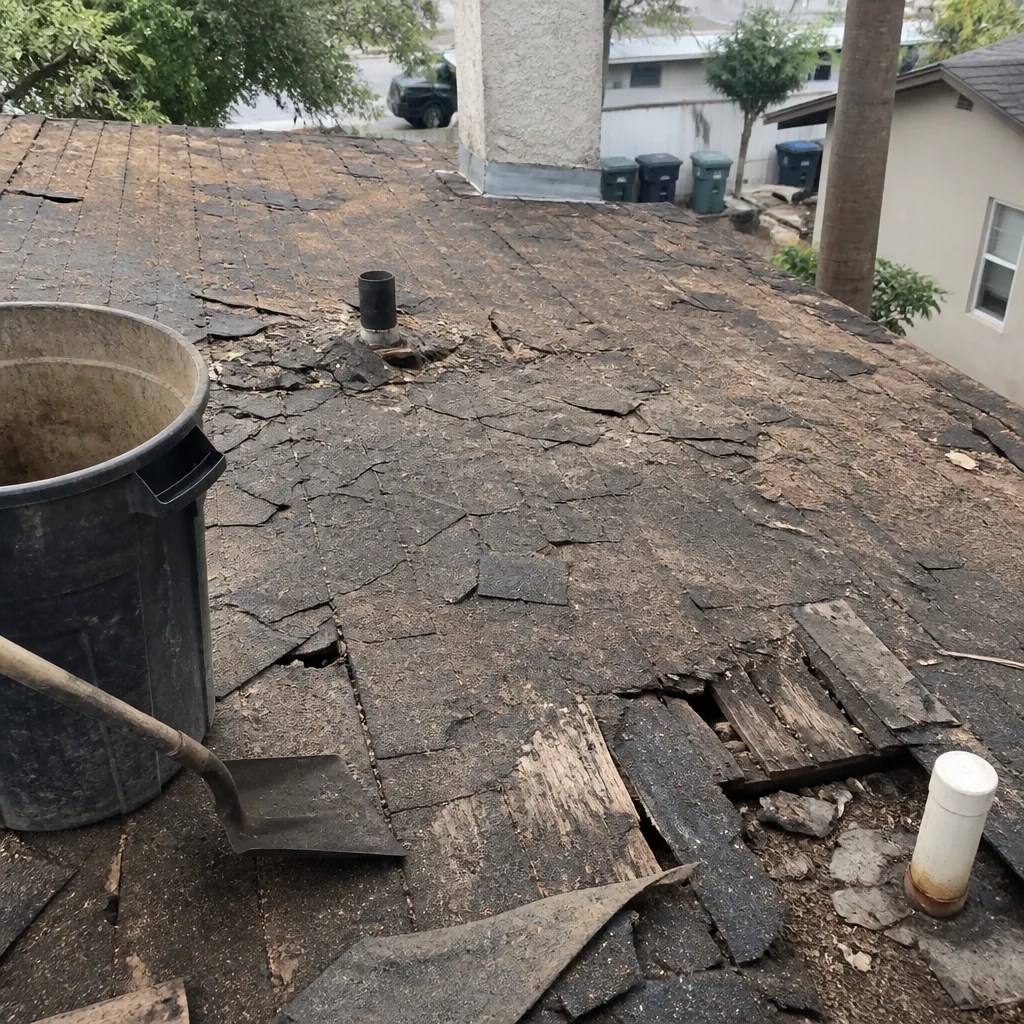 Before
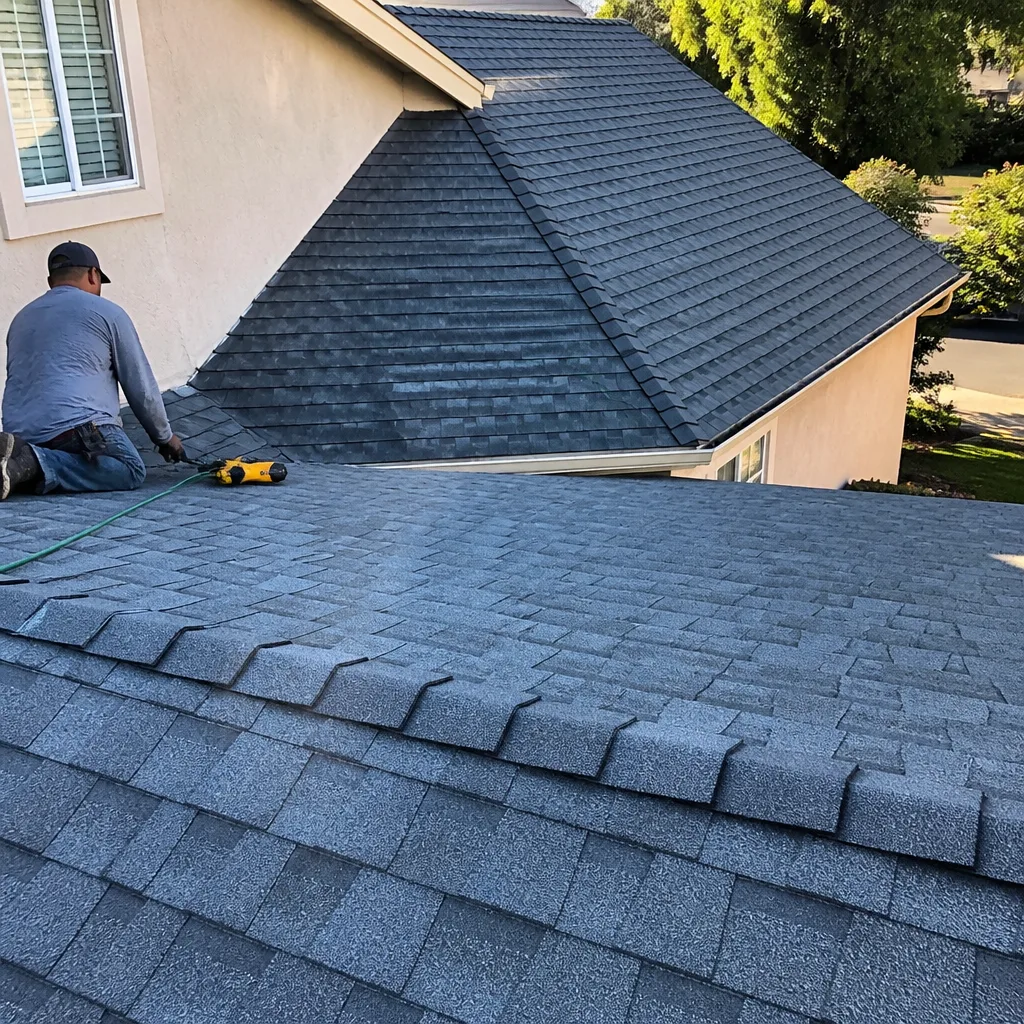 After
After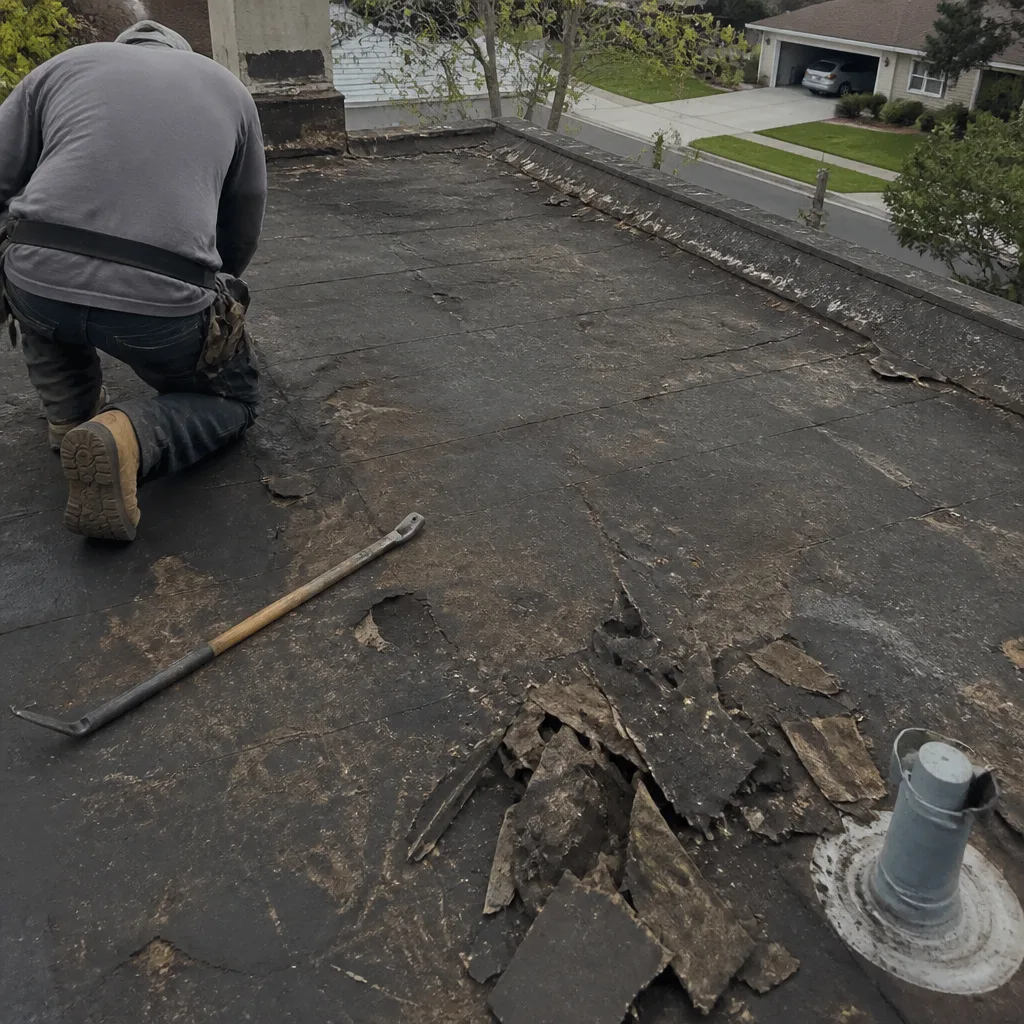 Before
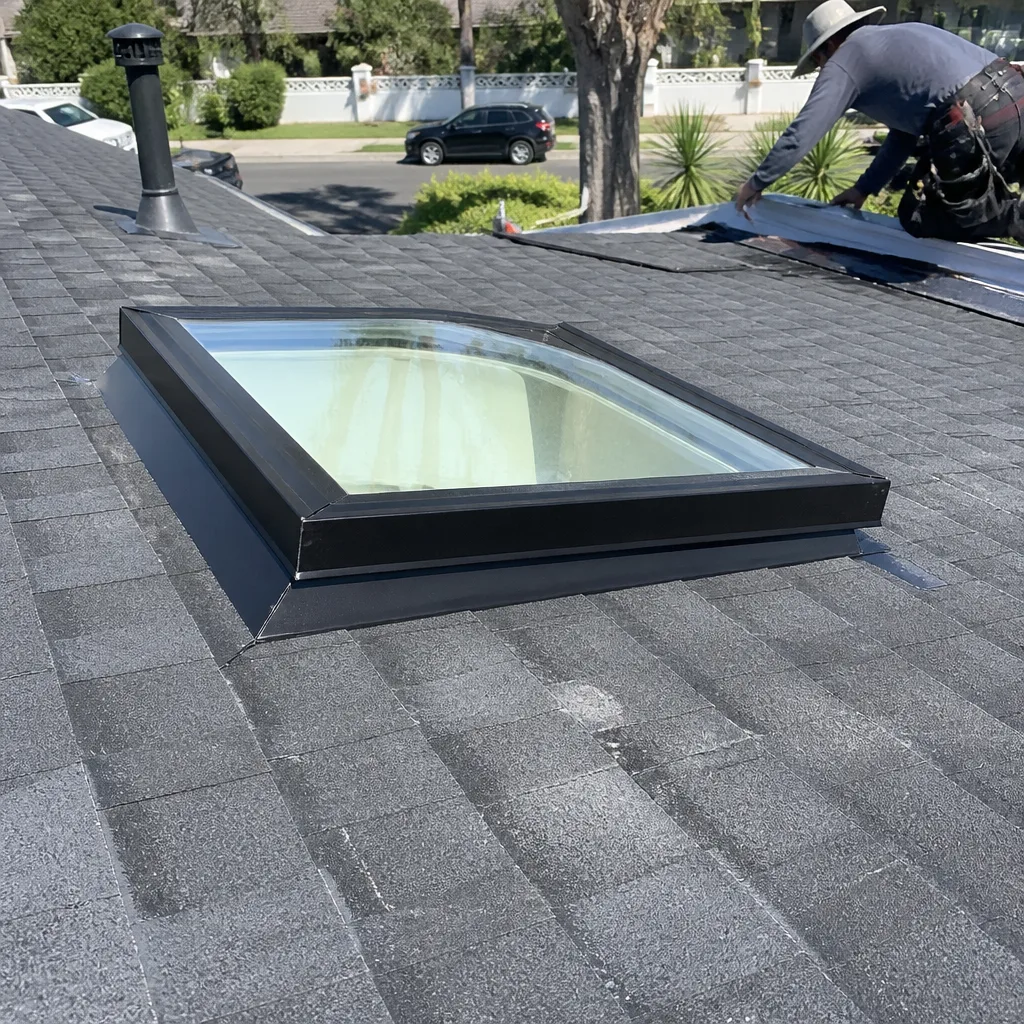 After
AfterSagging Roof Deck
A sagging roof deck is a structural warning, not a cosmetic one. It almost always means the wood sheathing, the rafters beneath it, or both have lost enough strength that the roof surface is no longer holding its intended shape. Left alone, a sagging deck does not stabilize on its own – it gets worse, and in serious cases it can fail entirely.
The deck is the layer of plywood or OSB (oriented strand board) nailed across your roof rafters. Everything above it – felt, underlayment, shingles – depends on that deck being flat and solid. When moisture, age, or structural overload weakens the wood, the surface begins to bow inward between the rafters or along the ridge. What you see from the ground is a dip, a wave, or a curve where a straight line should be. That visual distortion is your house telling you something underneath has changed.
Why It Happens
Long-Term Moisture Damage to the Sheathing
This is the most common cause by a wide margin. Water gets in through a failed shingle, a cracked flashing, or a compromised ridge cap – sometimes for months or years before anyone notices. The plywood or OSB sheathing soaks up that moisture, softens, and eventually loses its structural stiffness. You can often confirm this is the culprit by checking your attic with a flashlight: look for dark staining, a musty smell, or sheathing that looks swollen or delaminated along the underside. Soft or spongy wood when you press on it from below is a clear sign the panel has failed.
Rafter or Truss Damage
The sheathing is only as solid as what’s holding it up. When a rafter cracks, splits, or rots through, the deck above it drops between its neighboring supports and creates a visible sag that runs in a line – not a broad wave, but a defined channel. In the attic, a damaged rafter often shows a visible crack or a pronounced downward bow. Trusses can fail the same way, particularly at the connection points, and the sag you see from the yard may follow the truss spacing exactly.
Too Much Weight on the Roof
Roofing materials have weight limits. If a previous crew installed a second or third layer of shingles over an existing one without stripping the old material, the cumulative load can exceed what the original framing was designed to carry. Heavy ice buildup over a winter can compound this. The sag in this case tends to be gradual and spread across a wide section rather than localized to one spot. If you know your home has had multiple re-roofing jobs over the years, this load factor is worth discussing with a technician.
Inadequate Original Construction or a Ventilation Failure
Some decks were simply underbuilt – sheathing panels spaced too far apart, rafters sized at the minimum allowable, or fasteners that loosened over time. Ventilation failures accelerate this: an attic that can’t breathe traps heat and moisture against the underside of the deck year-round, cooking the wood from the inside. If your attic feels unusually hot in summer or you notice condensation on the sheathing in winter, poor ventilation is likely a contributing factor even if it isn’t the only one.
What to Do Right Now
- Photograph the sag from multiple angles. Stand back far enough to capture the roofline against the sky, and take close shots of any visible dips or waves. These photos help the technician prioritize before they even get on the roof.
- Check your attic safely from the hatch – do not walk out onto weakened sheathing. Use a flashlight to look for water staining, mold, soft or swollen wood, or cracked rafters. Stop and step back if the floor feels soft underfoot; you’re looking, not investigating.
- Stop using rooms directly below a significant sag until someone has assessed it. A deck that is actively failing can come down. This is not a common outcome, but if the sag is deep or the area is large, treat the space beneath as you would any compromised structure.
- Do not attempt to walk the sagging section of the roof or probe it from above. A soft or rotted deck will not support your weight, and working at roof height on an unstable surface is genuinely dangerous. This is a job for a trained technician with the right equipment.
- Note when you first noticed it and whether it has changed. A sag that appeared suddenly after a storm is a different conversation than one that’s been slowly getting worse over two seasons. That timeline matters for the diagnosis.
How We Fix It
When your local Tilehurst Roofing team arrives, the technician starts on the ground – looking at the roofline, asking about history, reviewing your photos. Then they go into the attic before they go onto the roof. That sequence matters: the view from below tells them whether this is a sheathing problem, a framing problem, or both, and it keeps them from putting weight on a section that isn’t ready for it.
From there, they give you a written price before any work starts. That’s not a formality – it’s the Kingswell Way. Say the price before the work, every time.
The repair itself typically involves removing the shingles and underlayment in the affected section, replacing the compromised sheathing panels, and addressing any damaged rafters or framing beneath them. Depending on what the inspection turns up, the path forward is either a targeted roof repair or a roof replacement if the damage is widespread. The job is covered by a written guarantee before the crew leaves, and the 365-Day Done Right Promise means that if something isn’t right within the year, we come back and make it right at no charge.
Frequently Asked Questions
A sagging roof deck is a structural issue and should be assessed promptly – not next season, and not after the next major storm. The rate of deterioration depends on how much moisture is involved and how far the framing is compromised, but a deck that is already sagging has passed the point where waiting helps. The longer moisture stays against weakened wood, the more wood fails. Call (945) 303-9821 to get a technician out for a free written assessment before the problem expands.
A live person answers every call at (945) 303-9821, around the clock – evenings, weekends, all of it. Your local Tilehurst Roofing team will work with you to get someone out as quickly as the schedule allows. Call us now and we’ll tell you exactly when we can be there.
Every repair Tilehurst completes comes with a written guarantee delivered before the crew leaves – not mailed later, not promised verbally. If the repair fails inside the guarantee period, we return and correct it at no charge under the 365-Day Done Right Promise. That guarantee is on paper before anyone touches your roof.
The honest answer is that the price depends entirely on what the inspection finds: how many sheathing panels need replacing, whether any rafters are damaged, and what the shingles look like once we remove them. There is no flat rate for this repair because every deck is different. What we can promise is a written price in your hands before any work starts – no surprises at the end of the job. Call (945) 303-9821 to schedule your free written estimate.
Get It Fixed
A sagging roof deck doesn’t resolve itself – it needs a trained eye and a real repair. Call (945) 303-9821 any time, day or night, and a live person will pick up. Your local Tilehurst Roofing team will come out, assess the damage, and put a written price in your hands before anything starts.
Written by Greg Holloway, Owner at Tilehurst Roofing, a Kingswell family company serving communities nationwide since 2000.
What Our Customers Say
"Small leak around the chimney flashing. They sealed it properly and it's held through a wet winter. Didn't push me toward a whole roof like the last outfit tried to."
- Bernard Oakes"Called about a few missing shingles after a windy night. They came out, fixed it, and didn't try to turn it into a huge project. Charged exactly what was quoted. Refreshing."
- Stephanie R."They repaired a spot that another company had "fixed" twice. Tilehurst found what the others missed and it finally stopped leaking. Should have called them first."
- Denise Ackerman