

Free roof inspection with deck photos before we talk money - GAF and Owens Corning certified installation





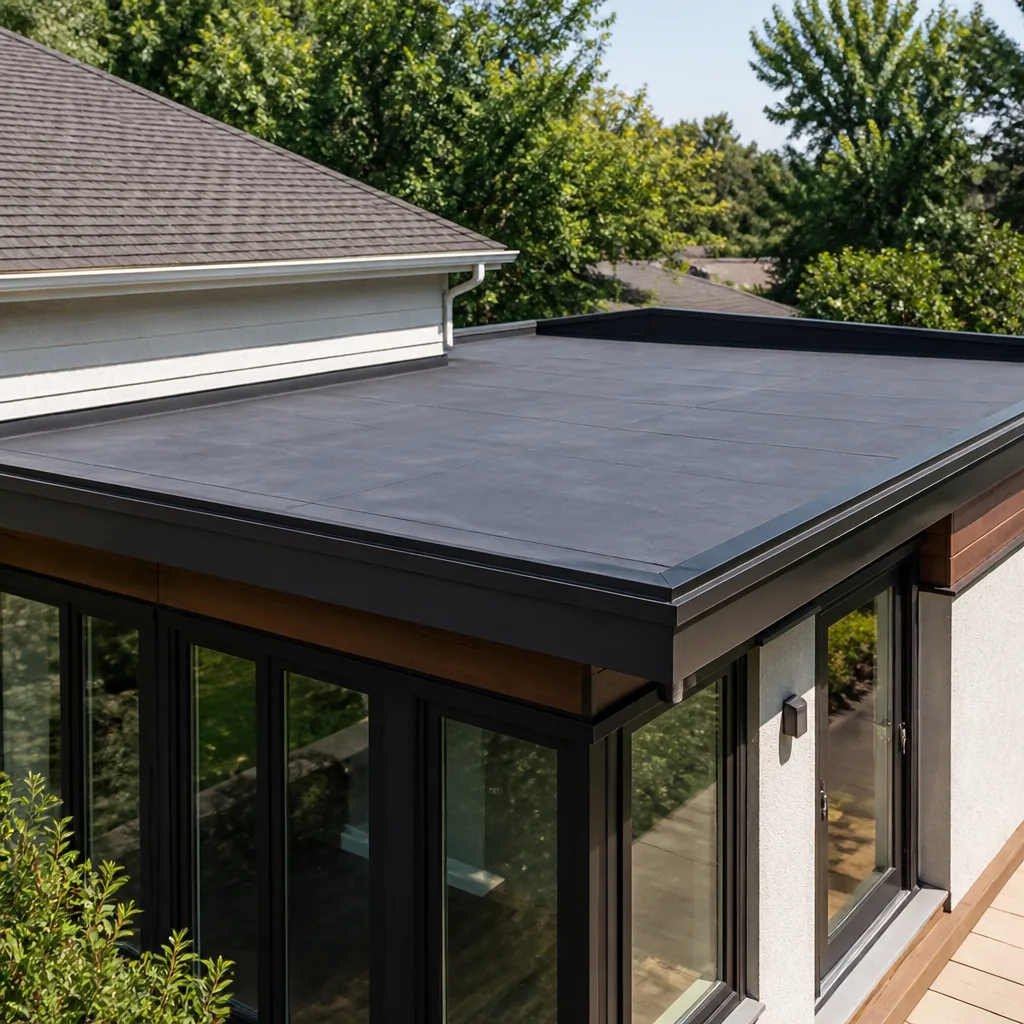
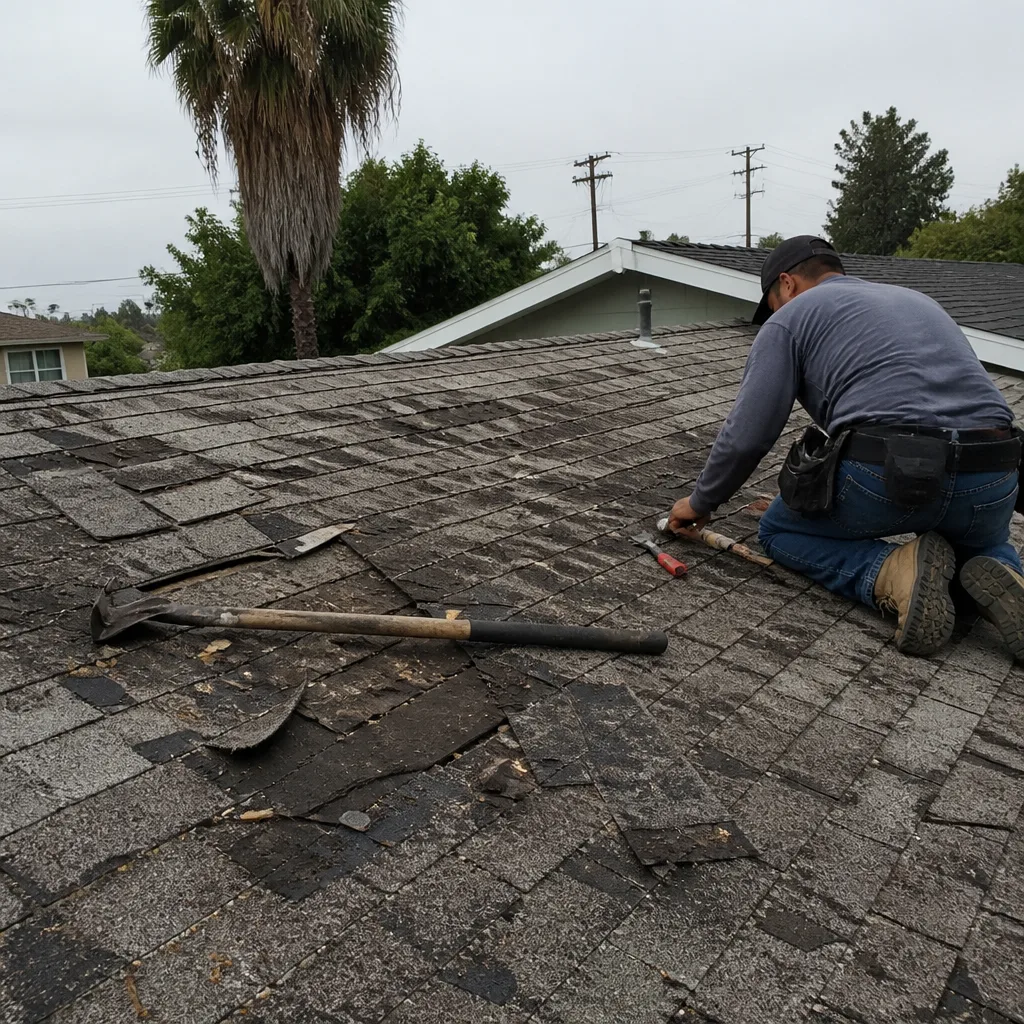 Before
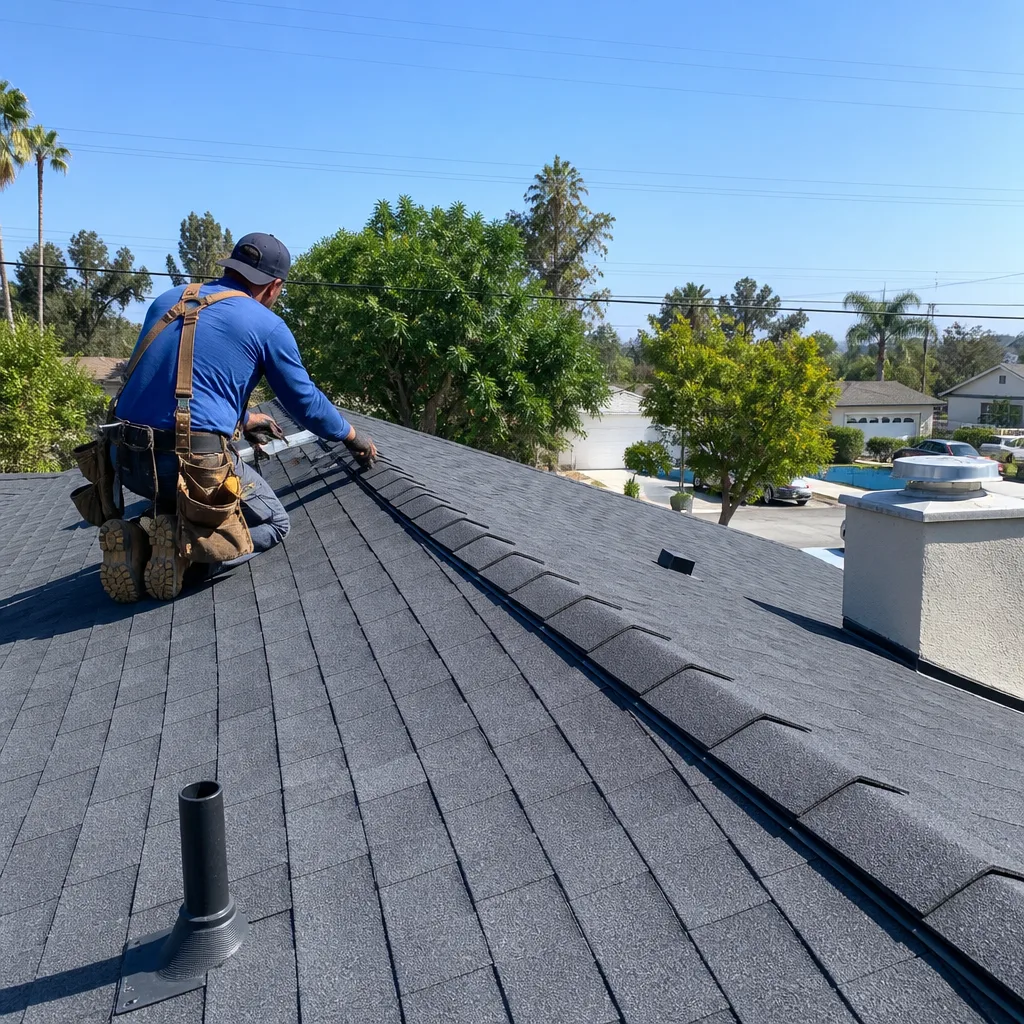 After
After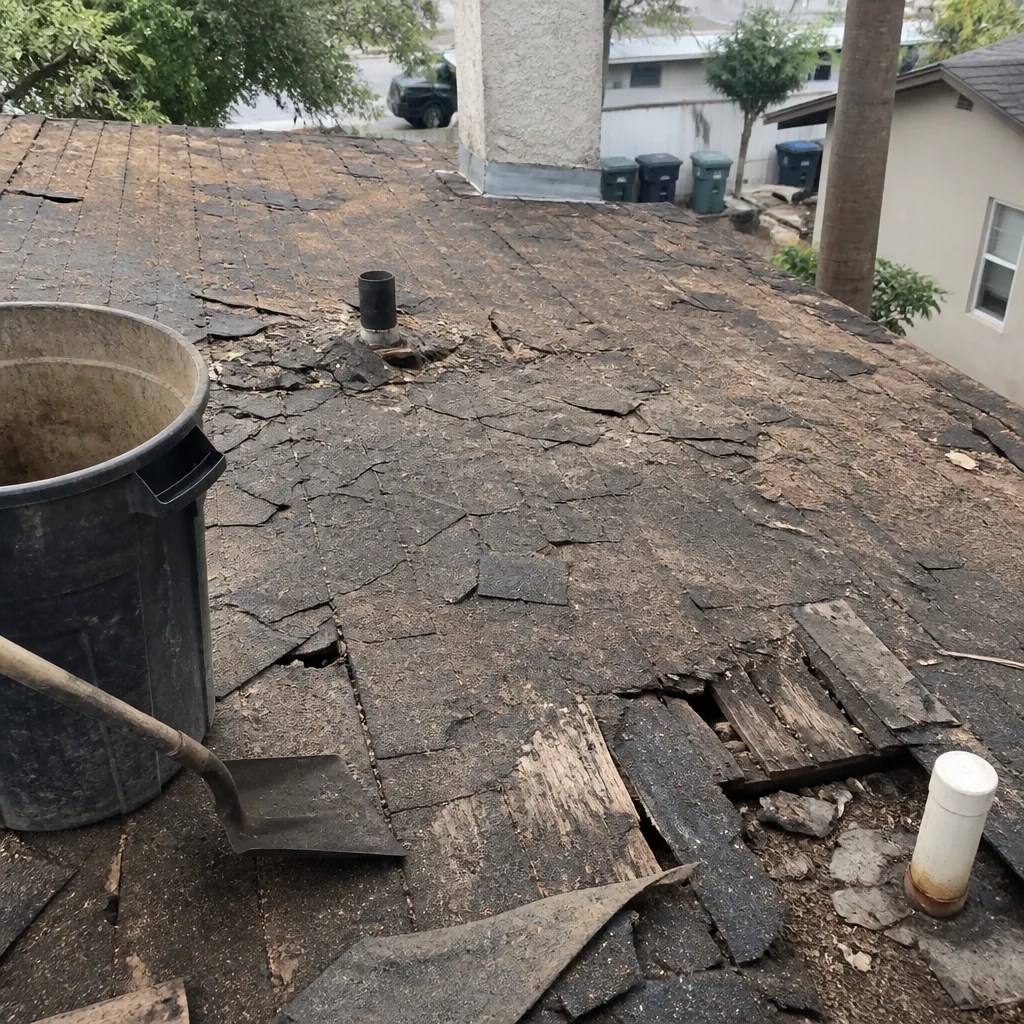 Before
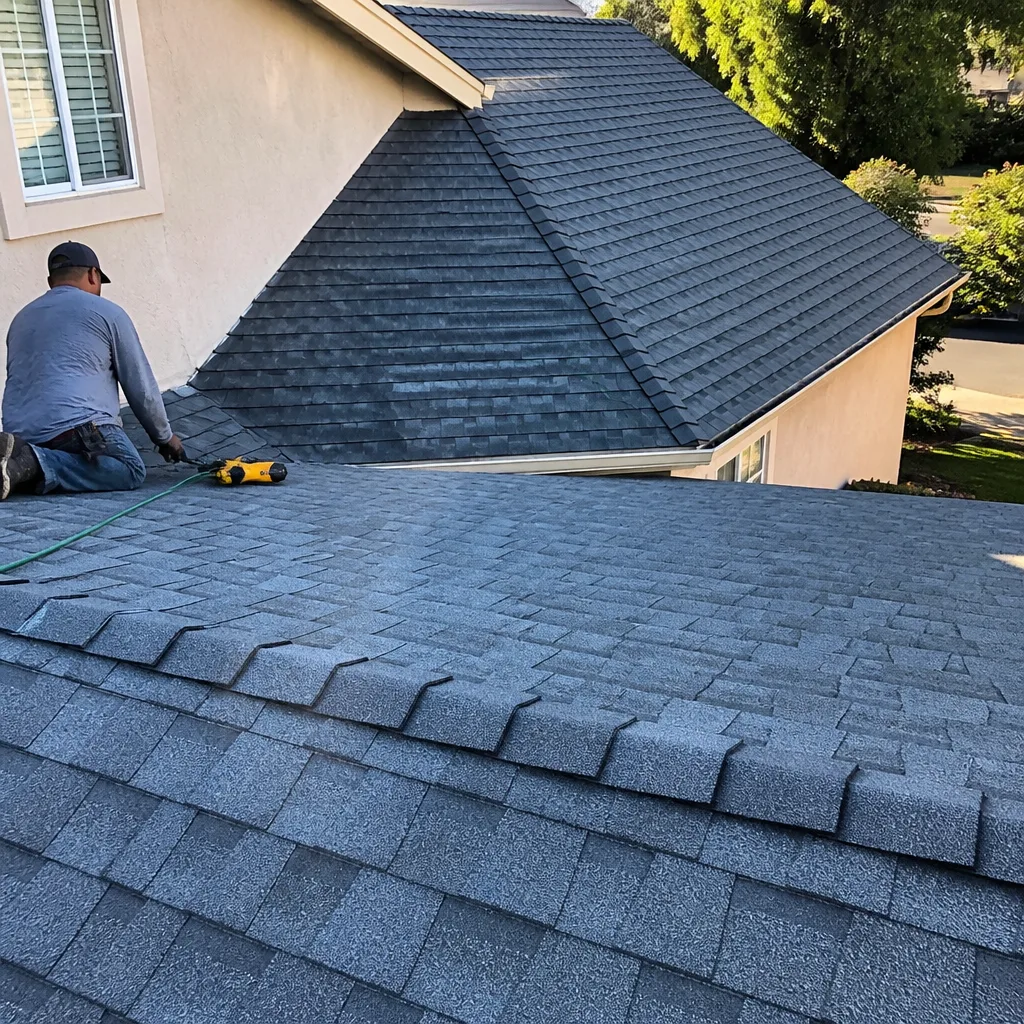 After
After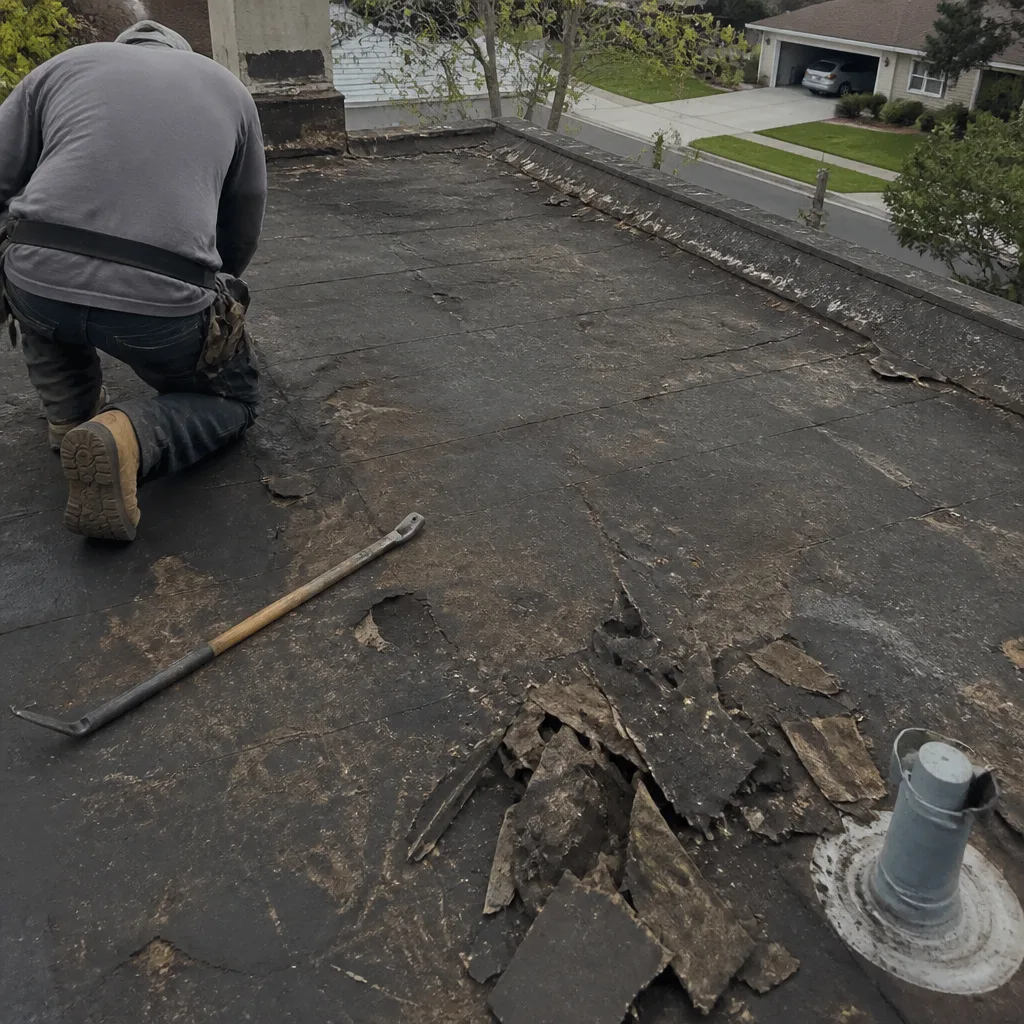 Before
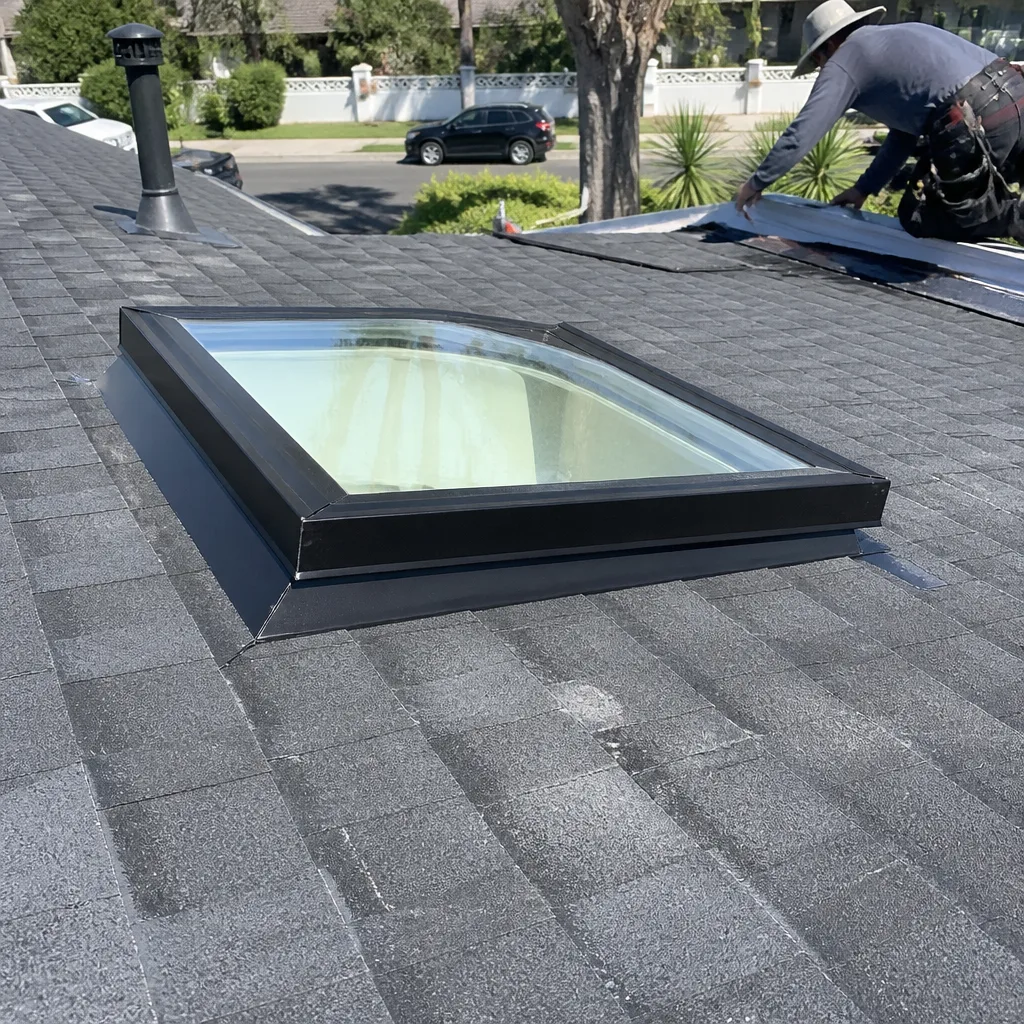 After
AfterGranules in the Gutters
What’s Happening
Granules in your gutters almost always mean your shingles are losing their protective coating – a sign the roof is aging, stressed, or damaged and needs a professional look before the next hard rain. This is not a cosmetic issue you can ignore. Granules are what shield the asphalt layer underneath from UV light and water, and once they’re gone in patches, the clock starts ticking toward leaks.
The gritty, sand-like material collecting at the bottom of your downspouts or piling up in your gutters came off your shingles. Every asphalt shingle is coated in mineral granules bonded to the surface. Over time, weather, impact, installation problems, or simple age breaks that bond. A handful of granules after a new roof installation is normal – the factory applies a little extra and it sheds off quickly. But if you’re seeing a steady stream of grit, dark or bald patches on individual shingles, or granules pooling every time it rains, something is genuinely wrong and worth diagnosing before the asphalt beneath it starts cracking.
Why It Happens
1. Normal Aging – The Most Common Cause by Far
Asphalt shingles have a service life, and as they approach the end of it, the granule bond weakens. You’ll typically see this as widespread, fairly even granule loss across a whole slope rather than concentrated in one spot. If your roof is getting on in years and you’re finding grit in the gutters every season, the shingles are telling you they’re done.
2. Storm or Impact Damage
Hail is the most efficient granule remover there is. Even hail small enough to feel harmless at ground level can knock granules loose at impact, leaving circular bare spots scattered across the surface. Heavy wind-driven debris – branches, grit, even ice – can do the same. If the granule loss showed up suddenly after a storm, get on a ladder-free visual from the ground and look for dented or bruised shingles. Clusters of bare spots in a random pattern are a strong hail indicator.
3. Manufacturing Defects or Poor Installation
Occasionally a batch of shingles leaves the factory with a weak granule bond, or shingles were installed in a way that stressed the surface – nailed too high, overdriven, or exposed to foot traffic without proper protection. Defect-related granule loss tends to appear earlier in a roof’s life than you’d expect, and it often concentrates in one section rather than spreading evenly. If your roof isn’t old and you’re already losing granules, this is worth flagging to a technician who can inspect the nail pattern and alignment.
4. Blistering from Trapped Moisture or Poor Ventilation
When moisture gets trapped inside a shingle during manufacturing, or when the attic below runs too hot because of inadequate ventilation, shingles can blister. The blisters pop and take granules with them. From the ground, this can look like scattered small bare spots or pockmarks, but unlike hail damage the blisters are raised before they rupture. If your attic feels unusually hot and you’re seeing granule loss, ventilation is worth checking at the same time as the shingles.
What to Do Right Now
- Stay off the roof. A granule-shedding roof is a slippery, potentially compromised surface. Ground-level observation and gutters are as far as you need to go – anything that requires climbing belongs to a technician with the right equipment and training.
- Photograph your gutters and downspout exits. Take clear photos of the granule volume before you clean anything out. Volume matters for diagnosis, and pictures with a timestamp give your technician useful information before they even get on the roof.
- Look at the shingles from the ground. Use binoculars if you have them. You’re looking for dark patches, bald spots, cupped or curling edges, or any shingle that looks visibly different from its neighbors. Note which slopes look worse.
- Check your attic for daylight or water stains. On a bright day, go into your attic and turn off the light. Any pinpoints of daylight showing through the deck are serious. Water stains on rafters or the sheathing mean moisture has already gotten in. If you see either, call immediately – don’t wait for the estimate appointment.
- Don’t put off the call because the ceiling looks fine. Granule loss is a leading indicator. By the time a leak shows up inside the house, the damage is already deeper and more expensive than it would have been if caught early.
How We Fix It
When your local Tilehurst Roofing team arrives, the technician starts on the roof, not in the truck. They walk the slopes, check the granule loss pattern, inspect flashing at every penetration and valley, and probe the sheathing for soft spots. That inspection tells us whether we’re looking at isolated shingle repair, a section replacement, or a full roof replacement.
For localized damage, roof repair is usually the right answer: damaged shingles come off, the deck underneath gets checked, and new shingles go on with matching material selected from our seven manufacturer options – GAF, CertainTeed, Owens Corning, IKO, Atlas, Tamko, and Boral. If granule loss is widespread and the shingles are near the end of their useful life, roof replacement is the more honest recommendation. We’ll tell you which it is and why.
Before any work starts, you get a written price – that’s not a formality, it’s the Kingswell Way. The job is covered by our 365-Day Done Right Promise: a written guarantee delivered before the crew leaves, and a free return visit if anything fails inside the guarantee period. Most repairs are completed in a single visit. A full replacement scope depends on the size of the roof but your technician will walk you through the timeline before anyone picks up a tool.
Frequently Asked Questions
It depends on how much you’re seeing and how old your roof is. Small amounts of granule loss on an aging roof can be monitored briefly, but once bare spots appear in the asphalt layer, water gets in fast – especially under the freeze-thaw cycles or heavy rain that come with any serious weather. If you’re already seeing dark patches or bald spots from the ground, waiting increases the risk of a leak and a more expensive repair. Call (945) 303-9821 to get a technician out for a look – there’s no charge for the estimate and you’ll know exactly where you stand.
A live person answers at (945) 303-9821 around the clock, every day of the week, so you’ll always reach a real person when you call – not a voicemail. Your local Tilehurst Roofing team will work with your schedule to get an inspection arranged as quickly as possible. Call now and we’ll get you on the calendar.
There’s no honest way to quote granule loss repair without seeing the roof first – the price depends on how many shingles need replacing, the condition of the deck underneath, and the material you choose. What we can promise is that you’ll have a written price in hand before any work starts, every time, no exceptions. That’s the Kingswell Way and it’s not negotiable. Call (945) 303-9821 to schedule your free written estimate.
If the repair replaces the damaged shingles correctly, no – new shingles will shed a small amount of loose granules in the first few weeks while the surface settles, and then it stops. If you’re still seeing heavy granule loss from repaired sections after that break-in period, that’s exactly what our 365-Day Done Right Promise covers: we come back and make it right at no charge inside the guarantee period. That promise is in writing before the crew ever leaves your property.
Get It Fixed
Call (945) 303-9821 – a live person answers every call, day or night, 7 days a week. Your local Tilehurst Roofing team will inspect the roof, give you a written price before anything starts, and back the work with our 365-Day Done Right Promise. Book your free estimate today.
Written by Greg Holloway, Owner at Tilehurst Roofing, a Kingswell family company.
What Our Customers Say
"They repaired a spot that another company had "fixed" twice. Tilehurst found what the others missed and it finally stopped leaking. Should have called them first."
- Denise Ackerman"Full replacement after the last hail storm. They wrote up everything, worked with my insurance, and the crew cleaned the yard so well I couldn't find a single nail. Done in two days like they said."
- Lauren Petrakis"Had a leak over the kitchen every time it rained hard. Two other roofers wanted to replace the whole roof. Tilehurst found the bad flashing, fixed it, and it's been dry through three storms since. Honest people."
- Gary Whitfield