

Free roof inspection with deck photos before we talk money - GAF and Owens Corning certified installation
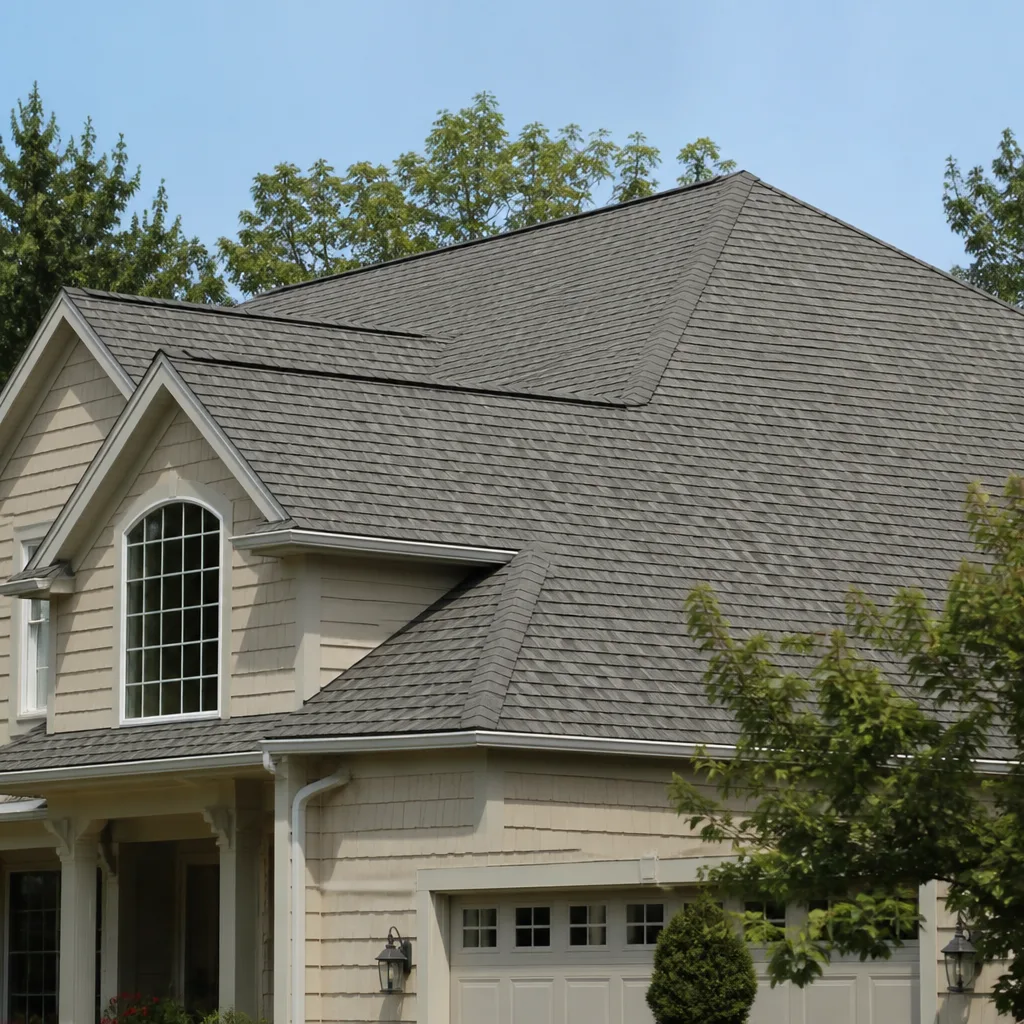
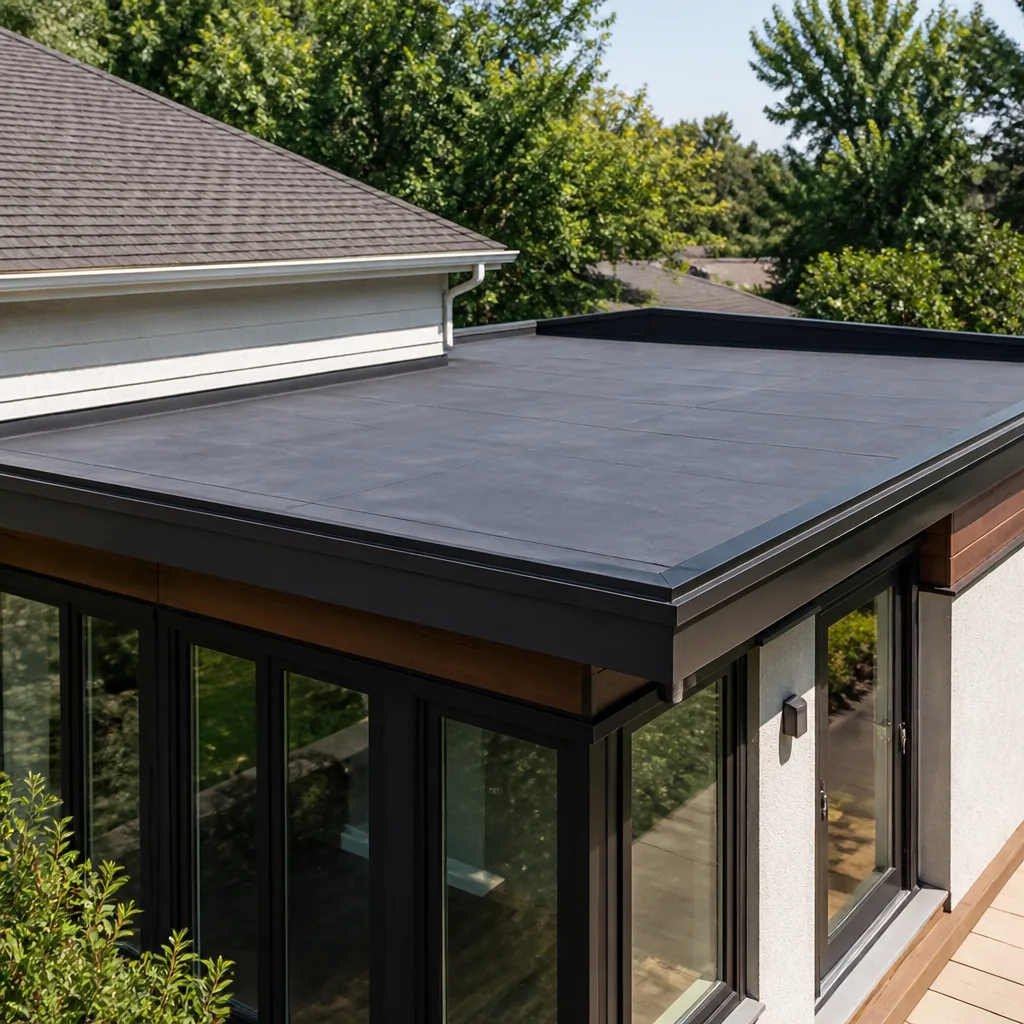
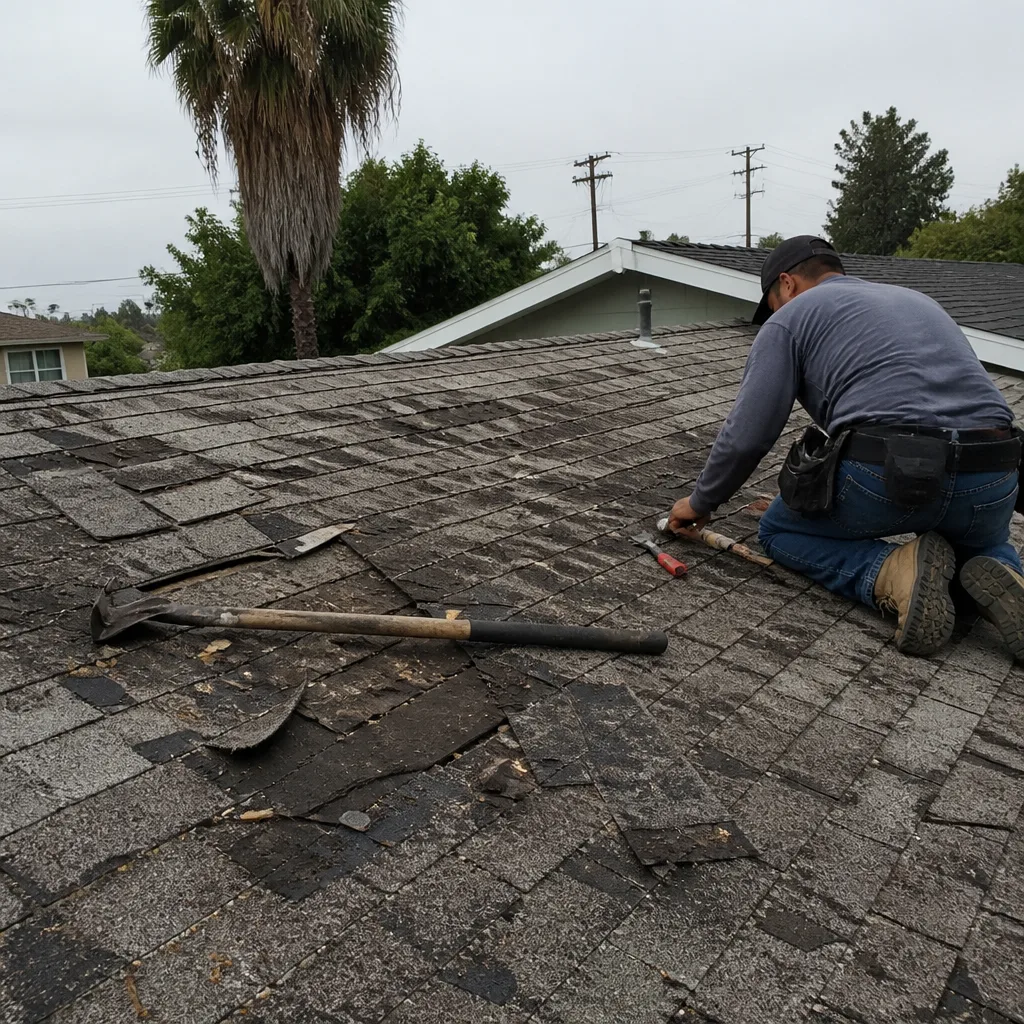 Before
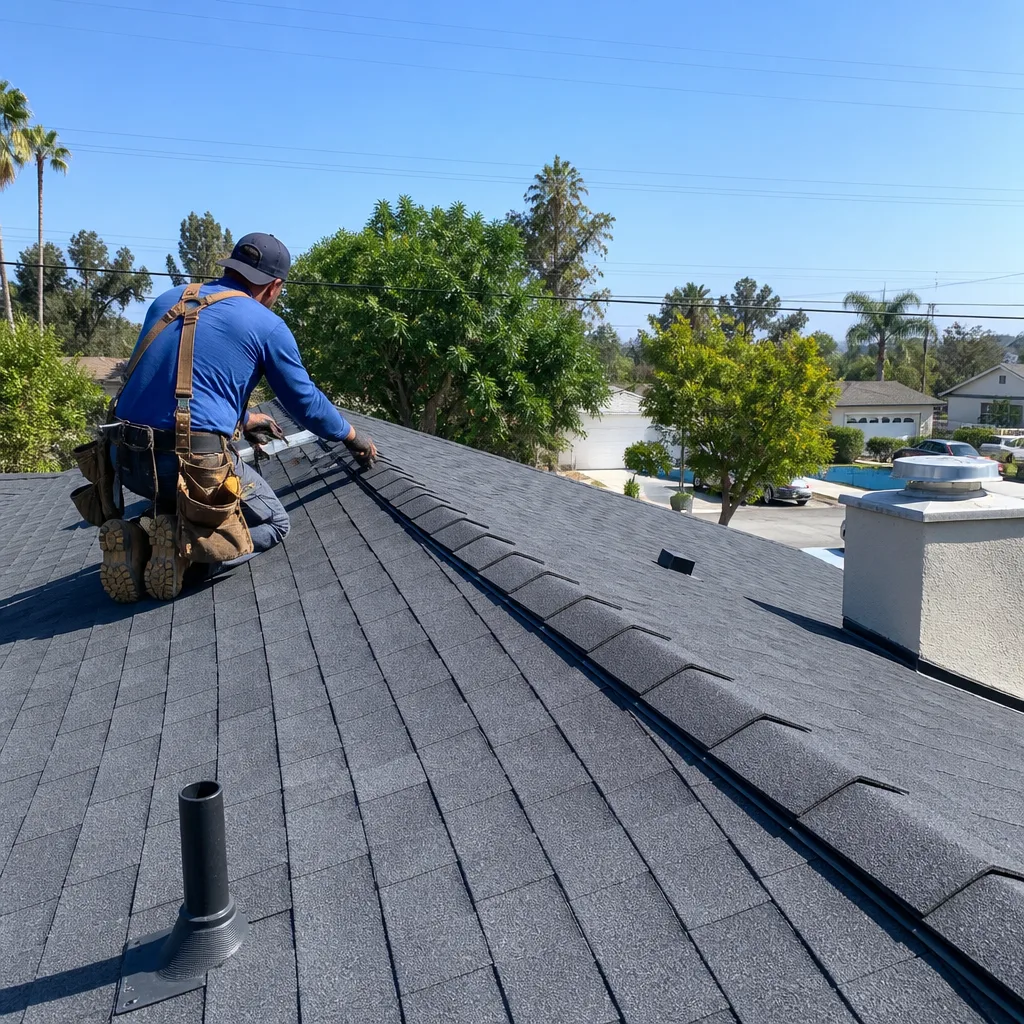 After
After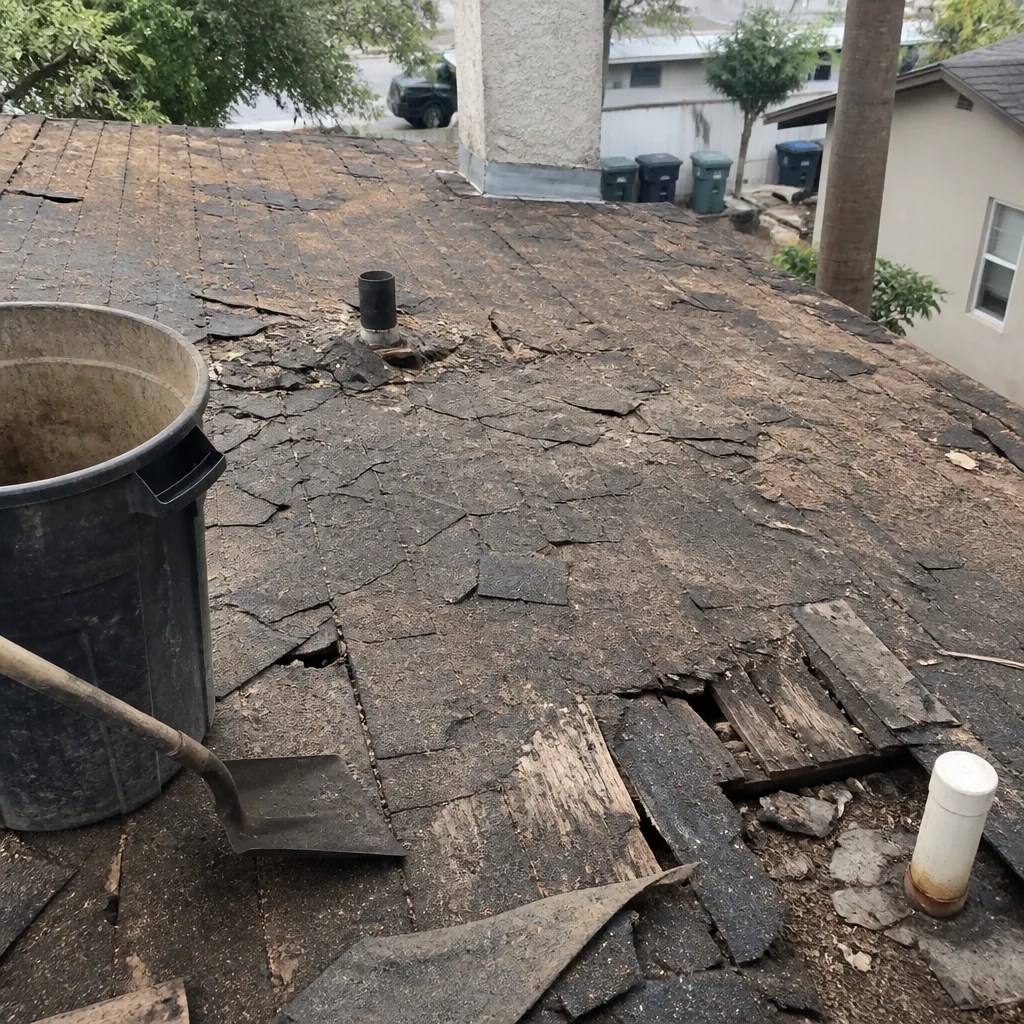 Before
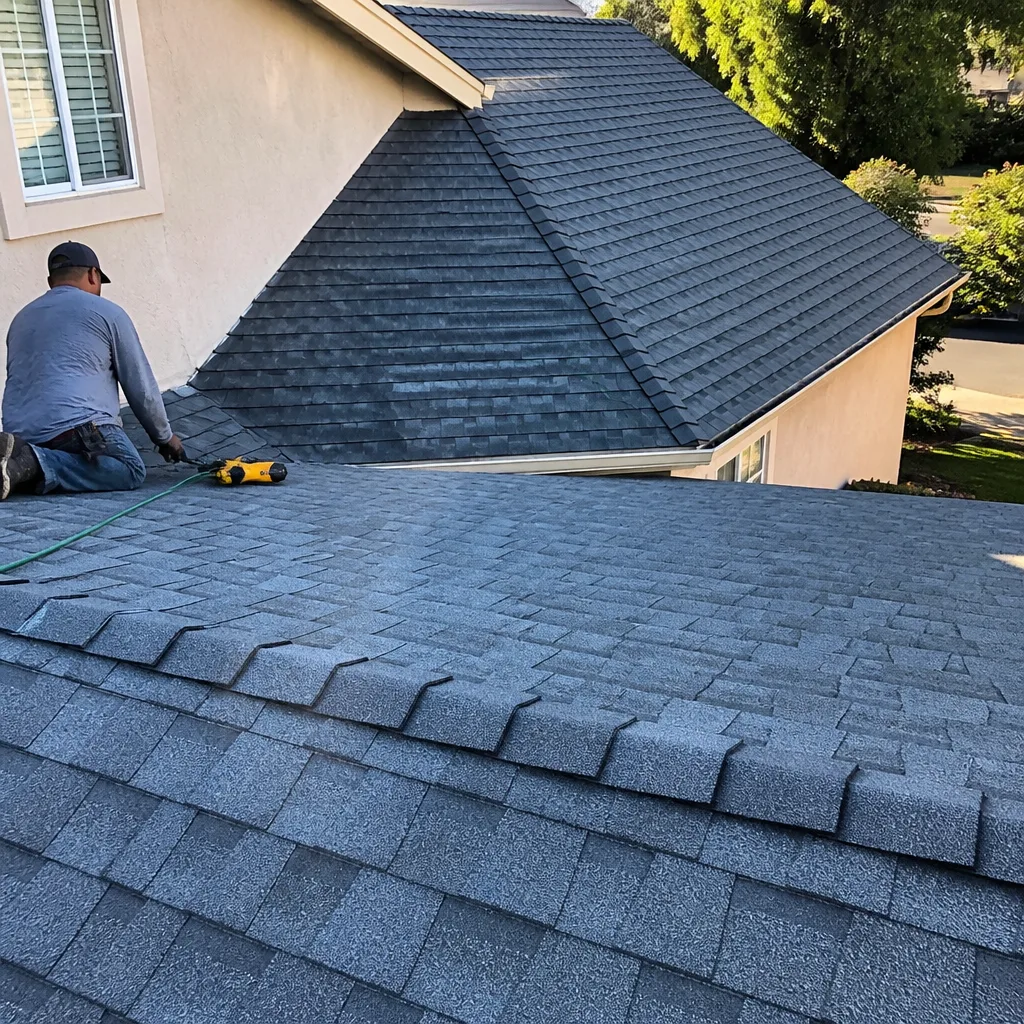 After
After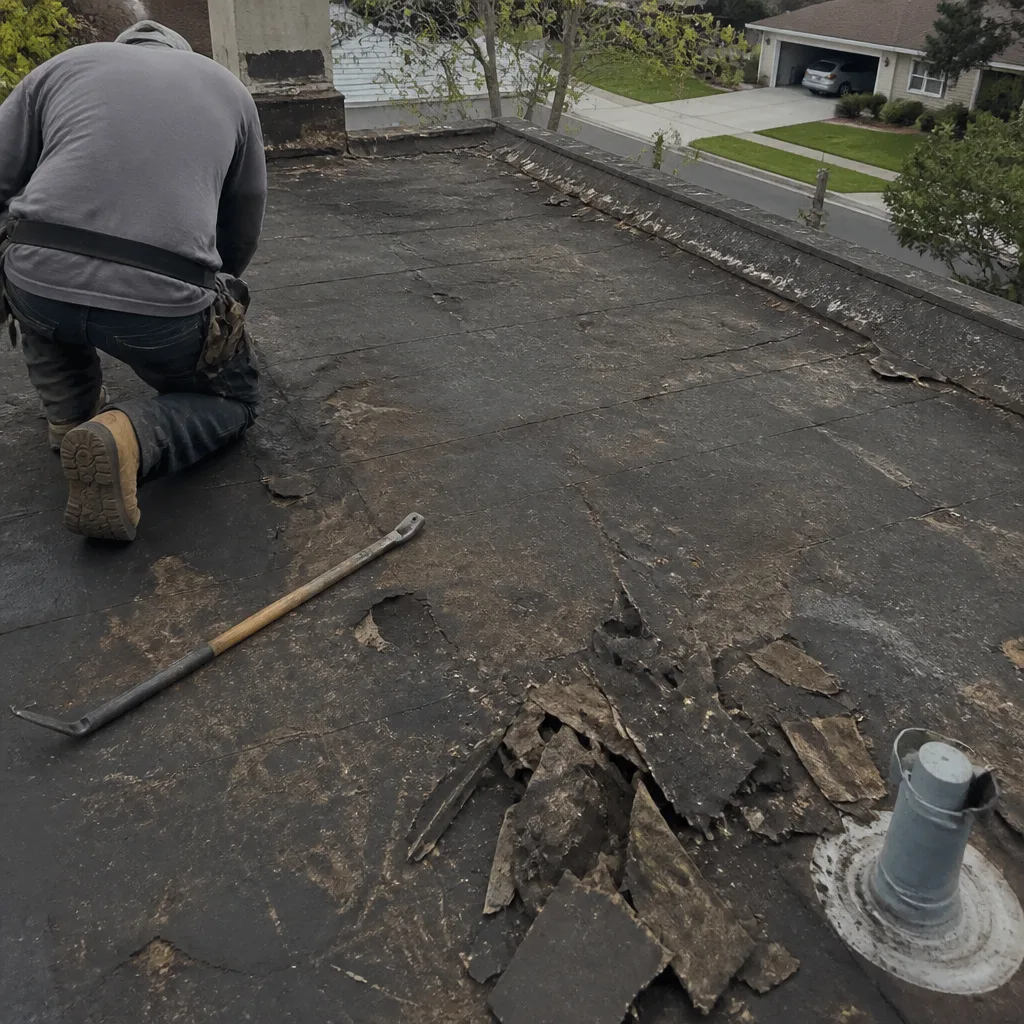 Before
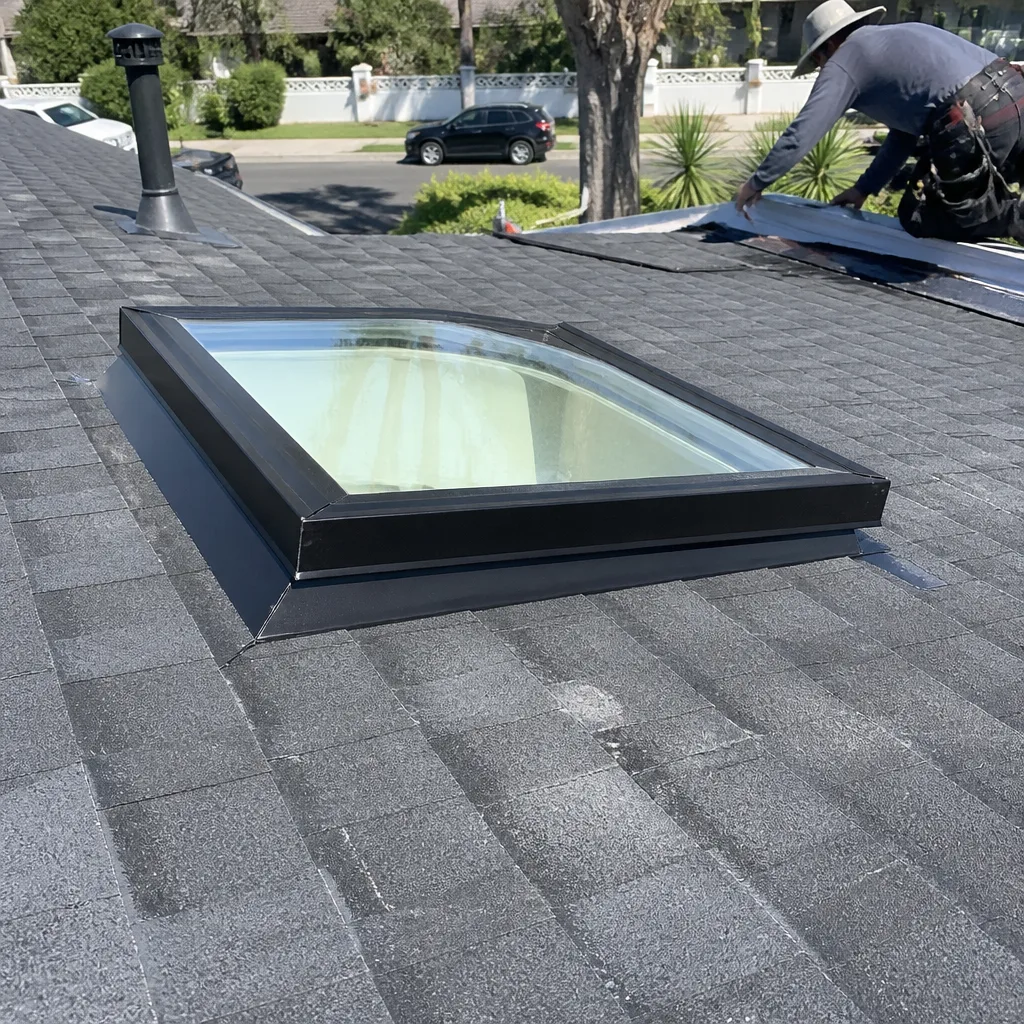 After
AfterShingles blown off after a windstorm
When wind strips shingles off a roof, the decking underneath is exposed to the sky. That’s not a cosmetic problem – it’s an opening where rain, humidity, and debris can reach the wood structure of your home starting with the next weather event. The repair is almost always straightforward, but the window to act before secondary damage sets in is short.
What’s Happening
Missing shingles after a windstorm mean part of your roof deck is unprotected. Water doesn’t need a long storm to work its way in – a short hard rain is enough to soak the felt underlayment, and if that’s gone too, the wood decking starts absorbing moisture within hours. Most of the time this is a roof repair situation, not a full replacement – but how much of the repair is straightforward depends on what the wind took with it and how long the deck has been exposed.
What the storm actually did was find the weakest point in your shingle system. Wind doesn’t pull shingles up randomly. It gets under a lifted edge, a loose nail line, or a tab that the adhesive strip stopped holding years ago, and then it peels. The shingles you can see on the ground are the ones that lost that fight. The ones still up there may be loosened too, which is why a proper inspection goes beyond just counting what’s missing.
Why It Happens
Adhesive seal strips that have dried out
Every asphalt shingle has a factory-applied strip of adhesive on its underside that bonds it to the shingle below it. That strip softens in heat and firms up in cold, and after enough seasons it stops bonding reliably. When it does, the shingle still looks fine from the ground – flat, no curling – but it’s essentially held in place by the nails alone. A strong gust gets under it and the whole tab or shingle lifts. If the shingles that blew off look otherwise normal and flat, dried adhesive is the likely cause.
Improper nailing from a previous installation or repair
Shingles are engineered to be nailed in a specific zone – too high and the nail sits above the seal strip, leaving the lower half of the shingle with nothing holding it down. Too few nails, and the wind load isn’t distributed the way the manufacturer designed. This is one of the most common things a Tilehurst Roofing technician finds when inspecting storm damage: a prior crew nailed high or used fewer fasteners than the local wind rating calls for. You won’t see this from the ground, but the pattern of what blew off – whole sections rather than scattered pieces – is a clue.
Shingles that were already at end of life
Asphalt shingles have a service life, and as they age they lose flexibility and granules, and the adhesive strip degrades. A shingle that’s nearing the end of its rated life is more vulnerable to wind than a new one – the same storm that leaves a ten-year-old roof untouched will strip a thirty-year-old roof. If the shingles on your ground are brittle, cracked at the break point, or heavily granule-bare, age is likely the primary factor. This situation sometimes changes the repair calculation.
Wind damage to the starter course or ridge cap
The starter row along the eaves and the ridge cap at the peak are two places where wind gets its best leverage. Ridge cap shingles run right along the top of the roof and take wind from both sides. Starter course shingles at the lower edge are the first line of defense against back-blow. When either of these fails, the wind has a path under the field shingles above them. If the damage pattern follows the ridge line or the roof edge, this is often where the problem began.
What to Do Right Now
- Stay off the roof. A roof after a windstorm can have hidden soft spots, loose sections, or debris hidden in the shingles. Walking it without training and proper equipment is a real fall risk. Let a technician do the inspection.
- Photograph everything from the ground. Walk the perimeter of the house and photograph the damage from ground level before anything is moved or covered. Take pictures of the shingles on the ground too – they tell the technician where they came from and what condition they were in. These photos also support any insurance conversation later.
- Check your attic ceiling right now. If any light is visible from below the roof deck, or if you see water staining on the decking, the underlayment is compromised. This moves the job from “schedule soon” to “schedule today.”
- Cover the exposed area only if you can do it safely from a ladder at the eaves – never from the roof surface itself. A heavy-duty tarp weighted or tied at the eaves can slow water intrusion. If the damage is higher up on the slope or near the ridge, leave it to the crew. A fall is a worse outcome than a wet ceiling.
- Call (945) 303-9821. A live person answers every call, around the clock. The sooner the inspection happens, the cleaner the repair – and the less chance the next rain turns a shingle repair into a decking repair.
How We Fix It
When your local Tilehurst Roofing team arrives, the technician starts with a full inspection – not just the missing shingles, but the surrounding field, the underlayment, the decking beneath, and the areas most likely to have been loosened by the same event. Before any work starts, you get a written price. That’s not a policy we revisit when the job gets complicated: it’s how every Tilehurst Roofing job works, every time.
For most post-windstorm jobs, the repair path is replacement of the missing shingles with matching material drawn from our selection across seven manufacturers – GAF, CertainTeed, Owens Corning, IKO, Atlas, Tamko, and Boral – so the match is as close as the market allows. If the underlayment is compromised, that’s replaced first. If the decking has moisture damage, that gets addressed before anything goes on top of it. Most straightforward shingle repairs are completed in a single visit. Before the crew leaves, you have a written guarantee in hand under the 365-Day Done Right Promise. If the repair fails inside that period, we come back and correct it at no charge. This is a roof repair job, and in some cases – where age or systemic failure is the real issue – the inspection will point toward roof replacement instead. Either way, the written estimate tells you what the job is and what it costs before a nail goes in.
Frequently Asked Questions
Yes, and the risk grows with every weather event between now and the repair. Exposed roof decking absorbs moisture quickly, and once the wood is wet, you’re not just repairing shingles anymore – you’re repairing shingles and decking, which costs more and takes longer. If your attic shows any sign of daylight or water staining, treat it as urgent. Call (945) 303-9821 to get your local team out for an inspection.
Your local Tilehurst Roofing team schedules inspections and repairs as quickly as capacity allows, and a live person is available right now at (945) 303-9821 to get something on the calendar. We don’t route you to voicemail or ask you to wait until Monday. Call and we’ll tell you exactly when we can be there.
The technician’s inspection answers that question. Missing shingles after a single windstorm usually point to a repair, but if the shingles are at or near end of life, or if the damage is widespread enough that isolated patching would leave the rest of the roof as the next failure point, the honest answer might be replacement. You’ll get a written estimate for whatever the inspection shows – not a verbal ballpark, a written price – before anything starts.
The written price you receive before work starts is the price. That’s a core part of how Tilehurst Roofing operates under the Kingswell Way: say the price before the work, not after. If the inspection turns up something unexpected that would change the scope, a technician will explain what was found and give you a revised written price before proceeding. You make the call, not us.
Get It Fixed
Call (945) 303-9821 right now – a live person answers every call, any time of day or night. Your local Tilehurst Roofing team will inspect the damage, hand you a written price before anything starts, and back the repair with the 365-Day Done Right Promise. No voicemail. No waiting. Just the answer you need and a crew that shows up.
Written by Greg Holloway, Owner at Tilehurst Roofing, a Kingswell family company founded in 2000.
What Our Customers Say
"Called about a few missing shingles after a windy night. They came out, fixed it, and didn't try to turn it into a huge project. Charged exactly what was quoted. Refreshing."
- Stephanie R."They repaired a spot that another company had "fixed" twice. Tilehurst found what the others missed and it finally stopped leaking. Should have called them first."
- Denise Ackerman"Full replacement after the last hail storm. They wrote up everything, worked with my insurance, and the crew cleaned the yard so well I couldn't find a single nail. Done in two days like they said."
- Lauren Petrakis