
Free roof inspection with deck photos before we talk money - GAF and Owens Corning certified installation
 Before
 After
After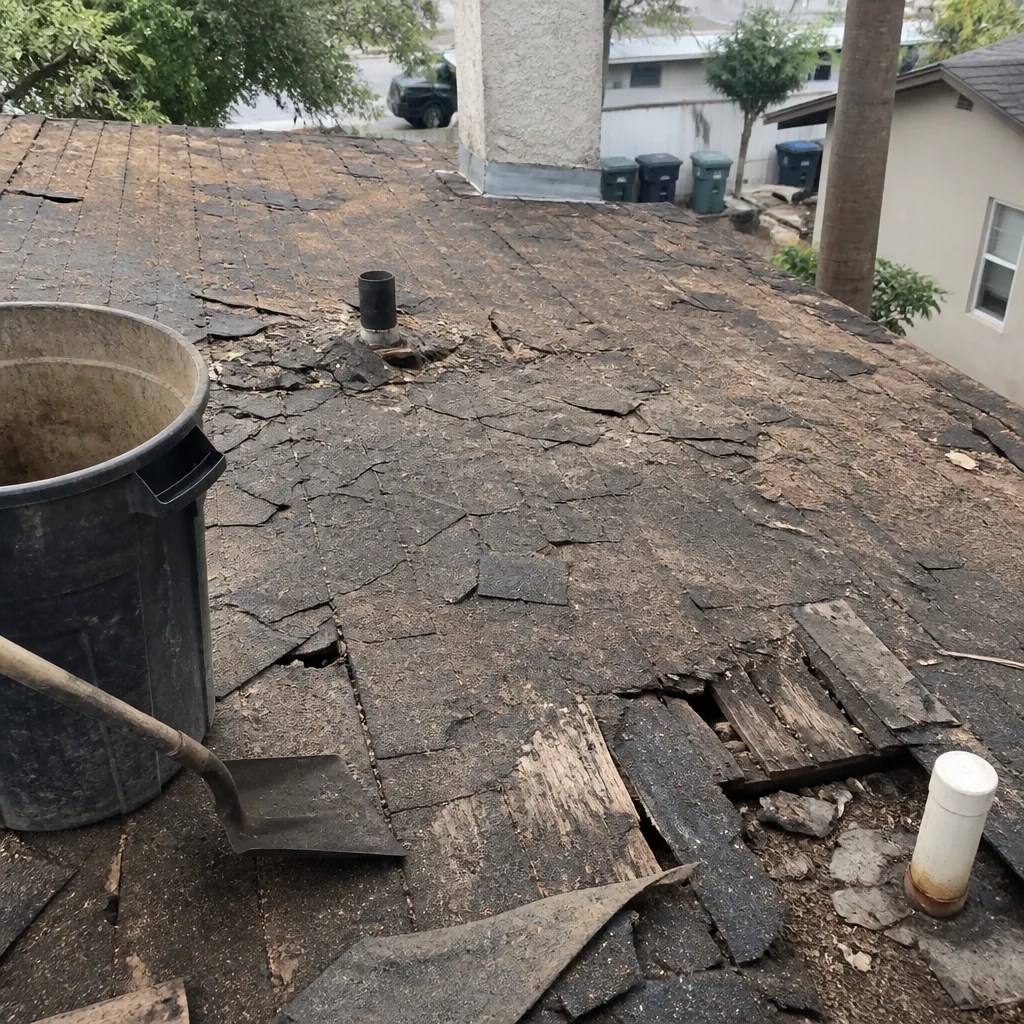 Before
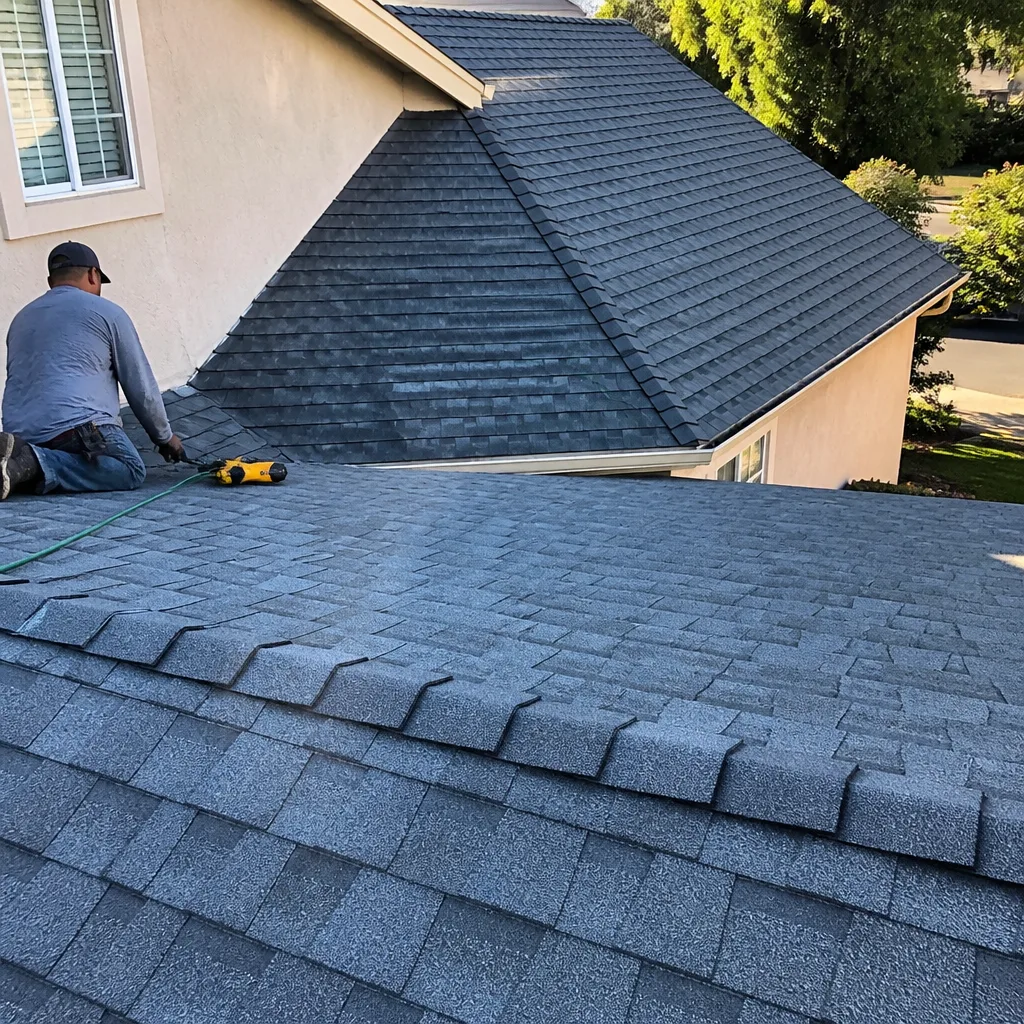 After
After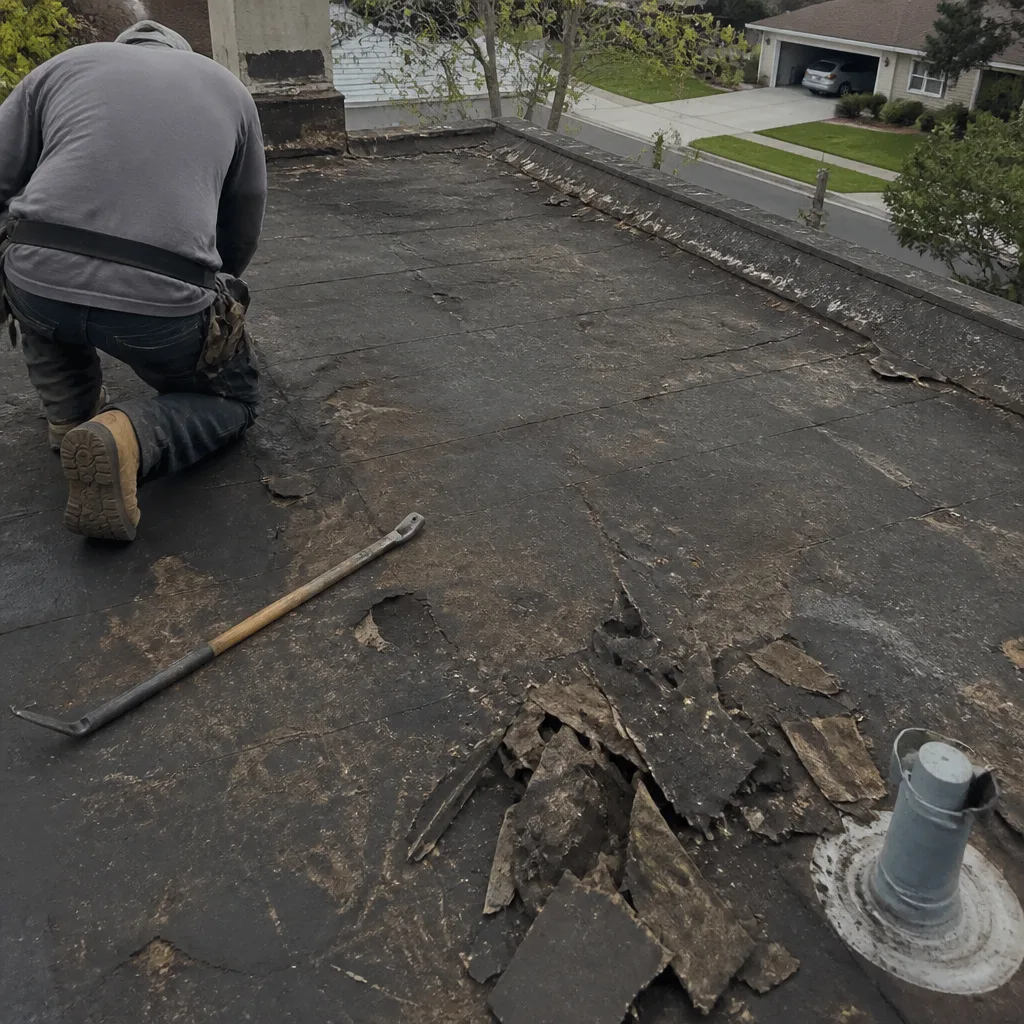 Before
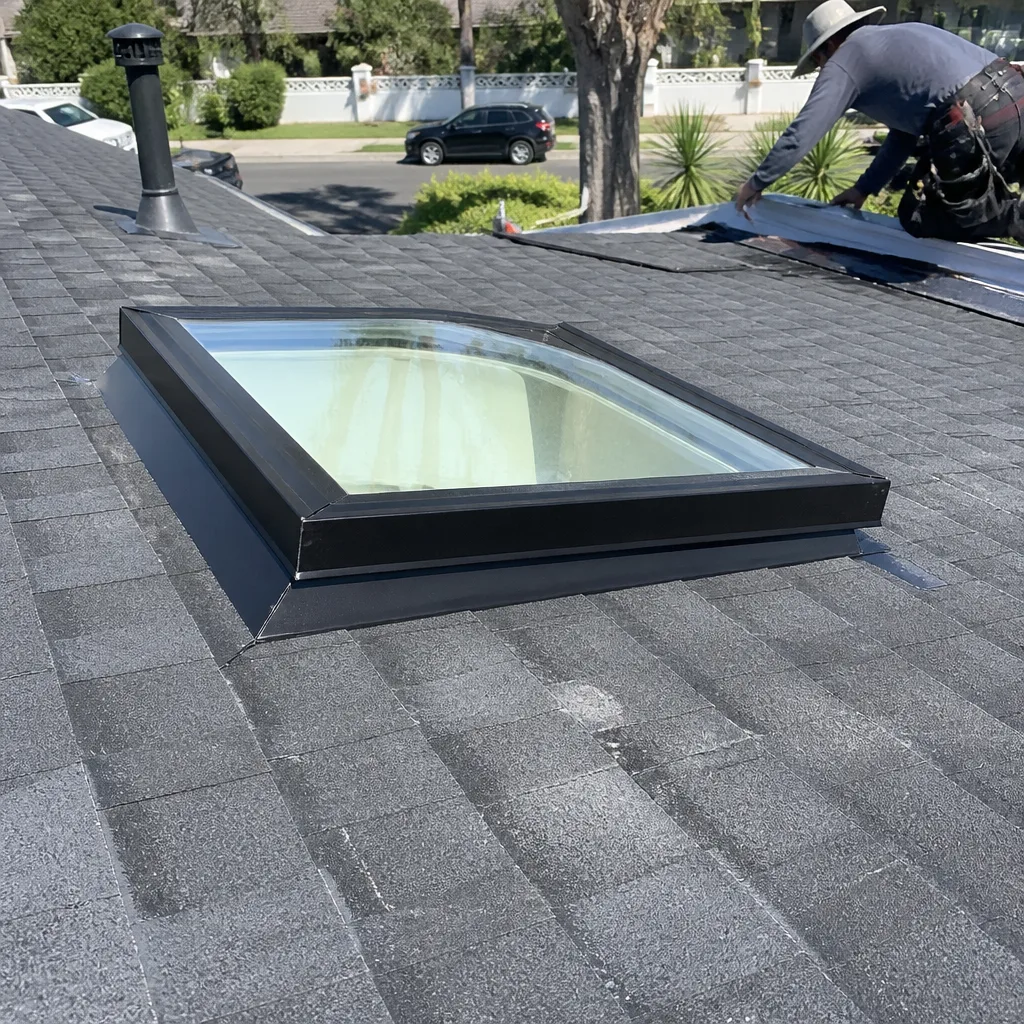 After
AfterOwens Corning Flashing Replacement: The Los Angeles Owner’s Guide
Owens Corning flashing replacement in Los Angeles typically runs $380 to $950 installed, depending on the flashing location, linear footage, and what we find when we pull the old metal off. We stock Owens Corning-compatible flashing on our trucks, and most flashing swaps take half a day once the roof is opened up. You’ll usually notice the problem the same way every homeowner does: a water stain on the ceiling after a good L.A. winter rain, or daylight peeking through a gap where a wall meets the roofline.
Flashing is the metal that lives at the joints of your roof: where a wall meets shingles, around chimneys, around skylights, and in the valleys where two roof planes come together. Owens Corning builds their shingle systems to work with specific flashing profiles, and when the flashing fails, water gets behind the shingles and finds its way into the house. It rarely looks dramatic from the ground. It just shows up as a stain on the ceiling three days after the rain stopped.
Which Owens Corning Models This Applies To
Owens Corning flashing replacement applies to essentially every Owens Corning asphalt shingle line installed in Los Angeles homes: Duration, Oakridge, Woodcrest, Berkshire, and the discontinued lines still on older roofs across the Valley and the Westside. The flashing itself isn’t tied to one shingle series so much as to the roof geometry and how the original installer chose to detail the joints.
Here’s the compatibility gotcha most homeowners don’t know: Owens Corning’s warranties generally specify that flashing must be corrosion-resistant metal, minimum 26-gauge galvanized steel, and the shingles must overlap the flashing by a specific amount based on roof slope. If your original flashing was thinner than spec or the overlap was short, it fails early, and a straight swap without correcting those details just buys you another few years. We match the replacement flashing to the existing metal profile and the Owens Corning shingle’s exposure, not just to whatever is on the shelf. Quality aftermarket step flashing and counterflashing from brands like Amerimax or Gibraltar work fine on Owens Corning roofs when they’re sized and bent correctly. OEM Owens Corning-branded flashing is available but less common; the shingle manufacturer’s real concern is gauge and material, not the name stamped on the metal.
We also keep flashing parts and accessory stock for GAF and CertainTeed roofs, so if you’re switching systems or have a two-brand repair situation, we can handle it in one trip.
Signs Your Owens Corning Flashing Is Failing
- Water stains on ceilings or walls, especially after a rain. This is the number one call we get. The leak usually isn’t directly above the stain: water runs along the underside of the roof sheathing and drips at the lowest point. The flashing that failed could be ten feet uphill from the stain.
- Loose or lifted step flashing at roof-to-wall intersections. Step flashing is the short L-shaped pieces that tuck under each shingle and up against a wall or chimney. When they work loose because nails pulled out or the shingle tabs cracked, water slips behind them.
- Rusted-through metal, especially near salt air. In Los Angeles neighborhoods close enough to the ocean for morning marine layer, flashing corrodes faster than folks expect. Galvanized and even some aluminum flashing will eventually rust through in Santa Monica, Playa del Rey, and San Pedro decades before the shingles themselves wear out.
- Gaps or cracked sealant around chimney flashing. The chimney is the most common failure point on any roof with a masonry flue. The counterflashing and the sealant work together, and once the sealant dries and pulls away, wind-driven rain gets behind the metal.
- Granule loss and bald shingles directly above flashing runs. Water that gets around failing flashing sits on the shingles longer than it should, accelerating surface wear. When you look up and see a strip of shingles firing granules faster than the rest of the roof, that strip is usually getting wetter than it should.
Replacement Cost & What’s Included
For Los Angeles homeowners, here’s the real-dollar range we quote before we touch the roof:
- Chimney flashing replacement: $450-$750, depending on chimney size and whether we need to cut and re-point the masonry joints in the reglet.
- Step flashing replacement (wall-to-roof): $350-$800, driven by the linear footage of the affected run.
- Valley flashing replacement: $400-$900, depending on valley length and whether the old valley was woven or closed-cut.
- Skylight flashing replacement: $350-$600, usually replacing the curb flashing and resealing.
- Pipe boot / vent flashing: $180-$320 each.
Every quote includes the new flashing, whatever lumber repair the rotted section requires if we find it in the decking, disposal of the old metal, and a written guarantee on the repair. The wildcard is decking rot. When flashing has been leaking for a while, the plywood underneath the shingles is sometimes soft, and replacing that adds material and labor that no honest roofer can quote blind. We tell you what we see once the roof is opened, and the written price you signed before we started doesn’t change unless you approve new work in writing.
DIY or Call Us?
A homeowner can safely do a visual check: stand back with binoculars and look at the metal flashing edges for lifting, rust streaks, or missing sealant. You can also run a hose on a dry day with someone watching the rafters from an attic access point to narrow down the leak location. That’s a useful thing to know before you call, and it helps us be faster once we arrive.
What we don’t recommend is doing the flashing replacement yourself. Working on a roof means working at height, on a ladder or a pitched surface, and L.A. roof decks get slick in the morning damp that never fully burns off in the hills. Getting the flashing geometry right on a chimney or a wall intersection is the kind of detail that looks easy in a video and leaks inside of a year when the sealant applications or overlaps aren’t perfect. This is the part of the roof that’s there to manage water around the tricky spots, and it’s the last place to save money with a Saturday project. If you want us to look at it instead, call (945) 303-9821 and we’ll come out, find the actual failure point, and hand you a written price before any work starts. Know the price before the first tile moves.
FAQs
Twenty to thirty-five years for properly installed galvanized or aluminum flashing is realistic in Los Angeles, but the microclimate matters. Homes in the marine layer zones within five miles of the coast typically see flashing fail five to ten years earlier than homes in the Valley or the foothills. Copper flashing can last half a century or more, but it’s rare on production-built L.A. homes and expensive to retrofit. Call (945) 303-9821 and we’ll tell you what’s on your roof and how much life it likely has left.
In most Los Angeles homes we see, repair is a short-term patch. You can reseal a small gap and buy a season, but flashing that’s rusted, lifting, or blowing off in the Santa Anas is at the end of its useful life mechanically. The right move is full replacement, and the written guarantee we give you covers the work.
Most flashing replacement jobs take half a day to a full day, depending on location and what we find under the shingles. A chimney with masonry that needs re-pointing takes longer. We’ll give you a straight answer when we see the roof.
We stock common-profile galvanized step flashing, pipe boots, and valley metal on the truck, and our supplier runs happen daily across Los Angeles. If your roof needs a less common profile or a custom brake-bent piece, we can usually have it in hand within one business day, not weeks.
Written by Greg Holloway, Owner, Tilehurst Roofing at Tilehurst Roofing, serving Los Angeles and nearby areas.