
Free roof inspection with deck photos before we talk money - GAF and Owens Corning certified installation
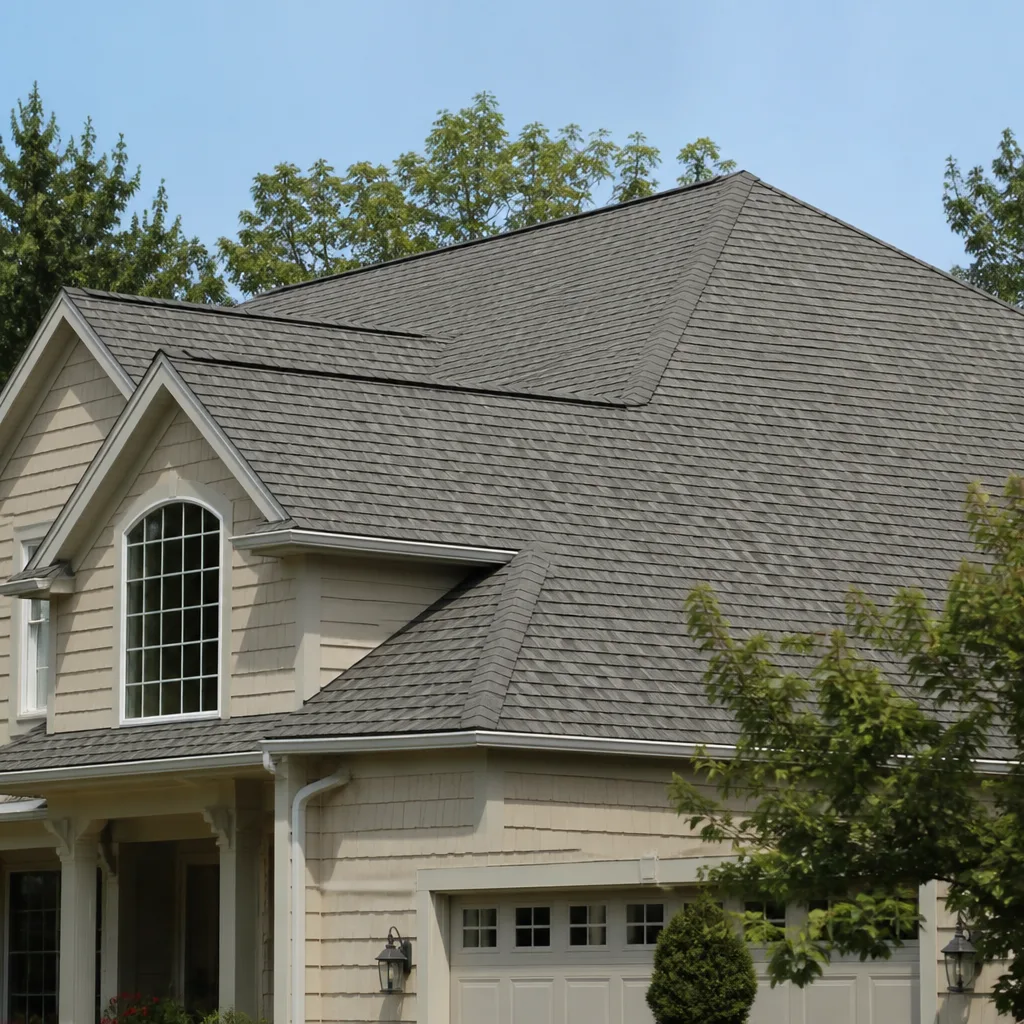
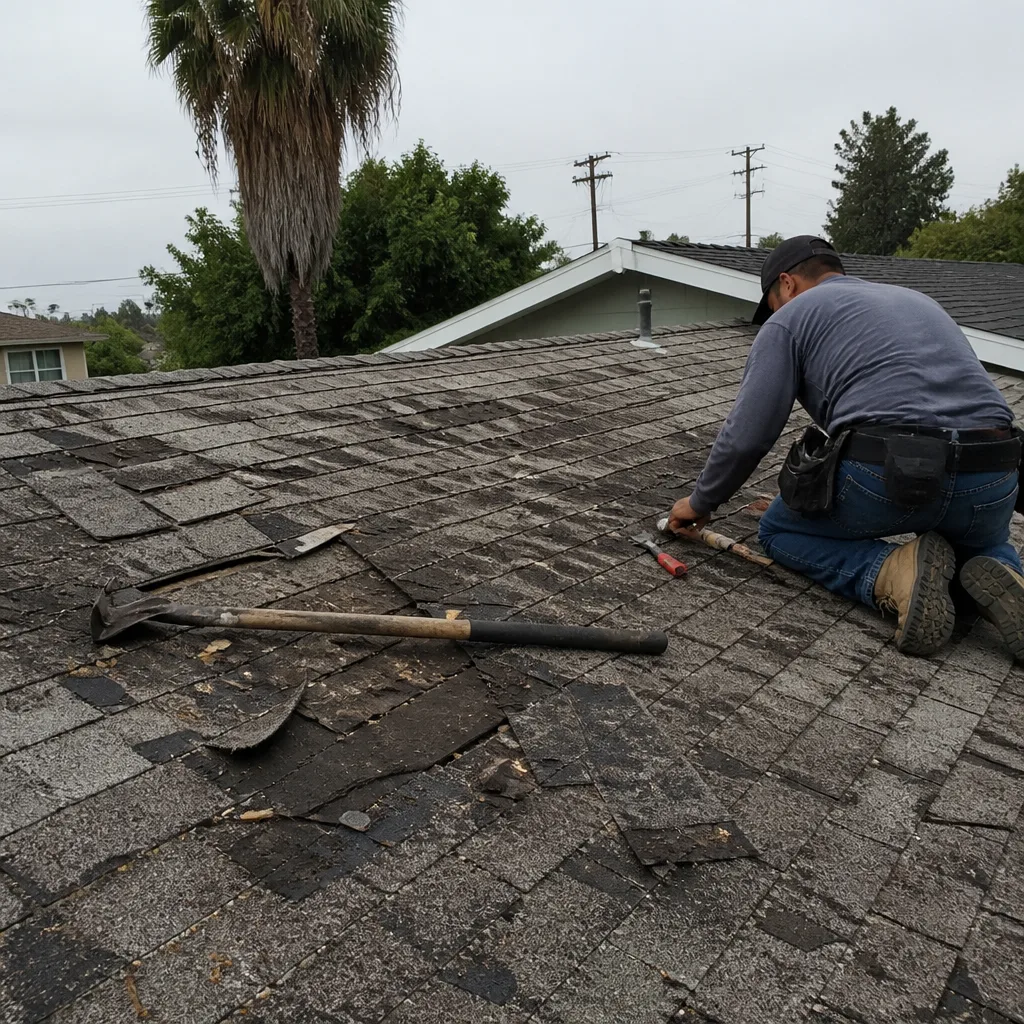 Before
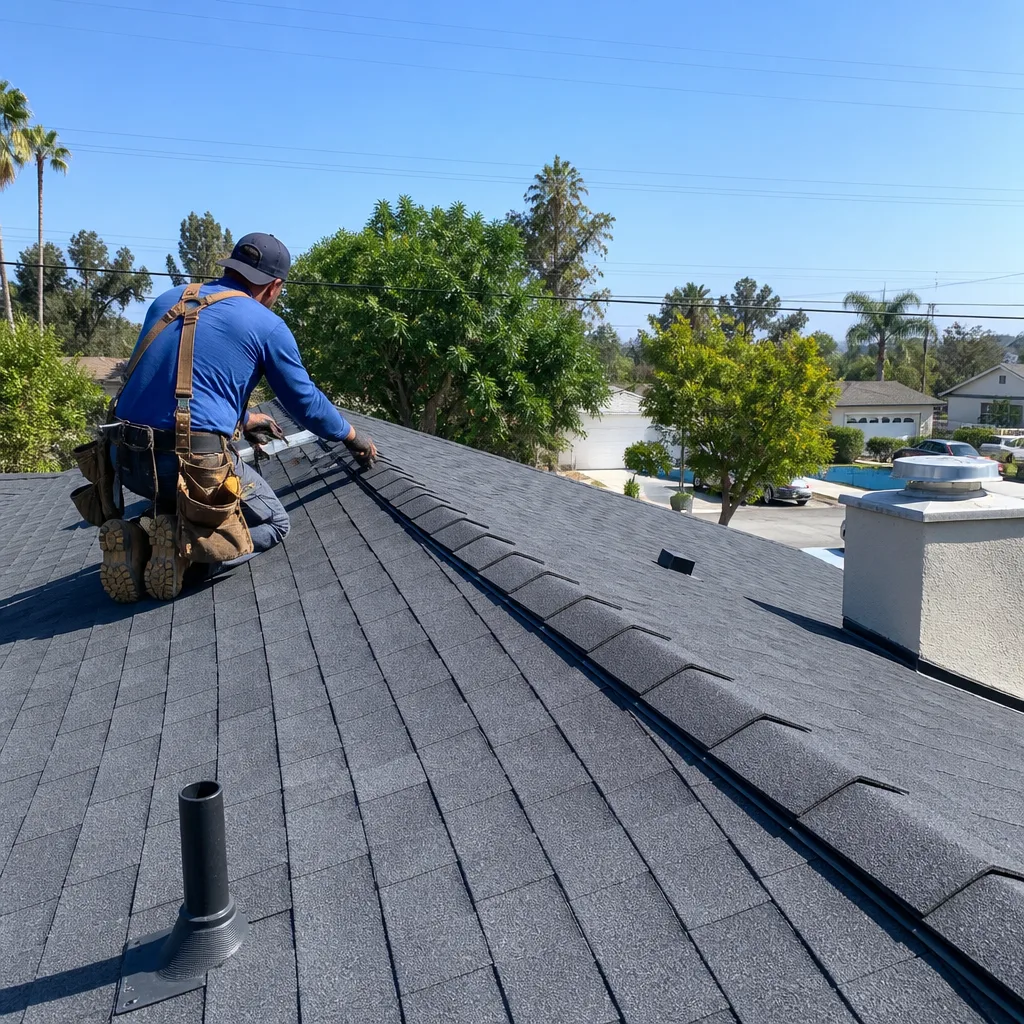 After
After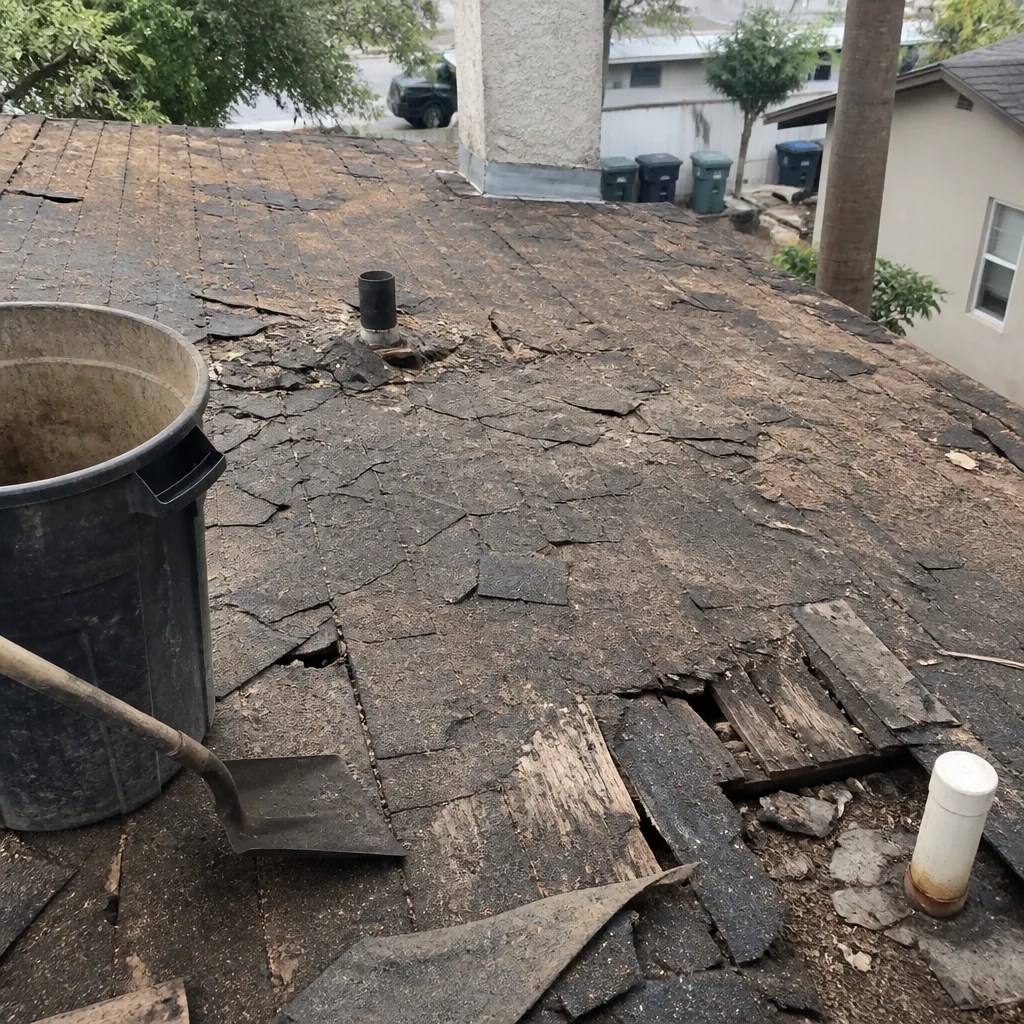 Before
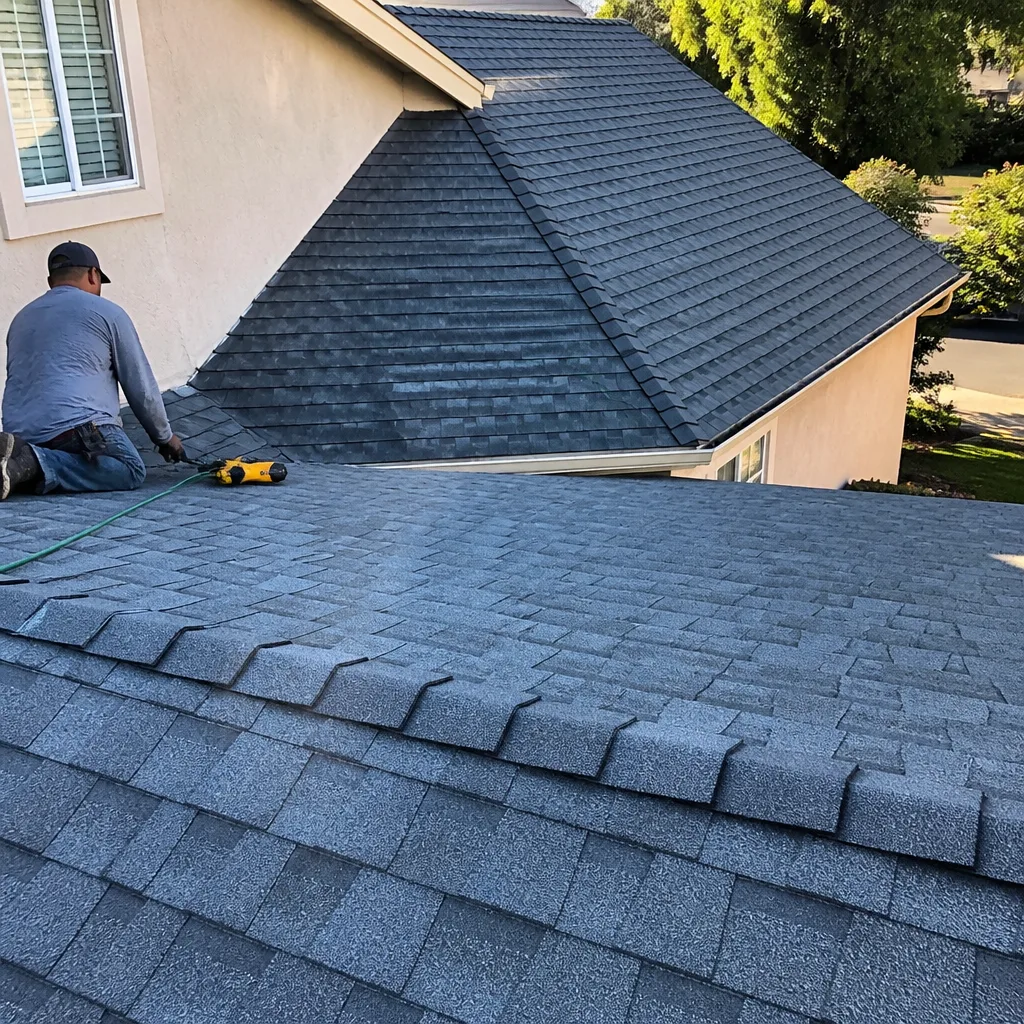 After
After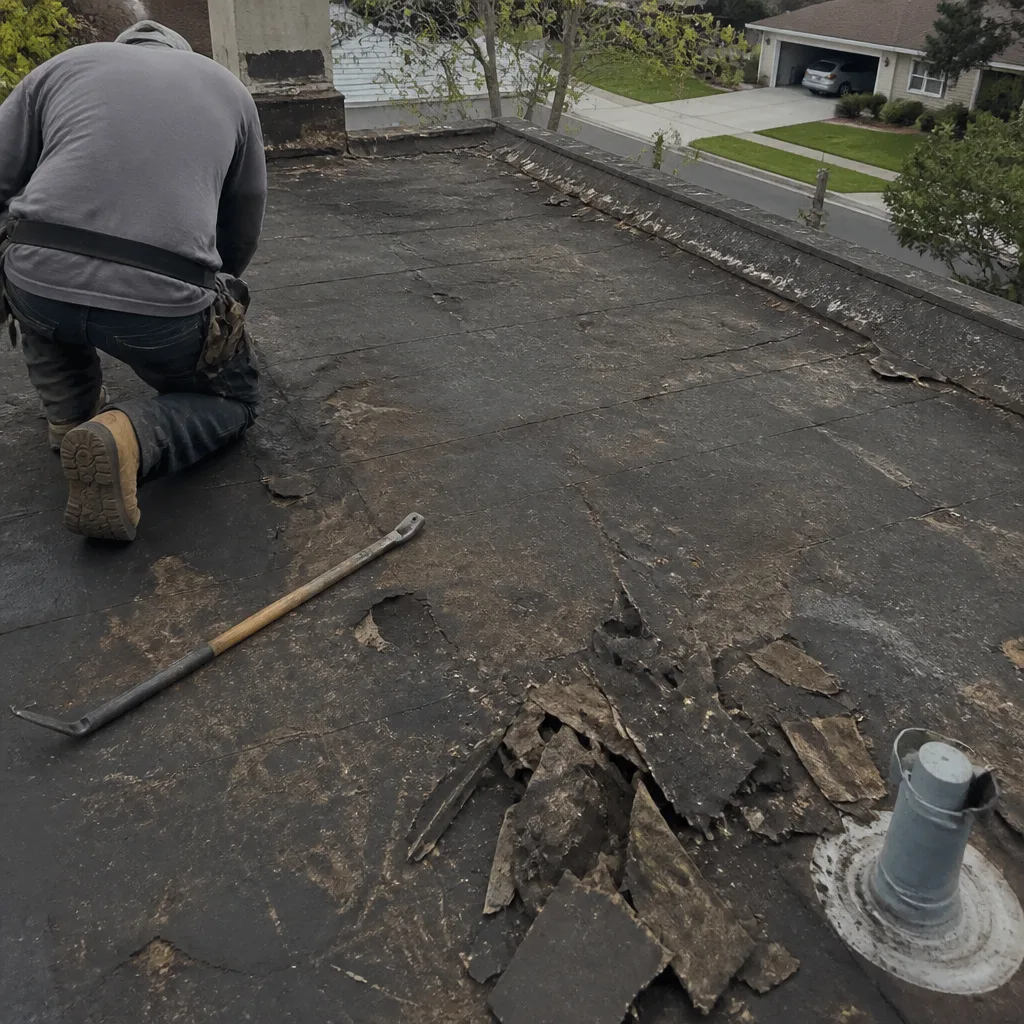 Before
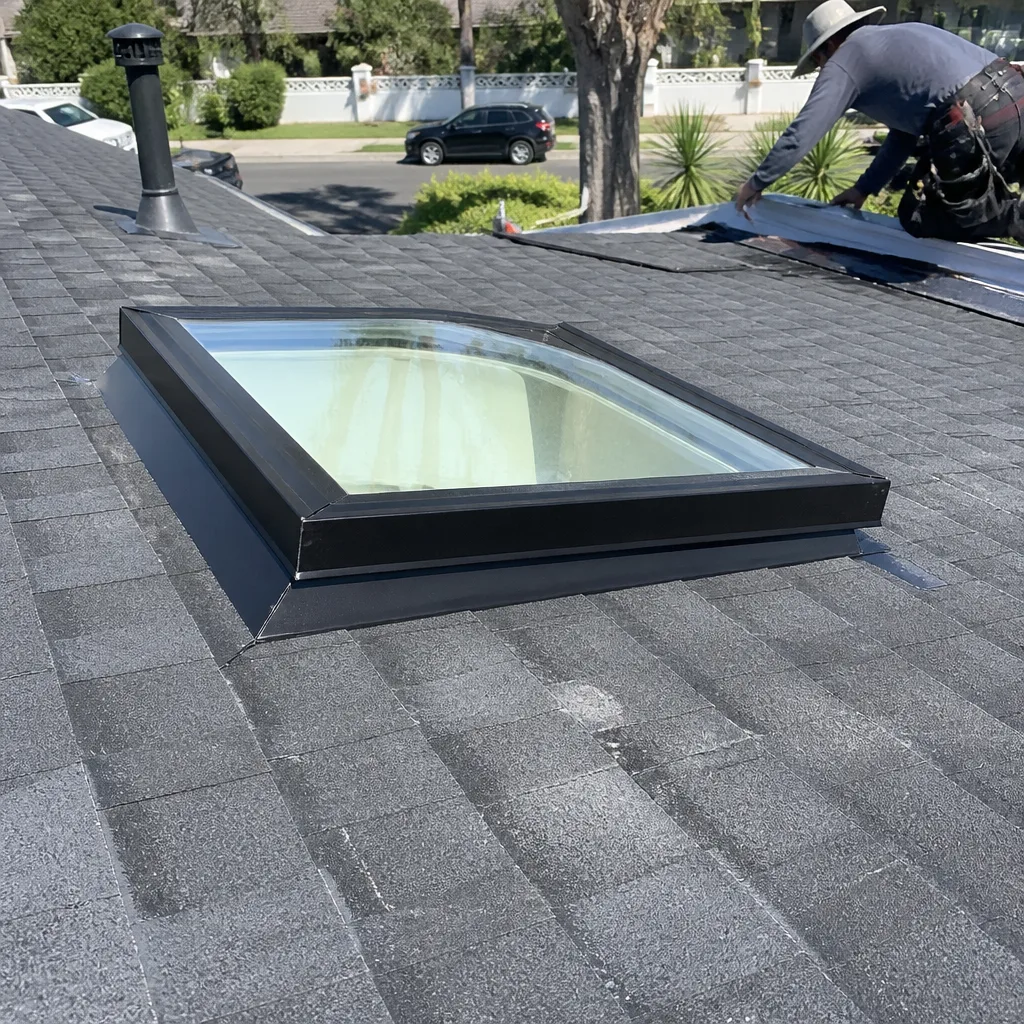 After
AfterAtlas Ridge Vent Installation: The Los Angeles Owner’s Guide
We stock and install Atlas-compatible ridge vent systems throughout Los Angeles, with most installations running $650-$1,200 depending on ridge length and roof pitch. If you’re calling about this, you’ve probably noticed it up there already: a couple of shingles near the peak starting to curl, maybe a musty smell in the attic, or water staining on the ceiling after a January downpour. The ridge vent is the exhaust half of your roof’s breathing system, and when it fails, it fails quietly until it doesn’t. We keep Atlas-spec vent material on the truck, so a lot of these jobs get done in a single visit once the estimate is approved.
Tilehurst Roofing is an independent roofing company. We install and service Atlas products, but we’re not owned by or affiliated with Atlas. What that means for you: we match the vent to your roof because it’s the right fit, not because a brand rep told us to push it. Greg Holloway, our owner, learned this trade at Los Angeles Trade-Technical College from instructors who were working roofers, and he’s been up on L.A. roofs for going on two decades now. He’ll tell you the same thing he tells every homeowner: know the price before the first tile moves.
Which Atlas Models This Applies To
Atlas makes two main ridge vent lines you’ll see on Los Angeles homes: the Atlas WeatherMaster Ridge Vent and the Atlas StormMaster Shake Ridge Vent. The WeatherMaster is the workhorse for standard asphalt shingle roofs, sized to match 3-tab and architectural shingle profiles from the Atlas Pinnacle and GlassMaster series. The StormMaster is built for heavier shake-look shingles and needs a different throat width to sit right against the ridge cap.
Where people get tripped up: Atlas ridge vents are shingle-matched, not roof-matched. You can’t put a vent sized for a 3-tab on an architectural shingle and expect it to lay flat. The vent has to follow the shingle’s exposure line, or you get gaps that let wind-driven rain under the cap. If you’re not sure which line your roof has, look at a shingle edge. Atlas stamps the series name on the underside of many tabs, and your original paperwork or the builder’s spec sheet usually names it. We verify with a physical measurement before ordering anything.
On the OEM-versus-aftermarket question: for Atlas roofs, we use Atlas-spec vent material. The profile tolerances are too tight to gamble with a generic. A generic vent might cover the slot, but if the nail line doesn’t fall where the cap shingle expects it, you’ll be back up there in two years chasing a leak. If you have an older Atlas roof that’s already been through one repair cycle, we’ll tell you straight whether a compatible aftermarket option makes sense. That exchange honestly is part of how we work.
Signs Your Atlas Ridge Vent Installation Is Failing
- Curling or lifting shingles at the peak. The ridge cap shingles are the first to go because they take the most sun and the most wind. When they lift, the vent underneath is exposed, and that’s the start of the problem.
- Attic heat buildup you can feel through the ceiling. The ridge vent is your attic’s exhaust. If it’s crushed, blocked, or torn, hot air stacks up. In Los Angeles, that means an upstairs hallway that’s 15 degrees hotter than the rest of the house by 4 p.m.
- Water staining on the ceiling near exterior walls or directly under the ridge line. Wind-driven rain gets under a damaged ridge vent and runs along the underside of the roof deck until it finds a seam. By the time you see the stain, the vent has been leaking for a while.
- Musty or damp smell in the attic after rain. That’s trapped moisture. A ridge vent that isn’t ventilating correctly holds humidity against the decking, and Southern California’s winter rains make it worse fast.
- You can see daylight through the vent slot from inside the attic. If the vent’s baffle or filter has torn away, you’ll see light where there should be a screened opening. That’s an open door for embers, rain, and pests.
One thing we see regularly in Los Angeles neighborhoods: ridge vents that were installed correctly but failed because the original installer nailed through the vent body instead of using the designated nail line. That pinches the vent channel closed. We find it all the time in the hills, where wind load is higher and installers get sloppy.
Replacement Cost & What’s Included
For an Atlas ridge vent installation in Los Angeles, most jobs land between $650 and $1,200 installed. The range is driven by three things: the total linear feet of ridge line, whether the old vent comes off clean or the underlayment is also damaged, and the roof pitch. A single-story ranch in the flats is different from a two-story in the Hollywood Hills with a 8/12 slope and a ridge you can’t walk without roof jacks.
Here’s the breakdown on a typical 40-linear-foot Atlas replacement:
| Item | Typical Range |
|---|---|
| Atlas vent material (40 LF) | $180 - $280 |
| Ridge cap shingles | $60 - $120 |
| Labor (removal + install) | $350 - $650 |
| Fasteners, sealant, clean-up | $60 - $150 |
We also give you a written price before any work starts, every time. Not an estimate with wiggle room. A number. If we find additional damage under the old vent, we photograph it, show you, and get written approval before touching it. No change orders dropped on you at the end. Every Atlas ridge vent installation carries our 365-Day Done Right Promise, which means if it’s not installed right, we return and correct it at no charge for a full year. We also put that guarantee in writing before the crew leaves the driveway.
DIY or Call Us?
You can safely do a few checks from the ground or from inside the attic: look for daylight through the vent slot, feel for dampness on the decking, and inspect the ridge cap from a ladder for visible lifting or missing shingles. That’s it. Once you’re on a roof, especially any pitched roof in Los Angeles where the ridges run 20 feet or more off the ground, the risk changes from inconvenience to a fall. We don’t recommend any homeowner walk a ridge without proper fall protection and roof jacks. That’s not a pitch; it’s just the truth from people who do this daily.
If what you find needs actual replacement, we’ll match the Atlas vent to your shingle line, install it to the manufacturer’s nail line, and leave the roof cleaner than we found it. We’re background-checked, uniformed, and we answer the phone when you call, day or night. Call (945) 303-9821 and Greg or one of our technicians will give you a straight answer and a free estimate.
FAQs
Expect 20 to 30 years from an Atlas ridge vent in our climate, but the synthetic baffle inside can degrade faster on west-facing ridges that take full afternoon sun. We see most vents replaced not because the vent failed on its own, but because the cap shingles above it gave out first, usually between years 15 and 20. If your roof is past that age and the vent area is showing symptoms, replacing both at once is the cost-effective move. Call (945) 303-9821 for an assessment; we’ll tell you what you actually need, not what’s easiest to sell.
A torn section of baffle or a crushed span of vent can sometimes be sectioned and patched, but only if the underlying vent channel is still intact and the surrounding cap shingles are in good shape. If the vent is cracked, sun-rotted, or the shingles above it are curling, a patch buys you months, not years. For what a repair costs versus a full ridge replacement in Los Angeles, most homeowners choose the full swap. We’ll show you photos of the damage and let you decide with a written price for both options.
Most single-family ridge replacements in Los Angeles take a full working day from setup to final cleanup, including removing the old vent, installing the new Atlas material, replacing cap shingles, and hauling debris away. Longer ridge lines or steep pitches add time. We give you a window when we book the job and we arrive inside it. That’s the Kingswell Way, and every Tilehurst Roofing location operates under it.
Yes. We carry Atlas-spec vent material in the most common Los Angeles roof configurations, along with compatible cap shingles and fasteners. If your roof needs a specialty Atlas size or a StormMaster profile for shake-look shingles, we source it from a local supplier and it’s usually in hand within a day or two. We also carry materials from GAF, Owens Corning, CertainTeed, and others, so if an Atlas-specific part isn’t the best fit for your roof anymore, we’ll tell you that before you spend a dollar.
Written by Greg Holloway, Owner, Tilehurst Roofing at Tilehurst Roofing, serving Los Angeles and nearby areas.