
Free roof inspection with deck photos before we talk money - GAF and Owens Corning certified installation
 Before
 After
After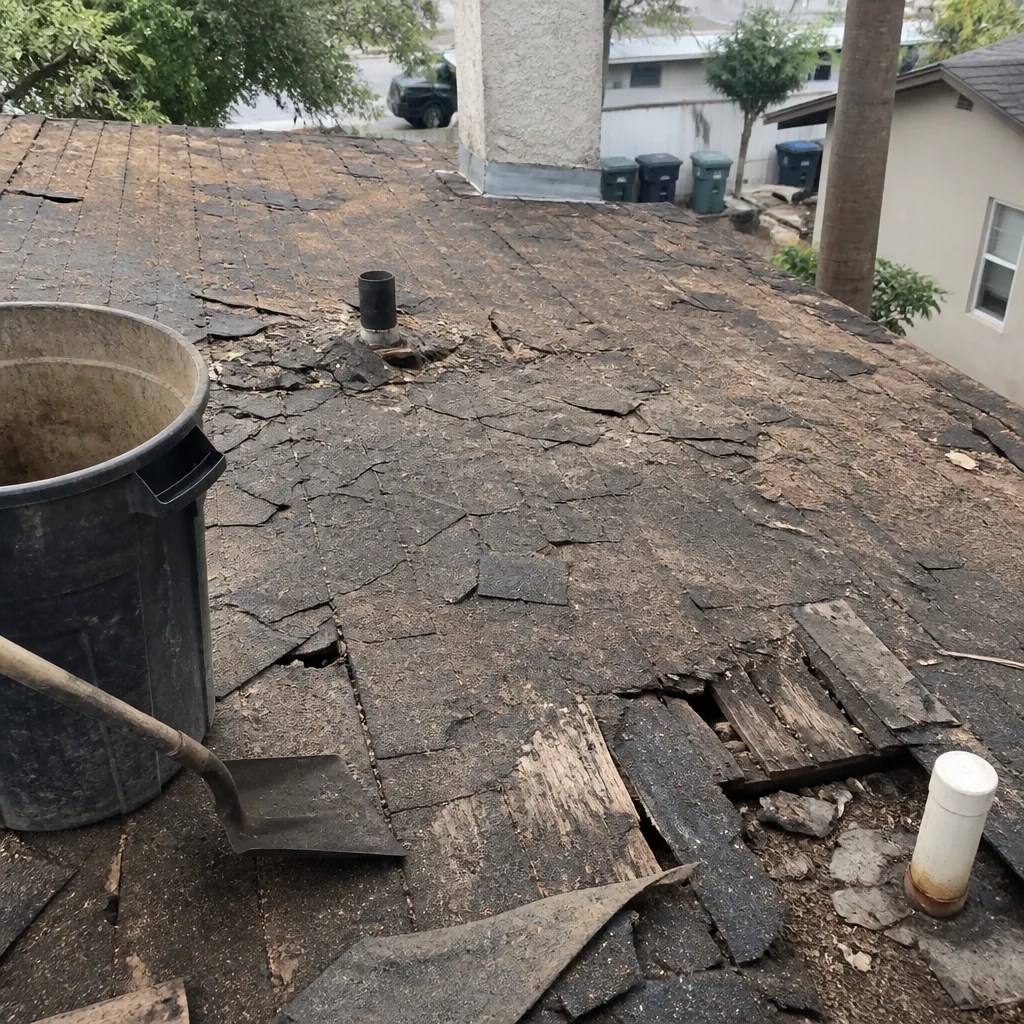 Before
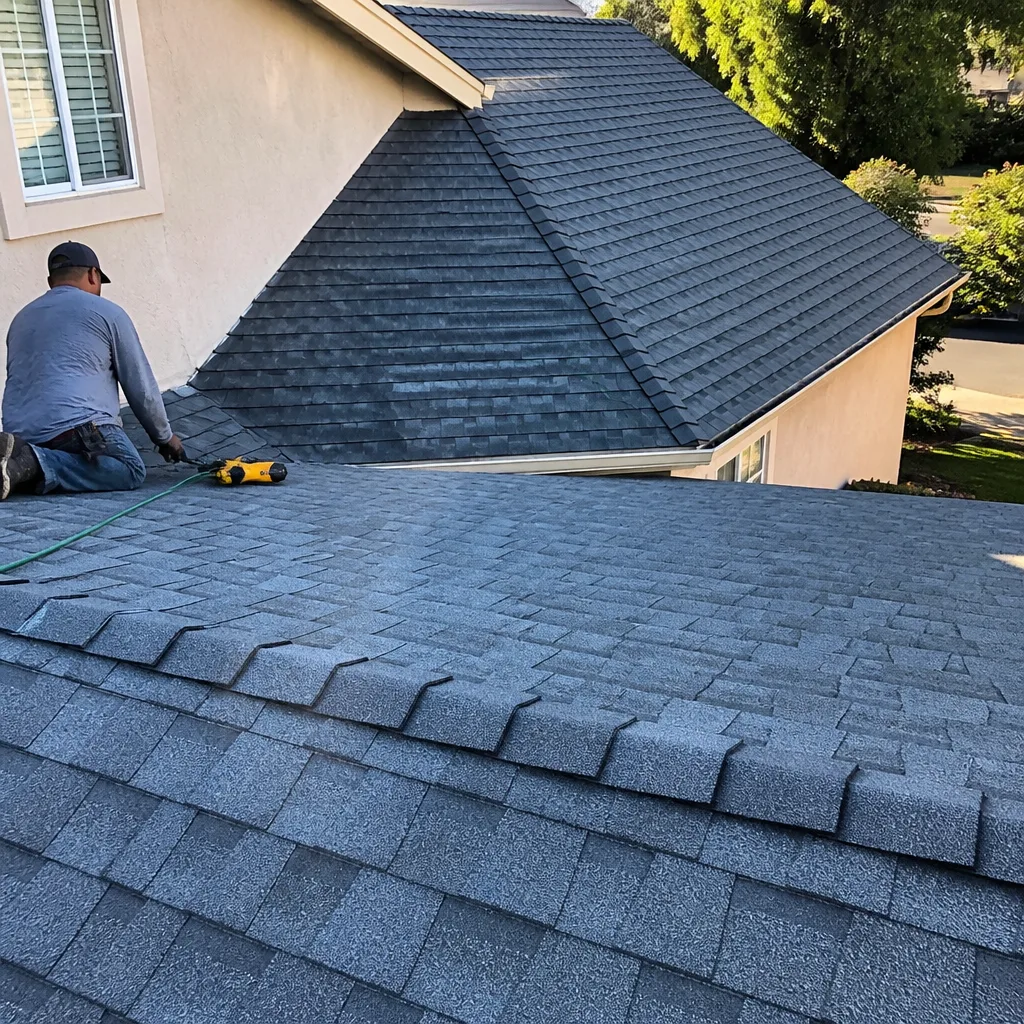 After
After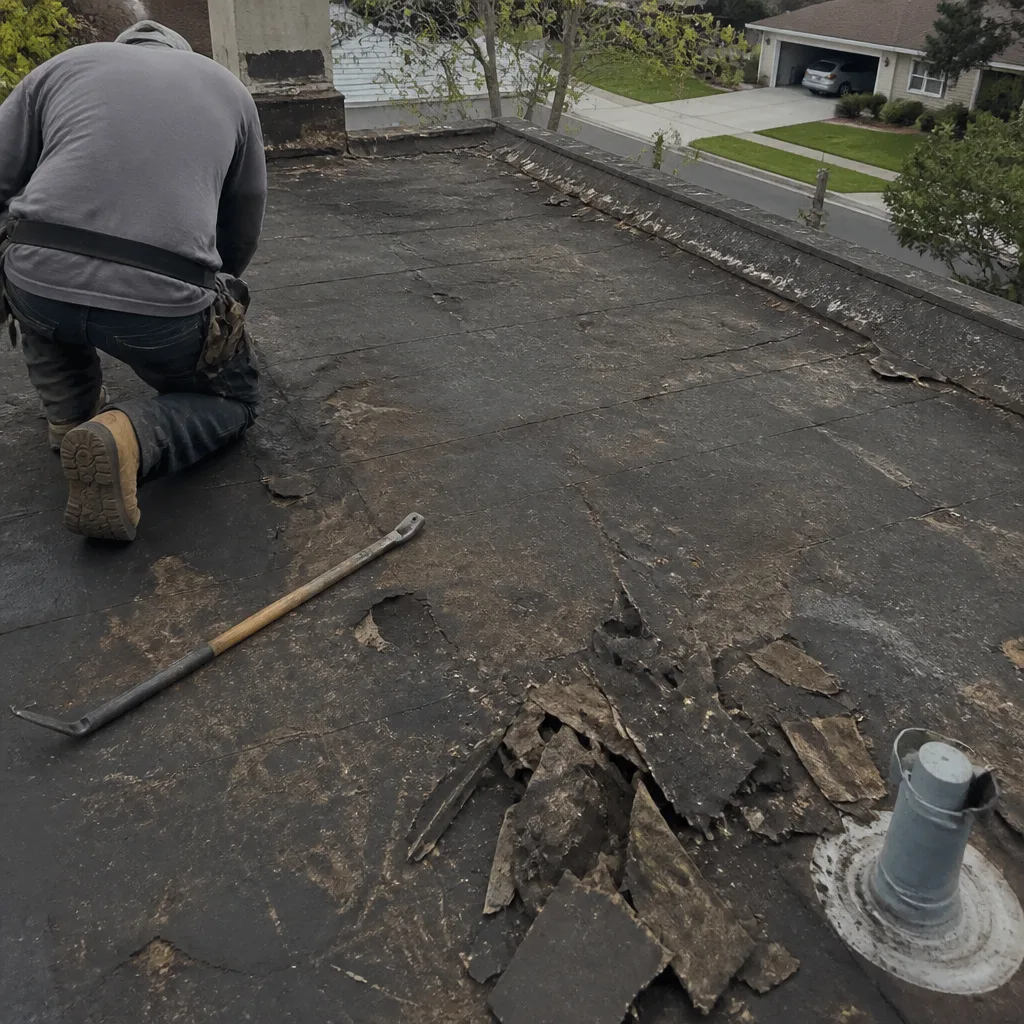 Before
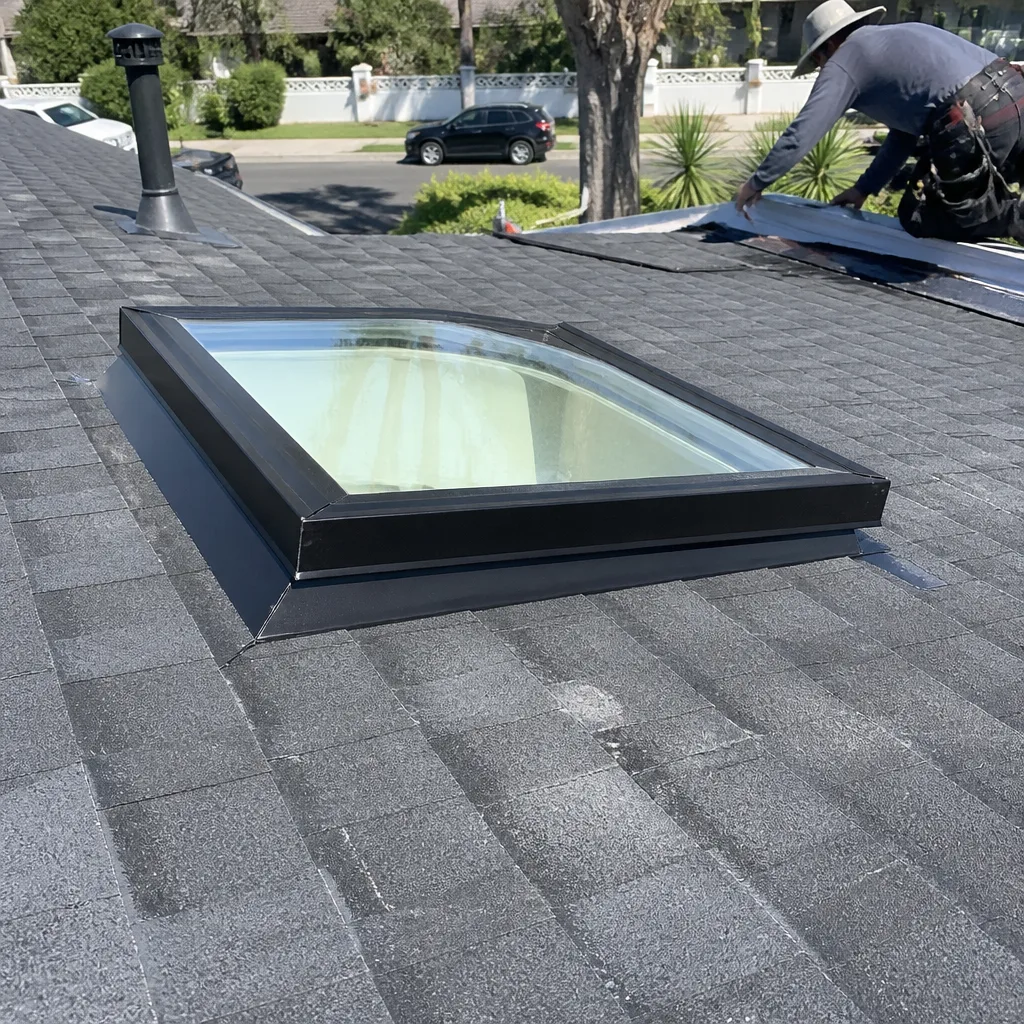 After
AfterTamko Flashing Replacement: The Los Angeles Owner’s Guide
Tamko flashing replacement in Los Angeles typically runs $380 to $780 installed for a standard penetration or transition area, and most jobs are completed the same day we arrive. Flashing is the metal material that seals the places where your roof meets something else, like a chimney, a wall, a skylight, or a vent pipe. When it fails, water gets in. Most Los Angeles homeowners discover the problem not by looking up, but by seeing a ceiling stain, noticing peeling paint near the roofline, or catching a sharp smell of mildew in the attic after one of our rare heavy rains.
If you have a Tamko roof product and suspect a flashing issue, you need someone who understands how Tamko’s product lines integrate with surrounding materials, and who will give you a written price before any work begins. That’s exactly how we operate at Tilehurst Roofing.
Which Tamko Models This Applies To
Tamko flashing systems are installed across their Heritage, Elite Glass-Seal, and MetalWorks product lines, along with their TileSeal underlayment systems. The flashing itself is typically a third-party metal component that the roofer installs alongside the Tamko shingles or tiles, but the channel dimensions, profile shapes, and fastener patterns have to match the specific Tamko product on your roof. A flashing correctly shaped for Heritage architectural shingles will not seat cleanly against MetalWorks stone-coated steel, for example.
If you have your original contract or packaging, look for the Tamko product name. That helps us confirm the right flashing profile on the first visit. If you do not have that paperwork, we will measure the exposed flange and the counterflashing step width before quoting a price, so the part fits correctly against the Tamko material already on your roof. This is one of the most common failure points we see across Los Angeles: roofers who use a one-size-fits-all flashing profile against whatever happens to be loaded in the truck. We will not do that.
For homeowners deciding between OEM-labeled flashing and a quality aftermarket equivalent, the practical answer is this: most code-compliant galvanized steel or aluminum flashing works with Tamko products if the dimensions and gauge match. The metal matters more than the label. We carry 26-gauge galvanized and .024 aluminum flashing on our trucks because those weights hold their shape in Los Angeles heat without warping, and we will tell you exactly which material your specific repair needs before you commit.
Key Takeaways:
- Tamko flashing compatibility depends on the specific Tamko product on your roof, not the brand label on the flashing itself.
- We stock 26-gauge galvanized and .024 aluminum flashing profiles for Tamko product lines on our service trucks.
- If you don’t know your Tamko product line, we measure on site before quoting, so the written price matches the actual job.
Signs Your Tamko Flashing Replacement Is Failing
- Dark staining on the ceiling directly below a chimney or wall-roof intersection. This means water has already passed through the flashing and into the framing. By the time you see a stain, the flashing has typically been compromised for weeks or months, and the water has traveled farther than just the visible spot.
- Loose or lifted flashing metal you can see from a window or ladder. Los Angeles heat expands metal, and our occasional Santa Ana winds will catch any loosened edge and work it upward over time. Once the metal lifts, water follows gravity downward into the underlayment.
- Granules from Tamko shingles collecting in gutters near a pipe boot or wall intersection. When flashing fails, water runs under the nearest shingles and breaks down the asphalt layer. Those granules are the first evidence that water is moving where it should not be.
- Rust, pitting, or visible holes on exposed metal flashing. Salt air near coastal communities, including parts of the Westside and South Bay, accelerates corrosion on flashing dramatically. Aluminum flashing near the coast can fail ten to fifteen years earlier than the same material in the Valley.
- Draft or daylight visible in the attic at a roof-wall seam. If you are in the attic and see a sliver of sky where the roof plane meets a wall, the counterflashing has separated entirely. That opening is wide enough for driving rain to enter during any serious Los Angeles storm.
Replacement Cost & What’s Included
For Los Angeles homes, expect to pay between $380 and $780 for most single-point Tamko flashing replacements, installed. That price includes removal of the failed flashing and any sealant residue, installation of the correctly matched galvanized or aluminum flashing profile, new sealant where needed, and cleanup of the work area. Larger jobs, such as a full roof-wall intersection or a chimney requiring custom-bent counterflashing, can reach $1,100 to $1,600 when scaffolding or extensive shingle removal is required.
What drives the range is access, not materials. A single vent-pipe flashing on a low one-story home is quick work. A chimney flashing on a steep tile roof, by contrast, requires more labor hours and often a second person for safety. We will not give you a low number on the phone and then “adjust” it when we arrive. You get a line-item written price, and that price does not change unless you ask us to add work at a different scope.
Every flashing replacement from Tilehurst Roofing carries a written guarantee, delivered before our crew leaves your property. If that repair fails inside the guarantee period, we return at no charge under our 365-Day Done Right Promise. That is not a sales line; it is the Kingswell Way, and it is in writing before we start.
| Flashing Type | Typical Installed Range (Los Angeles) | Notes |
|---|---|---|
| Pipe boot / vent flashing | $380 - $520 | Single penetration, 26-gauge galvanized or aluminum, typically 1-2 hours |
| Wall-roof intersection | $650 - $1,100 | Step flashing and counterflashing; shingle removal required |
| Chimney flashing (full set) | $950 - $1,600 | Base, step, and counterflashing; often requires two-person crew |
| Skylight flashing | $520 - $830 | Matched to existing curb dimensions; replacement of weather seal |
DIY or Call Us?
Flashlight inspection from the attic is something any Los Angeles homeowner can do safely: look for daylight, water staining on rafters, or rust trails on the metal itself. That helps you identify whether a problem exists. What you should not do is step onto a roof - especially a tile or steep-pitch roof - with a caulk gun and a plan. Roof falls are the most common serious injury in residential construction, and the flashing repairs that look straightforward from a ladder are the ones that send homeowners to urgent care every month.
Beyond the fall risk, the second problem with DIY flashing patches is that they typically fail within one or two seasons. Silicone caulk applied over a rusted, dry-rotted flashing does not address the structural issue, and it gives a false sense that the leak is handled. We see this weekly. The correct repair removes the failed metal and replaces it, which requires working under and around the Tamko material already on your roof. If you want to know what you’re working with, call (945) 303-9821 and we will give you a written estimate, no pressure and no obligation.
FAQs
Twenty to thirty years is a fair expectation for quality flashing in Los Angeles, but homes within five miles of the coast often see fifteen to twenty years before corrosion shortens that lifespan. Your underlayment and the surrounding roof material play a role too. When flashing is installed cleanly against a properly ventilated roof deck, it generally outlasts the first shingle replacement and sometimes the second.
Small, isolated areas of failed sealant around a pipe boot can sometimes be cleaned and re-sealed, but metal flashing that has rusted through, separated, or lifted needs replacement. A patch on top of failed flashing does not address water that is already under the metal. If you want an honest assessment rather than a sales pitch, call (945) 303-9821 and we will tell you what is actually needed.
A single pipe boot or vent flashing swap takes about one to two hours. A full chimney flashing set, including shingle or tile removal, takes a full afternoon. We will give you the expected time window before the job begins, and we show up within that window.
We stock 26-gauge galvanized and .024 aluminum flashing profiles that match Tamko Heritage, Elite Glass-Seal, and MetalWorks product lines. We also carry compatible parts for GAF, Owens Corning, and CertainTeed roofs, so we bring the right material regardless of what a previous contractor installed. Our crews carry the common sizes on every truck, and less common profiles can be bent on site to match what is on your roof.
No. The only exception is if we remove the existing flashing and find damage that was not visible from the surface - rotted decking is the most common example. If that happens, we stop and get your approval on the additional cost before doing anything else. You always know the number before we proceed. That is Greg Holloway’s rule, and it applies to every job our Los Angeles crews run.
Know the price before the first tile moves. If your Tamko flashing is failing, call (945) 303-9821 and ask for a free estimate. We answer live, every time, and we will give you a written number before any work begins.
Written by Greg Holloway, Owner, Tilehurst Roofing at Tilehurst Roofing, serving Los Angeles and nearby areas.