
Free roof inspection with deck photos before we talk money - GAF and Owens Corning certified installation
 Before
 After
After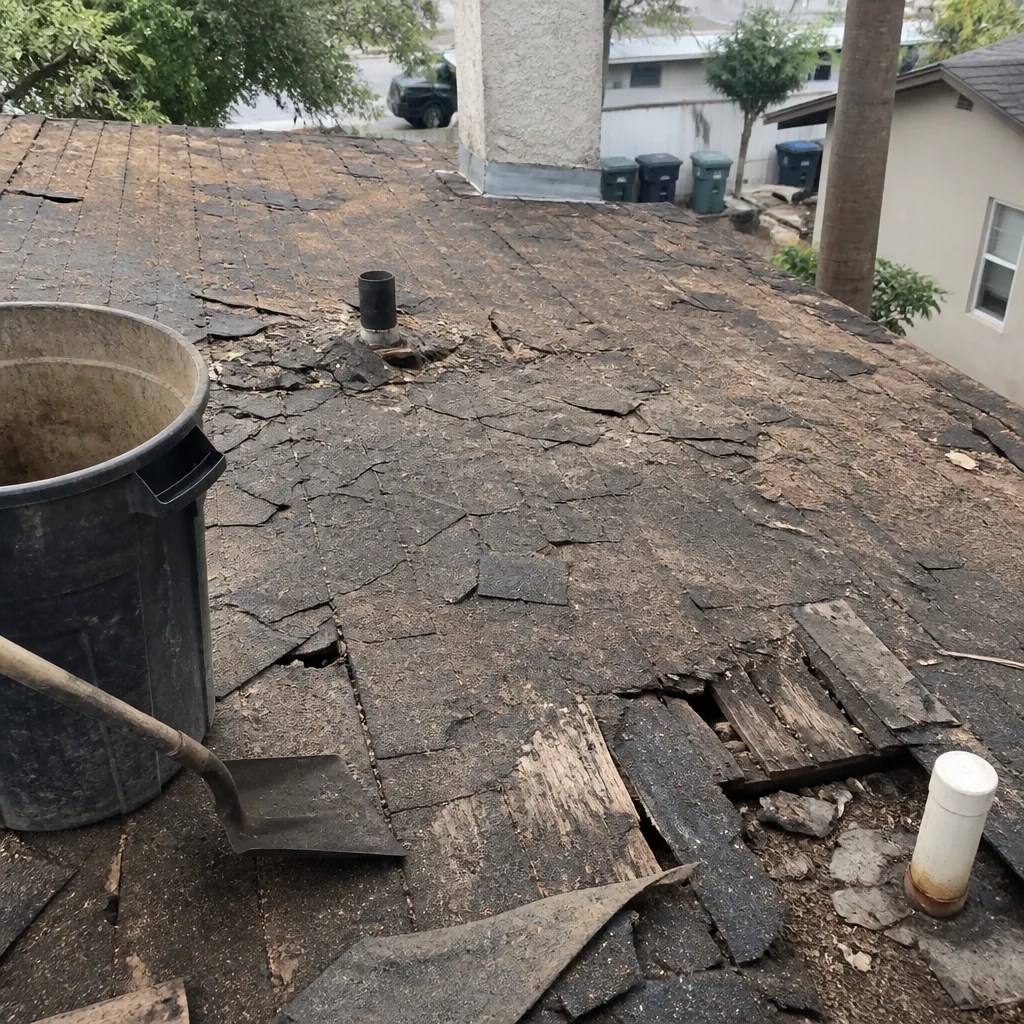 Before
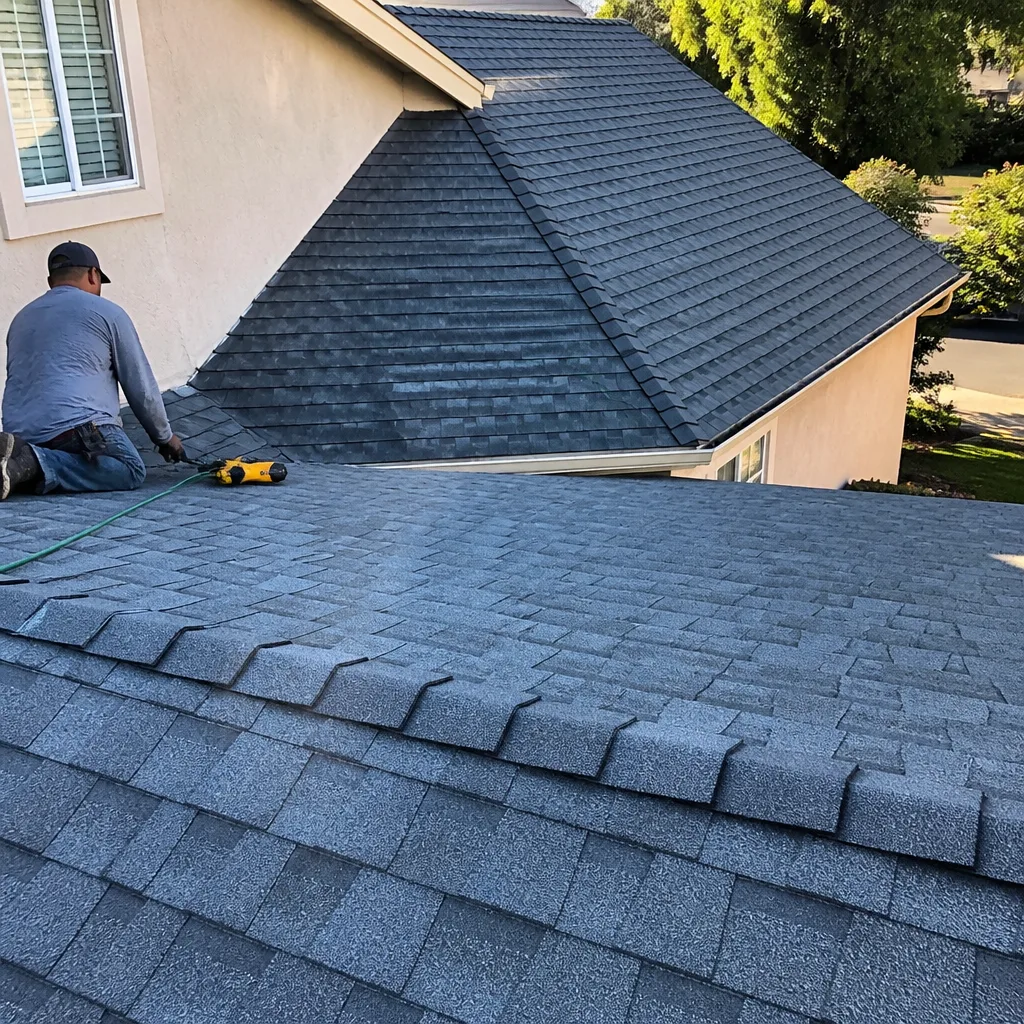 After
After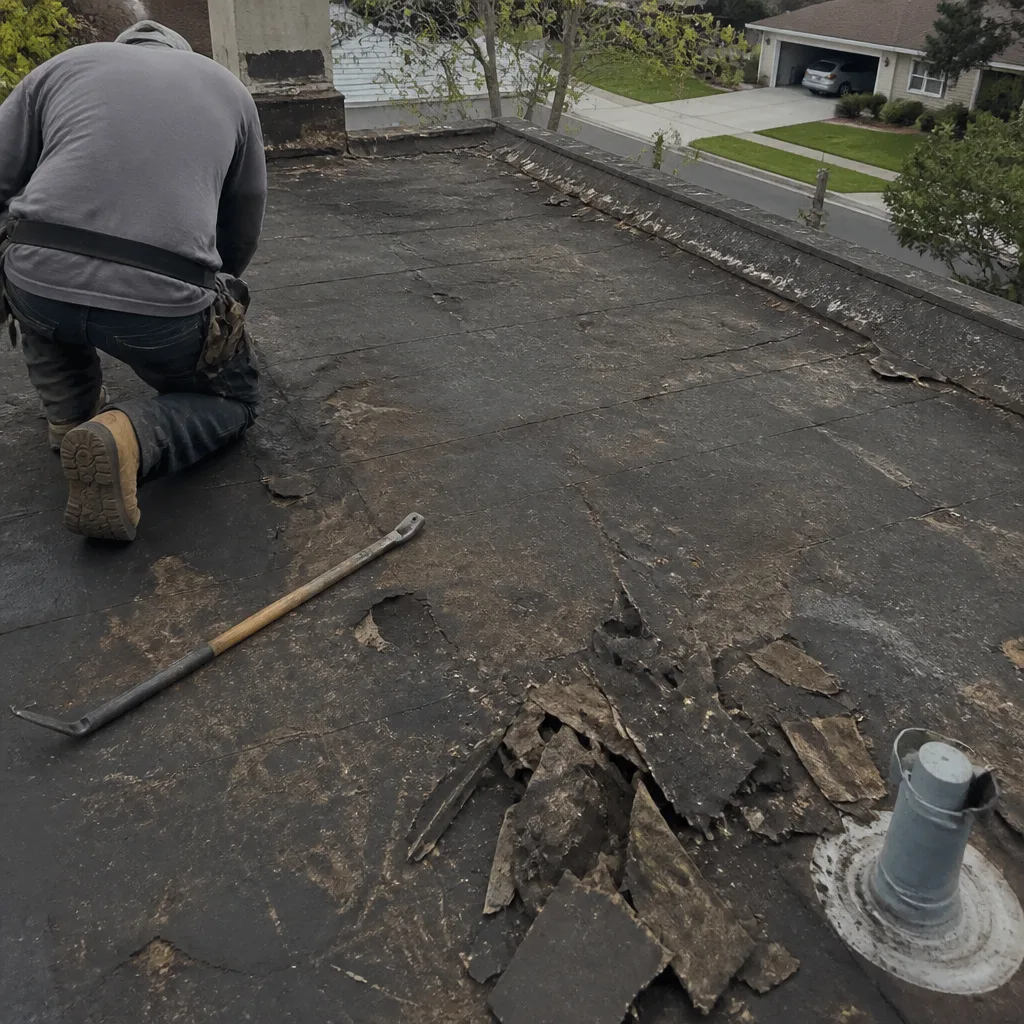 Before
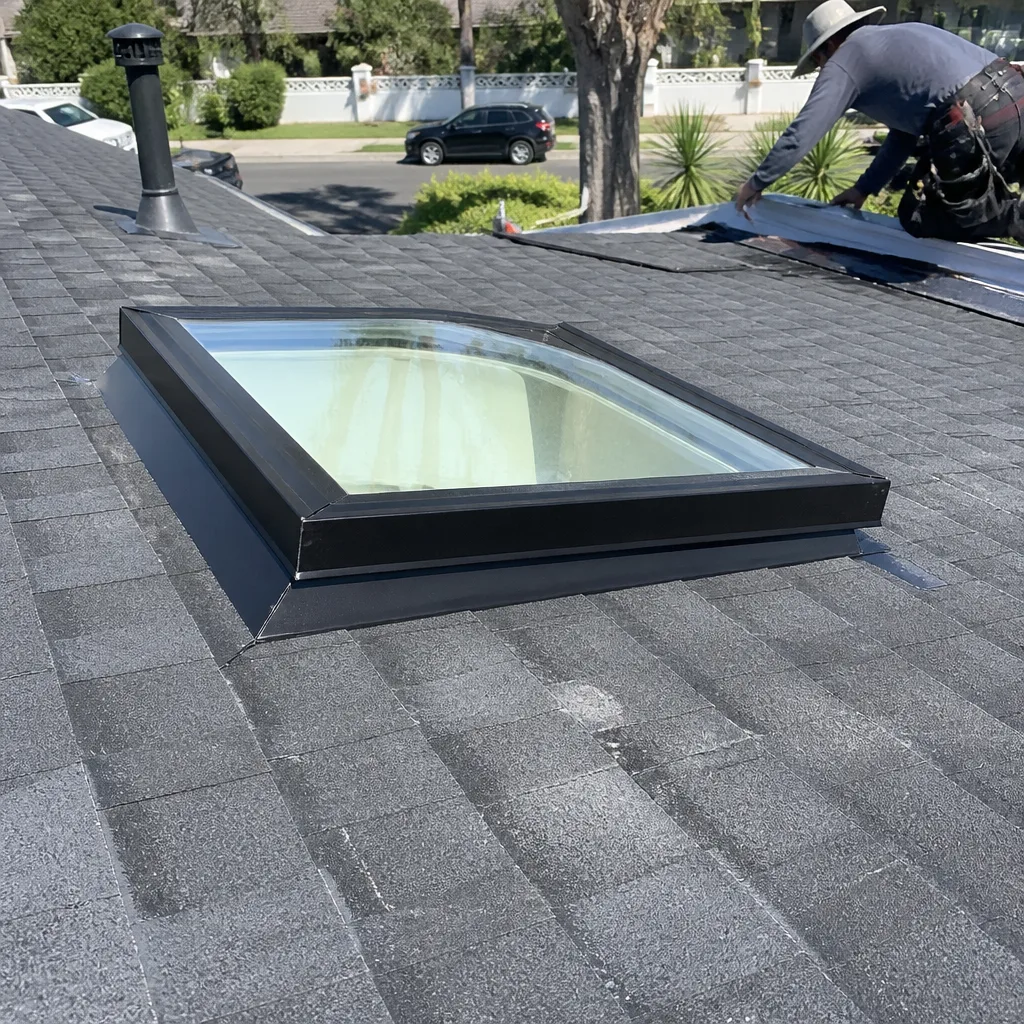 After
AfterTamko Gutter Replacement: The Los Angeles Owner’s Guide
Tamko gutter replacement in Los Angeles typically runs $14 to $28 per linear foot installed, so a standard 150-foot single-story home lands between $2,100 and $4,200 depending on the gutter profile and fascia condition. We stock Tamko-compatible aluminum gutter material on our trucks, and most single-story replacements go up in a single day. The way most L.A. homeowners discover their gutters failed is quiet: rust blooming around the end caps, water sheeting down the stucco during the first real rain of the season, or a gutter that’s started pulling loose from the fascia board at the corners. Tamko has a strong name in roofing, but their gutter line was discontinued, which means a lot of homeowners in Los Angeles are now trying to match orphaned profiles and finding out that not every gutter company carries what’s needed.
Which Tamko Models This Applies To
Tamko made two gutter profiles that show up on Los Angeles homes: a 5-inch K-style profile in both aluminum and galvanized steel, and a 6-inch half-round line that was less common but shows up on older Spanish-style and hillside homes from Pasadena up through Eagle Rock. The K-style is the one with the flat back and decorative front that looks like crown molding; the half-round is, as the name says, a half circle. The gotcha we run into regularly is that Tamko’s 5-inch K-style used a slightly narrower profile than the industry-standard aluminum you’ll find at a big-box store, so a “universal” replacement section often won’t seat properly into the existing end caps or miters without visible gaps. The smart move is to identify what you have before you buy anything. Flip a section over and look for a stamped manufacturer code, or measure the top opening across the widest point: Tamko’s 5-inch actually measures 4-7/8 inches across the top opening. That eighth of an inch matters when you’re splicing. On replacement material, we use a quality aftermarket 5-inch K-style or 6-inch half-round that matches or exceeds the Tamko gauge, because genuine Tamko gutter sections simply aren’t manufactured anymore. The aftermarket aluminum we run is .032 gauge, which holds up better in L.A.’s heat than the .027 that most home centers sell and that Tamko originally shipped.
Tilehurst Roofing is an independent service provider and not affiliated with Tamko. We work on plenty of Tamko roofs and their gutter systems, and we’re straightforward about what needs full replacement versus what can be saved.
Signs Your Tamko Gutter Replacement Is Failing
- Rust at the end caps and seams. Tamko’s galvanized steel gutters, especially on homes within five miles of the coast from Santa Monica down to Long Beach, start rusting at the seams first. Salt air and morning marine layer work on the cut edges where the protective coating is thinnest. Once rust shows, water follows within a season or two.
- Gutter pulling away from the fascia at corners. The hangers Tamko used were spaced further apart than current best practice, and on hot San Fernando Valley days the aluminum expands enough to work those hangers loose. If you can see daylight between the gutter back and the fascia board, it’s pulling.
- Water overflowing in the middle of the run, not at the downspout. That’s almost always a pitch problem: the gutter has settled or the original install didn’t pitch correctly, and now water sits and backs up. Pooled water accelerates rust and pulls hangers.
- Visible splits or cracks at any mitered corner. The corner joints are where tension concentrates when gutters expand and contract. A split corner will dribble water down the wall and into whatever is below it.
- Peeling paint or staining on the fascia board. That’s water getting behind the gutter. By the time the paint is peeling, the fascia board is usually wet and starting to rot, which means the repair scope just grew from “replace the gutter” to “replace the gutter and some backing board.”
Replacement Cost & What’s Included
Installed Tamko-compatible gutter replacement in Los Angeles runs $14 to $22 per linear foot for 5-inch K-style aluminum, and $18 to $28 per linear foot for 6-inch half-round. A typical 150-foot single-story home lands between $2,100 and $3,300 for K-style, and between $2,700 and $4,200 for half-round. What changes the number is mostly access and backing condition: a clean single-story run with healthy fascia stays at the low end, while a two-story with rotted fascia boards that need replacing first goes higher. Gutters are one trade where the math is honest: the material cost is straightforward, and the labor is the skill that keeps the pitch right and the seams tight. Every quote we hand over in Los Angeles is a written line-item price before any work begins, so you know the gutter cost, the hanger cost, the downspout cost, and the labor separately. And if the repair fails inside a year, we come back at no charge under the 365-Day Done Right Promise. That’s in writing, not a handshake.
DIY or Call Us?
Honest answer: replacing a full gutter run is not high-danger work like a garage door spring, but you’re on a ladder at roof height for hours, and in Los Angeles we see the results of solo DIY gutter projects at the ER every rainy season. What you can safely do is diagnose: check the pitch with a level, look at the end caps for rust, measure the top opening to identify the profile, and mark which sections are actually failing. What usually goes wrong in DIY is the continuous run: seamless gutters are formed on-site with a machine, not bought in ten-foot sections at a home center, and splicing ten-foot sections means every seam is a future leak point. If you’re replacing more than about twenty feet of gutter, or if the fascia board is soft, call a pro. We’ll come out, measure, and give you the number before any work starts: (945) 303-9821.
FAQs
Tamko aluminum gutters last 15 to 20 years in Los Angeles, and galvanized steel versions last 10 to 15 years depending on distance from the coast. Inland homes in the Valley see the longest life; homes west of the 405 deal with salt air and morning marine layer that shortens steel life significantly. Call (945) 303-9821 and we’ll tell you which material you have and how much life is left in it.
Yes, if the gutters are aluminum, the pitch is still correct, and the damage is limited to seams, end caps, or a short section under twenty feet. Split corners and rusted steel are usually not worth sectioning because the rest of the run is typically close behind. We won’t sell you a replacement if a repair makes more sense. Estimates are free at (945) 303-9821.
Most single-story Los Angeles homes with 150 to 200 linear feet of gutter take one full day, including removal of the old run, fascia inspection, and installation of new seamless gutters with new hangers. Two-story homes or jobs with rotted fascia replacement usually take two days. We’ll tell you the exact window when we quote it.
We keep both 5-inch and 6-inch seamless aluminum coil stock on our trucks, which means we can form the correct profile on-site the same day we do the job. We don’t pre-cut gutters in a warehouse; we run them continuously for your roof’s exact measurements, so there’s no waiting on a special order. If your home needs a color match, we’ll bring samples to the estimate.
Every gutter replacement we do in Los Angeles comes with a written guarantee that the work was done right, and it runs a full year under the 365-Day Done Right Promise. If a seam splits, a hanger lets go, or a section starts sagging inside that year, we come back and fix it at no charge. The guarantee is in writing before the crew leaves, not mailed later.
Only if we find something hidden, and you’ll know the new number before we touch it. The most common surprise on Los Angeles gutter jobs is rotted fascia board behind the gutter, and we not only tell you the replacement cost in writing, we’ll show you the rotted board before we remove it. Know the price before the first tile moves. Call (945) 303-9821 to schedule your free estimate.
If your home carries other roofing brands alongside Tamko, we also stock parts and materials for GAF, Owens Corning, and CertainTeed systems, plus the full seven manufacturers we install: GAF, CertainTeed, Owens Corning, IKO, Atlas, Tamko, and Boral. One call to (945) 303-9821 and we’ll sort out what you have, what’s failing, and what a fair Los Angeles price should be.
Written by Greg Holloway, Owner, Tilehurst Roofing at Tilehurst Roofing, serving Los Angeles and nearby areas.