
Last updated October 8, 2026
Free roof inspection with deck photos before we talk money - GAF and Owens Corning certified installation
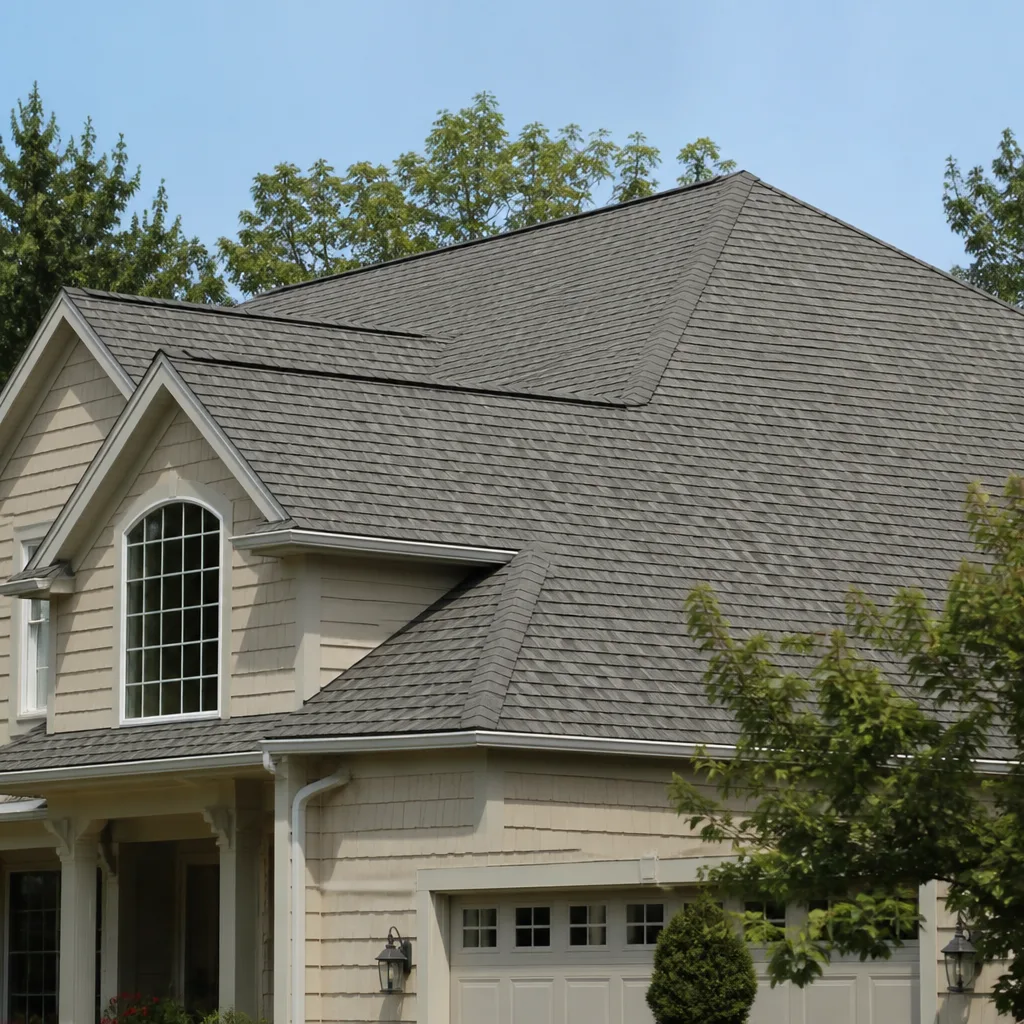
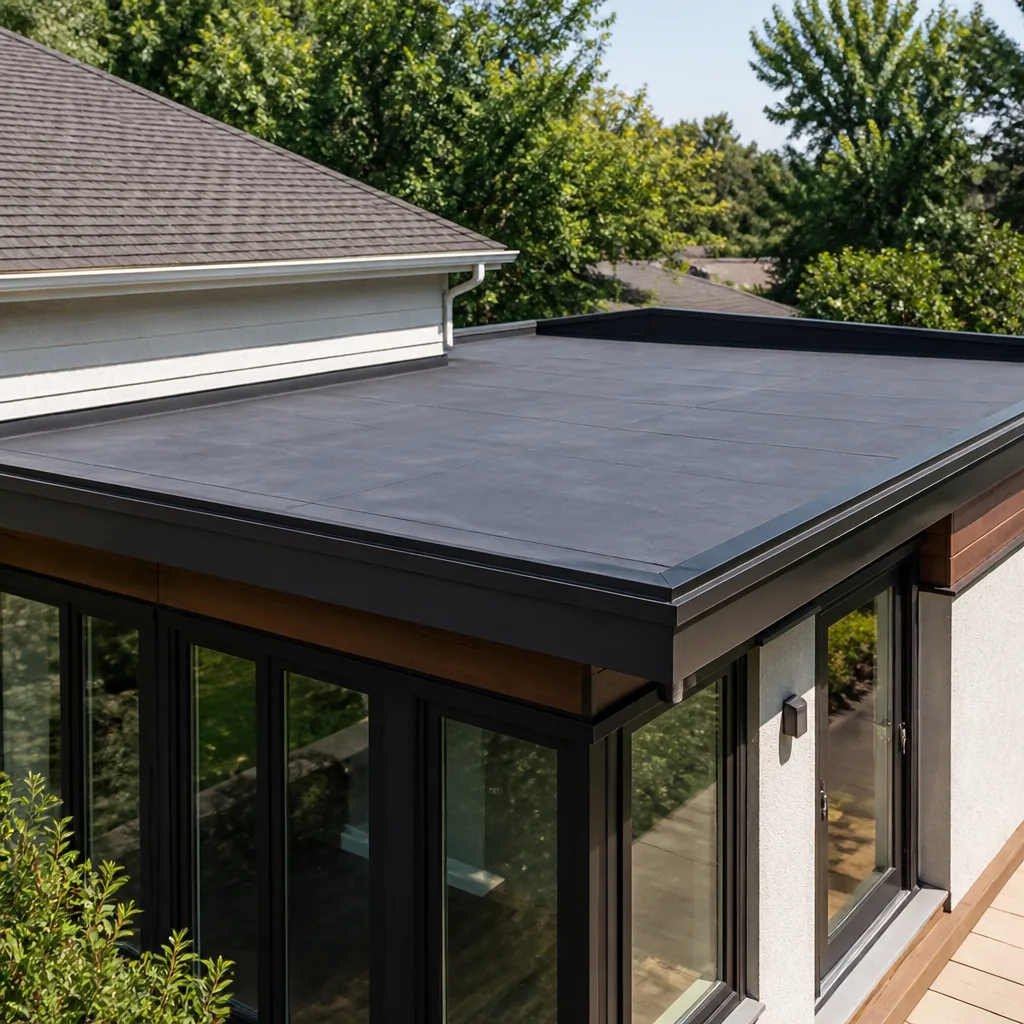
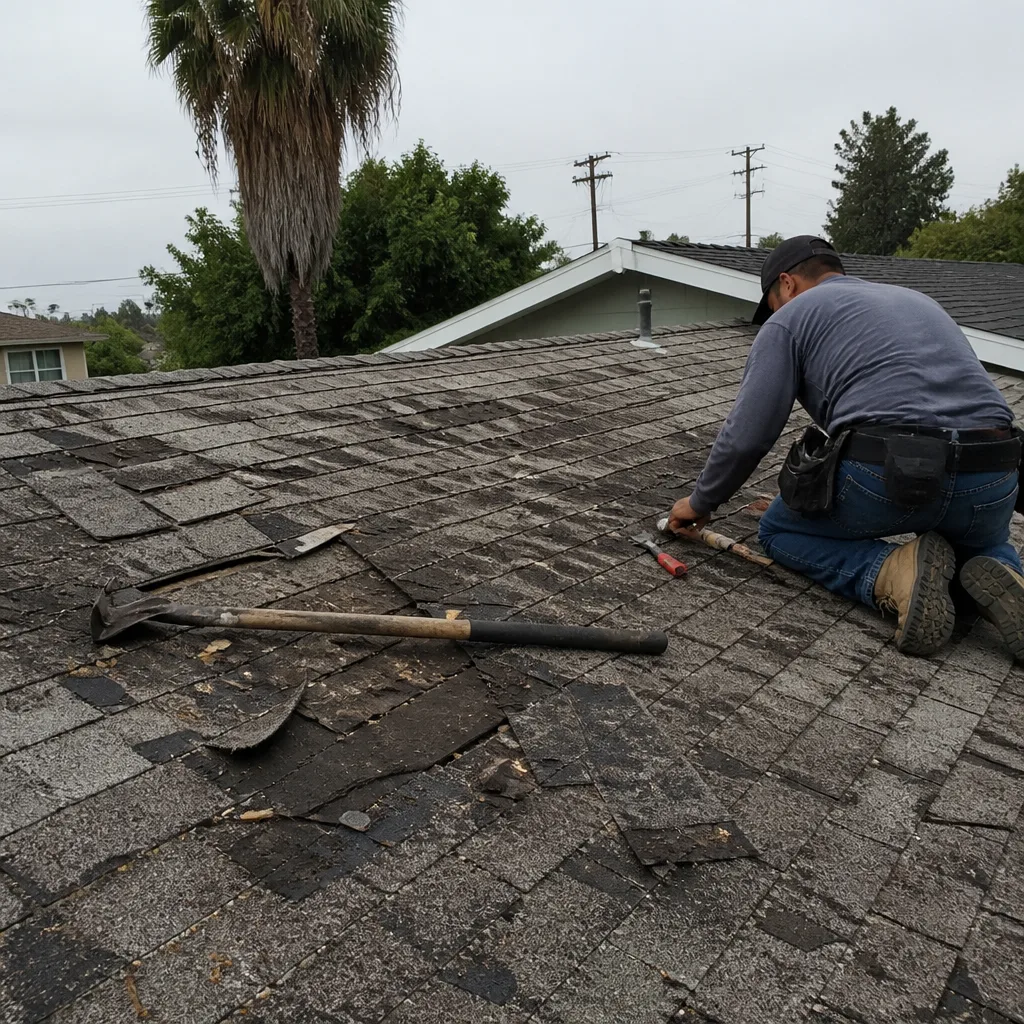 Before
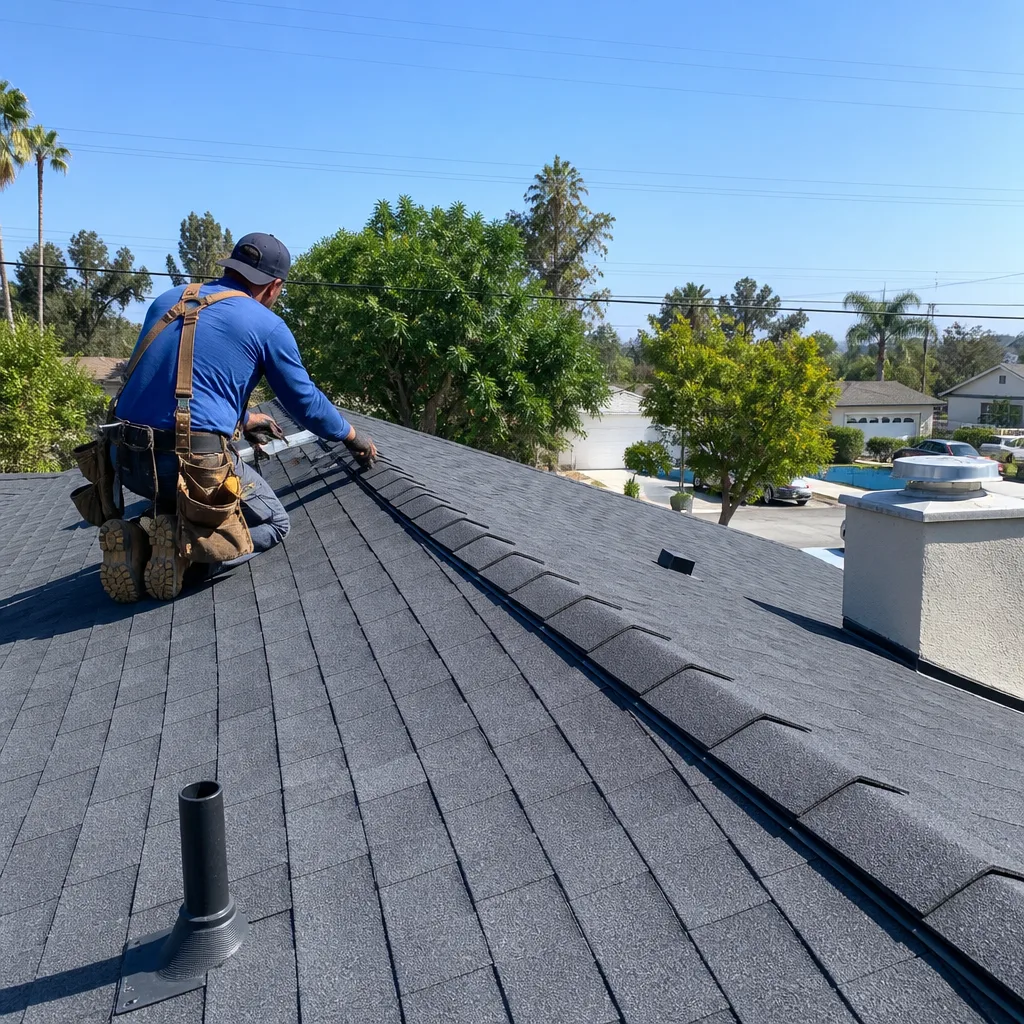 After
After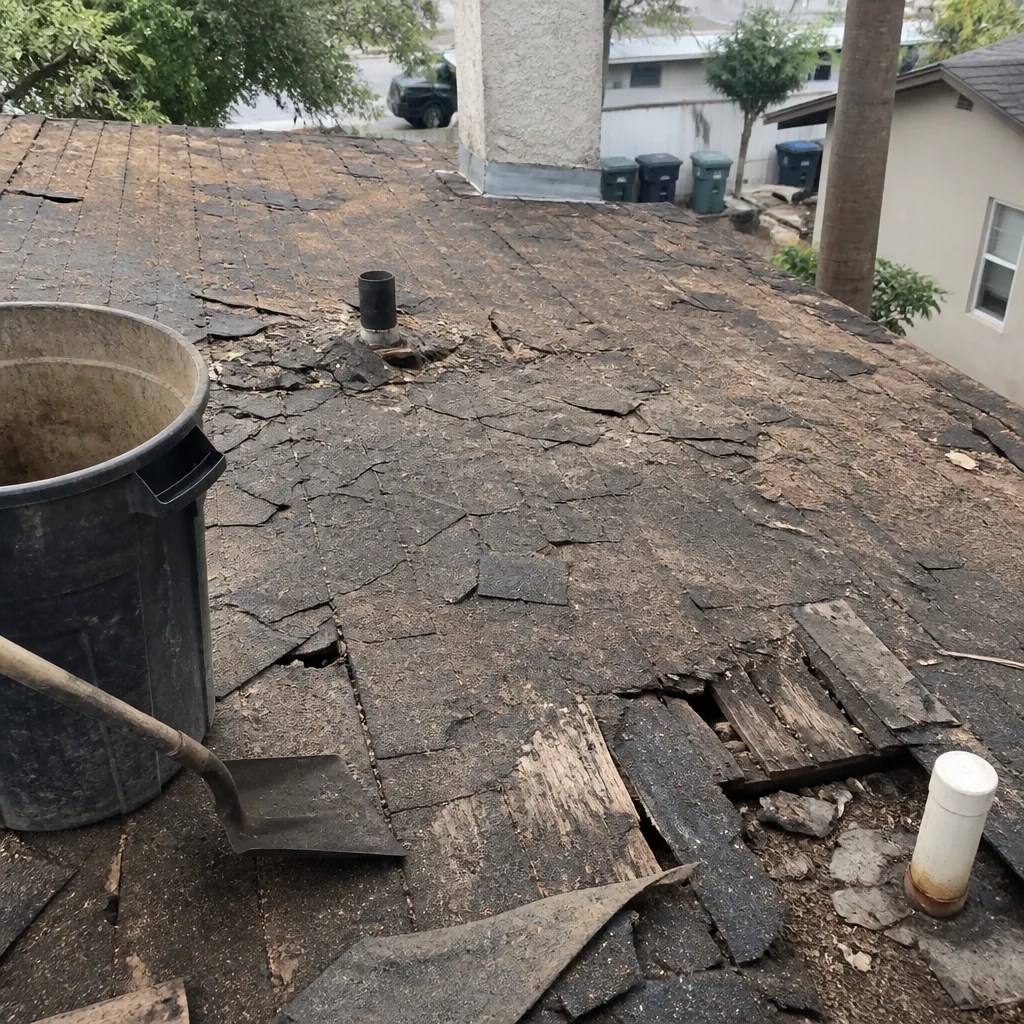 Before
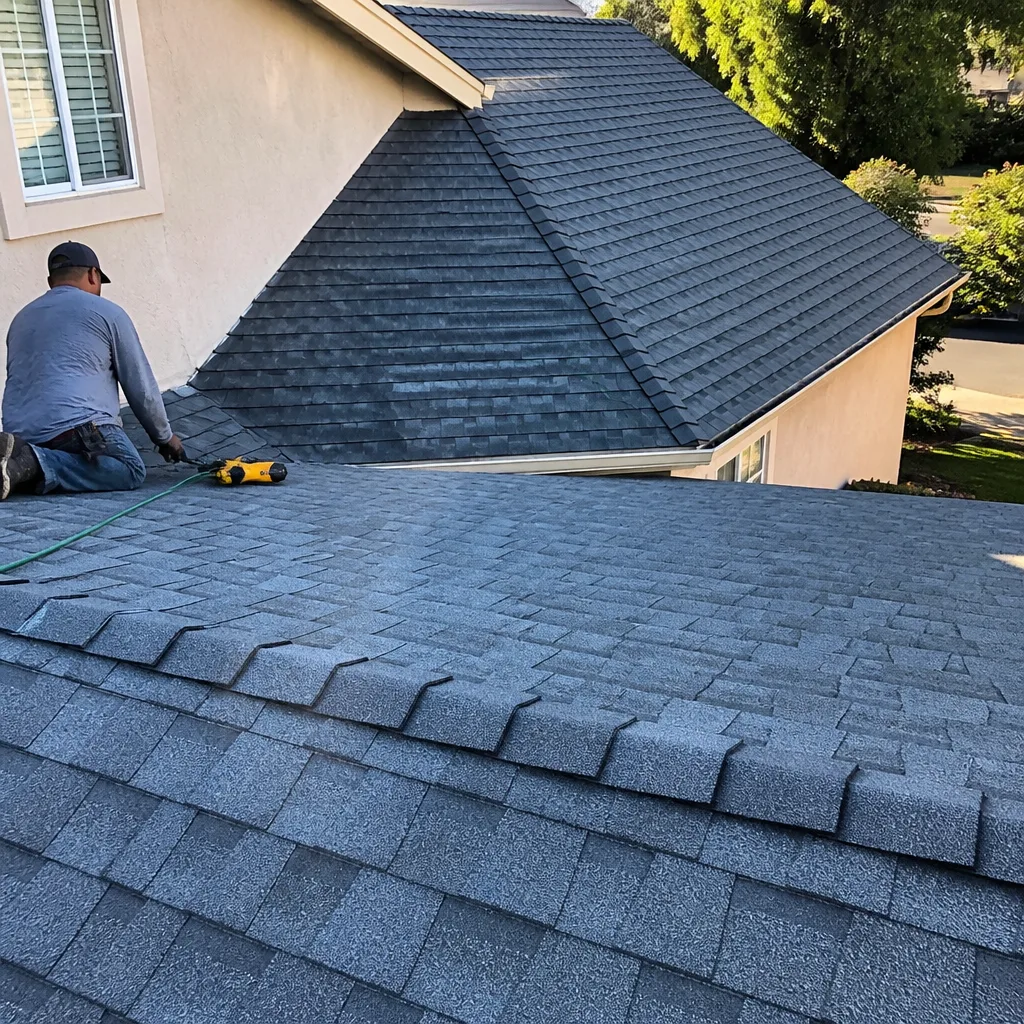 After
After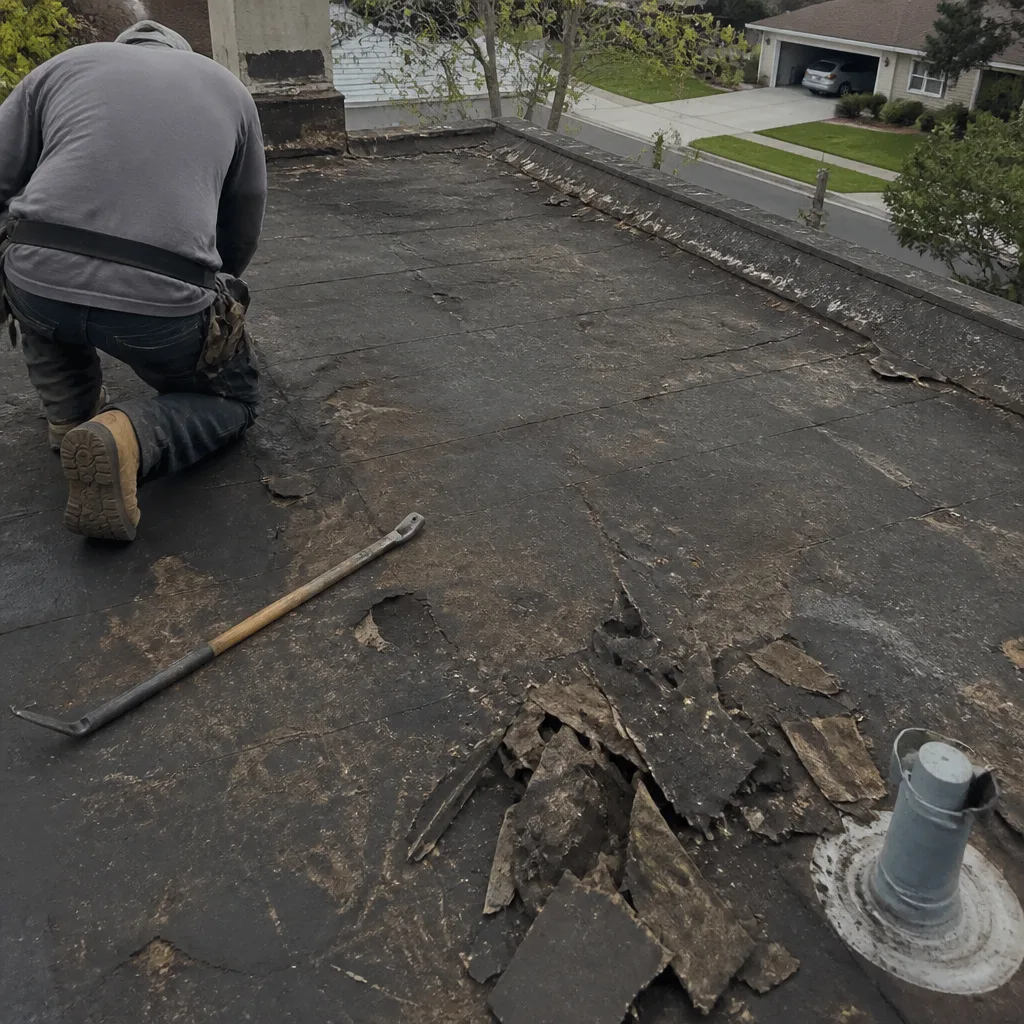 Before
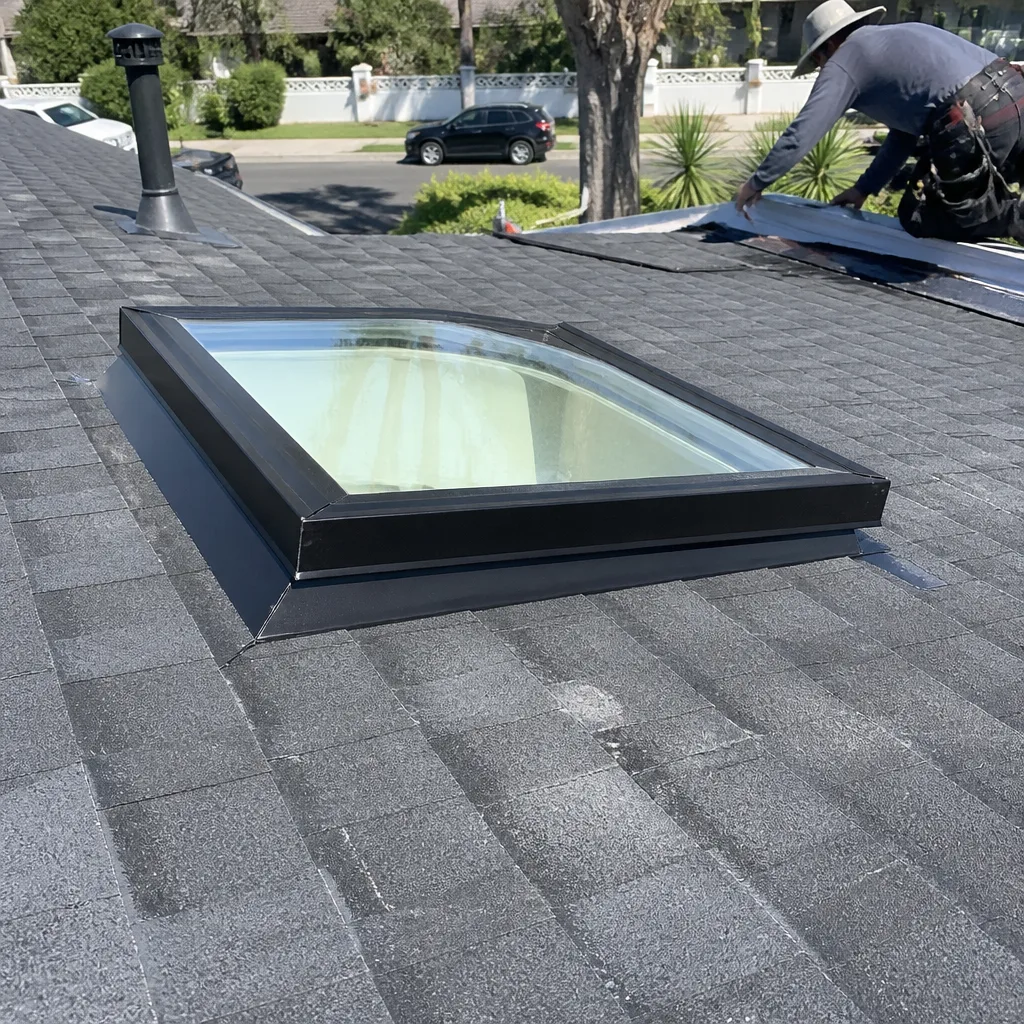 After
AfterDIY vs Professional Roofing: The Los Angeles Homeowner’s Decision Guide
Here’s something most Los Angeles homeowners don’t know until it’s too late: in a State Responsibility Area or High Fire Hazard Severity Zone, which includes large swaths of the Hollywood Hills, Pacific Palisades, Topanga, and the Santa Monica Mountains, installing the wrong roofing material yourself doesn’t just risk a code citation. It can void your fire insurance entirely and expose you to personal liability if embers ignite a neighbor’s home. In this guide, we’ll draw the exact legal and practical line between what a competent homeowner can safely handle on an LA roof and where DIY becomes a financial and legal liability you’ll carry for years. For additional context, browse our more guides & resources.
Quick Answer
Most Los Angeles homeowners can legally perform basic maintenance - gutter cleaning, attic ventilation checks, and minor sealant touch-ups - without a contractor’s license. Anything involving structural decking, waterproof underlayment, or material installation in fire zones requires a C-39 licensed contractor and permits. The true cost of DIY roof work in Los Angeles, once permits, equipment rental, material waste, and the likely callback repair are factored in, typically exceeds professional pricing by 15-40% while carrying significant liability exposure.
Table of Contents
- What Homeowners Can Legally Do Without a C-39 License
- LA Fire Zones and Material Restrictions That DIYers Miss
- The True Cost of DIY Roofing in Los Angeles
- Safety Realities: Steep Pitches, Tile Weight, and Summer Heat
- The Middle Path: Using DIY to Reduce Pro Costs
- When Permits Are Required and What They Cost
- Common Mistakes to Avoid
- When to Call a Professional
- Frequently Asked Questions
What Homeowners Can Legally Do Without a C-39 License
California’s Contractors State License Board draws a sharp line. Under Business and Professions Code Section 7048, homeowners can perform “maintenance, repair, or improvement” on their own single-family residence without a C-39 roofing contractor license, provided the work doesn’t exceed $500 in combined labor and materials. But that $500 threshold is cumulative per project, not per trip to the hardware store. Exceed it, and you’re performing unlicensed contracting - a misdemeanor in California.
Here’s what falls safely within that line for Los Angeles homeowners:
- Gutter clearing and downspout flushing. No permit, no license risk. We recommend doing this in late October, before Santa Ana wind season deposits dried palm fronds and eucalyptus bark into drainage channels.
- Attic ventilation inspection. Check for blocked soffit vents, displaced ridge vent material, or daylight showing through penetrations. Note what you see; don’t alter the roof envelope.
- Minor flashing sealant repair. Small gaps at pipe boots or vent collars can be sealed with roofing-grade urethane or silicone. Do not remove existing flashing.
- Interior leak identification. Document water stains, measure from fixed reference points, and photograph. This information saves a pro 30-60 minutes of diagnostic time.
- Debris removal from valleys and flat sections. Use a leaf blower or soft broom. Never pressure-wash an asphalt shingle roof; it strips granules and voids manufacturer warranties from CertainTeed, Owens Corning, and IKO.
What crosses the line: removing and replacing shingles or tiles, installing underlayment, repairing or replacing decking, installing drip edge or ridge cap, or any work on a roof structure attached to another dwelling. In Los Angeles, condo and townhouse owners face additional HOA restrictions that often prohibit any self-performed roof work regardless of the $500 exemption.
We’ve been called to homes in Silver Lake and Echo Park where well-meaning homeowners replaced a few wind-lifted shingles, only to discover their patch didn’t match the existing Class A fire rating. The correction required full-section replacement and a permit amendment. The $200 DIY savings became a $1,800 pro fix.
LA Fire Zones and Material Restrictions That DIYers Miss
Los Angeles County’s fire zone mapping isn’t optional guidance. It’s incorporated by reference into the California Building Code and enforced by LA County Fire, LAFD, and local building departments. If your property sits in a Very High Fire Hazard Severity Zone (VHFHSZ) or State Responsibility Area (SRA), Chapter 7A of the California Building Code mandates Class A roof assemblies - the highest fire-resistance rating - for all new construction and most reroofing work.
What Class A actually means: the entire roof assembly, including underlayment, must pass ASTM E-108 testing. You cannot achieve this by buying “fire-resistant” shingles at a big-box store and nailing them over existing felt. The assembly is tested as a system. Manufacturers like GAF, CertainTeed, Owens Corning, IKO, Atlas, Tamko, and Boral publish specific Class A assembly configurations - exact underlayment type, fastening pattern, and accessory products - that must be followed precisely for the rating to apply.
The insurance exposure is where DIY gets expensive fast. In Pacific Palisades, Topanga, and the Hollywood Hills, we’ve seen carriers request Class A assembly documentation after claims. If a homeowner self-installed non-compliant materials, the carrier can deny coverage for fire damage on the grounds of material misrepresentation or code violation. Worse, if embers from your non-compliant roof contribute to a neighboring fire, liability exposure extends beyond your policy limits.
Local permit offices in Los Angeles - particularly LA Department of Building and Safety and county unincorporated area offices - now flag fire zone status automatically during permit intake. Inspectors in VHFHSZ areas verify Class A assembly documentation in the field. There’s no “grandfathering” for DIY work performed without permits.
Bottom line for Los Angeles homeowners: if you’re in a fire zone, material selection isn’t a consumer choice. It’s a legal requirement with insurance consequences that outlast any DIY cost savings.
The True Cost of DIY Roofing in Los Angeles
The enthusiast blogs rarely run the full math. Here’s what DIY roofing actually costs in Los Angeles, using a typical 1,800 square foot asphalt shingle repair as our model:
| Cost Item | DIY Range | Notes |
|---|---|---|
| Materials (shingles, underlayment, nails, flashing) | $650-$1,100 | Big-box retail; no contractor discount |
| Equipment rental (nail gun, compressor, ladder stabilizer) | $180-$320 | 3-day minimum typical |
| Permit (if pulled correctly) | $280-$450 | LA DBS; varies by valuation |
| Dump fees for tear-off | $120-$200 | Clean LA facility rates |
| Material waste (10-15% overage, standard) | $100-$170 | Unreturnable opened bundles |
| Callback repair (statistically likely) | $400-$800 | Based on our 24 years of repair calls |
| Total DIY True Cost | $1,730-$3,040 | |
| Professional repair, comparable scope | $1,400-$2,600 | Written price before work; guaranteed |
The hidden cost isn’t financial. It’s time. A professional crew completes that 1,800 square foot repair in one day - for a detailed breakdown, see our guide on how long roof repair takes. A competent homeowner working weekends needs three to four days, during which the roof is partially exposed to Los Angeles weather. In September, when Santa Ana winds arrive with 24-hour notice, that exposure window creates real risk.
There’s also the inspection failure rate. LA County building departments report that homeowner-performed roofing work fails initial inspection at roughly twice the rate of licensed contractor work, typically for improper fastener placement, inadequate underlayment overlap, or missing drip edge. Each re-inspection adds $100-$150 and another week of scheduling.
Our experience across the Kingswell family of companies, founded in 2000, aligns with these figures. The calls we receive for DIY corrections in Los Angeles outnumber genuine maintenance requests by roughly three to one. The homeowner didn’t lack skill; they lacked the specialized knowledge that comes from daily repetition on local roof types.
Safety Realities: Steep Pitches, Tile Weight, and Summer Heat
Los Angeles roofing has physical hazards that don’t translate well from online tutorials filmed in flat Midwest backyards.
Steep canyon pitches. Homes in the Hollywood Hills, Laurel Canyon, and Beachwood Canyon frequently have roof pitches of 8:12 or steeper to shed occasional heavy rain and shed debris. At 8:12, a worker needs roof brackets and a secured ladder to move safely. Most homeowners own neither. Falls from these heights on sloped terrain mean longer EMS response times and more severe outcomes.
Tile weight. Concrete roof tiles common in Los Angeles, particularly in Spanish Colonial and Mediterranean revival homes, weigh 900-1,200 pounds per square (100 square feet). Clay tiles run 600-900 pounds. Walking on installed tile without knowing the load-bearing path - the reinforced battens, not the tile itself - cracks tiles and creates hidden fractures that fail in the next rain. We’ve replaced entire valley sections in Los Feliz where a homeowner’s foot traffic destroyed tile that appeared intact from the ground.
Summer heat on dark surfaces. Asphalt shingles in Los Angeles reach 150-170°F surface temperature in July and August. This isn’t discomfort. It’s heat illness territory. Pro crews start at 6 AM and finish by 2 PM in summer months. Homeowners working weekends often begin at 10 AM, peak heat, without recognizing early signs of heat exhaustion.
Wind patterns. Santa Ana winds in fall and winter create sudden, unpredictable gusts on exposed ridges. A unsecured tarp or bundle of shingles becomes a projectile. In 2023, a homeowner in the San Fernando Valley suffered a fractured collarbone from a wind-loosened tile during what was forecast as a “mild breeze” day.
We don’t share these statistics to frighten. We share them because they’re absent from the content that ranks for “DIY roof repair,” and they’re the reason our crews carry workers’ compensation, liability insurance, and daily safety briefings - explore how long roofing companies take to understand typical project timelines. When we send background-checked, uniformed technicians to a Los Angeles home, they’re equipped for conditions that change hourly.
The Middle Path: Using DIY to Reduce Pro Costs
There’s a legitimate middle ground that respects both your competence and your limits. Used strategically, homeowner preparation can reduce professional roofing costs by 10-20% without creating liability or warranty problems.
What to handle yourself:
- Interior documentation. Photograph every water stain with a tape measure in frame, note the date of first observation, and record weather conditions. This accelerates our leak diagnosis by eliminating half the detective work.
- Attic access preparation. Clear stored items from the attic path before our arrival. Every 10 minutes saved is 10 minutes not on your invoice.
- Gutter and downspout clearing. Complete this before calling for a roof inspection. Clogged gutters cause symptoms that mimic roof leaks; eliminating this variable prevents unnecessary diagnostic charges.
- Vehicle and pet management. Secure driveway access and indoor pets. Crews can’t work efficiently around obstacles, and efficiency directly affects pricing.
- Material research. Review the Class A assembly options from manufacturers like Atlas, CertainTeed, and Owens Corning so you understand your choices before our consultation. Informed homeowners ask better questions and reach decisions faster.
What never to pre-purchase: roofing materials. We specify exact products for warranty compatibility and bulk purchasing. Homeowner-bought materials often sit unused or require return trips that erase any savings.
When we provide a written price before any work starts at a Los Angeles home, that price assumes standard site conditions. The homeowner who has cleared gutters, documented interior evidence, and prepared attic access receives the full value of that efficiency. The homeowner who hasn’t may see additional diagnostic time reflected in the scope.
When Permits Are Required and What They Cost
Los Angeles permitting isn’t uniform across the metro area. LA Department of Building and Safety covers the city proper. Unincorporated county areas fall to LA County Public Works. Pasadena, Long Beach, Santa Monica, and dozens of other municipalities maintain independent departments. Each has slightly different thresholds and fees.
Generally, permits are required for:
- Any roof replacement exceeding 100 square feet or involving structural decking repair
- Any work in a VHFHSZ or SRA, regardless of scope, due to Class A verification requirements
- Any modification to roof ventilation that affects attic airflow calculations
- Any installation of solar mounting hardware (separate electrical permit also required)
LA DBS residential roofing permits typically run $280-$450 for standard asphalt shingle replacement, based on project valuation. Expedited processing adds 50%. Inspection scheduling currently runs 5-10 business days for initial inspection, 3-5 days for re-inspection.
The critical detail: permits must be pulled by the party performing the work. A homeowner cannot pull a permit and hire unlicensed labor. Conversely, a licensed contractor pulling a permit cannot delegate work to unlicensed subcontractors without specific CSLB authorization. The permit holder is legally responsible for code compliance.
We’ve encountered Los Angeles homeowners who performed unpermitted work, then attempted to permit it retroactively after a sale fell through during escrow inspection. Retroactive permitting requires exposing work for inspector verification - essentially, partial demolition to prove what lies beneath. The cost typically exceeds original professional pricing.
Common Mistakes to Avoid
- Assuming matching shingles equal matching fire ratings. In Los Angeles fire zones, visual similarity doesn’t guarantee Class A assembly compliance. Always verify the full assembly rating, not just the top-layer product.
- Nailing over old underlayment. California code requires removal to decking for full replacements. Nailing new shingles over deteriorated felt traps moisture and voids manufacturer warranties from IKO, Atlas, and others.
- Ignoring valley construction. Open valleys, woven valleys, and California-cut valleys each require specific underlayment and flashing details. Wrong valley type for the pitch and material causes the leaks that appear two years later, after any DIY warranty has expired.
- Walking on clay or concrete tile incorrectly. Tile roofs in Los Angeles neighborhoods like Hancock Park or Los Feliz require foot placement on the lower third of the tile, near the supporting batten. Center-foot pressure cracks tile silently; failure appears months later.
- Skipping drip edge on “repair” work. Code requires drip edge at eaves and rakes for any work exposing these edges. Many DIYers omit this $40 detail, then wonder why fascia boards rot within two Los Angeles rainy seasons.
- Using non-roofing sealants. Bathroom caulk on a pipe boot hardens and cracks in roof heat. Use only roofing-grade urethane or manufacturer-specified products.
- Failing to document pre-existing condition. Photograph everything before touching it. Disputes with neighbors, insurers, or future buyers require timestamped evidence of what existed before your work.
When to Call a Professional
Call a licensed C-39 contractor when work involves structural decking, complete underlayment replacement, material installation in any fire zone, or any roof you cannot safely walk without equipment you don’t own. Call when the repair scope exceeds $500 in materials and labor, because California law requires it. Call when your insurance policy or HOA governing documents specify licensed work.
At Tilehurst Roofing, our Los Angeles team answers every call with a live person, 24 hours a day, 7 days a week - including evenings and weekends. We’ll schedule a free estimate, provide a written price before any work starts, and cover every repair with our written 365-Day Done Right Promise. If a repair fails inside that guarantee period, we return to correct it at no charge. Background-checked, uniformed technicians arrive in the window we give, and they leave your property cleaner than they found it. That’s The Kingswell Way, and it’s how we’ve operated since 2000.
Call (945) 303-9821 to schedule your free estimate.
Frequently Asked Questions
Professional asphalt shingle repair in Los Angeles typically runs $1,400-$2,600 for standard scope, while true DIY costs - including permits, equipment, waste, and probable callback - average $1,730-$3,040. The professional route includes warranty protection, permit compliance, and liability coverage that DIY cannot replicate. Call (945) 303-9821 for an exact quote on your specific repair; estimates are free.
California law allows homeowners to perform work on their own single-family residence without a C-39 license, but only if the total project value doesn’t exceed $500 in combined labor and materials. Any roof replacement exceeds this threshold, requiring a licensed contractor - learn more in our overview of how long roof replacement takes. Additionally, fire zone restrictions and permit requirements make unlicensed full replacement impractical and illegal. Call (945) 303-9821 to discuss your project with a licensed professional.
Very High Fire Hazard Severity Zones and State Responsibility Areas in Los Angeles require Class A roof assemblies, which include specific underlayment, fastening patterns, and top-layer materials tested as a complete system. Manufacturers including CertainTeed, Owens Corning, and Atlas publish approved Class A configurations. Self-installation without verifying the full assembly rating risks code violation and insurance voidance.
Insurance coverage for self-performed roof work depends on permit status, code compliance, and policy language. In Los Angeles fire zones, using non-Class A materials typically voids fire coverage regardless of permit status. Even outside fire zones, carriers may deny claims for unpermitted work or workmanship defects. Professional work with permit documentation provides the clearest path to claims acceptance.
LA County Fire Department maintains an online Fire Hazard Severity Zone map searchable by address. The California Department of Forestry and Fire Protection (CAL FIRE) also publishes SRA boundary maps. Your property tax statement may indicate SRA status through a special assessment. If either designation applies, Class A roof assembly requirements govern any roofing work.
Safe homeowner maintenance includes gutter clearing, debris removal from valleys and flat sections, attic ventilation inspection, interior leak documentation, and minor sealant touch-ups at pipe boots or vent collars. Never walk on clay or concrete tile without proper technique, never pressure-wash asphalt shingles, and never remove existing flashing or underlayment. These limits protect both your safety and your warranty coverage.
The Bottom Line
DIY roofing in Los Angeles occupies a narrow, well-defined band: basic maintenance, careful documentation, and minor sealant work that stays under the $500 threshold and outside fire zone restrictions. Beyond that band, California licensing law, fire zone assembly requirements, and genuine physical hazards make professional engagement the lower-risk, often lower-cost choice. The homeowners we serve at Tilehurst Roofing in Los Angeles aren’t looking for the cheapest fix. They’re looking for certainty: a written price before work starts, a crew that arrives when promised, and a guarantee that outlasts the first rainy season. That’s available without the liability of going it alone.
Written by Greg Holloway, Owner at Tilehurst Roofing, serving Los Angeles since 2000.