
Free roof inspection with deck photos before we talk money - GAF and Owens Corning certified installation
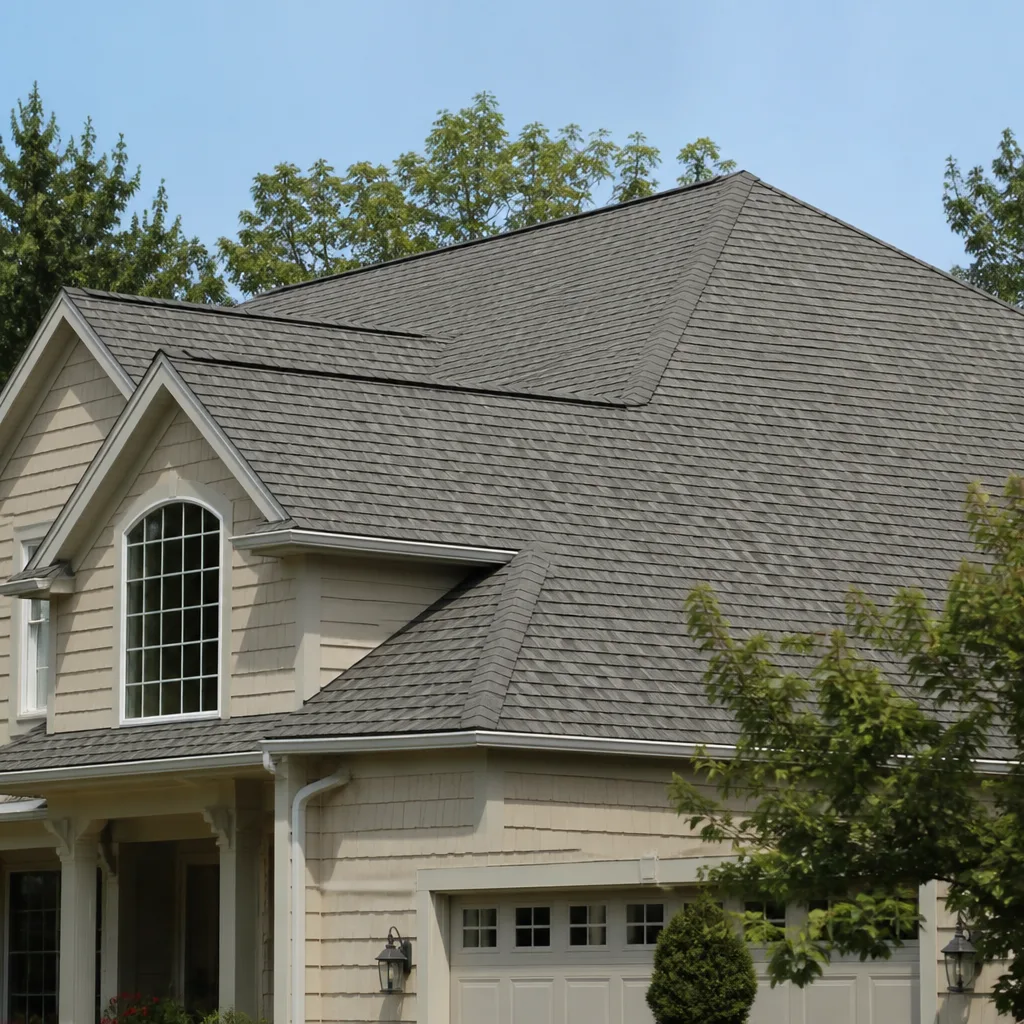
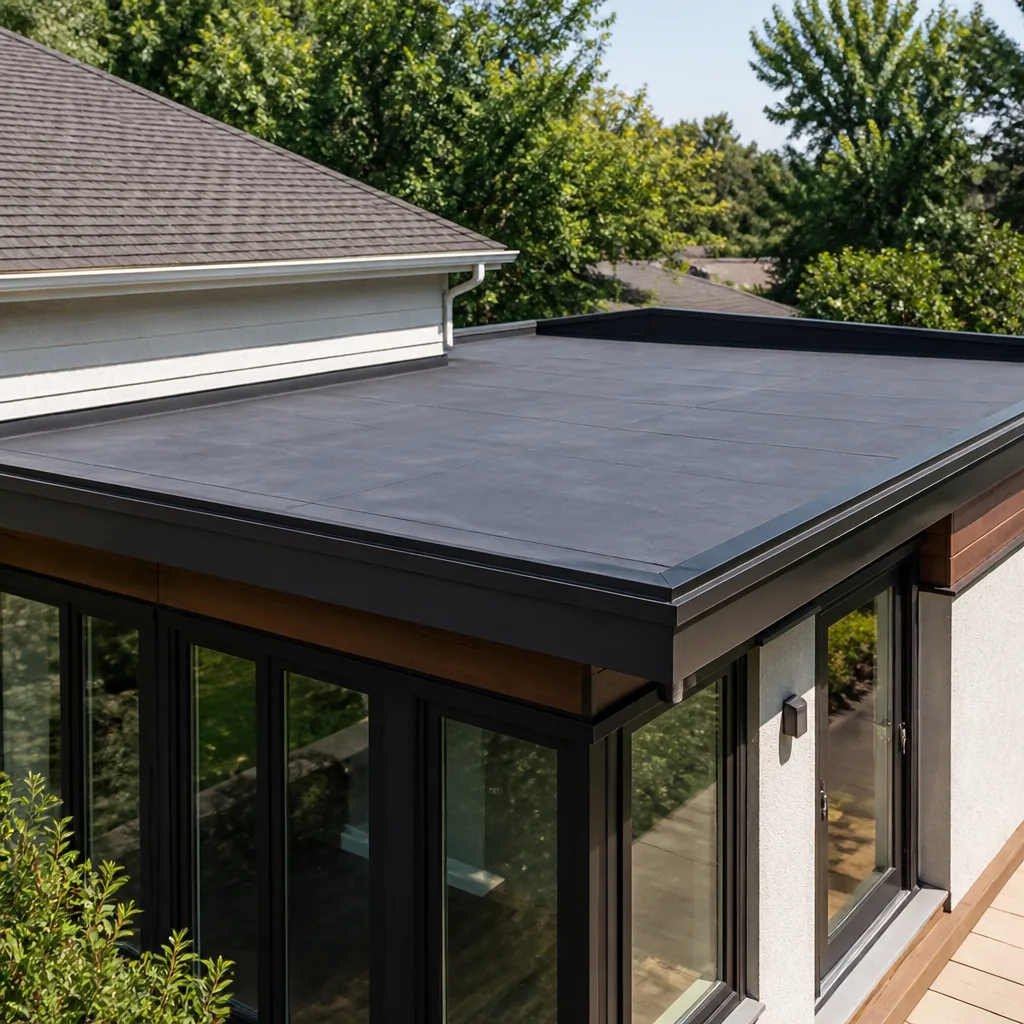
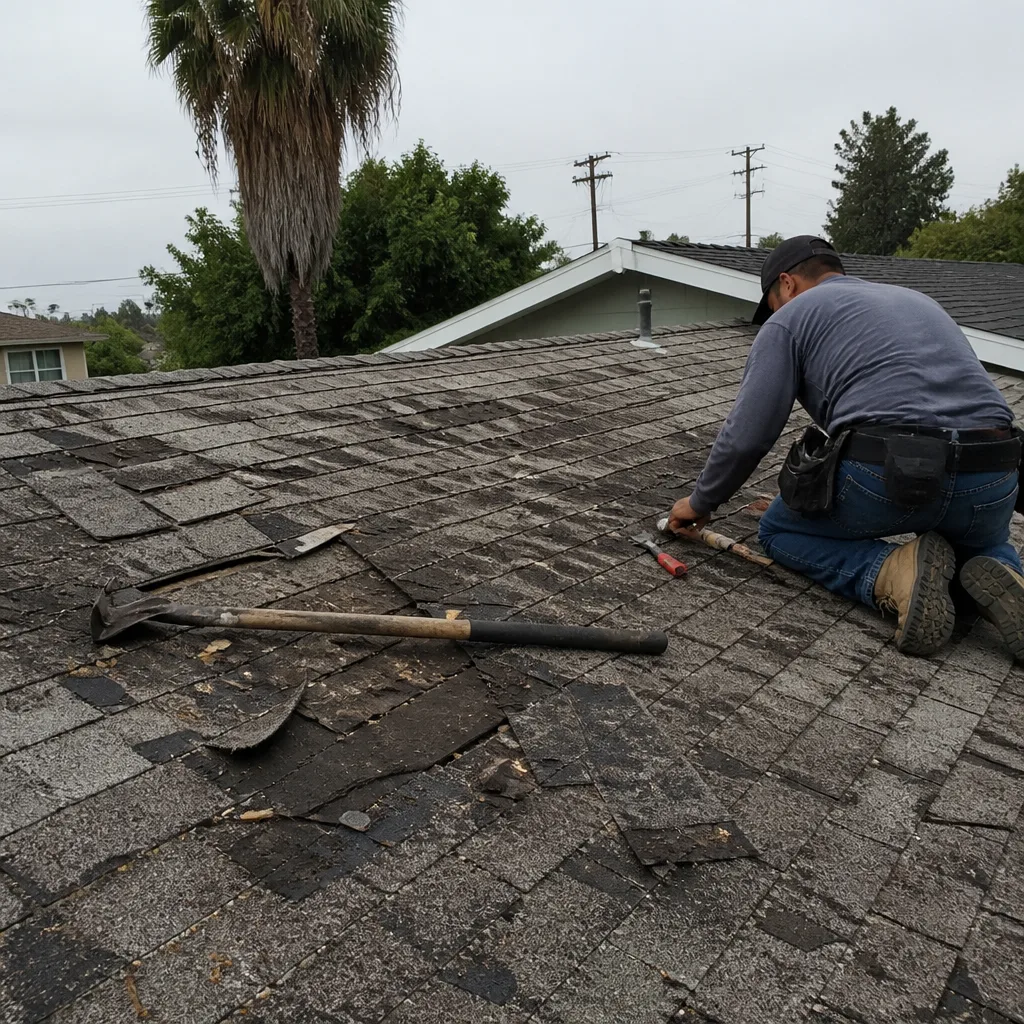 Before
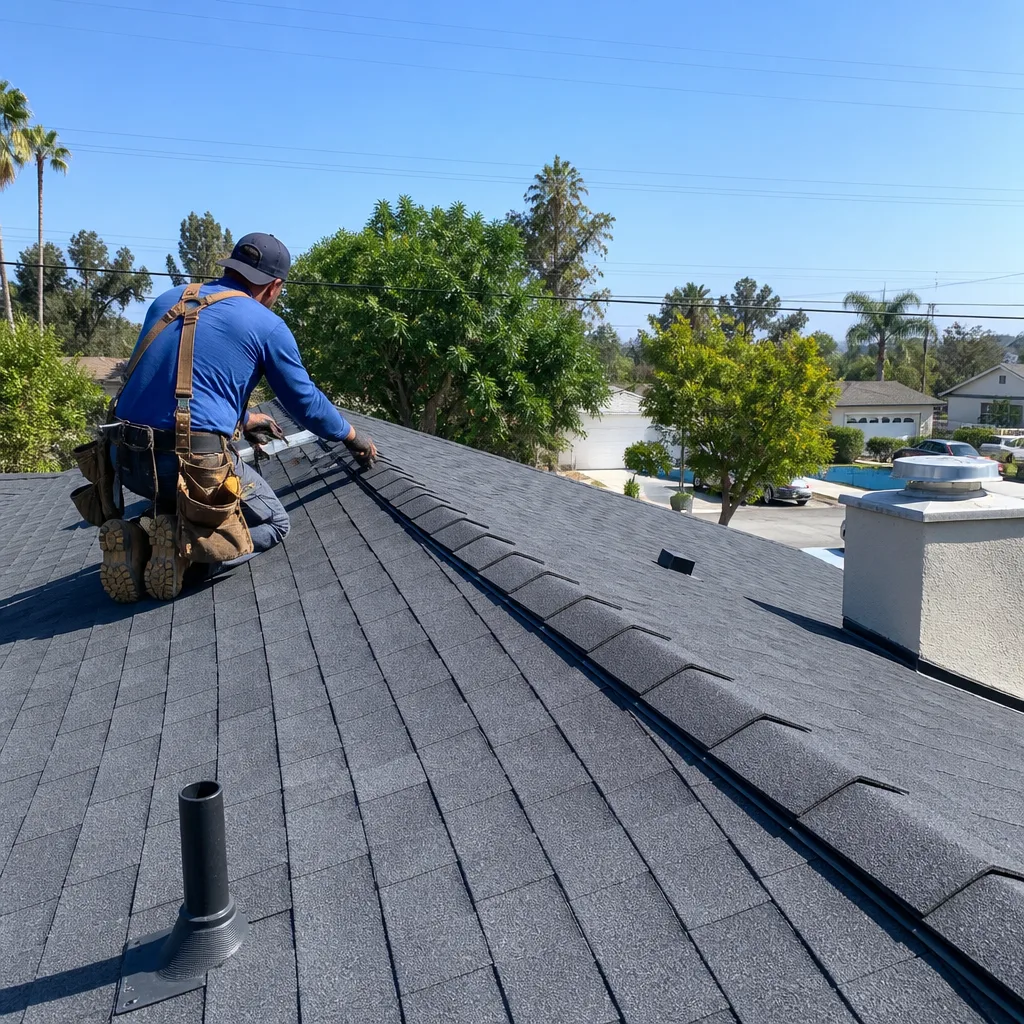 After
After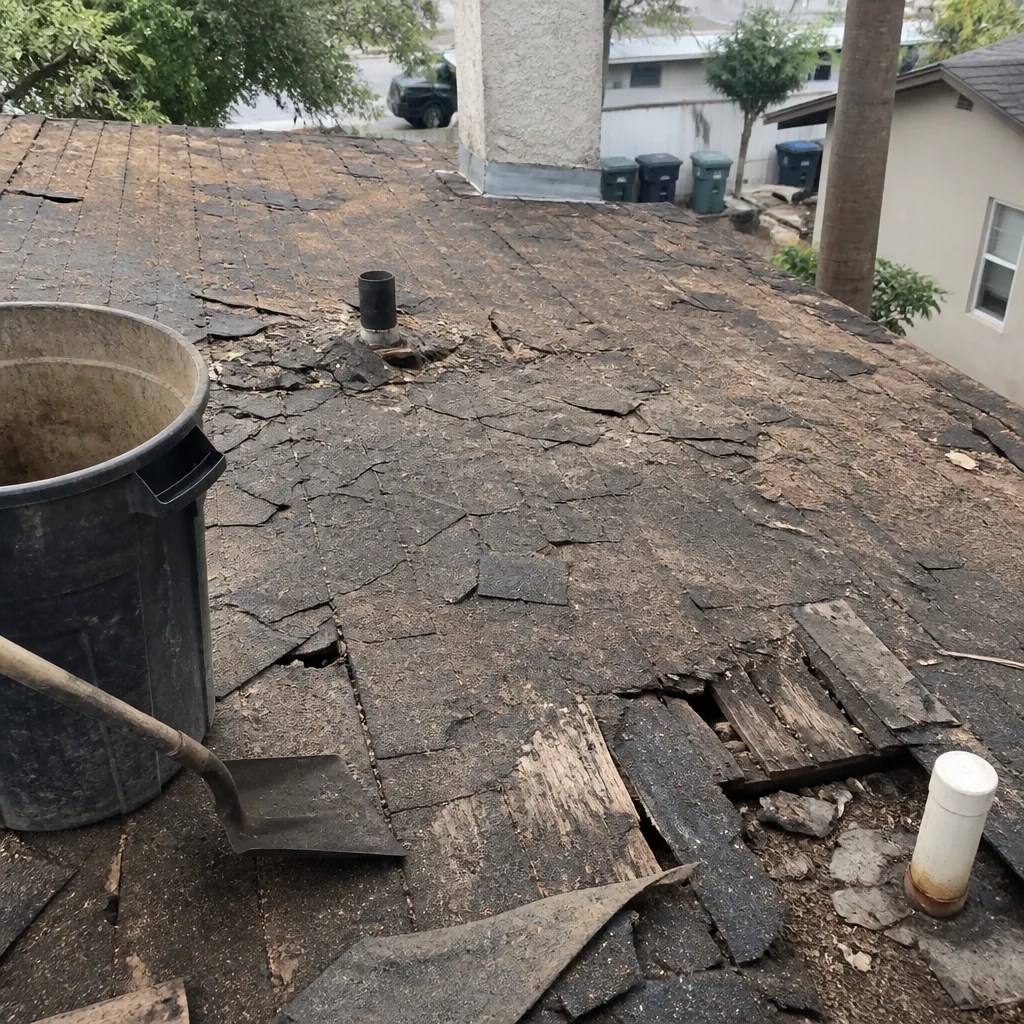 Before
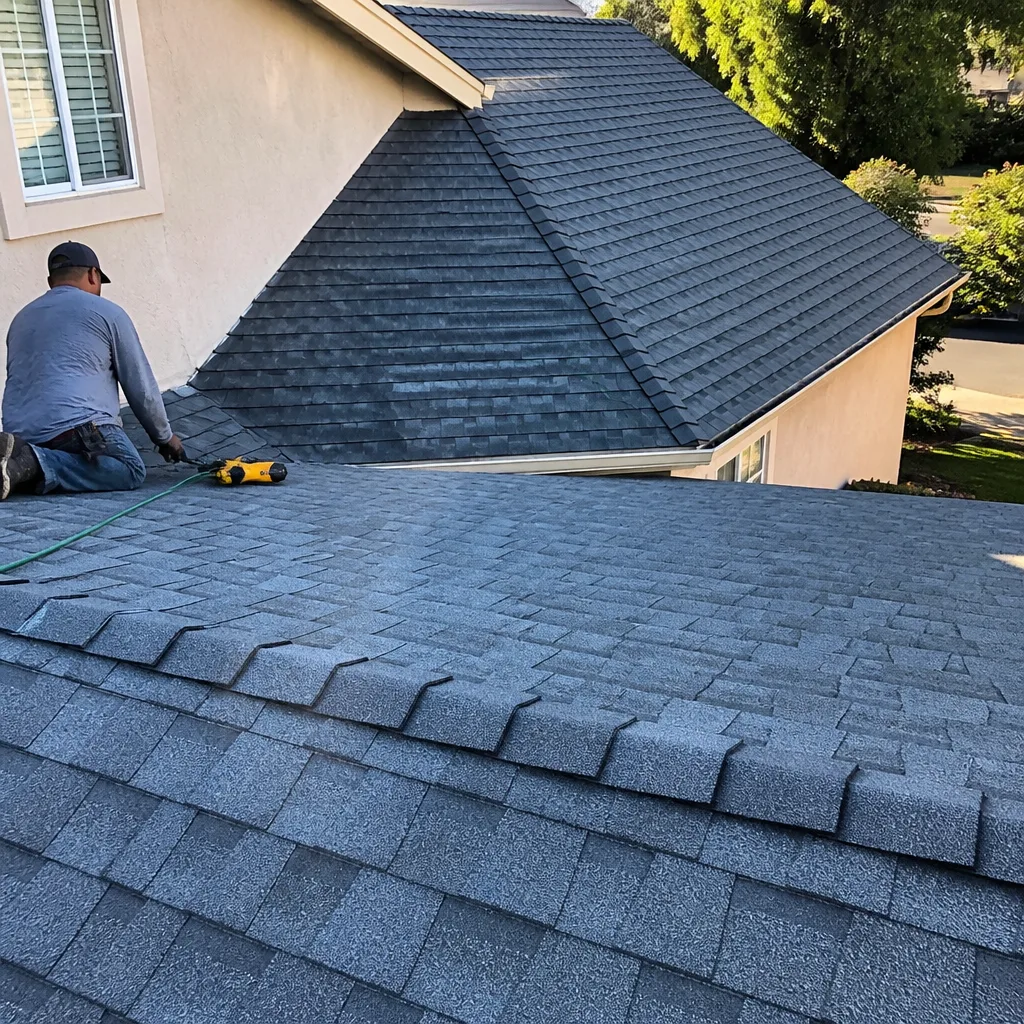 After
After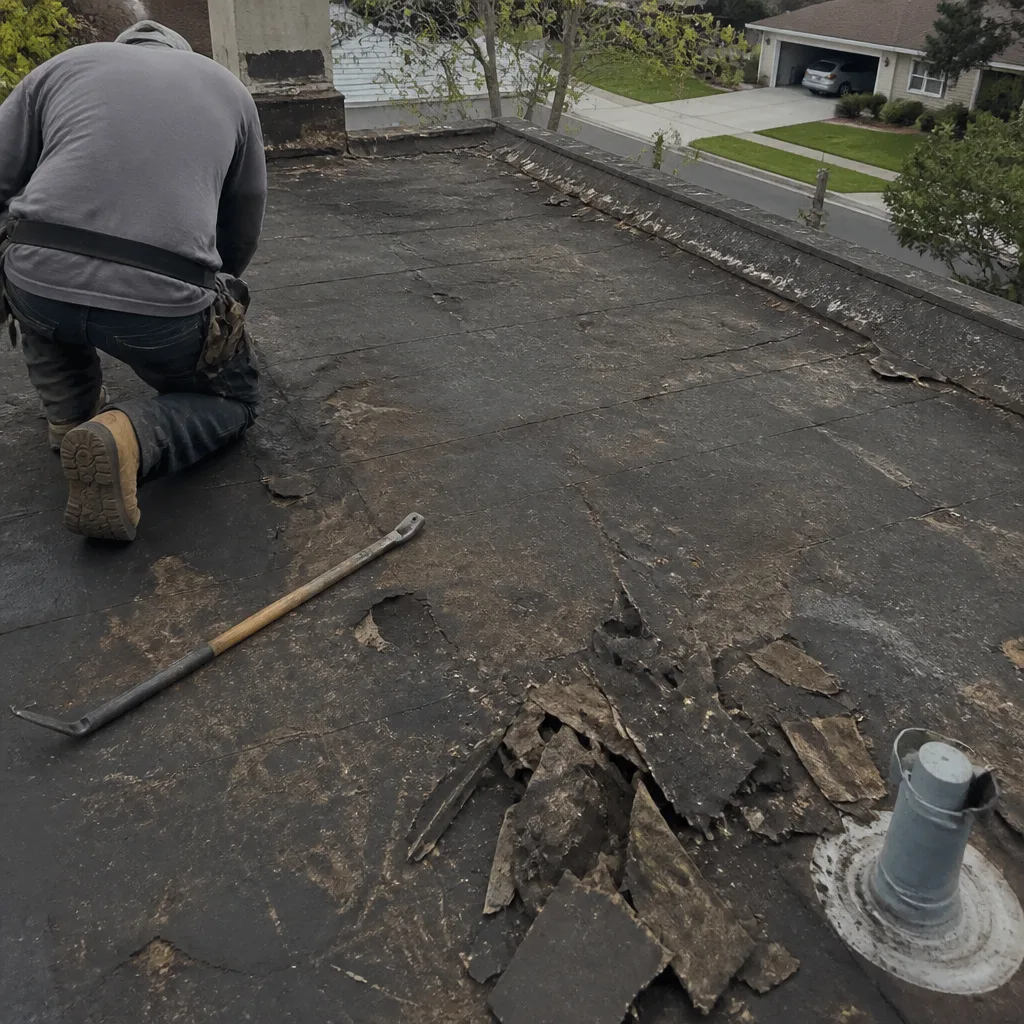 Before
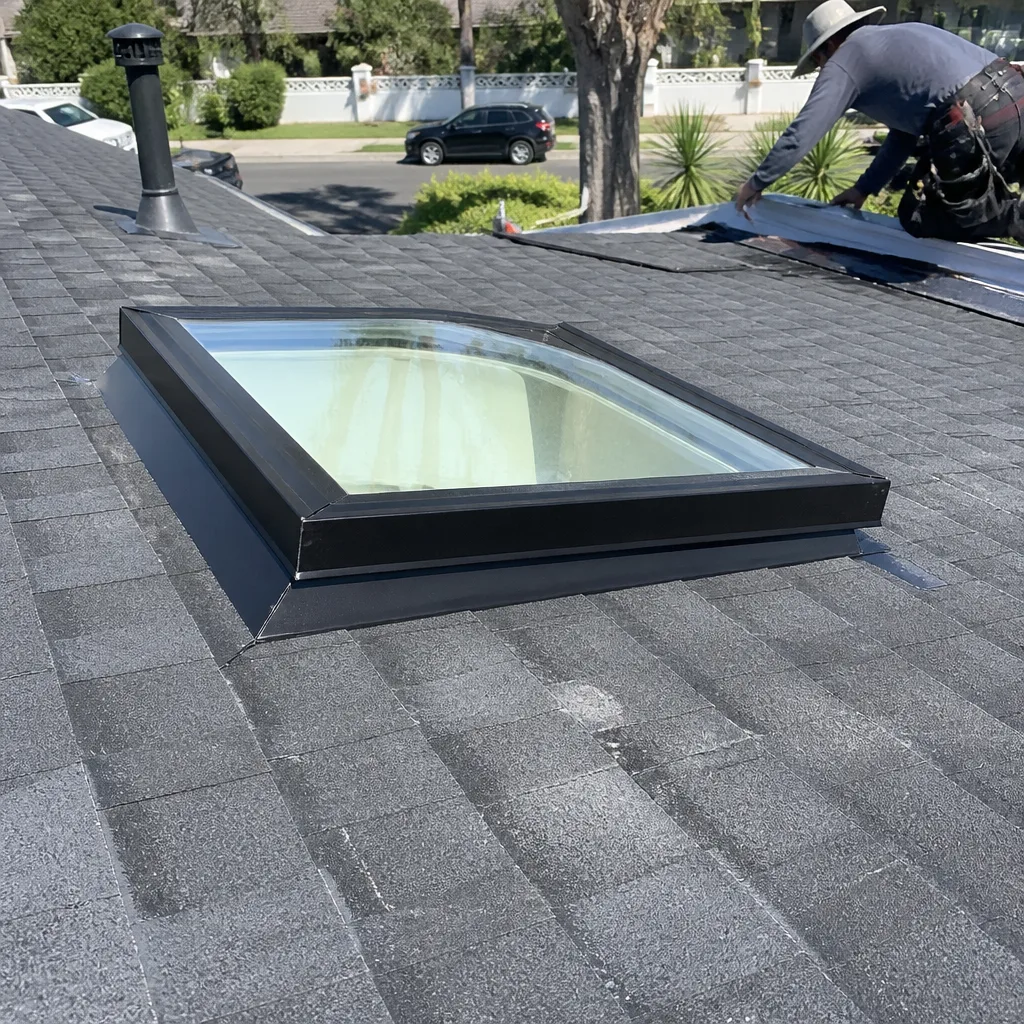 After
AfterAtlas Underlayment & Deck Repair: The Los Angeles Owner’s Guide
If your Atlas underlayment has torn, wrinkled, or pulled away from the decking, replacement typically runs $3.50 to $6.50 per square foot installed in Los Angeles, including tear-off of the failed material and proper re-fastening. We stock Atlas-compatible underlayment on our trucks and can usually complete a repair or full re-cover the same week we inspect it. Most owners find out the underlayment failed after a leak shows up on the ceiling, or when they’re up on the roof clearing out the gutters and spot bare wood where the felt used to be.
The underlayment is the layer between your roof deck (the plywood or OSB sheets) and the shingles or tiles above it. When it fails, water gets to the deck. And once water sits on decking in Los Angeles, especially in the marine layer zone along the coast or up in the foothills where we get those wet winters, the deck itself starts to rot. That’s when a simple re-felt turns into deck-board replacement, and the bill climbs.
Which Atlas Models This Applies To
We work on the full Atlas residential line: Pinnacle, StormMaster, GlassMaster, and the discontinued Chalet series still common on homes built across Los Angeles in the 2000s and 2010s. Underlayment compatibility matters more than the shingle model in most cases. The key question is whether your roof deck calls for a mechanically fastened underlayment or a self-adhered one, and that depends on the slope, the deck condition, and whether you’re in a wildfire zone where code requires a Class A assembly.
One gotcha we see regularly: Atlas StormMaster Shingle installed on homes in the Santa Monica Mountains and foothill communities above Glendale and Pasadena often requires two layers of specific underlayment to maintain the wind warranty. Homeowners don’t know that until a warranty claim gets denied. We’ll verify the deck condition and the underlayment spec before we quote anything. If you have a builder-grade felt from the original construction that’s now cracked, even a premium underlayment swap won’t perform if the deck beneath has started to delaminate. We check both. That’s the difference between a repair that lasts and a repair that looks fine for a year and fails in the next heavy rain.
On the aftermarket question: there are quality generic synthetic underlayments that perform well under Atlas shingles, but when a home is under active Atlas warranty or in a high-wind zone, we recommend Atlas-branded underlayment rated for the specific shingle. The brand match matters less for a basic refelt than for a full re-cover. We’ll walk you through the trade-off in plain terms before you decide.
Signs Your Atlas Underlayment & Deck Repair Is Failing
- Water stains on ceilings or walls after rain: Underlayment has torn or separated, allowing water past the shingle layer and down onto the deck. The stain is the last stop; the damage started higher up.
- Granules collecting in gutters or downspout elbows: Shingle wear exposes the underlayment to UV. Once felt sees sun, it dries out and cracks within a season or two. If you’re scooping granules out of your gutters every spring in Los Angeles, the underlayment underneath is telling you something.
- Wrinkled or buckled underlayment visible at the eaves: This typically means the original install wasn’t allowed to relax before fastening, or moisture got trapped between layers. Either way, water now follows the wrinkle line to the deck.
- Soft spots or springy areas when walking the roof: The deck has absorbed water over time and is losing structural integrity. Underlayment failure is almost always the root cause. In Los Angeles, where many homes are older and decking is original 3/8″ plywood, this is common on homes built before the 1990s.
- Mold or musty smell in the attic after wet weather: Moisture is getting past the underlayment and lingering in the deck and rafters. This is a wood-rot signal, and it only gets more expensive the longer it sits.
Replacement Cost & What’s Included
For Los Angeles homes, here’s what we quote, installed, with written pricing before any work starts:
- Spot underlayment patch (under a single failed area): $250-$500, depending on access and deck condition
- Full re-felt with 30-lb felt or synthetic underlayment: $3.50-$4.75 per square foot of roof area
- Full re-felt with premium self-adhered underlayment (Class A or high-wind spec): $5.00-$6.50 per square foot
- Deck board replacement (plywood or OSB, per sheet): $90-$140 per 4×8 sheet, plus underlayment and fastening
What drives the range: roof pitch and access (a 7/12 steep cut-up in the hills costs more than a walkable ranch in the Valley), how much decking needs replacement, and whether we’re working around solar panels or skylights. Every quote includes tear-off and disposal of failed material, fastening per manufacturer spec, and a written guarantee on the repair. No change orders. The price we write down is the price you pay.
DIY or Call Us?
Underlayment replacement is not a dangerous DIY job the way a high-tension spring is, but it’s unforgiving. One misaligned seam, one under-driven cap nail, and you’ve recreated the exact leak you were trying to fix. What you can safely do as an owner: inspect the attic for water trails, check eaves for visible underlayment damage, and clear debris from valleys and gutters. What I wouldn’t do: peel up shingles and attempt a patch without the right fastening pattern for your specific deck and underlayment spec.
We’ve pulled off plenty of owner patches in Los Angeles where the felt was nailed with the wrong fasteners or lapped the wrong direction. Water doesn’t read instructions. It finds the gap. If you’re not certain about the underlayment condition after a visual check, call (945) 303-9821 and we’ll put eyes on it. The estimate is free. Know the price before the first tile moves.
FAQs
A properly installed synthetic underlayment under Atlas shingles typically lasts 20 to 30 years in Southern California, while 30-lb felt runs closer to 15 to 20 years before drying and cracking. The real wild card is sun exposure during a re-roof gap, or deck damage that forces early replacement. Call (945) 303-9821 for an honest assessment based on your roof’s specific condition.
Yes, if the damage is localized, the surrounding felt is still flexible and sound, and the deck underneath is dry and solid. If the underlayment is brittle across wide areas or the deck is soft, a patch is money spent on a band-aid. We’ll show you what we’re seeing and let you decide.
Most underlayment and deck repairs in Los Angeles are completed in one to two days, including tear-off, deck replacement if needed, re-felting, and shingle reinstatement. Larger decks or steep cut-up roofs in the hills may run three to four days. We schedule a fixed window and we show up in it.
We stock Atlas-compatible synthetic underlayment, 30-lb felt, and deck fasteners on our trucks, so most repairs start the day we inspect. For specific Atlas-branded underlayment specs like StormMaster high-wind assemblies, we’ll order from the local supply house and usually have it within two to three days. We also stock compatible parts for GAF, Owens Corning, and CertainTeed systems when the roof is mixed.
Written by Greg Holloway, Owner, Tilehurst Roofing at Tilehurst Roofing, serving Los Angeles and nearby areas.