
Free roof inspection with deck photos before we talk money - GAF and Owens Corning certified installation
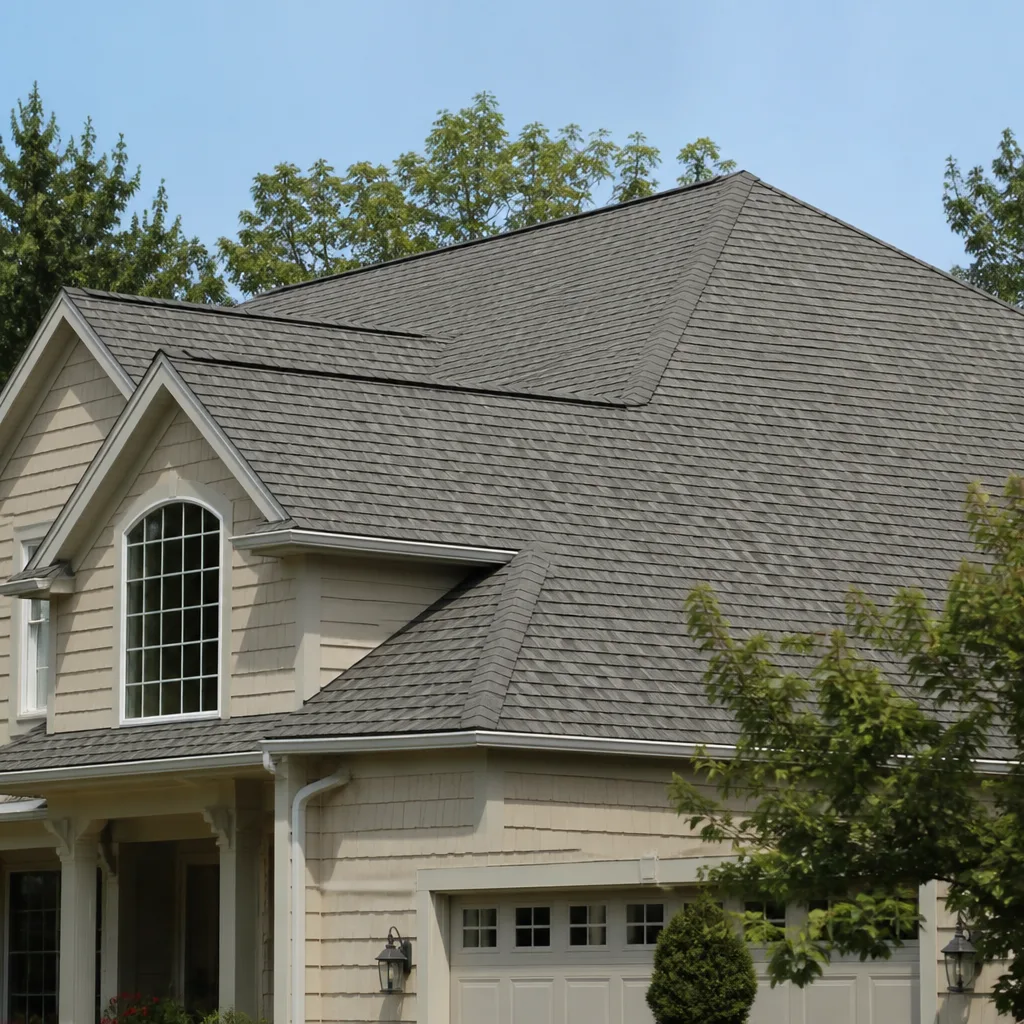
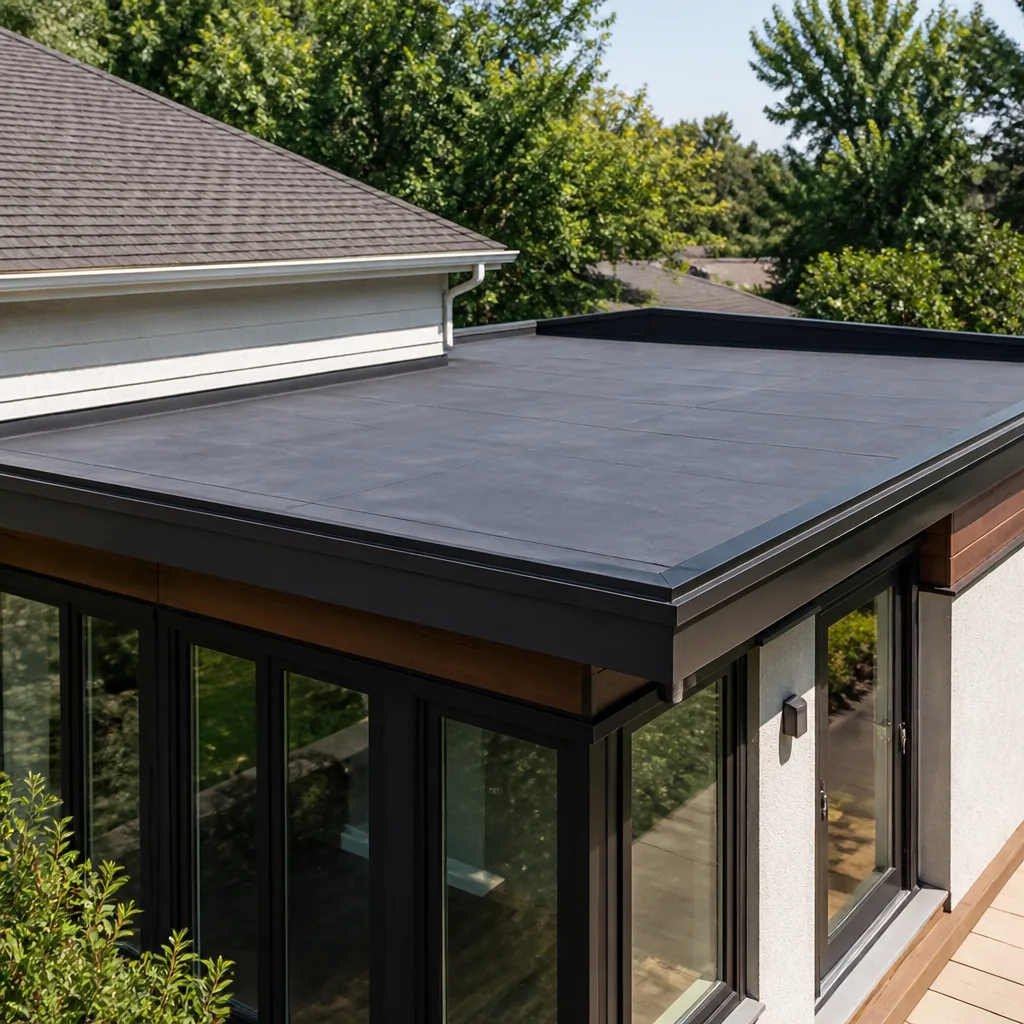
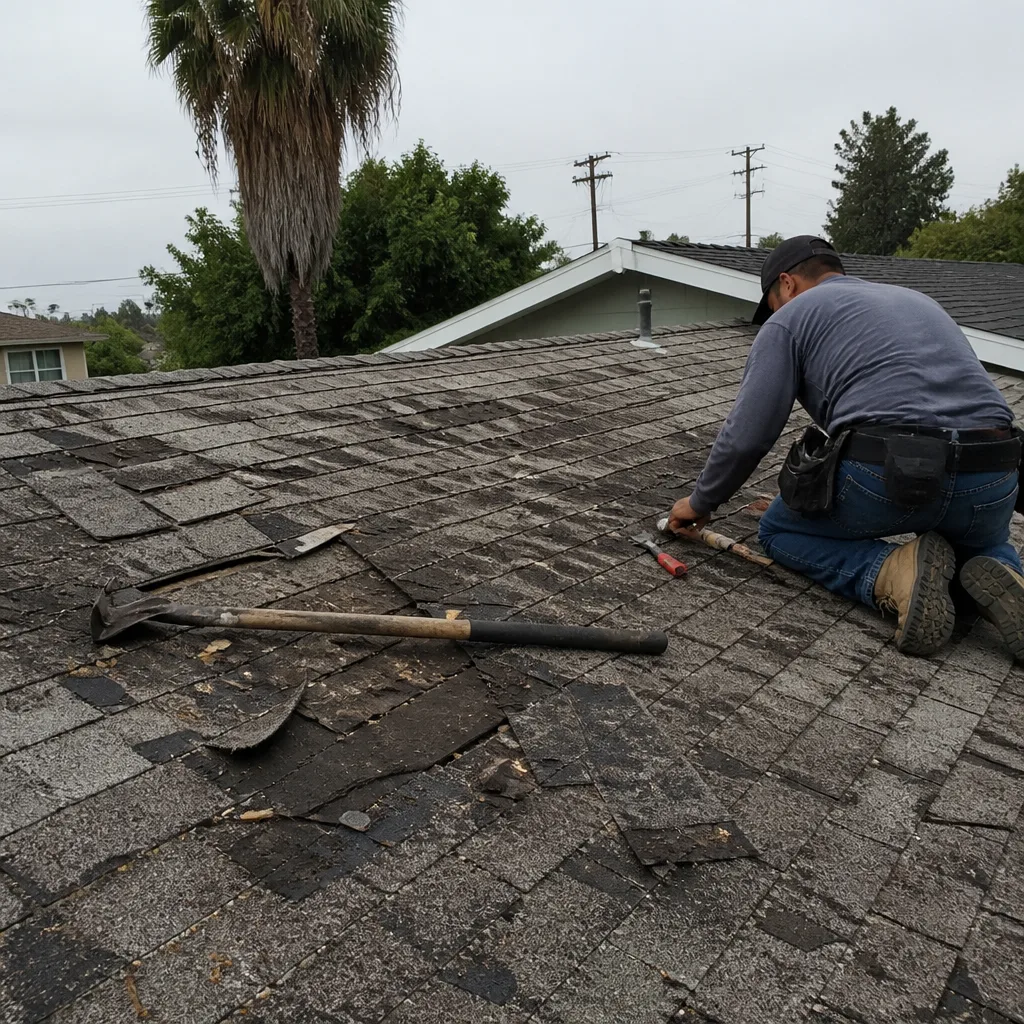 Before
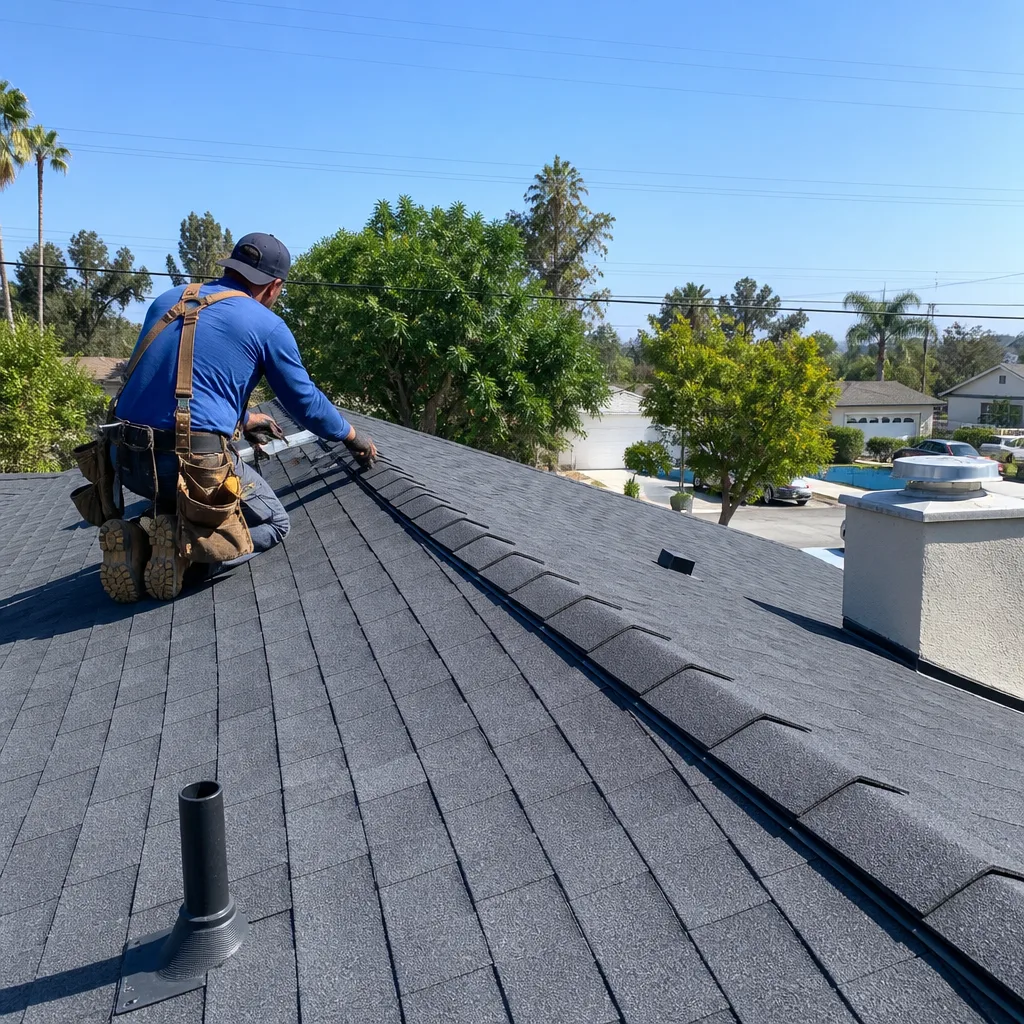 After
After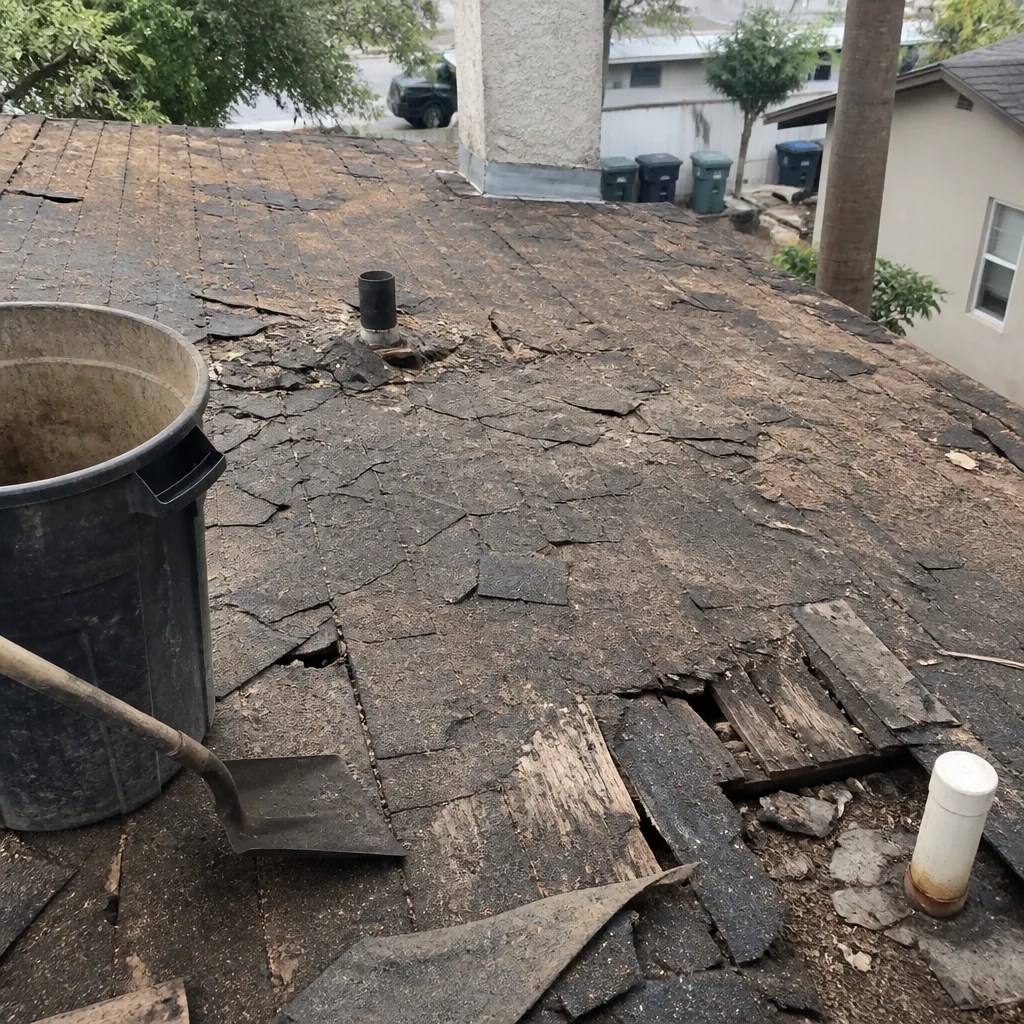 Before
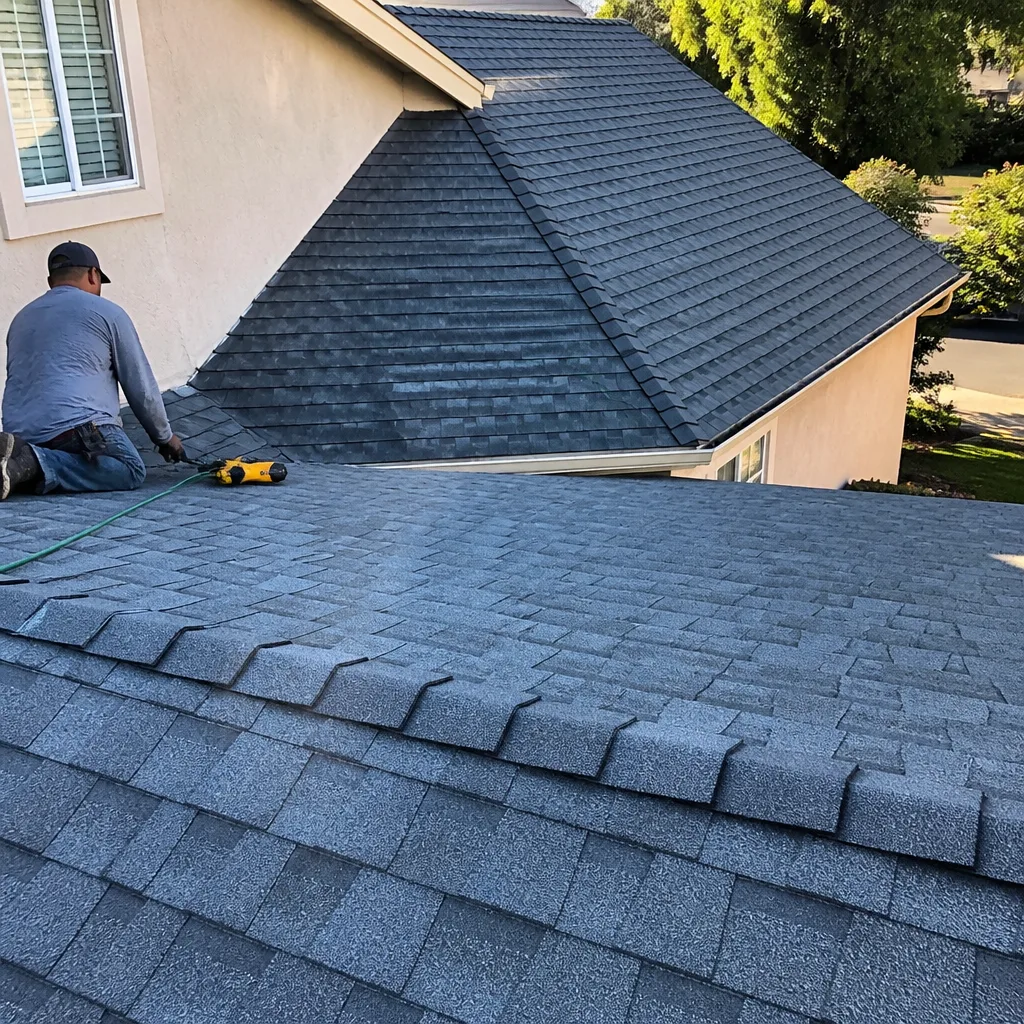 After
After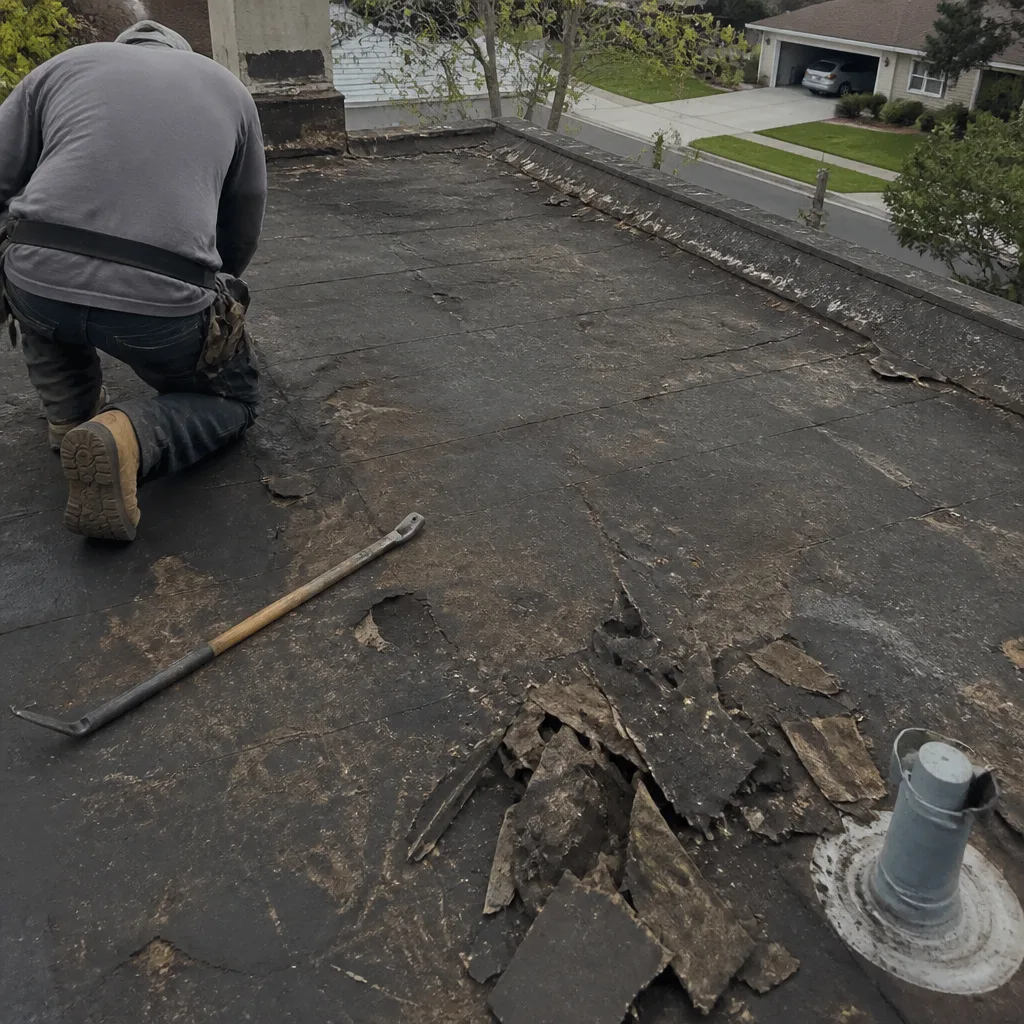 Before
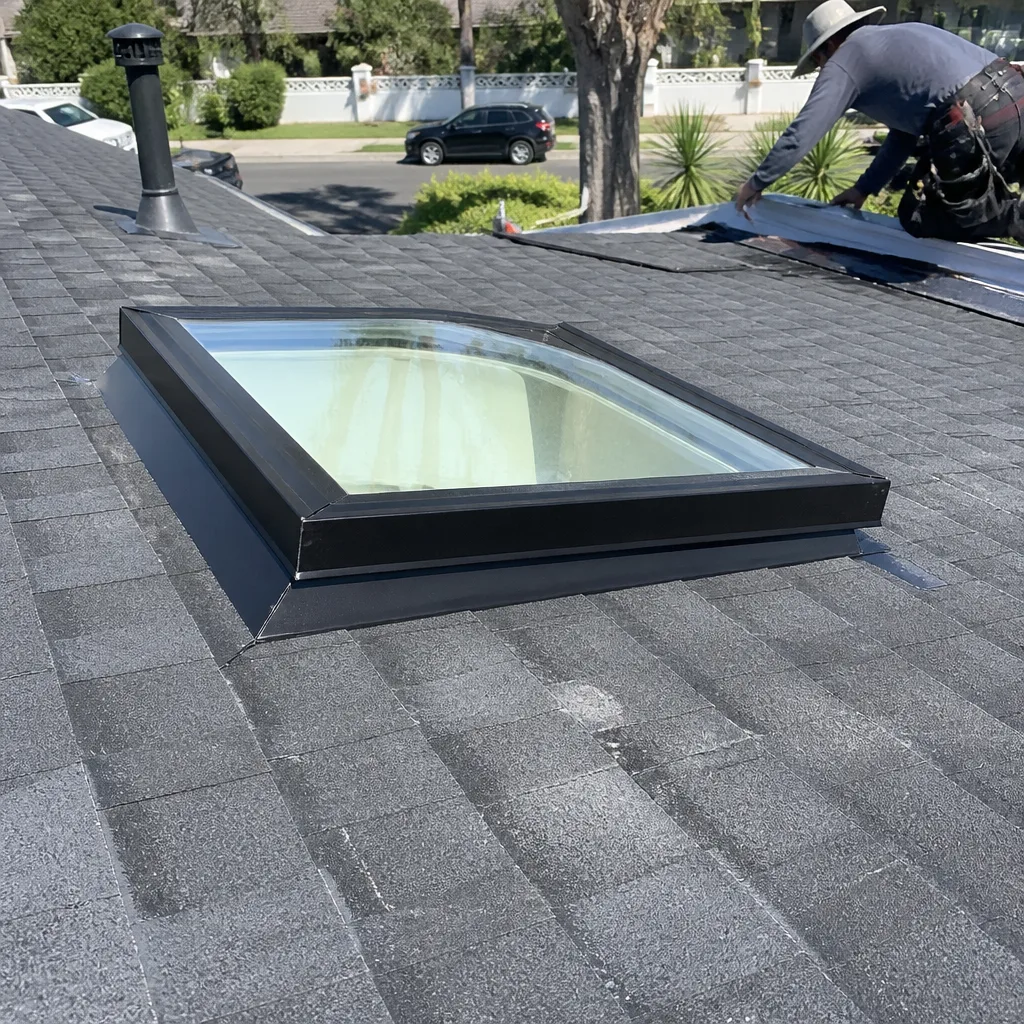 After
AfterCertainTeed Flashing Replacement: The Los Angeles Owner’s Guide
CertainTeed flashing replacement in Los Angeles typically runs $285-$620 installed depending on the location, linear footage, and whether we’re working with step flashing, pipe boot flashing, or valley metal. We stock CertainTeed-compatible flashing on our trucks and can schedule most replacements within a few days, not weeks. Most homeowners discover their flashing has failed after a rainstorm, when a brown water stain appears on the ceiling or a drip starts near a chimney, skylight, or wall intersection.
Flashing is the metal (or in some CertainTeed applications, reinforced membrane) that bridges the seams where your roof meets something vertical: a chimney, a wall, a vent pipe, a skylight. When it fails, water gets in. And in Los Angeles, where we go months without rain and then get hit with a week of downpours, a small flashing gap can sit quietly for six months and then turn into a ceiling stain overnight. Greg Holloway has pulled more failed flashing out of Eagle Rock, Silver Lake, and Pasadena roofs than he can count, and the pattern is almost always the same: sun-baked sealant, corroded metal, or a nail backing out after years of thermal movement.
One thing to know up front: Tilehurst Roofing is an independent roofing contractor. We install and replace CertainTeed flashing and work with CertainTeed products daily, but we’re not affiliated with CertainTeed Corporation. That independence is good for you: we’ll tell you honestly when a quality aftermarket flashing is just as good as the OEM piece, and when it isn’t.
Which CertainTeed Models This Applies To
CertainTeed flashing isn’t one part. It’s a family of products designed around specific roof-to-wall and roof-to-penetration transitions. For most Los Angeles houses with CertainTeed asphalt shingles (Landmark, XT 25, Presidential Shake), the flashing is usually a galvanized or aluminum step flashing woven between shingle courses where the roof meets a sidewall. For CertainTeed tile and slate systems, you’re more often looking at proprietary metal profiles matched to the specific tile’s contour. And for pipe penetrations, CertainTeed offers a line of pre-formed pipe boot flashings sized to the vent diameter and the roof pitch.
Here’s the compatibility gotcha that trips up a lot of homeowners: the flashing spec is tied to the roof system and the local building code, not just the manufacturer. Los Angeles Department of Building and Safety requires minimum flashing heights (typically 4 inches vertical and 4 inches horizontal for headwall flashing, more in certain fire zones), and the metal gauge matters. We see a lot of flashing that was technically “CertainTeed-compatible” but installed with 28-gauge metal when the roof should have had 24-gauge or heavier. In coastal-adjacent neighborhoods like Playa del Rey or San Pedro, salt air chews through thin galvanized flashing in six or seven years.
OEM versus aftermarket: for step flashing and standard pipe boots, a high-quality aftermarket piece in the correct gauge and material (we use 24-gauge galvanized or aluminum for most L.A. applications) performs as well as the CertainTeed-branded part, and it’s what we keep on the truck. For CertainTeed tile systems with contoured roof-to-wall flashings, we match to the tile profile specifically and track down the OEM piece when the profile demands it. Your written estimate will tell you exactly which we’re using and why.
Signs Your CertainTeed Flashing Replacement Is Failing
- Water staining on ceilings or walls near a chimney, skylight, or wall-to-roof intersection. This is the classic symptom, and it usually appears within 24-48 hours after a heavy L.A. rain. The stain often shows up a foot or two away from the actual leak, because water travels along rafters before finding the lowest point to drip.
- Visible gaps where the flashing should sit flush against the wall or pipe. Thermal expansion and contraction pulls flashing away from masonry and siding over time. If you can see daylight or a gap wider than an eighth of an inch, water is getting in.
- Cracked, peeling, or missing sealant around the flashing edges. California sun destroys roof sealant faster than rain does. That bead of caulk that kept the top edge of your headwall flashing sealed has probably turned brittle and separated within three to five years.
- Rust or corrosion on the flashing surface itself. Galvanized flashing in the Los Angeles basin eventually wears through. In hillside homes near the 405 corridor or along the coast, we see corrosion accelerate. Once the metal has actual pinholes or rust-through, patching is a waste of money.
- Lifted or buckling shingles adjacent to flashing runs. When step flashing pulls up or the shingles around a vent pipe lose their bond, it’s usually because the flashing below is shifting. Left alone, the shingles tear and the leak widens.
Replacement Cost & What’s Included
The honest answer on price: most certainteed flashing replacement work in Los Angeles lands between $285 and $620 for a typical single repair, like one pipe boot or a 10-foot section of step flashing. Full headwall or chimney flashing replacement runs higher, often $750-$1,200, because it involves cutting into stucco or brick, installing counter-flashing, and resealing the full transition. Those are the real numbers we give homeowners before anyone climbs a ladder.
Here’s what that includes: tearing out the failed flashing, inspecting the wood decking beneath for rot or water damage, replacing any compromised decking sections, installing the new flashing to manufacturer spec and L.A. code, sealing all of the transitions, and cleaning up every bit of debris. The materials for a typical flashing repair run $40-$120 of the total; the rest is labor, because doing it right means lifting shingles, cutting metal to fit, and making sure every seam actually shed’s water instead of channeling it inside.
Every flashing replacement we do in Los Angeles comes with a written guarantee, not a verbal promise. The number on that written line-item estimate is the number we charge, and the written guarantee covers the work before we leave the driveway. If it fails inside the guarantee period, we return and fix it at no charge under the 365-Day Done Right Promise.
DIY or Call Us?
There are two things worth doing yourself. First, look at the flashing from the ground or from a steady ladder at the eave level; if you see large gaps, lifting metal, or missing sealant, you’ve confirmed the problem. Second, take dated photos so you have a record of what you saw. That’s useful whether you call us or another contractor, because a good roofer will show you exactly which photo matches the failed section.
What’s not worth doing yourself: getting onto a sloped roof without fall protection, or trying to remove and reseat flashing against a chimney or wall. Roof work in Los Angeles is genuinely dangerous. It’s not a scare tactic; we’ve seen too many homeowners with broken ankles from a late-afternoon “quick fix.” And the repair itself rarely works as a patch. Sealant over failing flashing is a bandage that lasts one season, maybe two, and then the leak is back and the wood underneath has rotted a little more. For what a failed DIY patch ends up costing in water damage, a proper replacement is the cheaper route. If you’d rather we handle it, call (945) 303-9821 and we’ll put a written price in your hands before the first tile moves.
FAQs
Quality 24-gauge galvanized or aluminum flashing lasts 15-25 years in most Los Angeles climates, while lighter 28-gauge flashing may fail in 8-12 years, especially near the coast where salt air accelerates corrosion. The sealant around the flashing typically fails sooner than the metal itself, which is why routine inspections catch issues before leaks appear. If you’re near the beach or in a hillside area with heavy sun exposure, expect the shorter end of that range. Call (945) 303-9821 if you want us to assess what’s up there.
Small, localized sealant failures can sometimes be re-sealed for under $150, but if the metal is corroded, torn, or pulled away from the structure, repair is a temporary fix that usually fails within one or two rain seasons. We’ll always tell you if a repair is viable; when it’s not, we’ll show you why before quoting a replacement. The goal is a roof that keeps water out, not one that needs another visit every year.
Most flashing replacements take two to four hours for a single section like a pipe boot or a short step flashing run, and larger jobs like full chimney flashing take half a day to a full day. You’ll know the schedule before we start, because we put it in writing along with the price. Not a range, not an estimate that drifts; a written plan with a crew that shows up in the window we gave.
Yes, our Los Angeles crews carry standard CertainTeed-compatible step flashing, pipe boots, and valley metal in common gauges and sizes, along with matching materials from GAF and Owens Corning. If your CertainTeed tile system needs a contoured OEM profile piece, we’ll source it before the job and keep you updated on timing. The written price you get covers the part, the labor, and the guarantee.
Written by Greg Holloway, Owner, Tilehurst Roofing at Tilehurst Roofing, serving Los Angeles and nearby areas.