
Free roof inspection with deck photos before we talk money - GAF and Owens Corning certified installation
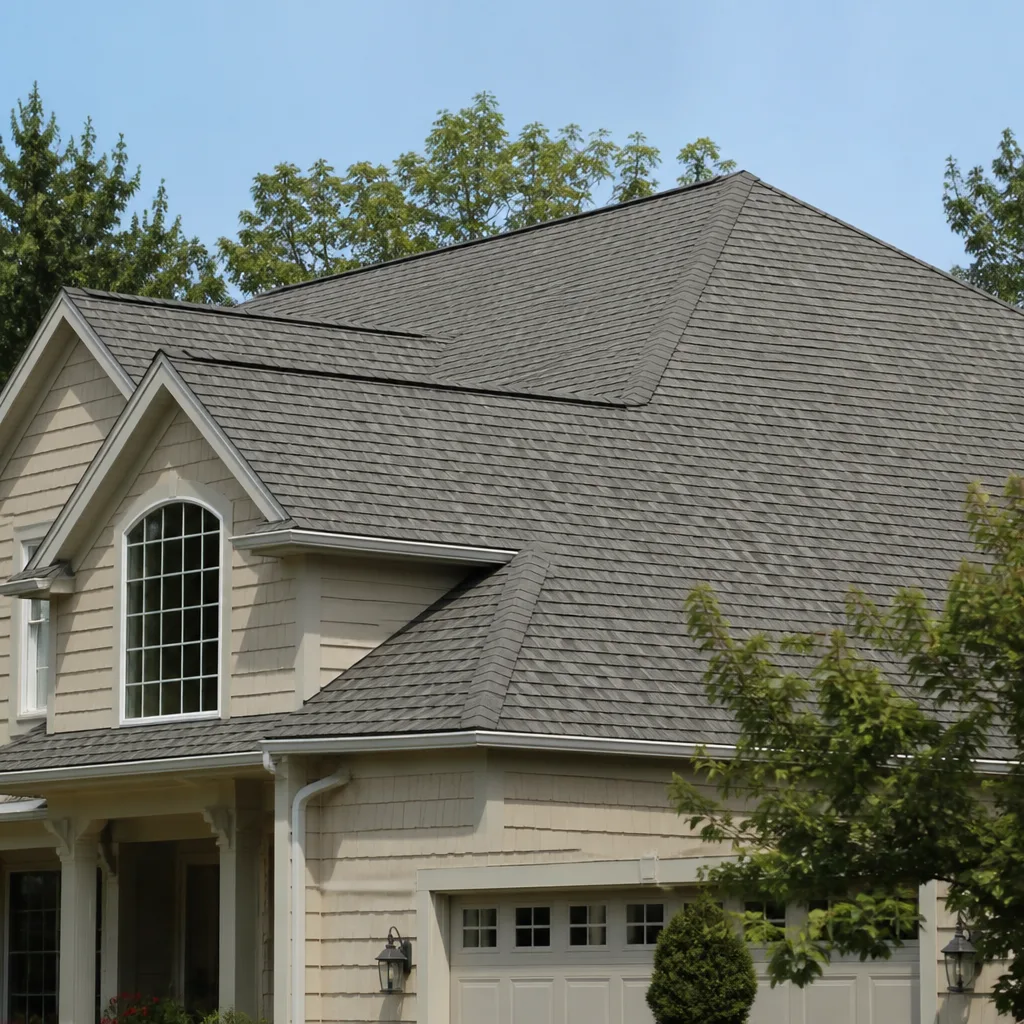
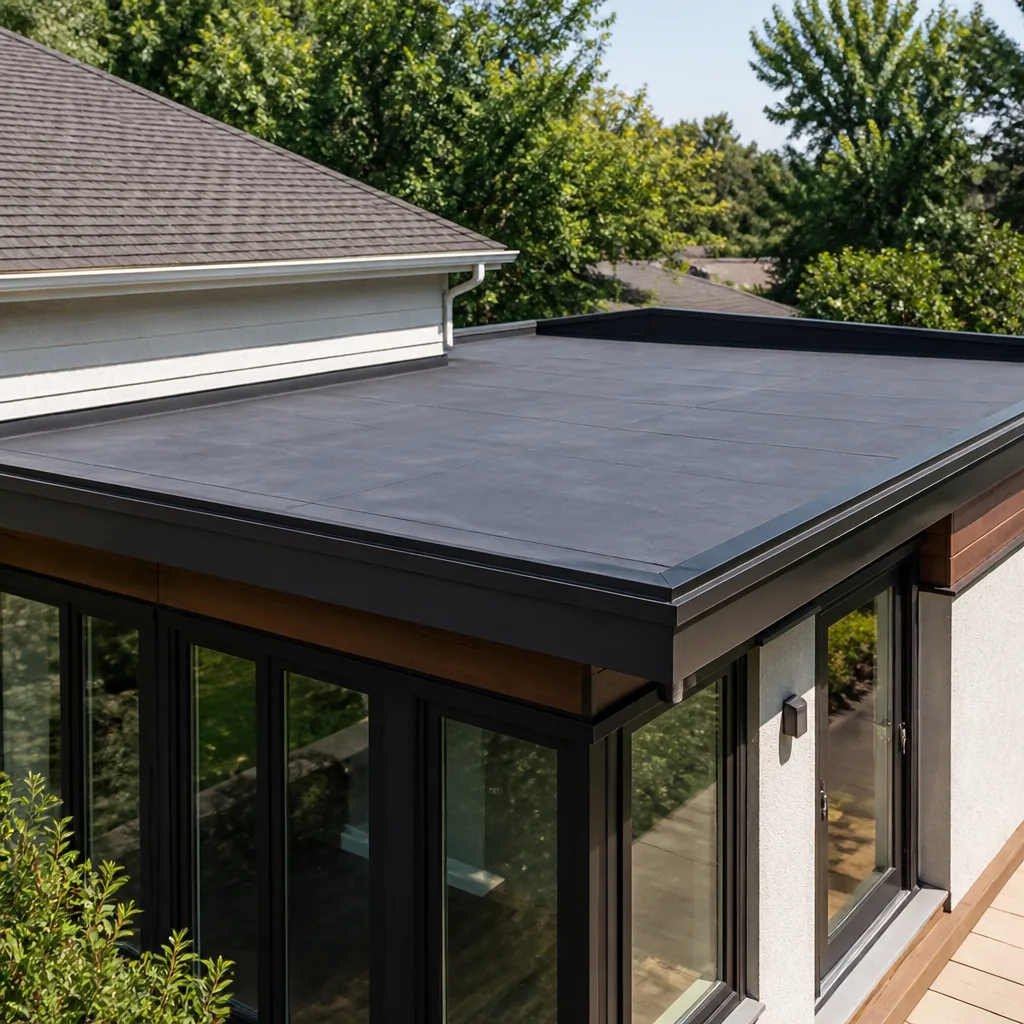
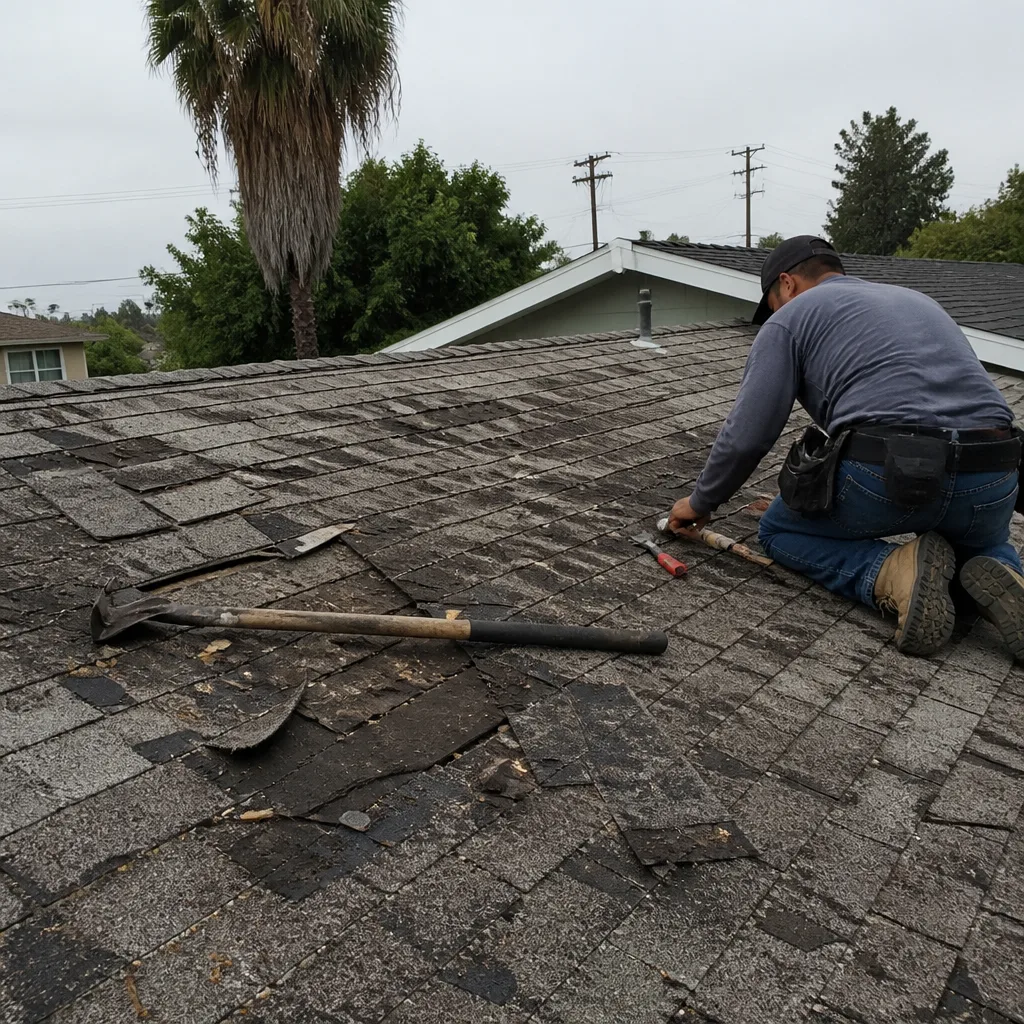 Before
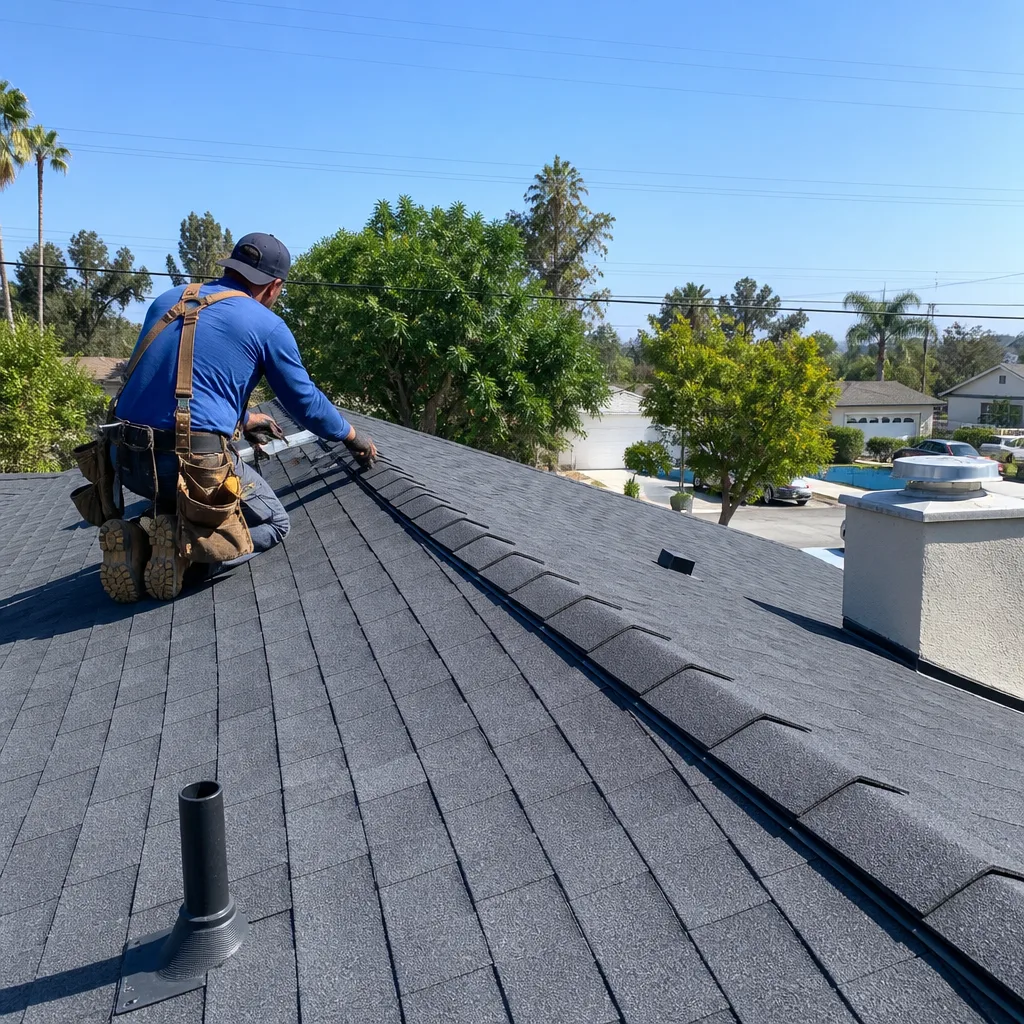 After
After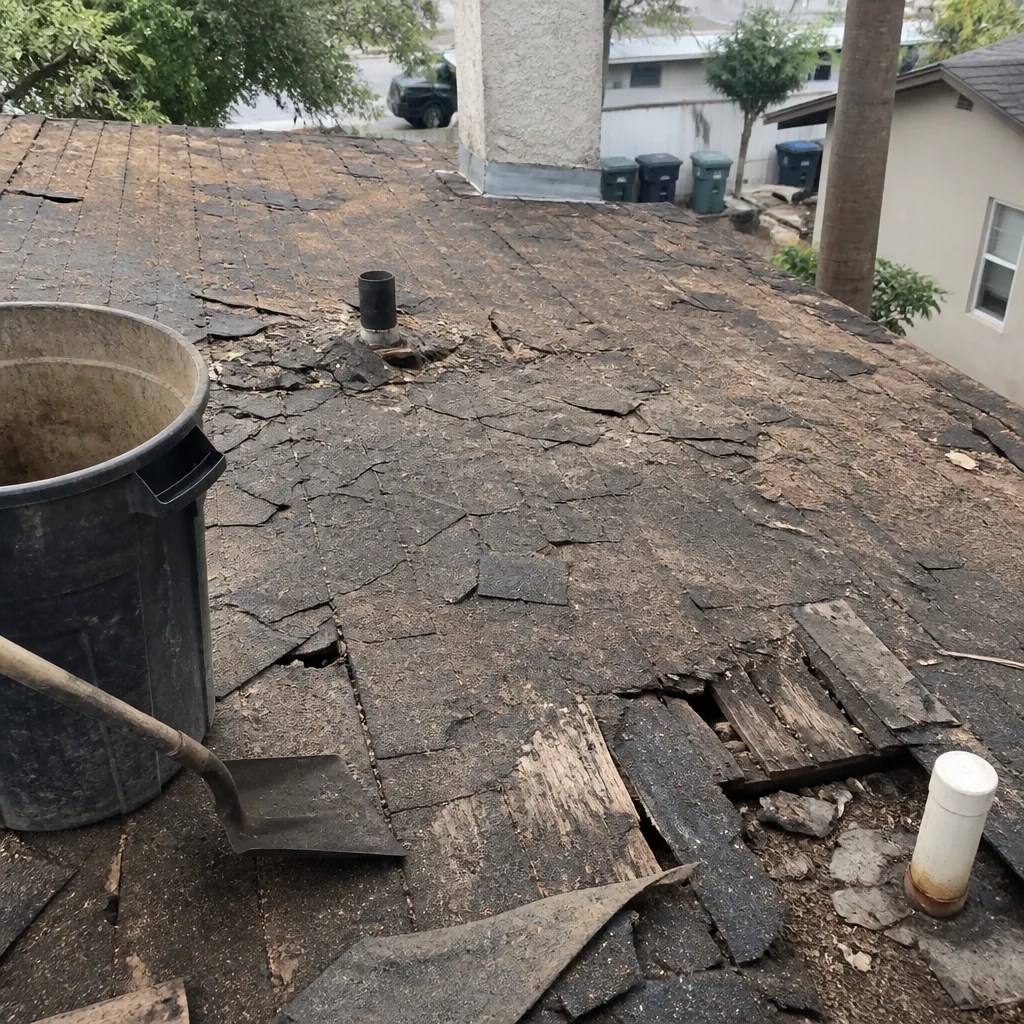 Before
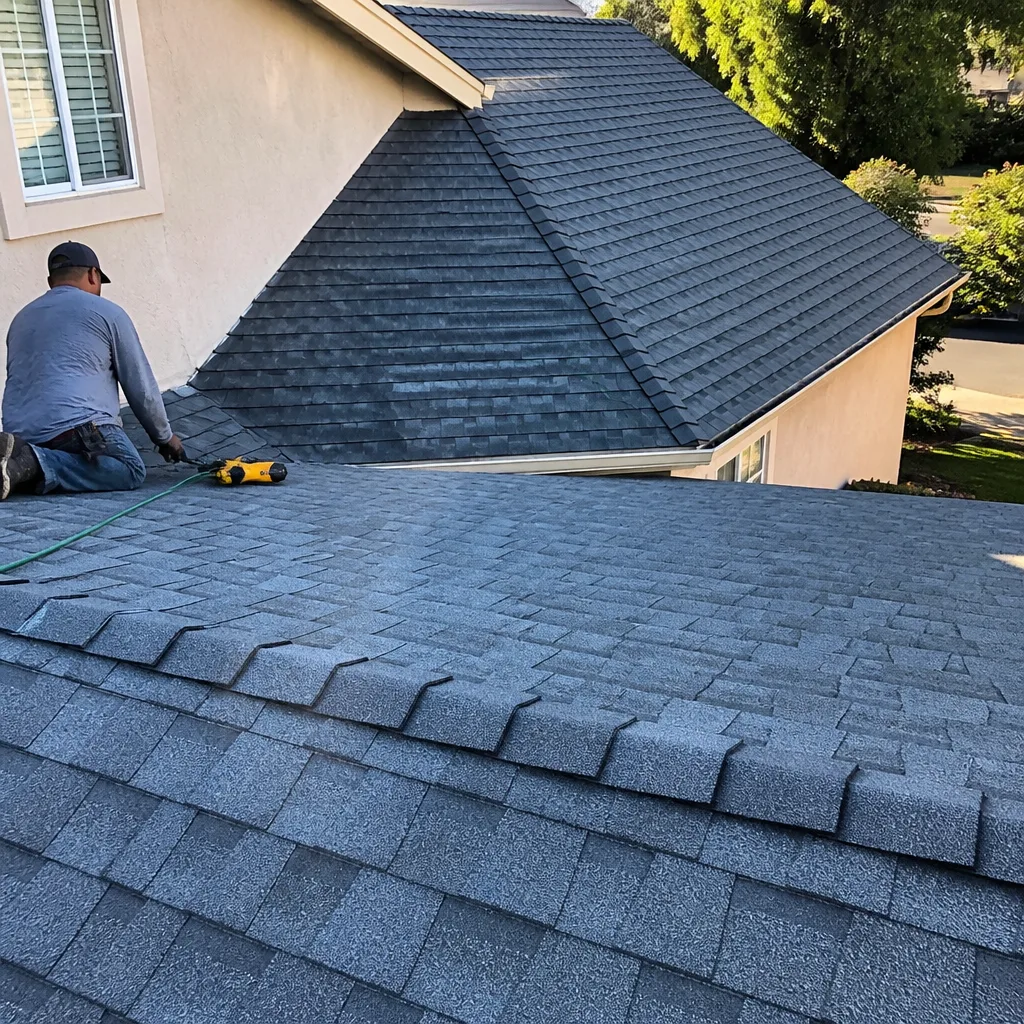 After
After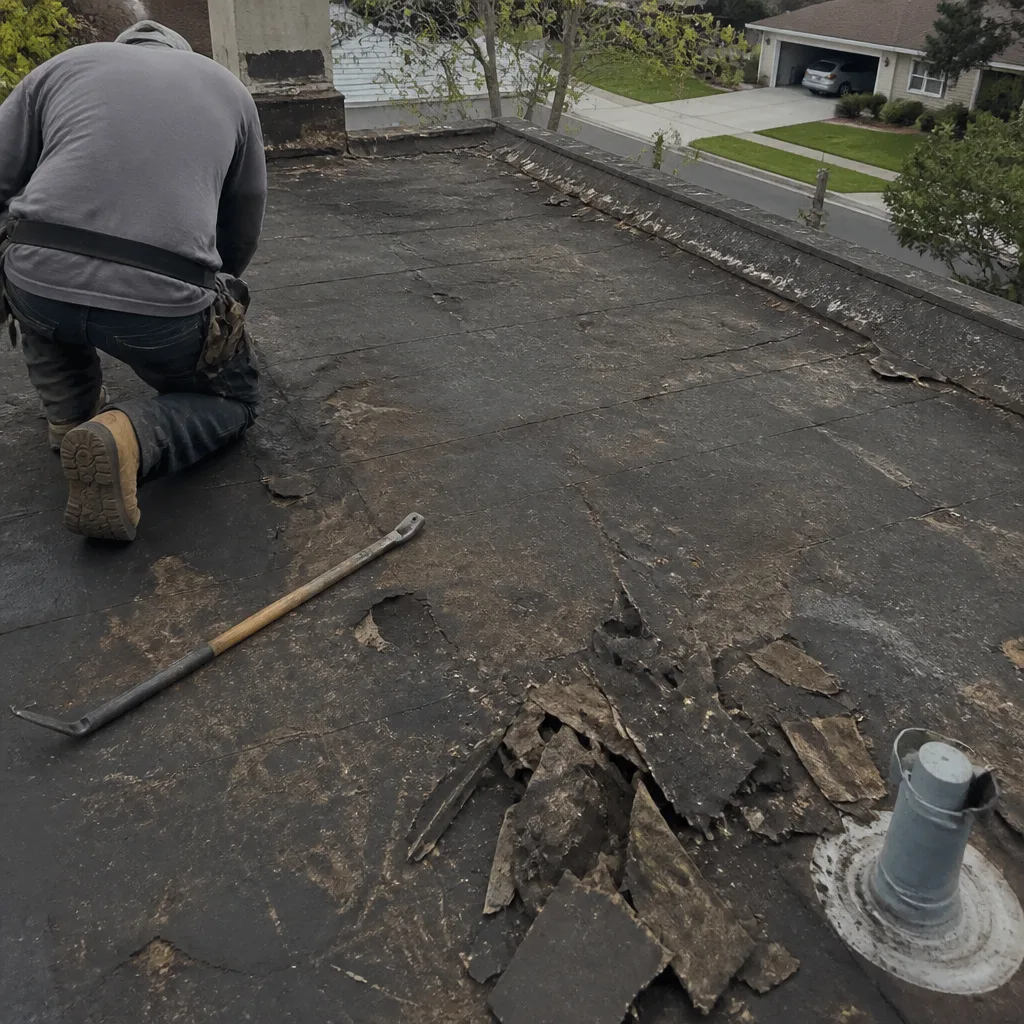 Before
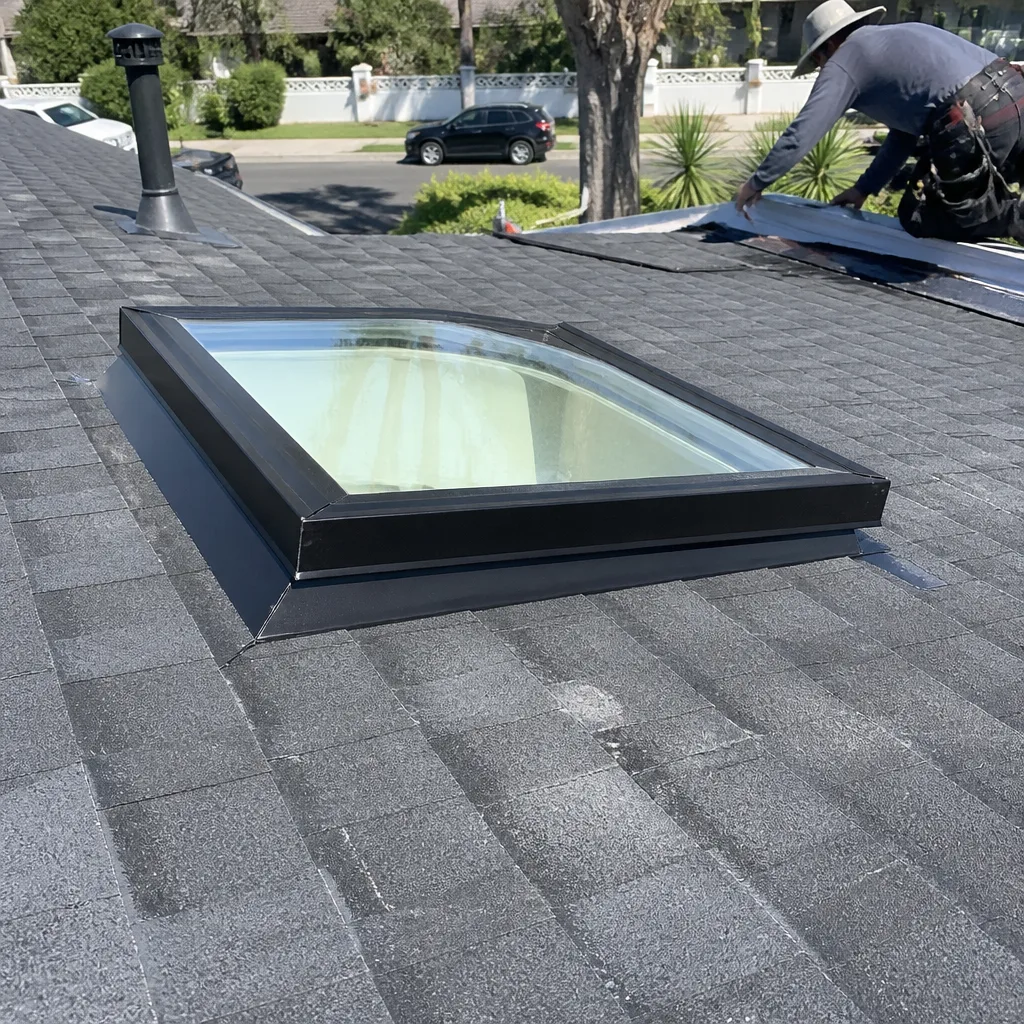 After
AfterGAF Ridge Vent Installation: The Los Angeles Owner’s Guide
If you’re looking for GAF ridge vent installation in Los Angeles, here’s the straight answer: we stock GAF Snow Country and Cobra ridge vent on our trucks, and an installed ridge vent replacement typically runs $450 to $900 depending on how many linear feet of ridge you have and how much old vent has to come off first. Most Los Angeles homes fall in the $550 to $750 range. You’ll usually discover yours failed in one of two ways: you’ll spot a sagging section of vent from the street, or you’ll start feeling attic heat push down into the hallway upstairs around 4 p.m. in August. Both mean the same thing: the vent’s seal or structure has broken down, and your attic is no longer breathing the way GAF engineered it to.
We’re an independent Los Angeles roofing contractor, not a GAF affiliate or factory installer, which matters because it means we can tell you when a quality aftermarket part saves you money and when only the GAF OEM piece will fit right. Greg Holloway, our owner, has been working roofs across this city for close to two decades. The number one GAF vent failure we see in Los Angeles isn’t the vent material itself. It’s what happens when a previous roofer nailed it down with the wrong fasteners, or cut the ridge slot too wide, or skipped the end caps. More on that below, because it changes the repair.
Key Takeaways
- Installed GAF ridge vent replacement in Los Angeles: $450 to $900, with most homes landing between $550 and $750.
- We stock GAF Snow Country and Cobra ridge vent plus compatible end caps and connectors on the truck, so most Los Angeles swaps happen in a single visit.
- The most common Los Angeles failure is fastener-related: nailing through the vent body instead of the nail line, which cracks the vent and lets water in.
- This is a roof-access job, not a DIY job. The ridge is the highest point on your house, and one misstep there is a hospital trip.
- Every repair gets a written guarantee before our crew packs up, and the 365-Day Done Right Promise backs it for a full year.
Which GAF Models This Applies To
GAF makes two ridge vent lines we install most in Los Angeles: Cobra Ridge Vent and Snow Country Ridge Vent. Cobra is the workhorse. It’s a rolled, shingle-over vent made from a nonwoven polyester matrix, and it comes in 20-foot rolls that install in an overlapping pattern along the ridge. Snow Country is GAF’s rigid high-capacity vent, built for steeper roofs and areas that need more airflow per foot. In Los Angeles, where we deal with heat buildup more than snow load, Cobra handles most homes fine. Snow Country matters when the attic is shallow or the roof pitch is too steep for a rolled vent to lay flat without buckling.
Here’s a compatibility gotcha we see often: GAF Cobra uses a specific nail line marked on the vent body. If the installer nails anywhere else, the vent cracks along the nailing point within two or three Los Angeles summers. We see it on homes from Sherman Oaks to South Pasadena where the original install was done fast. The second gotcha is the ridge slot width. GAF specs Cobra for a 2-inch-wide opening cut along the ridge, with the vent spanning both sides. We’ve measured slots cut at 4 inches on some homes, which lets the vent sink into the gap and lets wind-driven rain get under it. Before we quote your replacement, we check both: the nail pattern and the slot width. It changes whether we’re doing a straight vent swap or a vent-and-decking repair.
If your original vent has a label, you’ll find the model name printed on the underside of the vent or on the end cap. No label? We measure the roll width. Cobra runs about 10.5 inches wide. Snow Country runs wider and has a visible baffle structure. If you’ve got a GAF roof system with the full GAF warranty registration, the vent should match the shingle line, and we’ll keep it GAF. If the warranty window has closed, a quality aftermarket equivalent like an Air Vent ShingleVent II fits many GAF ridge slots at a lower material cost. Same performance class. Different sticker. We’ll show you both numbers and let you decide.
Signs Your GAF Ridge Vent Installation Is Failing
- Visible sagging or a “wavy” ridge line from the street. This means the vent has lost its rigidity or the underlying decking is softening. On Los Angeles homes with older plywood decking, a soft ridge edge often means years of condensation from an under-ventilated attic, and the sag is the vent following the deck down.
- Attic heat in the upstairs hallway in late afternoon. A working ridge vent pulls hot air out continuously. When it’s plugged, cracked, or collapsed, that heat has nowhere to go except down through your ceiling insulation. If your upstairs runs 10 degrees hotter than downstairs between 3 p.m. and 7 p.m., the ridge vent is the first suspect.
- Water staining or efflorescence on the ceiling directly below the ridge. Water is the honest failure. In Los Angeles, it usually comes from two places: a cracked vent body from a bad nail pattern, or missing end caps letting rain blow in from the side. Either one leaves a stain that starts small and fans out over a winter.
- Birds or rodents getting into the attic. Ridge vents have interior baffles that keep pests out while letting air pass. Once a vent cracks, or an end cap falls off, birds find the opening. Los Angeles pigeons are particularly persistent. If you hear scratching near the ridge line, that’s an open vent, not a ghost.
- Granules or vent material crumbling onto the roof deck. Over time, UV exposure breaks down the outer edge of shingle-over vents. You’ll see gray or black flecks washing into the gutters that aren’t shingle granules. That’s the vent breaking down one season at a time, and it’s time to replace it.
Replacement Cost & What’s Included
In Los Angeles, a GAF ridge vent replacement runs $450 to $900 installed. Most single-family homes with 30 to 50 linear feet of ridge land between $550 and $750. That includes removal and disposal of the old vent, inspection of the ridge slot and decking, any minor decking repair at the ridge edge, new vent material, end caps, connectors, and fasteners spec’d to GAF’s nail line, and the install.
What moves the number:
- Ridge length. More linear feet, more vent material and more fastening. A 20-foot ridge is one roll. A 50-foot ridge is three rolls and more labor.
- Ridge slot repair. If the original slot was cut too wide, or the decking at the ridge is soft, we cut back to sound wood and install new decking strips. That adds $80 to $150 to the job and it’s the difference between a vent that lasts 15 years and one that fails again in three.
- Access and roof height. A single-story ranch in the Valley is a simple setup. A three-story craftsman in Echo Park with a steep pitch needs more equipment and more time, and the price reflects that.
You get a written price before any work starts, and it doesn’t change at the door. The job is finished only when the vent is seated, fasteners are on the nail line, end caps are sealed, and the ridge shingles are re-seated over the vent. Every repair comes with a written guarantee delivered before the crew leaves, and the 365-Day Done Right Promise means if the vent fails inside a year, we come back at no charge and fix it. Not a pro-rated credit. Not a callback queue. A second visit, free.
DIY or Call Us?
Honest answer: checking is a DIY job. Replacing is not. You can safely walk the perimeter of your home and look up at the ridge with binoculars. You can look for sagging sections, missing end caps, or lifted shingles at the peak. You can check your upstairs temperature on a hot afternoon. What you shouldn’t do is get up there with a bundle of ridge vent, a nail gun, and a YouTube video.
The ridge is the highest point on the roof, and on most Los Angeles homes that means a 20 to 35 foot fall onto concrete, patio, or slope. It also means working on a pitch where footing is the whole game. A GAF vent installed wrong leaks. A GAF vent installed on a wet morning, with room-temperature nails instead of roofing nails, leaks faster. And if you cut the ridge slot wrong, you’ve opened the roof to the weather before you’ve sealed the new vent. Roof access on a pitched ridge is the kind of work where the hospital bill outweighs the labor cost every time.
If you want to understand the scope before calling, measure your ridge line with a tape measure at ground level, check your attic temperature, and take a few photos of the ridge from the street. Then call us at (945) 303-9821. Greg will talk you through what you’re seeing, give you the real number, and tell you if it’s urgent or can wait until next month. Know the price before the first tile moves.
FAQs
Expect 12 to 15 years from a properly installed GAF Cobra or Snow Country ridge vent in Los Angeles, where UV exposure and heat cycling break down the vent matrix faster than in coastal climates. A vent installed with the fasteners off the nail line, or over an oversized ridge slot, can fail in two to three seasons. The installation quality matters as much as the material, which is why our written guarantee covers the full job, not just the part. Call (945) 303-9821 for an exact assessment of your ridge vent’s remaining life.
Yes, partially. If the failure is a missing end cap, a single cracked section under 4 feet, or a few fasteners that backed out, we can repair just that section. If the vent is brittle across multiple rolls, the ridge slot is compromised, or the decking at the ridge is soft, replacement is the honest call because a patch on a failing vent buys you one season, not ten. We’ll show you what we found before you decide. Call (945) 303-9821 for a free estimate and we’ll tell you which situation you’ve got.
Most single-family ridge vent replacements in Los Angeles take four to six hours, including removal of the old vent, decking inspection at the ridge, installation of the new vent, and re-seating the ridge shingles. Homes with long ridges or compromised decking can extend into a second day, and we’ll tell you that before we start. Because we stock GAF and compatible vents on the truck, there’s no parts-run delay on most jobs. Call (945) 303-9821 and we’ll give you a time window and keep it.
We stock GAF Cobra and Snow Country ridge vent, plus end caps, connectors, and the correct fasteners, on our trucks. We also carry compatible equivalents from Owens Corning and CertainTeed for homeowners who want a lower material cost on an out-of-warranty roof. You don’t need to order anything yourself, and if you’ve already picked up a vent from a supply house, we’ll install it only if it’s the right width and design for your ridge slot. Call (945) 303-9821 and we’ll tell you what fits before you spend a dollar.
Written by Greg Holloway, Owner, Tilehurst Roofing at Tilehurst Roofing, serving Los Angeles and nearby areas.