

Free roof inspection with deck photos before we talk money - GAF and Owens Corning certified installation

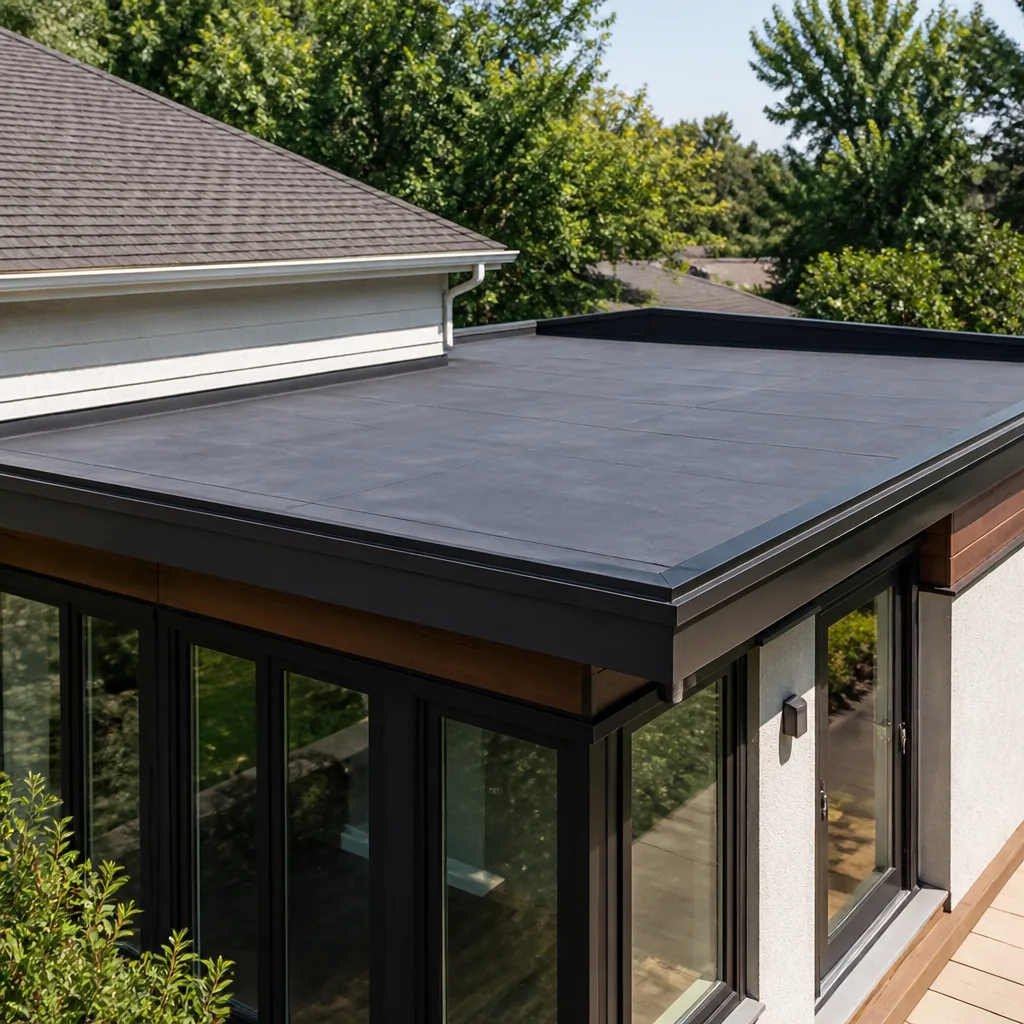
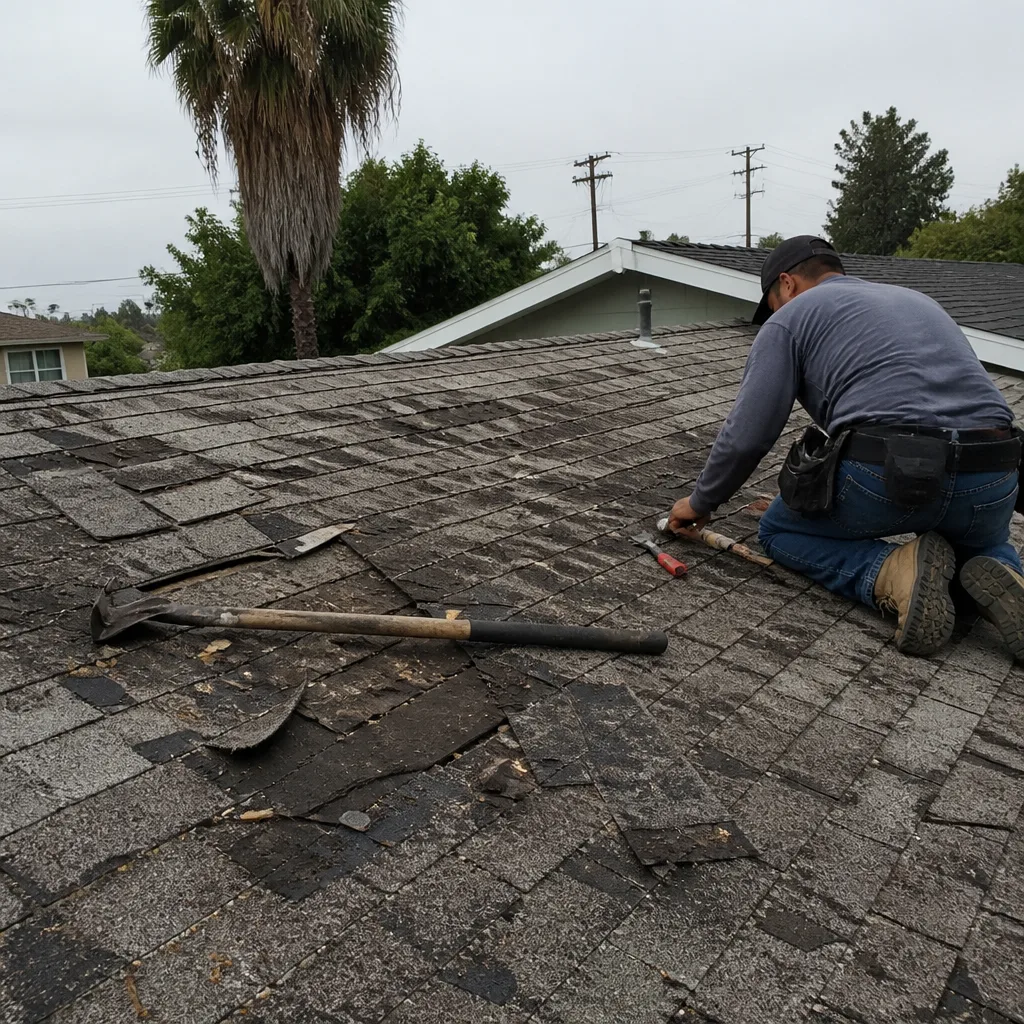 Before
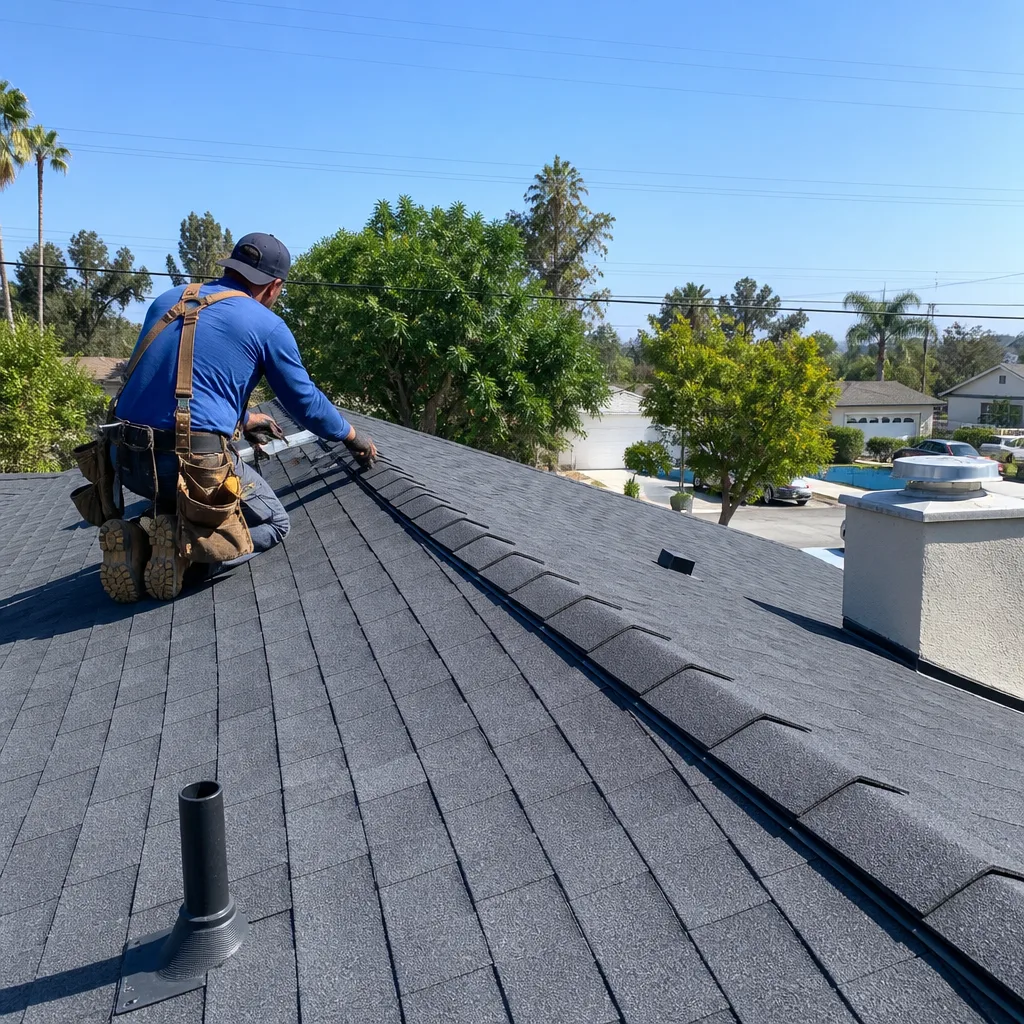 After
After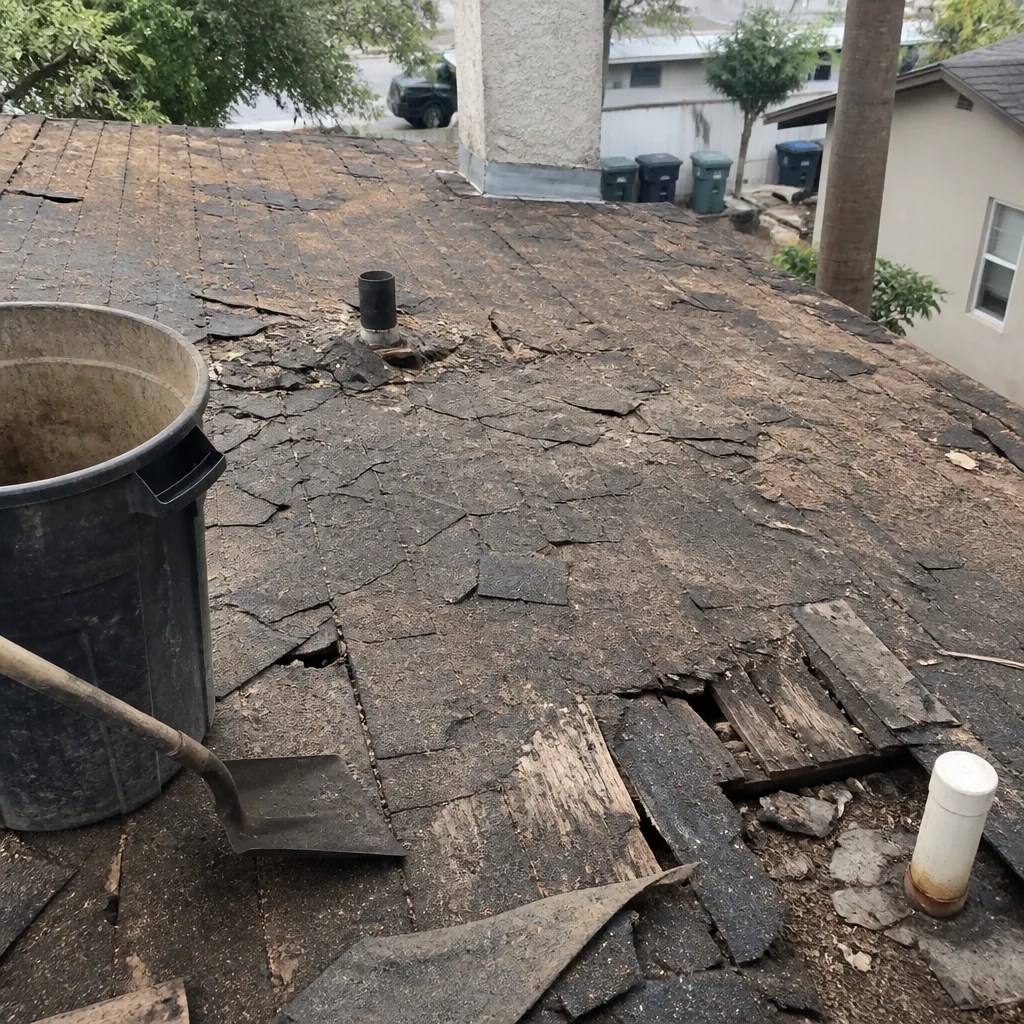 Before
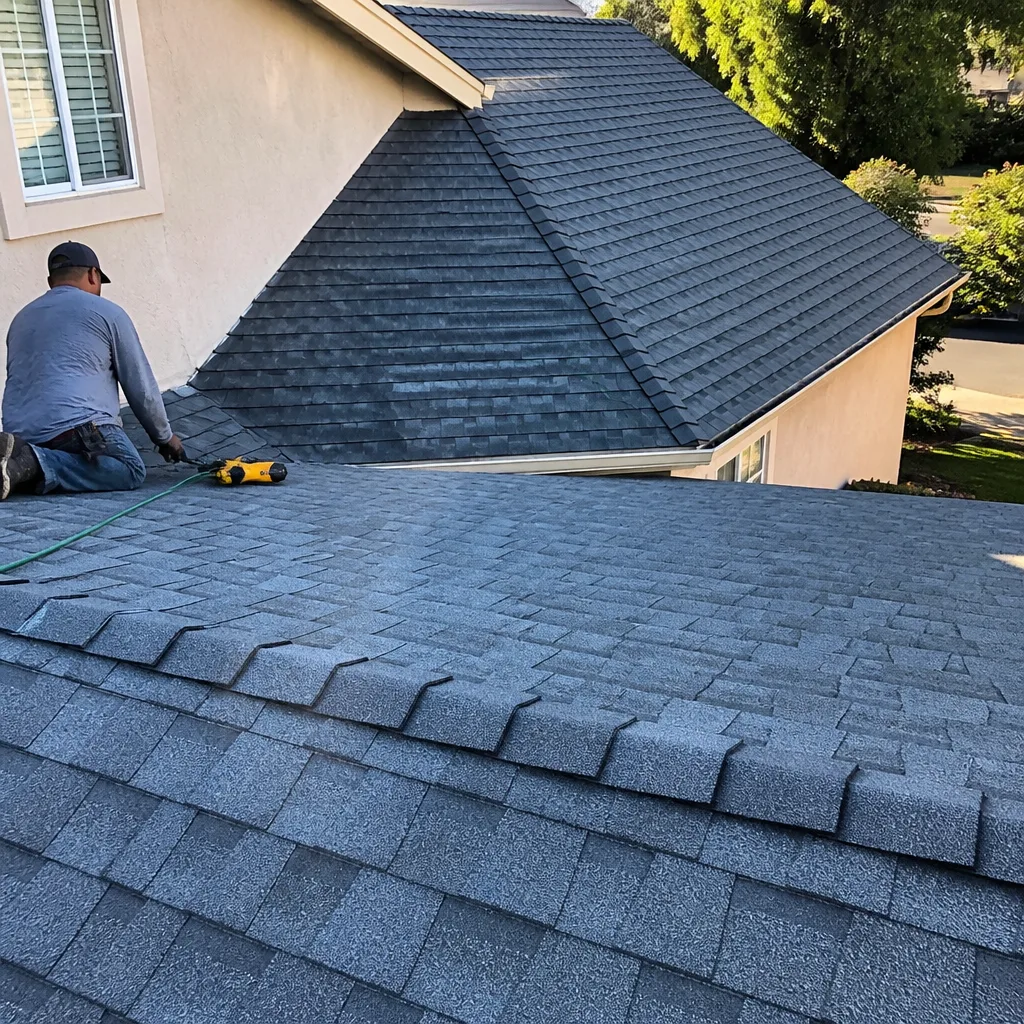 After
After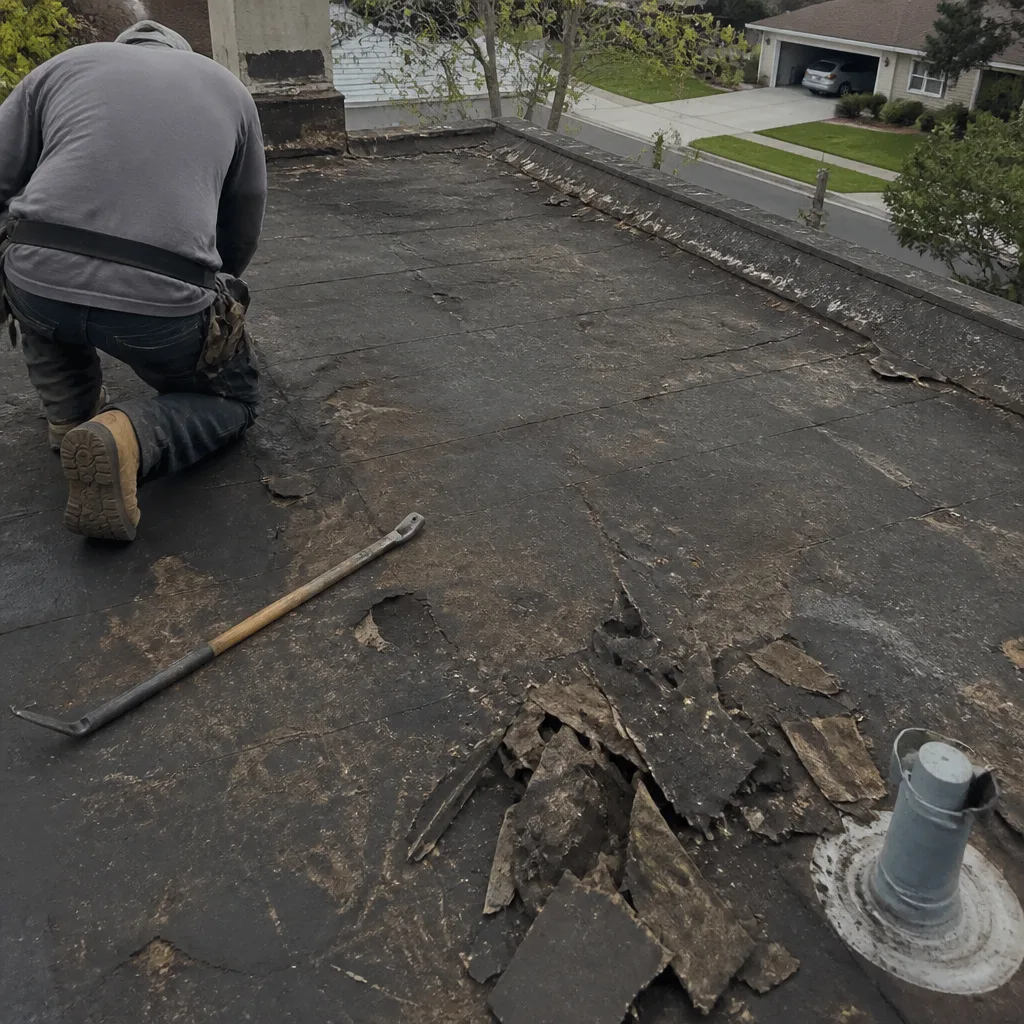 Before
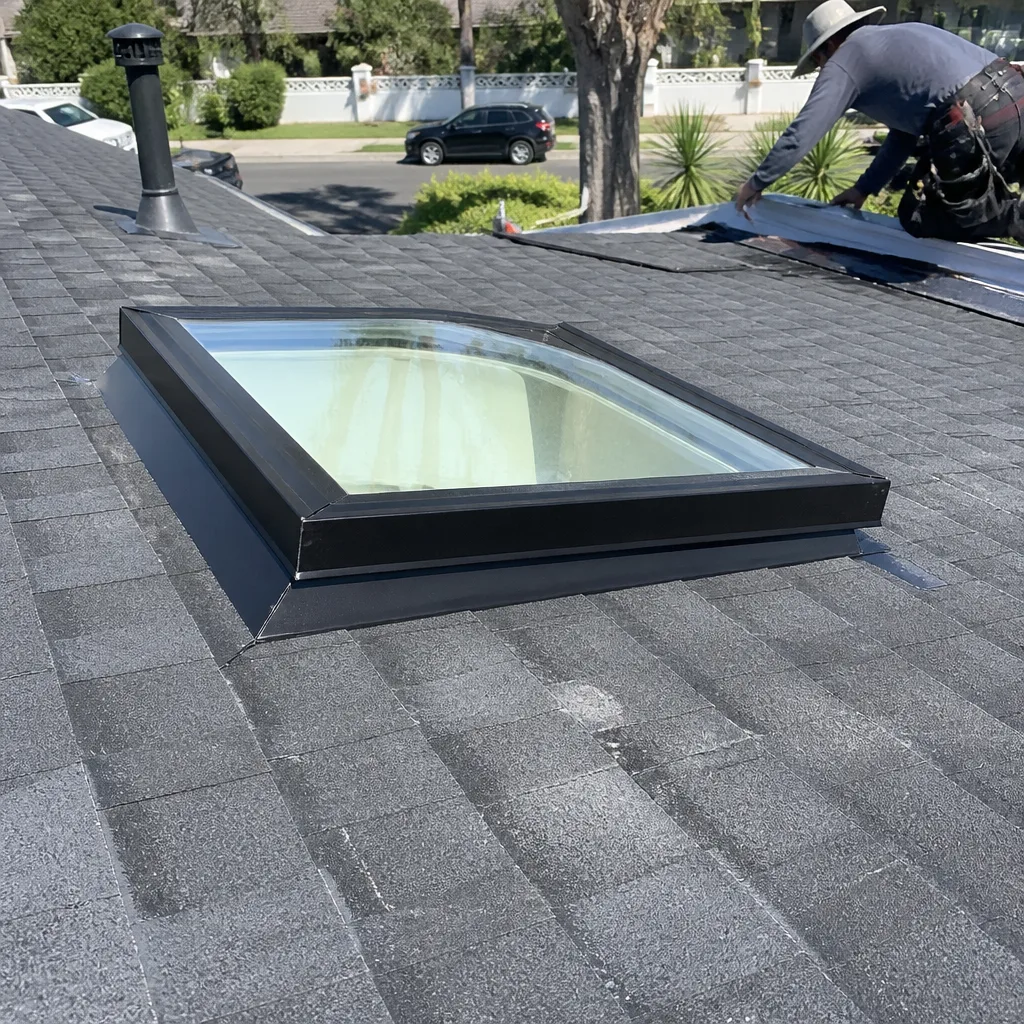 After
AfterDaylight Visible Through the Attic Boards
What’s Happening
Daylight coming through your attic boards almost always means there are open gaps in your roof deck – either at failed flashing, rotted sheathing, or missing shingles directly above. Those gaps let in light, water, and outside air. The same openings that are letting the sun in have almost certainly let rain in too, whether you’ve seen interior staining yet or not.
The roof deck is the layer of plywood or oriented strand board nailed to your rafters. Everything above it – the underlayment, the shingles, the flashing – is designed to protect that deck and the living space below it. When you can stand in your attic on a bright day and pick out actual points or streaks of light between the boards, the weatherproofing layer above has failed at that spot. It may be a small hole or a long seam that has opened up. Either way, the roof is no longer doing its job at that location, and the problem will grow with every rain and every freeze-thaw cycle.
Why It Happens
Failed or Lifted Flashing at a Roof Penetration
Flashing is the thin metal – usually galvanized steel or aluminum – that seals the joint wherever something passes through or meets the roof: chimneys, vents, skylights, valleys, and dormers. When flashing pulls away from the underlying surface, corrodes through, or was installed without enough overlap, a gap opens at the exact spot where water concentrates. If the light you’re seeing is near a chimney base, a vent pipe, or a roof valley, flashing failure is the most likely cause. You may also see rust-colored streaking on the roof deck directly below the gap.
Rotted or Broken Roof Deck Sheathing
The plywood or OSB panels that make up your roof deck can absorb water over years of slow leaks – sometimes from failed flashing, sometimes from poor attic ventilation that condenses moisture against the underside of the panels. Once the wood fibers break down, the panel can crack, warp, or develop holes even if the shingles above it still look intact from the street. From the attic, rotted sheathing usually looks darker than surrounding boards, may feel soft if you press on it from below, and is often where the light seam appears. Do not step on or press against the sheathing from inside the attic – a compromised panel can give way without warning.
Missing, Cracked, or Wind-Lifted Shingles
A shingle that has blown off, cracked through, or curled enough to expose the raw deck beneath it will let daylight and water through directly. This is most visible in the attic as a sharply defined bright point rather than a diffuse glow. After any significant wind event, a single lifted tab can expose a gap wide enough to let a stream of light through. If you can see the outside sky through a clean, roughly rectangular opening, a missing shingle is the likely explanation.
Deteriorated Ridge Cap or Open Ridge Vent Seam
The ridge – the peak of the roof – takes more UV exposure, more wind force, and more thermal expansion and contraction than any other section. Ridge cap shingles wear out faster than field shingles, and if your roof has a continuous ridge vent, the baffle and shingle cap over it can separate with age. Light visible along the very top of the attic, running in a line the length of the roof, usually points here. This is distinct from the intentional filtered air slot that a functional ridge vent provides – a working vent should not let direct daylight or rain through.
What to Do Right Now
- Photograph everything from where you’re standing. Take photos of each point of visible light without moving toward it. Note whether the light is a pinpoint, a streak, or a wider patch. These images help a technician understand the scope before arriving and start the diagnosis faster.
- Do not walk on the roof deck from inside the attic. If the sheathing is compromised, it may not hold your weight. Stay on the joists or framing members if you move around in the attic at all.
- Never attempt to climb onto the roof yourself to investigate or temporarily patch the opening. Roof work at height is genuinely dangerous, and a well-meaning temporary fix can mask the full extent of the problem from the technician who comes to do it properly. Stay off the roof and call.
- Place a bucket or absorbent towels beneath any attic spot that shows water staining near the light gaps. This limits secondary damage to stored items below, but understand it does not address the source.
- Check the ceiling directly below from inside the living space. Look for soft spots in drywall, paint bubbling, or brown staining. Photograph those too – they help establish where water has already traveled and whether any insulation has been saturated.
How We Fix It
When your local Tilehurst Roofing team arrives, the technician goes into the attic first – not straight onto the roof. Reading the pattern of light, staining, and any soft spots in the deck tells us more than a surface inspection does, and it confirms where to look before anyone climbs up.
From there, the tech identifies the specific failure: flashing separation, a compromised deck panel, missing shingles, or a failed ridge cap. We give you a written price before any work starts – that’s not a formality here, it’s how we work on every job, every time. The scope of the repair determines whether this is a targeted roof repair – re-flashing a chimney, replacing a small section of deck, resetting or replacing shingles – or whether the extent of deterioration points toward a roof replacement. We’ll tell you which one it is and why.
Every repair is covered by a written guarantee delivered before the crew leaves your property. Under our 365-Day Done Right Promise, if the repair fails inside the guarantee period, we come back and correct it at no charge. Most targeted repairs are completed in a single visit.
Frequently Asked Questions
It should not wait. An opening that lets daylight through is also letting in rain, humidity, and outside air – every one of those is actively worsening the rot, insulation damage, and structural deterioration around the gap. A small repair addressed now is almost always less involved than the same gap left through another season of rain. Call (945) 303-9821 and a live person will help you assess urgency and schedule your free estimate.
Not necessarily – a single pinpoint often points to a localized failure like a popped nail, a cracked shingle, or a small flashing gap, all of which can be addressed with a targeted roof repair. Whether a replacement makes more sense depends on the overall age and condition of the roof, which is something our technician will evaluate and explain in plain terms. The written estimate will lay out exactly what we found and what we recommend, so you can make an informed decision without any pressure.
Call us at (945) 303-9821 – a live person answers every call, around the clock, including evenings and weekends. Your local Tilehurst Roofing team will tell you current availability and get your free estimate scheduled as soon as possible.
No. A written price is in your hands before any work begins – that’s a firm commitment, not a starting bid. If additional damage is found once the deck is open, we stop, show you what we found, and give you a revised written price before we continue. You stay in control of the decision at every step.
Get It Fixed
Daylight through the attic boards won’t close itself. Call (945) 303-9821 – a live person answers every call, day or night – or book online. Your local Tilehurst Roofing team will schedule your free written estimate and get to the bottom of it.
Written by Greg Holloway, Owner at Tilehurst Roofing, a Kingswell family company serving communities nationwide since 2000.
What Our Customers Say
"Full replacement after the last hail storm. They wrote up everything, worked with my insurance, and the crew cleaned the yard so well I couldn't find a single nail. Done in two days like they said."
- Lauren Petrakis"Had a leak over the kitchen every time it rained hard. Two other roofers wanted to replace the whole roof. Tilehurst found the bad flashing, fixed it, and it's been dry through three storms since. Honest people."
- Gary Whitfield"The estimator climbed up, took photos, and showed me the actual problem areas instead of just talking. No pressure to replace anything that didn't need it. Repair's held up great."
- Tom Easley