

Free roof inspection with deck photos before we talk money - GAF and Owens Corning certified installation
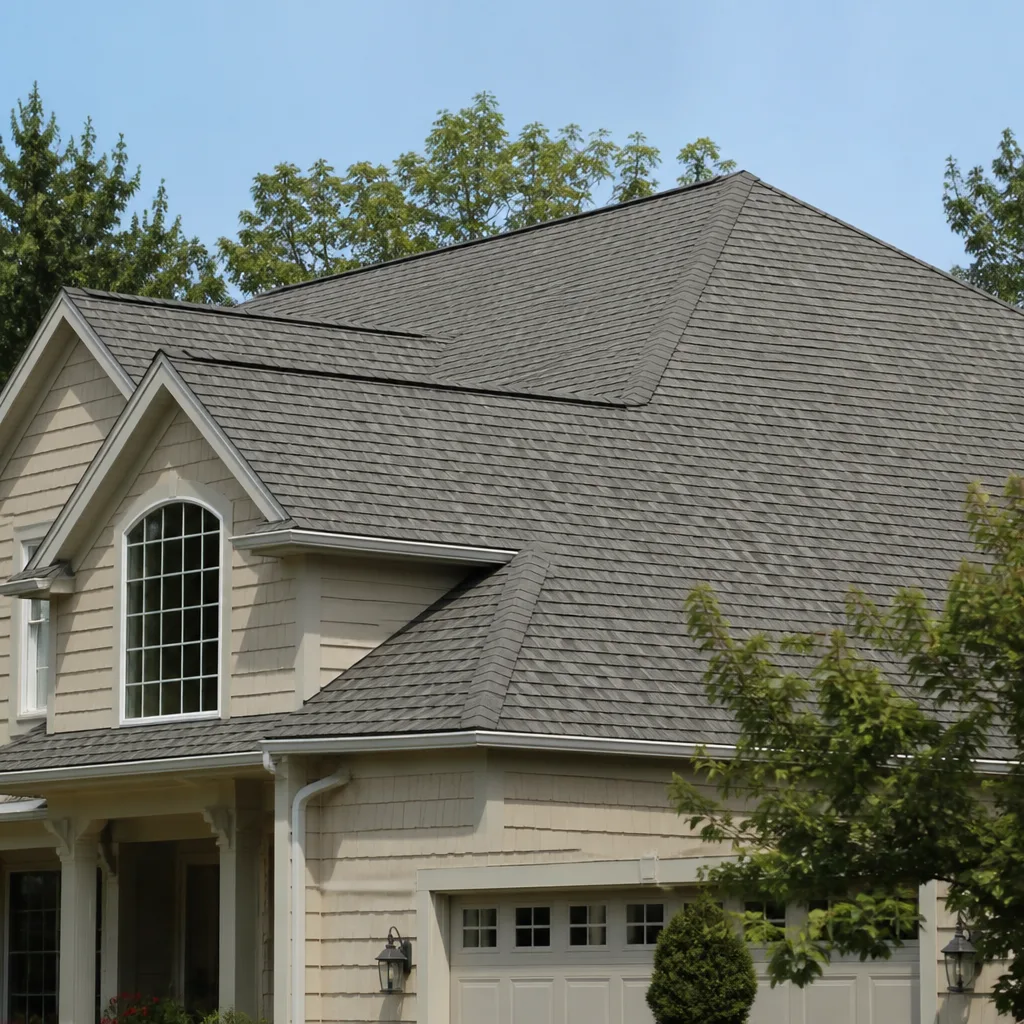
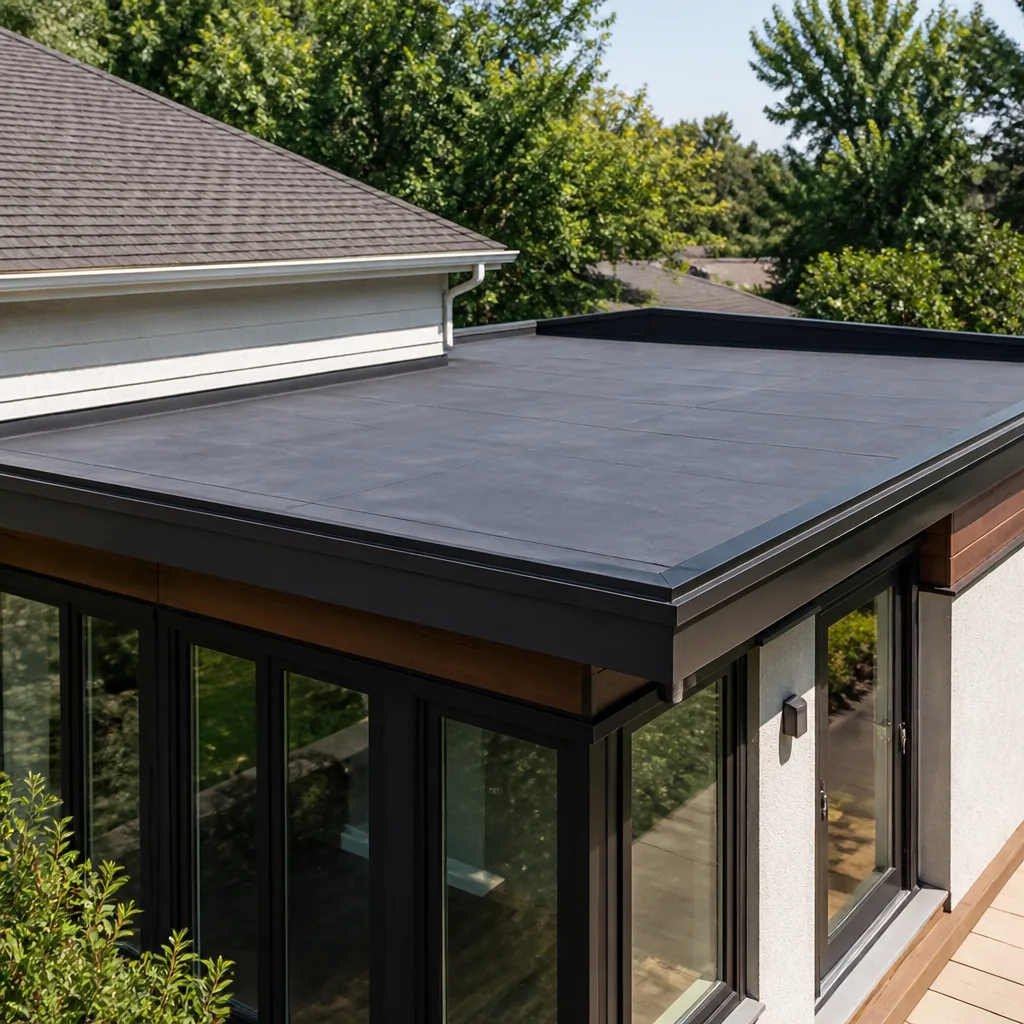
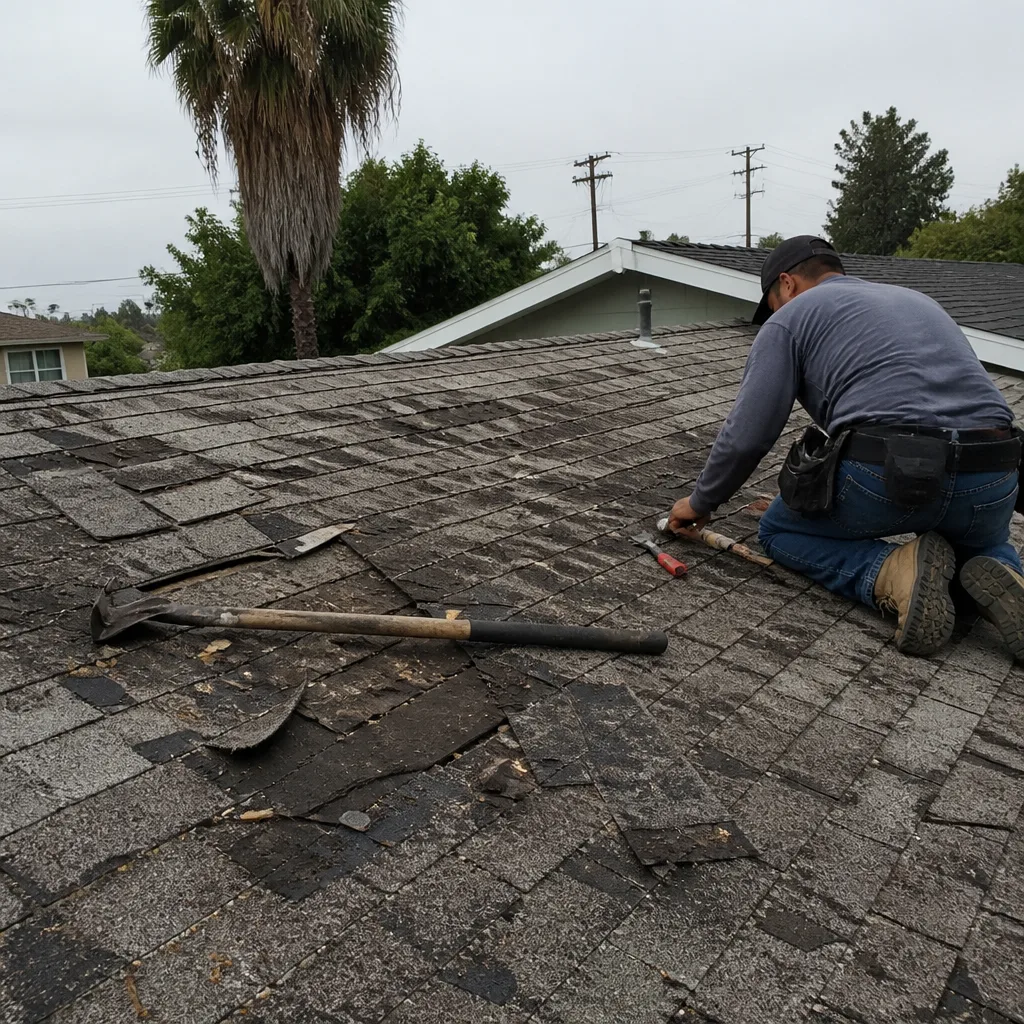 Before
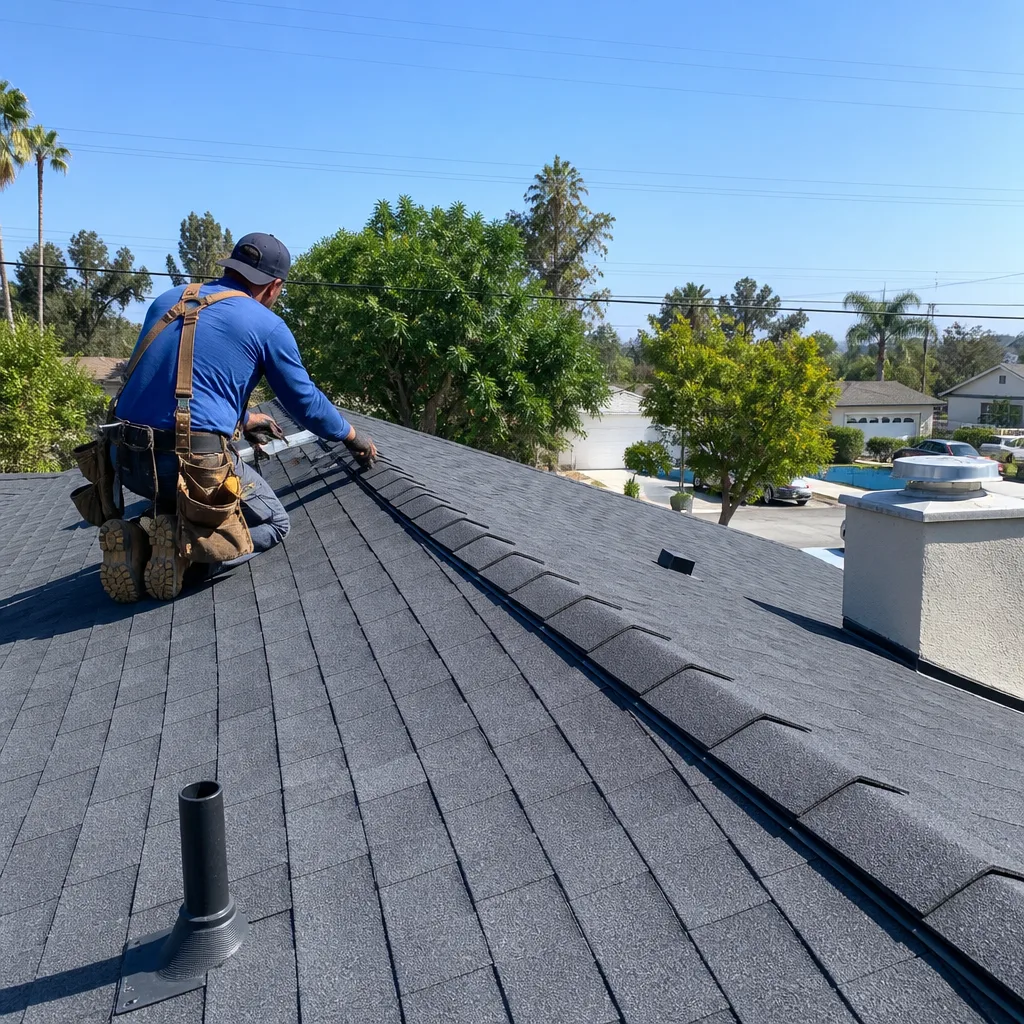 After
After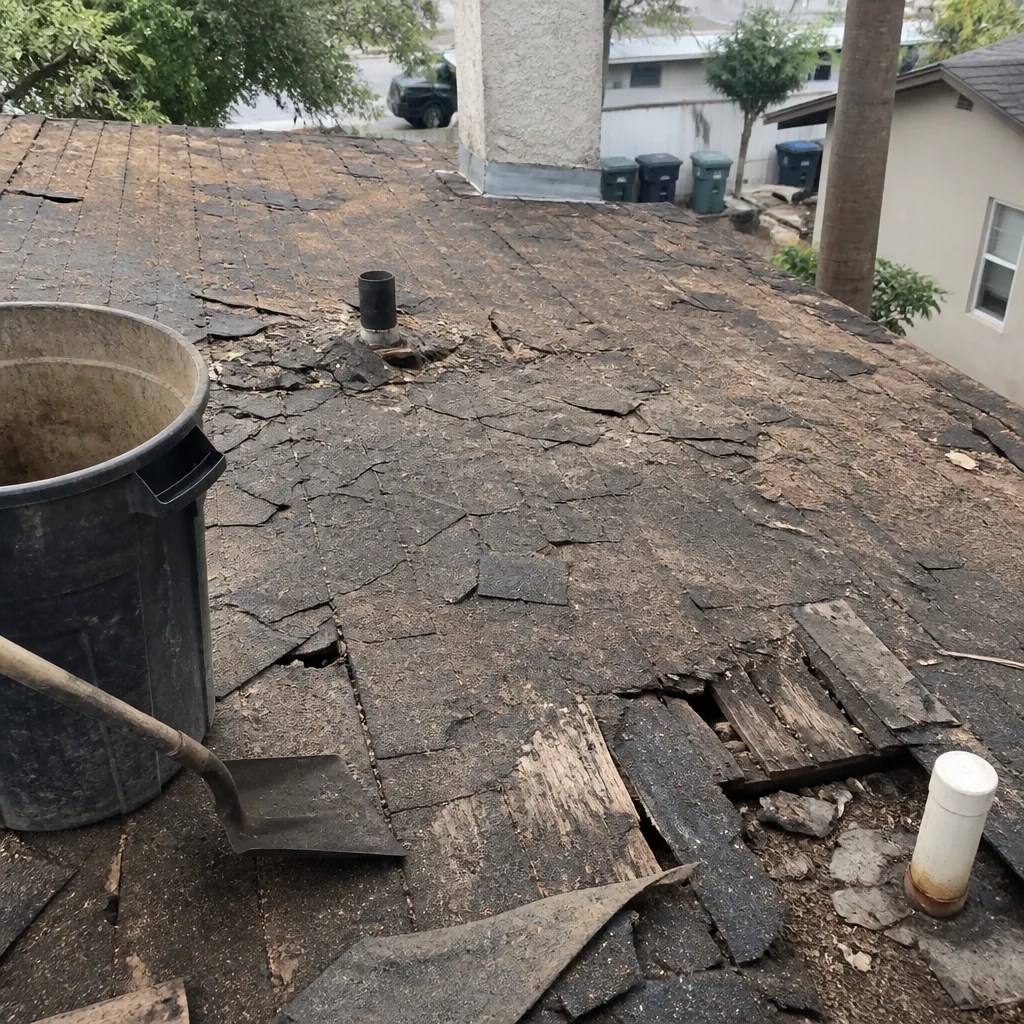 Before
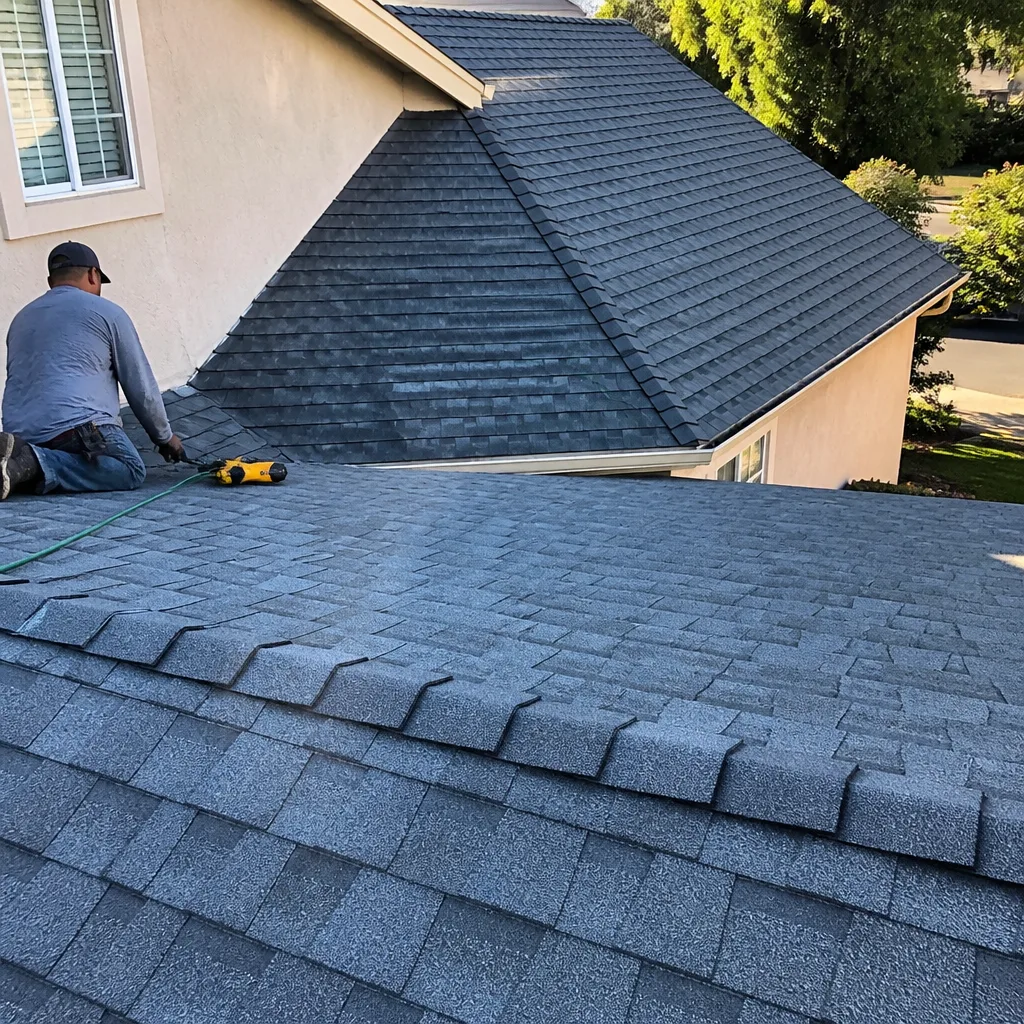 After
After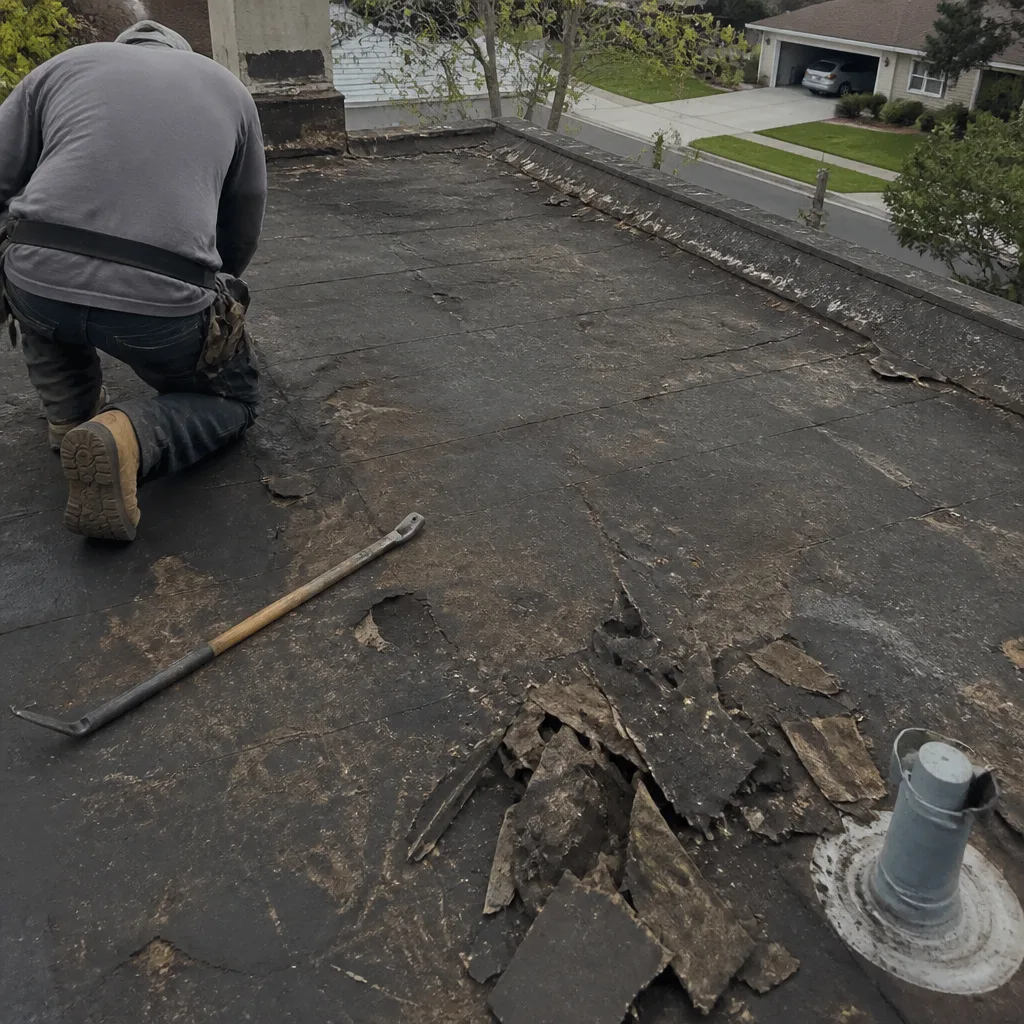 Before
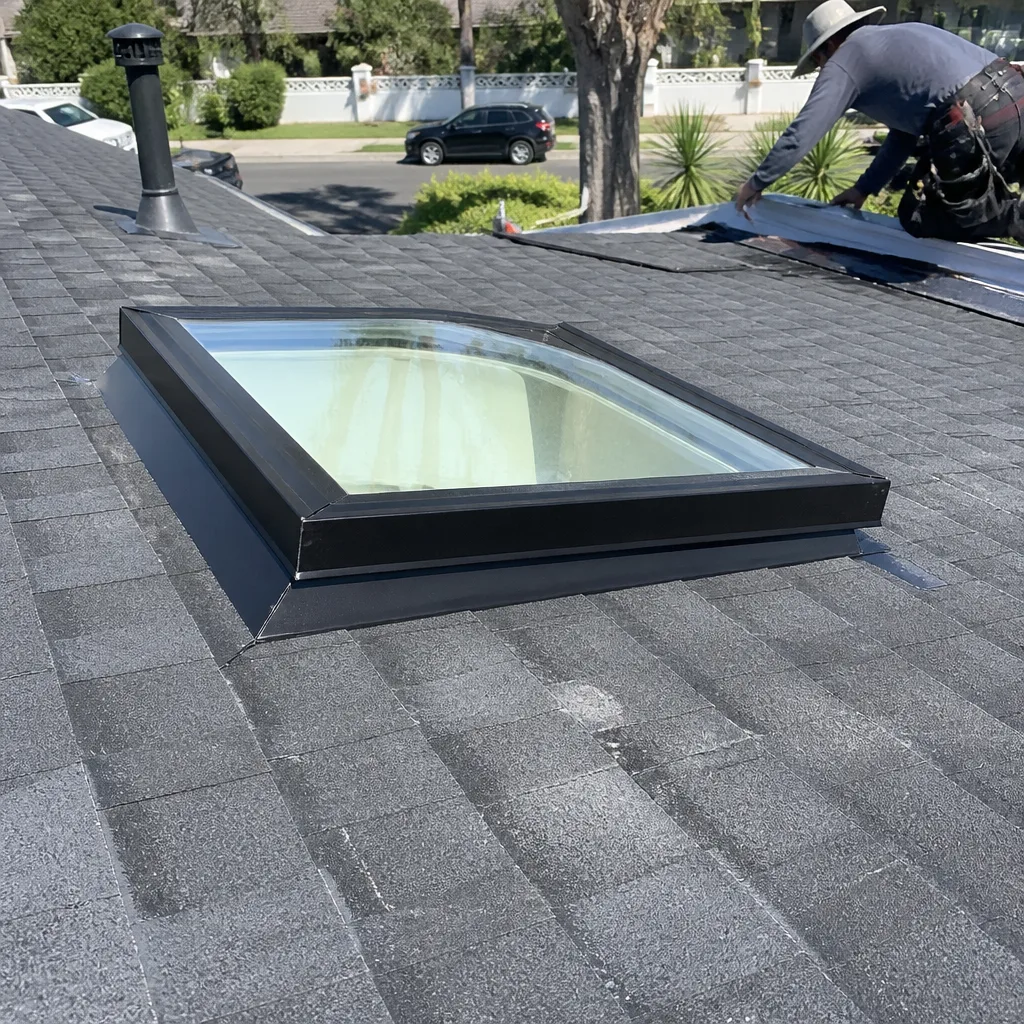 After
AfterFlashing Pulling Away from the Chimney
Flashing pulling away from the chimney almost always means the seal between the metal and the masonry has failed – either the caulk or mortar has cracked and separated, or the metal itself has lifted. Water is almost certainly getting behind that gap every time it rains. Left alone, it will rot the roof deck and the framing below it.
Chimney flashing is the sheet metal that bridges the joint between your chimney and your roof. That joint moves constantly – the chimney expands and contracts with temperature, the roof does the same, and they don’t always move together. Over time, the sealant that holds them tight either dries out and cracks or pulls free entirely. When it does, you have an open seam at one of the most water-prone spots on a roof. You may not see a stain on your ceiling for weeks, but water is moving in there now.
Why It Happens
The Caulk or Mortar Seal Has Dried Out and Cracked
This is the most common cause. The sealant packed into the joint between the flashing and the chimney – usually mortar, roofing caulk, or a combination – dries out and shrinks over years of heat cycles. When it cracks, it pulls back from the metal or the brick and opens a gap. You can usually see this from ground level with a pair of binoculars: look for a white or grey line along the top edge of the flashing that appears crumbly, missing in spots, or visibly separated from the brick.
The Step or Counter Flashing Has Lifted
Chimney flashing is typically two layers: step flashing woven into the shingles along the sides, and counter flashing embedded in the mortar joints of the chimney that folds down over it. The counter flashing is the piece most likely to lift, because the mortar joint it was tucked into has softened or crumbled. If you see a visible gap at the top of the flashing – or the metal looks like it’s hinged and can flex – that’s usually the counter flashing coming loose from the chimney itself, not just a sealant problem.
The Flashing Has Corroded or Been Damaged
Older homes sometimes have galvanized steel flashing that rusts through over time, especially along the bottom edge where water sits. Ice damming in cold climates can also pry flashing loose. Look for rust staining on the shingles near the chimney base, or metal that looks pitted, torn, or kinked. If the flashing itself is damaged, resealing the joint won’t hold – the metal needs to be replaced.
The Chimney Has Shifted or Settled
Masonry chimneys can settle independently from the house structure, and even a small shift – a fraction of an inch – is enough to break a flashing seal. This is less common but worth considering if the flashing has pulled away on only one side, or if you can see cracks in the mortar joints of the chimney itself. A technician will check for this during the inspection because it affects how the repair is approached.
What to Do Right Now
- Do not go on the roof. Chimney flashing work puts you at height near masonry – that’s a combination of ladder work and sloped surface that causes serious falls. Take photographs from the ground using a phone camera zoomed in, or safely from an upstairs window if the chimney is visible from one. Leave the roof itself to a trained technician.
- Check the attic or the ceiling below the chimney. Go into the attic with a flashlight and look for wet insulation, water staining on the sheathing, or daylight visible around the chimney base. Inside the house, check the ceiling directly below for soft spots, bubbling paint, or brown rings. Document what you see with photos – these help your local Tilehurst Roofing team assess the extent of any water intrusion before they arrive.
- Stop using a wood-burning fireplace if you have one. If there’s any chance the gap is near the smoke chamber or firebox, you don’t want to draw combustion air through a compromised flashing joint before the seal is restored. Gas fireplaces should also be left off until a technician has confirmed no moisture has reached anything it shouldn’t have.
- Place a bucket or towels if you see active dripping inside. This won’t fix anything, but it protects floors and ceilings from secondary damage while you wait. If you have a water stain that’s growing or a drip that’s active, note when it started and how fast it’s spreading – that’s useful information for the repair assessment.
- Call your local Tilehurst Roofing team. Flashing that has separated is an open water entry point, not a maintenance item to schedule for next month. The sooner a technician can look at it, the less damage accumulates behind the wall and under the deck.
How We Fix It
When your local Tilehurst Roofing technician arrives, the first thing they do is a hands-on inspection of the entire flashing assembly – not just the gap you can see from the ground. They check whether the counter flashing is still mechanically sound, whether the step flashing is correctly woven into the shingles, and whether the roof deck immediately around the chimney shows any softness or rot from prior water intrusion.
If the metal is intact and the problem is a failed sealant joint, the fix is to clean the joint thoroughly, re-tuck any counter flashing that has lifted, and reseal with a product rated for masonry-to-metal contact. If the flashing itself is corroded or damaged, we replace it completely – partial patches on deteriorated metal don’t hold.
This is a Roof Repair job in most cases. If the inspection finds significant deck damage or widespread flashing failure across the roof, your technician will discuss whether a broader scope of work makes more sense. Either way, you get a written price before anything starts – that’s not negotiable at Tilehurst Roofing; it’s just how we work. The repair is backed by our 365-Day Done Right Promise: if it fails inside the guarantee period, we come back and fix it at no charge, and you have that in writing before our crew leaves your driveway.
Frequently Asked Questions
It shouldn’t wait, and here’s why: a gap in chimney flashing is one of the fastest paths for water to reach your roof deck, the framing below it, and eventually your ceiling. You may not see interior damage for weeks, but the rot and mold that follow hidden moisture are much more expensive to fix than the flashing itself. If you have an active fireplace, a compromised flashing seal also needs to be checked before you use it again. Call (945) 303-9821 to get a technician out before the next rain.
A live person answers every call at Tilehurst Roofing, every hour of every day including weekends – so you’re never leaving a voicemail when you call (945) 303-9821. Scheduling depends on your local team’s current workload and your location, but you’ll talk to someone immediately who can tell you exactly when they can be there. We don’t run a callback queue.
Usually not. Flashing failure is a localized problem, and in most cases it’s resolved as a targeted roof repair without touching the rest of the roof. The exception is when the inspection finds that water has been getting in long enough to damage the deck or the framing underneath – in those situations, the repair scope grows because you have to fix what the water did, not just the entry point. Your technician will tell you exactly what they find, and the written estimate will cover everything that needs to be done.
Tilehurst Roofing doesn’t publish a flat rate for flashing repair, because the price depends on what the technician actually finds: how much flashing needs to be replaced or resealed, whether there’s deck damage underneath, and what materials are appropriate for your roof type. What we do commit to is a written price in your hands before any work begins – that’s part of The Kingswell Way, and it doesn’t change based on what day you call or who shows up at the door. Call (945) 303-9821 to schedule your free written estimate.
Get It Fixed
Your local Tilehurst Roofing team handles chimney flashing repair from the first call to the written guarantee. Call (945) 303-9821 anytime – a live person answers every call, every day – or book online. You’ll have a written price before anyone touches your roof.
Written by Greg Holloway, Owner at Tilehurst Roofing, serving communities nationwide as part of the Kingswell family of roofing companies since 2000.
What Our Customers Say
"The estimator climbed up, took photos, and showed me the actual problem areas instead of just talking. No pressure to replace anything that didn't need it. Repair's held up great."
- Tom Easley"Gutters and a section of shingles after a big wind. Answered the phone right away, came when they said, and the price on the quote is what I paid. Easy to deal with."
- Guillermo Saenz"Small leak around the chimney flashing. They sealed it properly and it's held through a wet winter. Didn't push me toward a whole roof like the last outfit tried to."
- Bernard Oakes