

Free roof inspection with deck photos before we talk money - GAF and Owens Corning certified installation





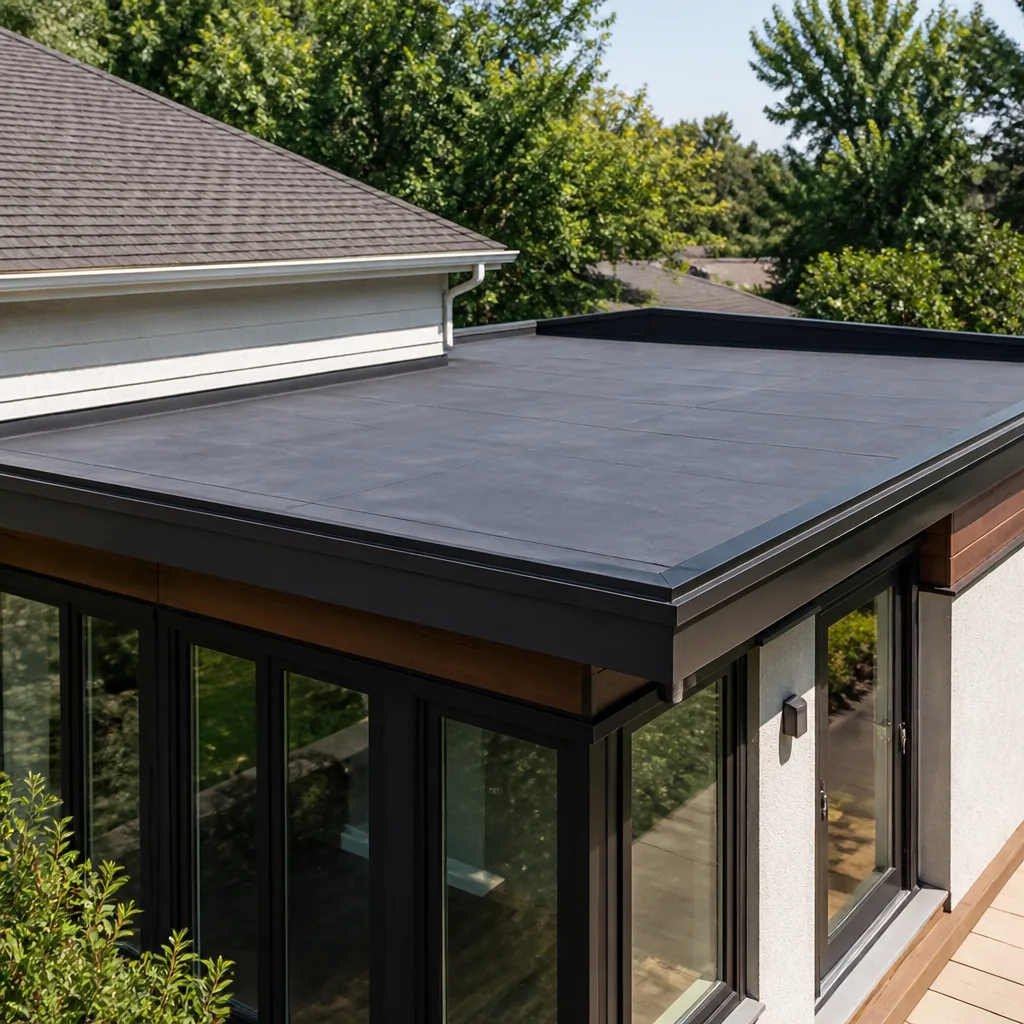
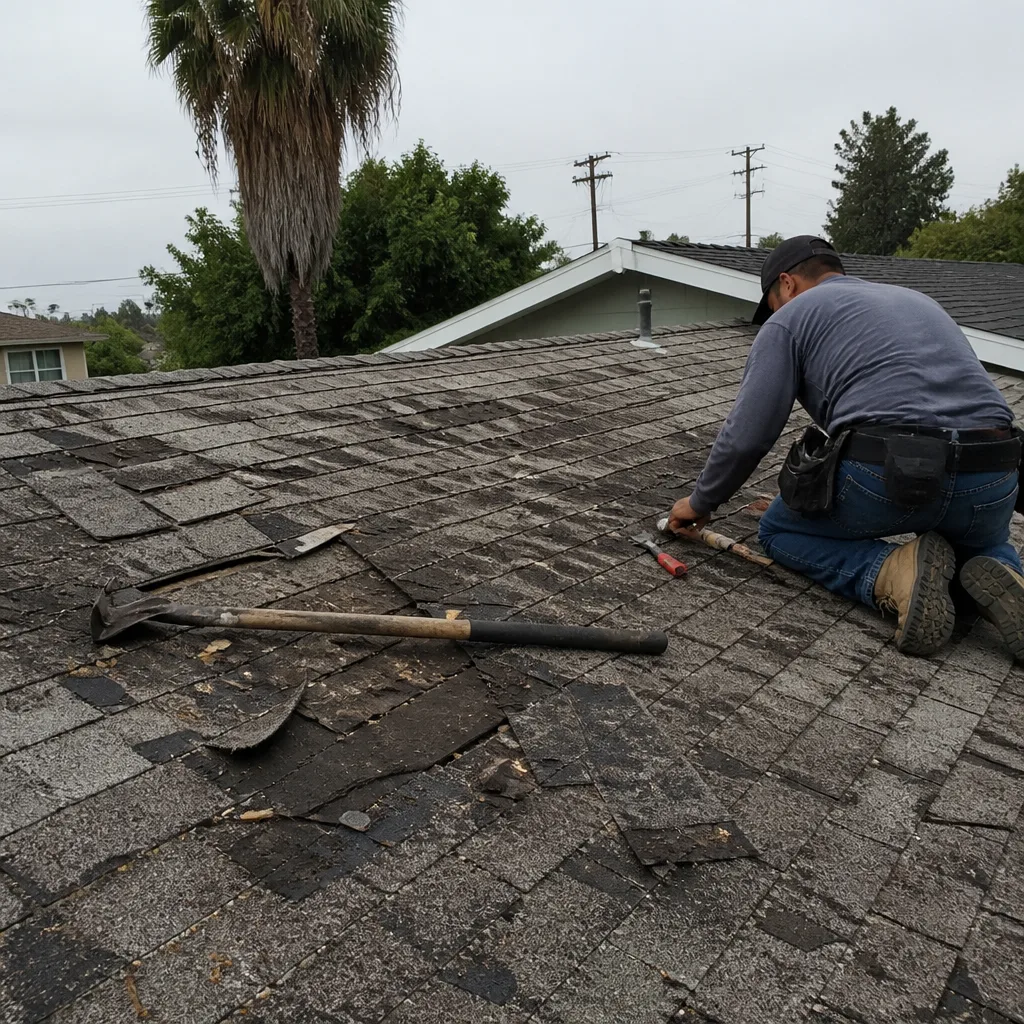 Before
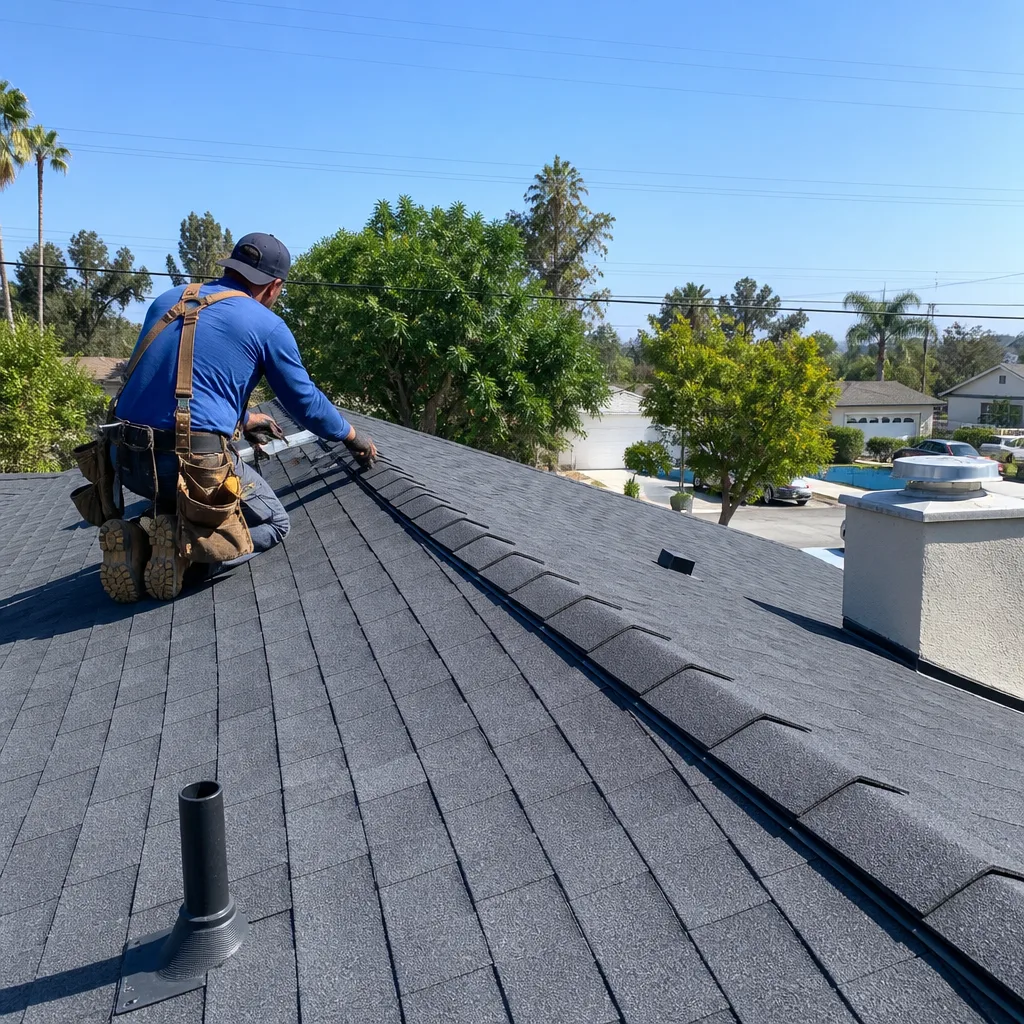 After
After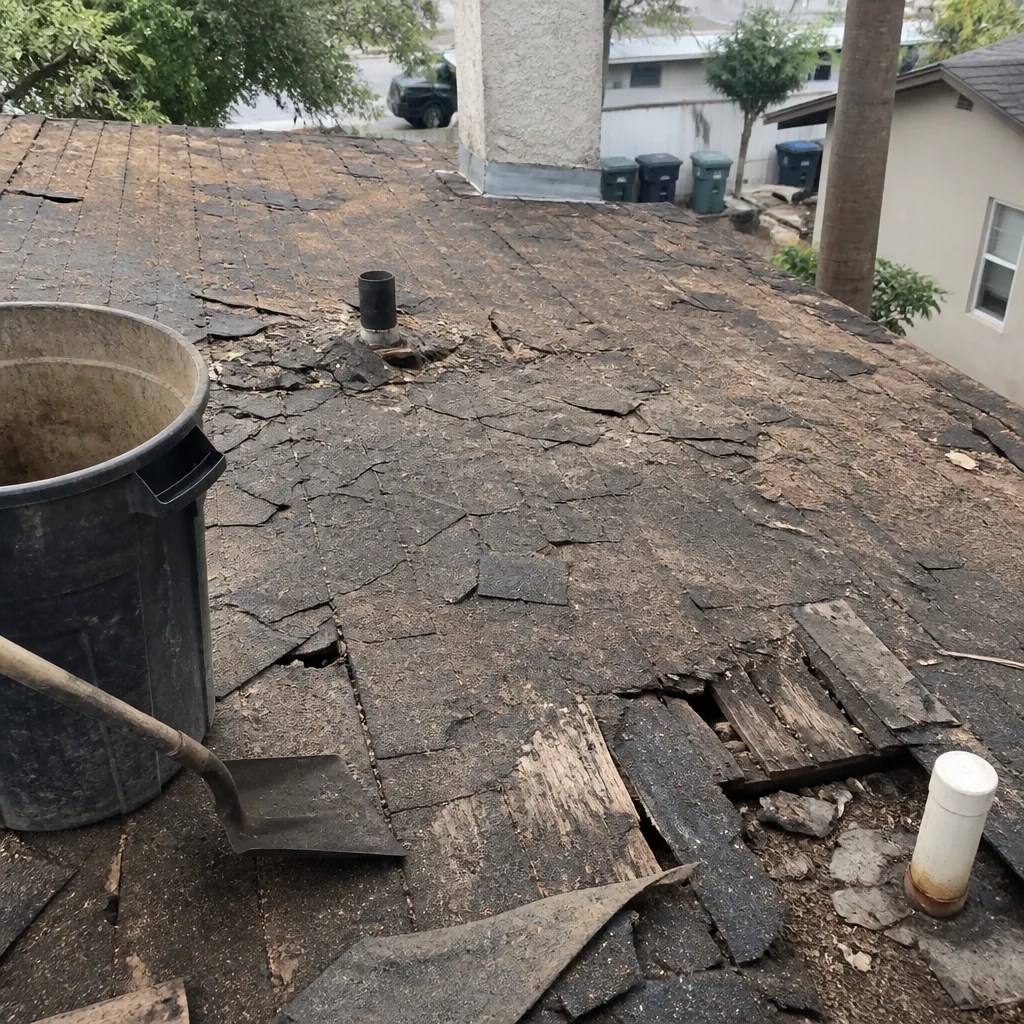 Before
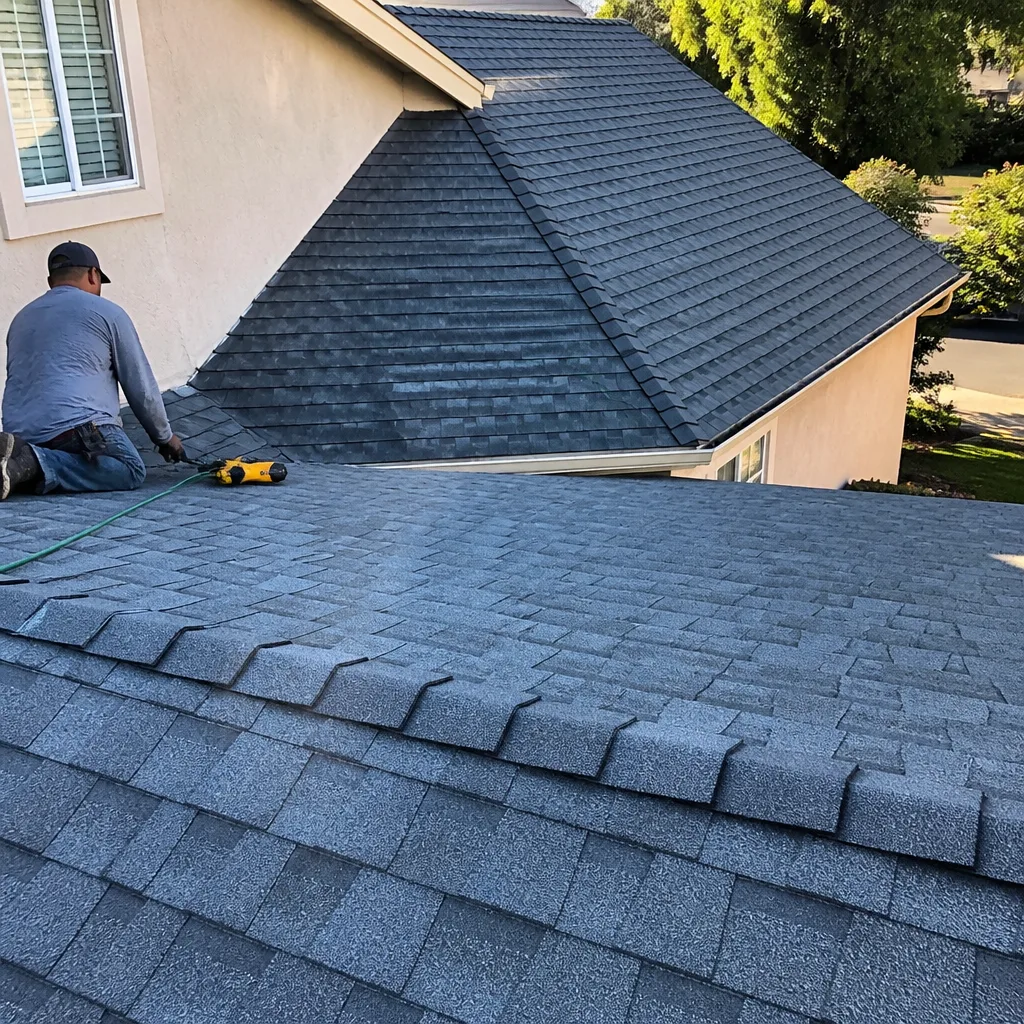 After
After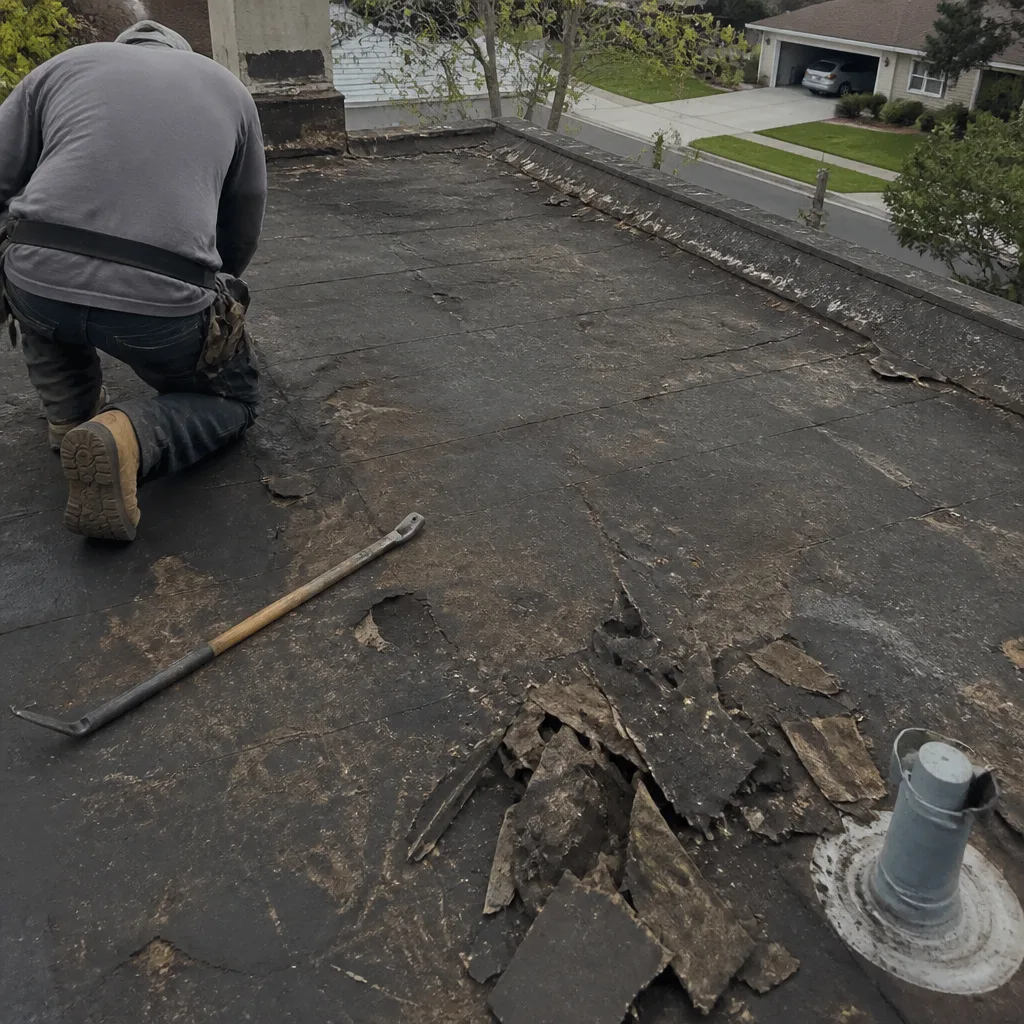 Before
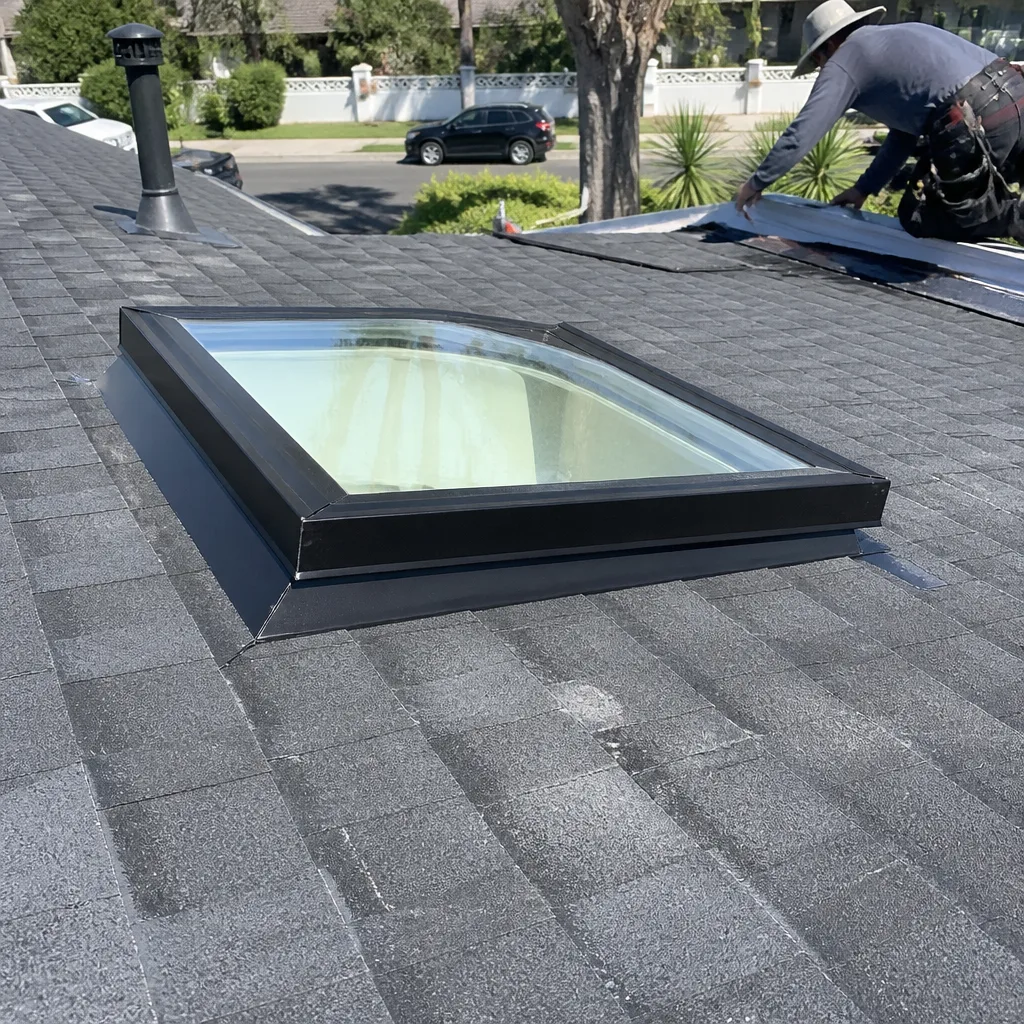 After
AfterGutters Overflowing in Every Storm
If your gutters are spilling water over the front edge every time it rains, the problem is almost never the gutters themselves. In most cases, the roof above them is sending water down faster than the system was designed to handle, or debris from the roof is clogging the flow. Either way, the overflow is a symptom, not the diagnosis.
What that means for you: the damage you see at ground level, the waterfall off the fascia, the puddles against your foundation, traces back to something happening at roof level. A clogged downspout or a sagging gutter section can make overflow worse, but if it happens in every storm without fail, the roof itself deserves a close look. Left alone, that overflow quietly erodes soil against your foundation, rots the fascia board behind the gutter, and drives moisture under your roofline in ways that don’t show up until they’re expensive.
Why It Happens
Roof Debris Washing Into the Gutters
Asphalt shingles shed granules as they age. Those granules, along with leaf litter, moss, and small shingle fragments, wash off the roof in a heavy rain and pile up at the gutter mouth or inside the downspout. You can often spot this without climbing anything: look for a dark, gritty streak running down the outside of your downspout, or check whether the overflow seems to start at one corner of the house rather than all along the roofline. If it’s concentrated, a clog is the first suspect.
A Sagging or Poorly Pitched Gutter Section
Gutters are hung at a slight angle so water runs toward the downspout. When the hanger brackets loosen, usually from years of freeze-thaw cycles or the weight of wet debris, a section droops and water pools instead of flowing. You can see this from the ground: a gutter that looks like it dips in the middle, or one that holds standing water after rain stops. That pooled water eventually spills over the low point in every storm.
Undersized Gutters or Too Few Downspouts
Some homes were built with gutters that were adequate for a gentler climate or a smaller roof footprint, and over time the situation changed, whether from an addition, a re-roof that added a steeper pitch, or simply heavier regional rain patterns. If every section of the gutter overflows at roughly the same rate and the gutters appear clear, the system may simply not have enough capacity. This is one of those causes that looks like a gutter problem but often gets uncovered during a roof inspection.
Damaged or Missing Roof Flashing Directing Water to the Wrong Place
Flashing is the metal trim that seals joints where the roof meets a wall, chimney, or valley. When it lifts, cracks, or pulls away, it stops directing water toward the gutter and lets it run sideways along the fascia instead. The tell from the ground is overflow that seems to pour from behind the gutter rather than over the front lip. You might also notice a damp or stained fascia board even on the dry days after a storm.
What to Do Right Now
- Photograph the overflow during the storm if you can do so safely from ground level or an interior window. A short video is even better. Show where the water is spilling, which section of the house it affects, and whether it’s coming over the front lip or from behind the gutter. This saves real time at the estimate.
- After the rain stops, check the ground below the overflow point. Soft, eroded soil or standing water against the foundation means the problem has been going on longer than one storm. Note it, photograph it, and mention it when you call.
- Look up at the roofline from the yard. You’re looking for sagging gutter sections, dark staining on the fascia, or shingles that appear buckled or missing near the edge. Don’t climb a ladder to get a closer look. Wet roofing is extremely slippery and the edge of a roof carries real fall risk – let the technician do the close-up inspection from a secured ladder.
- If a downspout feels blocked, you can try running a hose into the top opening from ground level. If water backs up immediately rather than flowing through, you likely have a clog. Do not climb up to dig it out yourself – a blocked downspout under pressure can shift unexpectedly, and the gutter bracket you grab for balance may not hold your weight.
- Clear any items away from the foundation near the overflow zone. Patio furniture, garden beds, or HVAC equipment sitting in pooling water during every storm can accumulate hidden water damage faster than you’d expect.
How We Fix It
When your local Tilehurst Roofing team arrives, the first thing the technician does is a full roof and gutter inspection – edge to ridge, not just the symptom zone. We want to know whether this is a debris clog, a pitch problem, a flashing failure, or something at the roof deck level driving extra water to the edge.
Before any work starts, you get a written price. That’s not a formality – it’s part of how every Kingswell company operates. The Kingswell Way says: say the price before the work. The number in your hands is the number on the invoice.
Most overflow causes route to one of two services: a targeted roof repair (flashing replacement, shingle edge repair, or reseating a drip edge that’s pulling away) or, in cases where the shingles are heavily granule-depleted and the debris problem is structural, a conversation about roof replacement. Either way, every repair leaves your hands with a written guarantee before the crew packs up. If it fails inside the guarantee period, we come back and fix it at no charge. That’s the 365-Day Done Right Promise.
Frequently Asked Questions
It can cause serious structural damage over time. Water spilling repeatedly against your foundation can compromise the soil grade around it, allow water to migrate into a crawl space or basement, and rot the fascia board and soffit directly behind the gutter. The longer it goes unaddressed, the more surfaces are involved. Call (945) 303-9821 to get someone out before the next storm season adds to it.
It depends on how long it’s already been happening and whether your fascia and soffit are still intact. If the boards behind the gutter feel soft when you press them from below, or if you’ve been watching this for more than one season, waiting extends the damage. A few weeks is unlikely to be catastrophic if the fascia is still solid, but every storm in the meantime adds water to places that dry slowly. Call (945) 303-9821 to schedule a free inspection – it costs you nothing to know what you’re dealing with.
Call us at (945) 303-9821 and a live person will answer right now, any hour, any day, including weekends. Your local Tilehurst Roofing team will confirm availability and schedule your free inspection as quickly as possible. We don’t run voicemail queues or ask you to wait until Monday.
No. The written price you receive before any work begins is the price. That’s a firm commitment, not an estimate that grows once the crew is on your roof. If the technician finds a secondary problem during the repair, you’ll get a separate written price for that work before anything additional is touched. No surprises is not a slogan here – it’s the first line of the Kingswell Way.
Get It Fixed
Call (945) 303-9821 right now – a live person answers every call, around the clock, including weekends. Your local Tilehurst Roofing team will schedule a free inspection, put a written price in your hands before any work starts, and back every repair with the 365-Day Done Right Promise.
Written by Greg Holloway, Owner at Tilehurst Roofing, serving homeowners nationwide under the Kingswell Guarantee since 2000.
What Our Customers Say
"Full replacement after the last hail storm. They wrote up everything, worked with my insurance, and the crew cleaned the yard so well I couldn't find a single nail. Done in two days like they said."
- Lauren Petrakis"Had a leak over the kitchen every time it rained hard. Two other roofers wanted to replace the whole roof. Tilehurst found the bad flashing, fixed it, and it's been dry through three storms since. Honest people."
- Gary Whitfield"The estimator climbed up, took photos, and showed me the actual problem areas instead of just talking. No pressure to replace anything that didn't need it. Repair's held up great."
- Tom Easley