

Free roof inspection with deck photos before we talk money - GAF and Owens Corning certified installation



 Before
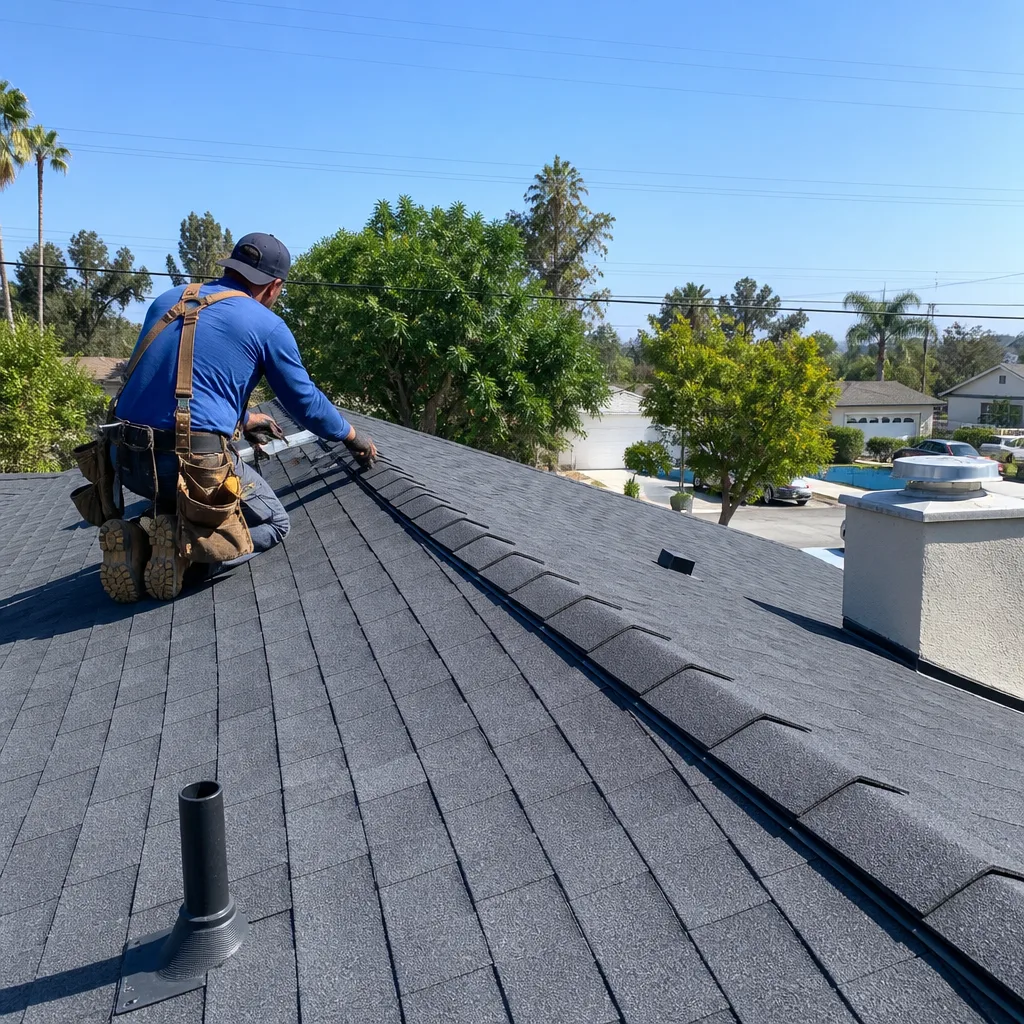 After
After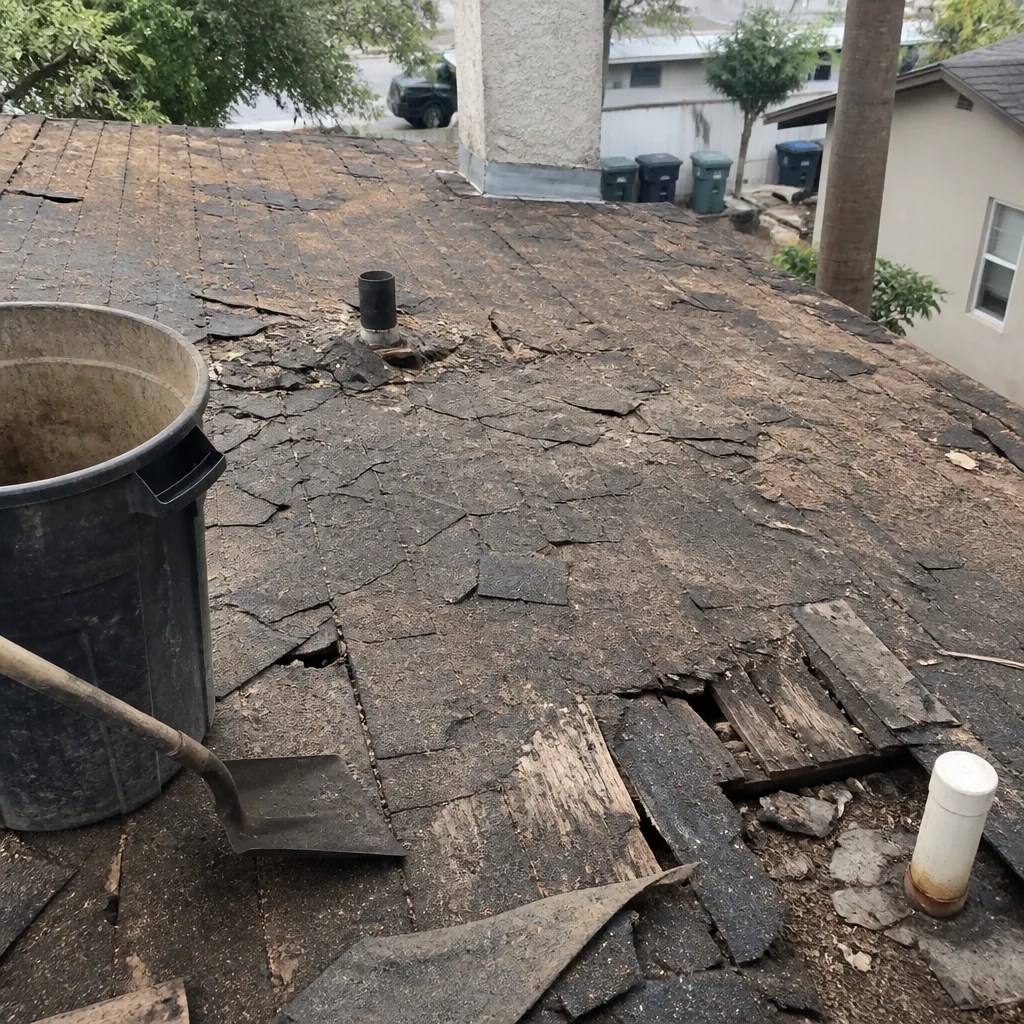 Before
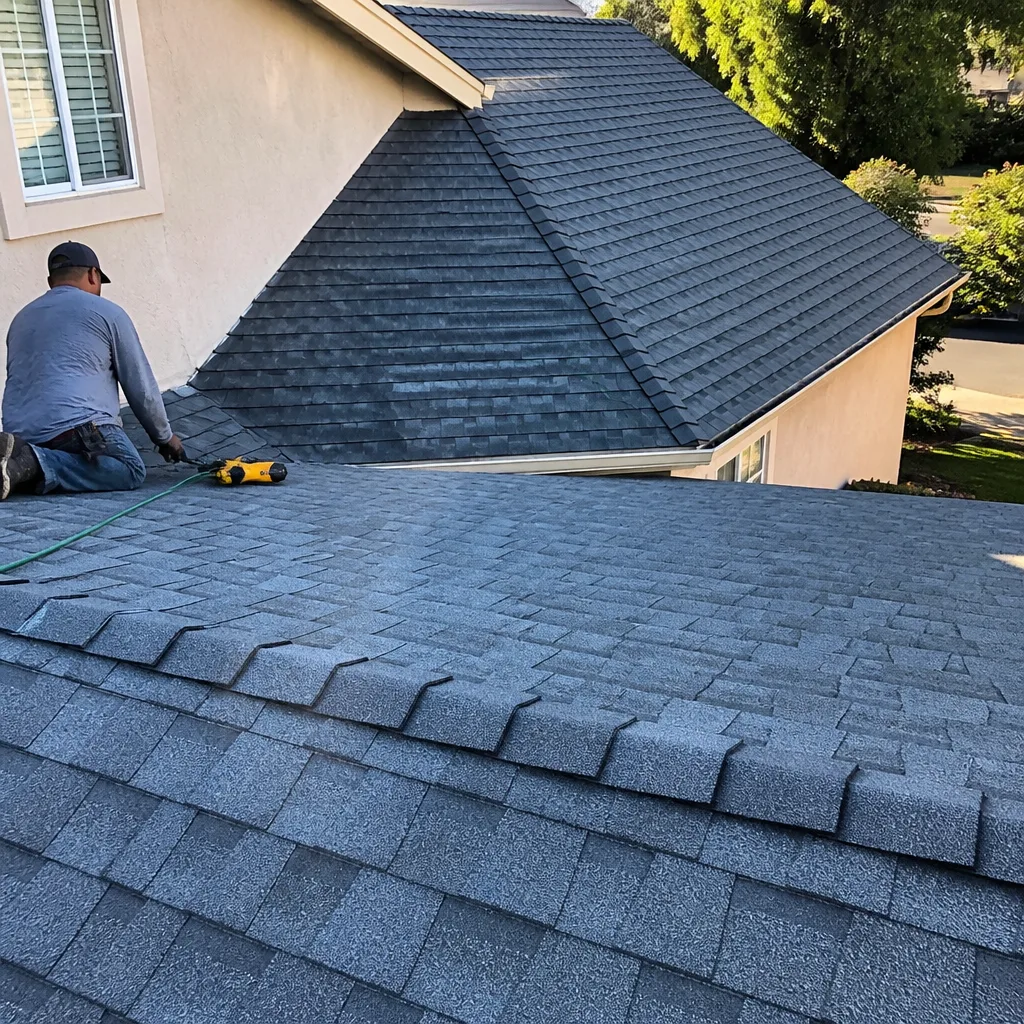 After
After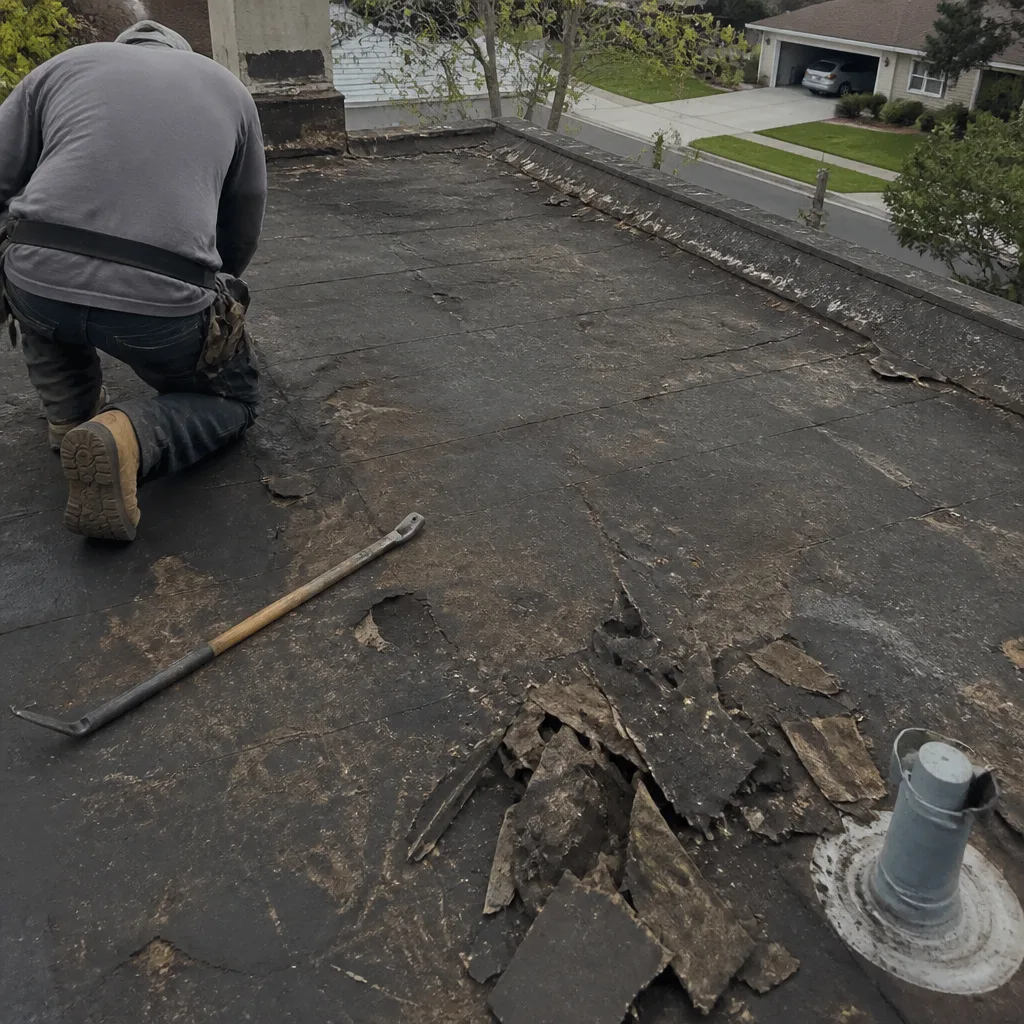 Before
 After
AfterIce Dams in Winter
If you’re seeing a thick ridge of ice along your roofline, water stains spreading across your ceiling, or icicles that keep coming back no matter how many times you knock them down, you’re dealing with an ice dam. Ice dams form when heat escaping through your attic melts snow on the upper part of your roof, the water runs down to the cold eave, and refreezes into a wall of ice that backs up under your shingles. Left alone, that trapped water finds every gap it can, and it will.
The damage an ice dam causes is rarely just cosmetic. Water that backs up under shingles can soak the roof deck, saturate attic insulation, rot rafters, and bleed through ceiling drywall. The ice on the outside is the visible symptom; the damage happening underneath is the part that grows quietly and costs more the longer it goes unchecked. The root cause is almost always an attic ventilation or insulation problem, not just cold weather, which means clearing the ice without fixing the underlying issue just sets you up for the same problem next winter.
Why It Happens
Insufficient Attic Insulation
When attic insulation is thin, compressed, or missing in spots, heat from the living space below rises straight into the attic and warms the roof deck. That’s the warmth that melts the snow above while the eaves stay frozen. A homeowner can often spot this from inside the attic: if you can see the tops of the floor joists or the insulation looks thin and flat, there isn’t enough of it.
Blocked or Inadequate Attic Ventilation
A well-ventilated attic draws cold outdoor air in at the soffits and exhausts it through ridge or gable vents, keeping the underside of the roof deck close to the outdoor temperature. When soffits are blocked by insulation, vents are clogged, or the ventilation design is undersized, heat pools in the attic instead of escaping. If your attic feels noticeably warmer than the outdoor temperature on a cold day, ventilation is likely the problem.
Air Leaks at Penetrations
Recessed lights, plumbing vents, attic hatches, and duct boots are common spots where conditioned air punches straight through into the attic. Each one acts like a small furnace pointed at the roof deck. You can often identify these by looking for dark staining or frost rings around penetrations on the attic floor or ceiling, especially after a cold snap.
Existing Roof Damage or Missing Underlayment
Ice dam water that backs up under shingles needs a sound layer of waterproofing underlayment to stop it from reaching the deck. On older roofs, that underlayment may have dried out, torn, or was never installed at the eave at all. If you’re seeing water stains on the ceiling near exterior walls even during moderate ice conditions, the roof’s secondary water barrier may already be compromised.
What to Do Right Now
- Do not chip or hammer at the ice. Striking ice dams with a hammer, ice pick, or shovel blade is one of the fastest ways to crack shingles and open up new leak paths. Broken shingles in winter are hard to repair cleanly and the damage may not show until spring.
- Photograph everything before anything melts. Take pictures of the ice dam from the ground, close-ups of any icicles at the eaves, and every interior water stain you can find, including the ceiling, walls near exterior corners, and any wet insulation visible in the attic. This documentation matters for repair estimates and any insurance conversation.
- Stay off the roof. A snow- and ice-covered roof is genuinely dangerous. Falls from icy roofs cause serious injuries every winter. Leave any roof-level work to a technician with the right equipment and safety gear.
- Check your attic for signs of active water intrusion. With a flashlight, look for wet insulation, dark staining on rafters, or frost on the underside of the deck. Note where it is, but don’t disturb anything, and don’t attempt to dry insulation that may be hiding structural damage.
- Call your local Tilehurst Roofing team now. If you’re seeing active dripping, ceiling staining that’s spreading, or a dam that’s more than a few inches thick, this is not a wait-and-see situation. Call (945) 303-9821, day or night. A live person answers every call.
How We Fix It
When your local Tilehurst Roofing team arrives, the first thing we do is assess the situation from the ground and, where safe, from the attic, before anything gets quoted. We want to know what’s causing the dam, not just what it looks like from the street.
From there, we write you a price before any work starts. That’s not a rough ballpark, it’s a line-by-line written estimate that covers everything we intend to do. You sign off on it first.
The repair itself typically involves addressing any shingle damage or failed underlayment at the eave, installing or replacing ice-and-water shield where it’s missing, and making recommendations on the attic conditions driving the problem. Depending on what we find, the right service is a targeted roof repair for immediate leak damage, or a full roof replacement when the deck or shingle field has been compromised across a wider area. Every repair we do is covered by a written guarantee, handed to you before the crew leaves, backed by the 365-Day Done Right Promise. If it’s not right, we come back and make it right.
Frequently Asked Questions
An ice dam is actively forcing water under your shingles right now, and that water doesn’t stop because you can’t see it. Waiting until spring means weeks more of potential water infiltration into the roof deck, insulation, and framing, damage that is far cheaper to fix today than after a full winter of saturation. If you’re seeing any interior staining, call (945) 303-9821 today, don’t wait.
Call us at (945) 303-9821 and a live person will answer, day or night, including weekends. Your local Tilehurst Roofing team will get you scheduled as quickly as possible and give you a real arrival window, not a vague “sometime this week.” We follow The Kingswell Way: show up in the window we gave you, every time.
Clearing the ice relieves the immediate pressure, but it doesn’t fix the attic heat loss that caused the dam in the first place. Without addressing ventilation or insulation, the same conditions will produce the same dam next winter. Our written estimate will cover the actual fix, not just the symptom.
There’s no honest single-number answer here, because the cost depends entirely on how much water got in, how far it traveled, and what it damaged. A small underlayment repair at the eave is a very different job from replacing a compromised section of roof deck. What we can tell you is that your price is written down before any work starts, every time, with no surprises when the bill comes. Call (945) 303-9821 to schedule your free written estimate.
Get It Fixed
Ice dams don’t wait, and neither should you. Call (945) 303-9821 right now. A live person answers every call, around the clock. Your local Tilehurst Roofing team will come out, assess the damage, and hand you a written price before any work begins. Roofs done once, and done right.
Written by Greg Holloway, Owner at Tilehurst Roofing, part of the Kingswell family of roofing companies since 2000.
What Our Customers Say
"Small leak around the chimney flashing. They sealed it properly and it's held through a wet winter. Didn't push me toward a whole roof like the last outfit tried to."
- Bernard Oakes"Called about a few missing shingles after a windy night. They came out, fixed it, and didn't try to turn it into a huge project. Charged exactly what was quoted. Refreshing."
- Stephanie R."They repaired a spot that another company had "fixed" twice. Tilehurst found what the others missed and it finally stopped leaking. Should have called them first."
- Denise Ackerman