

Free roof inspection with deck photos before we talk money - GAF and Owens Corning certified installation
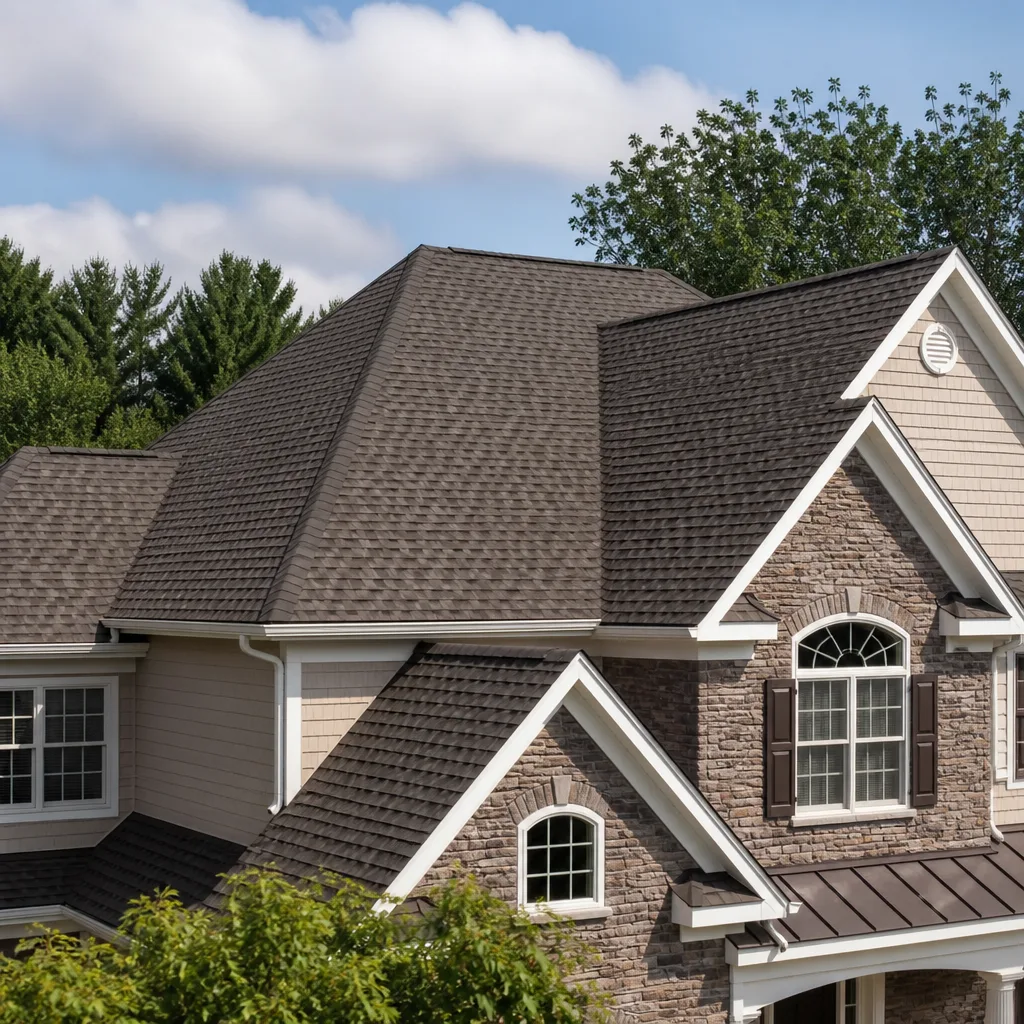


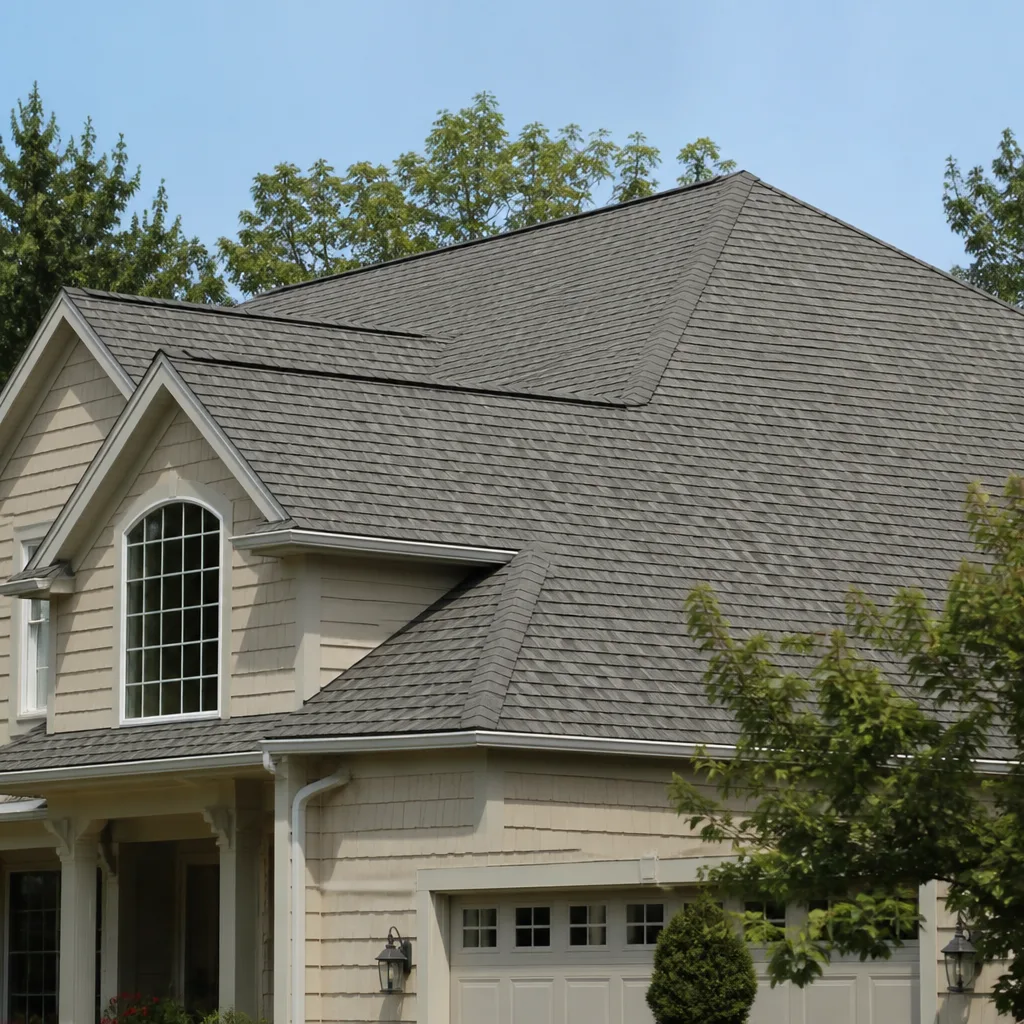
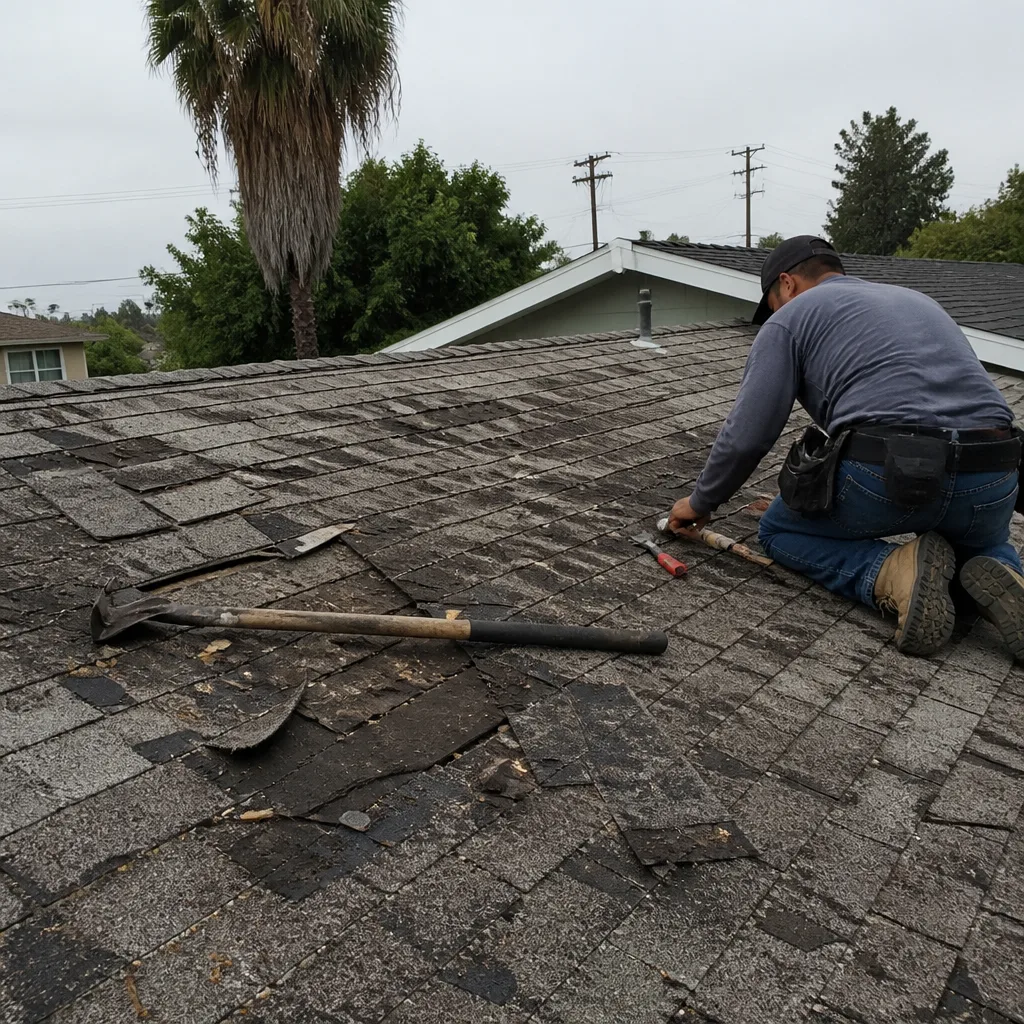 Before
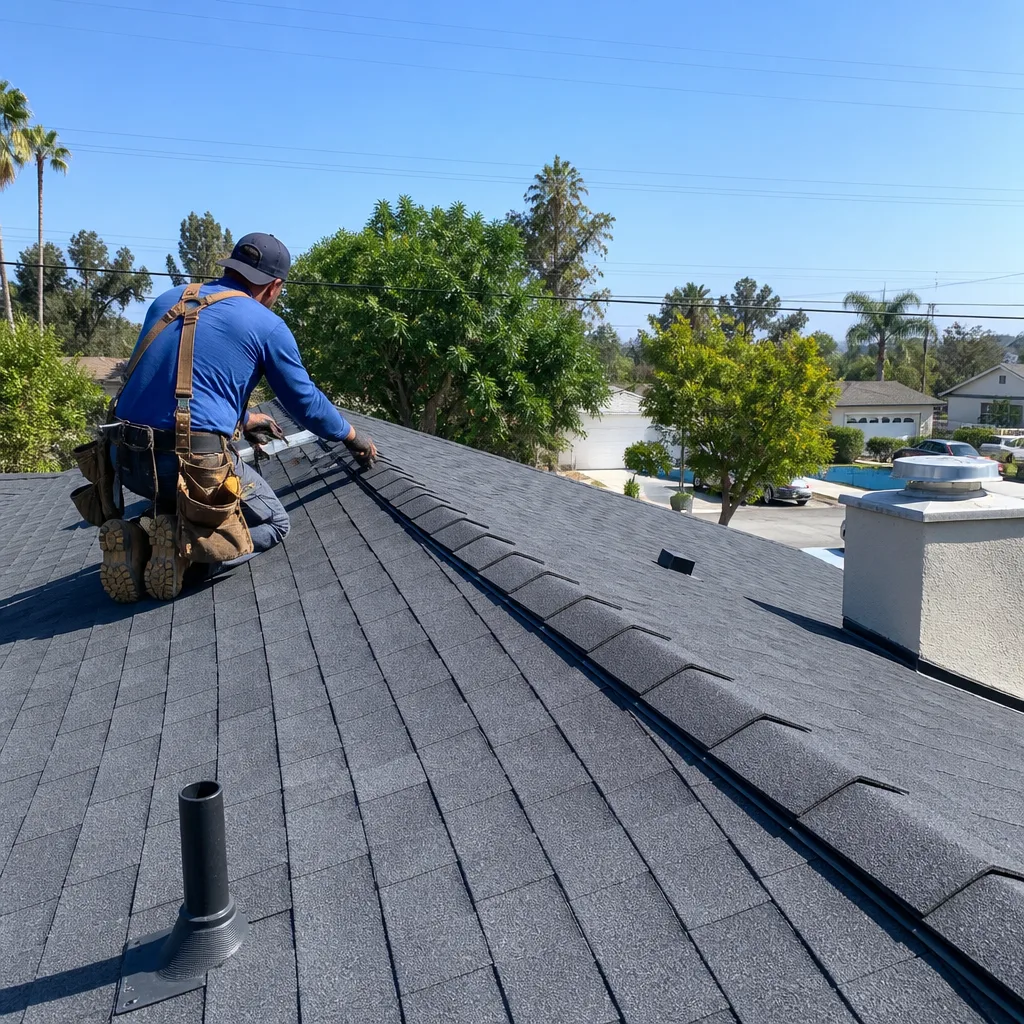 After
After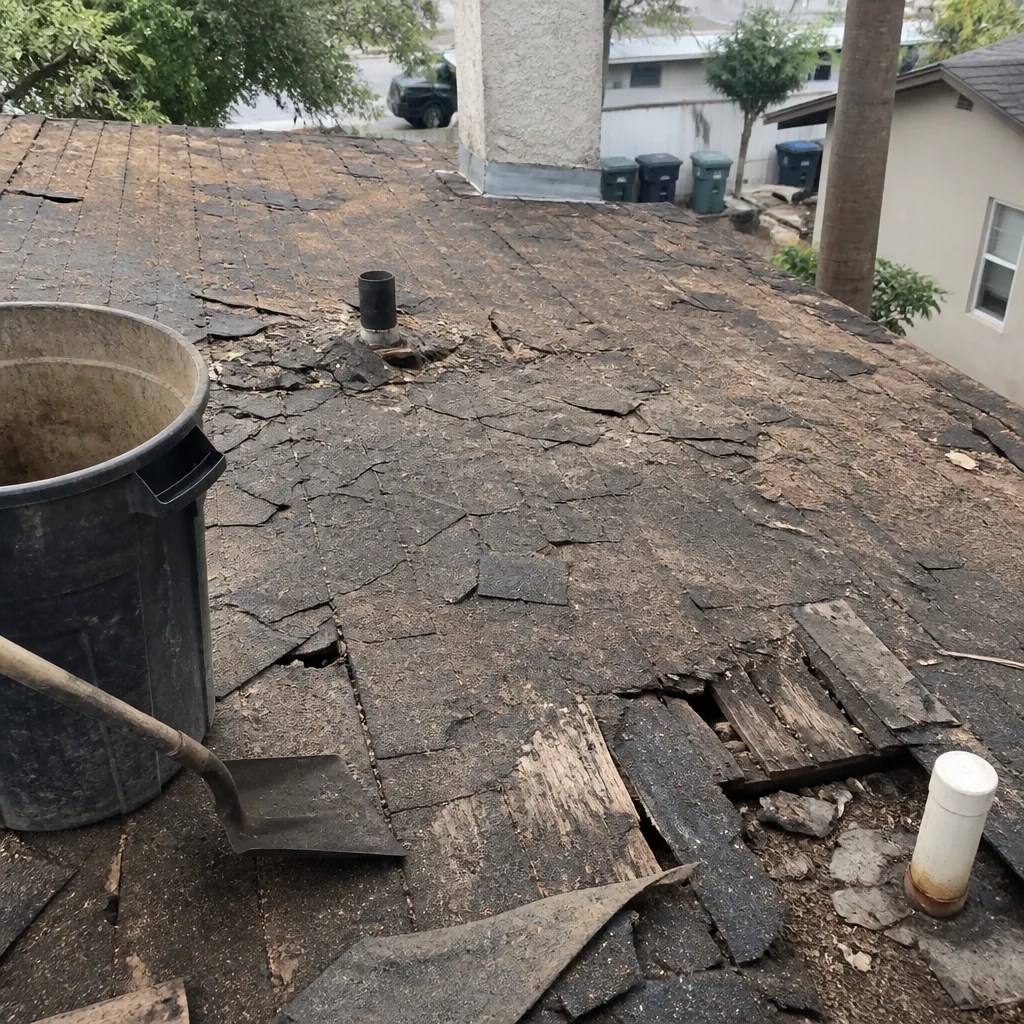 Before
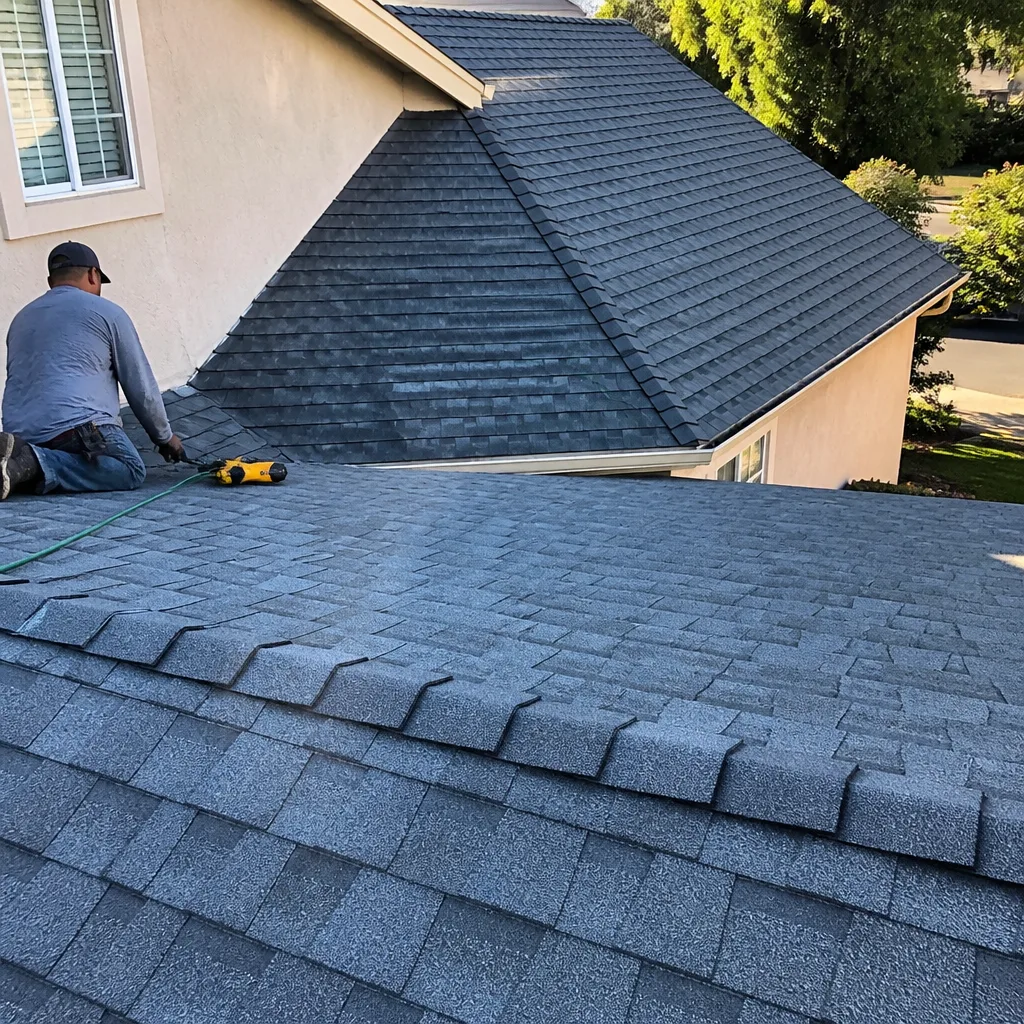 After
After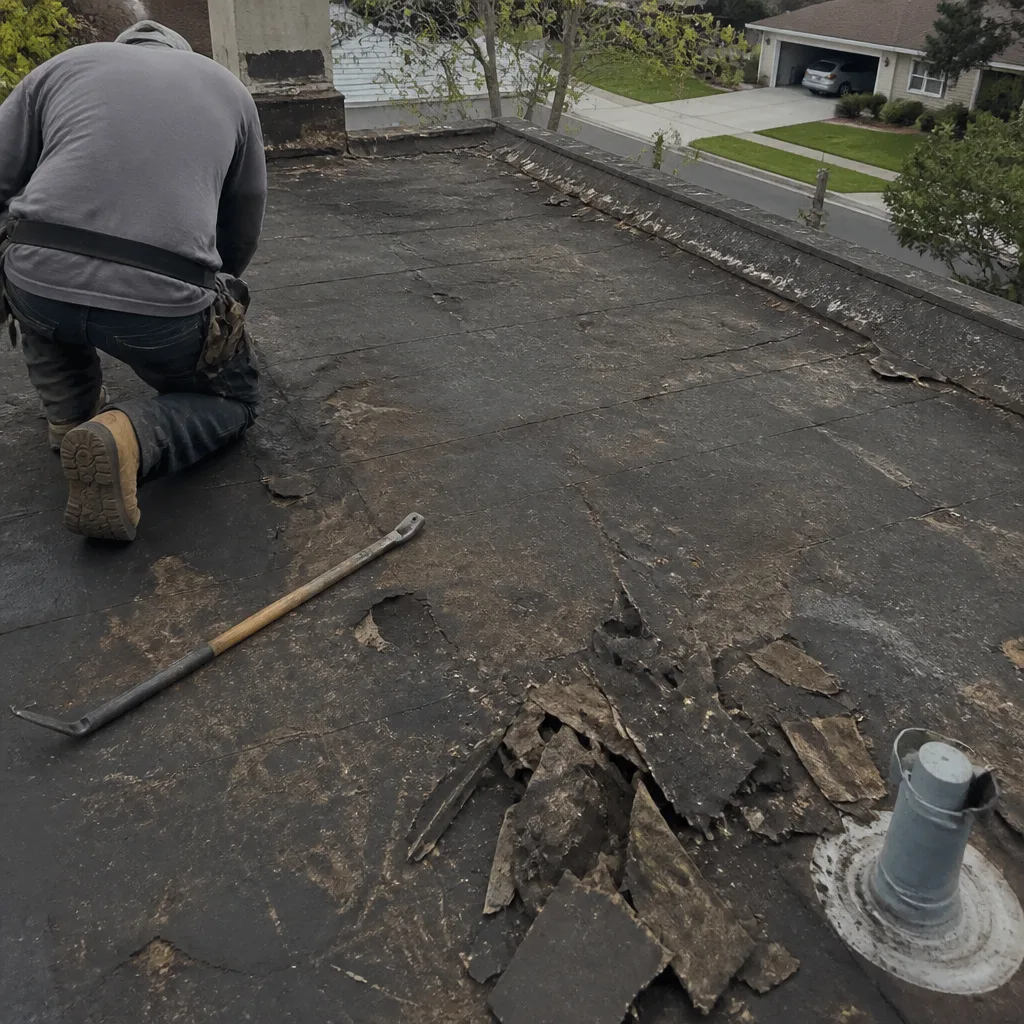 Before
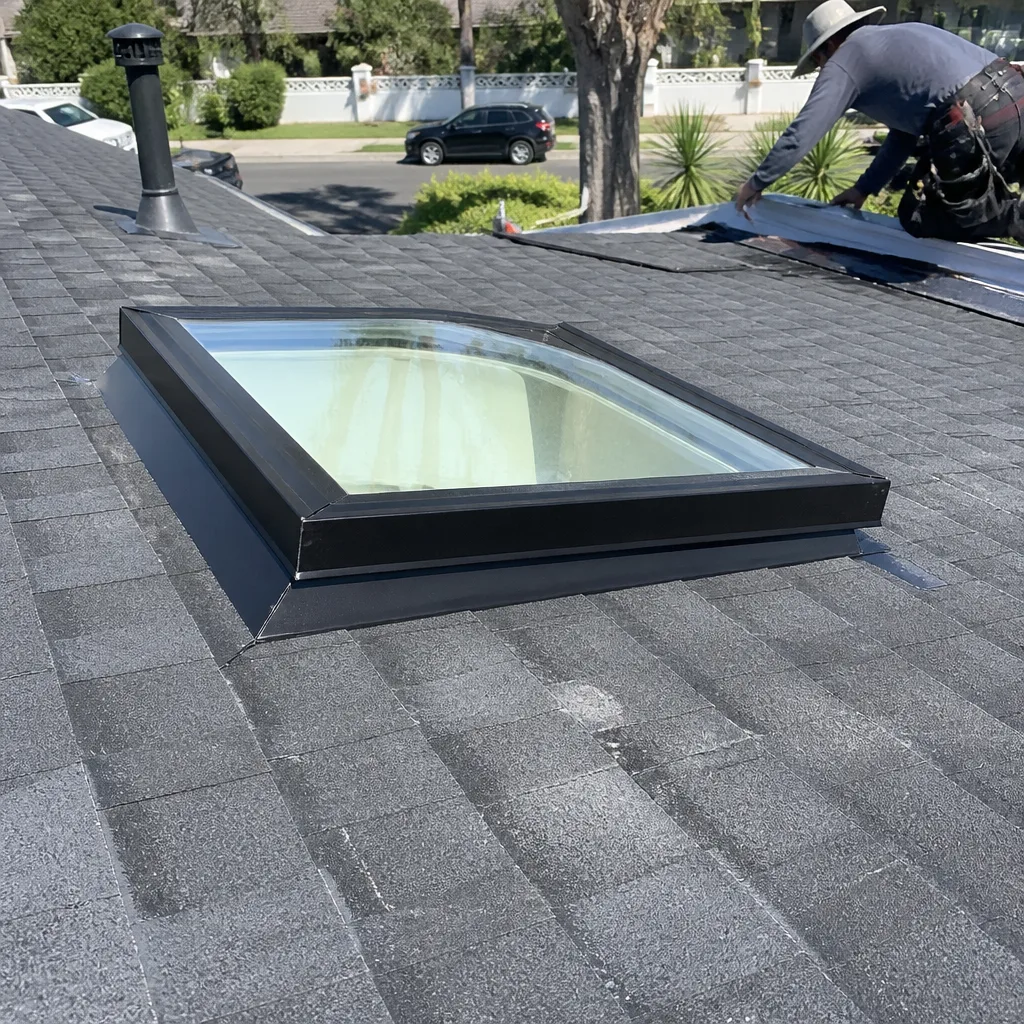 After
AfterMissing or Curling Shingles
What’s Happening
Missing or curling shingles almost always mean your roof’s protective layer is breaking down and is no longer keeping water out the way it should. Left alone, even a few bad shingles can let moisture reach the decking underneath, which turns a straightforward repair into a much larger job. If you’re seeing this today, it’s worth getting eyes on it soon.
Shingles are your roof’s first line of defense. When they curl at the edges, lift in the middle, or go missing entirely, the layers beneath them – the underlayment, the decking, the insulation in your attic – start absorbing whatever falls from the sky. Water doesn’t need a big opening. It needs a gap, and a curling shingle gives it one every time it rains. The good news is that caught early, this is usually a repair job, not a replacement. Caught late, it becomes both.
Why It Happens
Age and Weathering
Asphalt shingles have a lifespan, and curling is one of the clearest signs they’re approaching the end of it. Over years of heat, cold, and UV exposure, the asphalt dries out and the mat underneath it contracts unevenly. What you’ll see: shingles that curl upward at the corners (called “clawing”) or that cup along the edges. If the curling is spread evenly across large sections of the roof rather than isolated to one or two spots, age is almost certainly the cause.
Poor Attic Ventilation
Heat and moisture trapped in an under-ventilated attic cook the shingles from below. The granules loosen, the mat warps, and the shingles begin to lift and buckle in ways that look a lot like age but happen much faster. A sign this is your problem: if the curling is worst on the south-facing or west-facing slopes – the sides that absorb the most heat – and your attic feels noticeably hot and humid when you open the hatch, ventilation is likely the driver.
Improper Installation
Shingles that were nailed too high, too low, or without enough overlap can fail years before their rated life is up. The failure usually shows up as shingles that lift at the bottom edge in a fairly uniform pattern along a course (a horizontal row). If you have records of recent roofing work and the lifting started not long after, or if it’s concentrated in one section that was patched or replaced, installation error is worth asking about.
Storm Damage and Physical Impact
High winds can lift shingles and break the seal strip that holds them flat, and they don’t always take the shingle with them – they just leave it loose and slightly raised. Missing shingles after a storm are obvious; wind-lifted ones less so. Look for shingles that lay flat in calm weather but flutter at the edges in a breeze, or for tabs that are bent back at an angle. Hail can also crack or bruise shingles in ways that accelerate curling even if the damage isn’t immediately visible from the ground.
What to Do Right Now
- Photograph what you can safely see from the ground. Walk the perimeter of your home and take pictures. Getting on the roof yourself carries real fall risk – leave the close-up inspection to someone with the right equipment and training.
- Check your attic for daylight or wet insulation. On a clear day, go into the attic and look toward the roofline. Any pinpoints of light coming through mean gaps that water can use too. Wet or stained insulation beneath a problem area confirms water has already been getting in.
- Put a bucket under any active drip inside the house. If you’re seeing water stains on ceilings or walls, protect your flooring and belongings now. That doesn’t fix the roof, but it limits interior damage while you wait for the inspection.
- Note when the damage appeared or was last normal. Whether it was after a specific storm, a cold snap, or a hot summer – that timeline helps a technician narrow the cause quickly during the inspection.
- Do not attempt to nail down or re-adhere curling shingles yourself. It’s tempting, but working on a roof without proper footwear, harnesses, and anchor points is genuinely dangerous, especially on any slope. A shingle that looks solid from a ladder can be brittle, and a fall from roof height is a serious injury. Call your local Tilehurst Roofing team and let a background-checked, uniformed technician handle it safely.
How We Fix It
When your local Tilehurst Roofing technician arrives, the first thing they do is a proper inspection – not a glance from the driveway. They’ll get on the roof, check the affected shingles, probe the decking underneath for soft spots, and look at the flashing around any penetrations nearby. That inspection tells them whether this is a targeted repair or whether the damage has spread far enough that a full roof replacement is the smarter call.
If it’s a repair, the technician removes the damaged shingles, checks the underlayment beneath them, and installs new shingles matched as closely as possible to your existing roof. Flashing is re-sealed where needed. If ventilation is part of the problem, they’ll tell you plainly and explain what addressing it involves.
Before any of that work starts, you’ll have a written price in your hands. That’s not a policy we bend – it’s the first of the four promises in the Kingswell Way: say the price before the work. The repair is then covered by a written guarantee, handed to you before the crew leaves the site. Under our 365-Day Done Right Promise, if the repair fails inside that period, we come back and correct it at no charge. The services that resolve this are Roof Repair and, when the damage warrants it, Roof Replacement.
Frequently Asked Questions
It depends on how many shingles are affected and whether water is already getting in. A single curling shingle with no interior signs of moisture can usually be scheduled within a normal timeframe, but every week it sits there is another week of rain, UV exposure, and potential deck damage beneath it. Missing shingles – where the roof surface is fully exposed – shouldn’t wait at all. If you’re not sure which category you’re in, call (945) 303-9821 and describe what you’re seeing; a live person will help you figure out how quickly it needs attention.
If the damage was caused by a storm, wind, or hail, it’s worth checking your policy – many homeowner’s policies cover sudden storm damage to the roof. Age-related wear is typically excluded. Your local Tilehurst Roofing team can document what they find during the inspection, which gives you something concrete to share with your insurer. Call (945) 303-9821 and we’ll walk you through what we can provide.
Repairs are the right answer when the damage is isolated and the rest of the roof has meaningful life left in it. Replacement makes more sense when curling is widespread, the shingles are well past their expected lifespan, or the decking underneath has taken on water damage across a large area. A technician can only tell you which applies to your roof after an actual inspection – anyone quoting a replacement from a photo or a driveway glance is guessing. Your written estimate will tell you exactly what we recommend and why, before anything starts.
Call us at (945) 303-9821 – a live person answers every call, day or night, weekends included. Your local Tilehurst Roofing team will find the earliest available inspection time and give you a real arrival window, not a four-hour guess. We show up in the window we gave you. That’s part of the Kingswell Way.
Get It Fixed
Call (945) 303-9821 – a live person answers right now, any hour of the day. Your local Tilehurst Roofing team will schedule an inspection, give you a written price before anything starts, and back every repair with the 365-Day Done Right Promise. No voicemail. No waiting until Monday.
Written by Greg Holloway, Owner at Tilehurst Roofing, a Kingswell family company serving homeowners nationwide since 2000.
What Our Customers Say
"Had a leak over the kitchen every time it rained hard. Two other roofers wanted to replace the whole roof. Tilehurst found the bad flashing, fixed it, and it's been dry through three storms since. Honest people."
- Gary Whitfield"The estimator climbed up, took photos, and showed me the actual problem areas instead of just talking. No pressure to replace anything that didn't need it. Repair's held up great."
- Tom Easley"Gutters and a section of shingles after a big wind. Answered the phone right away, came when they said, and the price on the quote is what I paid. Easy to deal with."
- Guillermo Saenz