
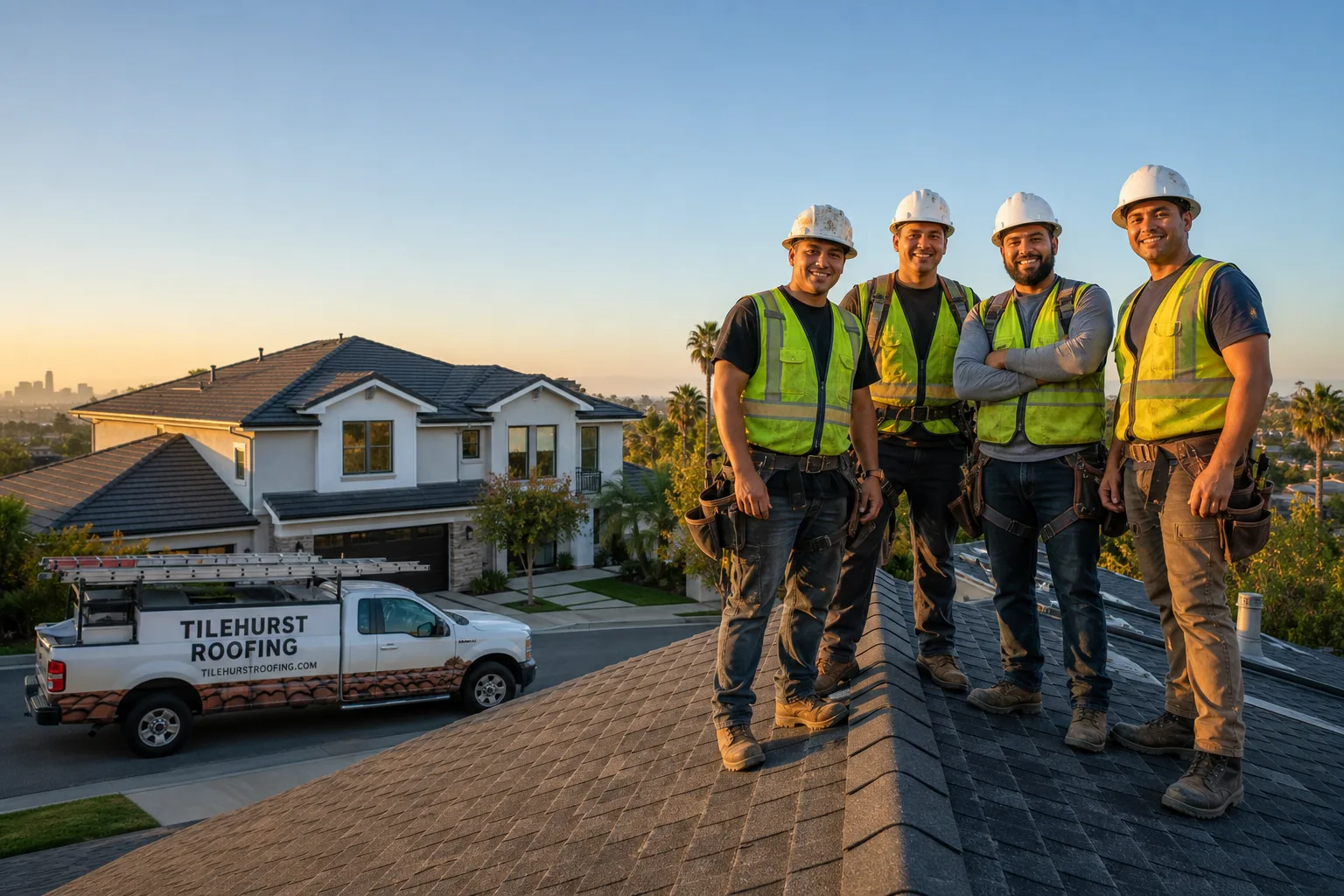
Free roof inspection with deck photos before we talk money - GAF and Owens Corning certified installation
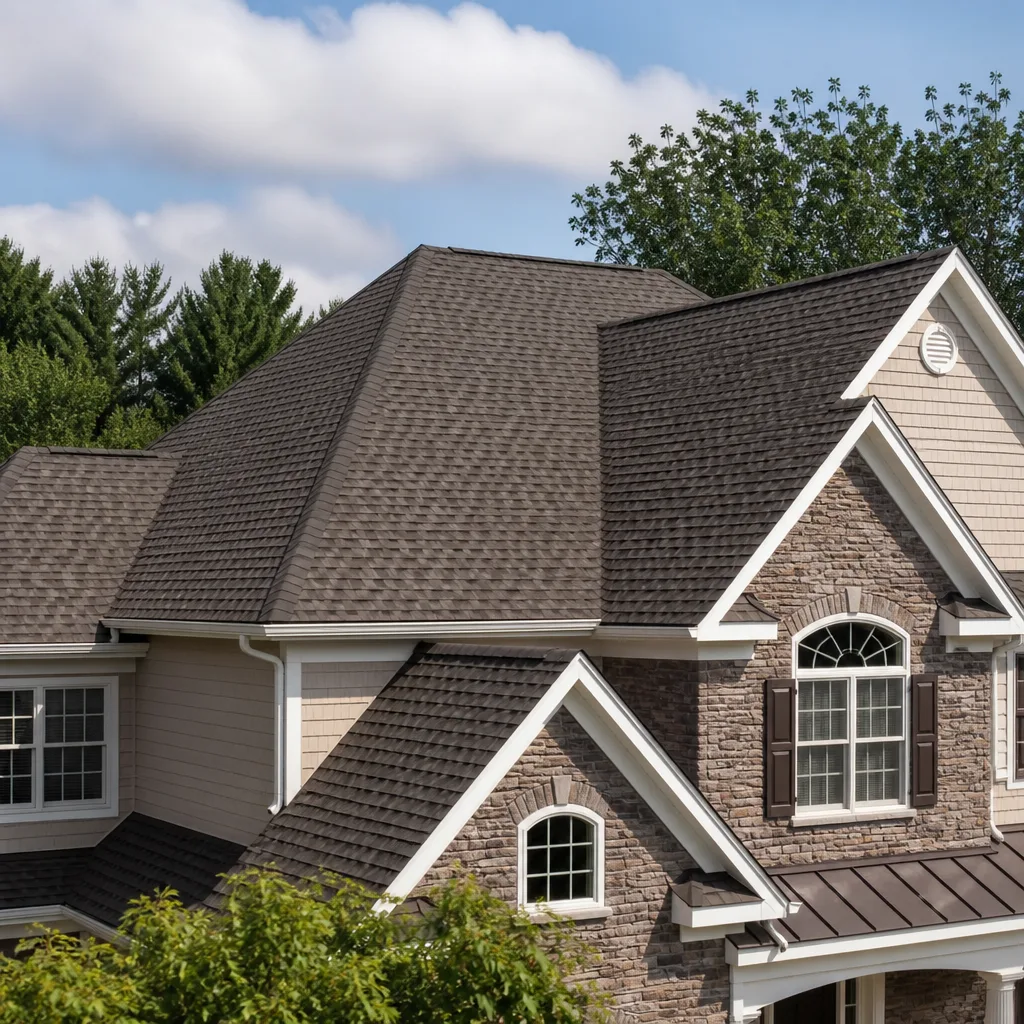
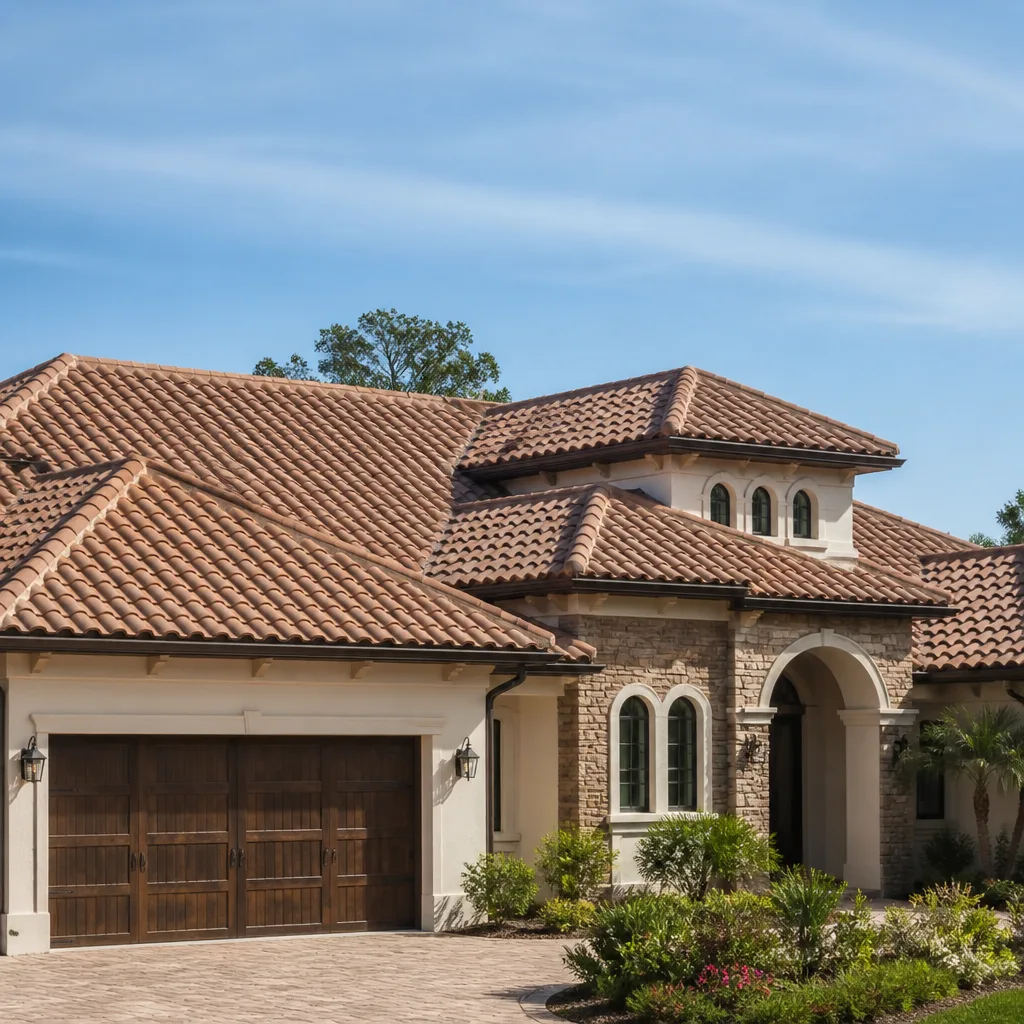
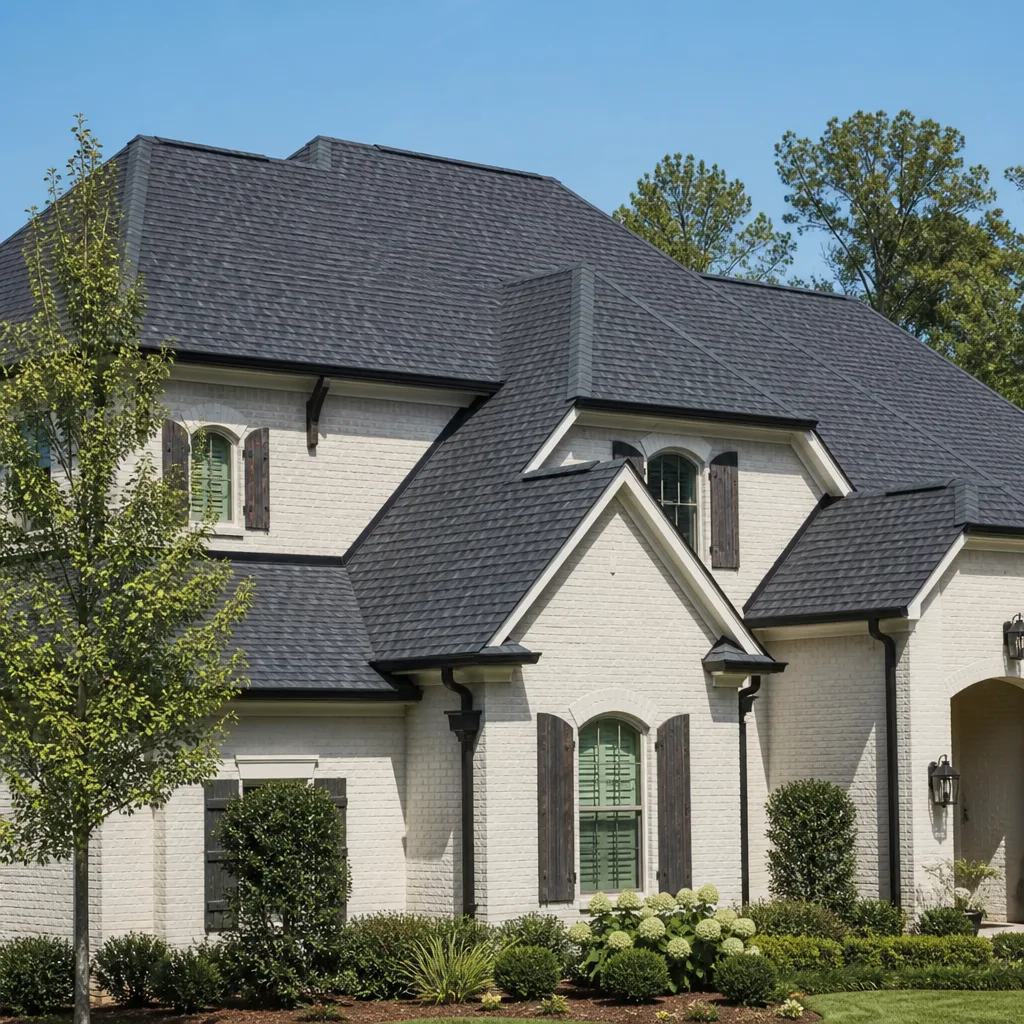
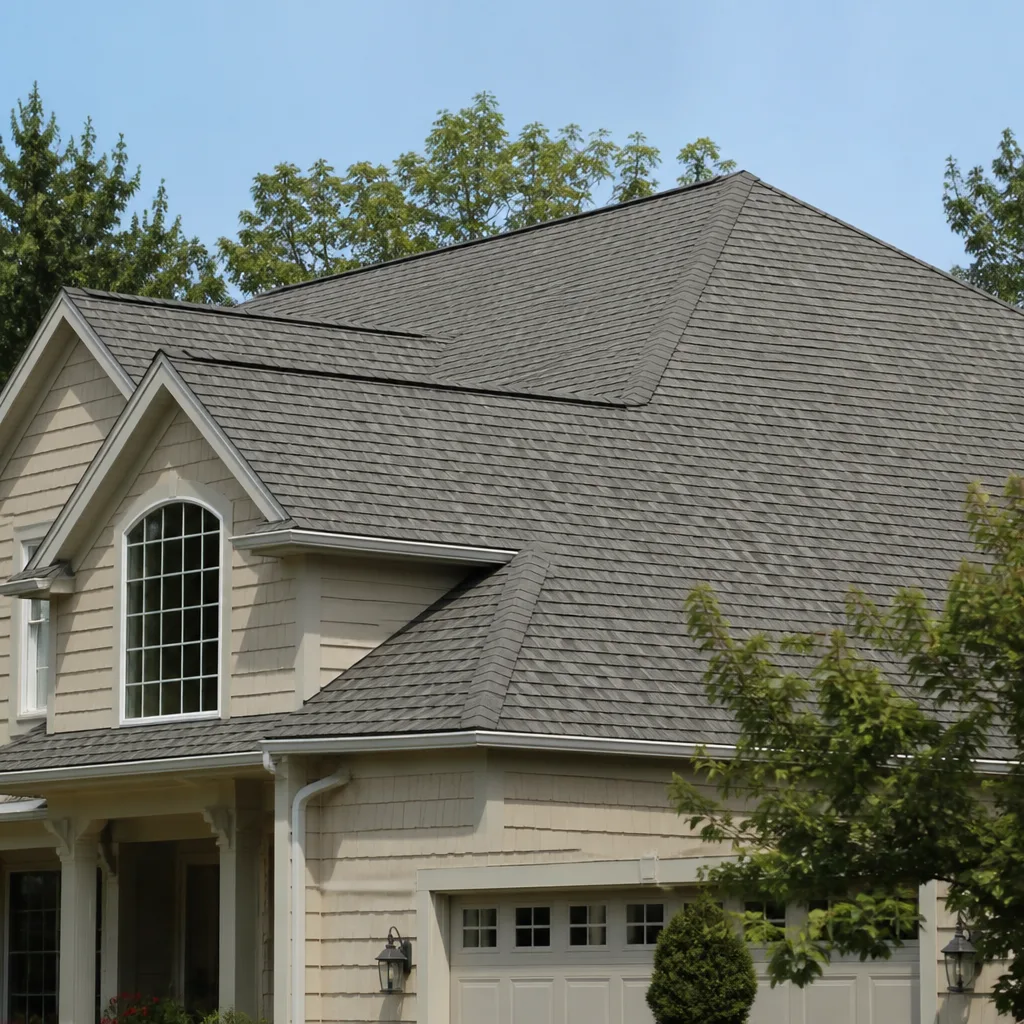
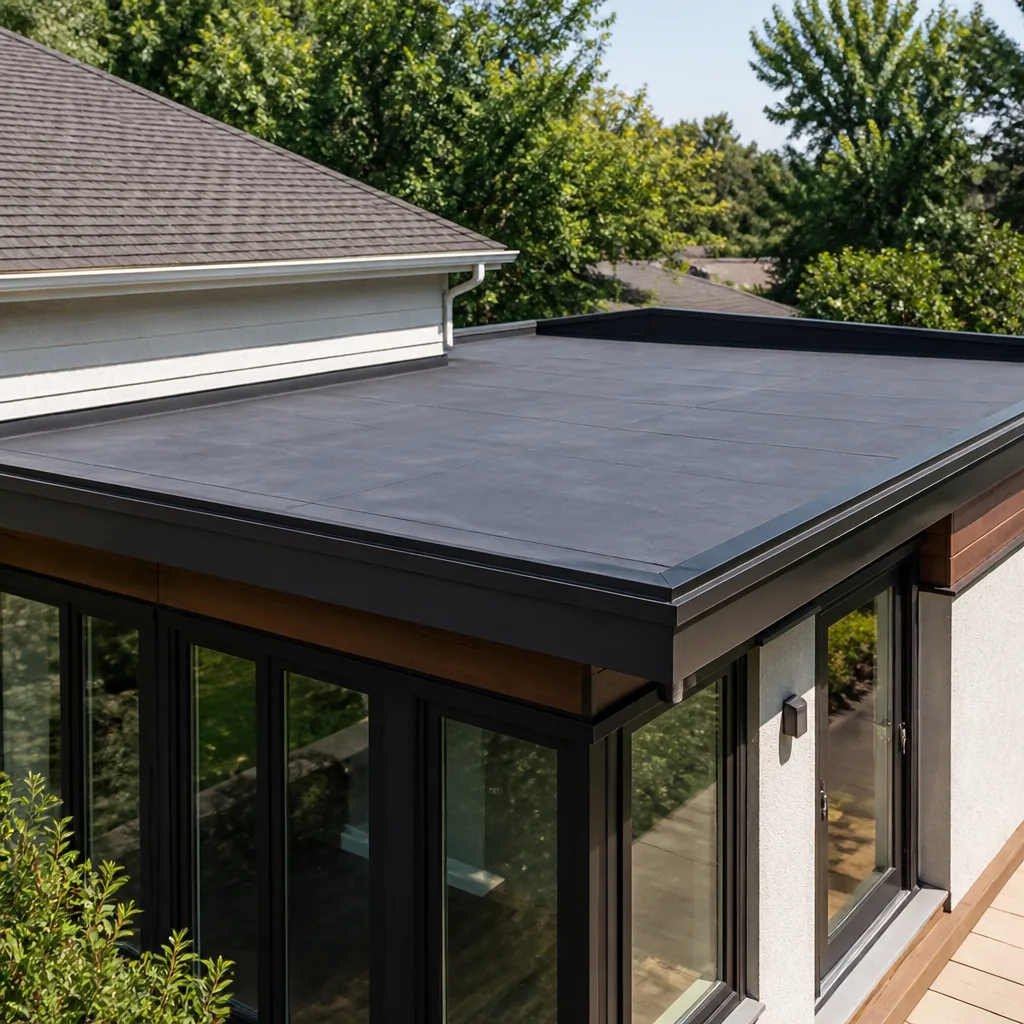
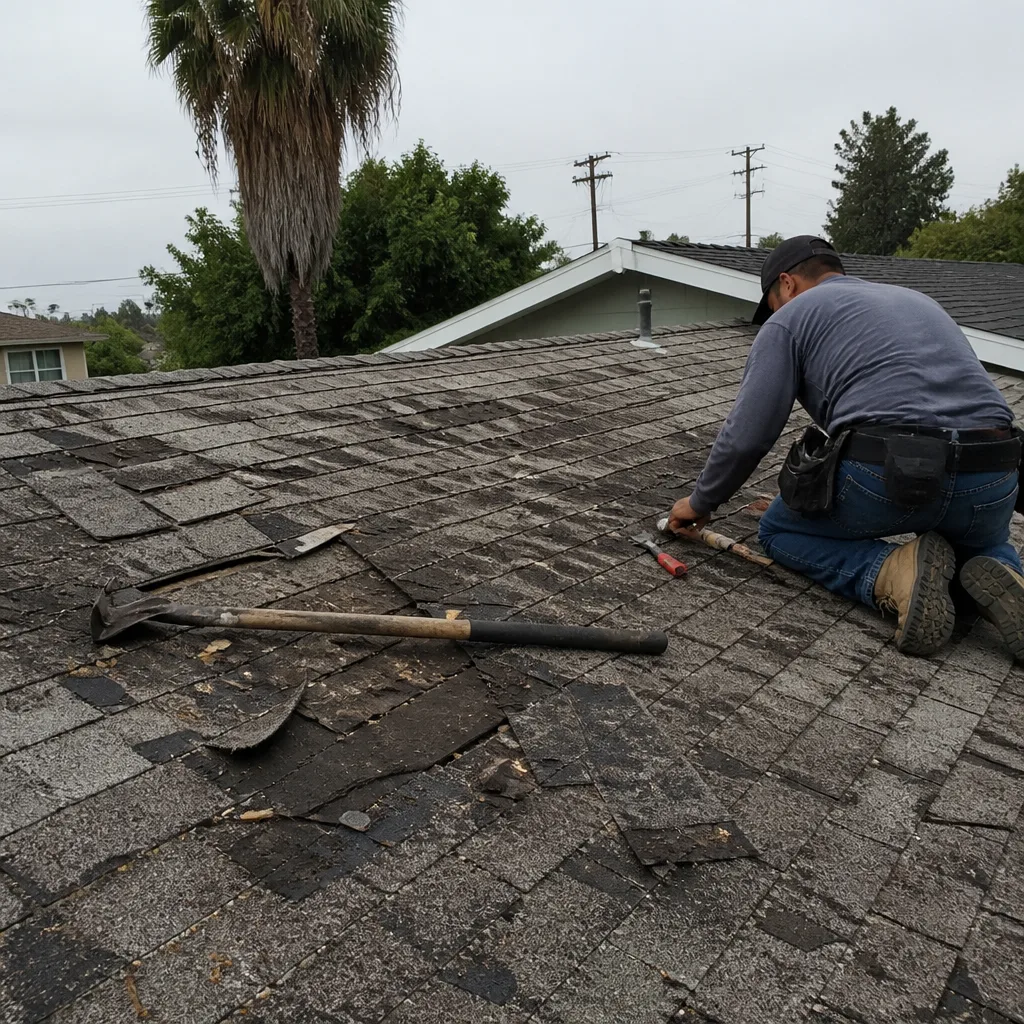 Before
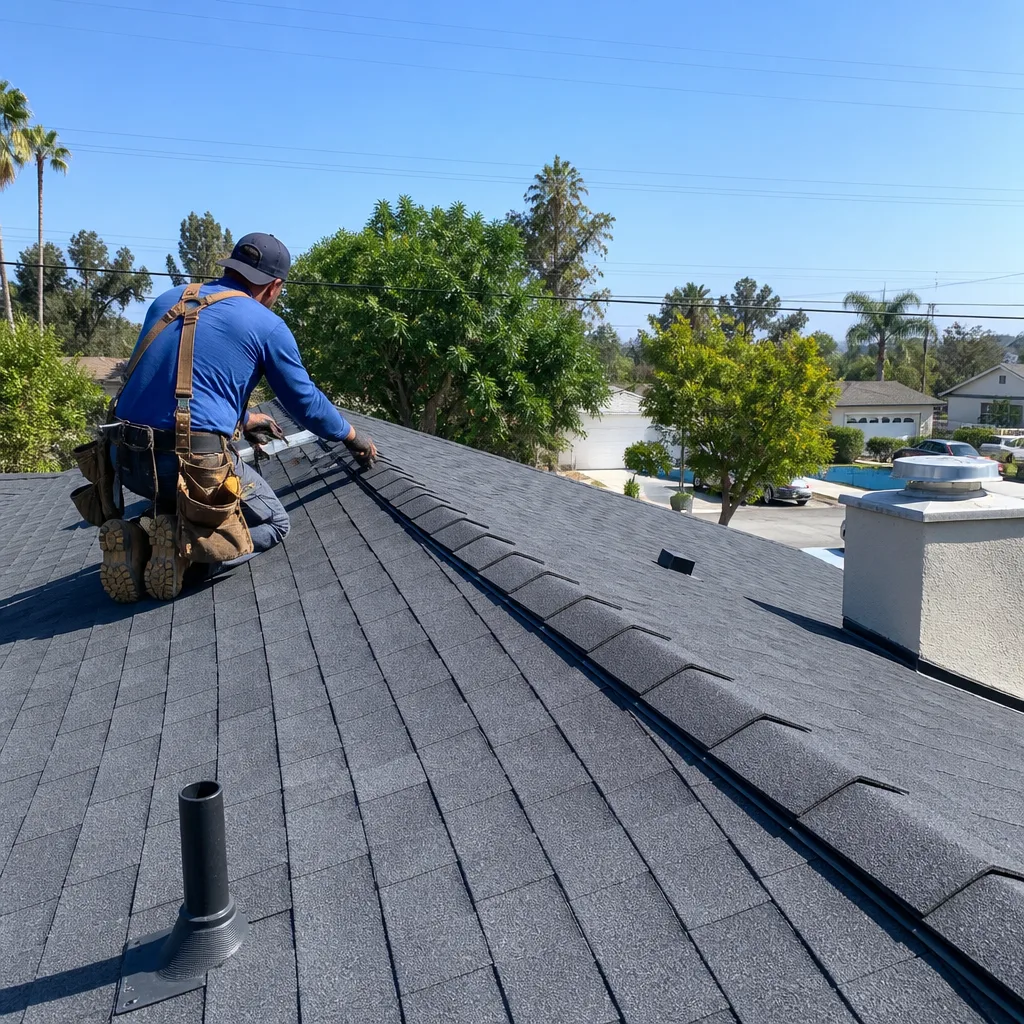 After
After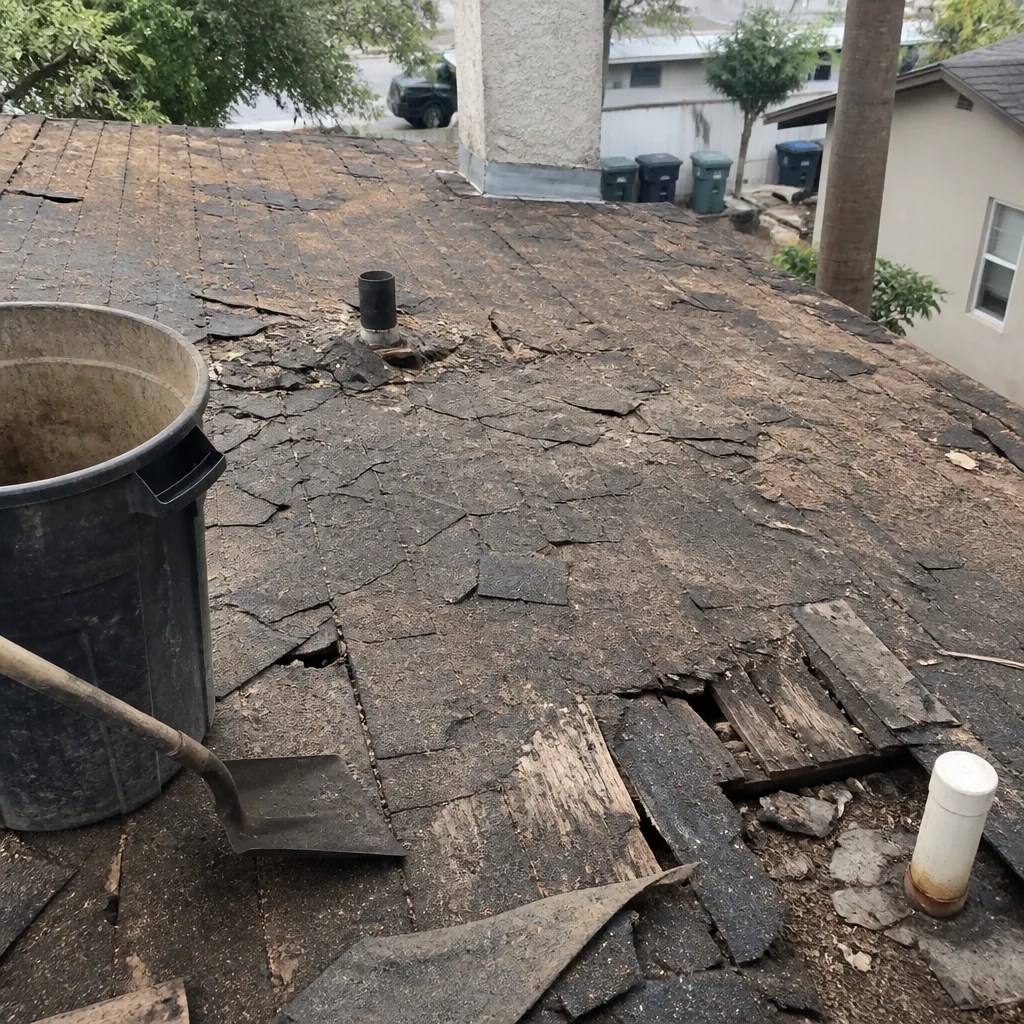 Before
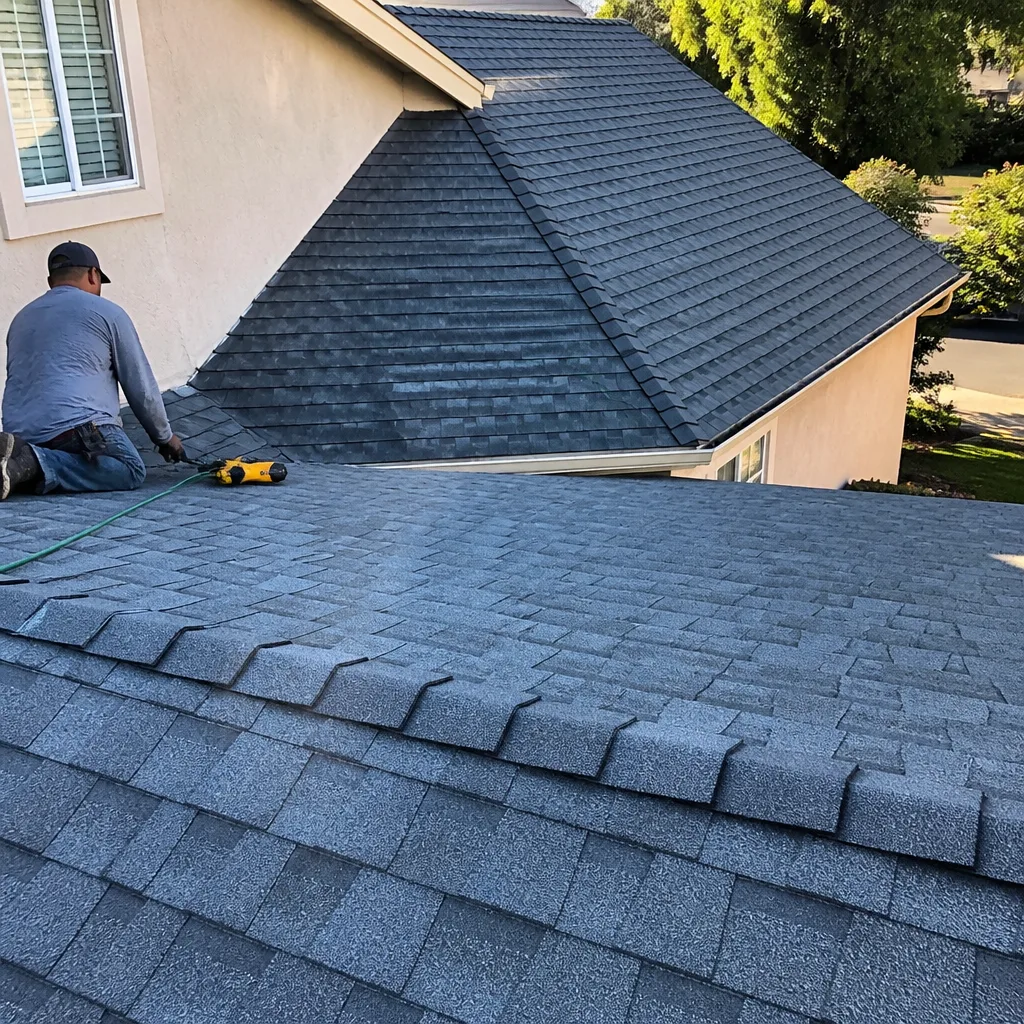 After
After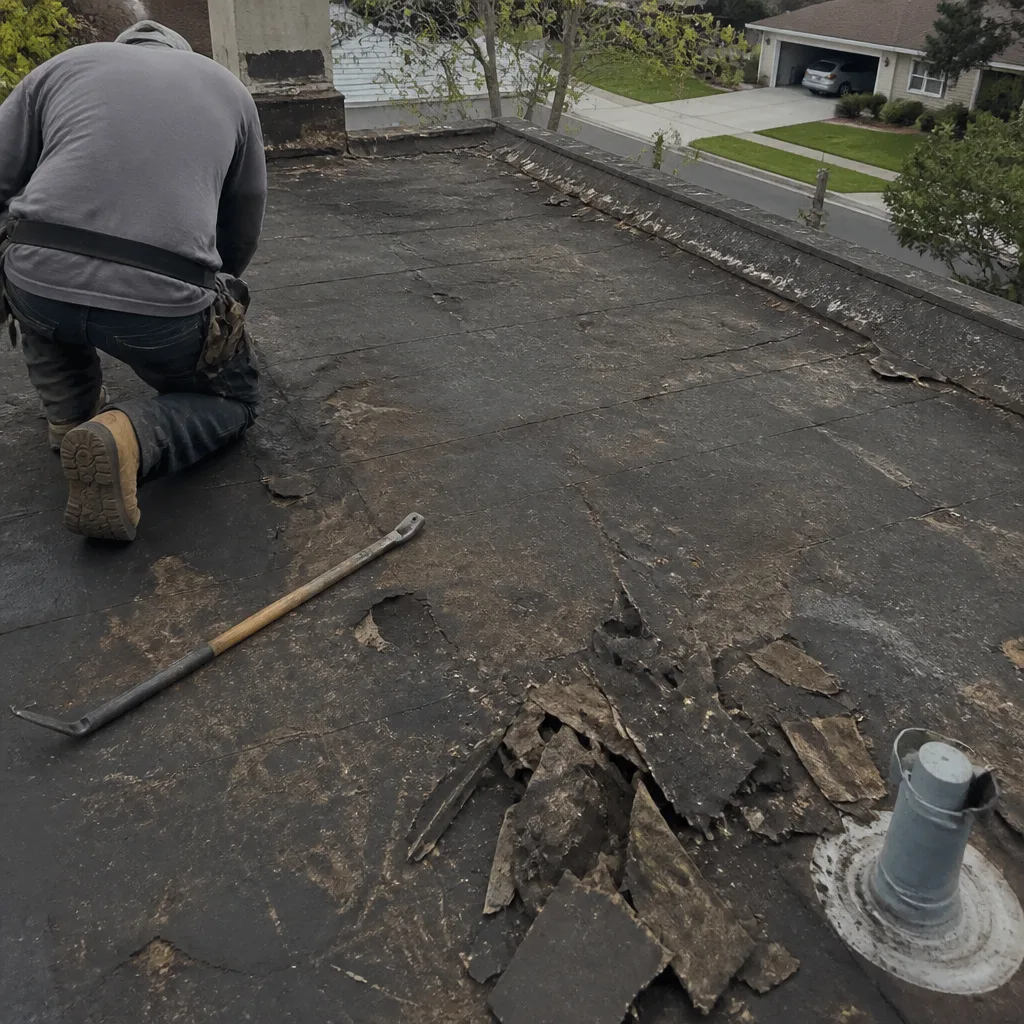 Before
 After
AfterFast, Reliable Roof Repair Across Pine Valley
Roof repair in Pine Valley, CA typically runs $450-$1,800 for most asphalt-shingle fixes, with leak repairs starting around $350 and full valley rebuilds reaching $2,500-$4,200 when decking has rotted out. Those numbers reflect the two-code reality up here: San Diego County requires Class A fire-rated materials after the 2003 Cedar Fire, and snow load at 3,700 feet demands heavier underlayment and fastener specs than anything used on the coast. We answer the phone when you call, we show up in the window we gave you, and every repair comes with a written price before we touch the roof. As our Roofing Company in Pine Valley, we back every job with local expertise. Call (945) 303-9821 to schedule a free estimate.
Pine Valley roofs fail differently than roofs 40 miles west. The ponderosa and Jeffrey pines that give this town its name drop needles year-round. Those needles pile into valleys, pack behind step flashings, and sit against parapets where they hold water against the decking and build an ignition bed when the Santa Ana winds turn the backcountry into a blowtorch. A roofer who doesn’t clear the needle beds before patching a leak is doing half a job. We clear them every time, then we fix the actual problem.
Greg Holloway leads our crews here. He’s the one who set the standard: write the price down, hand it to you, do the work, leave the place cleaner than we found it. No change orders at the door. No mystery charges after the fact. If you’ve been burned by a contractor who disappeared mid-job or a repair that opened back up after the first winter storm, you’ll notice the difference in the first five minutes on the phone.
Why Tilehurst Roofing Is Pine Valley’s Preferred Roof Repair Company
We’re not trying to be everything to everyone. Tilehurst Roofing is part of the Roof Repair network built by the Kingswell family of roofing companies, founded in 2000, but each location runs as an independent local business that has agreed to operate under the Kingswell Guarantee. For Pine Valley, that means a live person answers the phone 24 hours a day, seven days a week. Evening call during a December snow melt? You’ll get a person, not a voicemail queue. Weekend call about a valley leaking after a monsoon storm? Same thing.
Every repair we do in Pine Valley carries a written guarantee, and that guarantee is in your hands before the crew leaves, not mailed later. It’s called the 365-Day Done Right Promise. If a repair fails inside a full year, we come back and make it right at no charge. That’s not a marketing line. It’s the policy we’ve run under since the Kingswell umbrella started doing residential roofing, and it applies here as much as anywhere else.
The technicians who show up at your door are background-checked and uniformed. You’ll know exactly who is on your roof, and they’ll know Pine Valley. They can tell you whether your drip edge is original to a 1980s cabin or spec’d for a post-Cedar Fire rebuild. They know the difference between a needle-blocked valley and a failed underlayment seam, and they don’t guess. They inspect, they explain, and then they hand you a written line-item price.
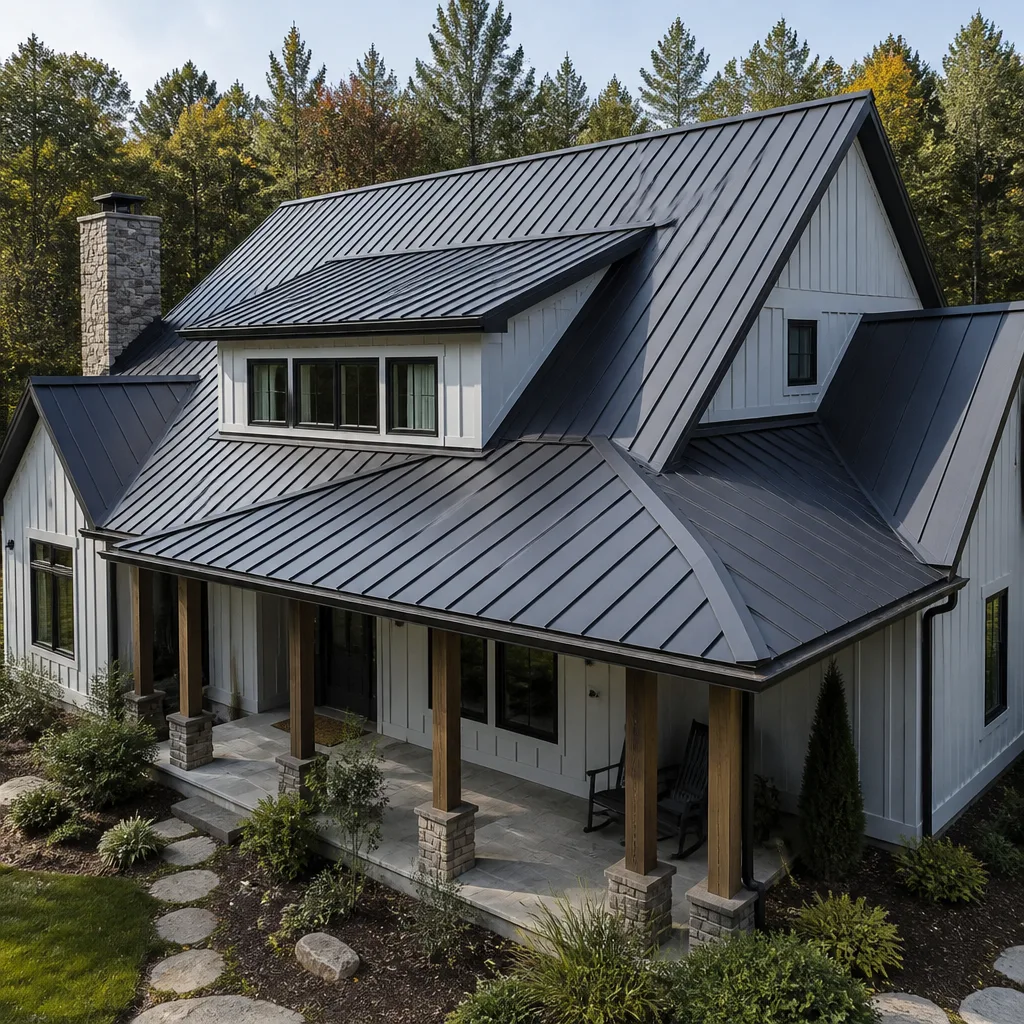
Metal Roof Repair in Pine Valley
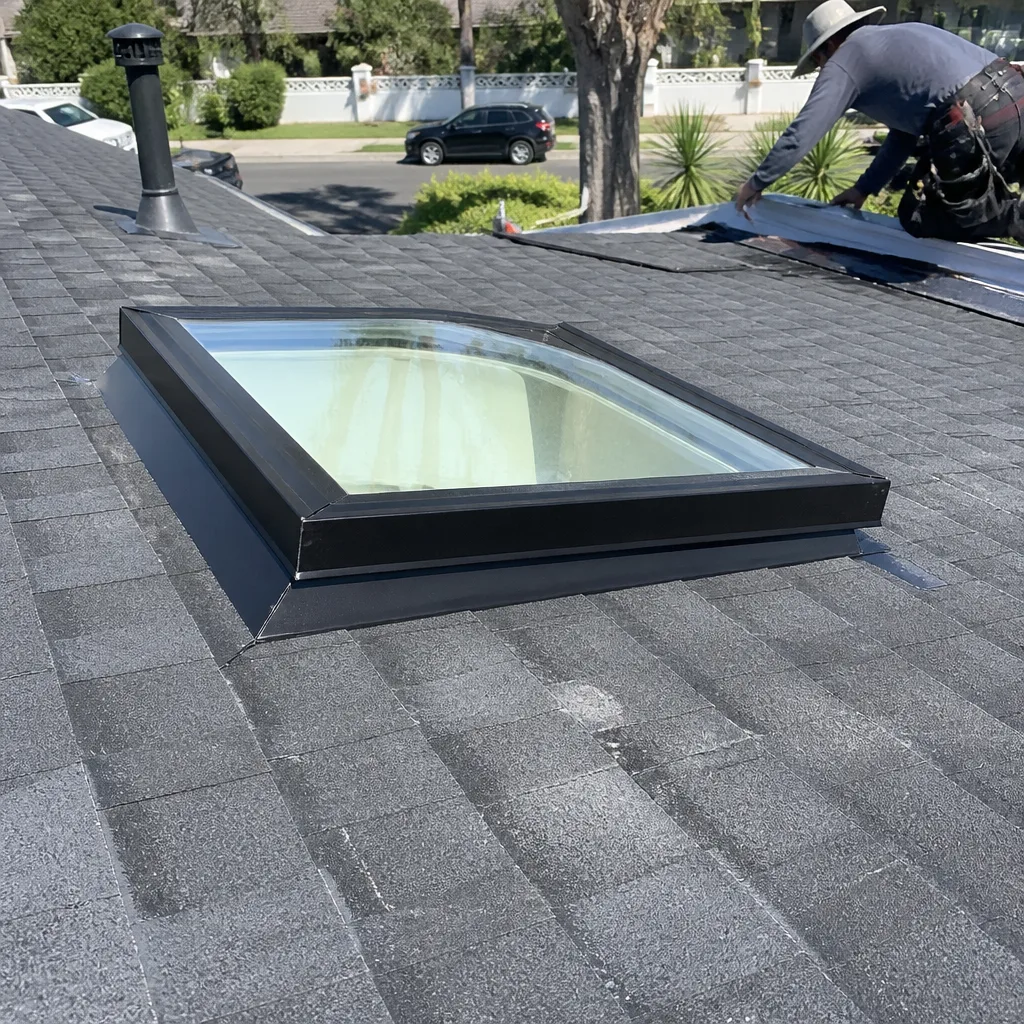
Metal roof repair in Pine Valley is a different animal than metal roof work at sea level, because the freeze-thaw cycling up here exposes every weak fastener and every undersized flashing within a few winters. Most metal roofs in Pine Valley are standing-seam panels or ribbed ag panels, and the failures we see are almost never the panels themselves. It’s the fasteners backing out, the neoprene washers cracking from UV, or transition flashings at chimneys, skylights, and valleys that corrode at the seams. We replace electro-plated hardware with hot-dip galvanized or stainless steel, reseat the panels, and re-seal penetrations with a snow-rated sealant that won’t turn brittle in the mountain air.
When a metal roof leaks in Pine Valley, the fix depends on exactly what failed. A backed-out fastener is a $200-$500 job, including resealing the surrounding panel laps. A rusted transition flashing or a failed end lap can run $800-$1,500 if the underlayment beneath the panel is still sound. If moisture has gotten into the decking and started the rot cycle, you’re looking at $2,000-$4,000 to open the roof, replace the affected deck boards, and re-install the panels to a standard that satisfies the county’s Class A requirement. We’ll walk you through the difference before we quote anything.
Standing-seam and exposed-fastener repairs
Standing-seam panels hide their fasteners under the seam caps, which means corrosion problems often hide until a snow load or a hail event pulls a panel loose. Exposed-fastener ag panels are the opposite: every screw is visible, and in Pine Valley’s monsoon hail and freeze-thaw cycles, the neoprene washers under those screws degrade faster than panels would in Alpine or Jamul. We stock replacement washers, seam caps, and panel-matching trim, so we can usually complete a repair in one visit.
Storm and hail damage on metal
Monsoon-season hail dents panels and cracks skylight curbs, while winter ice can lift poorly-lapped ridge caps. We don’t replace a whole metal roof for cosmetic hail pitting unless the owner wants it; we document the damage for an insurance claim, then repair the functional failures: split seams, blown-out fasteners, cracked penetrations. You get the photos, the written assessment, and a price that separates structural repairs from cosmetic restoration.
Commercial Roof Repair in Pine Valley
Commercial roof repair in Pine Valley means working on buildings that have to survive the same WUI fire code and snow load as the houses, but often with older low-slope systems that were installed before the Cedar Fire changed the rules. We handle small commercial buildings throughout the Pine Valley core: restaurants along Old Highway 80, the motel and market near Pine Valley Road, and a handful of office and storage structures with modified-bitumen or TPO rooftops. A commercial roof that’s holding ponding water after a winter melt, or a parapet wall with needle debris plugging the scuppers and causing water to back up under the membrane, is a repair we can usually complete without closing the business inside.
Commercial repair scopes start around $800 for a localized membrane patch or scupper clearing with re-flashing, and run up to $5,000-$12,000 for a full re-cover of a small commercial deck. We’ll always tell you whether a repair extends the roof’s service life or just postpones a replacement. If it’s time to replace, we’ll send you options from GAF, Atlas, and Tamko so you can compare warranties and fire ratings side by side before you spend a dollar.
Low-slope membrane and scupper repairs
Pine needles are brutal on low-slope commercial roofs. They wash into scuppers and box gutters during fall needle drop, clog the drains, and turn a minor rain event into a standing pond that finds every seam. We clear the debris, inspect the membrane and lap seams, and patch with a material matched to the existing system. If the scupper flashings have corroded, we replace them with galvanized or stainless assemblies that won’t rust out in two winters.
Parapet and wall flashing on commercial buildings
Parapet walls that face the afternoon sun go through daily expansion and contraction at this elevation, which pulls the counterflashing loose from the wall and opens the seam to wind-driven rain and snow melt. Needles pile against these walls and hold moisture against the flashing, so a simple caulk-and-patch job won’t last. We cut back the covering, pull the loose flashing, re-anchor it, and install a new reglet with sealant rated for cold-weather flexibility.
Common Roof Repair Problems We See in Pine Valley Homes
- Rusted fasteners failing before the shingles do. The original or builder-grade nails and flashing on older Pine Valley roofs are often electro-plated, not hot-dip galvanized, and the monsoon hail plus freeze-thaw cycling works them loose. Water gets in at penetrations and valleys long before the shingle itself wears out. We replace every exposed fastener on a repair with hot-dip galvanized hardware, then re-seat and re-seal.
- Pine needles rotting decking from the top down. The ponderosa and Jeffrey pines around Pine Valley drop needles constantly, and those needles pack into roof valleys and behind step flashings like insulation. They hold moisture against the wood, rot the deck boards, and then form a ready fuel bed during Red Flag wind events. Needle clearing is part of every repair we do, not an upsell.
- Snow and thermal expansion stressing older cabins. Pre-2003 structures up here were often built to coastal standards, not mountain standards. The roof decking and ridge vent details on those cabins weren’t sized for snow load or the freeze-thaw expansion Pine Valley gets every winter. A spot repair on an older cabin often reveals that the roof never met current Class A fire code, which triggers a county compliance review.
- Valley and flashing failures after monsoon hail. Hail at 3,700 feet hits harder than it looks, and it cracks aged flashing seams and loosens drip edge. The seams in a roof valley are already a weak point; add hail impact and thermal expansion, and they start weeping. We inspect valleys and flashings first on any leak call out here, because that’s where the water is usually getting in.
Pricing for Roof Repair in Pine Valley, CA
Here’s what Pine Valley homeowners can expect to pay, in plain numbers. A shingle replacement for a few wind-blown or hail-cracked tabs runs $350-$700. Leak repair with flashing replacement at a vent boot, chimney, or skylight is $450-$1,200. A full valley rebuild, including needle clearing, decking replacement if needed, and re-setting the step flashing with hot-dip hardware, runs $2,500-$4,200 depending on the rot. Flat or low-slope patches on a cabin or garage roof are $600-$1,100. Metal roof repairs, as covered above, span $200-$500 for fasteners up to $2,000-$4,000 for decking and panel re-installation. The biggest wild cards are decking rot and code compliance: if a repair exposes that your pre-2003 roof never met Class A, the county will require a full material upgrade, and we’ll show you the written scope and the materials list before anything is torn off.
Every Pine Valley estimate is free. You’ll get a written line-item price before work starts, with no change orders unless you add scope. Call (945) 303-9821 to schedule yours.
Trusted Brands We Service in Pine Valley
We install and repair roofing materials from seven major manufacturers, including GAF, Atlas, Tamko, and Boral, so the product fits your roof and your budget, not just whatever is on the truck. For Pine Valley specifically, we stock Class A fire-rated shingle options that meet San Diego County’s post-Cedar Fire mandate, plus the snow-rated underlayment and ice-and-water shield membranes that lower-elevation suppliers rarely keep on hand. If you have an existing Atlas or GAF roof that needs a patch or a panel replaced, we can match the profile and color in most cases, keeping the repair from reading as a scar on the roofline. We also carry Tamko’s steel shingle line for homeowners who want to replace a combustible roof with something that will never become ignition fuel.
We Also Serve Cities Near Pine Valley
Our crews run regularly throughout the backcountry and the foothills. Beyond Pine Valley, we do Roof Repair in Alpine, Jamul, Lakeside, and Ramona. Each of those communities has its own microclimate and code quirks, but the same rule applies: written price first, then the work, then the guarantee in writing.
Serving Pine Valley, CA - Our Local Coverage Area
We’re based in the Pine Valley area and know this community well. Use the map below to see our service coverage - if you’re nearby, we can almost certainly help.
FAQs About Roof Repair in Pine Valley
In most cases, San Diego County will not allow you to patch a wood shake roof in Pine Valley and call it done. Since the 2003 Cedar Fire, Class A fire-rated roofing is mandatory for any full replacement in the Wildland-Urban Interface zone, and a repair that exposes more than a small percentage of the roof often triggers a compliance review. We’ll inspect first and tell you honestly whether a patch buys you time or whether you’re required to re-roof with a Class A material like GAF architectural shingles or Atlas shake-look tiles. Call (945) 303-9821 for an assessment.
Because Pine Valley’s 3,700-foot elevation and WUI fire code require materials and labor that a coastal roofer never touches. Snow-rated underlayment, hot-dip galvanized fasteners, Class A fire-rated shingles, and ice-and-water shield all cost more than the standard coastal spec, and clearing pine needles from valleys and behind flashings takes labor hours a flat coastal roof never needs. You’re not paying extra for overhead; you’re paying for specs that will actually survive a Pine Valley winter and a wildfire inspection. An estimate is free, and it’s written down before any work starts.
At least twice a year, and ideally after every needle-drop season in the fall plus after any Santa Ana wind event that blows fresh debris onto the roof. Needles in valleys and behind step flashings hold moisture that rots decking, and they form a ready ignition bed during Red Flag warnings. If you can’t safely clear them yourself, we’ll include needle clearing in any repair visit, or you can schedule a simple maintenance call. Call (945) 303-9821 and we’ll put it in writing.
Yes, because it’s not just the snow itself, it’s the freeze-thaw cycle and the ice damming along the eaves. A few snowfall events at 3,700 feet means water that melts during the day and re-freezes overnight, backing up under the shingles and into the decking. Snow-rated underlayment and ice-and-water shield at the eaves and valleys are what keep that water out. If a repair opens up the roofline and your existing underlayment is standard felt, we’ll show you the difference and the price for upgrading the affected section.
Most metal roof failures in Pine Valley are fastener and flashing failures, not panel failures, and those repairs don’t change the fire rating of the roof at all since the metal panels remain intact. We replace backed-out or corroded fasteners with hot-dip galvanized or stainless hardware, re-secure loose panels, and re-seal penetrations. If the decking underneath has rotted from past leaks, we’ll replace the affected boards while keeping your existing panels unless they’re beyond service. The repair keeps your Class A compliance intact, and we’ll document that in writing for your insurer if they ask.
Written by Greg Holloway, Owner at Tilehurst Roofing, serving Pine Valley under the Kingswell Guarantee since the company’s founding in 2000.