

Free roof inspection with deck photos before we talk money - GAF and Owens Corning certified installation
 Before
 After
After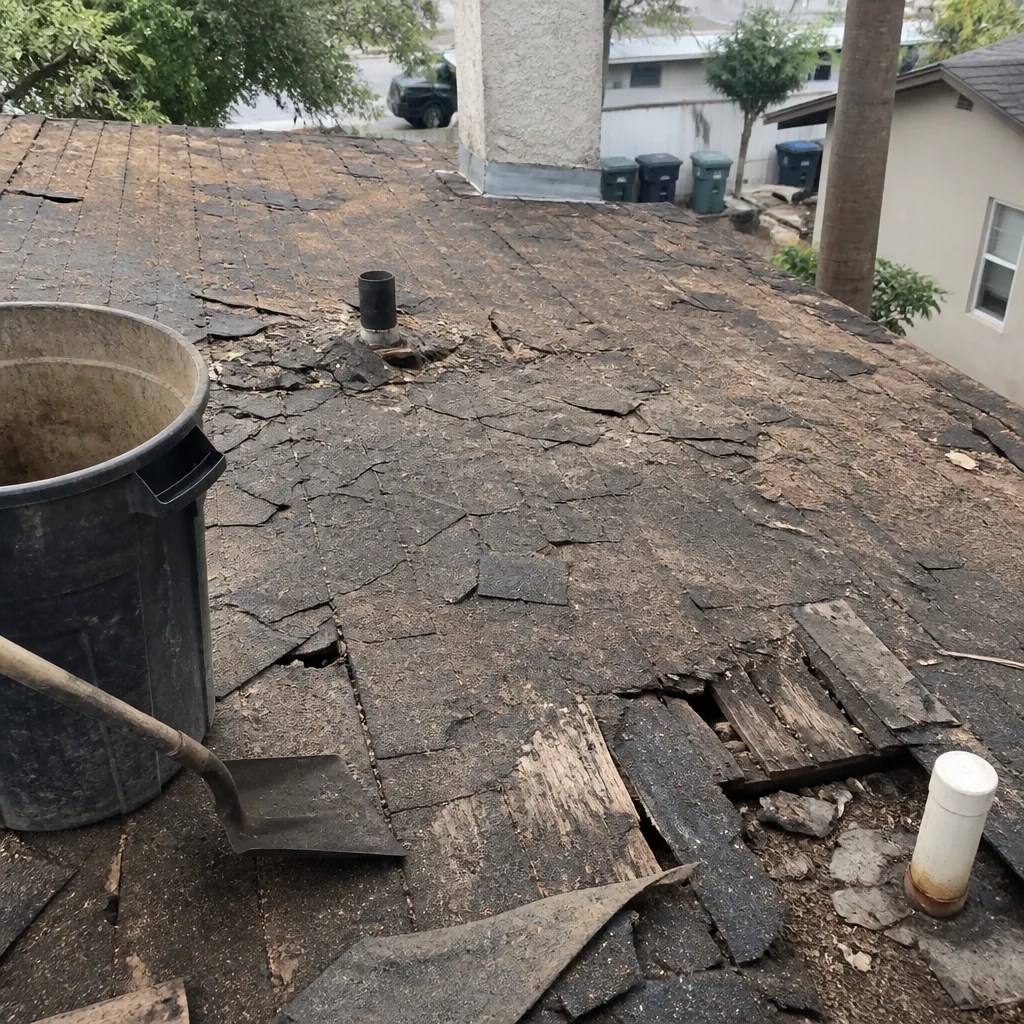 Before
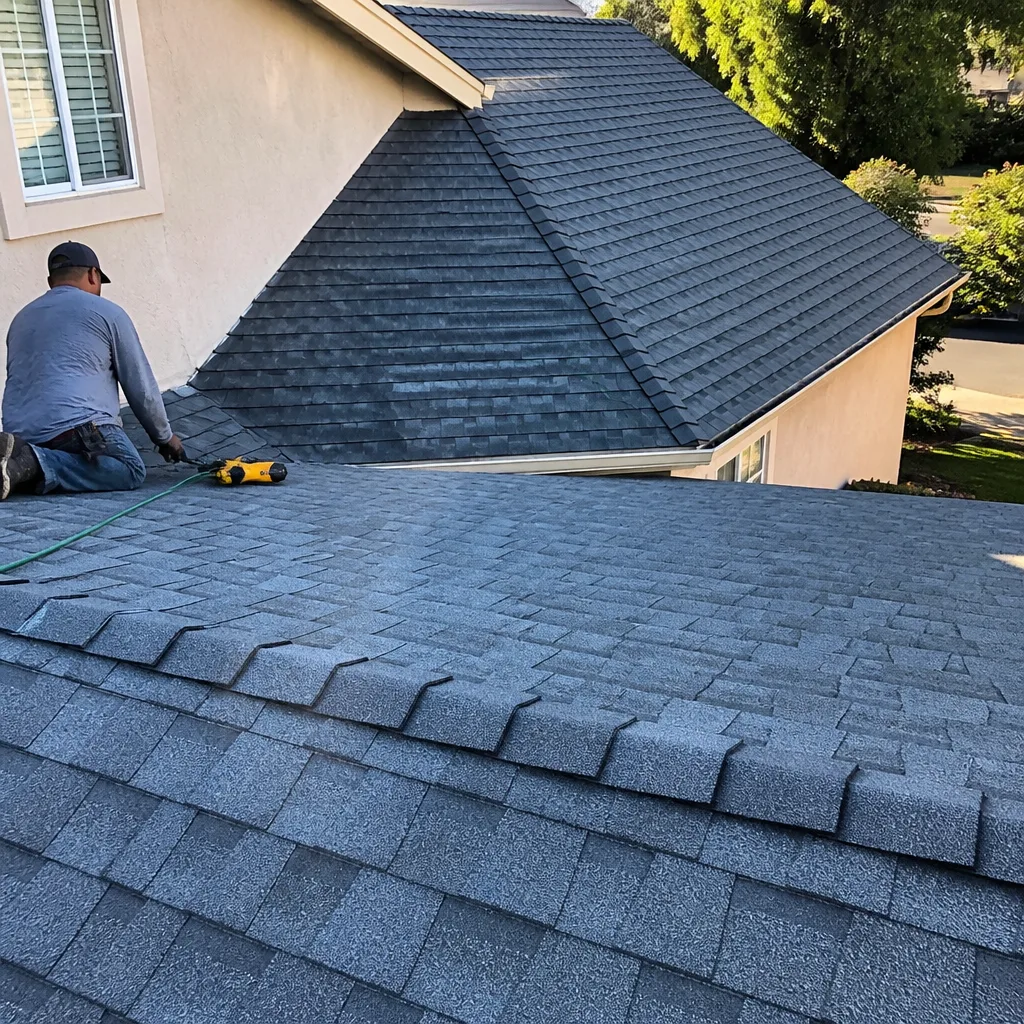 After
After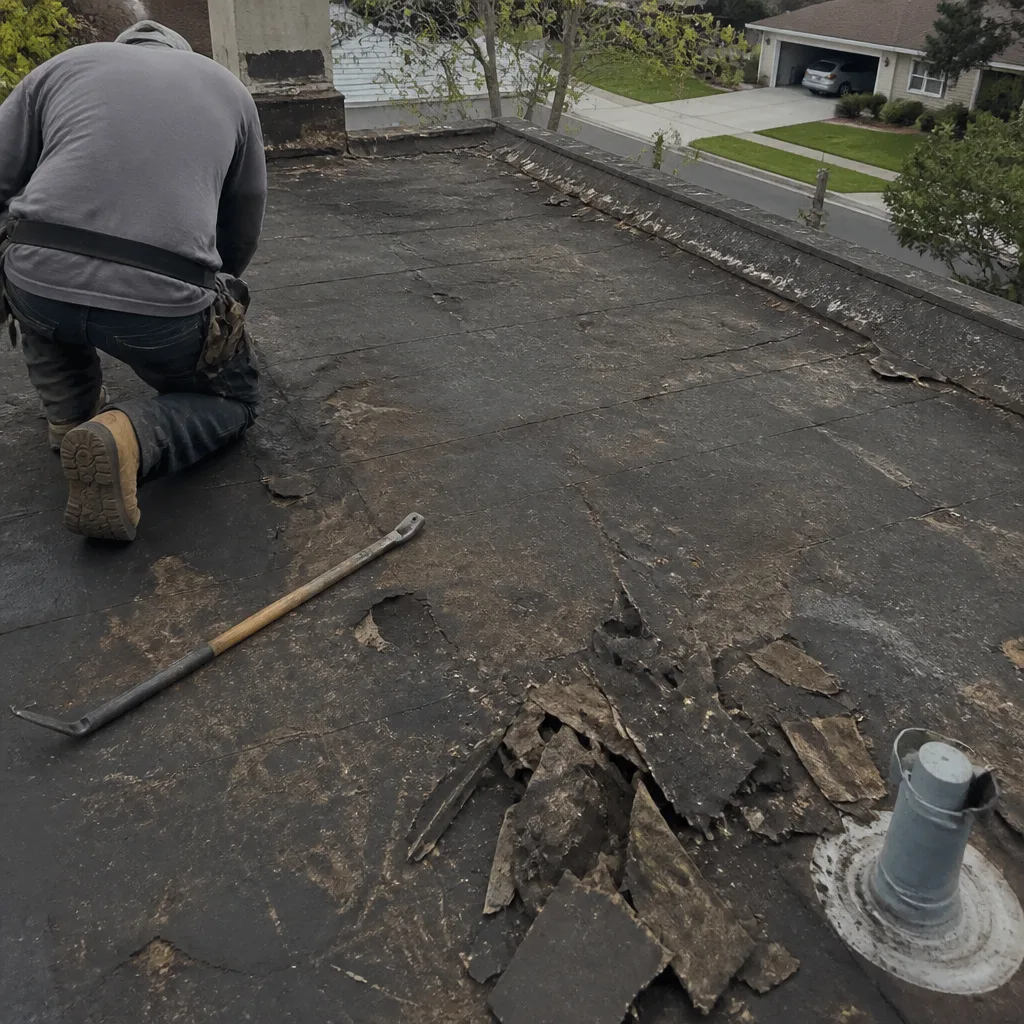 Before
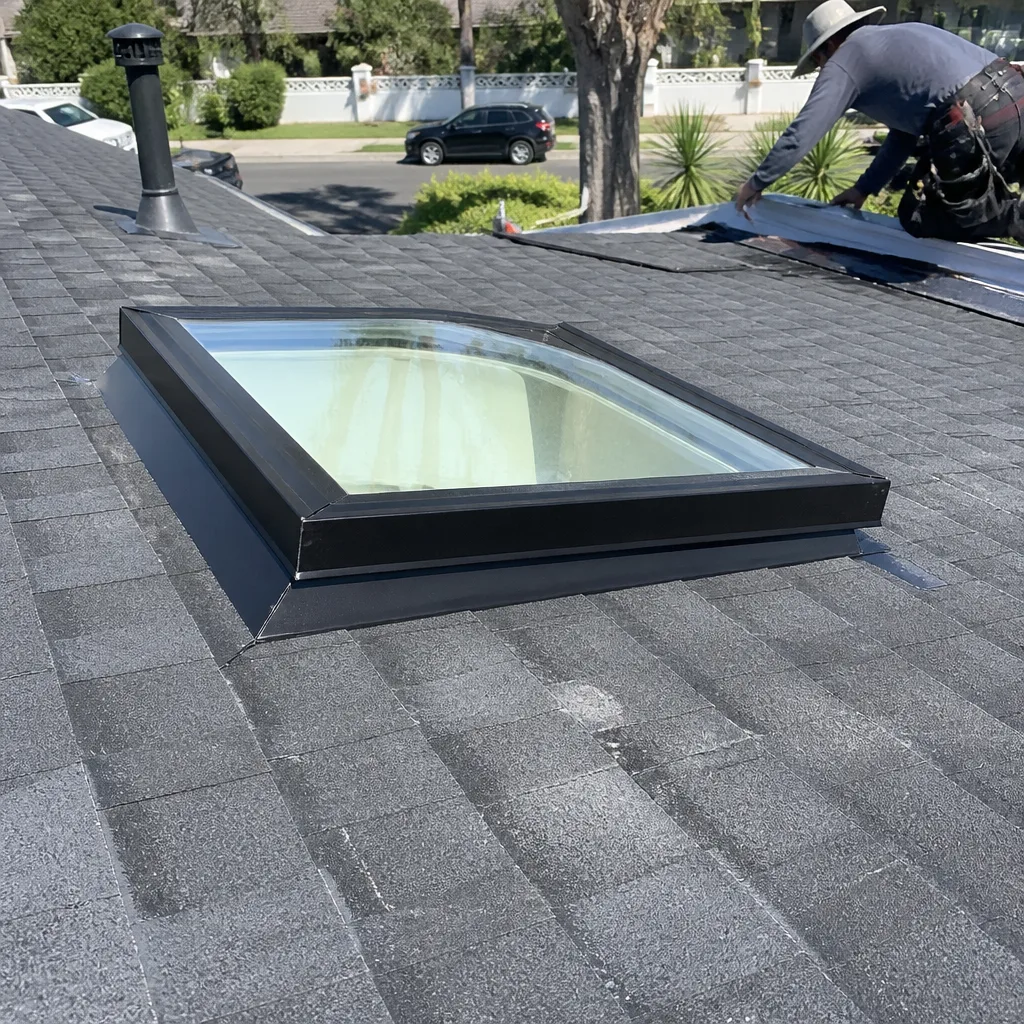 After
AfterFast, Reliable Roof Repair Across Running Springs
Roof repair in Running Springs runs $340-$980 for most leak, flashing, and shingle fixes, with flat roof patches landing closer to $450-$1,200 depending on square footage and decking damage. We’re the local Tilehurst Roofing crew serving Running Springs, and we answer the phone at (945) 303-9821 when you call. Running Springs roofs face a combination almost no other Southern California community deals with: multi-foot snow loads and Very High Fire Hazard Severity Zone code requirements at the same time. That’s why you need a roofer who understands both, not a valley crew guessing their way up the mountain.
Why Tilehurst Roofing Is Running Springs’s Preferred Roof Repair Company
We show up in Running Springs when we say we will. Every job starts with a written price before any work begins, so the number you approve is the number on the final invoice. No change orders at the door, no surprise add-ons. Our background-checked, uniformed technicians arrive in the window we gave you and leave your property cleaner than they found it. Greg Holloway leads the Tilehurst Roofing crew, and he holds every repair to the 365-Day Done Right Promise: if it’s not done right, we make it right for a full year after the job. A live person answers every call 24/7, including evenings and weekends when a Running Springs storm tears a valley open at 9pm.
Running Springs homeowners have been burned by no-shows and failed repairs. We hear it on every third call. So we put the guarantee in writing before the crew leaves, not mailed later. Every repair carries a written guarantee. If a repair fails inside the guarantee period, we return at no charge. That’s the Kingswell Way: say the price before the work, show up in the window we gave, put the guarantee in writing, come back if it fails.
Flat Roof Repair in Running Springs
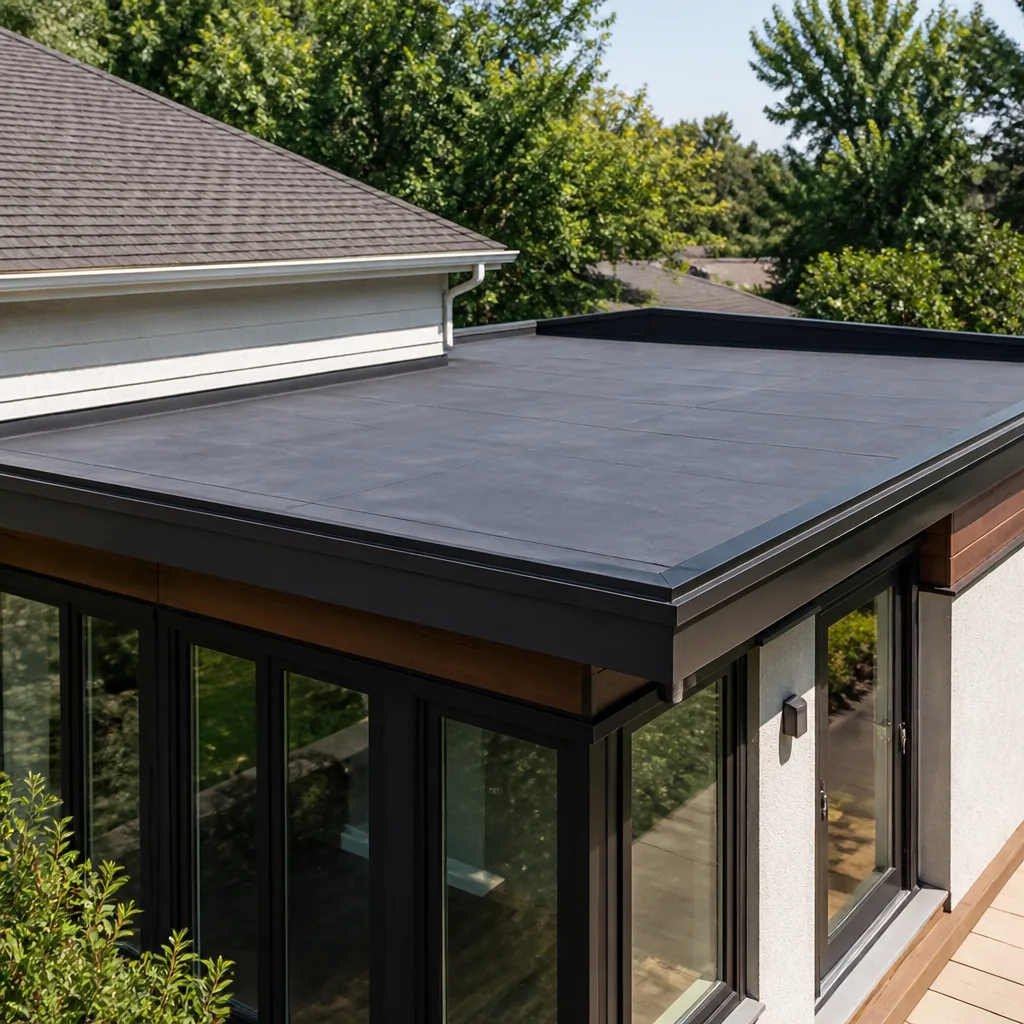
Flat Roof Repair in Running Springs is a different animal than lowland flat roof work, because the freeze-thaw cycle at 6,000 feet punishes every seam and penetration. Most flat roof sections on Running Springs cabins sit over additions, porches, or converted decks, and the original membrane was rarely rated for heavy snow sitting on it for weeks. A typical flat roof patch in Running Springs runs $450-$1,200 depending on how much decking is compromised underneath. The first thing we check is whether water is ponding, because at this elevation any standing meltwater refreezes and expands, separating the membrane at the laps.
Seam and Penetration Leaks
Flat roofs leak at the edges first: pipe boots, vent collars, and parapet seams. Decades of freeze-thaw push fasteners out of the decking and split sealant. We strip back the membrane, replace any rotted plywood, and re-flash the penetration with WUI-compliant metal before welding or adhering the new membrane. Leaving the old clogged drain pans in place means the next storm pours water right back inside.
Decking and Drainage Correction
On flat roof repairs above old Running Springs additions, we often find the slope was never enough to shed water. Repairing the membrane without addressing the slope guarantees the same puddle forms. We build a tapered underlayment to force water toward the scupper or edge, then patch the membrane. It costs a bit more, but it means the repair actually holds through a Running Springs winter.
Shingle Roof Repair in Running Springs
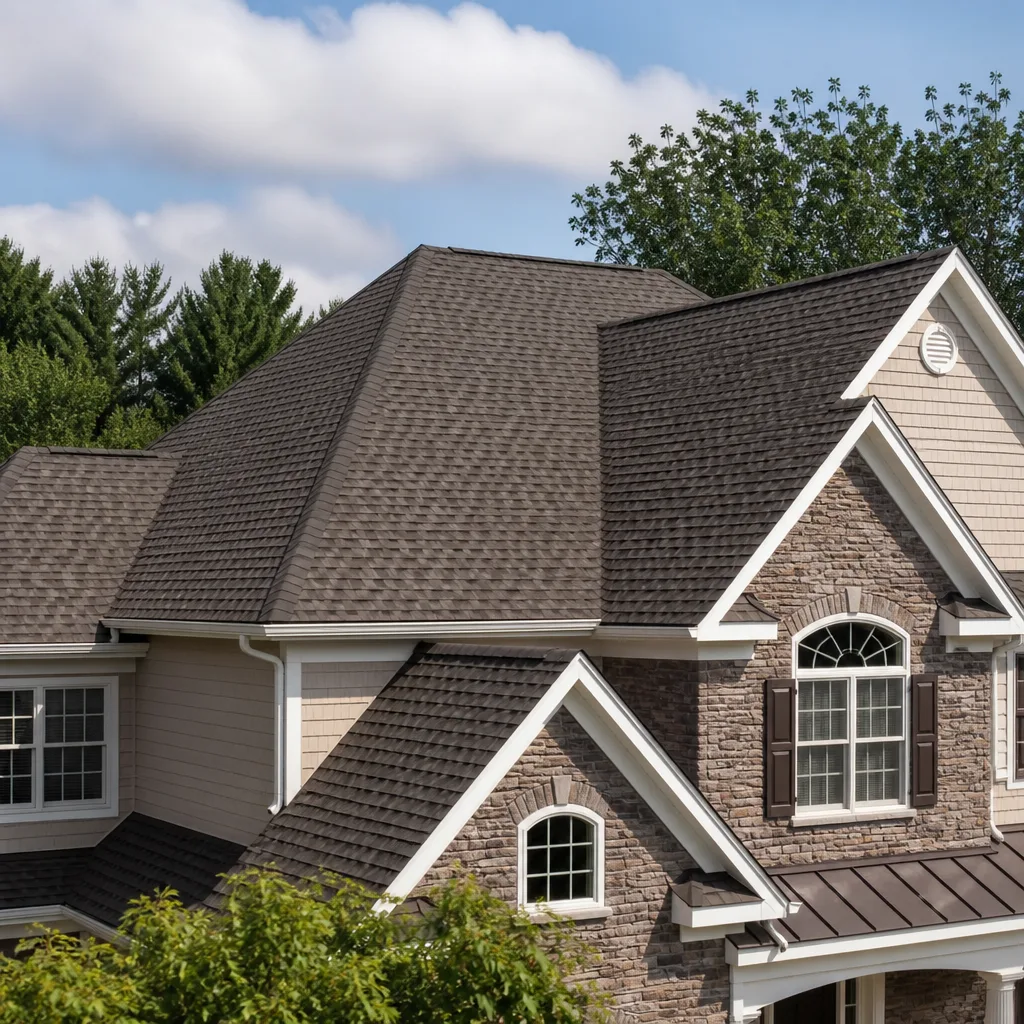
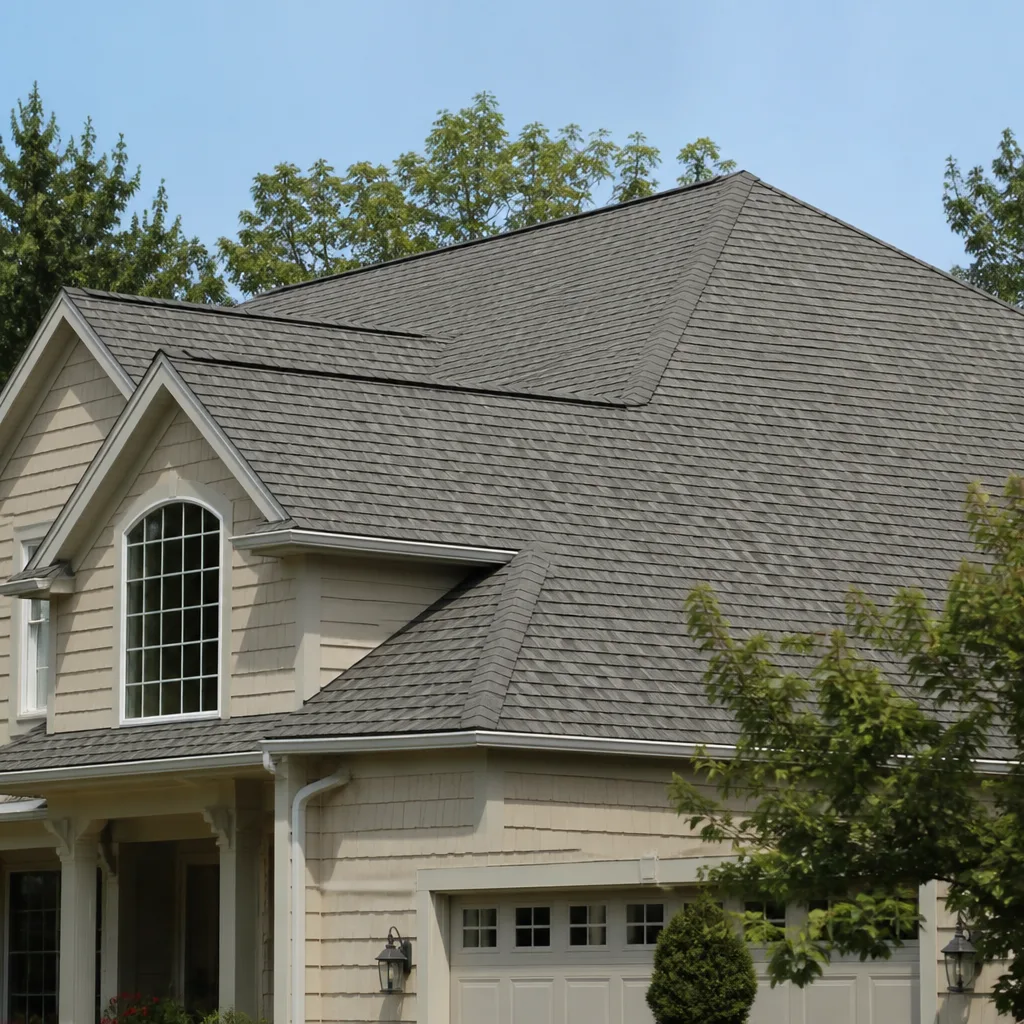
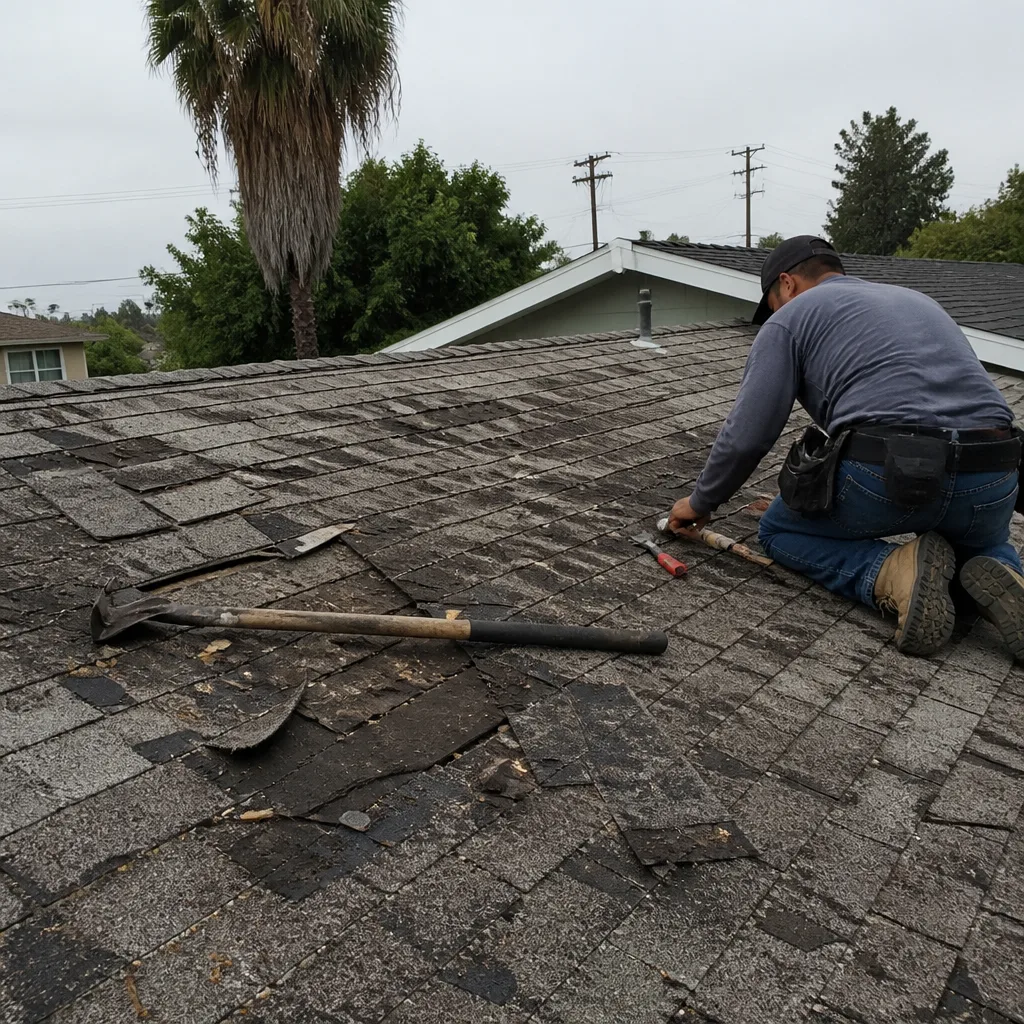
Shingle Roof Repair in Running Springs most often means replacing cracked, slipped, or ice-damaged asphalt shingles on steep-gabled cabins built between the 1940s and 1970s. Most shingle repairs run $340-$780 in this market, depending on how many shingles are involved and whether the underlying decking has rotted from years of meltwater wicking under the eaves. The truth is that many Running Springs shingle repairs turn into decking and flashing repairs once we open the roof, because the freeze-thaw cycle has been working on that wood for six decades or more.
Ice Dam Repair at the Eaves
Ice damming is the most common shingle failure mode we see in Running Springs. Snow melts on the warm roof, runs to the cold eave, refreezes, and forces meltwater back up under the shingles. The original underlayment was never rated for multi-foot snow loads. We install ice and water shield at the eaves and valleys as part of any shingle repair, then replace the damaged shingles. This is the fix that actually stops the recurring leak, not just another patch over the same failed underlayment.
Valley and Ridge Repair
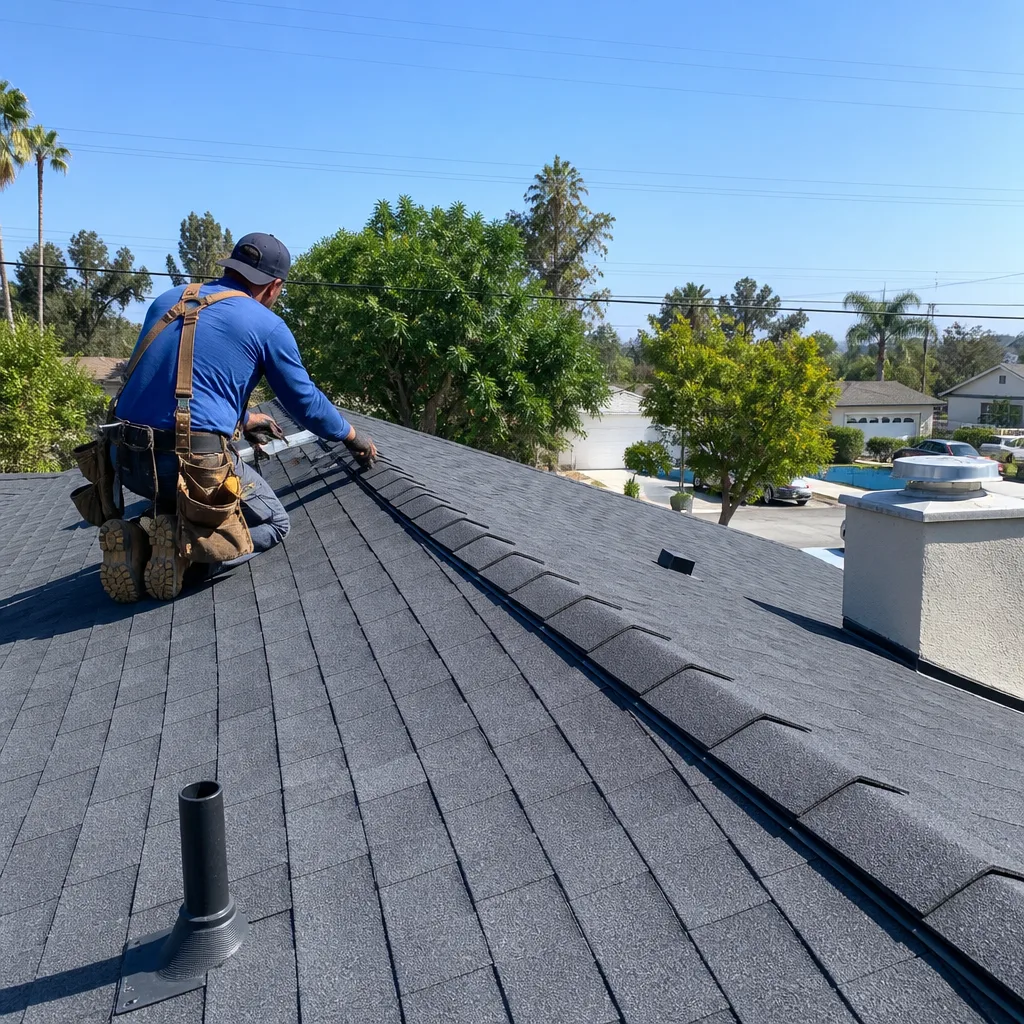
Valleys take the brunt of Running Springs snowmelt. Old metal valley flashing corrodes within a few freeze-thaw seasons and splits at the seams. We pull the shingles along the valley, replace the flashing with a WUI-compliant metal that won’t rust out in this climate, and re-shingle with a watertight lap. Ridge vents on older cabins are often crushed from accumulated snow weight; we correct the vent stack and reseal the crown so the attic can breathe without letting water in.
Trusted Brands We Service in Running Springs
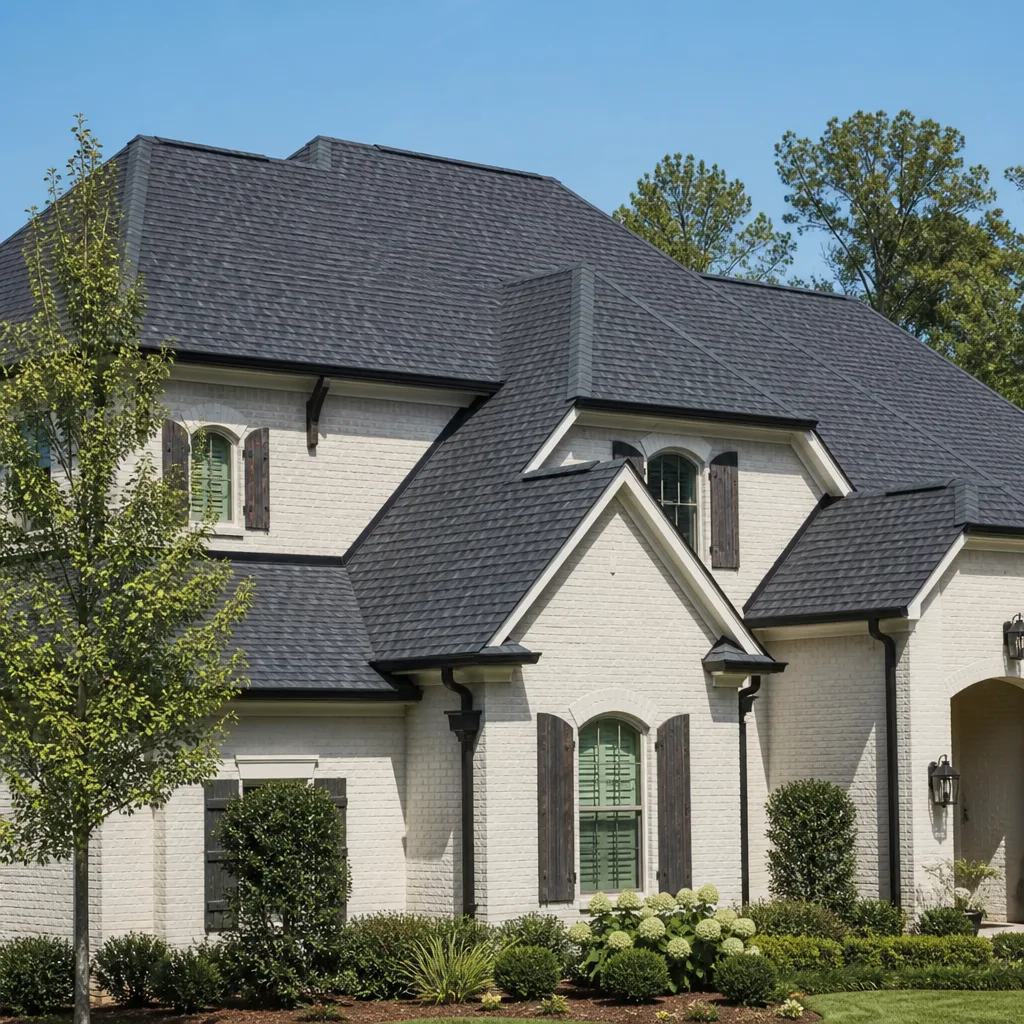
We install and repair shingles from GAF, Atlas, and Tamko in Running Springs, and we stock the most common parts locally so you’re not waiting on a two-week delivery from down the hill. If your cabin is shingled in a discontinued color, we’ll match it with the closest current offering or give you a straight answer about why a full replacement makes more sense. Genuine choice matters here: a Running Springs roof needs a product that can handle both wildfire exposure and repeated heavy snow, not just whatever happens to be on the truck. Seven manufacturers are available through Tilehurst Roofing: GAF, CertainTeed, Owens Corning, IKO, Atlas, Tamko, and Boral.
Common Roof Repair Problems We See in Running Springs Homes
- Ice damming at the eaves on pre-1980s cabins. Multi-foot snow accumulations melt and refreeze at the cold eave, wicking water under the underlayment. The original ice and water shield was never rated for this kind of snow load.
- Galvanic corrosion on flashing, drip edge, and pipe boots. At 6,000 feet, metal penetrations rust through within a few freeze-thaw seasons, opening gaps around vents and chimneys that let rain and snowmelt pour in.
- Undersized rafter bays that flex under snow. 1940s-1970s vacation cabins were built with minimal structural engineering. When rafter bays flex, they crack the new shingle field and open the ridge vent and valley seams.
- Wood shake roofs that legally can’t be repaired like-for-like. Post-Old Fire WUI restrictions prohibit re-roofing with wood shake. A homeowner who wants a simple repair often finds the job legally requires a Class A upgrade plus a rafter-load audit before San Bernardino County issues a permit.
Pricing for Roof Repair in Running Springs, CA
Here’s what Running Springs homeowners should expect to pay. Leak repair around a vent boot or pipe collar: $340-$520. Valley flashing replacement with shingle work: $500-$780. Flat roof patch over rotted decking: $450-$1,200. Shingle replacement including ice and water shield at the eaves: $480-$860. Full rafter-load audit with a Class A shake-to-composition upgrade: $2,800-$6,000 depending on decking condition and rafter corrections. Every estimate is written and itemized before any work starts. Call (945) 303-9821 for a free estimate.
We Also Serve Cities Near Running Springs
Our Roof Repair crews cover the entire San Bernardino mountain corridor, including Lake Arrowhead, Highland, Mentone, and Crestline. Many of those homes share the same high-elevation snow and fire-zone conditions we handle daily in Running Springs, so the crew that fixes your roof already knows the mountain, not just the map.
Serving Running Springs, CA - Our Local Coverage Area
We’re based in the Running Springs area and know this community well. Use the map below to see our service coverage - if you’re nearby, we can almost certainly help.
FAQs About Roof Repair in Running Springs
Running Springs sits at roughly 6,000 feet inside San Bernardino County’s heavy-snow zone, and the county will not issue a building permit for structural roof work until an engineer verifies that the existing rafter bays can carry current snow-load requirements, which can exceed 50 lbs per square foot. Many 1940s-1970s cabins were built with undersized rafters never designed for that weight. We coordinate the engineer’s audit as part of the repair, document the corrections in the permit file, and write the scope into your written quote before any work starts. Call (945) 303-9821 to get the process moving.
No. Wood shake and wood shingle roofs cannot be re-roofed under California’s post-2003 WUI fire code, and San Bernardino County enforces that restriction. Any repair that touches the assembly triggers a Class A requirement, which means composition shingles or metal, not like-for-like shake. We walk you through the upgrade path, the associated cost, and the rafter verification the permit demands. Call (945) 303-9821 and we’ll inspect what you have before you spend anything.
Ice damming keeps returning because the repair did not address the root cause: missing or inadequate ice and water shield at the eaves and valleys. A patch job stops the leak for a season, but the meltwater wicks under the same failed underlayment the next winter. Our repairs include stripping the eave, installing a proper ice and water membrane rated for multi-foot snow loads, and replacing damaged decking beneath. That’s the fix that holds. Call (945) 303-9821 for an exact quote.
On a typical 1960s A-frame or steep-gabled cabin off Rim of the World Drive, we routinely find the original skip-sheathing rotted through, fasteners backing out from decades of freeze-thaw cycling, and undersized rafter bays that flex under snow load. The valley flashing is usually corroded through. The underlayment is brittle and separating. What starts as a leak at the valley often becomes a decking replacement, flashing upgrade, and rafter correction before the repair is watertight and code-compliant. We photograph everything and review it with you before any change to the written quote.
Ask whether the bidder has completed a WUI Class A roof assembly at 6,000 feet, whether they handle San Bernardino County snow-load verification, and whether they stock ice and water shield rated for multi-foot snow. A valley roofer may quote a lower number by skipping the rafter audit, omitting the eaves’ ice and water shield, or ignoring the fire-zone assembly requirements. Our written quote includes everything the county will check at inspection, so the number you see is the number you pay. Call (945) 303-9821 and we’ll send a technician to Running Springs this week.
Written by Greg Holloway, Owner at Tilehurst Roofing, serving Running Springs and the San Bernardino mountain communities.