
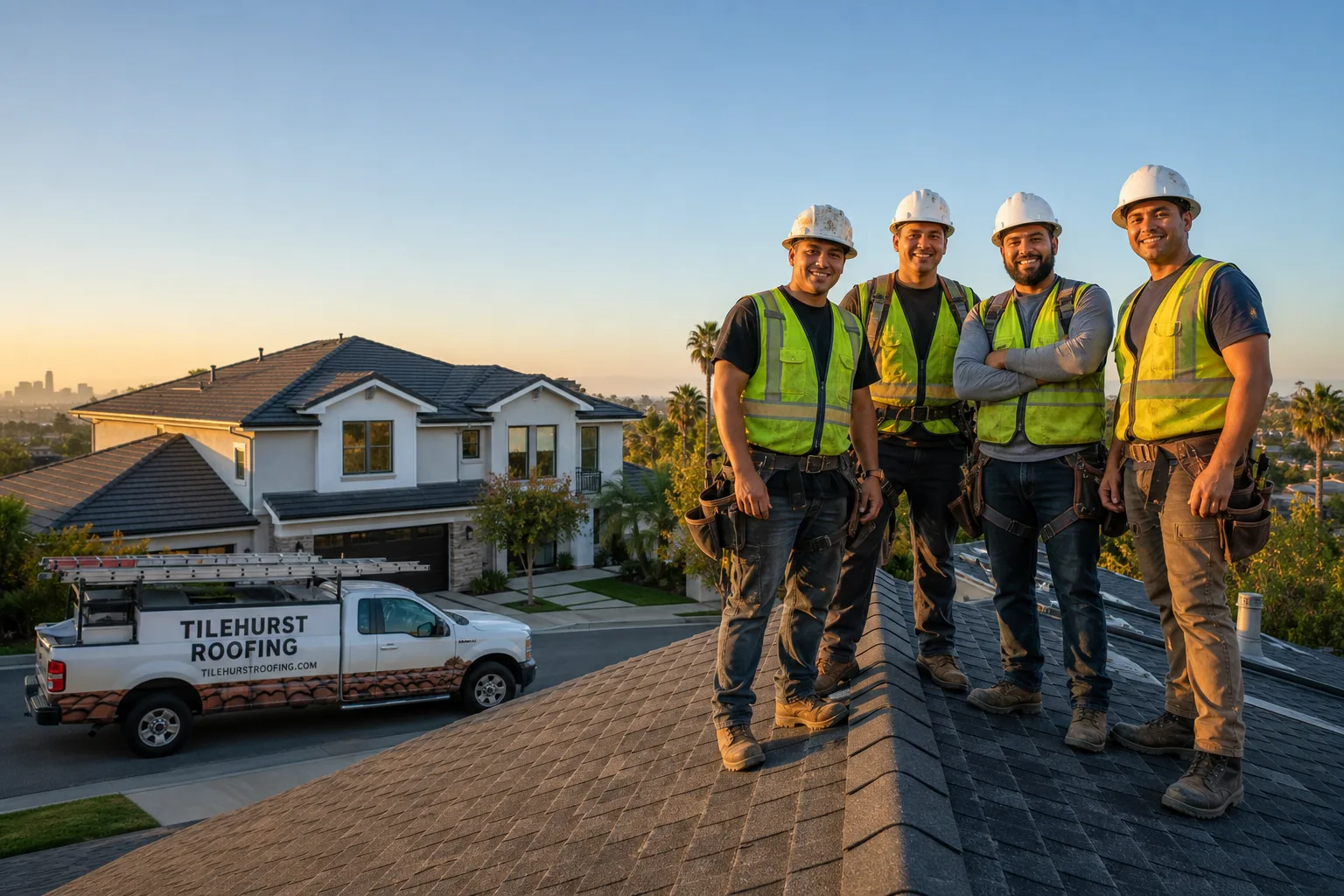
Free roof inspection with deck photos before we talk money - GAF and Owens Corning certified installation
 Before
 After
After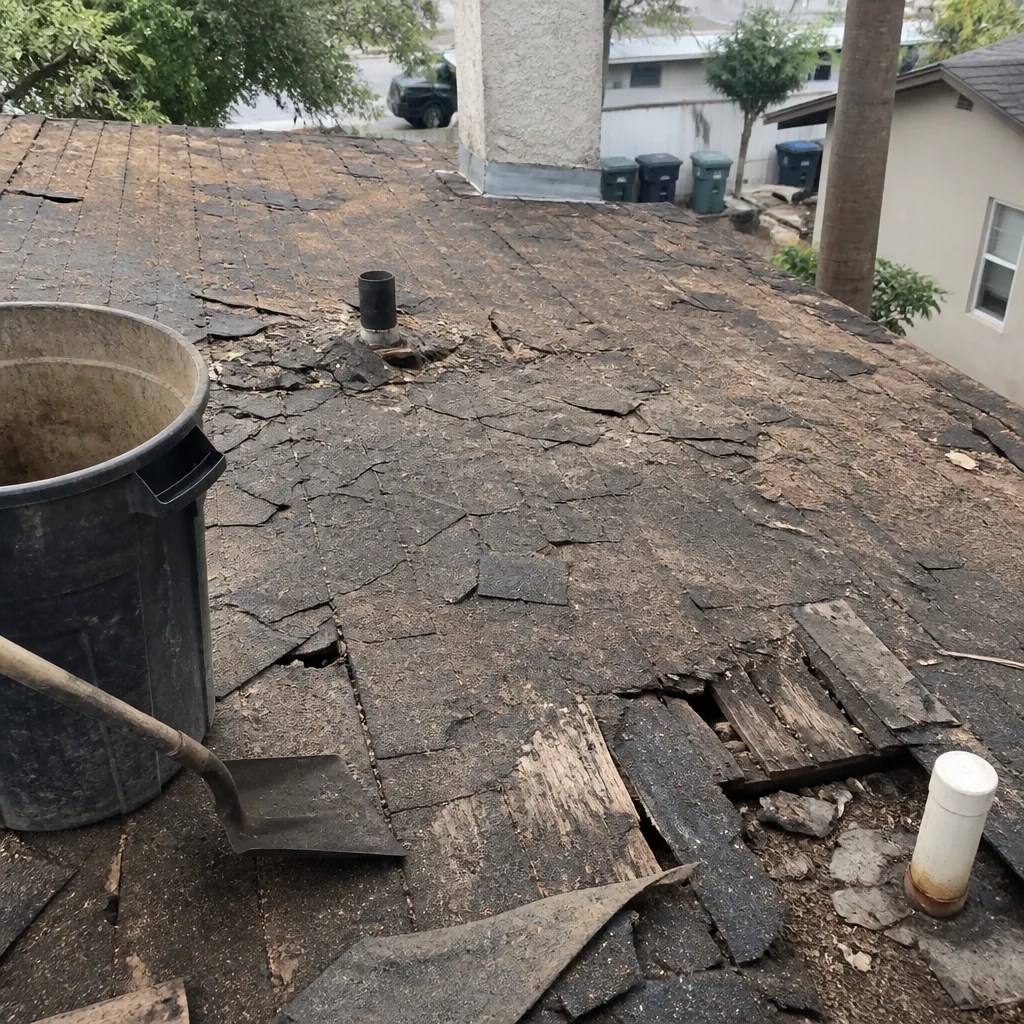 Before
 After
After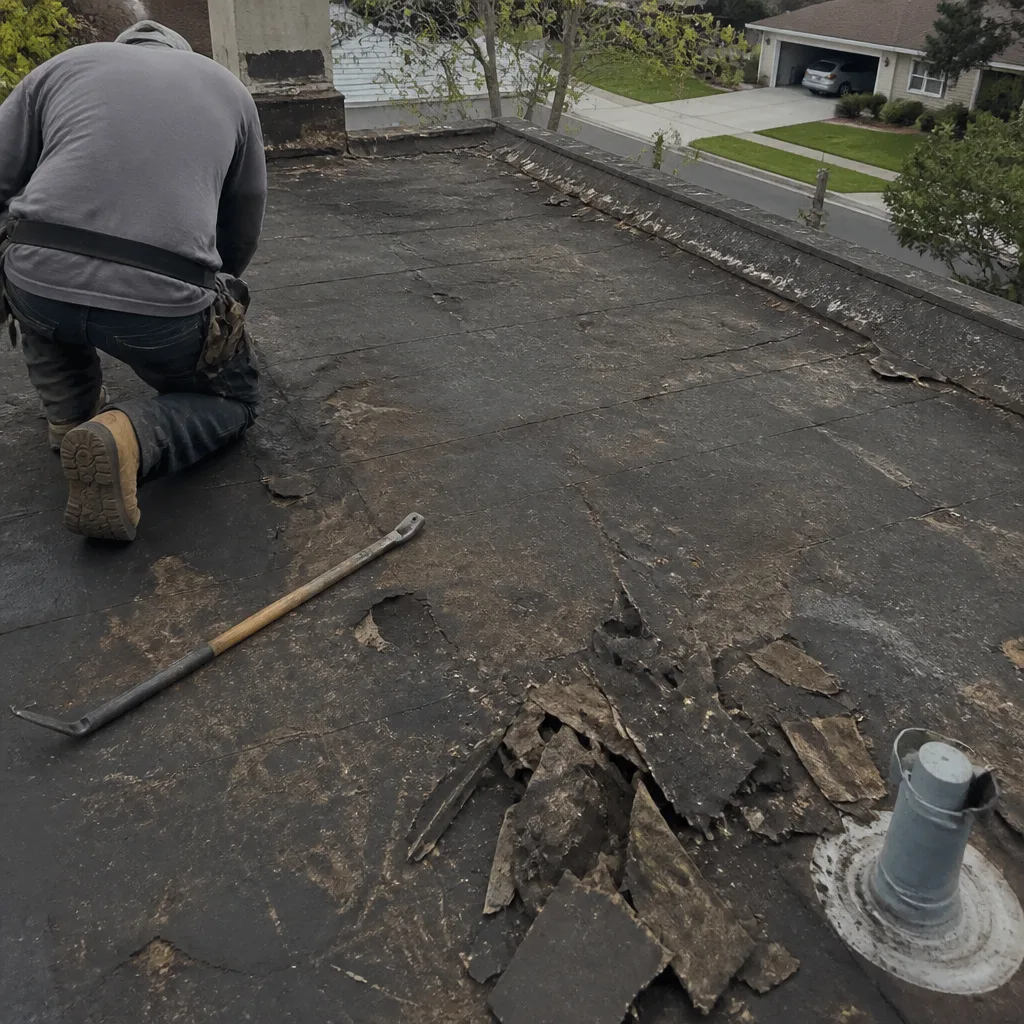 Before
 After
AfterFast, Reliable Roof Repair Across San Francisco
Most roof repairs in San Francisco run between $450 and $2,800 depending on whether we’re replacing a few shingles, re-flashing a parapet, or addressing fog-driven membrane saturation on a flat roof. The majority of jobs we complete in San Francisco are done in one visit because our trucks carry the materials this city’s housing stock actually needs: modified bitumen, torch-down, lead-coated copper flashing, and TPO patch kits. If you’re in the Outer Sunset, Noe Valley, the Mission, or anywhere else in San Francisco and water is finding its way inside, call (945) 303-9821. A live person answers, and we’ll give you a written price before any work starts.
This city’s roofs fail differently than roofs in San Jose or Walnut Creek. It’s not the rain volume; it’s the fog. Karl the Fog sits on your roof for 100-plus days a year, and that condensation finds every weak seam, every corroded fastener, every hairline crack in a parapet flashing. We’ve been repairing San Francisco roofs long enough to know that a leak that only shows up in August is usually a fog leak, not a rain leak. That changes how we diagnose, what materials we specify, and how we write the guarantee.
Why Tilehurst Roofing Is San Francisco’s Preferred Roof Repair Company
Tilehurst Roofing operates as a local San Francisco Bay Area roofing company under the Roof Repair division of the Kingswell family of roofing companies, founded in 2000. Greg Holloway leads our San Francisco repair work with a simple rule: the price is in your hands in writing before a single nail goes in. That’s not a marketing line. It’s how every job starts here, from a $450 vent boot replacement in the Richmond to a full torch-down membrane repair on a shared parapet in the Castro.
San Francisco homeowners call us after they’ve been burned, and they tell us the same stories: the roofer didn’t show, the price changed at the door, or a patch failed within three months. We built our process to answer each of those failures directly. Every call gets a live person, 24 hours a day. Every repair gets a written guarantee before the crew leaves, not mailed later. If a repair fails inside the guarantee period, we come back under our 365-Day Done Right Promise at no charge. And if that second visit doesn’t hold, you get a third one free too. That’s what accountability looks like in a city where fog and salt air punish sloppy flashing work within a single season.
We’re not the cheapest roofer in San Francisco, and we won’t pretend to be. We’re the one who answers when you call, arrives in the window we gave, and stands behind the work in plain writing.
Shingle Roof Repair in San Francisco
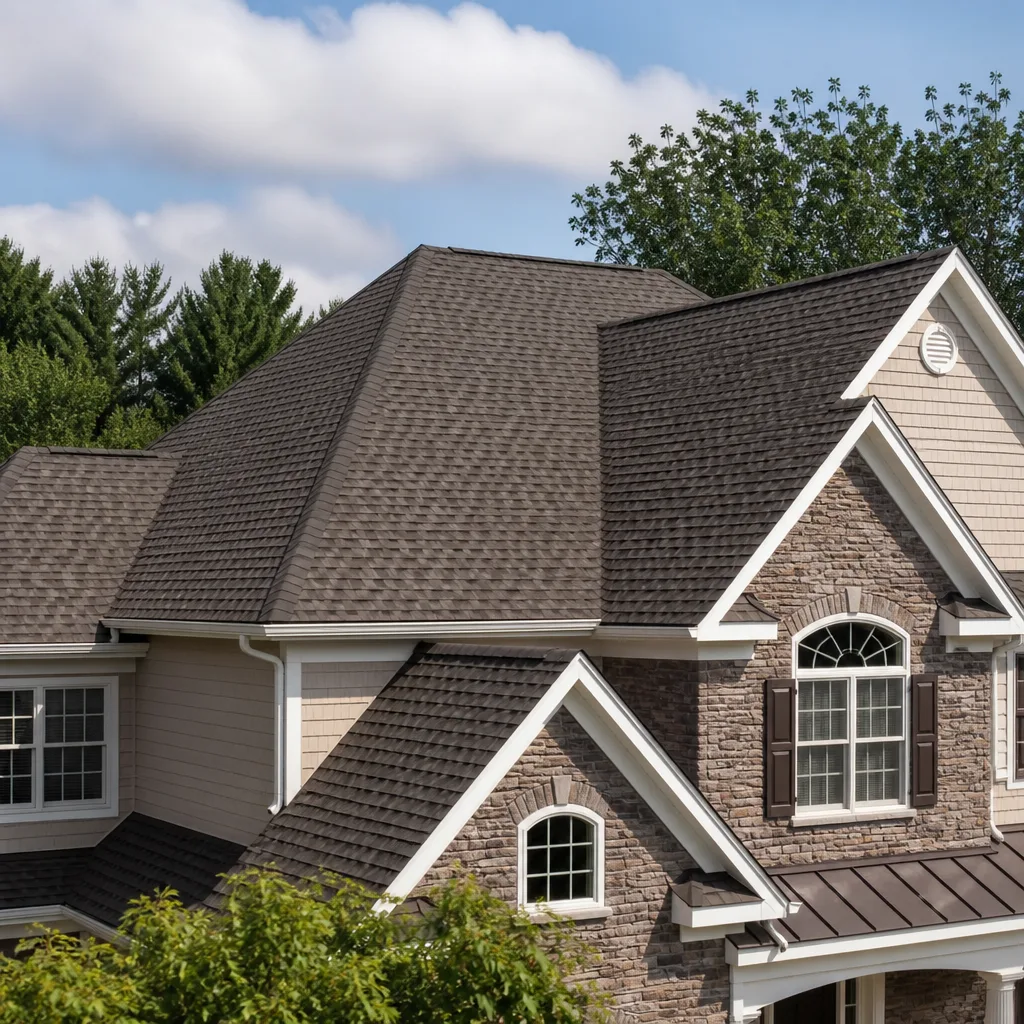
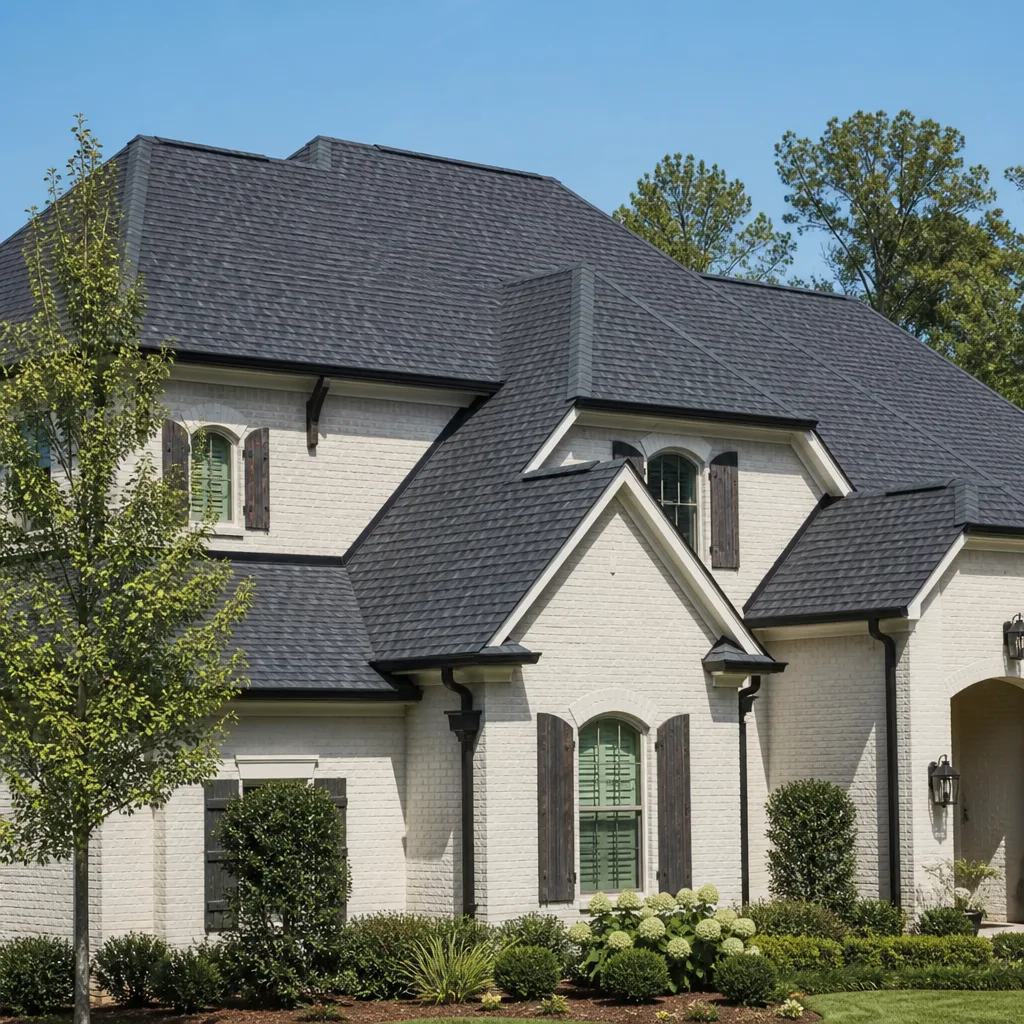
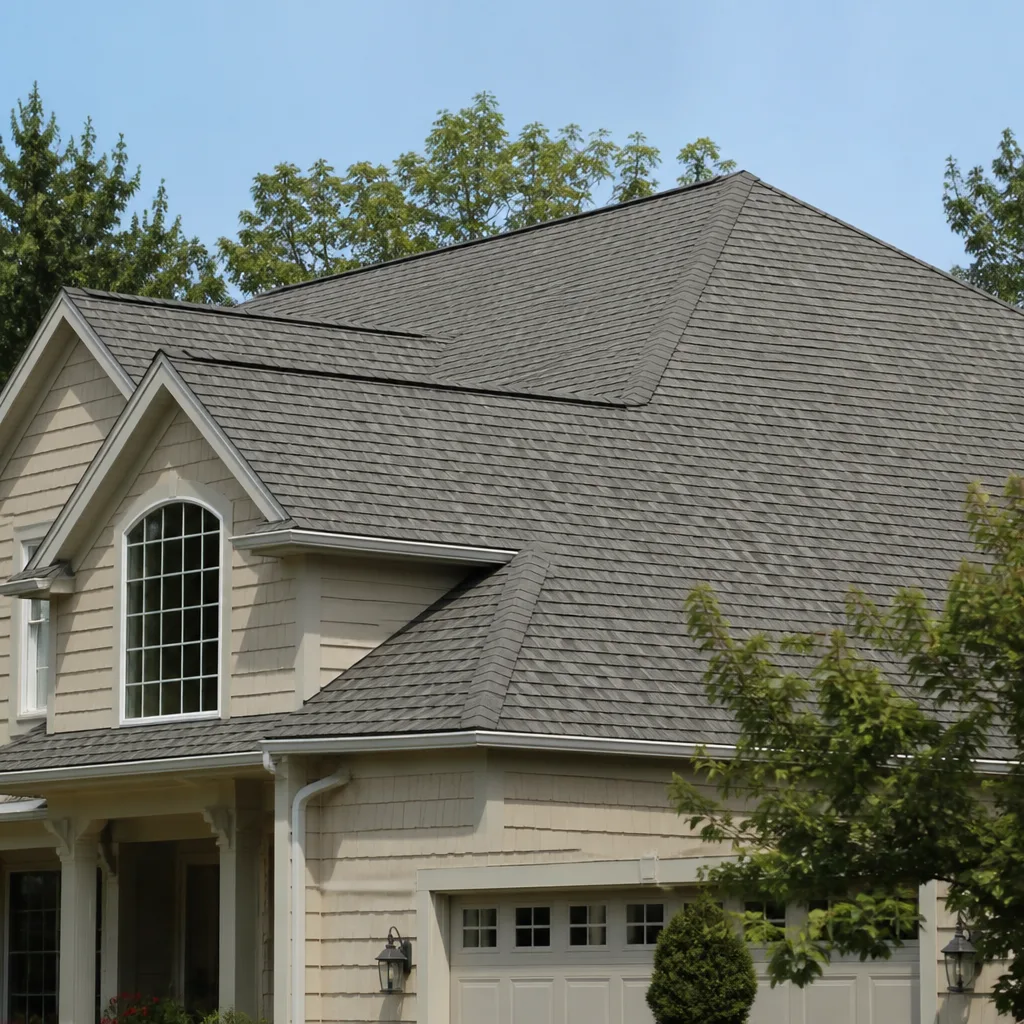
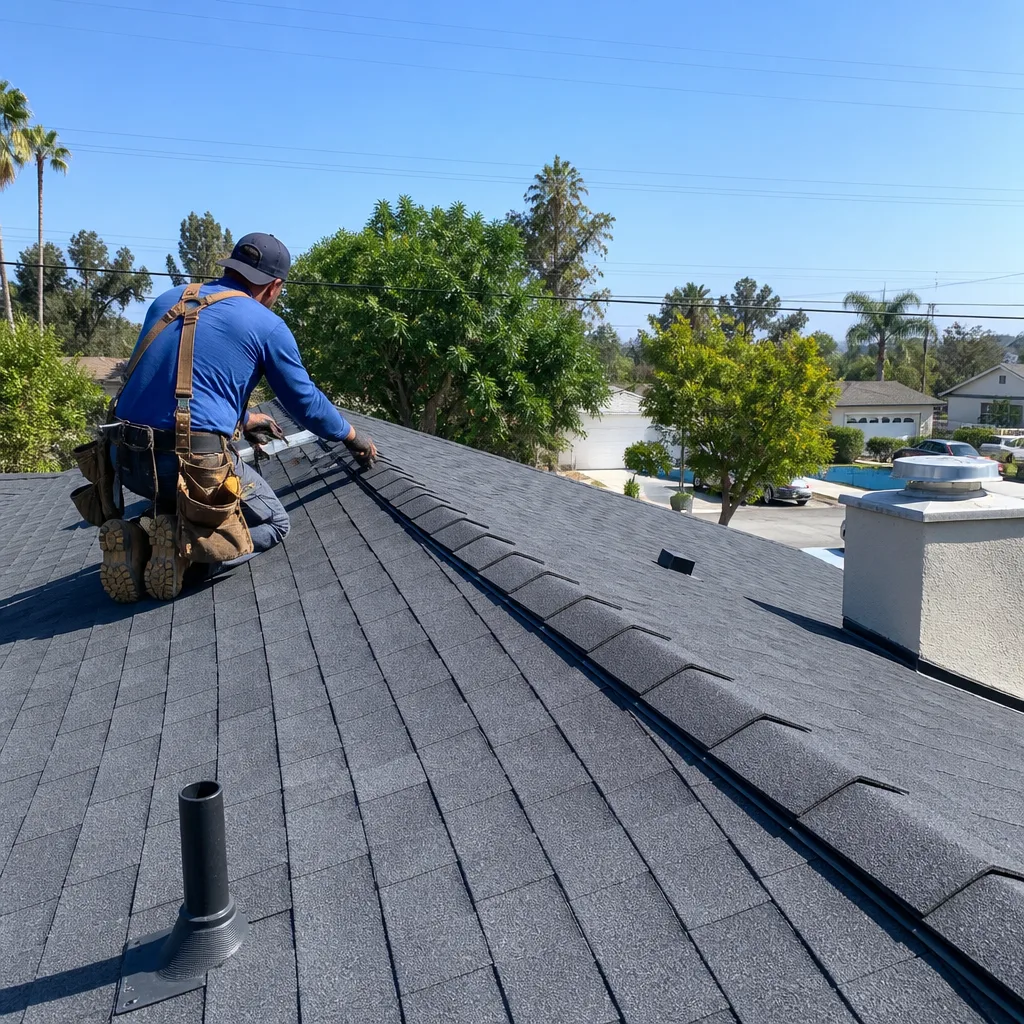
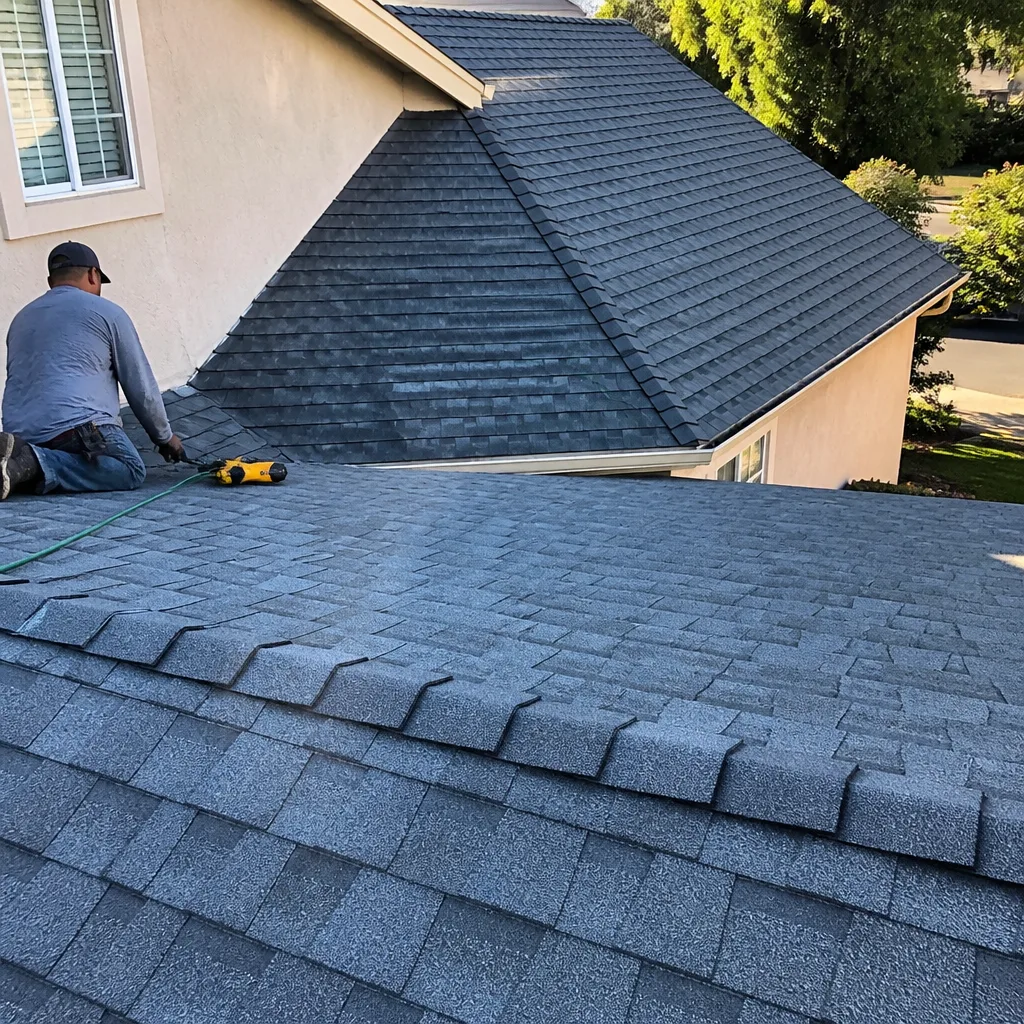
Shingle Roof Repair in San Francisco most often means patching the pitched portions of homes in neighborhoods like West Portal, Miraloma Park, and Diamond Heights, where the city’s few pitched roofs actually exist. A typical shingle repair here runs $450 to $1,200, covering replacement of cracked or wind-lifted shingles, repair of exposed underlayment, and re-sealing around roof penetrations. Most San Francisco shingle repairs involve Atlas or GAF architectural shingles, though we stock Tamko and Boral options as well so the color and weight match what’s already on your roof.
Replacement of cracked or missing shingles
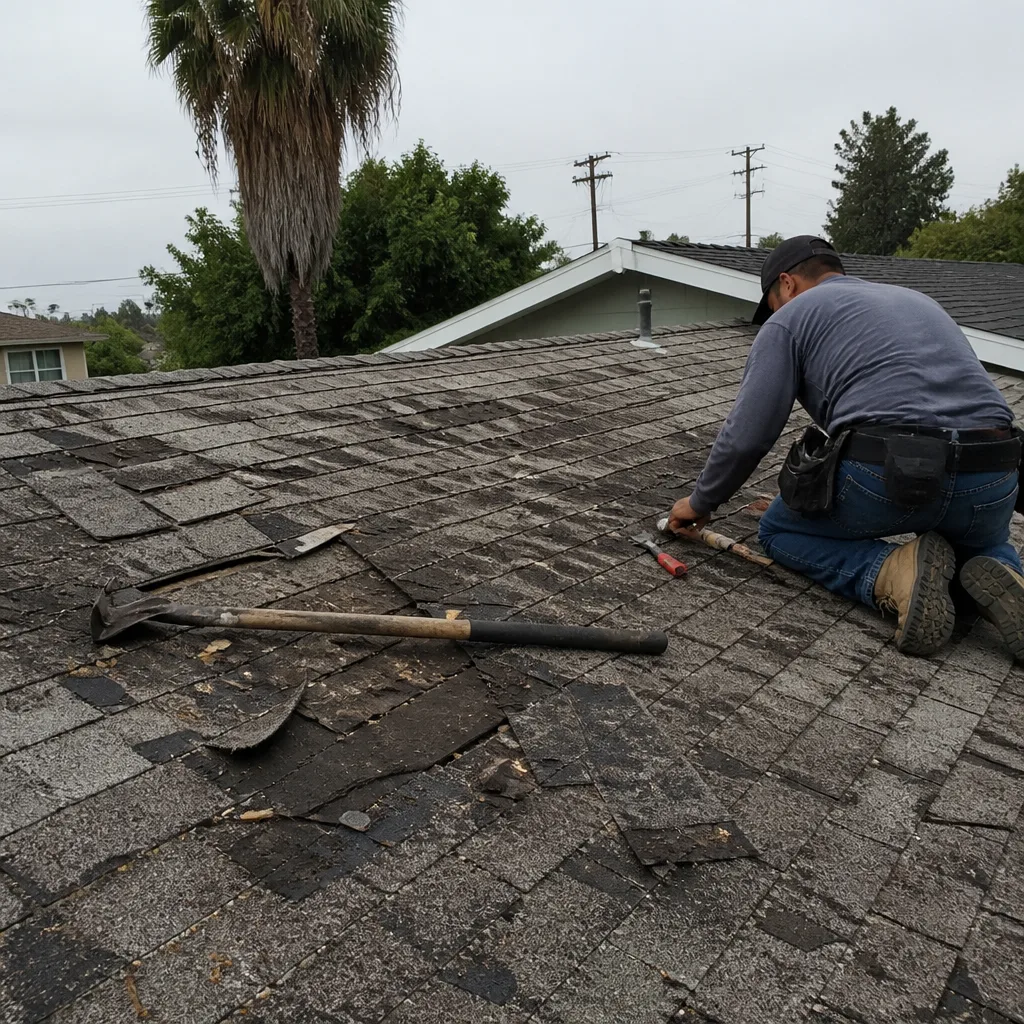
San Francisco’s steep hills mean wind-driven rain hits shingles at odd angles on exposed slopes. We replace individual shingles with matching profile and color, re-nail the course below, and seal the repair so it reads as intentional, not patched.
Underlayment repair and vent flashing
Where shingles have lifted, the underlayment beneath often shows through. We cut out the compromised section, install fresh synthetic or felt underlayment depending on what’s already on the roof, and re-flash any nearby plumbing vents or exhaust penetrations with corrosion-resistant metal.
Storm Damage Roof Repair in San Francisco
Storm Damage Roof Repair in San Francisco usually follows a winter atmospheric river, when wind gusts rip shingles and debris breaches membrane seams on flat roofs across the city. A typical storm-related repair in San Francisco runs $550 to $3,400 depending on whether we’re replacing a few torn shingles or repairing a punctured modified bitumen membrane on a low-slope roof in the Sunset or Richmond districts. We prioritize these jobs because an open roof in this city means fog moisture enters within days, even without additional rain.
Temporary weatherproofing and permanent repairs
After a storm, we tarp and seal the damaged area to stop further moisture intrusion, then schedule the permanent repair using materials matched to your roof type. On built-up tar-and-gravel roofs, that means patching with compatible BUR layers; on torch-down, we re-seat the membrane and confirm the drain line is clear.
Drain and scupper clearance
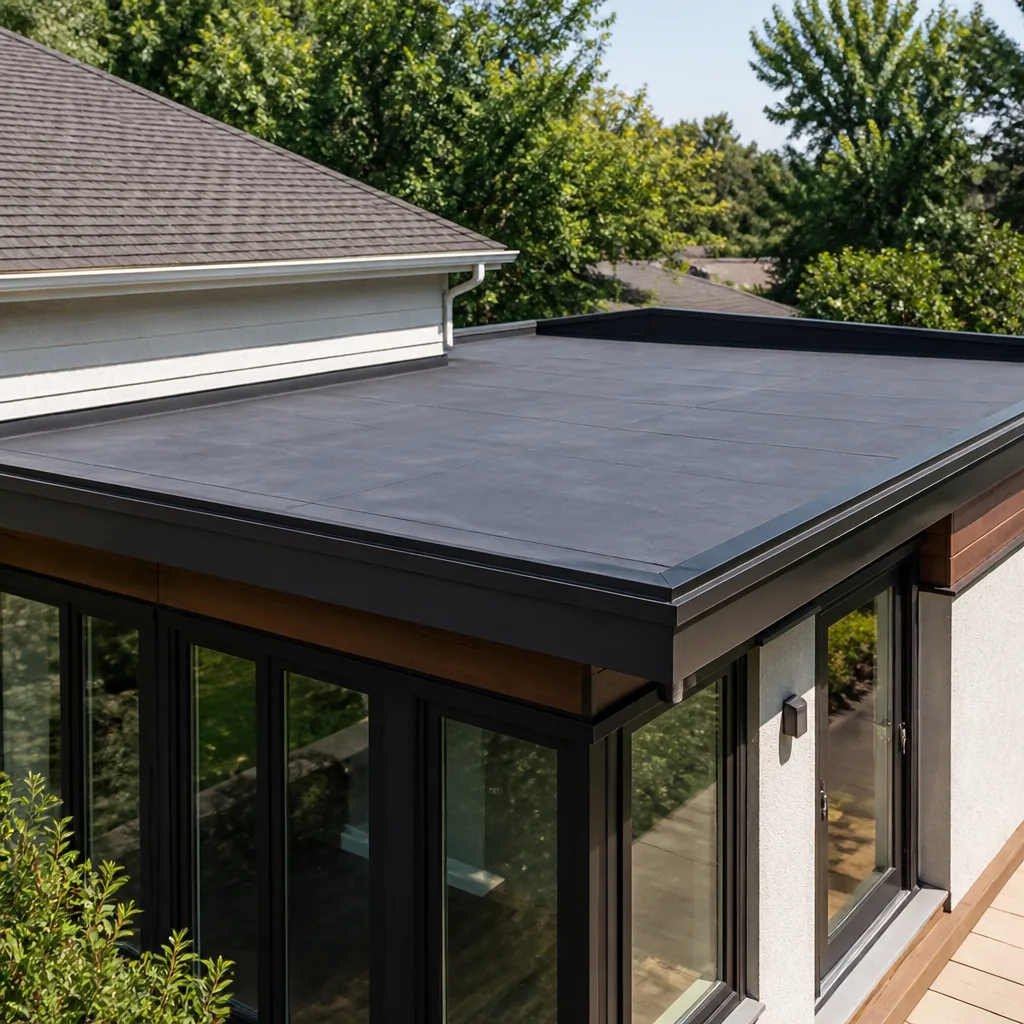
Flat and low-slope roofs in San Francisco fail most often where water can’t leave. We clear debris from drains, scuppers, and downspouts after storms, then test the system with water to confirm the roof actually sheds water rather than ponding it. Ponding water is a chronic issue in this city, especially on older Edwardian rowhouses.
Trusted Brands We Service in San Francisco
We install and repair roofing systems from seven manufacturers: GAF, CertainTeed, Owens Corning, IKO, Atlas, Tamko, and Boral. For San Francisco specifically, we keep Atlas and GAF shingle stock in the local warehouse, plus Tamko modified bitumen rolls for flat-roof patches, because those are the materials this city’s homes actually have. That means most repairs don’t wait on a special order. When you call with a leak in the Outer Sunset, we can usually be on the roof with the right material the same day, not three days later after a freight truck from the Central Valley arrives.
Common Roof Repair Problems We See in San Francisco Homes
- Fog-driven membrane saturation on flat and low-slope roofs. In neighborhoods like the Outer Richmond and Outer Sunset, fog condenses on roof surfaces for months at a time, even when it never rains. This saturates built-up roofing layers and accelerates seam failure, which is why flat-roof membranes here degrade faster than in any inland Bay Area city.
- Corroded metal flashings at parapets and roof edges. Salt-laden air off the Pacific and the Bay eats through standard galvanized flashing and fasteners faster than homeowners expect. Every inspection includes a check of counter-flashing, drip edge, and vent flashing for early-stage corrosion before it becomes a leak.
- Shared parapet walls on attached rowhouses. In the Mission, Castro, and Noe Valley, parapet walls are often party walls shared with a neighbor. Repairing the base of a parapet flashing means coordinating with the adjacent property owner, and in many cases, the SF Department of Building Inspection requires a permit for that work. Skipping the permit is common; it also creates a problem when the house goes into escrow.
- Ponding water on low-slope and flat roofs. San Francisco’s dense attached housing stock means many roofs drain slowly by design. Ponding water on a built-up or modified bitumen roof leads to premature membrane breakdown, moss growth, and slow leaks that only show up as stains months after the fact.
Pricing for Roof Repair in San Francisco, CA
We Also Serve Cities Near San Francisco
Our crews serve San Francisco and the surrounding peninsula communities daily. That includes Daly City, Brisbane, Sausalito, and South San Francisco. If you’re in one of these nearby cities and need roof repair, call (945) 303-9821 and we’ll give you the same written price and written guarantee.
Serving San Francisco, CA - Our Local Coverage Area
We’re based in the San Francisco area and know this community well. Use the map below to see our service coverage - if you’re nearby, we can almost certainly help.
FAQs About Roof Repair in San Francisco
How does the fog affect roof repair in San Francisco compared to rain?
Fog creates a different failure pattern than rain. In San Francisco, condensation from the marine layer saturates roof surfaces on 100-plus days per year, especially in western neighborhoods like the Outer Sunset and Outer Richmond, even when no rain falls. This means membrane seams, parapet flashings, and fastener penetrations stay damp for months at a time, which accelerates corrosion and degradation. We diagnose fog leaks differently from rain leaks because the water entry path is often invisible from inside: it’s slow, persistent condensation working through a seam, not a sudden rain burst. If your roof only leaks on foggy summer mornings, that’s a fog-driven moisture problem, not a storm problem. Call (945) 303-9821 and we’ll trace it.
Can you repair a roof on a shared parapet wall in San Francisco without involving my neighbor?
Technically yes, but you shouldn’t. On attached Victorian and Edwardian rowhouses in the Mission, Castro, and Noe Valley, parapet walls are shared party walls. Re-flashing the base of a parapet affects the neighbor’s side of the wall too, and doing the work without written coordination can create liability for both properties. We handle this by walking you through a simple neighbor notice form and, where required, involving the SF Department of Building Inspection for the permit. It takes a few extra days, but it protects the repair and your resale value. Call us and we’ll explain exactly what your roof needs and what coordination looks like.
Why do roof repairs in San Francisco need permits more often than in other Bay Area cities?
Because so much of San Francisco’s housing stock is attached. When a roofline is shared with a neighboring property, membrane replacement or parapet re-flashing involves a party wall, and the SF Department of Building Inspection requires a permit for full roof replacements and certain membrane or flashing replacements. In inland cities where homes are freestanding, a roofer can often repair a flashing without touching anything beyond the property line. Here, touching a shared parapet triggers a different set of rules. We pull the permits, pass the inspections, and put it all in the written record.
What roofing materials hold up best against San Francisco’s fog and salt air?
Lead-coated copper flashing outperforms standard galvanized metal in salt-laden coastal air, and we specify it on most parapet and counter-flashing repairs in San Francisco. For flat and low-slope membranes, modified bitumen and TPO hold up better than old built-up tar-and-gravel systems when properly installed over dry decking. For pitched roofs, architectural shingles from Atlas or GAF with proper underlayment perform well in fog and wind. The material choice matters less than the installation method: any membrane installed over saturated decking will fail, no matter the brand. We verify the substrate is dry before any material goes down.
How do you diagnose a leak that only appears during foggy weather in San Francisco?
First, we inspect the roof surface on a foggy morning or after the marine layer has sat on it for several hours, because that’s when the water is actively entering. We look for saturated membrane seams, corroded fasteners, and compromised counter-flashing at parapets, drains, and penetrations. In Noe Valley, one homeowner had a chronic leak during fog season that had been patched twice before. We found that the original built-up tar-and-gravel roof was failing at the shared parapet, where salt air had corroded the fasteners on the metal counter-flashing. Because the parapet was a party wall, we coordinated with the adjacent owner, installed new lead-coated copper flashing with ice and water shield, and re-secured the modified bitumen membrane to stop the fog-driven moisture intrusion. The repair has held through two winters. Call (945) 303-9821 for an inspection and we’ll put the findings in writing before you spend a dollar on repairs.
Get Your Free Roof Repair Estimate in San Francisco
Call (945) 303-9821 and talk to a live person. You’ll get a clear written price, a clear schedule, and a written guarantee on any repair we complete. No voicemail, no callback queue, no price changes at the door. That’s the Kingswell Way, and it’s how we’ve operated since 2000.
Written by Greg Holloway, Owner at Tilehurst Roofing, serving San Francisco and the Bay Area.