

Free roof inspection with deck photos before we talk money - GAF and Owens Corning certified installation

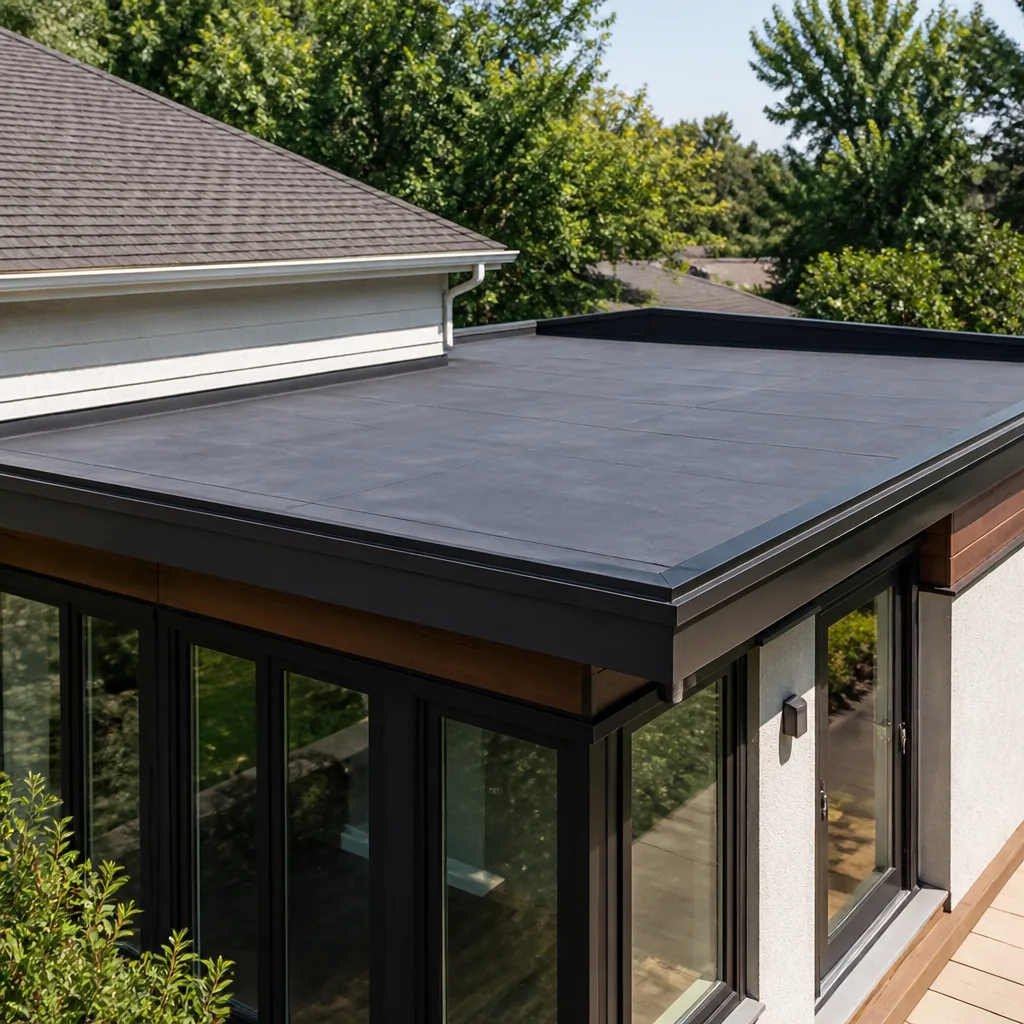
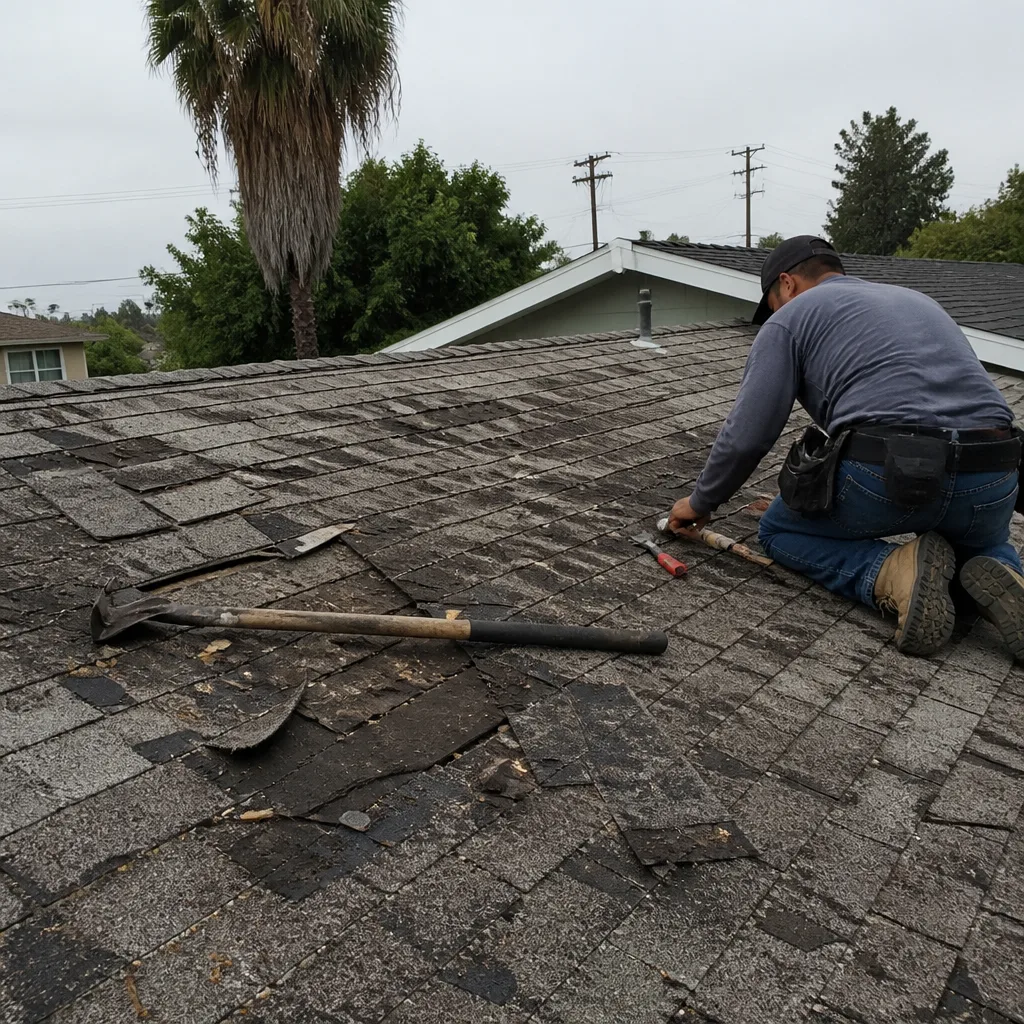 Before
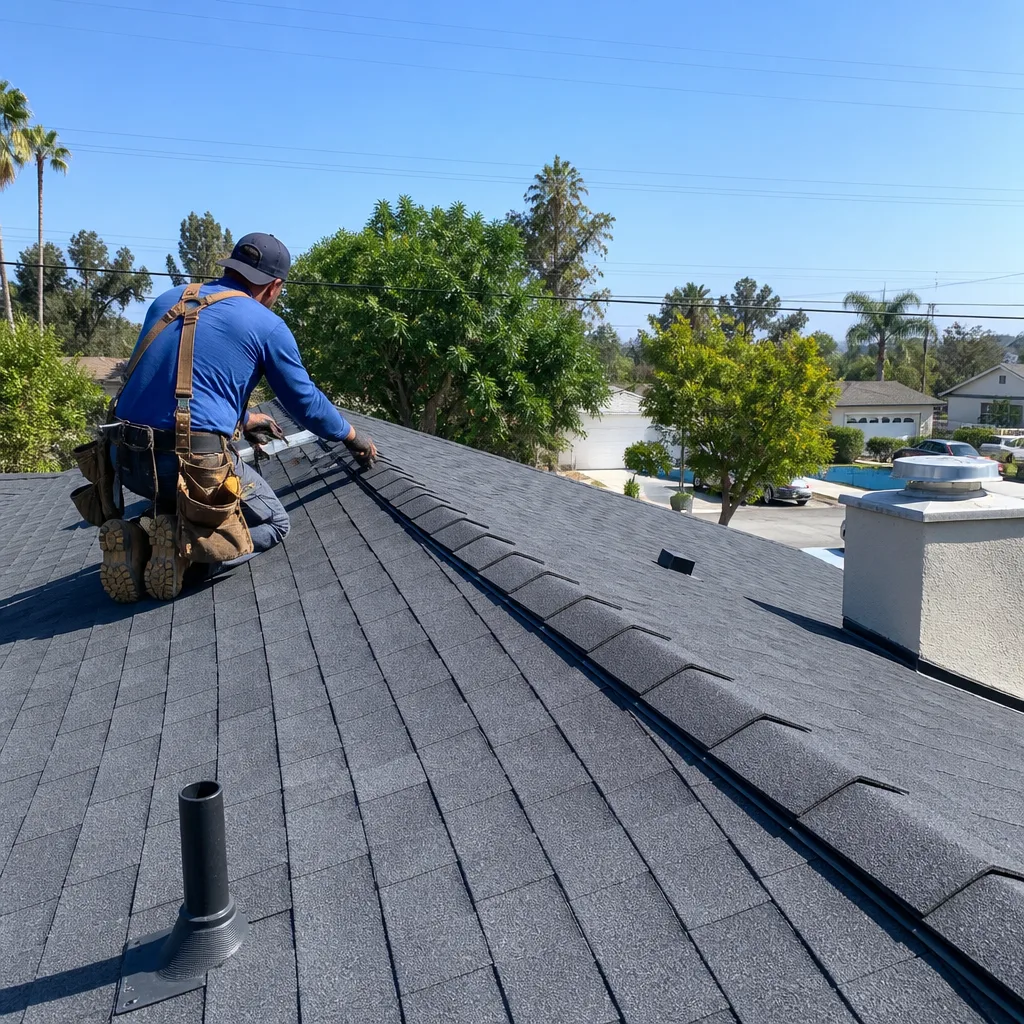 After
After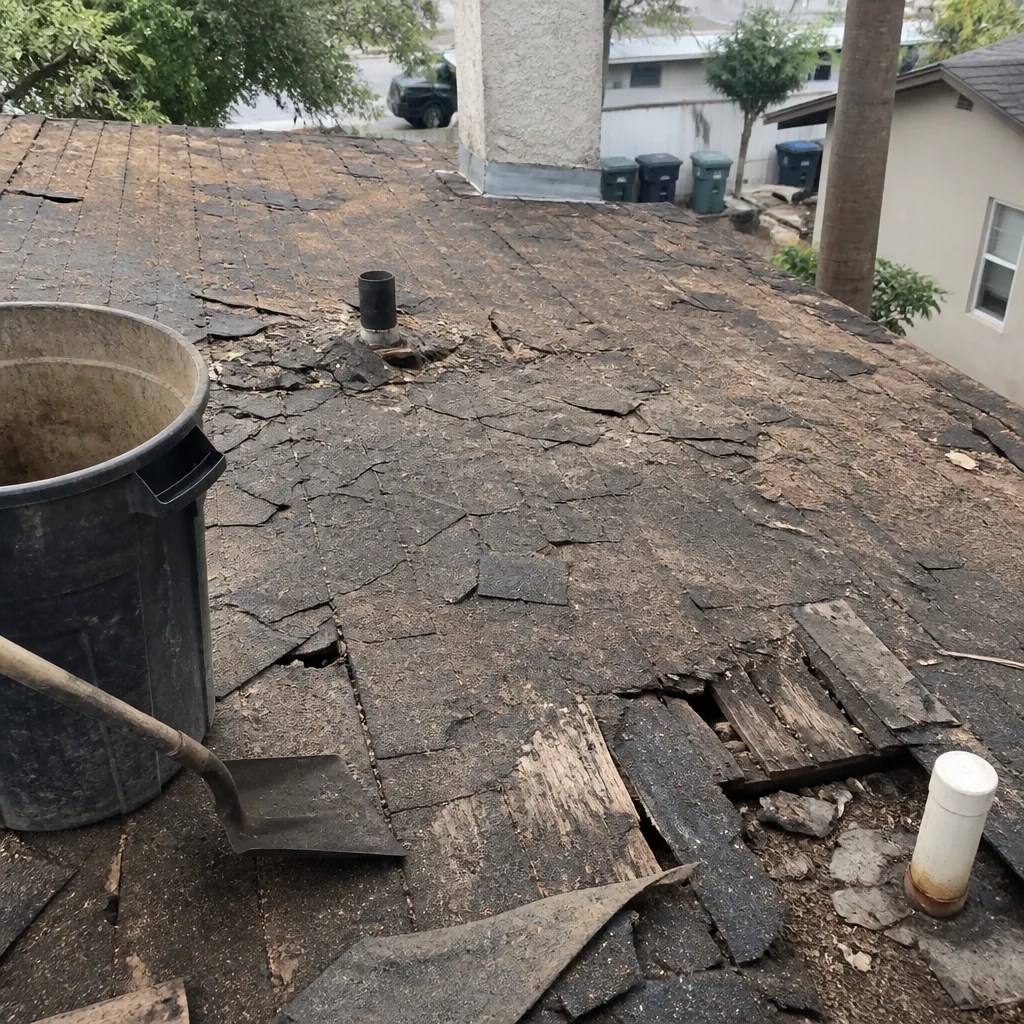 Before
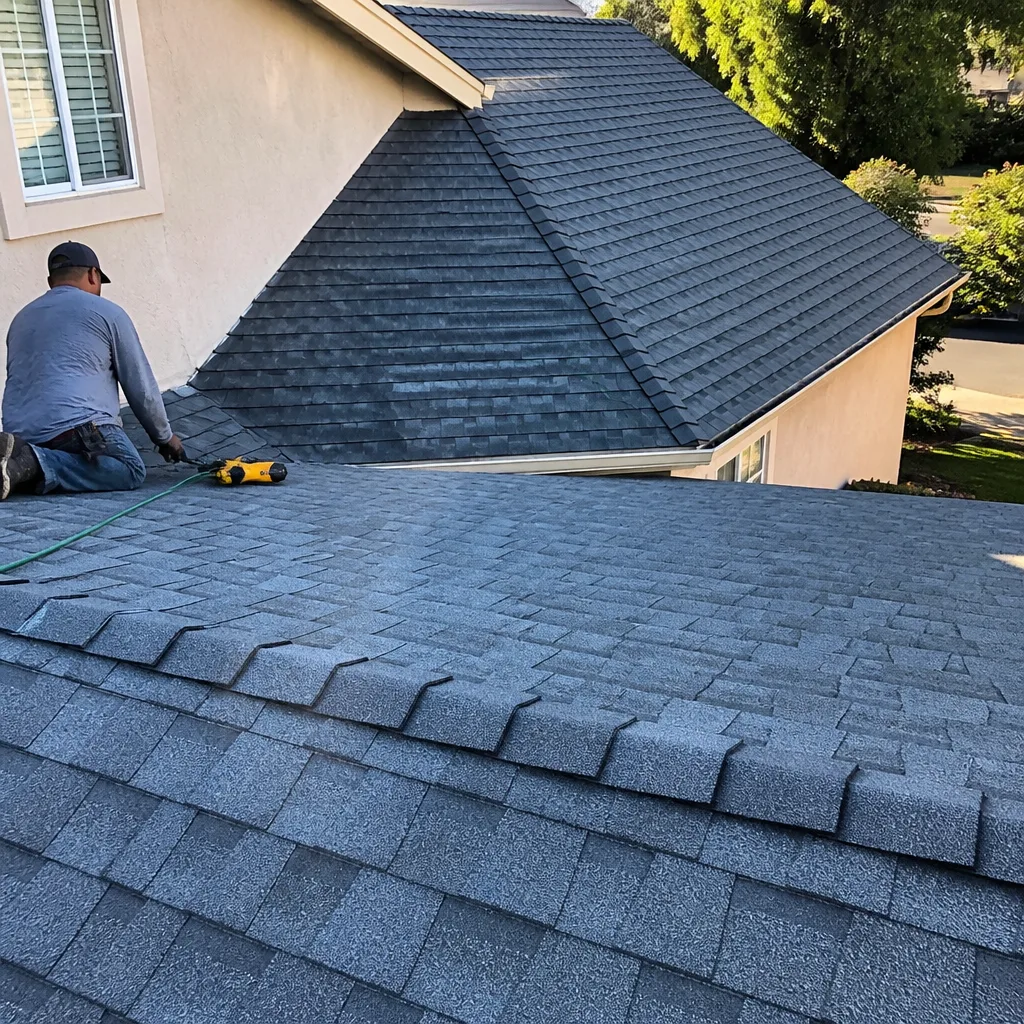 After
After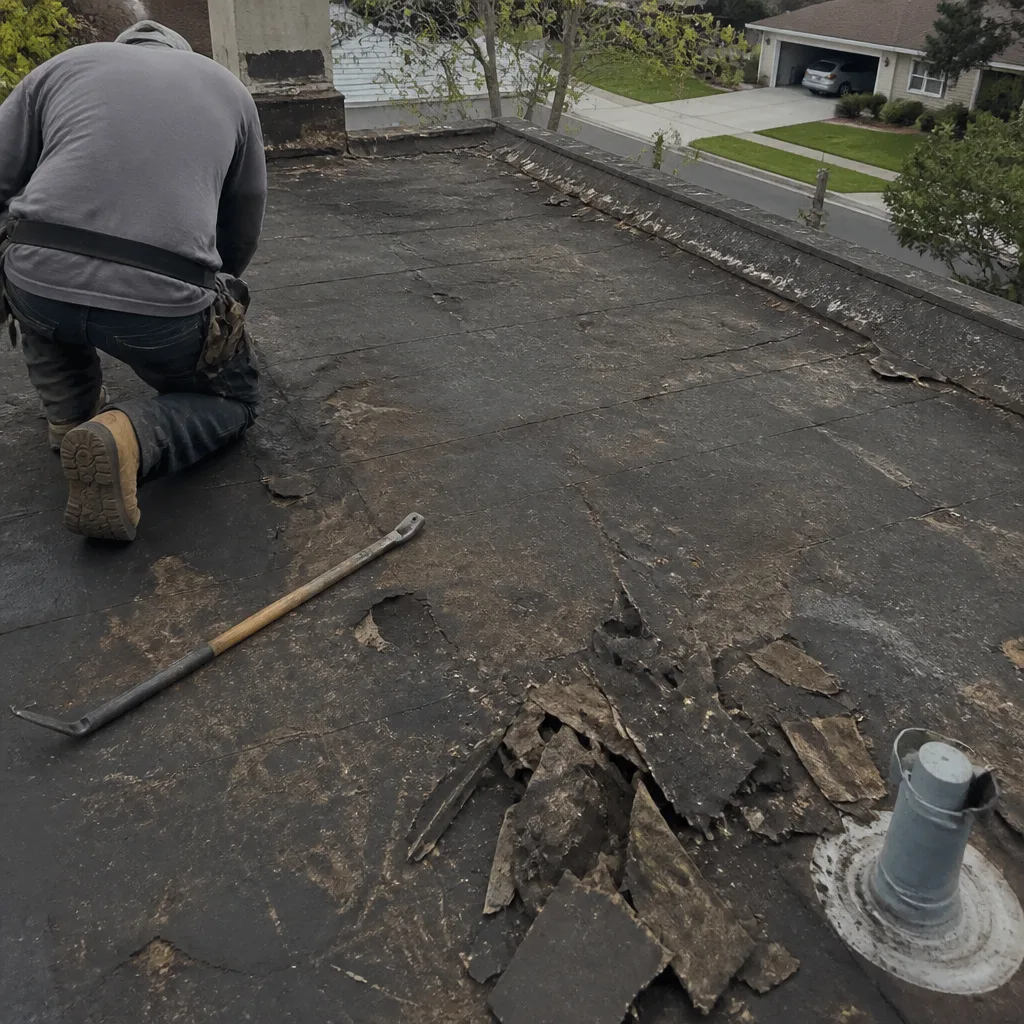 Before
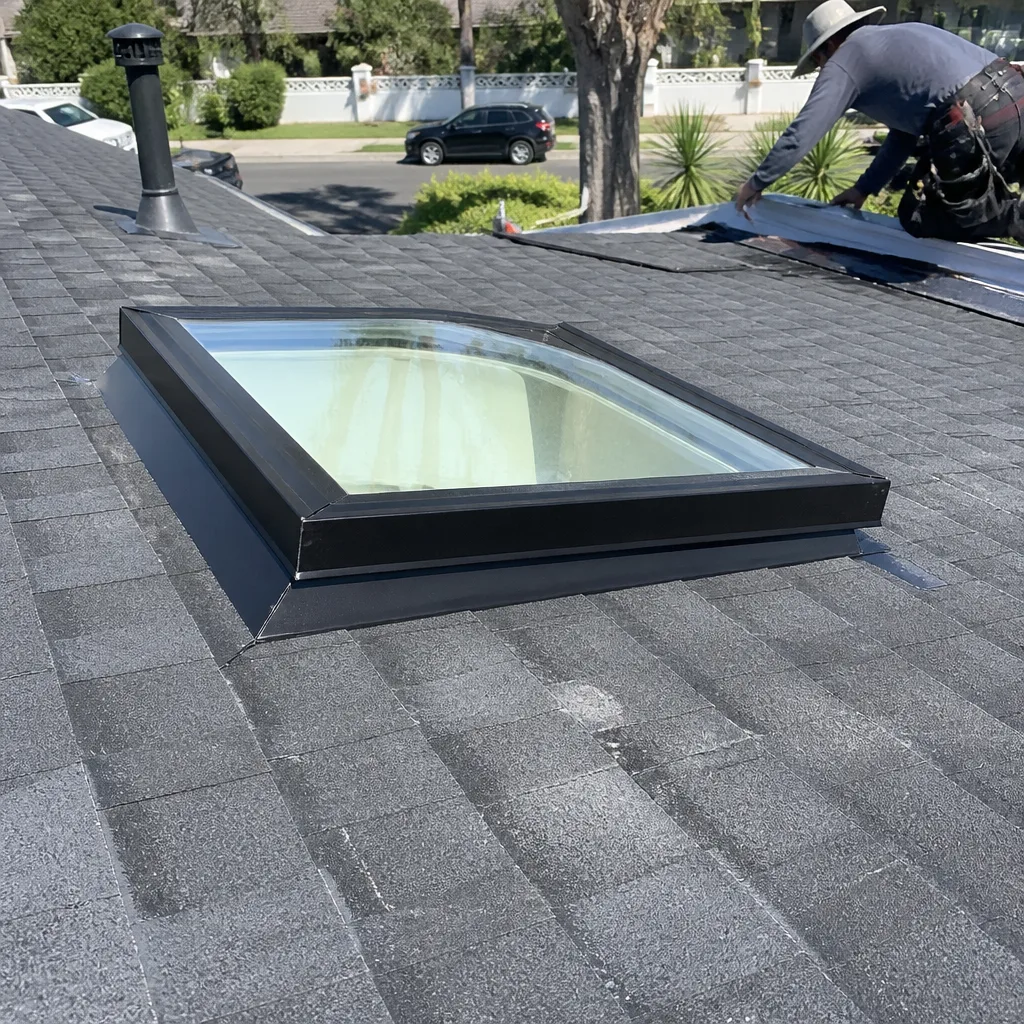 After
AfterFast, Reliable Roof Replacement Across Temecula
Roof replacement in Temecula is rarely about worn-out shingles. It’s almost always about what’s underneath the tiles. Most homes here were built between 1988 and 2008 with concrete S-tile or flat-tile roofs set on #30 felt underlayment. That felt is now 20 to 30 years old, and in Temecula’s wind corridor it cracks long before the tiles show any wear. If you’re seeing leaks at valleys or around vents and skylights while your tiles look fine from the street, that’s the underlayment failing. Call (945) 303-9821 for a free estimate, and we’ll tell you exactly what’s happening before we touch your roof.
Why Tilehurst Roofing Is Temecula’s Preferred Roof Replacement Company
Temecula homeowners have a specific set of frustrations with roofing contractors, and we hear them on every call. No-shows. Prices that change at the door. Repairs that fail within months. Tilehurst Roofing exists because Greg Holloway built the Kingswell family of roofing companies in 2000 around a different approach: say the price before the work, show up in the window we gave, leave the place cleaner than we found it, put the guarantee in writing, and come back if it fails. That’s the Kingswell Way, and every Temecula job runs on it.
Our crews know the valley’s neighborhoods. We’ve worked the pad-graded lots of Redhawk, Paloma del Sol, Wolf Creek, and Crowne Hill, and we understand that a roof on a northeast-facing slope in the Santa Ana wind corridor is not the same job as a roof on a sheltered south slope. We know to inspect the northeast exposures first after a wind event, because the terrain funnels wind directly into those slopes. Temecula homeowners don’t need a roofer who’s learning the valley on their dime. They need a crew that already knows where the failures happen.
Every Tilehurst job starts with a written price before any work begins. Every repair is covered by a written guarantee, and if a repair fails inside the guarantee period, we return at no charge under our 365-Day Done Right Promise. A live person answers every call, 24 hours a day, 7 days a week, including evenings and weekends. No voicemail, no callback queue, no waiting until Monday.
New Roof Installation in Temecula
New Roof Installation in Temecula means building a roof system from the decking up, and it’s the right call when your existing roof has reached the end of its structural life or you’re building new construction. Because Temecula’s housing stock is dominated by large-footprint tract homes built between 1988 and 2008, most new-roof work here is really a full tear-off and replacement of the underlayment, flashing, and fastening system that has been silently degrading beneath concrete tiles. A full roof replacement in Temecula typically runs $14,000 to $28,000 depending on square footage, material choice, and whether you keep the existing tile or switch to architectural shingles.
Here’s what a Temecula new roof installation actually involves. We strip the existing roof to the decking, inspect the wood for rot or water damage, and replace any compromised sheathing. Then we install a high-temp synthetic underlayment, new drip edge, proper flashing at all valleys and penetrations, and either reset the existing tile or install a new material. The goal is a roof that handles the valley’s thermal cycling and Santa Ana wind stress without failing at the seams.
Underlayment and Flashing First
In Temecula, the underlayment is the roof system. The tiles are a wear layer. That means we don’t reuse old felt and we don’t skip ice and water shield at valleys and penetrations because “this is Southern California.” We install high-temp synthetic underlayment and a self-adhering membrane at every valley, chimney, skylight, and pipe boot. It’s the difference between a roof that lasts 30 years and one that leaks the first time a January storm pushes water sideways.
Hardware That Matches the Environment
The fasteners and flashing matter as much as the underlayment. Temecula’s wind-and-dust environment mimics coastal salt exposure at 30 miles inland, so we specify stainless-steel fasteners and marine-grade flashing on every roof. Standard galvanized hardware corrodes prematurely in the valley’s wind corridor, especially on northeast-facing slopes, and that’s exactly where we see failing reroofs from other contractors. The material spec, not the installation schedule, is what determines whether the roof lasts.
Reroofing in Temecula
Reroofing in Temecula is the most common roof replacement job in the valley. It means removing the existing tile, replacing the failed underlayment, flashing, and hardware, and then resetting the same tiles with a wind-rated nailing pattern. This is almost always what a Temecula homeowner needs, because the original #30 felt underlayment installed during the 1990s and 2000s building boom is now cracking across the entire valley, while the concrete tiles themselves still look intact. A reroof in Temecula typically runs $9,000 to $18,000, depending on roof size and the condition of the decking beneath.
We replaced a concrete S-tile roof on a Wolf Creek home where the tiles looked fine from the street but the original felt had cracked across three valleys and both penetrations, letting water into the attic during a January storm. After tearing off the old felt, we installed high-temp ice and water shield in the valleys and at all penetrations, new drip edge, and stainless-steel fasteners throughout. Then we set the existing tiles back with a wind-rated nailing pattern. Six months later, the homeowner reported zero leaks through two more Santa Ana wind events. Neither wind event was kind to the neighbor’s roof.
When the Tiles Look Fine But the Paper Is Gone
This is the great Temecula puzzle. The tiles look perfect. The roof leaks anyway. The reason is that the underlayment, not the tile, is the waterproof layer. When the felt cracks from thermal cycling and Santa Ana wind stress, water finds its way into the attic even though the tiles are doing their job. If you’re seeing stains on the ceiling or water in the attic after rain, the tile is probably not the problem. The paper beneath it is.
Why Reusing Old Hardware Fails Here
Some reroofs fail within a year because the contractor reused the original fasteners or used standard galvanized hardware. In Temecula’s wind corridor, that’s a guarantee of premature corrosion and tile lift-off. Wind gets under the tile, the corroded fasteners let go, and the tiles start coming off in sheets. The cheap inland spec costs more within a decade. The coastal-grade spec costs a bit more up front and you don’t think about it again.
Trusted Brands We Service in Temecula
We stock and install roofing materials from seven leading manufacturers so you get a product that fits your home, not just what happened to be on the truck. For Temecula’s concrete tile tract homes, we commonly spec GAF and CertainTeed underlayment systems, Atlas for architectural shingles when homeowners want to switch away from tile, and Tamko or Boral when a tile-look alternative makes sense. Because we stock local parts for Temecula customers, turnaround on material decisions is quick, and you’ll see your options in writing before you pick one. Our Roof Replacement team walks you through each option with real prices, not a brochure.
Common Roof Replacement Problems We See in Temecula Homes
- Cracked underlayment beneath intact tile: The original #30 felt on Redhawk, Paloma del Sol, and Crowne Hill homes is now 20 to 30 years old. Thermal cycling cracks it, Santa Ana wind stress tears it, and water gets into valleys and penetrations while the tiles still look brand new.
- Corroded fasteners and lifted tiles on northeast slopes: The terrain in Wolf Creek and Crowne Hill funnels wind directly into northeast-facing exposures. Fasteners corrode, tiles lift, and the opposite slope shows zero damage, which confuses homeowners who see half a roof’s tiles scattered on the ground.
- Valley leaks from skipped ice and water shield: Contractors who skip self-adhering membrane at valleys and penetrations because “this is Southern California” are setting up hidden leaks. The next big storm pushes water sideways and into the attic, and by the time you see the stain, the decking and fascia are already damaged.
- Pad-graded lot drainage against the foundation: Temecula’s elevated, pad-graded lots mean roofs shed water onto slopes that can direct it back toward the structure. A proper roof replacement includes checking that drip edge and flashing move water away from the fascia and foundation, not just off the tile surface.
Pricing for Roof Replacement in Temecula, CA
What you’ll pay depends on roof size, material choice, and whether you’re doing a full replacement or a reroof that reuses the existing tile. Here’s what we see across Temecula right now. A reroof on a typical 2,000 to 2,600 square foot home, keeping the original concrete tile, runs $9,000 to $18,000. A full replacement with architectural shingles runs $11,000 to $22,000. A full replacement with new concrete tile runs $16,000 to $30,000. The spread comes down to roof complexity, decking condition, and the material spec. What it doesn’t come down to is a number that changes after we start. The written price you get before any work begins is the price you pay. Call (945) 303-9821 for a free estimate, and we’ll put the number in your hands before a single nail is driven.
We Also Serve Cities Near Temecula
If you’re in Murrieta, Winchester, Fallbrook, or Wildomar, we serve those communities too. Our Roof Replacement in Temecula team covers the full valley, and the same written pricing and guarantee apply wherever you live. Call (945) 303-9821 and a live person will answer, day or night.
Serving Temecula, CA - Our Local Coverage Area
We’re based in the Temecula area and know this community well. Use the map below to see our service coverage - if you’re nearby, we can almost certainly help.
FAQs About Roof Replacement in Temecula
Yes, in most cases. The tiles are a wear layer, not the waterproof layer. The original #30 felt underlayment on Temecula homes built between 1988 and 2008 is now cracking from thermal cycling and Santa Ana wind stress, even though the tiles still look intact. A roof that leaks at valleys and penetrations while the tiles look fine is a roof with failed underlayment, and the fix is a reroof: remove the tiles, replace the paper, flashing, and fasteners, and reset the tiles. Call (945) 303-9821 for a free inspection and we’ll show you exactly what’s happening under the tile.
Because Temecula’s wind-and-dust environment mimics coastal salt exposure at 30 miles inland. Standard galvanized hardware corrodes prematurely in the valley’s wind corridor, especially on northeast-facing slopes where the terrain funnels Santa Ana winds directly into the roof. Stainless fasteners and marine-grade flashing cost a bit more up front and last decades longer. The cheap inland spec fails within a decade and you pay for the roof twice.
One square is 100 square feet of roof area. Roofing quotes are always calculated by the square, so a 2,200 square foot roof is 22 squares. It matters because Temecula’s large-footprint tract homes are bigger than they look from the street, and the number of squares is what drives the material and labor cost. When we give you a written price, it’s broken down by squares, decking condition, and material spec, so you can see exactly what you’re paying for.
Architectural shingles work perfectly well on Temecula roofs, and we install them from Atlas, GAF, and Tamko. The choice comes down to weight, aesthetics, and cost. Concrete tile is heavier and requires the roof structure to carry it, which most Temecula tract homes were built for. Architectural shingles are lighter, often less expensive, and they handle wind well when installed with a proper nailing pattern. If you want to keep the tile look, Boral makes a tile-look alternative that’s worth considering. We’ll show you the options with real prices before you decide.
If tiles are missing or cracked, that’s tile damage, and you’ll see it from the ground or a quick ladder check. If tiles are intact but you’re getting leaks at valleys, chimneys, skylights, or vent pipes, that’s underlayment failure. In Temecula, wind events often lift tiles on the northeast-facing slope while the rest of the roof looks untouched. Either way, the right next step is a professional inspection. We check the underlayment, the fasteners, the flashing, and the decking, and we give you a written report and a written price before any work starts. Call (945) 303-9821, and a live person will answer.
Written by Greg Holloway, Owner at Tilehurst Roofing, a Kingswell family company.