
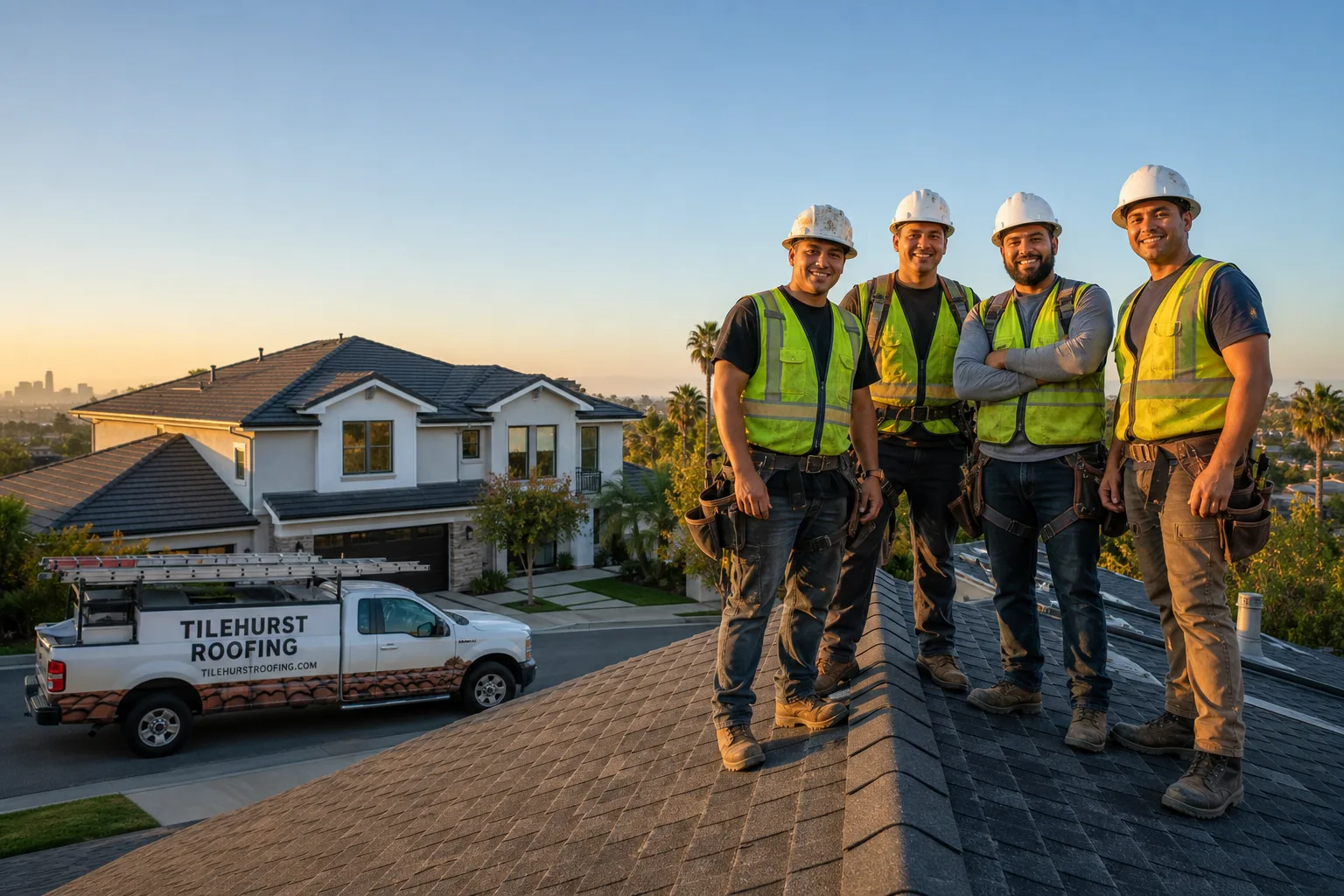
Free roof inspection with deck photos before we talk money - GAF and Owens Corning certified installation
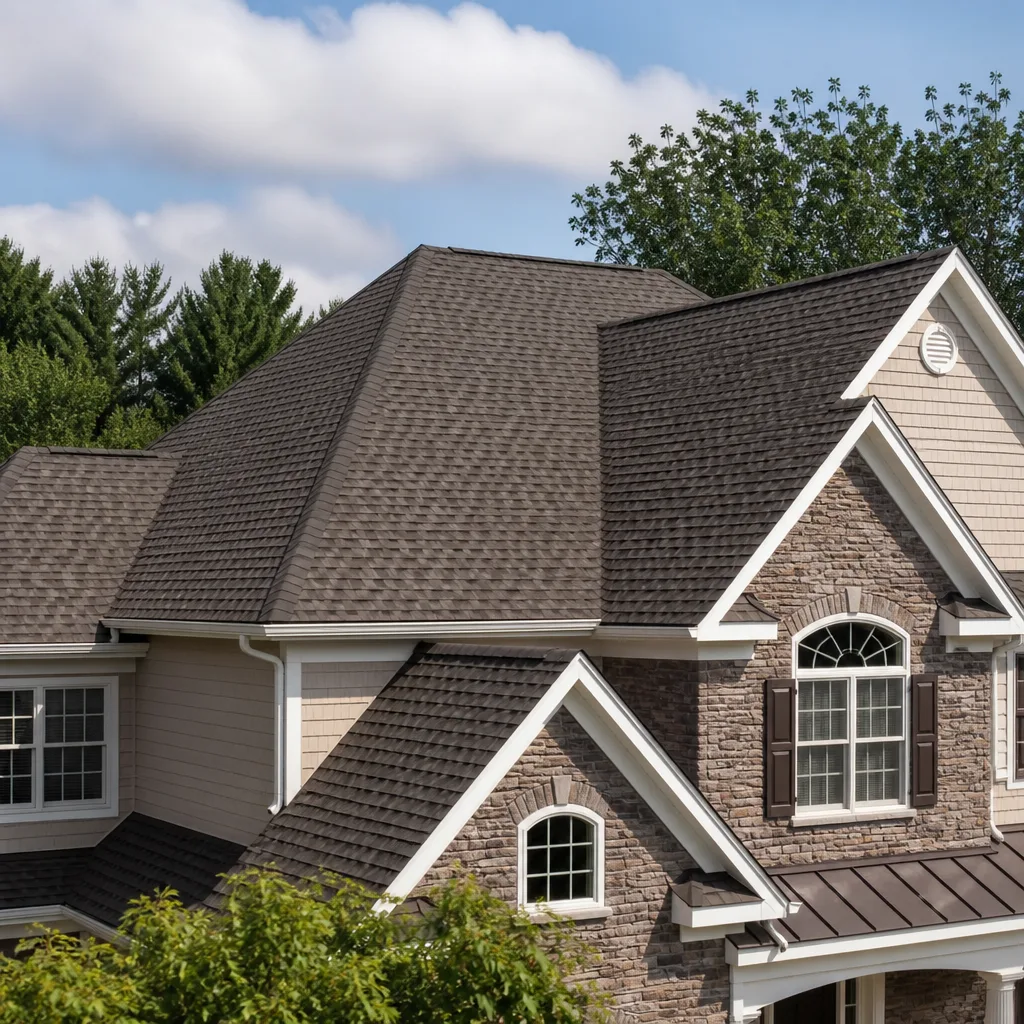
 Before
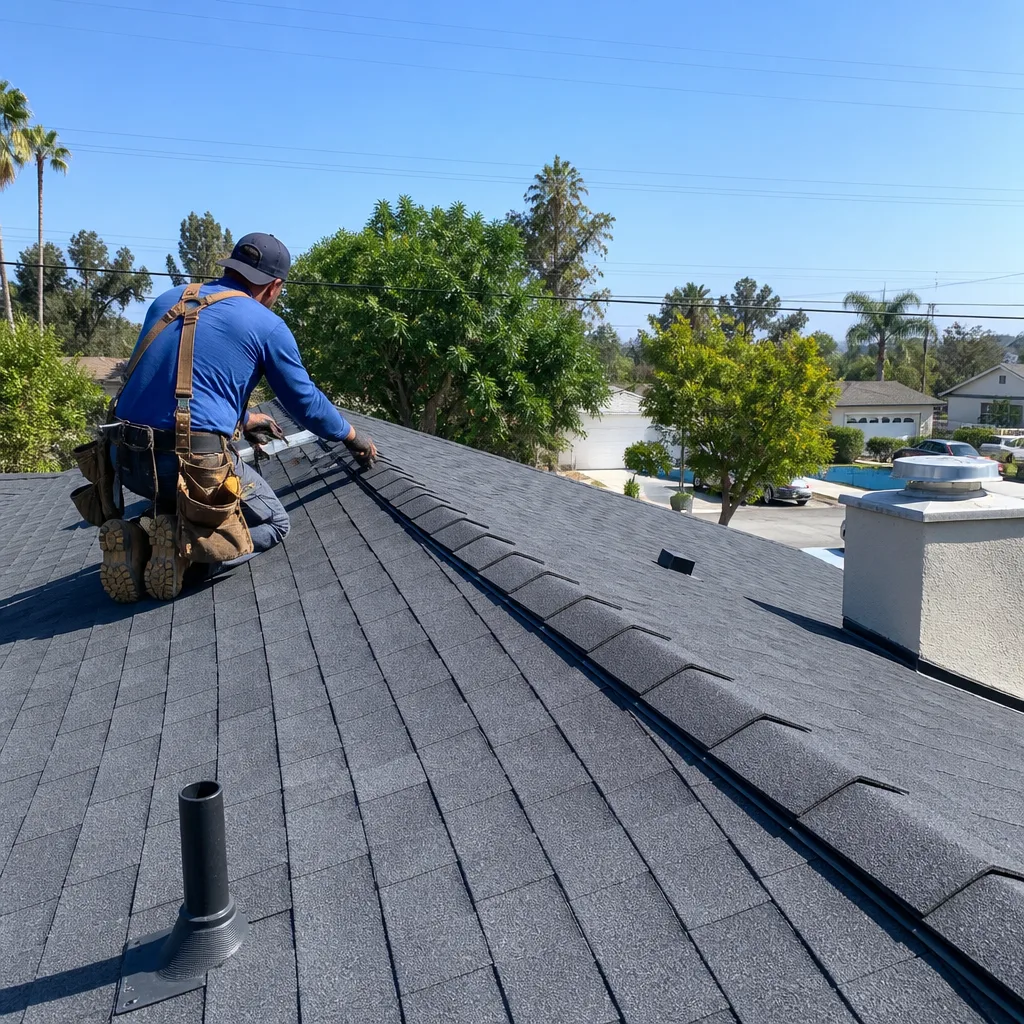 After
After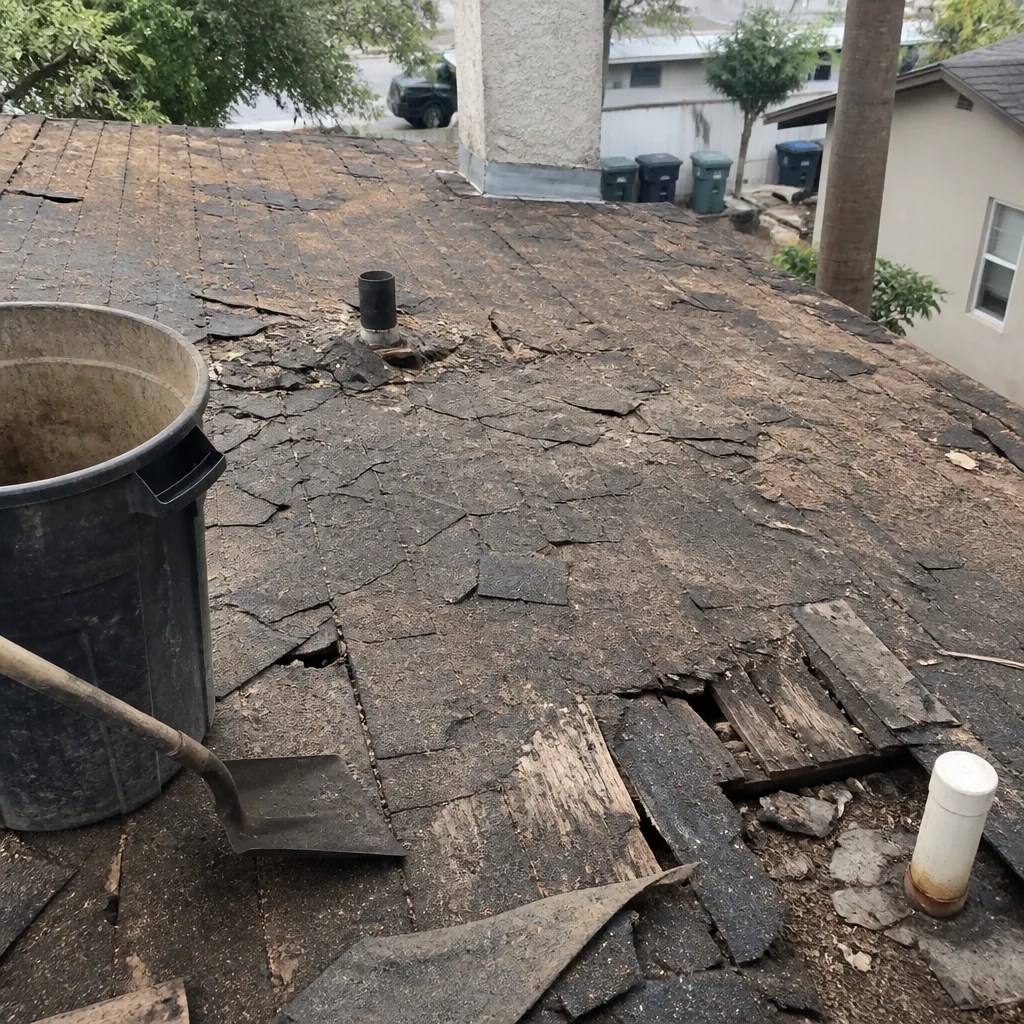 Before
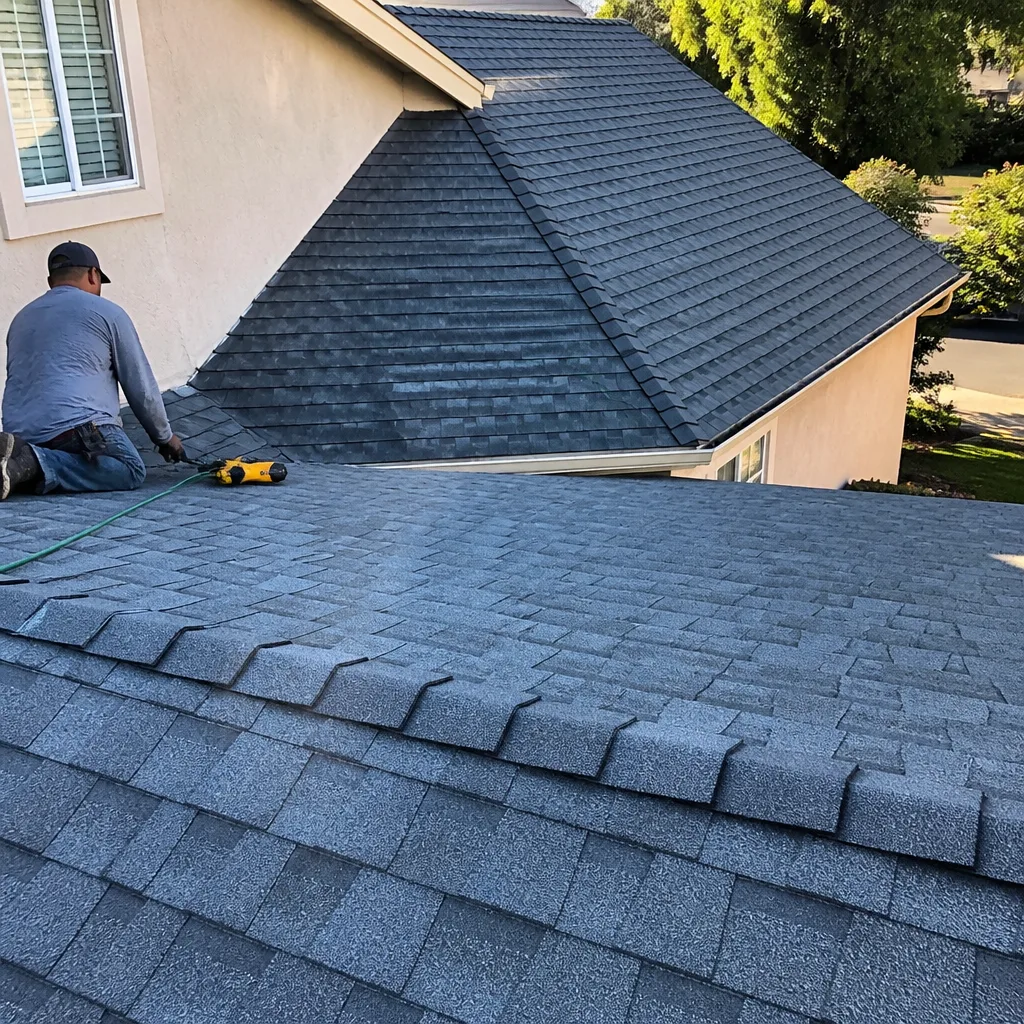 After
After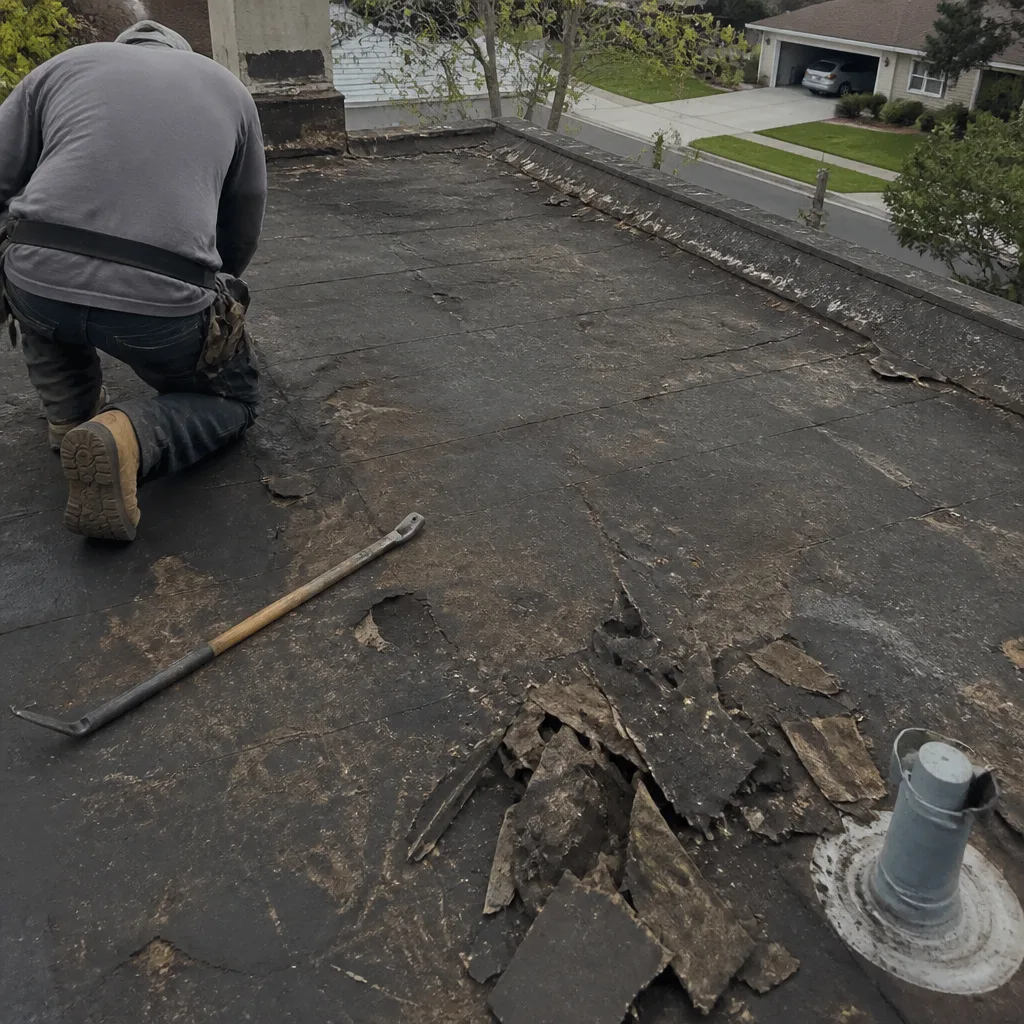 Before
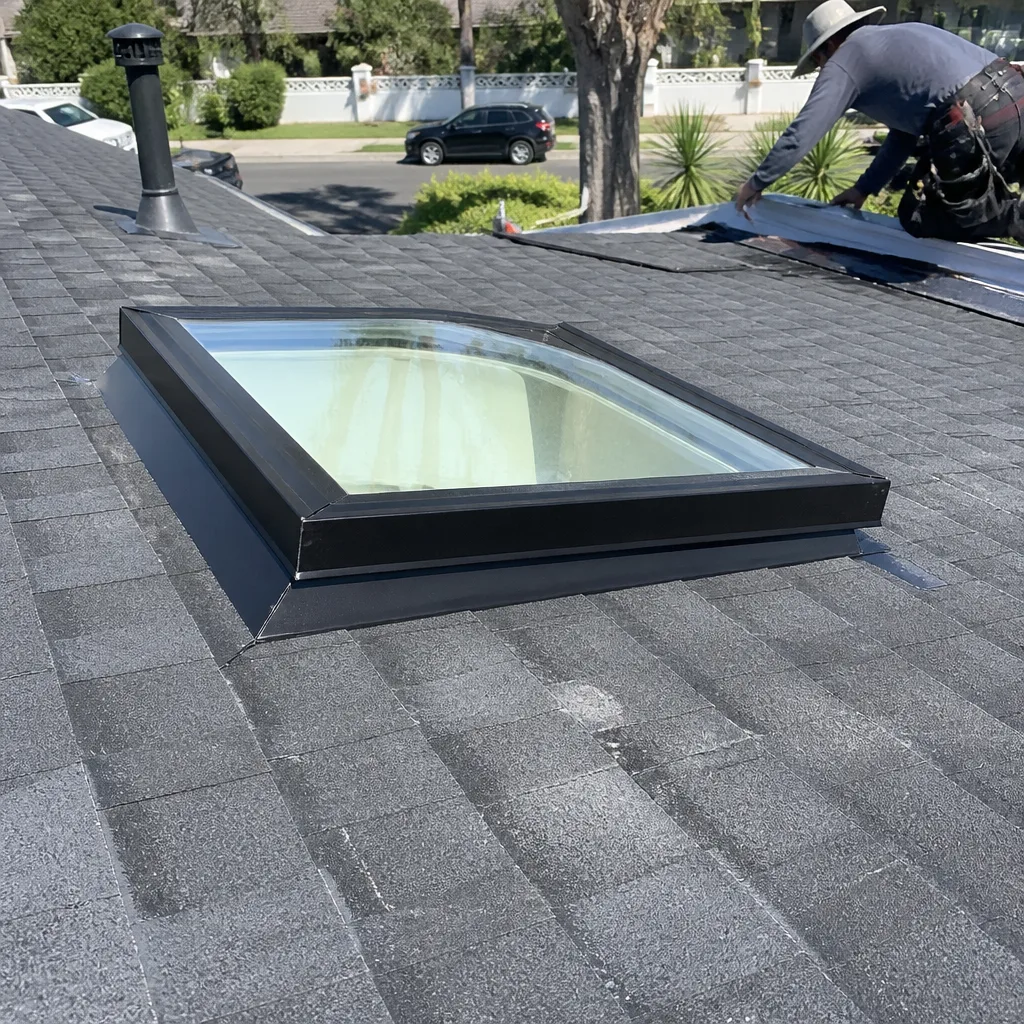 After
AfterFast, Reliable Roofing Company Across Culver City
If you own a home in Culver City, you need a Roofing Company that understands what four miles of Pacific fog does to a tile roof. Most asphalt-shingle repairs in Culver City run $450-$900. A full reroof on a 1920s Spanish Colonial Revival with clay tile typically lands between $18,000 and $34,000 depending on square footage and underlayment condition. Tilehurst Roofing gives you a written price before any work starts, so you know that number before a single nail is driven. Call (945) 303-9821 for a free estimate.
We keep crews scheduled across Culver City every week. That means when you call about a leak near Carlson Park or a cracked tile in Blair Hills, we can usually get someone on your roof within a couple of days, not a couple of weeks. Greg Holloway leads our Culver City roofing team and he has seen just about every failure mode this marine layer can produce.
Why Tilehurst Roofing Is Culver City’s Preferred Roofing Company
Culver City homeowners have a specific problem: their roofs are old, their homes are often in historic districts, and the coastal fog belt eats underlayment alive. Tilehurst Roofing is part of the Roofing Company in Culver City landscape because we handle all three issues without drama. We are a Kingswell family company, founded in 2000. Every job comes with a written price before any work starts, a written guarantee on every repair, and the 365-Day Done Right Promise. If a repair fails inside that year, we return and correct it at no charge.
The Kingswell Way is simple: say the price before the work, show up in the window we gave, leave the place cleaner than we found it, put the guarantee in writing, and come back if it fails. No Culver City homeowner should have to chase a contractor who disappeared after cashing the check. That is why a live person answers our phones around the clock, including evenings and weekends. No voicemail, no callback queue.
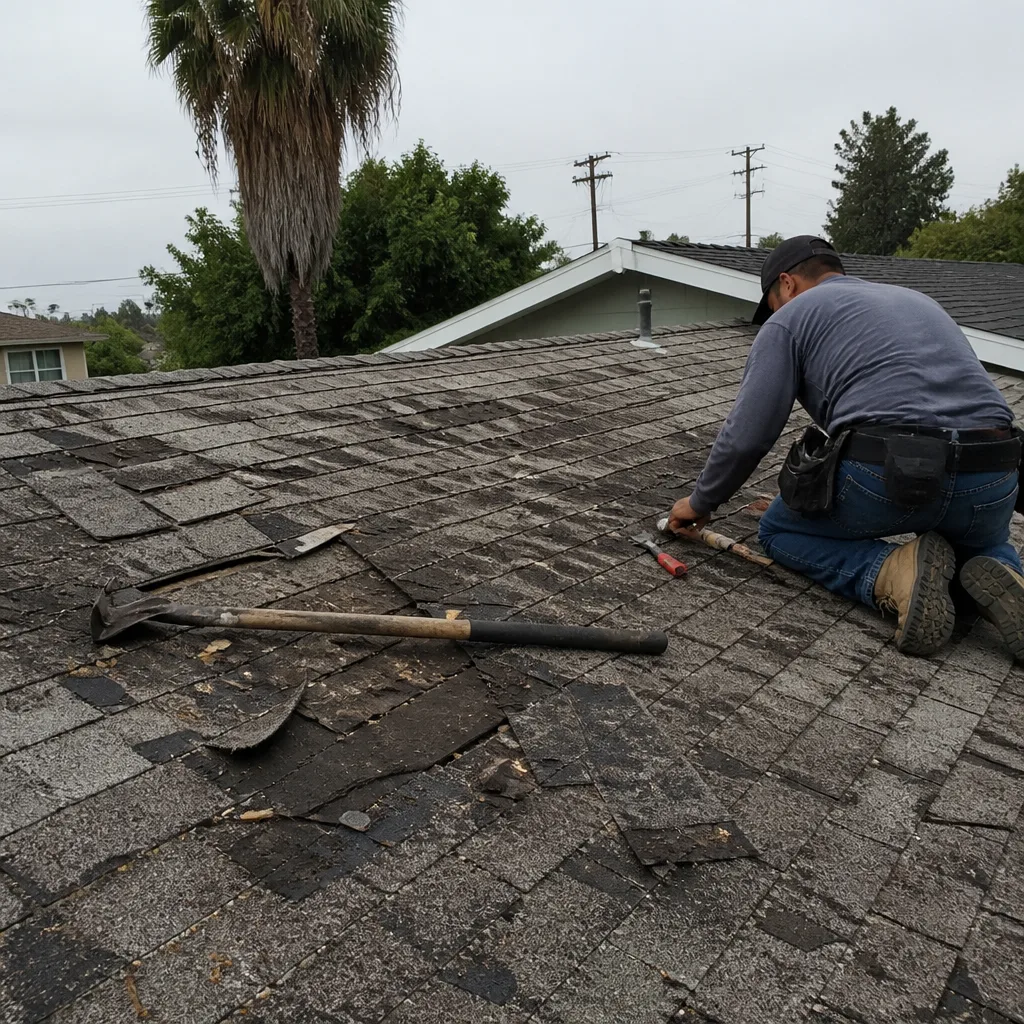
Our technicians are background-checked and uniformed. You will know who is on your roof and what they are doing. That matters when the person up there is prying off original clay S-tile from a 1929 bungalow on a street near the Downtown Historic District.
Commercial Roofing in Culver City
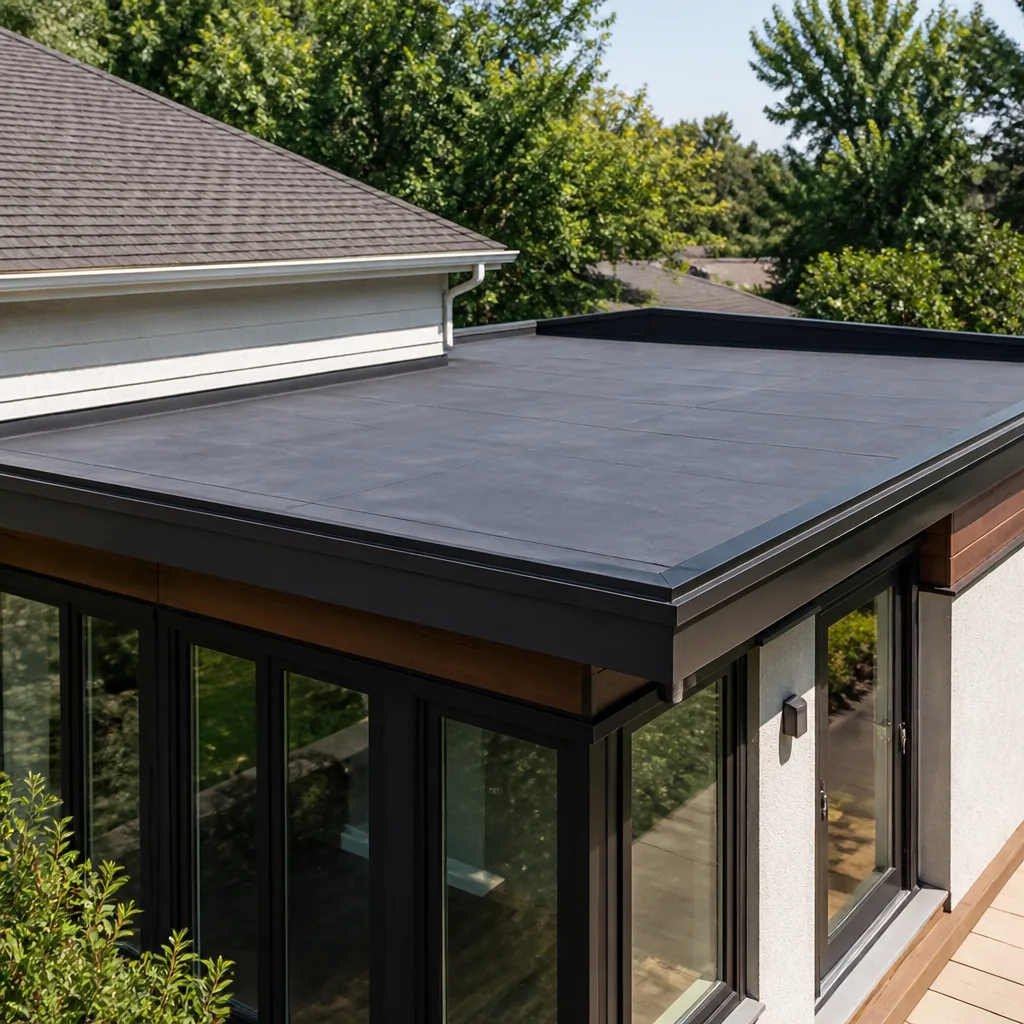
Commercial Roofing in Culver City means something different than it does in El Segundo or Inglewood. A lot of the commercial stock here, from the converted film-industry warehouses near Hayden Tract to the retail strips along Sepulveda Boulevard, was built decades ago with flat or low-slope roofs that now battle the same marine fog that hits the residential hills. A commercial membrane re-cover in Culver City typically runs $8-$14 per square foot depending on insulation and deck condition. Full tear-off and replacement runs $12-$20 per square foot.
We work on small to mid-size commercial buildings: offices, multi-unit residential, and mixed-use. The process starts with a written inspection and a line-item scope. No change orders, no surprise extras.
Flat Roof Replacement on Older Commercial Buildings
Many Culver City commercial roofs from the 1960s and 1970s still have original built-up roofing or early single-ply membranes. By now, the seams are pulling and the fog has found every weak point. We tear off the old system, inspect the decking, and install new insulation and membrane with proper slope and drainage. You get a warranty in writing before we leave the site.
Metal Retrofit for Culver City Storefronts
Culver City’s design culture leans heavily on mid-century and industrial aesthetics, which is why standing-seam metal retrofits work so well here. We can convert a failing low-slope roof to a metal system that sheds the morning fog before it pools. Cost runs $14-$22 per square foot installed, with materials from Boral, Atlas, or GAF depending on the panel profile.
Metal Roof Installation in Culver City
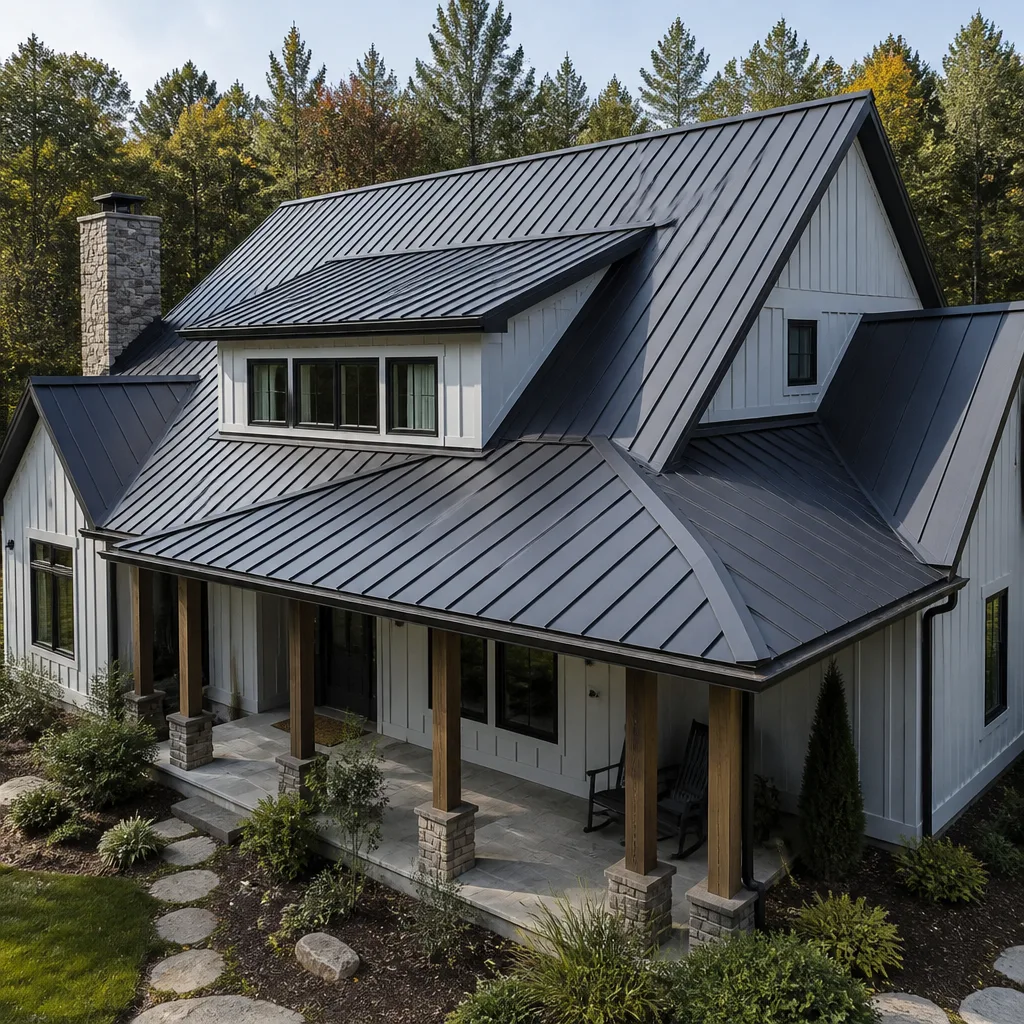
Metal Roof Installation in Culver City is a practical answer to the marine layer. Metal sheds fog instead of absorbing it, and properly installed standing seam will outlast nearly any asphalt shingle in this climate. A full standing-seam metal roof on a typical 1,800-square-foot Culver City ranch home runs $24,000-$38,000. That includes tear-off, underlayment, flashing, and disposal.
For homeowners in Blair Hills or Carlson Park with original clay tile, metal is not the first recommendation, but it has a place. Some mid-century ranch homes with low-pitched roofs are actually better suited to metal than to heavy tile. We walk through that with you before you commit.
Standing Seam on Low-Pitch Ranch Homes
Ranch houses from the 1950s often have pitches around 3:12 or 4:12. Tile on those slopes traps moisture and gives it time to work into the decking. A standing-seam panel with hidden fasteners eliminates exposed screws, and the panel laps seal tight. We specify hot-dip galvanized or stainless clips so nothing rusts out in the fog belt.
Boral Metal Tile Profiles for Historic Compatibility
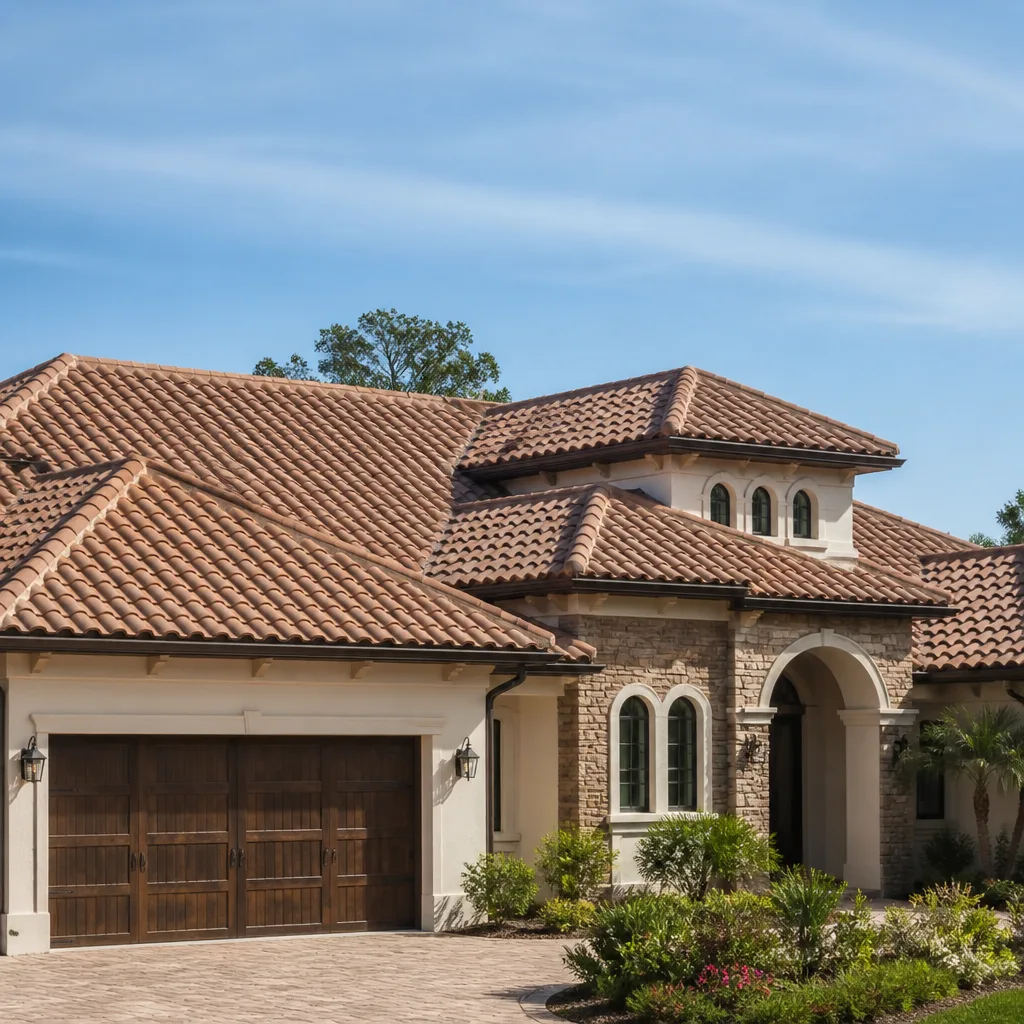
If you are inside a contributing district near Downtown Culver City, you have to be careful about material changes. Boral makes a pressed-metal tile profile that reads visually closer to original clay barrel tile than a standing-seam panel does. It weighs far less than concrete tile, and it can often clear the design-review process more smoothly when installed on a non-landmarked contributing structure. We coordinate with the Community Development Department before any material or color change.
Trusted Brands We Service in Culver City
We install and repair roofing systems from seven major manufacturers so the product matches the home, not whatever happens to be in the truck. In Culver City, we frequently specify GAF for asphalt shingle work on mid-century homes, Atlas for budget-conscious storm repair, and Boral for lightweight tile on contributing-district properties we are trying to keep visually faithful to the original. We keep a rolling inventory of common flashings, ridge caps, and underlayment at our Los Angeles dispatch yard so Culver City customers are not waiting on a freight shipment for a repair that should take one afternoon.
Common Roofing Company Problems We See in Culver City Homes
- Fog-belt underlayment failure under intact tile: The tile looks fine, so the leak makes no sense. What you are seeing is the 80 to 100 year old felt beneath the tile disintegrating from persistent trapped moisture. The fix is underlayment replacement with tile salvage and re-lay, not just caulking the surface.
- Rusting fasteners on original clay tile: Electro-galvanized nails from a past repair rust through in the coastal air, leaving brown streaks down the tile face and allowing courses to shift. We re-fasten with hot-dip galvanized or stainless hardware exclusively.
- Historic district permitting surprises: A contractor pulls a standard reroofing permit, changes the tile profile or color, and then the city issues a stop-work order because a Certificate of Appropriateness was never filed. This is the single most common avoidable disaster we see near the Downtown Historic District.
- Low-pitch deck rot on 1950s ranch homes: Culver City’s early ranch stock often has valleys and crickets that hold morning fog water longer than the roof can shed it. By the time a homeowner sees ceiling staining, the decking underneath is already soft. We open the roof, replace the damaged sheathing, and rebuild the drainage plane properly.
Pricing for Roofing Company in Culver City, CA
Roof Repair in Culver City runs $450-$900 for typical asphalt-shingle work and $600-$1,400 for tile repair involving salvage and re-lay. Roof Replacement on an asphalt-shingle home runs $12,000-$19,000. A full clay or concrete tile reroof runs $18,000-$34,000 depending on whether we can salvage original tile or need to source matching replacement material. Underlayment replacement under original clay tile, the job we do most often in Carlson Park and Blair Hills, runs $9-$14 per square foot. Metal roof installation runs $24,000-$38,000 for a typical home. You get a written line-item price before any work begins, and that price does not change unless you change the scope. Call (945) 303-9821 to schedule your free estimate.
We Also Serve Cities Near Culver City
Our crews cover Culver City and the surrounding Westside communities. We regularly work in Marina del Rey, where salt spray off the marina adds another layer of corrosion risk; in Venice, where the walk-street bungalows present tight-access challenges; in Inglewood, where mid-century tract housing meets the same marine layer; and in El Segundo, where industrial-era homes need the same coastal-spec fasteners and flashing.
Serving Culver City, CA - Our Local Coverage Area
We’re based in the Culver City area and know this community well. Use the map below to see our service coverage - if you’re nearby, we can almost certainly help.
FAQs About Roofing Company in Culver City
Yes, potentially. If your home sits inside a contributing district near the Downtown Culver City Historic District, the Community Development Department can trigger design review even if your specific house is not a landmark. Changing the tile profile, material, or color from original requires a Certificate of Appropriateness before the reroofing permit is pulled. We check this before we ever put a ladder on the property, so you never get hit with a stop-work order mid-teardown. Call (945) 303-9821 and we will verify your status up front.
The tile is not the problem; the underlayment underneath it is. The original felt underlayment on 1920s and 1930s homes in Culver City is now 80 to 100 years old. Decades of trapped marine fog have rotted it away, even though the clay tile above remains visually intact. The fix is either a full underlayment replacement with tile salvage and re-lay, or a targeted repair at valley and flashing penetrations if the damage is localized. We inspect the decking and felt in person, then put the repair plan in writing with a dollar figure. Call (945) 303-9821 to book a free estimate.
Hot-dip galvanized nails, stainless steel screws, and stainless or prepainted aluminum flashing, without exception. The marine layer four miles east of the Pacific corrodes electro-galvanized and plain steel fasteners within a decade. We have seen original clay tile stained brown by rust bleeding from cheap fasteners installed by a previous contractor. We do not use them. It is a modest material cost difference, and it is the difference between a roof that lasts 50 years and one that starts failing at year eight. Get a written quote with the fastener spec spelled out by calling (945) 303-9821.
Line up the underlayment brand and weight, the flashing metal type, the fastener spec, and the warranty terms. Those four items decide whether your roof survives the Culver City fog belt. A bid that says “felt” without a brand or a weight is below spec for this climate; you want a high-temp synthetic underlayment or double-layer 30-pound felt minimum. If one bid uses aluminum flashing and the other uses stainless or prepainted aluminum, that is a real price gap. If one bid includes a written guarantee and a 365-day correction promise, and the other does not, that matters more than the bottom line. Our estimates list every material by name and grade, so you can compare apples to apples. Call (945) 303-9821 for a written line-item quote.
Yes, depending on the home’s architectural context. A standing-seam metal roof works well on 1950s ranch homes with low pitches, because metal sheds fog water faster than tile. On a 1928 Spanish Colonial Revival in Carlson Park, a standing-seam panel would look wrong and would likely fail design review if the home sits in a contributing district. In that case, we would specify a Boral pressed-metal tile profile that reads as clay barrel tile from the street. We will tell you honestly which option fits your home and your street, and we will put that recommendation in writing. Call (945) 303-9821 to discuss your roof.
How Culver City’s Marine Layer Decides Your Roof’s Hardware
Salt air near Culver City decides the materials on your roof, not the schedule. We see the same failure on home after home in the fog belt: fasteners that rusted through, flashing that corroded at the seams, underlayment that turned to powder under tile that still looks brand new. Two homes on the same street, same age, same tile profile, one re-roofed with inland-spec hardware ten years ago and one with coastal-spec hardware fifteen years ago. The inland-spec roof now has rust streaks running down the tile faces and slipping courses near the ridge. The coastal-spec roof is still shed water clean. That’s the difference.
When you compare a Culver City reroof bid against an inland-spec bid from another contractor, the price gap is real: usually $2,000 to $4,000 on a full tile roof. The cheap spec uses electro-galvanized nails and aluminum flashing. It looks fine for the first few years. Then the fog does what it does, and by year ten you are paying to re-fasten tile courses and patch valleys. The expensive spec, the one we specify, costs more on day one and less by the end of the decade. We would rather you be upset about the price once than about the rust streaks every time you pull into your driveway.
On a 1928 Spanish Colonial Revival in Carlson Park, we tore off original clay barrel tile to find the felt underlayment dished and crumbling from decades of trapped marine-layer moisture, with algae streaking across every north-facing slope. We salvaged and re-laid the sound tile as a match field, reset the damaged runs on new high-temp underlayment and ice and water shield at the valleys, and re-hung the field with hot-dip galvanized nails and stainless flashing so the fasteners would not bleed rust onto the tile. We also flagged the profile match with the Community Development Department before pulling the reroofing permit, so the contributing-district review never turned into a mid-job stop-work order.
Culver City’s residential core was built out largely during the 1920s-1940s film-industry boom, leaving block after block of Spanish Colonial Revival and California bungalow homes with original clay S-tile or early concrete tile roofs now 80-100 years old. Reroofing here demands period-appropriate tile matching and an awareness of Culver City’s Historic Preservation Program, which can require Community Development Department review before material or profile changes on contributing properties near the Downtown Historic District. That regulatory layer does not exist in neighboring Inglewood or Hawthorne. A contractor who does not know it will find out the hard way, and so will the homeowner.
We also know the local neighborhoods by name: Carlson Park, Blair Hills, the Downtown Historic District, the flats along Overland Avenue, the hills above the Baldwin Hills Scenic Overlook. Each one has slightly different fog exposure, different drainage patterns, and different housing stock. The roof on a 1926 bungalow in Carlson Park is not the same job as a 1954 ranch off Sepulveda. We price them differently because they are different.
Key Takeaways
- Culver City’s marine fog belt kills underlayment decades before it kills tile. If you see California roof tile that looks fine but leaks, it is the felt underneath.
- Historic district design review can stop a reroof mid-job if you change tile profile or color without a Certificate of Appropriateness.
- Coastal-spec fasteners and flashing cost roughly $2,000-$4,000 more on a full tile roof, and they are the difference between a 50-year roof and a 10-year repair cycle.
- Asphalt-shingle repair in Culver City runs $450-$900. A full tile reroof runs $18,000-$34,000. Metal runs $24,000-$38,000. You get the exact number in writing before work starts.
If you are ready for a roof that actually handles Culver City’s fog and salt air, call (945) 303-9821. We will come out, inspect the roof, and put a written price in your hands. No voicemail, no waiting until Monday. A live person answers right now.
Written by Greg Holloway, Owner at Tilehurst Roofing, serving Culver City under the Kingswell Guarantee.