
Free roof inspection with deck photos before we talk money - GAF and Owens Corning certified installation
 Before
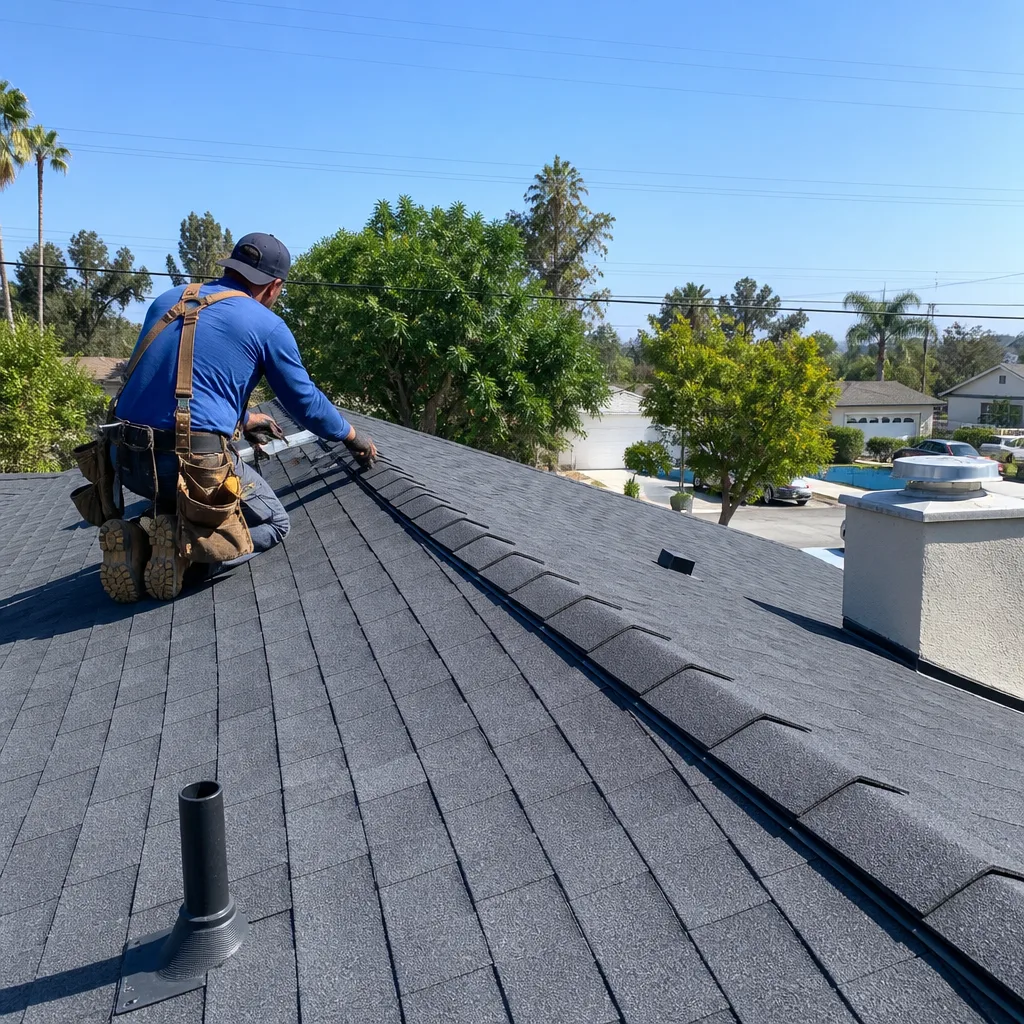 After
After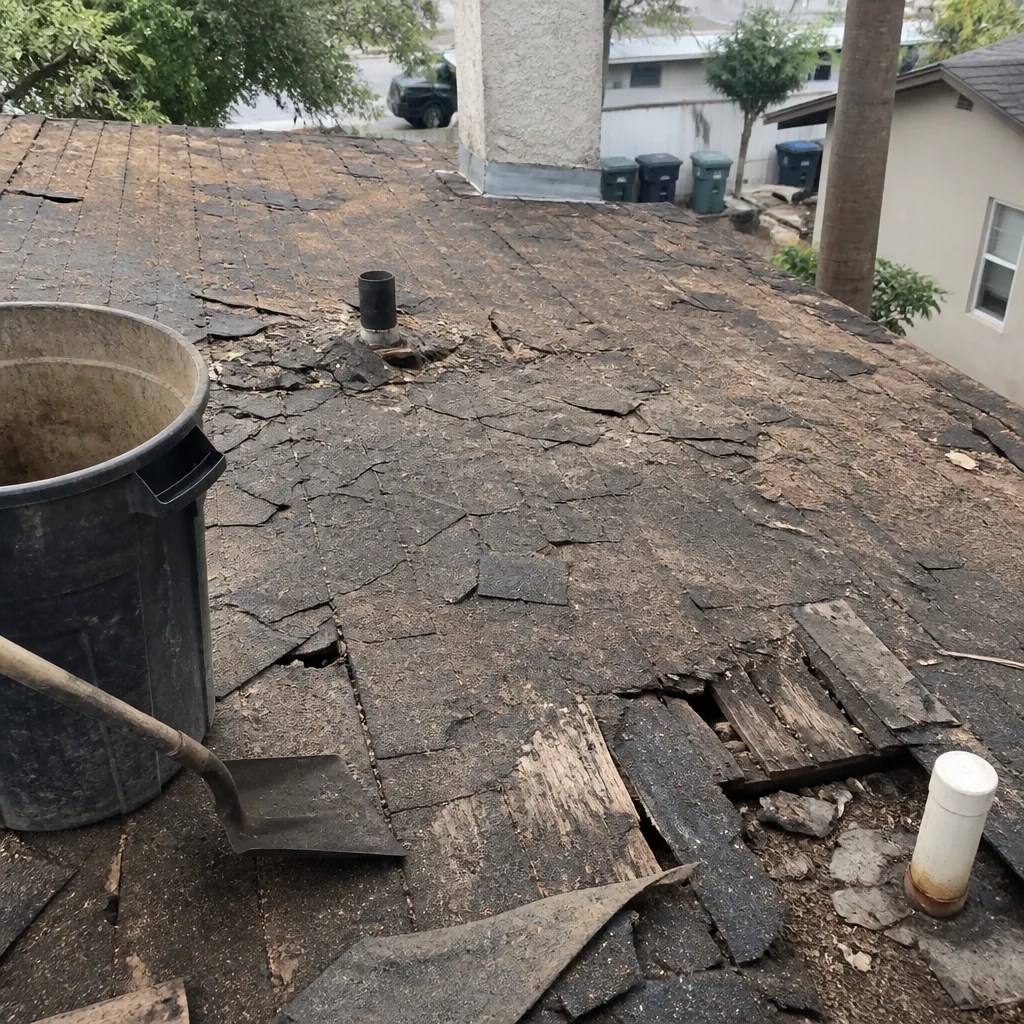 Before
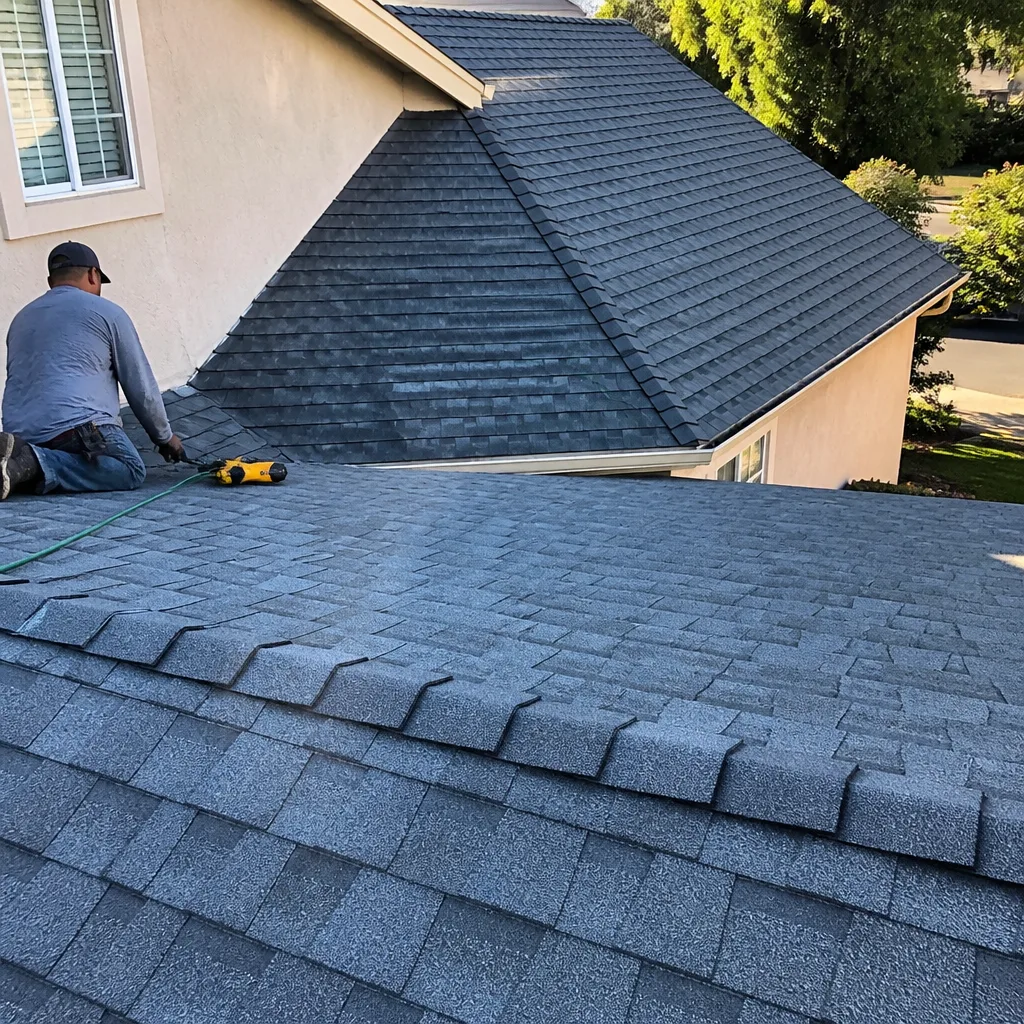 After
After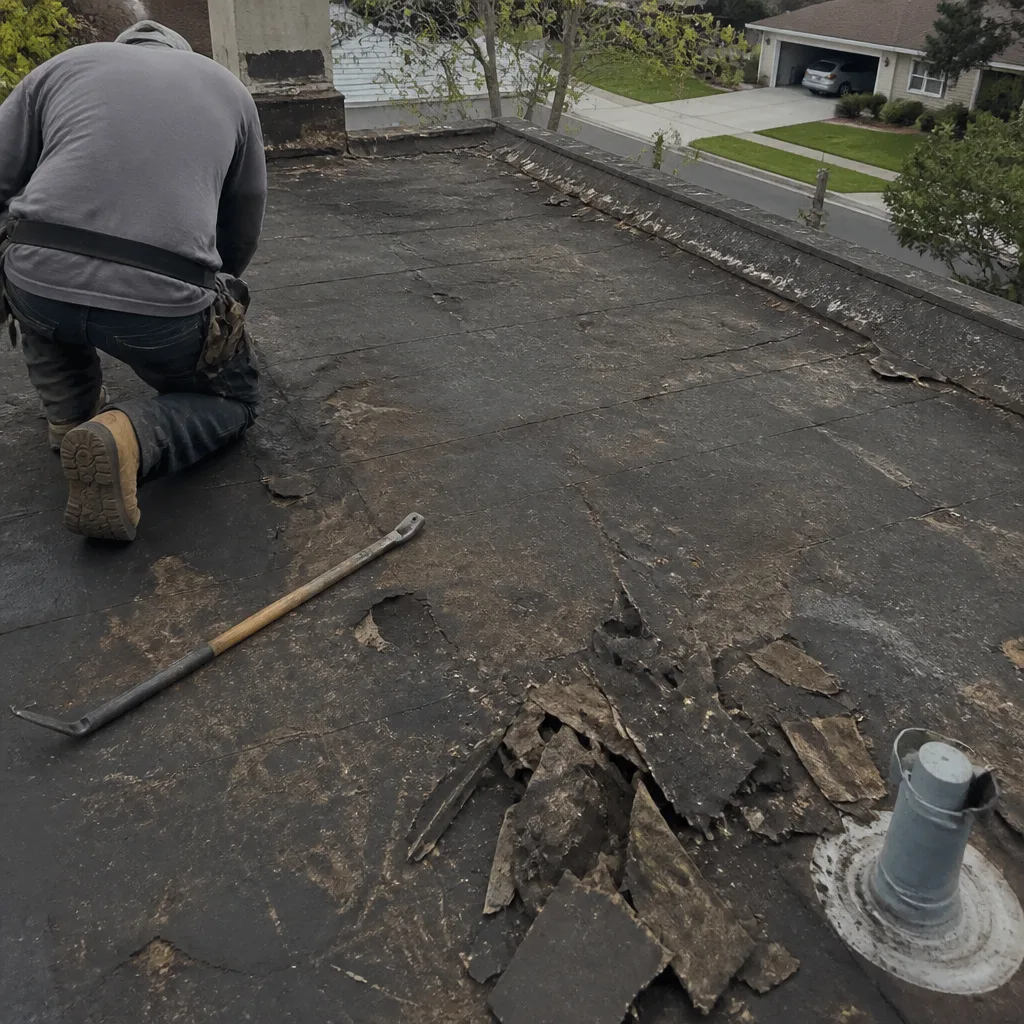 Before
 After
AfterFast, Reliable Roofing Company Across Simi Valley
If you need a Roofing Company in Simi Valley, the honest answer is that most asphalt-shingle repairs here run $450-$1,400, and a full reroof on a typical 1,400-square-foot tract home lands between $11,000 and $19,000 depending on materials and whether your street sits in a fire zone. The bigger variable most homeowners never see coming is the permit desk. We work the valley floor from Sycamore Drive up into the Wood Ranch hillsides every week, so we know which streets trigger Class A material requirements and which ones don’t. That local knowledge changes your price, your timeline, and sometimes your entire material spec before the first nail goes in. Call (945) 303-9821 and we’ll tell you what applies to your address.
Simi Valley’s housing stock grew fast in the 1970s and early 1980s, and nearly all of it was built before current Title 24 energy codes and fire standards. That means a roof that looks “fine” from the curb can be hiding fastener rot, failed sealant strips, or underlayment that’s no longer legal to reuse. We don’t bid sight unseen. We walk the roof, measure the decking, check the drip edge, and give you a written price before any work starts. That’s how we’ve done it since Simi Valley homeowners started calling us, and it’s the only way we know to build trust with a customer who’s already been burned once.
Why Tilehurst Roofing Is Simi Valley’s Preferred Roofing Company
Homeowners here don’t ask for much. Answer the phone. Show up when you said you would. Put the price in writing before work begins. And if something goes wrong, come back and fix it without an argument. That sounds simple until you’ve dealt with three contractors who couldn’t manage it. Tilehurst Roofing operates under the Kingswell family of companies, founded in 2000, and every location, including our Simi Valley crews, runs on the same written guarantees: a 365-Day Done Right Promise on every job, a written price in your hands before any work starts, and a live person answering every call, 24 hours a day, 7 days a week. Not a voicemail. Not a callback queue. A human being, even at 9 p.m. on a Sunday.
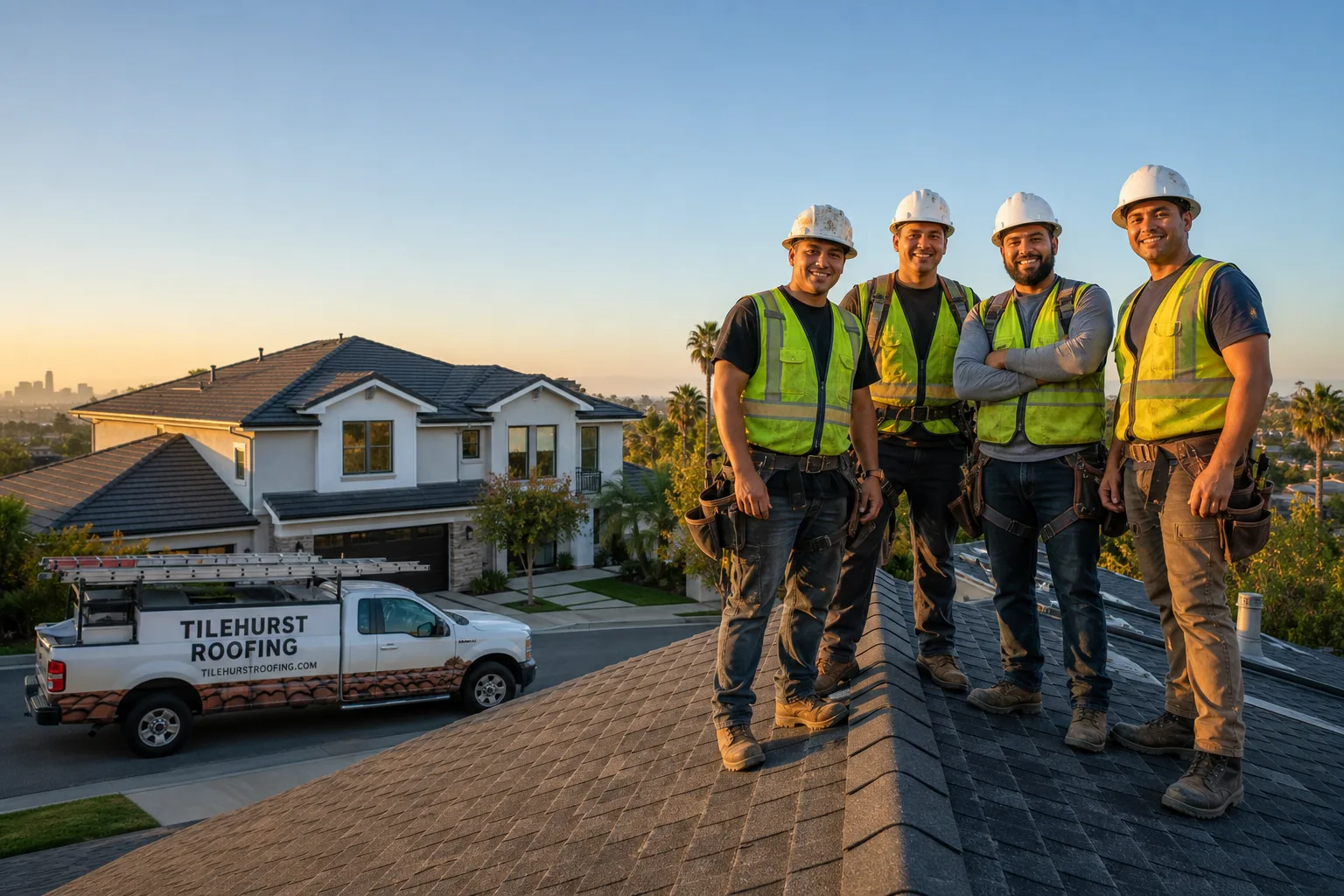
Greg Holloway leads our team, and he put the standard in place early: background-checked, uniformed technicians on every job, so you know exactly who is on your roof and why they’re there. We don’t subcontract the work out to whoever’s available. The crew that shakes your hand at the estimate is the crew that climbs the ladder. Simi Valley customers tell us the same thing over and over: the roof held, the site was clean, and the invoice matched the quote. We’re happy to let a strong local reputation do the talking, because the work backs it up.
Our response time to Simi Valley is same-day for emergency leaks and storm damage, and typically within 48 hours for standard estimates. We schedule inspections around your workday, and our technicians carry the common materials on the truck for the tract homes we see constantly around the 93063 and 93065 zip codes. When you call, we’re not guessing which neighborhood you’re in. We’ve probably already worked three houses on that block.
Free Roof Estimate in Simi Valley
A Free Roof Estimate for your Simi Valley home is exactly what it sounds like: we come out, inspect the roof, and hand you a written price. No deposit, no obligation, no pressure to sign on the spot. We walk the roof surface, check flashing and drip edge, look at the decking from the attic side when we can, and then we tell you what the job needs and what it costs. If you’re up in the Wood Ranch hillsides, we’ll also check whether your property falls within a VHFZ (Very High Fire Hazard Severity Zone) boundary, because that one detail can legally change what materials you’re allowed to install.
What the Inspection Covers
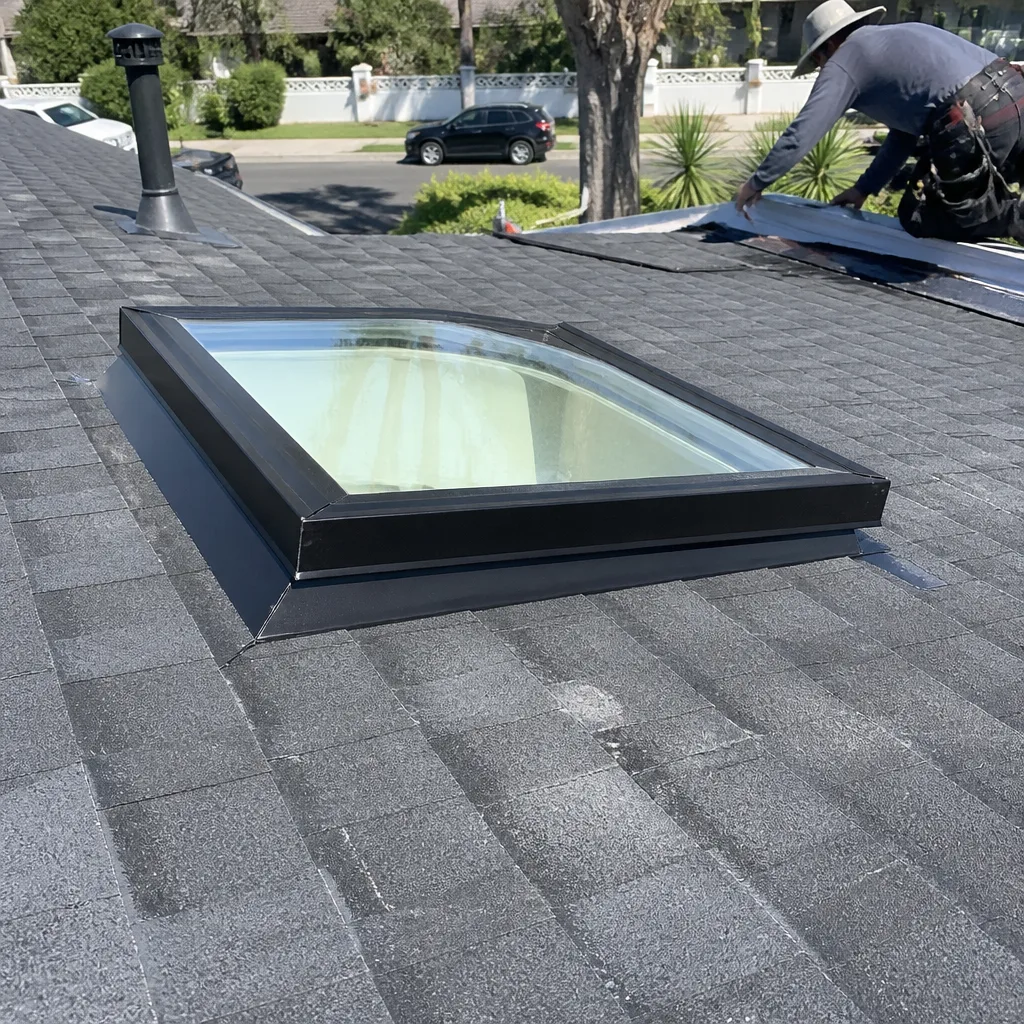
We document the shingle or tile condition, the underlayment, the flashing around chimneys and skylights, the ridge cap, and the ventilation. If we find rusted nail heads or failed sealant strips, we show you photos from the roof, not a clipboard report you can’t verify. You’ll know what needs replacement and what still has life left.
What You Get in Writing
After the inspection, you get a line-item quote with the material brand, the fastener spec, the underlayment type, and the labor. If the scope changes mid-job because the permit review forces a Class A upgrade, we bring that to you in writing before any additional work starts. No door-knock price changes. That’s the Kingswell Way, and we don’t negotiate it away.
Roofing Contractor in Simi Valley
When you hire a Roofing Contractor in Simi Valley, you’re really hiring someone to make a weatherproof, code-compliant decision about materials, fasteners, and ventilation that will hold up in this specific valley climate. That’s different from a handyman with a ladder. Our crews are licensed, insured, and trained on the specific failure modes we see here: electro-galvanized nails that rust through during thermal cycling, sealant strips that bake out in 100°F-plus summers, and wind-driven rain that pushes past undersized drip edge during Santa Ana events. We spec the roof for Simi Valley’s conditions, not for a brochure.
Reroof Work in Fire Zones
If your street sits in the VHFZ boundary, a reroof permit legally requires Class A fire-rated materials on the assembly. That’s not a Tilehurst policy; it’s Ventura County code. We know which streets are affected and which ones aren’t, and we build that into the quote the first time. Homeowners who learn about the Class A requirement at the permit counter are the ones who end up with surprise change orders. You won’t be one of them.
Repairs That Actually Hold
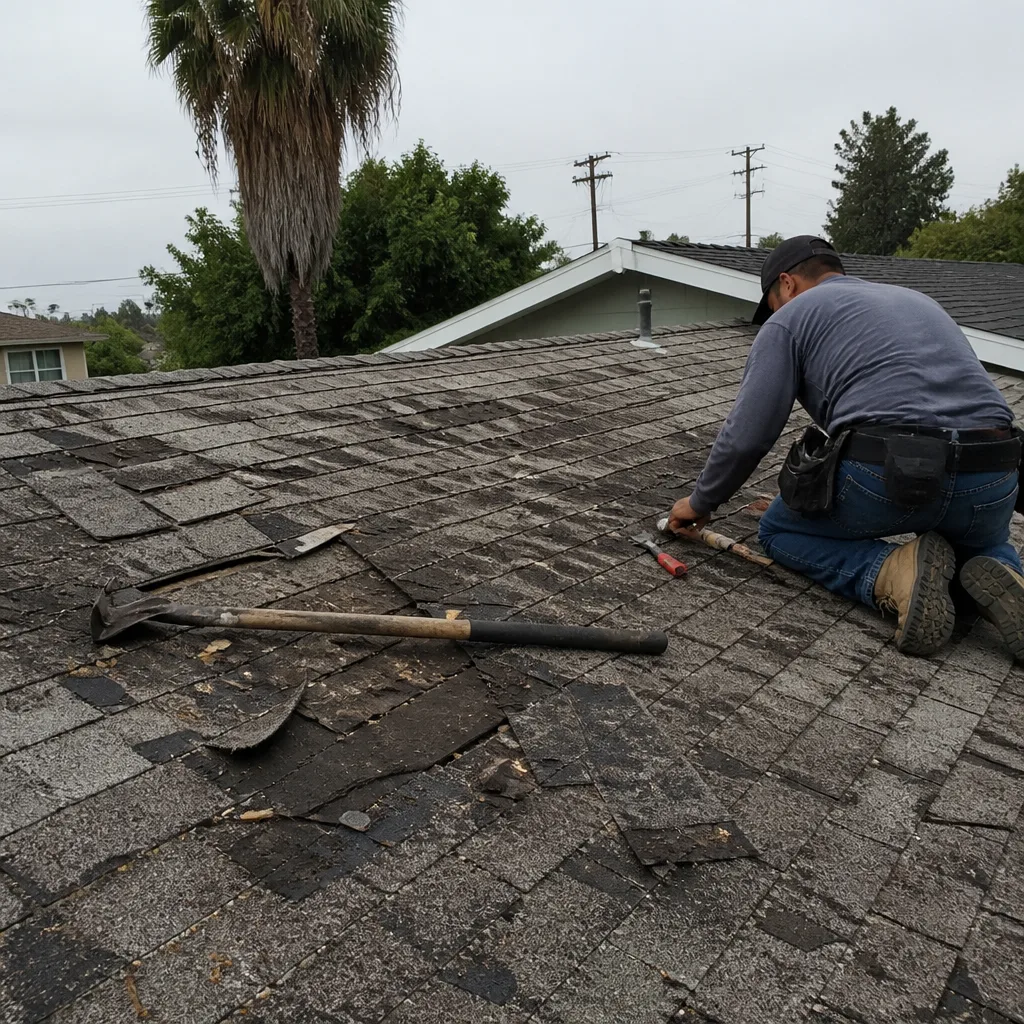
We tore off a failed 3-tab roof in the Wood Ranch hillside tracts and found the real problem was under-spec’d fasteners: the original electro-galvanized nails had rusted through after two decades of dry Santa Ana air plus summer thermal cycling, and the sealant strips had long since given out. We rebuilt the decking, laid down a Class A assembly with ice and water shield in the valleys and around penetrations, hot-dip galvanized hardware throughout, and a ridge vent sized for the sustained wind gusts that funnel down that corridor. That roof is still watertight, and that’s the standard every repair we do in Simi Valley meets.
Trusted Brands We Service in Simi Valley
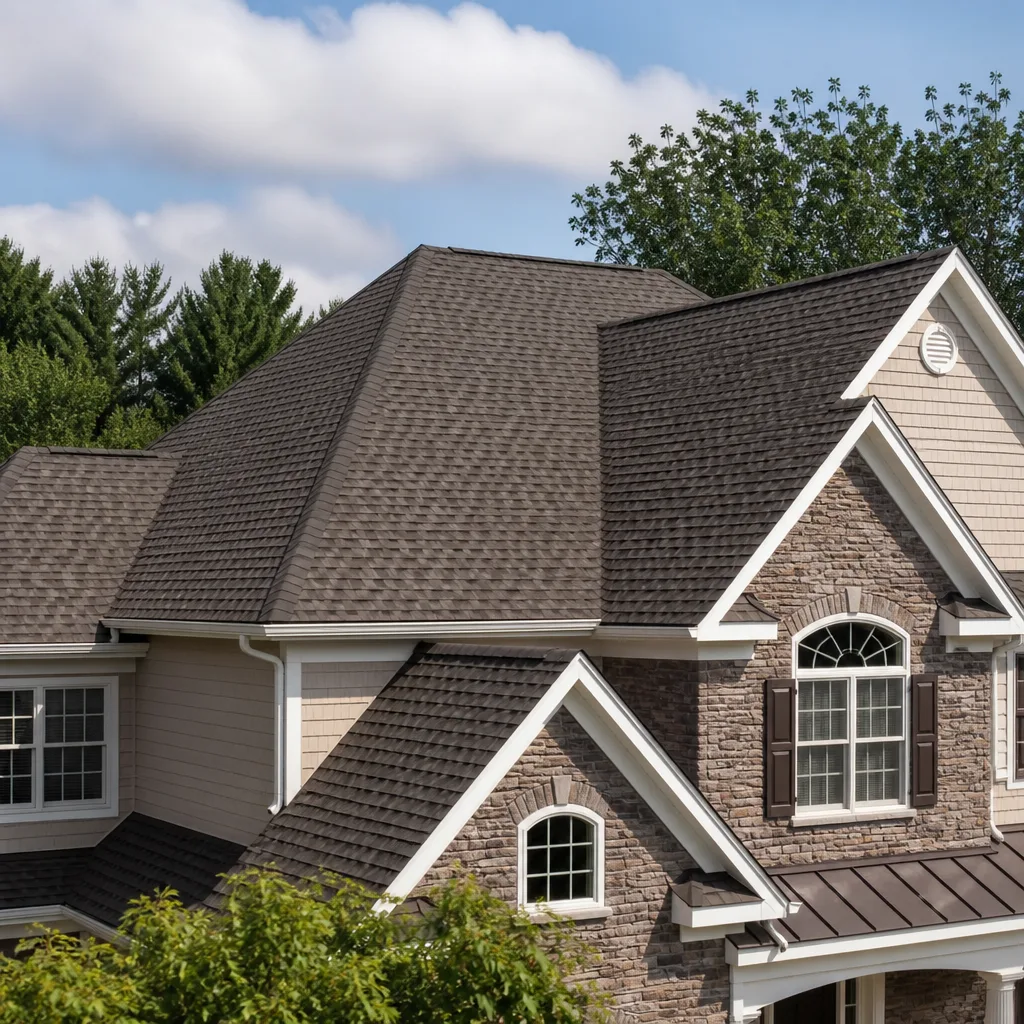
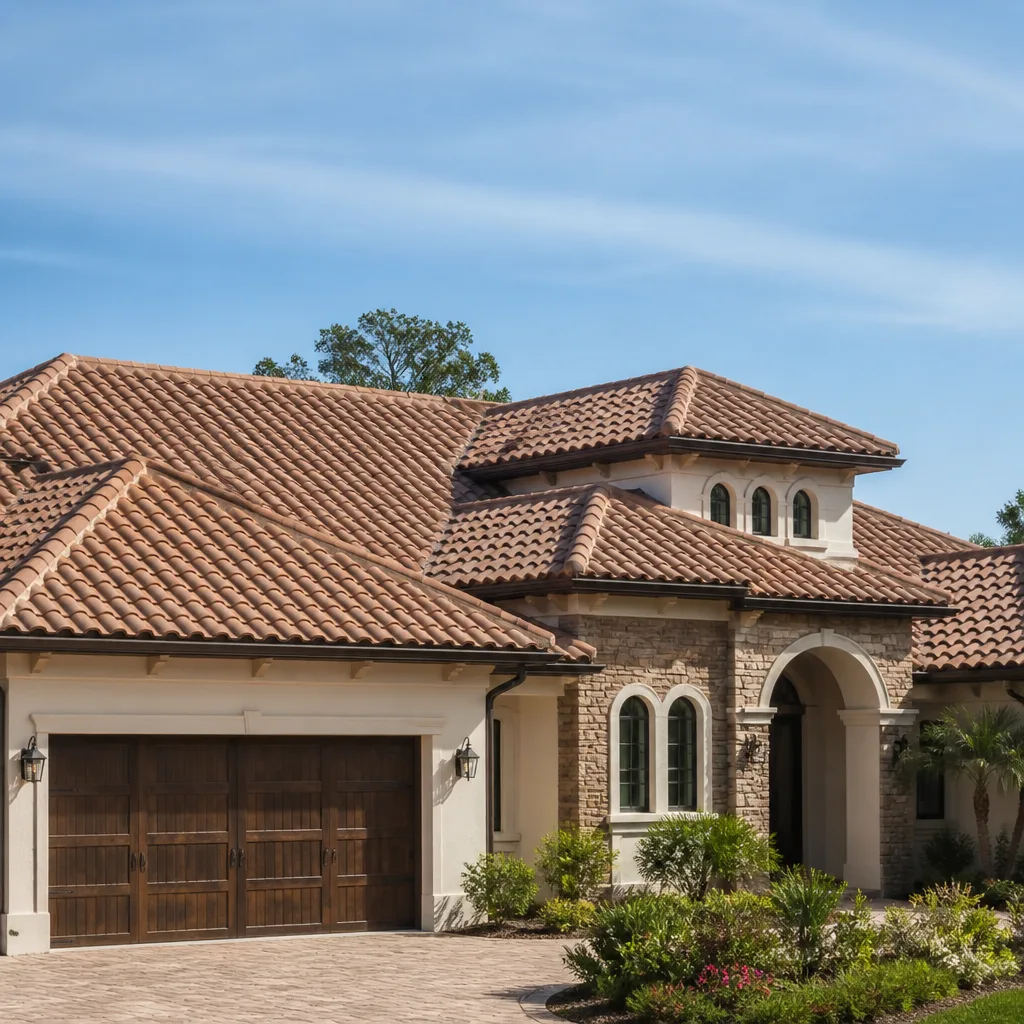
We don’t push a single house brand. We carry and install materials from seven major manufacturers, including GAF, Atlas, Tamko, and Boral, so the product fits your home and your street’s fire-zone requirements, not whatever happens to be in the truck. Simi Valley customers frequently ask for Boral concrete tile in the hillside tracts where the aesthetic matches the original build, and GAF asphalt shingles on the valley floor where cost and weight matter. We stock the common fasteners, underlayment, and drip edge locally, so a repair usually means one visit from our shop to your roof. No three-week parts delay.
Common Roofing Company Problems We See in Simi Valley Homes
- Rusted electro-galvanized fasteners. The original nails used on 1970s and 1980s tract homes weren’t rated for Simi Valley’s 100°F-plus summer swing. Two decades of thermal cycling plus Santa Ana air breaks down the zinc coating, and the nails rust through even when the shingle above still looks serviceable.
- Failed sealant strips from UV degradation. Inland valley sun is brutal on asphalt shingle adhesive. Heat over 100°F bakes the sealant strips until they lose grip, and wind events lift shingles that look fine from the ground. This is the most common cause of the “mystery leak” homeowners describe after a Santa Ana blow.
- Class A permit rejections in VHFZ zones. Wood Ranch and the hillsides near Santa Susana Pass sit inside Very High Fire Hazard Severity Zone boundaries. A like-for-like shingle replacement that ignores Class A requirements gets rejected at the permit counter, stalling the job and inflating scope. We catch this at the estimate stage and spec the right assembly the first time.
- Undersized drip edge and ridge vent on low-pitched tract roofs. The original build on many 1960s and 1970s Simi Valley homes used minimal drip edge and small ridge vents. During sustained Santa Ana events, wind-driven rain pushes past the flashing and into the decking. The fix is a properly sized drip edge and ridge vent, which most of these homes never had.
Pricing for Roofing Company in Simi Valley, CA
Here’s what you can expect to pay in Simi Valley. A standard asphalt shingle repair, like replacing a few lifted shingles or sealing a small leak around a vent, typically runs $450-$900. A larger repair involving flashing replacement or a section of decking, which we see often on 40-to-55-year-old tract homes around the 93065 zip code, runs $900-$1,400. A full Roof Replacement in Simi Valley on a typical 1,400-square-foot single-story home runs $11,000-$16,000 with a GAF or Atlas architectural shingle, or $15,000-$19,000 with a Class A assembly and upgraded underlayment if your street is in the VHFZ. Tile reroofs run higher, typically $20,000-$28,000 depending on the tile profile and decking condition. Every estimate is free, and every price is in writing before any work starts. Call (945) 303-9821 for an exact quote on your address.
We Also Serve Cities Near Simi Valley
Our Roofing Company team serves homeowners throughout the surrounding area, including Moorpark, Oak Park, Thousand Oaks, and Westlake Village. If you’re just over the line in one of these communities, the same Simi Valley crews, pricing standards, and written guarantees apply. Call (945) 303-9821 and we’ll schedule an estimate wherever you are in the area.
Serving Simi Valley, CA - Our Local Coverage Area
We’re based in the Simi Valley area and know this community well. Use the map below to see our service coverage - if you’re nearby, we can almost certainly help.
FAQs About Roofing Company in Simi Valley
Yes, if your property falls within a Very High Fire Hazard Severity Zone (VHFZ), which includes portions of Wood Ranch and the hillside tracts near Santa Susana Pass. In those areas, Ventura County code requires Class A fire-rated roofing materials on any permitted reroof. The valley floor neighborhoods outside the VHFZ do not carry that requirement. We check your parcel at the estimate stage and quote accordingly. Call (945) 303-9821 for a free estimate and we’ll tell you exactly what applies to your street.
Simi Valley’s inland valley climate hits roofs harder than the coastal test conditions manufacturers use to rate shingle lifespan. Summer temperatures routinely exceed 100°F, which accelerates UV degradation and thermal cycling that splits asphalt shingles far faster than in Moorpark or Thousand Oaks just 15 miles west. Add the near-zero humidity during Santa Ana events and the intense solar gain, and sealant strips on shingles and tile underlayment fail prematurely. A 30-year shingle in Simi Valley often performs more like a 20-year shingle, and that’s a climate fact, not a product defect.
We specify hot-dip galvanized or stainless steel fasteners on every Simi Valley reroof, never electro-galvanized. Electro-galvanized nails have a thin zinc coating that breaks down under Simi Valley’s summer heat swings, and the nails rust through even while the shingle above still has visual life. The Wood Ranch job we tore off had exactly that failure: rusted fasteners after two decades of thermal cycling. Hot-dip galvanized costs a bit more up front and saves a full decking replacement later.
Santa Ana winds in Simi Valley’s east-west valley corridor hit roofs with sustained high-velocity gusts that lift shingles whose sealant strips have baked out. If you’re choosing a shingle for this valley, the fastener spec and sealant quality matter more than the brand name on the bundle. We spec shingles with strong adhesive strips, install them with hot-dip galvanized nails at the pattern recommended for high-wind zones, and make sure the drip edge and ridge vent are sized to shed wind-driven rain. A cheaper shingle installed with the right fasteners and flashing will outlast a premium shingle installed with under-spec’d hardware.
Check the drip edge, the nail heads, and the sealant strips. Most Simi Valley tract homes were built between the late 1960s and mid-1980s with 3-tab composition shingles or early concrete tile, and they’re now on their first or second replacement cycle. Look for rust streaks from the nail heads, lifted shingle corners where sealant has failed, and any evidence of wind-driven rain around the eaves. If you’re on a hillside property, check whether you’re in the VHFZ before you start any work. Our free estimate covers all of this; call (945) 303-9821 and we’ll walk the roof with you.
Written by Greg Holloway, Owner at Tilehurst Roofing, serving Simi Valley and the surrounding area.