

Free roof inspection with deck photos before we talk money - GAF and Owens Corning certified installation






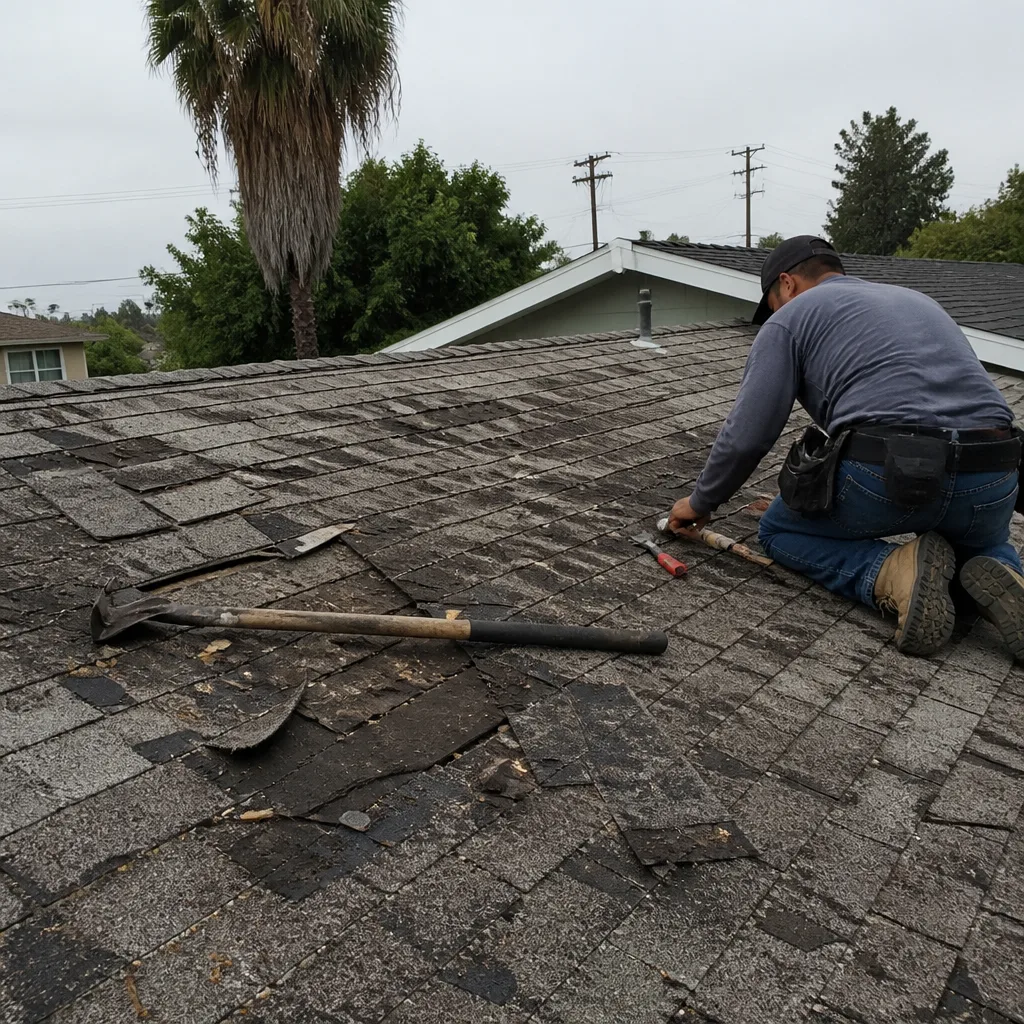 Before
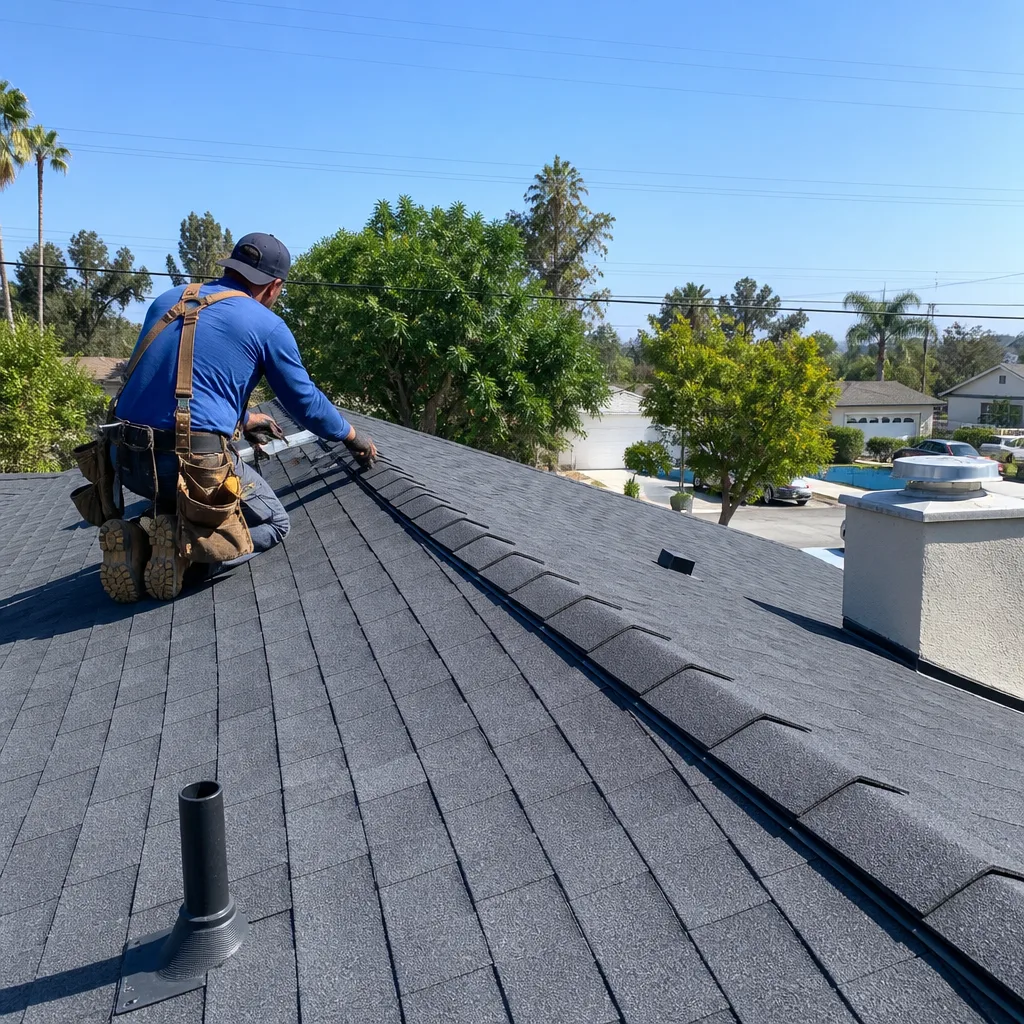 After
After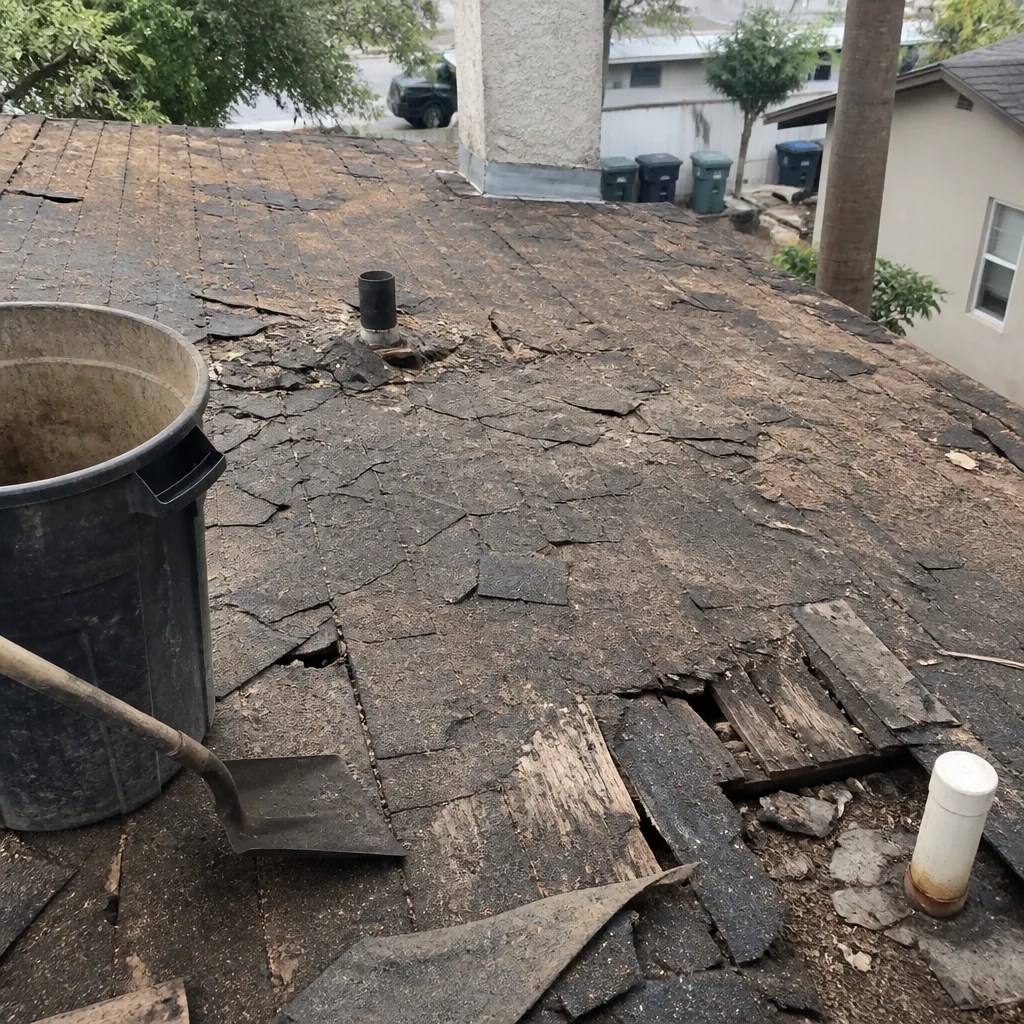 Before
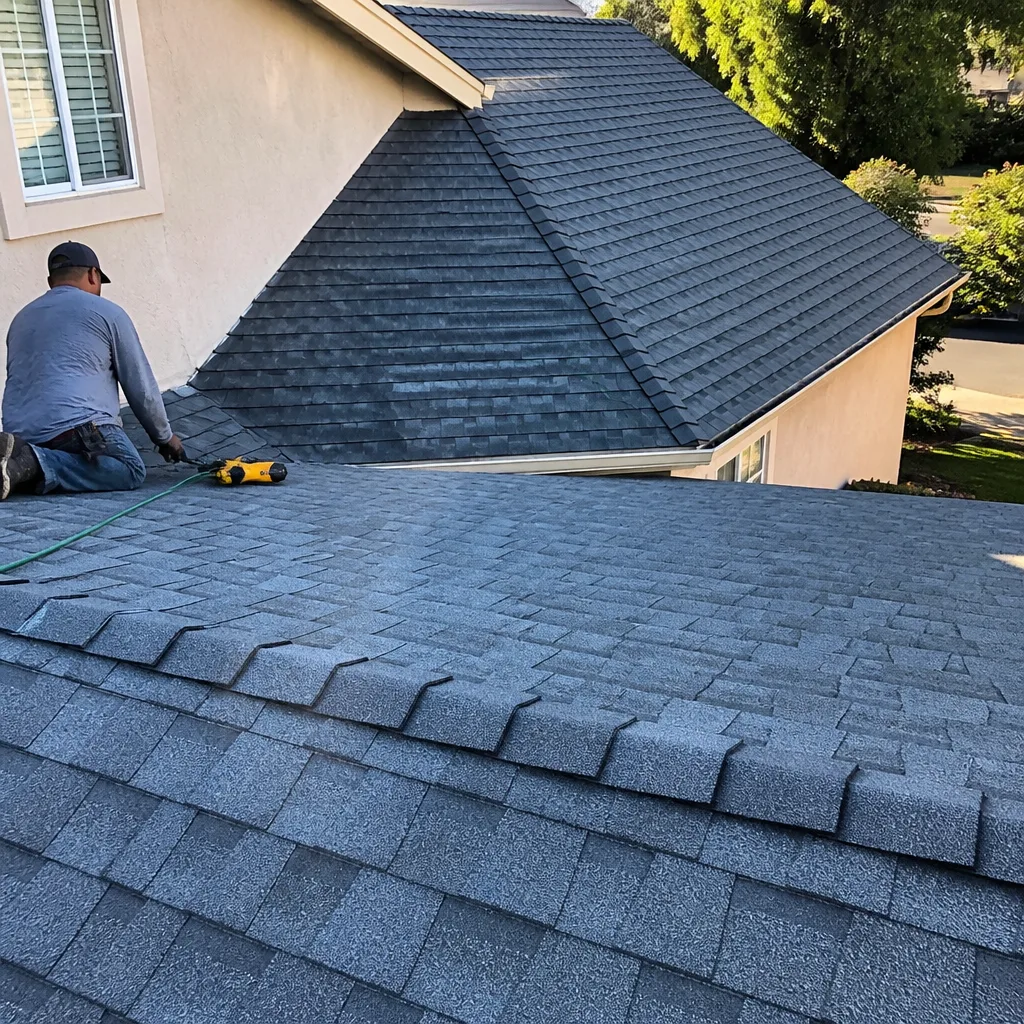 After
After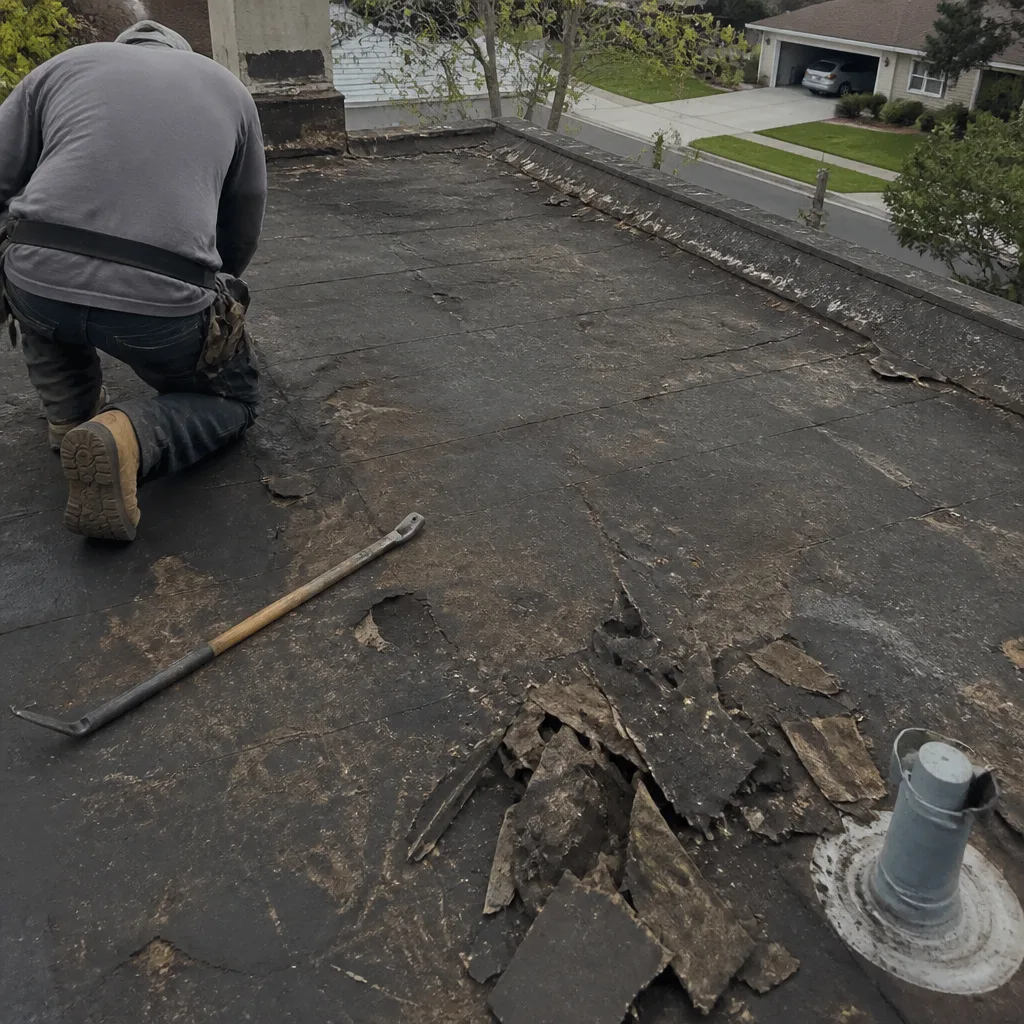 Before
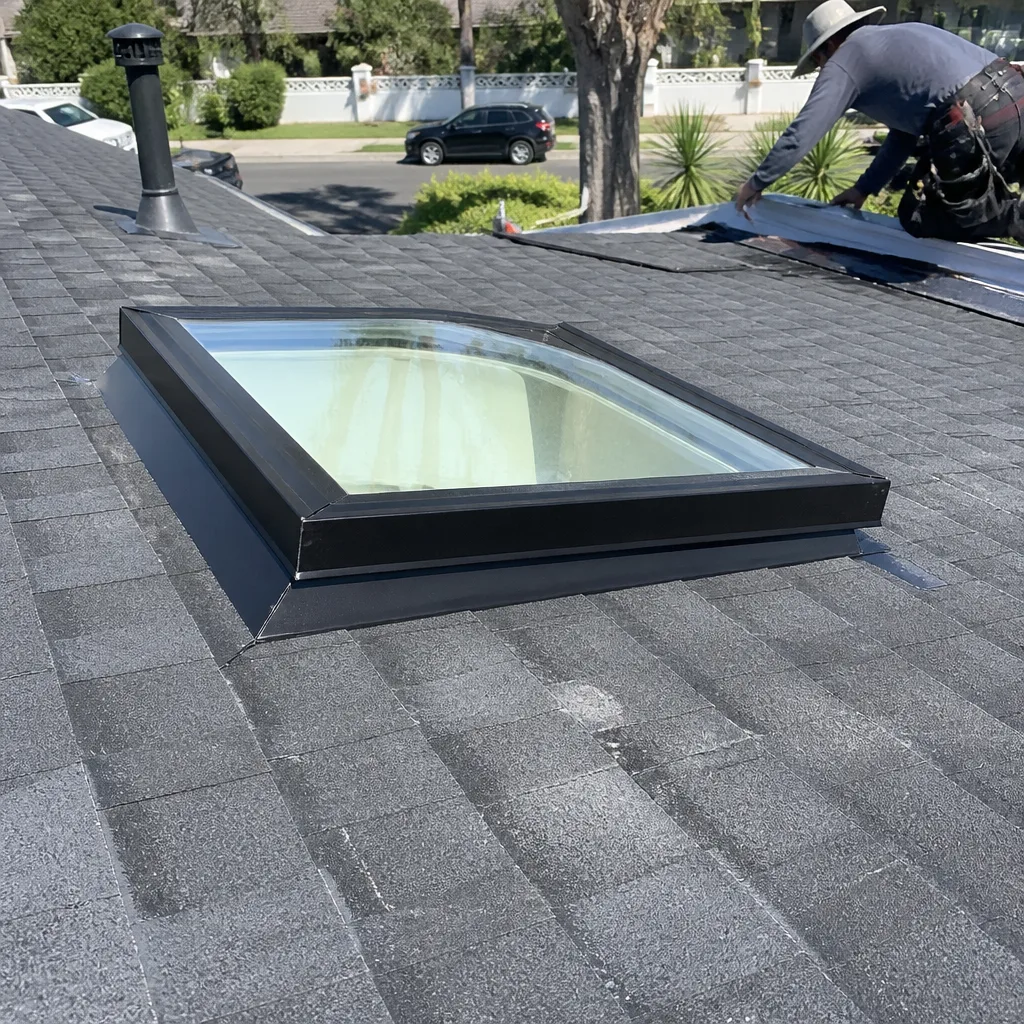 After
AfterWater stains spreading across the ceiling
What’s Happening
A ceiling stain that is spreading almost always means water is actively moving through your roof or the layers beneath it. It is not a cosmetic problem you can paint over and forget. The source is above you, and until it is sealed, the stain will keep growing.
Here is what most homeowners don’t realize: the spot you see on the ceiling is rarely directly below the leak. Water enters through a gap in the roofing system, travels along a rafter, a piece of sheathing, or an HVAC duct, and drips somewhere else entirely. That matters because it changes where a technician needs to look. The stain is a signal, not a map. What the stain tells you for certain is that water has been sitting in your ceiling assembly long enough to discolor the drywall or plaster – and at that point, you are dealing with an active leak, not a past one.
Why It Happens
Failed or missing flashing around a roof penetration
Flashing is the thin metal strip that seals the joint between your roofing material and anything that breaks through it: chimneys, skylights, plumbing vents, HVAC curbs. When the flashing cracks, lifts, or corrodes, that joint opens up and rain drives straight in. If your stain appears near a ceiling light fixture, a bathroom exhaust vent, or directly below a chimney, a failed flashing is the first thing a technician will check. You may even be able to see daylight around a chimney base from your attic if this is the culprit.
Cracked or missing shingles
Shingles protect everything below them. When a shingle cracks, curls at the edges, or blows off entirely, the underlayment and sheathing underneath are exposed. A stain that appears in the middle of a ceiling – away from any wall or penetration – often points here. If you feel safe looking up at your roofline from the ground after a storm, missing shingles sometimes show up as dark patches or obvious color breaks in the field of your roof. Do not climb up to check; read on for why.
Clogged or damaged gutters backing water under the eaves
When gutters are packed with debris, water has nowhere to go. It sits at the edge of the roof, seeps under the first course of shingles, and works its way into the soffit and then the ceiling below. Stains near an exterior wall, especially close to a corner of the room, often trace back here. If you have noticed water pouring over the sides of your gutters during rain rather than running through the downspouts, that is a reliable indicator.
Condensation building up in an under-ventilated attic
Not every ceiling stain comes through the roof directly. In homes where the attic lacks adequate ventilation, warm moist air from the living space rises, hits the cold sheathing above, and condenses. Over time that moisture soaks the insulation and drips onto the ceiling below. You can get a hint that this is the cause if the stain grows or darkens in cold weather even when there has been no rain, or if you notice a musty smell in rooms near the roofline. An attic that feels unusually hot in summer and damp in winter is another flag.
What to Do Right Now
- Photograph the stain immediately, with a timestamp. Walk through every room below the roofline and take photos. Document the size and shape now so your technician can see whether it grew between today and the inspection.
- Place a bucket or towels under any active drip. If water is actively falling, protect your flooring and anything stored below. This does not fix the problem, but it limits secondary damage while you wait.
- Move furniture and electronics out from under the stain. A saturated ceiling section can sag and drop material. Keep the area clear until the source is found and sealed.
- Check your attic with a flashlight – from the hatch only. Look for wet insulation, dark staining on the sheathing, or any daylight showing through. Do not walk across attic joists unless you are certain they are boarded; a mis-step through the ceiling drywall is a real risk. Note what you see and tell your technician.
- Do not attempt to access the roof yourself. We say this plainly: a wet or storm-damaged roof is a serious fall hazard. Roof surfaces can be slippery in ways that are invisible from the ground, edges are unguarded, and the repair requires tools and safety equipment that a professional brings. Leave the roof inspection to the crew.
How We Fix It
When your local Tilehurst Roofing team arrives, the technician starts on the ground: looking at the roofline, the gutters, and the exterior walls before going up. That ground-level read usually narrows the cause before a single ladder is raised.
From there, the technician accesses the roof and the attic systematically. They trace the water path back to its entry point, which is often not where the ceiling stain sits. Once the source is confirmed, you get a written price – in your hands, before any work starts. That is how the Kingswell Way works: say the price before the work, every time, no exceptions.
The actual repair falls under our Roof Repair service for most active leaks – replacing failed flashing, sealing penetrations, or replacing damaged shingles. If the inspection reveals broader deterioration, your technician will walk you through whether a targeted repair or a full Roof Replacement is the right call, with the written estimate covering whichever path makes sense. Every repair is backed by the 365-Day Done Right Promise: if the repair fails inside the guarantee period, we return and correct it at no charge. That guarantee is in writing before the crew leaves your property.
Frequently Asked Questions
It cannot safely wait. A stain that is still spreading means water is still moving, and wet wood sheathing begins to degrade and invite mold growth faster than most homeowners expect. The longer the entry point stays open, the more of the roof assembly gets involved – and what starts as a single-point repair can become a much larger job if ignored through another rainstorm. Call (945) 303-9821 to get an inspection scheduled.
Yes, and a good technician will consider that. If the stain is directly below a bathroom, a kitchen, or a section of ceiling that runs along a plumbing stack, the source may be a supply line or drain rather than the roof. Your local Tilehurst Roofing team inspects the roof and attic thoroughly; if the evidence points elsewhere, we will tell you plainly rather than sell you a repair you don’t need.
Call us at (945) 303-9821 – a live person answers every call, around the clock, seven days a week, including evenings and weekends. Your local team will tell you exactly when they can be there and give you a real arrival window, not a vague four-hour block. We don’t run voicemail queues or push callbacks to Monday.
The honest answer is that the price depends on what the inspection finds – the cause, the extent of damage, and which materials are needed. What we can promise is that you will have a written price in your hands before any work starts, and that price does not change once the crew begins. No surprises at the end of the job. Call (945) 303-9821 to schedule your free written estimate.
Get It Fixed
A spreading ceiling stain won’t stop on its own. Call (945) 303-9821 any time – day, evening, or weekend – and a live person will pick up. Your local Tilehurst Roofing team will schedule an inspection, deliver a written price before anything starts, and back every repair with the 365-Day Done Right Promise.
Written by Greg Holloway, Owner at Tilehurst Roofing, a Kingswell family company.
What Our Customers Say
"Called about a few missing shingles after a windy night. They came out, fixed it, and didn't try to turn it into a huge project. Charged exactly what was quoted. Refreshing."
- Stephanie R."They repaired a spot that another company had "fixed" twice. Tilehurst found what the others missed and it finally stopped leaking. Should have called them first."
- Denise Ackerman"Full replacement after the last hail storm. They wrote up everything, worked with my insurance, and the crew cleaned the yard so well I couldn't find a single nail. Done in two days like they said."
- Lauren Petrakis