
Last updated October 8, 2026
Free roof inspection with deck photos before we talk money - GAF and Owens Corning certified installation
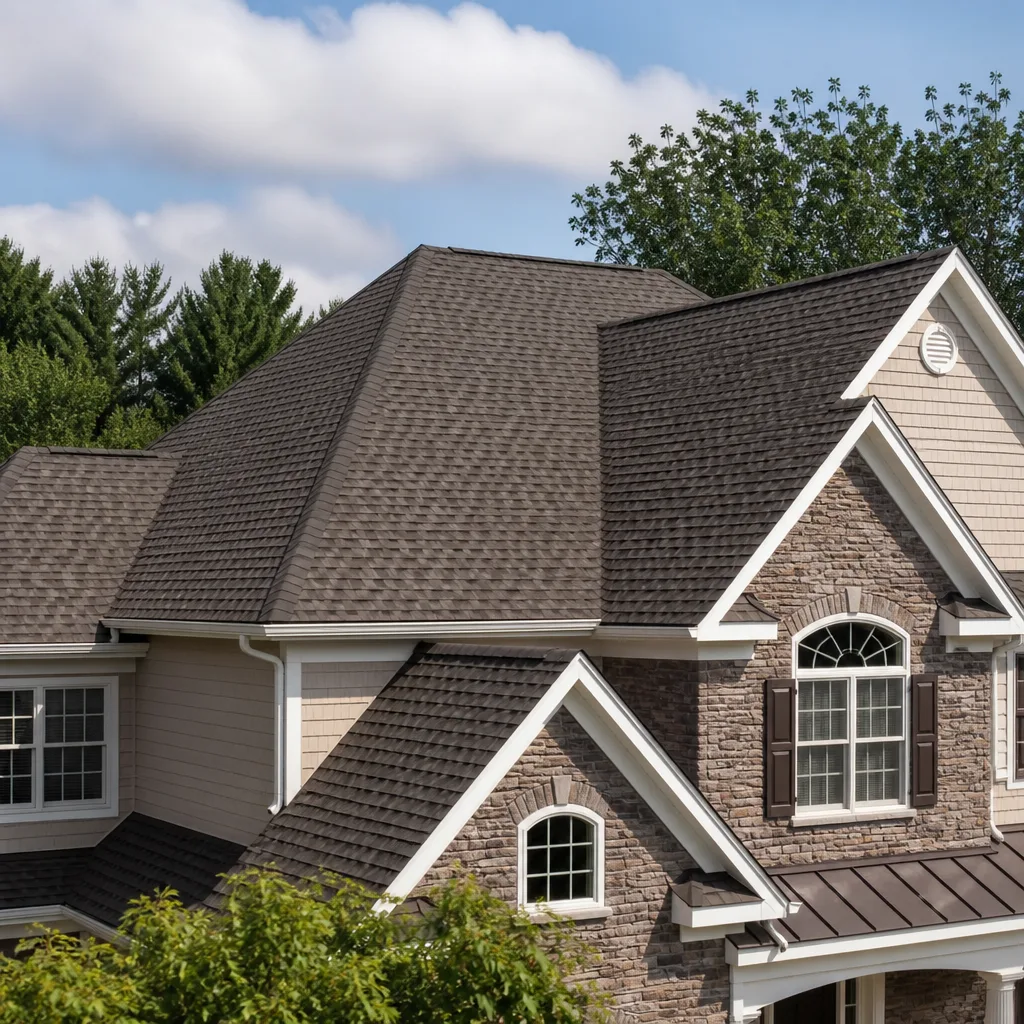
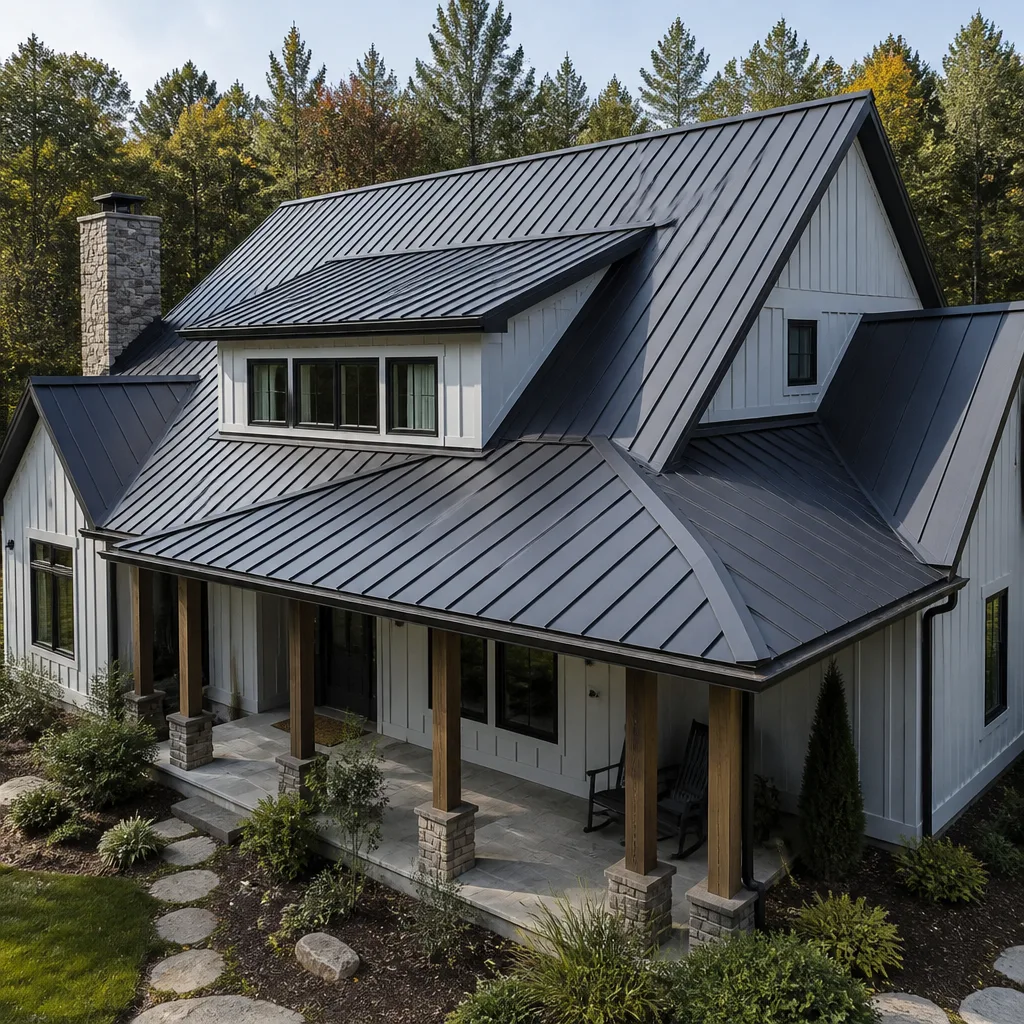
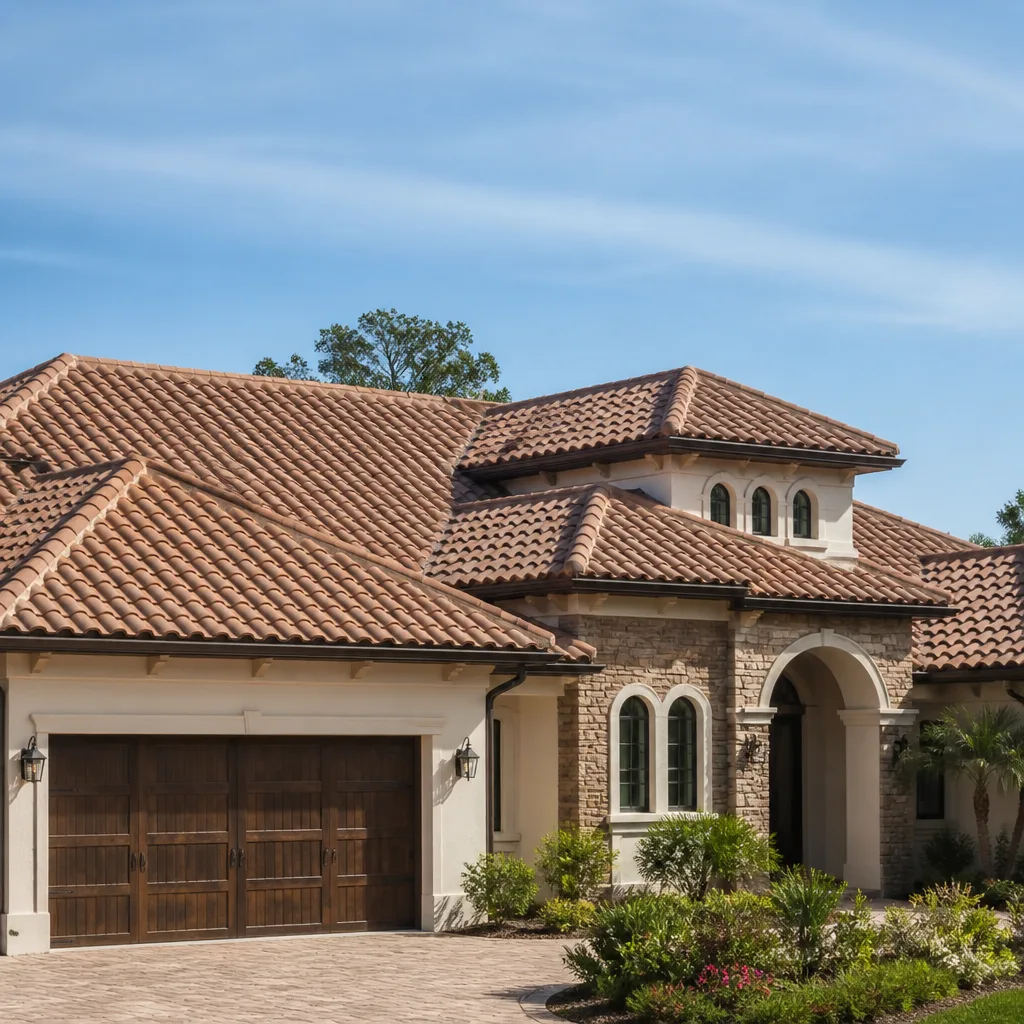
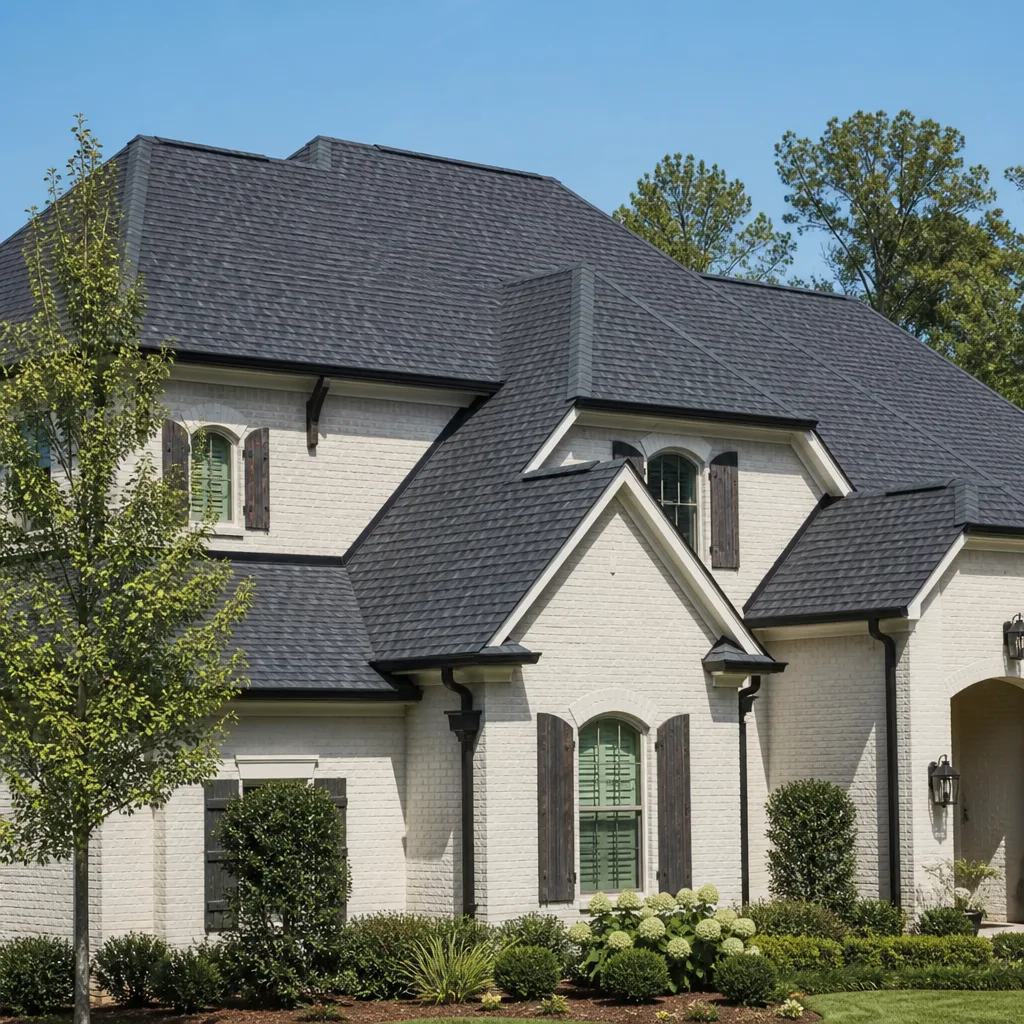
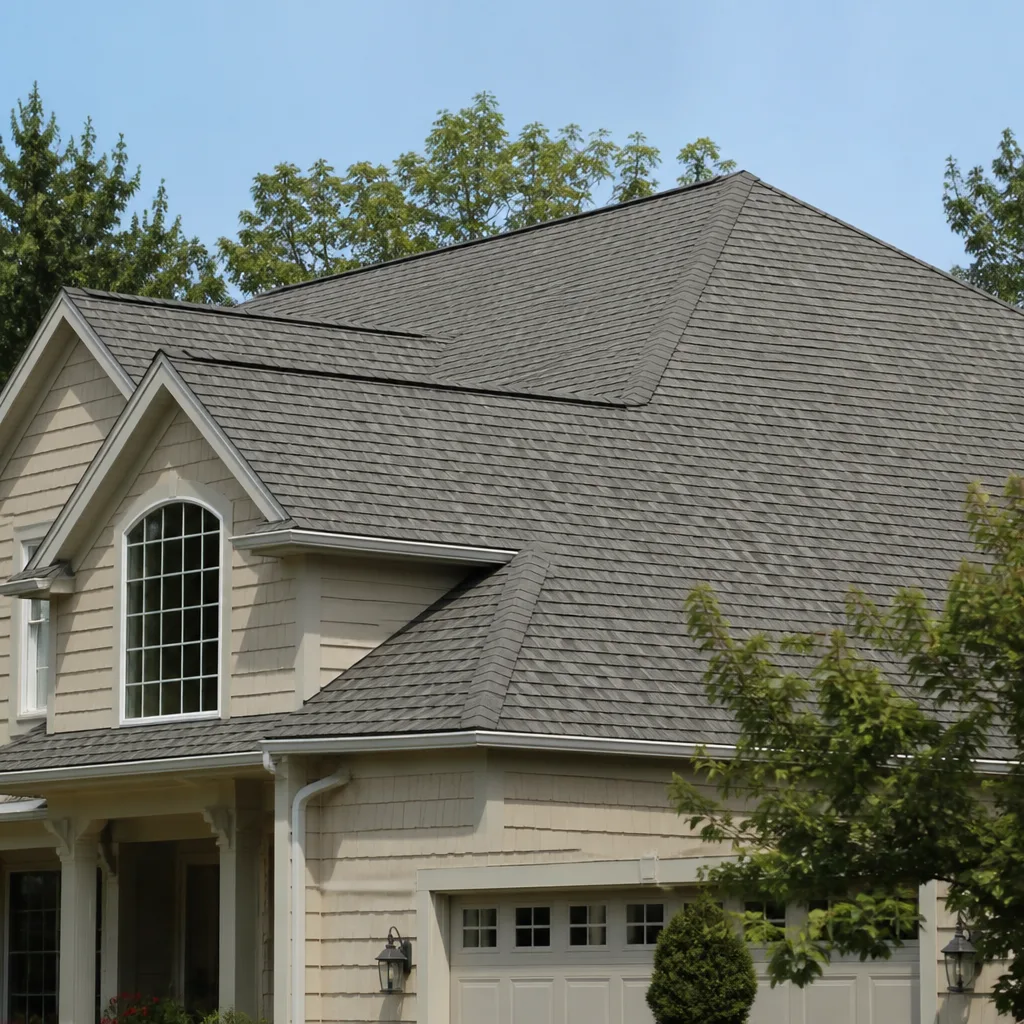
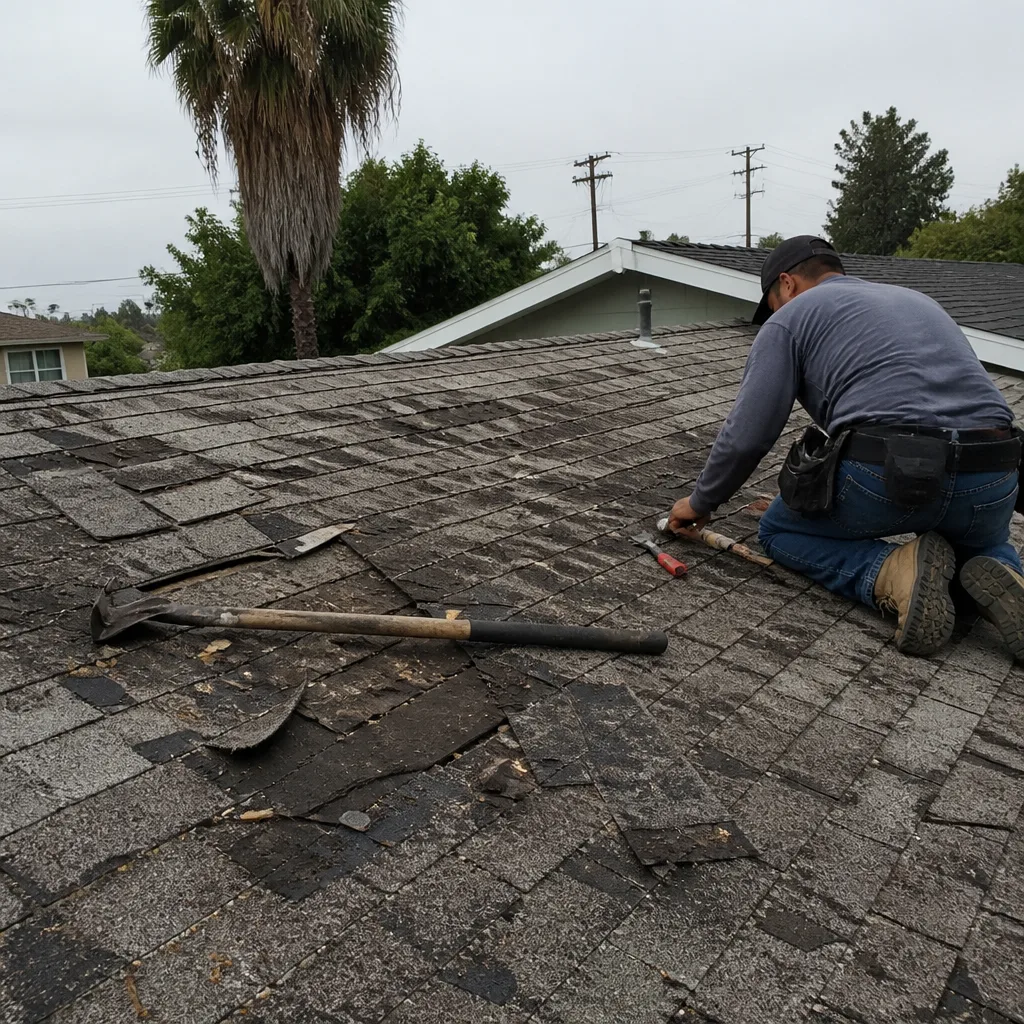 Before
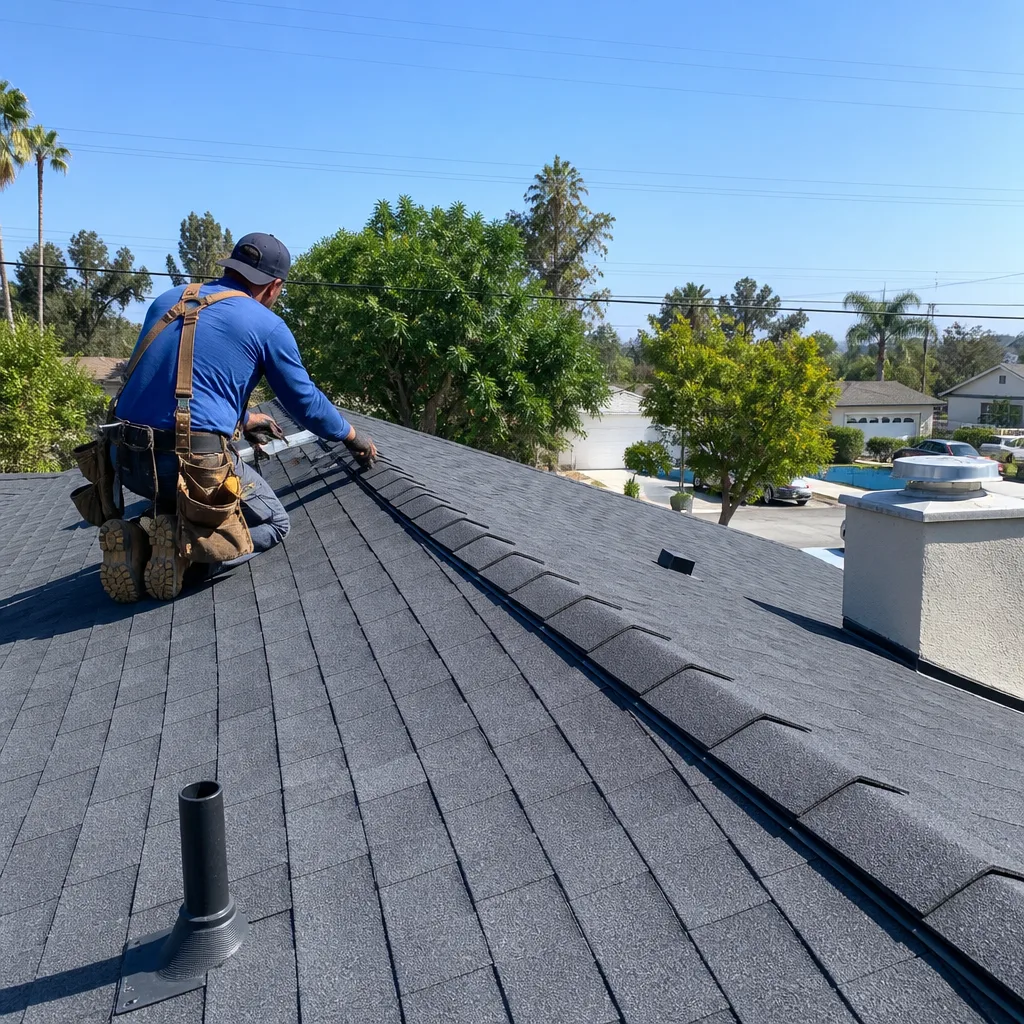 After
After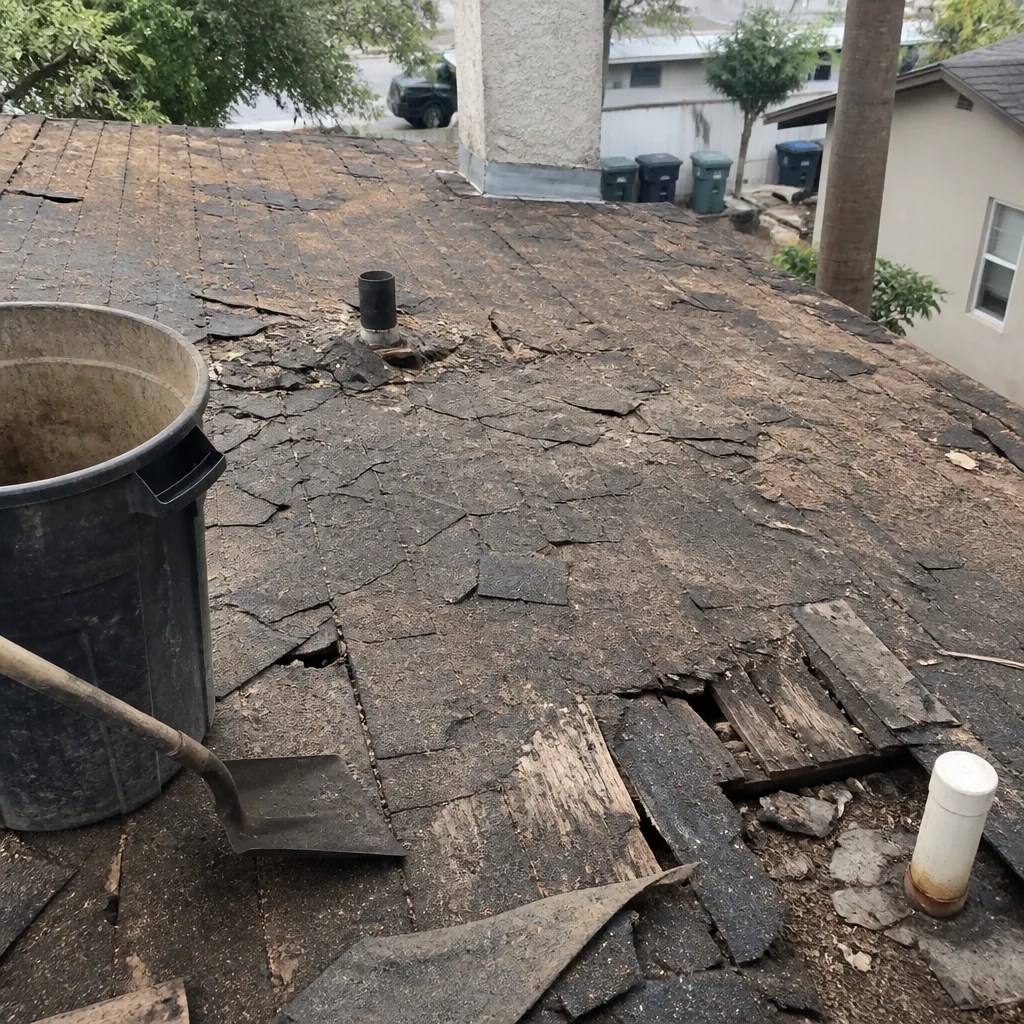 Before
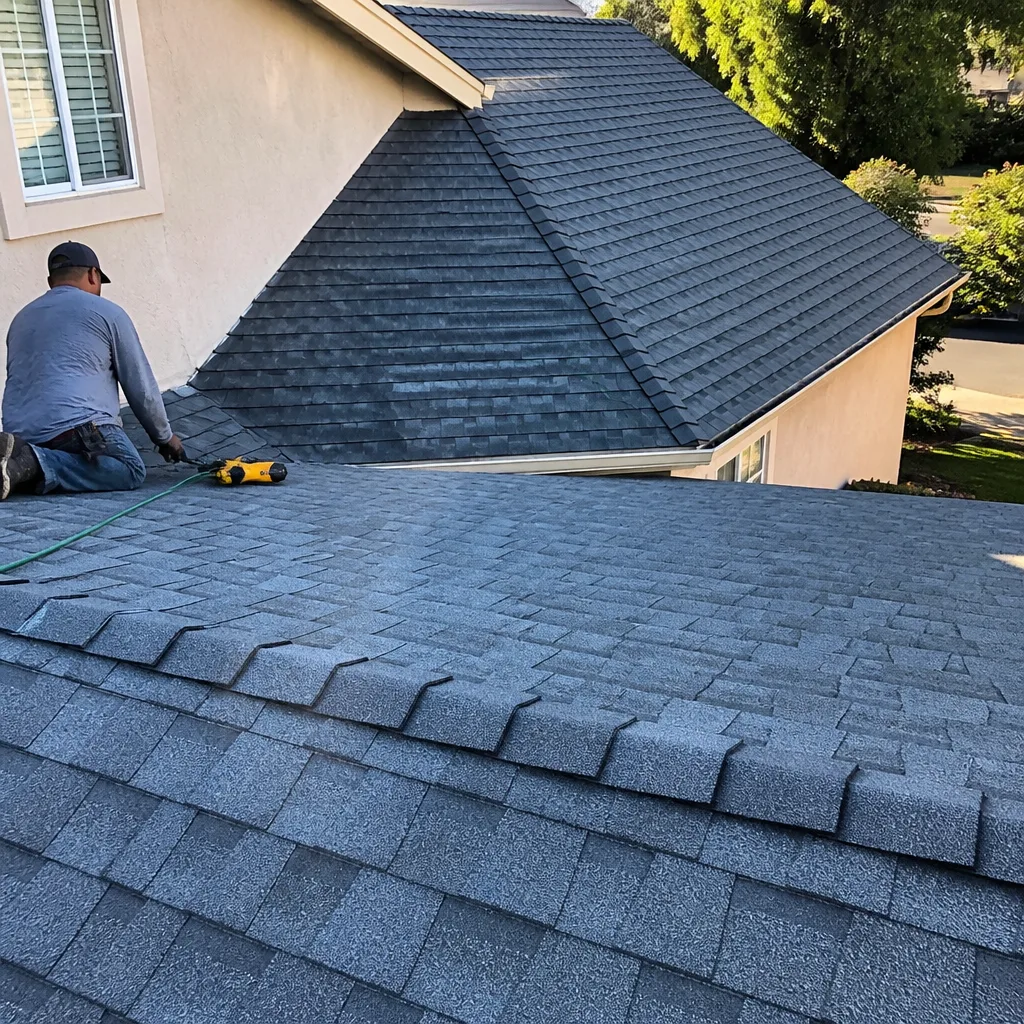 After
After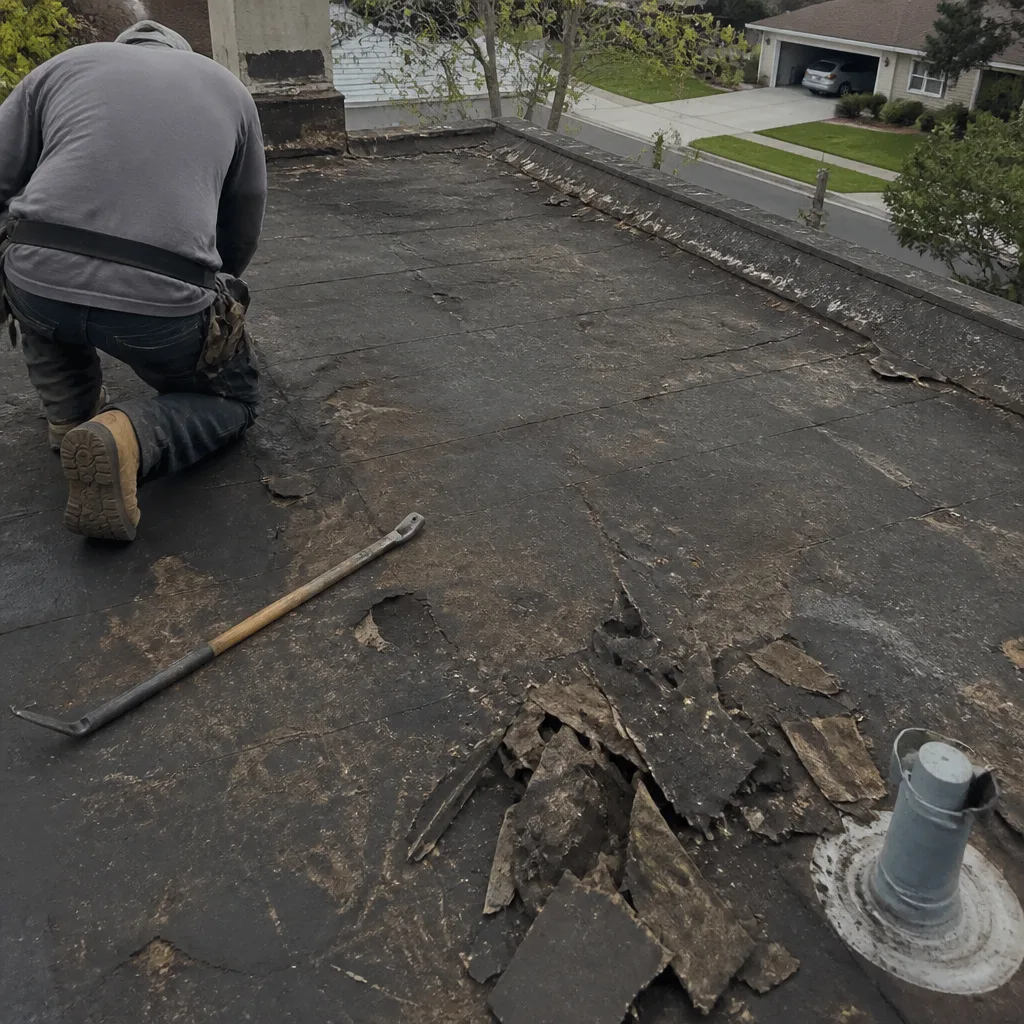 Before
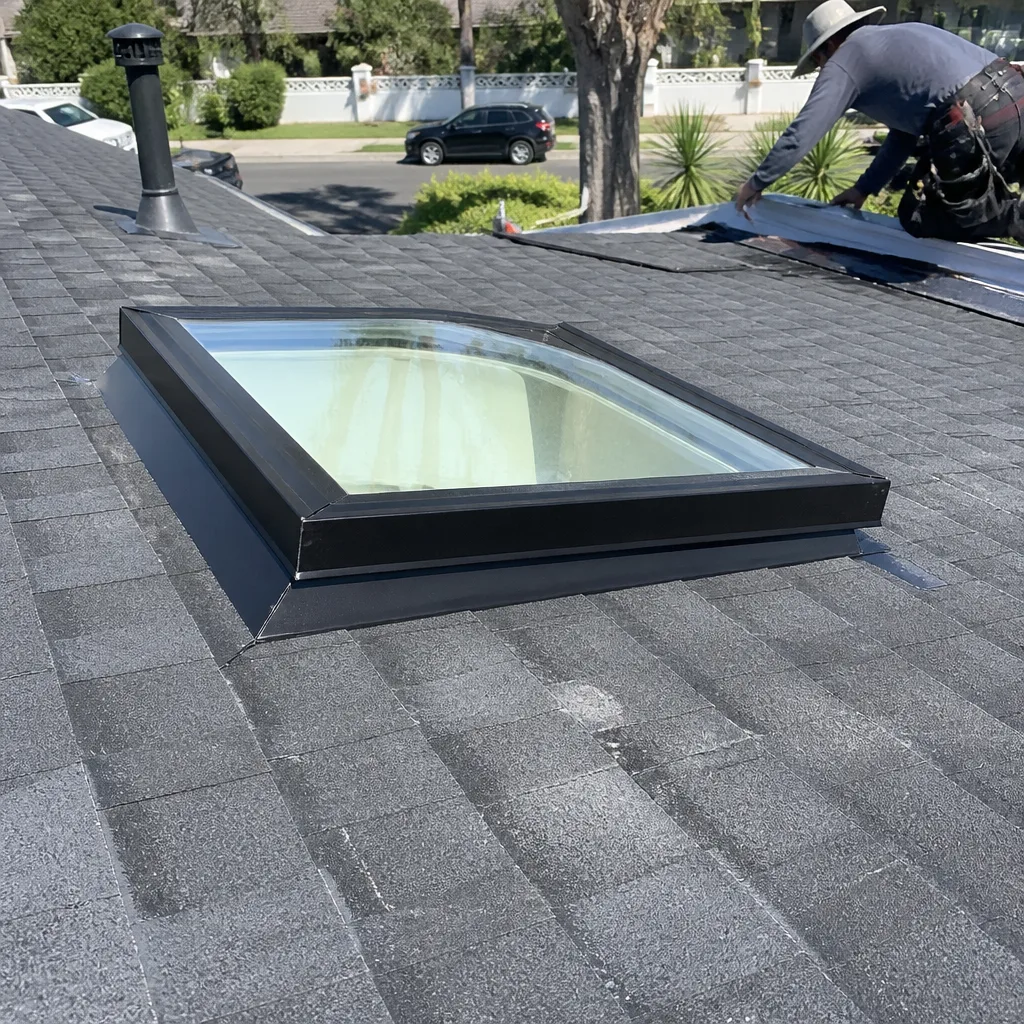 After
AfterDIY vs Professional Roofing Company: What’s Safe to Do Yourself
Replacing three cracked tiles yourself costs about forty dollars in materials. It can also cost you a home sale if an inspector flags unpermitted roofing alterations - which California requires a permit for more often than most homeowners realize. In Los Angeles, where the median home price sits well above the national average, a flagged permit history can delay or derail a transaction that was otherwise ready to close. This guide - along with our DIY vs Professional Roofing: The Los Angeles Homeowner’s Decision Guide - draws the line between what’s genuinely safe to handle yourself and what carries legal, financial, and physical risks that most DIY guides never mention. We’ll cover California’s owner-builder permit rules, the insurance implications most homeowners miss, and the break-even math that often makes a professional repair the cheaper option once all costs are counted honestly.
Quick Answer
Homeowners in Los Angeles can safely DIY only three categories of roofing work: replacing individual cracked concrete or clay tiles from ground-accessible areas, clearing debris from gutters and downspouts, and sealing visible pipe boots with manufacturer-approved sealant. Everything else - including shingle replacement, flashing repair, underlayment work, and any task requiring ladder access to a slope steeper than 4:12 - requires a C-39 licensed contractor and typically a city permit. Unpermitted work can void your homeowner’s insurance, block a home sale, and expose you to personal liability if someone is injured.
Table of Contents
- California Owner-Builder Permit Rules: What the Law Actually Allows
- Three Roofing Tasks You Can Safely Handle Yourself
- Tasks That Look Simple But Compound Damage
- Flat Roofs vs. Steep Slopes: Why Los Angeles Geography Matters
- How DIY Repairs Can Void Your Existing Roof Warranty
- The Real Break-Even Math: When Professional Repair Costs Less Than DIY
- Insurance, Liability, and the Risks No One Talks About
- When to Call a Professional
California Owner-Builder Permit Rules: What the Law Actually Allows
California’s owner-builder exemption lets homeowners act as their own general contractor on residential projects. The exemption exists in the California Business and Professions Code, but it comes with restrictions that roofing specifically triggers more than most trades.
Here is what determines whether you need a permit and a licensed contractor:
- Structural impact: Any work affecting the roof’s structural integrity - including decking replacement, rafter repair, or modifying the roof line - requires a licensed C-39 Roofing Contractor and a city permit. Los Angeles Department of Building and Safety (LADBS) inspectors will red-tag unpermitted structural work.
- More than one trade: If your repair touches electrical (solar conduit, attic fans), plumbing (vent stacks), or HVAC (ducting), the owner-builder exemption no longer applies. You must hire licensed contractors for each trade.
- Resale within one year: If you sell the home within twelve months of owner-builder work, California law requires disclosure. Buyers’ inspectors in Los Angeles neighborhoods like Silver Lake, Pasadena, and the South Bay routinely flag unpermitted roof work, and lenders may require permit documentation before funding.
- Insurance notification: Most California homeowner’s policies contain a clause requiring “work performed by licensed professionals” for claims related to that work. Unpermitted repairs can be grounds for denial.
The permit threshold varies by municipality. Los Angeles proper requires permits for any roof covering replacement exceeding 100 square feet - roughly one roofing square. Many homeowners exceed this without realizing it. A “small” repair that replaces underlayment and tiles across a 10×10 foot valley easily crosses the line.
We’ve pulled permits for homeowners who started a weekend project and discovered, mid-job, that their repair was larger than anticipated. The LADBS permit process adds roughly two to four weeks when applied retroactively, and the inspector will require exposed work to verify proper installation. Starting with a Roofing Company avoids this entirely.
Three Roofing Tasks You Can Safely Handle Yourself
These three tasks carry minimal physical risk, typically do not trigger permit requirements, and will not affect your roof’s warranty or insurance coverage when done correctly.
1. Replacing Individual Cracked Concrete or Clay Tiles
Concrete and clay tiles weigh roughly 6 to 10 pounds each. A single cracked tile, accessible from a stable ladder at the eave without stepping onto the roof surface, can be swapped using a flat pry bar and replacement tile matched to your existing roof. In Los Angeles, where concrete tile roofs dominate neighborhoods from Granada Hills to Torrance, this is the most common safe DIY repair.
The critical limits: work only from the ladder, never step onto the tile surface (tiles crack under concentrated weight), and replace like-for-like. Mixing tile profiles or manufacturers creates water channels that professional crews then must trace and fix.
2. Clearing Gutters and Downspouts
Los Angeles receives nearly all its annual rainfall in concentrated winter storms. Gutters clogged with jacaranda blossoms, palm fronds, or ash from wildfire season overflow and back water onto fascia boards. Cleaning gutters from a ladder with a scoop and garden hose is genuinely low-risk work that prevents real damage.
Use a ladder with standoff arms to protect the gutter itself. Never reach beyond your stable shoulder position. If the roofline exceeds two stories, hire a professional - the fall risk increases exponentially with height, and Los Angeles has seen fatal falls from single-story structures.
3. Sealing a Visible Pipe Boot
The rubber boot around plumbing vent pipes cracks after 7 to 12 years of UV exposure. If you can see the crack from a ladder and reach it without stepping onto the roof, a bead of roofing-grade sealant compatible with your existing material - silicone for metal, urethane for rubber - can extend the boot’s life by 2 to 3 years. This is temporary maintenance, not repair, and it buys time for professional replacement.
Check your roof warranty documentation first. Some manufacturer warranties, including certain Owens Corning and CertainTeed systems, require approved materials and professional application for any sealant work to maintain coverage.
Tasks That Look Simple But Compound Damage
These repairs appear straightforward in online tutorials. In our experience across Los Angeles County, they account for the majority of calls where a small problem became a larger one.
- Shingle replacement on a slope: Asphalt shingles require removal of surrounding nails, precise alignment of the replacement shingle with courses above and below, and re-nailing that matches the original pattern. A nail driven through the wrong layer creates a new leak path. In Los Angeles, where summer heat softens asphalt and winter rain tests every seal, a misaligned replacement fails within one season.
- Flashing repair around chimneys or walls: Step flashing, counterflashing, and apron flashing work as an integrated system. Removing one piece without understanding the layering sequence guarantees water intrusion behind the remaining metal. We’ve replaced entire wall sections in Hancock Park and Los Feliz homes where DIY flashing “fixes” funneled water into wall cavities for months.
- Underlayment patching: The felt or synthetic underlayment beneath your visible roof covering is your secondary water barrier. Taping or patching it from above, without removing the overlying material properly, traps moisture and accelerates decking rot. Los Angeles humidity is low, but morning marine layer condensation in coastal neighborhoods provides enough moisture to sustain mold growth in trapped underlayment.
- Skylight resealing: Skylights fail at the flange-to-curb junction, not the visible interior trim. Exterior sealant work without understanding the integrated flashing kit - each manufacturer uses different designs - typically seals water inside rather than out.
- Pressure washing: Never pressure-wash any roof surface. The force drives water under tiles and shingles, strips protective granules from asphalt, and can void manufacturer warranties outright. Atlas, IKO, and CertainTeed all list pressure washing as excluded from warranty coverage.
Flat Roofs vs. Steep Slopes: Why Los Angeles Geography Matters
Los Angeles roofing breaks into two distinct categories with different risk profiles, and the DIY conversation changes completely depending on which you have.
Steep-slope residential: The pitched roofs common in neighborhoods like Eagle Rock, Mount Washington, and the Hollywood Hills rely on gravity-shedding design. Working on them requires roof jacks, safety harnesses with proper anchor points, and experience moving on an angled surface while carrying materials. The fall risk is immediate and severe. A 6:12 pitch - common in postwar Los Angeles tract housing - sends an unsecured person sliding in dry conditions; add morning dew or the light rain that precedes our winter storms, and the surface is genuinely treacherous.
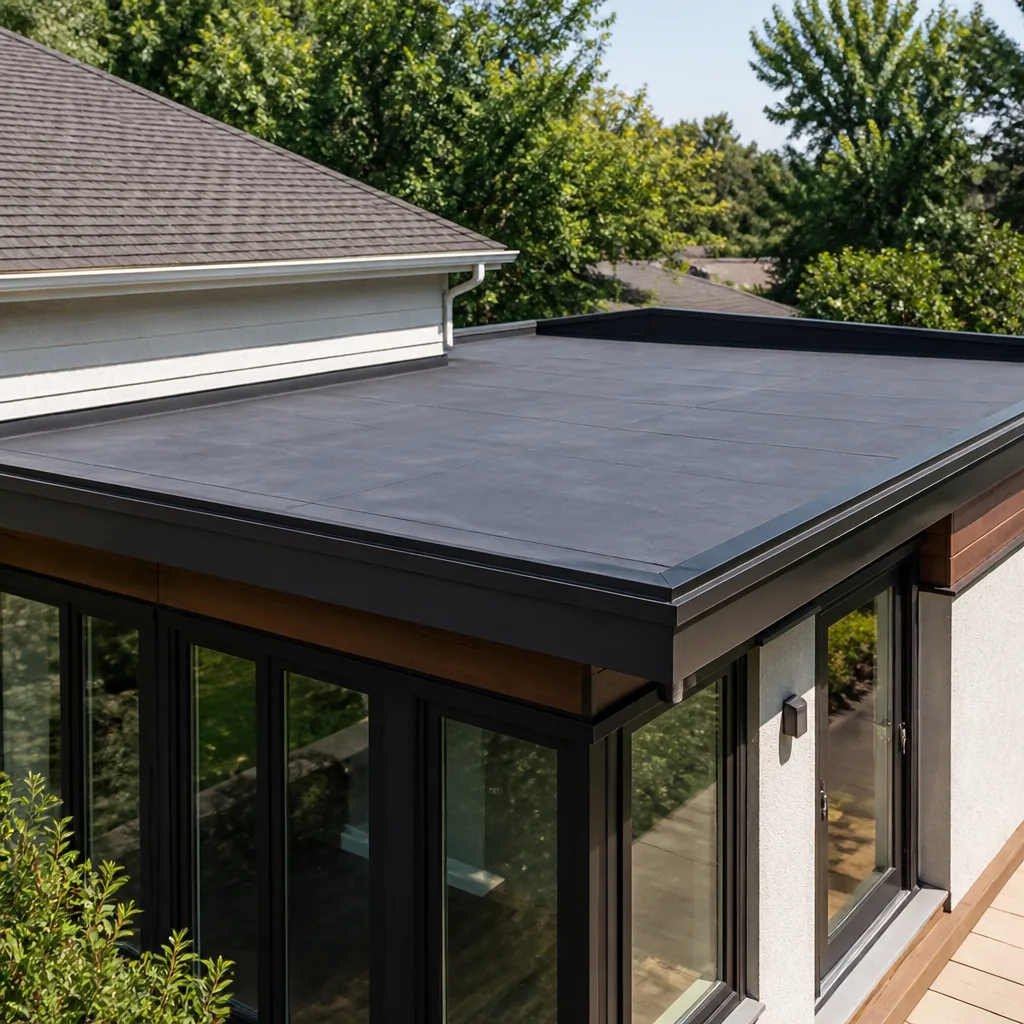
Flat and low-slope roofs: Found on modernist homes in the Hollywood Hills, ADUs throughout the city, and commercial-adjacent residential in Downtown and Arts District conversions. These appear safer to walk but present different dangers. The surface is often a membrane system - TPO, PVC, or modified bitumen - that punctures easily under foot traffic. Water ponds rather than drains, hiding soft spots in decking that collapse under weight. The repair techniques are entirely different: heat-welded seams, adhesive-applied membranes, or torch-down application that requires fire safety protocols and often a hot-work permit from the Los Angeles Fire Department.
We’ve inspected flat roofs where a homeowner’s well-intentioned patching with hardware-store sealant created a dam that held water against the membrane, accelerating failure by years. The repair that “saved” $200 in professional labor required a $4,000 membrane replacement eighteen months later.
How DIY Repairs Can Void Your Existing Roof Warranty
Most homeowners never read their roof warranty’s maintenance clause until they need it. The language matters, and it varies significantly by manufacturer.
GAF’s Golden Pledge and System Plus warranties require installation by a GAF Master Elite contractor and specify that “repairs, alterations, or maintenance performed by non-certified personnel” void coverage. Owens Corning’s Preferred Contractor and Platinum warranties contain similar language. CertainTeed’s SureStart and standard warranties require “installation and repairs in accordance with CertainTeed’s written specifications.” Atlas and IKO warranties typically exclude damage from “improper maintenance or repair.”
The mechanism is straightforward: manufacturer warranties cover material defects and, in enhanced warranties, installation workmanship. When a third party - including the homeowner - modifies the system, the manufacturer can no longer verify that subsequent failures stem from original defects or from the modification.
Here’s what to check in your existing warranty documentation:
- Look for “authorized applicator” or “certified contractor” requirements for any repair work.
- Check whether the warranty requires notification to the manufacturer or original installer before repairs.
- Verify whether maintenance records must be documented by a licensed contractor to maintain coverage.
- Note the distinction between “material defect” coverage (which may survive DIY work) and “workmanship” coverage (which typically does not).
If your roof was installed by a previous homeowner’s contractor and you’re unsure of warranty status, a professional inspection can document the existing system and identify whether any manufacturer coverage remains transferable. Roof repair in Los Angeles by a certified contractor preserves whatever warranty life remains.
The Real Break-Even Math: When Professional Repair Costs Less Than DIY
The standard DIY argument compares material cost to contractor bid. This comparison omits several categories that honest accounting must include.
Scenario: Replacing five asphalt shingles after wind damage in a Los Angeles winter storm.
| Cost Category | DIY Approach | Professional Repair |
|---|---|---|
| Materials (shingles, nails, sealant) | $35-$55 | Included in service |
| Tools (if not owned: hammer, flat bar, utility knife, ladder stabilizer) | $80-$150 | Not applicable |
| Time (research, purchase, execution, cleanup) | 4-6 hours | 1-2 hours (your time: one phone call) |
| Second trip for wrong materials | Common | Not applicable |
| Risk of incorrect installation (leak, voided warranty) | Significant | Covered by workmanship guarantee |
| Professional repair cost in Los Angeles market | Not applicable | $250-$450 |
The honest break-even: if you own all tools, value your time at zero, and execute perfectly the first time, DIY saves $200-$300. Any misstep - wrong shingle type, improper nail placement, missed underlayment tear - eliminates savings entirely. In our experience, roughly half of DIY shingle repairs we encounter require professional correction, meaning the homeowner paid twice.
For tile replacement, the math shifts slightly. Individual concrete tiles run $8-$15 each; a professional tile repair in Los Angeles typically costs $200-$350. The savings potential is real but narrow, and the risk of cracking adjacent tiles while accessing the damaged one remains significant.
The Tilehurst Roofing home page details our pricing approach: written price before any work starts, every single time. No homeowner should wonder whether a repair is worth attempting themselves because the professional alternative’s cost is unknown.
Insurance, Liability, and the Risks No One Talks About
The DIY roofing guides rarely discuss what happens when something goes wrong beyond the roof itself.
Homeowner’s insurance: California policies vary, but most contain a “reasonable care” clause requiring maintenance and repairs to meet professional standards. If unpermitted or unlicensed work contributes to a loss - water damage to interior finishes, mold remediation, structural decay - the insurer may deny the claim or reduce payout proportionally. We’ve worked with Los Angeles homeowners who faced five-figure interior damage claims denied because the originating roof repair lacked permit documentation.
Personal liability: If a friend, neighbor, or family member assists with your DIY repair and is injured, your homeowner’s liability coverage may not apply. California courts have held that assisting with construction work can exceed the scope of “social guest” coverage, particularly when power tools or height work is involved. A hired professional carries workers’ compensation and general liability specifically for this exposure.
Workers’ compensation: If you hire unlicensed day labor to assist - common in Los Angeles informal labor markets - you become the employer of record for injury purposes. A worker falling from your roof can trigger a claim against your homeowner’s policy, your personal assets, or both. Licensed contractors carry mandatory workers’ compensation; verify this before anyone steps on your ladder.
Resale and disclosure: California’s Transfer Disclosure Statement requires sellers to disclose “alterations, modifications, or repairs made without necessary permits.” Unpermitted roof work disclosed on a sale can trigger buyer credits, price reductions, or deal cancellation. In competitive Los Angeles markets, a clean permit history is a genuine asset.
When to Call a Professional
Call a licensed C-39 contractor when any of the following apply: the repair requires ladder access to a slope steeper than you can walk comfortably; it involves flashing, underlayment, or decking; it follows storm, tree, or fire damage; your roof is under any remaining manufacturer or workmanship warranty; or you intend to sell within five years and need clean permit history.
Tilehurst Roofing offers free estimates in Los Angeles - call (945) 303-9821. Every estimate includes a written price before any work starts, and every repair carries our written guarantee under the 365-Day Done Right Promise. If a repair fails inside the guarantee period, we return to correct it at no charge. That’s The Kingswell Way: say the price before the work, show up in the window we gave, leave the place cleaner than we found it, put the guarantee in writing, come back if it fails.
Common Mistakes to Avoid
- Matching tiles by color rather than profile. Los Angeles tile roofs span decades of manufacturing variations. A color-matched tile with the wrong profile leaves gaps that channel water directly into underlayment. Always match manufacturer, profile, and vintage - or accept that the repair will be visible and functional rather than invisible.
- Nailing through exposed shingle surfaces. Asphalt shingles require nails in the adhesive strip, hidden by the overlapping course above. Surface nailing creates leak points that may not show until the next rain season.
- Using incompatible sealants. Petroleum-based products degrade EPDM rubber boots; silicone doesn’t adhere to modified bitumen. The hardware store’s “roofing sealant” is not universally appropriate.
- Ignoring the cause of cracked tiles. In Los Angeles, cracked tiles often indicate underlying deck movement from seismic activity, inadequate fastening, or foot traffic from previous maintenance. Replacing the symptom without diagnosing the cause guarantees repeat failure.
- Working in morning dew or after light rain. Southern California’s dry reputation makes this easy to forget, but dew-heavy mornings and winter drizzle create surprisingly slick surfaces. Wait for full sun and visible dryness.
- Failing to document before-and-after condition. If warranty coverage ever matters, photos of the original damage and your repair method support your position. Most homeowners never take them.
- Assuming no permit means no inspection ever. Los Angeles County’s building records are increasingly digitized and cross-referenced. Satellite imagery, drone photography, and neighbor complaints all trigger retroactive permit investigations.
Frequently Asked Questions
California allows minor repairs without permits, but the threshold is lower than most homeowners realize. Los Angeles requires permits for roof covering work exceeding 100 square feet, which a modest valley repair can easily exceed. Always verify with your local building department before starting. Call (945) 303-9821 for a free estimate that includes permit handling - estimates are free, and permit compliance protects your home’s value.
Most California policies exclude losses resulting from “faulty, inadequate, or improperly performed” work, which insurers interpret to include unlicensed repairs. Coverage for the original peril - storm damage, for example - may remain, but subsequent water damage from a failed DIY fix typically falls to the homeowner. Professional repairs with permit documentation provide the paper trail insurers require.
Most asphalt shingle repairs in the Los Angeles market run $250-$450; concrete tile repairs range $200-$350; flat membrane patches typically cost $400-$700 depending on material and access. These figures include materials, labor, and proper disposal. Roof repair in Los Angeles through Tilehurst Roofing includes a written price before any work starts, with no change orders once the job begins.
California law permits owner-builder full roof replacement with proper permits, but the practical barriers are substantial: C-39 license requirements for structural work, workers’ compensation obligations for any hired help, LADBS inspection scheduling, and manufacturer warranty requirements for certified installation. Most homeowners who attempt full replacement underestimate the project duration by 50% or more. Roof replacement in Los Angeles by a licensed contractor typically completes in 1-3 days with full warranty protection.
It can. GAF, Owens Corning, CertainTeed, Atlas, and IKO all condition enhanced warranties on work by certified or authorized contractors. Even standard material warranties may exclude failures traceable to “improper repair or maintenance.” Check your specific warranty documents for “authorized applicator” language before attempting any repair.
Document everything with dated photographs, material receipts, and detailed notes on the work performed. Contact your local building department - in Los Angeles, LADBS - to discuss voluntary compliance or inspection options. Some jurisdictions offer amnesty or reduced penalties for self-reported unpermitted work. Then call (945) 303-9821 for a professional assessment of whether the work meets code and what corrections may be needed for permit approval or sale readiness.
The Bottom Line
DIY roofing in Los Angeles is legally constrained, physically dangerous beyond basic tasks, and financially risky when warranty and insurance implications are counted honestly. The three genuinely safe DIY categories - single tile replacement from a ladder, gutter cleaning, and visible pipe boot sealing - save modest money when executed perfectly and carry manageable downside. Everything else involves permit requirements, fall hazards, or warranty exposure that most homeowners discover too late. The break-even math favors professional repair for any task beyond these basics, particularly when Tilehurst Roofing’s written pricing, 365-Day Done Right Promise, and guaranteed callback if something fails are weighed against the hidden costs of doing it yourself. For more guides & resources on protecting your home, explore our blog.
Written by Greg Holloway, Owner at Tilehurst Roofing, serving Los Angeles since 2000.