
Last updated October 8, 2026
Free roof inspection with deck photos before we talk money - GAF and Owens Corning certified installation
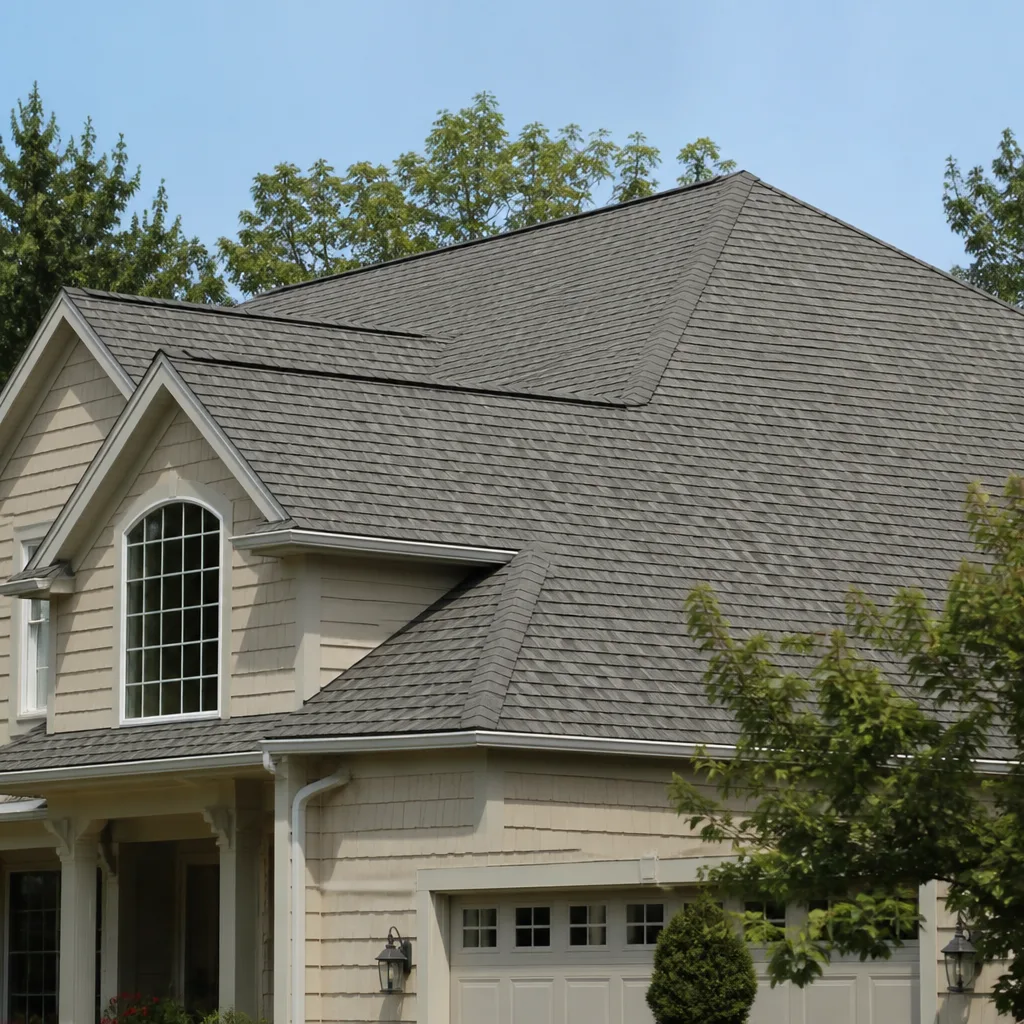
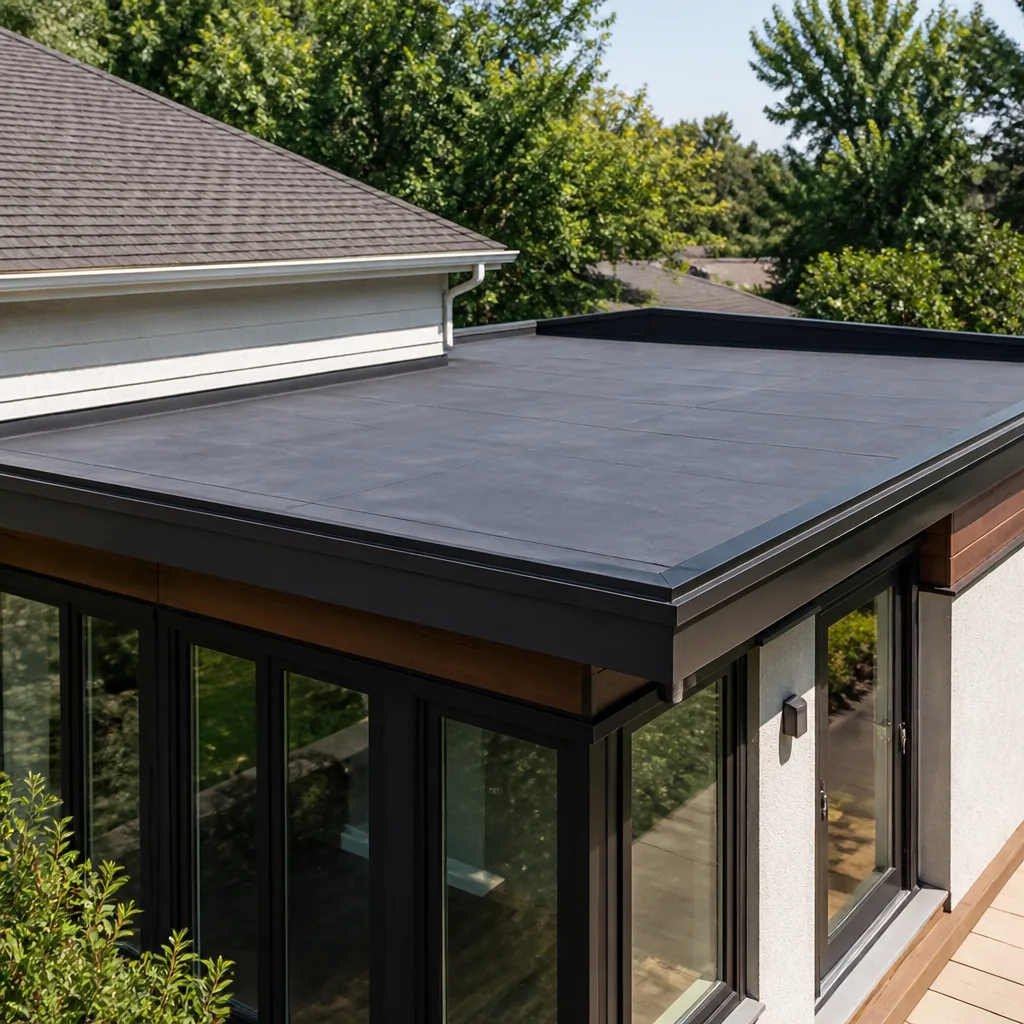
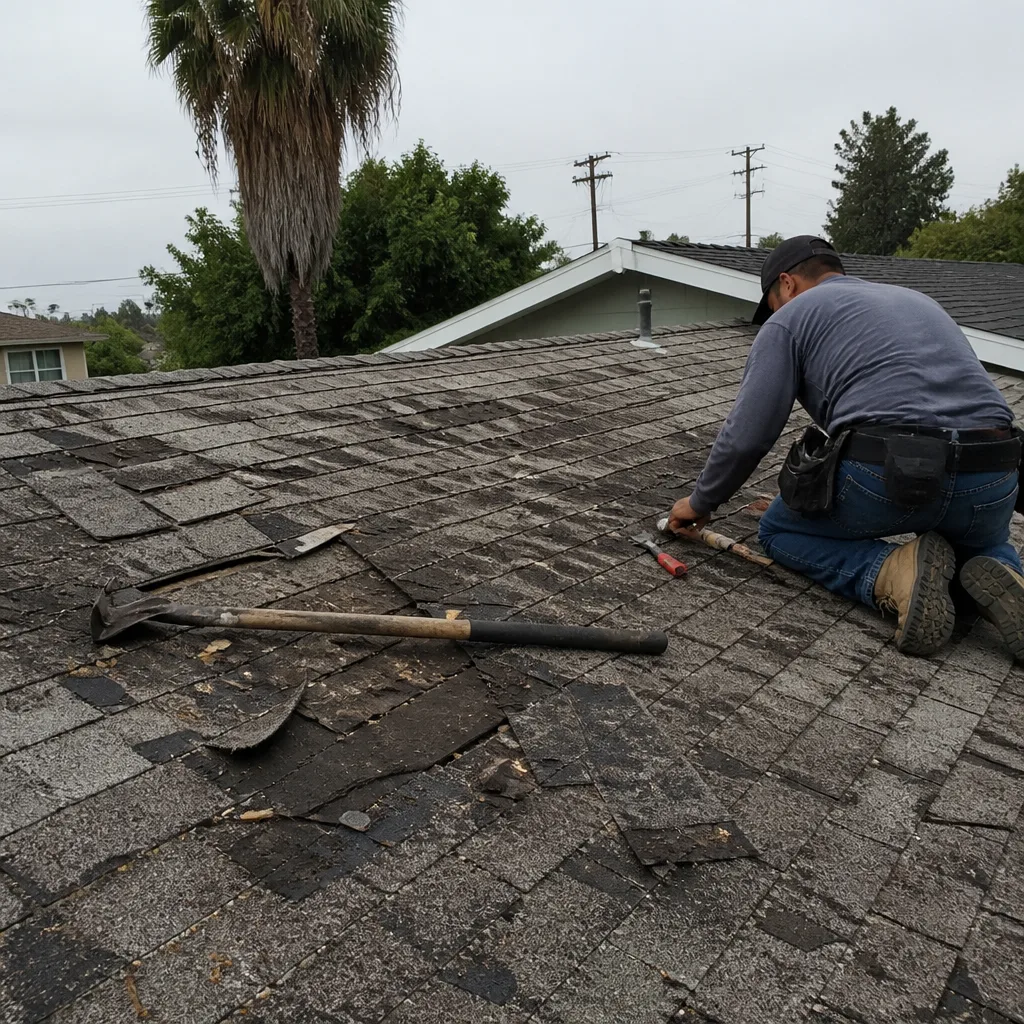 Before
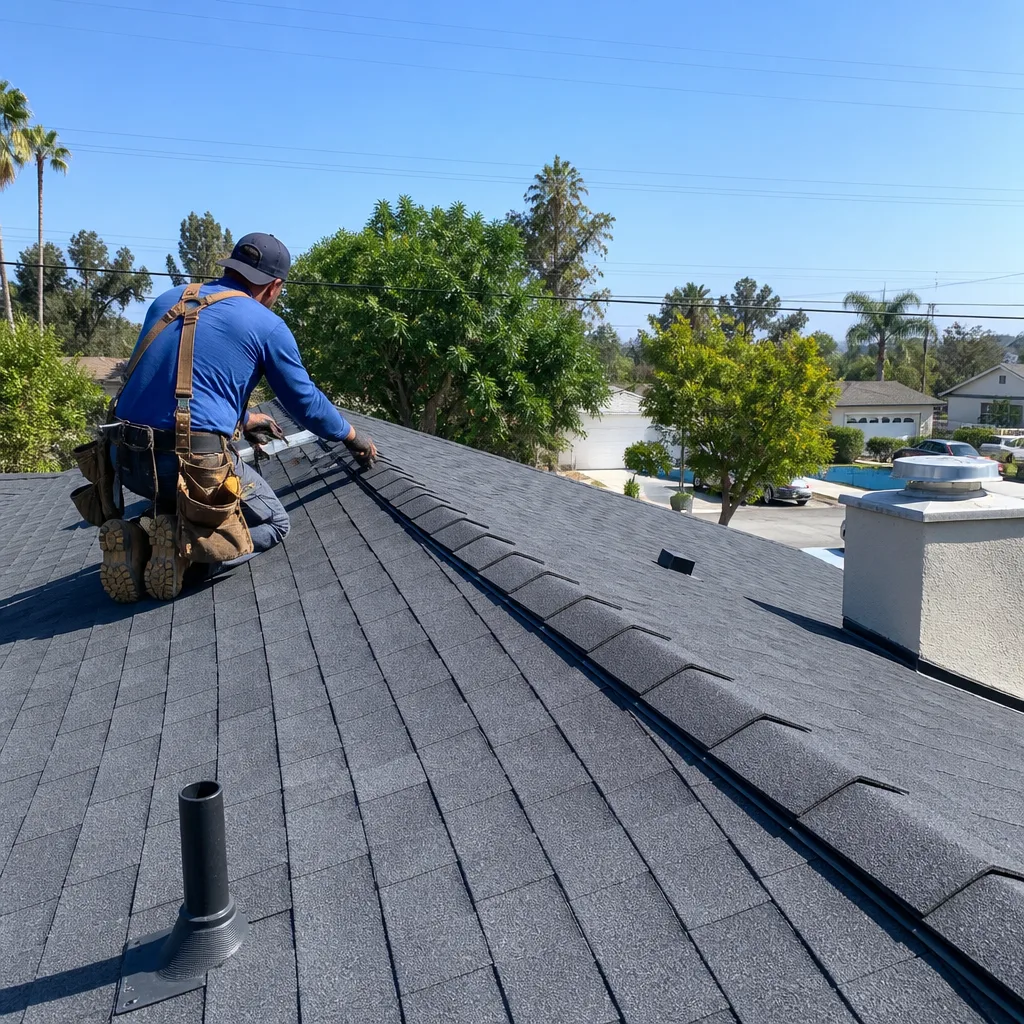 After
After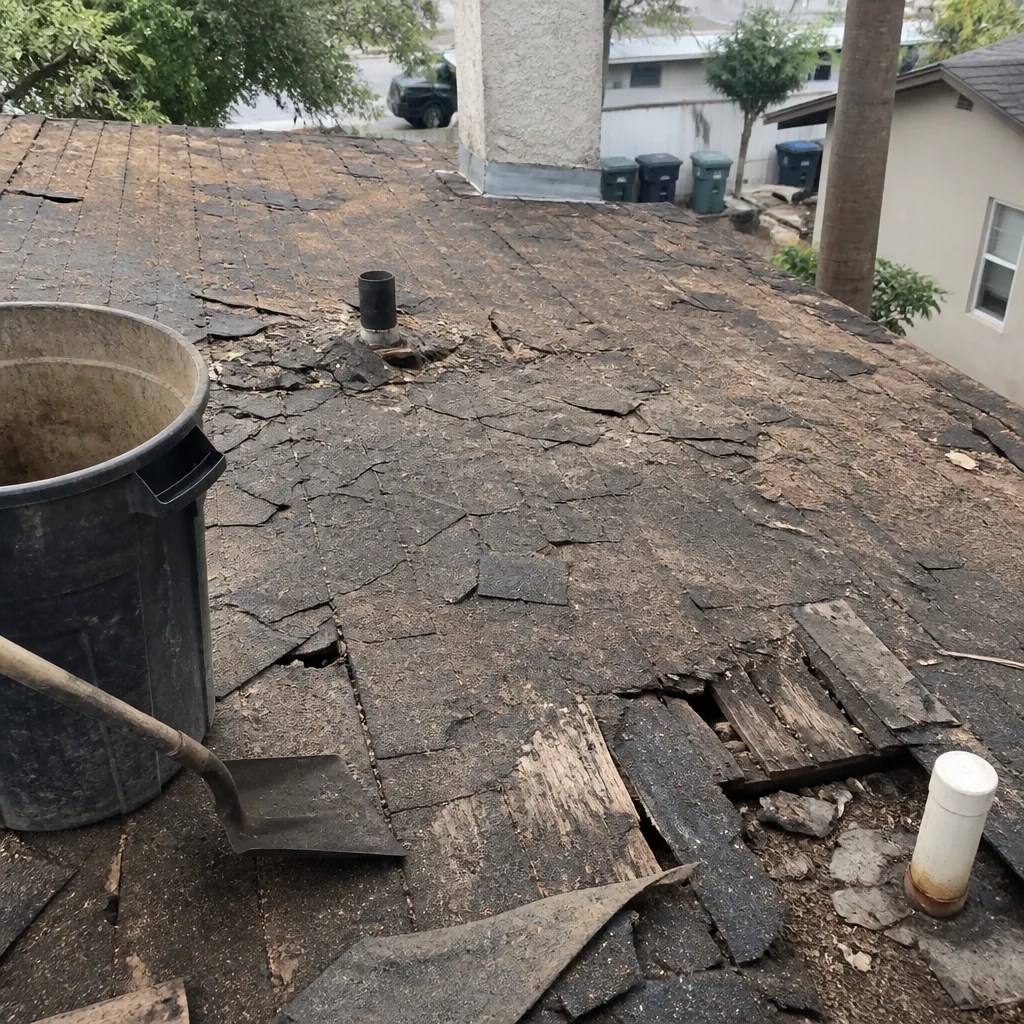 Before
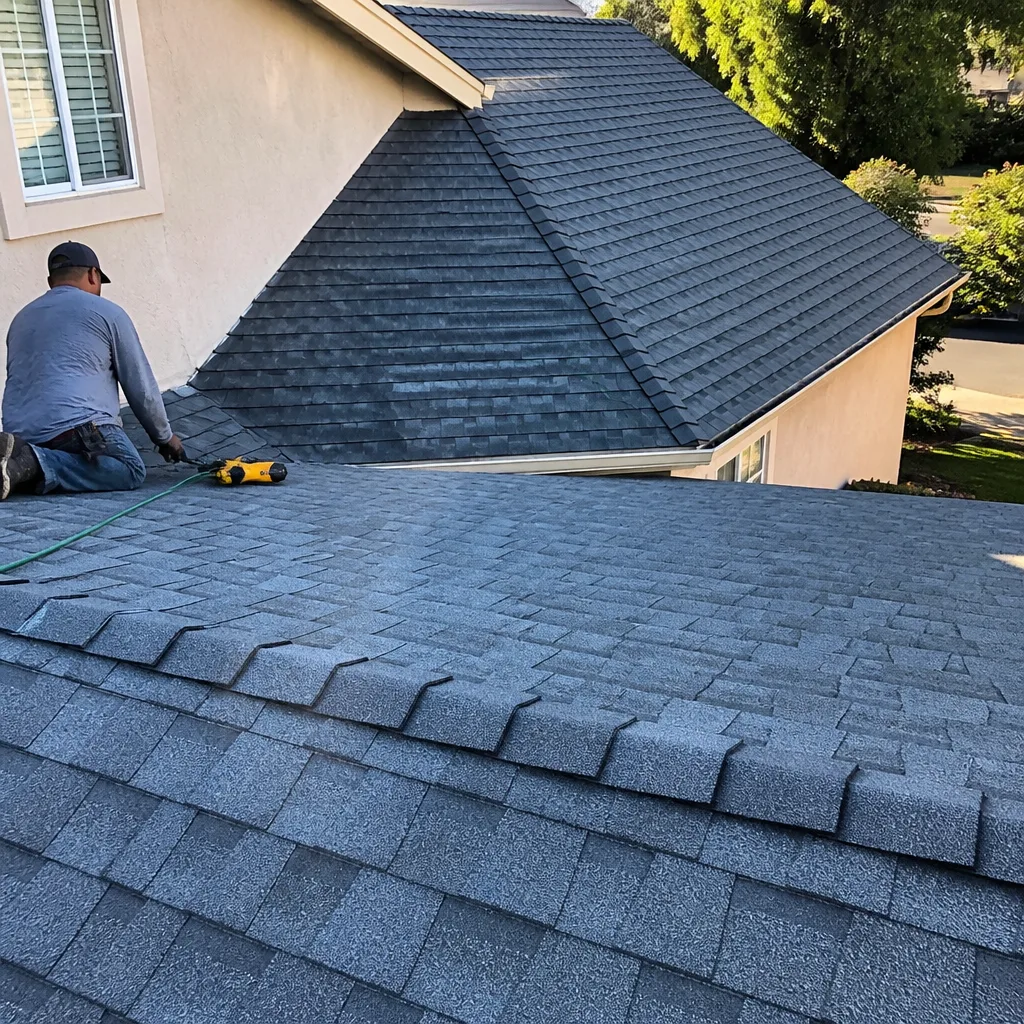 After
After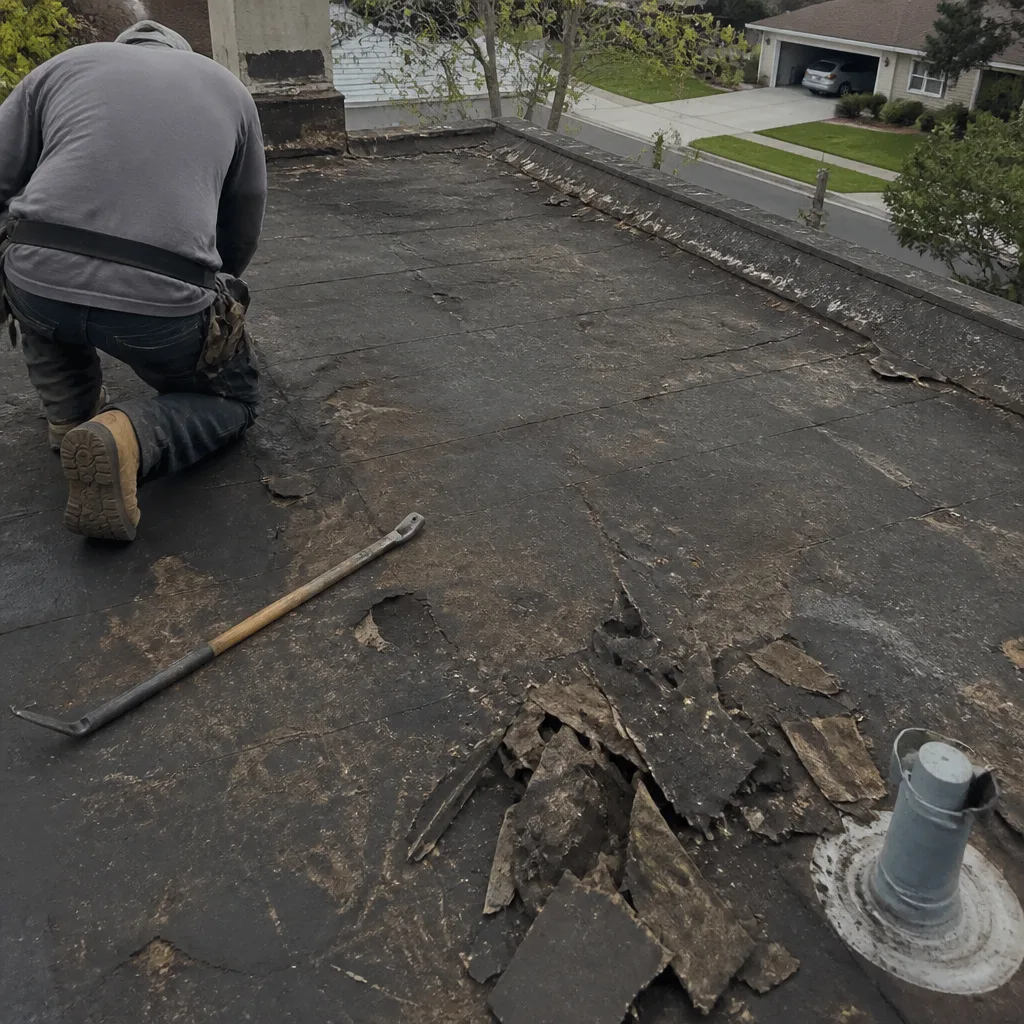 Before
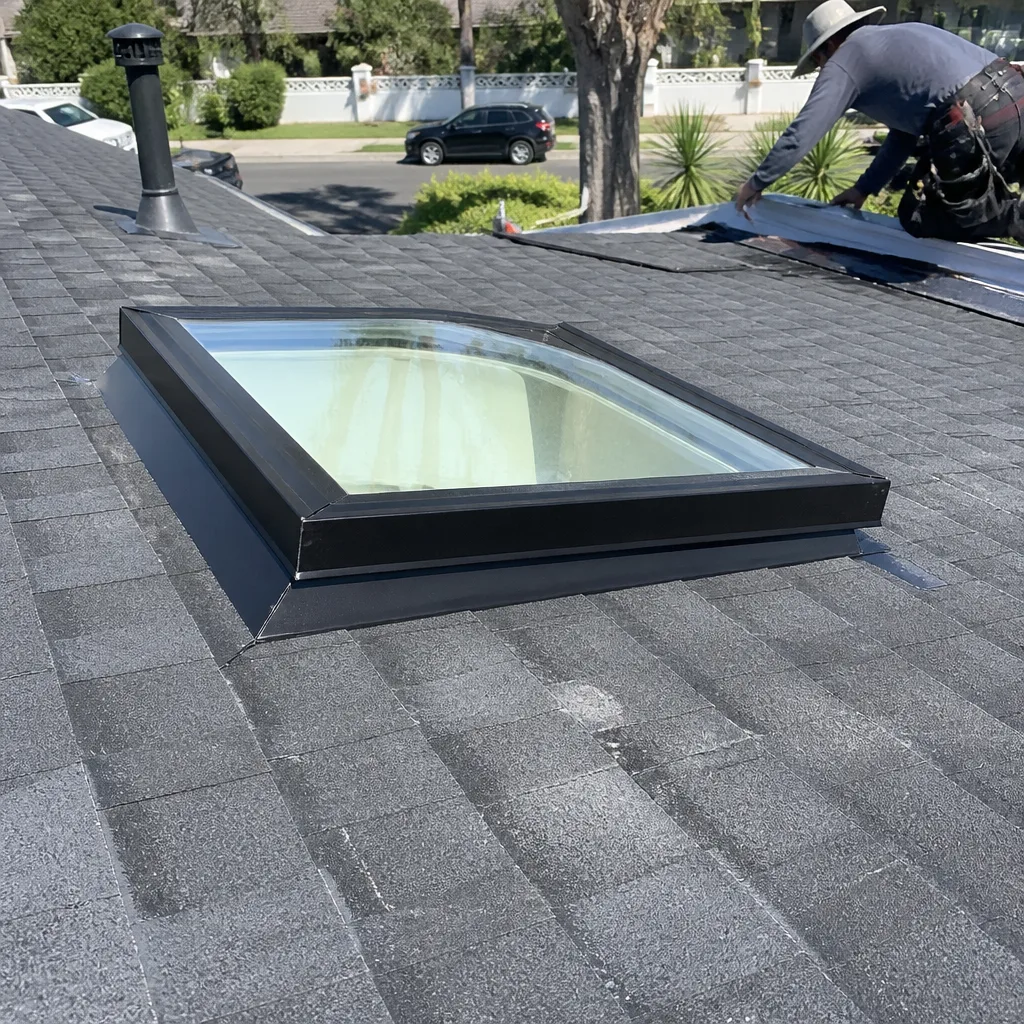 After
AfterRoof Repair Maintenance Schedule: What to Do and When
A failed pipe boot seal costs about $150 to fix in September. Left through a rainy season, the same failure can mean $4,000 in sheathing replacement and interior ceiling repair by March. In Los Angeles, where most rain arrives in concentrated winter bursts and summer UV bakes roofing materials for months straight, the gap between “small maintenance item” and “major repair” closes faster than homeowners expect. This guide ranks every maintenance task by what neglect actually costs, not just how often it should happen, so you know which skips drain your wallet and which ones you can genuinely defer. For more detail on spotting problems early, see our Roof Repair Warning Signs Every Homeowner Should Know.
Quick Answer
Los Angeles homeowners should inspect their roofs twice yearly - in late October before the rainy season and in late April after the final spring rains - with our Roof Repair services recommended every 2-3 years for asphalt shingle roofs and annually for tile, flat, or aging systems. The highest-payoff tasks are sealing pipe boots, clearing valleys and drains, checking step flashing at wall intersections, and verifying ridge cap adhesion, in that order. Document everything with dated photos; this record protects your warranty coverage, speeds insurance claims, and demonstrates condition to future buyers.
Table of Contents
- The Cost-of-Neglect Ranking: Which Skips Are Expensive
- The Five Highest-Failure Zones on an LA Roof
- Your Los Angeles Seasonal Maintenance Calendar
- How to Document Maintenance for Insurance and Resale
- What Professional Maintenance Includes Versus Shortcuts
- How Deferred Maintenance Affects Inspections and Insurance
- Common Mistakes to Avoid
- When to Call a Professional
- Frequently Asked Questions
The Cost-of-Neglect Ranking: Which Skips Are Expensive
Most maintenance guides list tasks by frequency. We organize them by what happens when you don’t do them, because that’s what actually drives the decision.
Immediate financial risk (neglect costs 10-30x the maintenance price):
- Pipe boot seals. The rubber collar around plumbing vents cracks from UV exposure in 7-10 years in Los Angeles sun. A $120-$180 seal replacement becomes $3,000-$6,000 in decking, insulation, and drywall repair when water follows the pipe into the attic. We’ve replaced entire sections of rafters in Silver Lake homes where this went undetected for two rainy seasons.
- Valley clearance and integrity. Valleys channel the most water per square foot. A clogged valley during a January atmospheric river sends water sideways under shingles. Maintenance: clearing debris and checking for lifted fasteners, $200-$350. Neglect: valley replacement plus adjacent shingle tear-off, $2,500-$5,000.
- Step flashing at wall intersections. Where a roof meets a second story or addition, step flashing creates a stair-step water barrier. Corroded or dislodged flashing is invisible from the ground. Maintenance: inspection and spot repair, $250-$450. Neglect: wall sheathing rot, interior mold remediation, $4,000-$12,000 depending on wall construction.
Moderate financial risk (neglect costs 3-8x):
- Ridge cap adhesion. Ridge caps take wind head-on. Lifted caps admit water directly to the ridge beam. Maintenance: re-adhesion or replacement, $300-$600. Neglect: ridge beam rot, potential structural assessment, $1,500-$3,500.
- Parapet coping and wall cap seals. Common on flat roofs and modernist homes in the Hollywood Hills or Baldwin Hills. Coping stones or metal caps with failed sealant let water into the parapet wall itself. Maintenance: resealing, $400-$700. Neglect: parapet rebuild, interior plaster repair, $2,000-$5,000.
Lower financial risk (neglect costs less than 2x, or is primarily aesthetic):
- Surface moss or algae. Unsightly on north-facing slopes in shaded Pasadena canyons, but rarely destructive on pitched roofs. Maintenance: gentle treatment, $200-$400. Neglect: eventual granule loss on asphalt shingles, accelerating replacement by 1-2 years.
- Minor gutter overflow. Clogged gutters damage fascia over time, but the progression is slow and visible. Maintenance: cleaning, $150-$250. Neglect: fascia replacement, $800-$1,500 per linear section.
This ranking changes how you budget. In our experience across Los Angeles, homeowners who prioritize the top three items and defer the bottom two still come out ahead a decade later. For step-by-step problem solving, read our Roof Repair Troubleshooting: Common Problems and How to Fix Them.
The Five Highest-Failure Zones on an LA Roof
Los Angeles roofing faces a specific stress pattern: intense UV eight months yearly, thermal cycling that expands and contracts materials daily, occasional heavy wind events (Santa Ana gusts to 60+ mph), and concentrated winter rain that can drop half a year’s water in 72 hours. These five zones fail predictably under that combination.
1. Pipe Boots (Plumbing Vent Seals)
Every home has 2-6 plumbing vents penetrating the roof. The standard rubber boot lasts 7-10 years in LA sun before cracking at the flex point. After cracks appear, water enters around the pipe, runs down into the attic, and pools on insulation where it evaporates slowly and breeds mold.
What to check: From the attic during daylight, look for pinholes of light around vent pipes. From the roof, flex the rubber collar gently; cracking is visible at the bend. The base flange should lie flat with intact sealant.
What maintenance looks like: Replace cracked boots with new two-piece boots or permanent lead replacements. Never caulk over cracks; the repair fails in months. Most asphalt shingle repairs in Los Angeles include at least one pipe boot replacement.
2. Step Flashing at Wall Intersections
Where a lower roof meets a vertical wall, step flashing creates overlapping metal “steps” that water cannot cross. In Los Angeles, thermal expansion loosens the masonry anchors or nails that secure counter-flashing, and Santa Ana winds lift exposed edges.
What to check: Look for lifted counter-flashing, gaps between flashing and stucco or siding, and any caulk lines that have separated. From inside, check ceiling corners near these intersections for water stains.
What maintenance looks like: Re-secure counter-flashing, replace individual step pieces where corroded, and reseal with compatible sealant. Never rely on surface caulk alone; it bridges the flashing gap without restoring the mechanical seal.
3. Ridge Caps
Ridge caps cover the peak where two roof planes meet. They’re cemented and nailed, but LA’s heat cycling breaks down adhesive faster than in cooler climates. Santa Ana winds complete the job.
What to check: Walk the perimeter with binoculars; lifted or missing caps are visible. From the roof, test adhesion by hand. Granule loss on caps indicates age.
What maintenance looks like: Re-adhere with roofing cement and add fasteners where the substrate permits. Replace caps that have lost protective granules. On older GAF or CertainTeed systems, we often find caps failing before the field shingles.
4. Valley Metal and Debris Accumulation
Open valleys with metal liners handle the highest water volume. In Los Angeles, oak and sycamore leaf drop in late fall combines with dust accumulation to form dense mats. When rain arrives, water dams and flows sideways.
What to check: Clear debris and check for lifted valley clips, punctured metal from foot traffic, and corrosion at the center channel. Closed-cut valleys (shingles woven over a hidden liner) are harder to inspect; look for lifted shingle edges.
What maintenance looks like: Professional clearing with blower and hand removal, never pressure washing. Repair or replace damaged metal. In fire-prone areas like the Santa Monica Mountains, valley debris is also a combustion risk.
5. Parapet Copings
Flat roofs and modern designs with parapet walls depend on coping stones or metal caps to seal the wall top. Sealant fails in 3-5 years of UV exposure.
What to check: Walk the roof perimeter; probe sealant joints with a putty knife. Look for efflorescence (white mineral deposits) on parapet faces, indicating water intrusion.
What maintenance looks like: Remove failed sealant entirely, clean substrates, and apply new compatible sealant. Coping stones may need re-bedding. This is not a homeowner task; parapet work requires fall protection and knowledge of wall assembly drainage.
Your Los Angeles Seasonal Maintenance Calendar
LA’s climate creates distinct maintenance windows. Missing them means waiting another year or facing emergency repairs in rain. Explore more guides & resources for year-round roof care.
Late October: Pre-Rain Inspection (Critical)
Complete before the first significant storm, typically mid-November. Focus on water entry points.
- Clear all valleys, gutters, and drains of leaf and debris accumulation from dry summer months.
- Inspect and photograph all pipe boots; replace any with visible cracking.
- Check ridge caps for lift; re-adhere or replace as needed.
- Verify step flashing at all wall intersections.
- Test flat roof drains and scuppers for flow; clear any blockages.
- Document condition with dated photos from consistent angles.
Late April: Post-Rain Assessment
After the final spring rains, assess what the season revealed.
- Inspect attic spaces for new water stains, especially around vent pipes and chimneys.
- Check interior ceiling corners near roof-wall intersections.
- Walk the roof (or have it walked) to identify shingles displaced by wind or damaged by debris.
- Clear any accumulated debris from drains and gutters before summer baking sets.
- Schedule any identified repairs before summer heat makes asphalt shingles too pliable to work cleanly.
Every 2-3 Years: Professional Maintenance Visit
Homeowner visual checks catch obvious problems. A professional visit addresses what untrained eyes miss.
- Thermal imaging for moisture trapped in insulation
- Fastener pull-through assessment on aging shingles
- Underlayment condition at eaves and penetrations
- Proper attic ventilation measurement (critical in Los Angeles, where heat buildup accelerates shingle aging)
- Code compliance check for any prior owner modifications
For tile roofs, especially Boral clay or concrete systems common in Spanish Revival homes from Pasadena to Pacific Palisades, annual professional inspection is warranted. Tile is durable; the underlayment beneath it is not, and failure is hidden until extensive.
After Major Wind Events
Santa Ana wind events above 50 mph warrant targeted inspection within 48 hours. Check for:
- Missing or displaced shingles, especially on ridge and rake edges
- Lifted flashing
- Dislodged satellite mounts or solar panel attachments
- Debris impact damage
How to Document Maintenance for Insurance and Resale
Maintenance records are an asset. In Los Angeles’s competitive real estate market, documented roof condition can speed sales, satisfy insurer requirements, and support warranty claims.
The simple system:
- Consistent photo angles. Take the same four shots every inspection: wide roof face, ridge line, primary valley, and worst-condition penetration. Date-stamp automatically.
- Receipt and report filing. Keep all professional inspection reports, repair invoices, and material specifications. Note manufacturer and product line (e.g., GAF Timberline HDZ, CertainTeed Landmark) for warranty tracking.
- Annual summary log. One page per year: date, what was checked, what was done, next scheduled action. This becomes the document you hand to a buyer or insurer.
When documentation matters:
- Insurance claims: Insurers increasingly deny “gradual damage” claims where maintenance was neglected. Photos proving pipe boots were intact six months before a storm support “sudden damage” arguments.
- Manufacturer warranty: GAF, CertainTeed, Owens Corning, and others require proof of maintenance for extended warranty coverage. “Install and ignore” voids most 50-year product warranties.
- Home sale: A documented maintenance history with professional reports reduces buyer inspection objections. In Los Angeles’s disclosure-heavy market, this is tangible evidence of care.
We provide every Tilehurst Roofing maintenance customer with a written report and photos as standard practice, not as an add-on. The Kingswell Way means you get the documentation you need, organized, before we leave.
What Professional Maintenance Includes Versus Shortcuts
Homeowners who’ve paid for “roof maintenance” and aren’t sure what they received are common in our Los Angeles calls. Here’s how to tell complete work from surface-level service.
Complete professional maintenance (what we deliver):
- Full roof walk or drone survey with photo documentation
- Attic inspection for moisture, ventilation, and structural indicators
- Penetration-by-penetration seal assessment (every pipe, vent, chimney)
- Flashing inspection at all walls, valleys, and transitions
- Gutter and drainage flow test
- Written condition report with prioritized repair recommendations and fixed pricing
- Dated photo set delivered electronically
Shortcut indicators (what to watch for):
- Ground-level binocular “inspection” only - misses most critical details
- No attic entry - where 40% of active leaks reveal themselves
- “Everything looks fine” with no written documentation
- Pressure washing offered as “maintenance” - voids shingle warranties and forces water under materials
- Quote given verbally, changed at time of work
The Kingswell Way is specific: we say the price before the work starts, show up in the window we gave, leave the place cleaner than we found it, put the guarantee in writing, and come back if it fails. Any maintenance visit that doesn’t include a written report with photos isn’t maintenance; it’s a sales call.
Material matters too. A professional should discuss whether your specific roof benefits from manufacturer-specific accessories - Atlas StormMaster for wind zones, Tamko Heritage with modified asphalt for thermal cycling, or Boral tile-compatible underlayment systems. One-size-fits-all “maintenance” ignores the product on your roof.
How Deferred Maintenance Affects Inspections and Insurance
In Los Angeles’s active real estate market, roof condition is a standard buyer concern and an increasing focus for insurers writing new policies.
Home inspection impact:
California home inspectors flag active leaks, visible deterioration, and deferred maintenance with specific severity ratings. A roof with documented annual maintenance and recent professional inspection typically receives “Satisfactory - monitor” ratings even with age. Identical roofs without documentation often get “Further evaluation recommended,” which triggers buyer renegotiation or seller credits of $5,000-$15,000.
Specific items inspectors note:
- Lifted or missing shingles (count and location)
- Active moss or vegetation (indicates moisture retention)
- Granule loss exposing asphalt (measured by percentage of roof area)
- Visible flashing gaps or repairs
- Interior ceiling stains, even old ones
- Attic moisture or mold indicators
Documentation of prior repairs with dates and contractor information satisfies most inspector concerns. “We fixed it, we just don’t have the paperwork” does not.
Insurance implications:
Several California insurers have begun conditioning renewal or new policies on roof condition documentation, particularly in wildland-urban interface zones from Topanga to the foothill communities. Maintenance records demonstrating cleared valleys, intact flashing, and debris-free surfaces support “defensible structure” assessments that affect coverage availability and premium.
Conversely, claims for interior water damage on roofs without maintenance history face “gradual damage” exclusions. The burden shifts to the homeowner to prove the damage was sudden and accidental. Dated maintenance photos are often the decisive evidence.
Common Mistakes to Avoid
- Waiting for visible interior stains. By the time water shows on a ceiling, structural damage has occurred. In Los Angeles’s dry climate, attic moisture can evaporate slowly enough that stains appear months after the active leak began.
- Pressure washing any roof surface. This strips protective granules from asphalt shingles, forces water under tiles, and voids manufacturer warranties. Gentle chemical treatment for moss is the correct approach; physical abrasion is not.
- Ignoring flat roof maintenance because “it looks fine.” Flat roofs depend on membrane integrity and positive drainage. Ponding water after rain, even temporary, indicates slope or drain problems that accelerate membrane failure. In Los Angeles, flat roofs on modern homes and additions require annual professional inspection.
- Accepting verbal quotes for maintenance or repair. Every Tilehurst Roofing job begins with a written price before any work starts. Verbal estimates that change at the door are a pattern, not an exception, in this industry.
- Assuming new roofs need no maintenance. Even properly installed roofs have penetrations, flashings, and sealants with shorter lifespans than the primary material. A 30-year shingle roof has 10-year boots and 15-year flashing sealants. Maintenance schedules should match the shortest-lived component, not the longest.
- DIY repairs on steep slopes without proper equipment. Falls from residential roofs cause serious injury and death annually in Los Angeles County. Steep pitches, tile surfaces, and second-story heights require fall protection, proper footwear, and experience. The savings on a minor repair are not worth emergency room costs or worse.
- Neglecting attic ventilation. Poor ventilation bakes shingles from beneath, accelerating granular loss and curling. In Los Angeles’s heat, attic temperatures can exceed 150°F. Maintenance should include verifying intake and exhaust vent balance, not just roof surface condition.
When to Call a Professional
Some maintenance is homeowner-appropriate: ground-level debris clearing, gutter cleaning from a ladder, interior attic visual checks with a flashlight. Other situations warrant trained assessment.
Call a professional when you notice lifted or missing shingles after wind, any interior water staining, daylight visible from the attic around penetrations, sagging roof lines, or if your roof is more than 15 years old and has never had a professional inspection. Tile roofs showing cracked or shifted tiles need prompt evaluation; the tile protects the underlayment, and once displaced, accelerated deterioration follows.
Steep roofs, second-story work, and any task requiring walking on tile or metal surfaces present genuine fall risk. A trained technician with proper equipment and insurance completes the work safely and documents condition for your records.
Roof Repair in Los Angeles from Tilehurst Roofing includes written condition reports, fixed pricing before work begins, and our 365-Day Done Right Promise on every repair. We offer free estimates throughout Los Angeles - call (945) 303-9821 to schedule yours.
Frequently Asked Questions
Most professional maintenance visits for asphalt shingle roofs in Los Angeles run $250-$450, with tile or flat roof inspections at $350-$600 due to additional complexity and access requirements. Repairs identified during maintenance are quoted separately with fixed pricing before any work begins. Call (945) 303-9821 for an exact quote - estimates are free.
Asphalt shingle roofs should have professional inspection every 2-3 years, with homeowner visual checks twice yearly. Tile, flat, and aging roofs (20+ years) warrant annual professional inspection due to hidden underlayment or membrane risks. Los Angeles’s UV exposure and thermal cycling accelerate material fatigue compared to milder climates.
At Tilehurst Roofing, the written price is the price. We deliver fixed pricing before any work starts, every single time. If inspection reveals additional issues, we document them, quote them separately, and obtain your approval before proceeding. No change orders at the door, no surprises after work begins.
Yes, in Los Angeles’s competitive disclosure environment, documented roof maintenance reduces buyer uncertainty and supports asking price. Homes with professional inspection reports and maintenance history typically avoid the $5,000-$15,000 seller credits that “further evaluation recommended” inspection language triggers. Documentation transfers confidence.
Homeowners can safely perform ground-level debris clearing, gutter cleaning from a secure ladder, and interior attic visual checks. Roof walking, penetration seal replacement, flashing repair, and any work on steep slopes or tile surfaces should be left to trained professionals with proper fall protection and insurance. Falls from residential roofs cause serious injury; the savings are not worth the risk.
Professional maintenance includes attic moisture assessment, thermal imaging where indicated, penetration-by-penetration seal evaluation, fastener pull-through testing, proper ventilation measurement, and written documentation with photos. Most importantly, it includes trained observation - recognizing early-stage failure patterns that untrained eyes miss until damage is extensive.
The Bottom Line
Roof maintenance in Los Angeles is not about perfection; it’s about sequencing. Fix the $150 pipe boot before it becomes the $4,000 ceiling repair. Clear the valley before the atmospheric river. Document everything so your warranty, insurance, and future buyer all see the same well-maintained roof you do. The cost-of-neglect ranking in this guide shows exactly where attention pays off and where it doesn’t.
Twice-yearly homeowner inspection, professional assessment every 2-3 years, and immediate response to wind events form the core schedule. The specific tasks - pipe boots, step flashing, ridge caps, valleys, parapet copings - are the same ones we address most often in repair calls that could have been maintenance visits.
Tilehurst Roofing, a Kingswell family company founded in 2000, provides residential roofing, roof repair, and full roof replacement across Los Angeles. Every job begins with a written price before any work starts. Every repair carries a written guarantee and our 365-Day Done Right Promise. A live person answers every call 24 hours a day, 7 days a week - including evenings and weekends. Call (945) 303-9821 to schedule your free estimate.
Written by Greg Holloway, Owner at Tilehurst Roofing, serving Los Angeles since 2000.