
Last updated October 8, 2026
Free roof inspection with deck photos before we talk money - GAF and Owens Corning certified installation
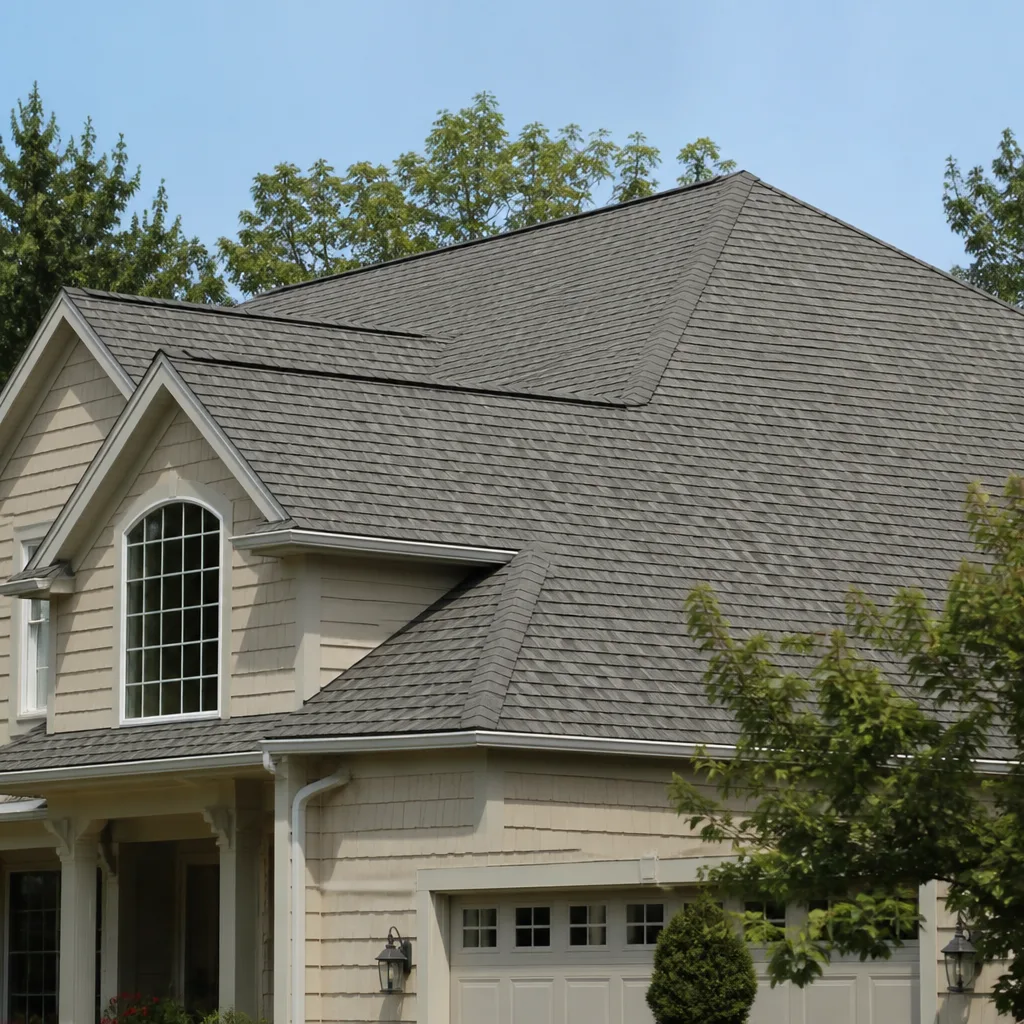
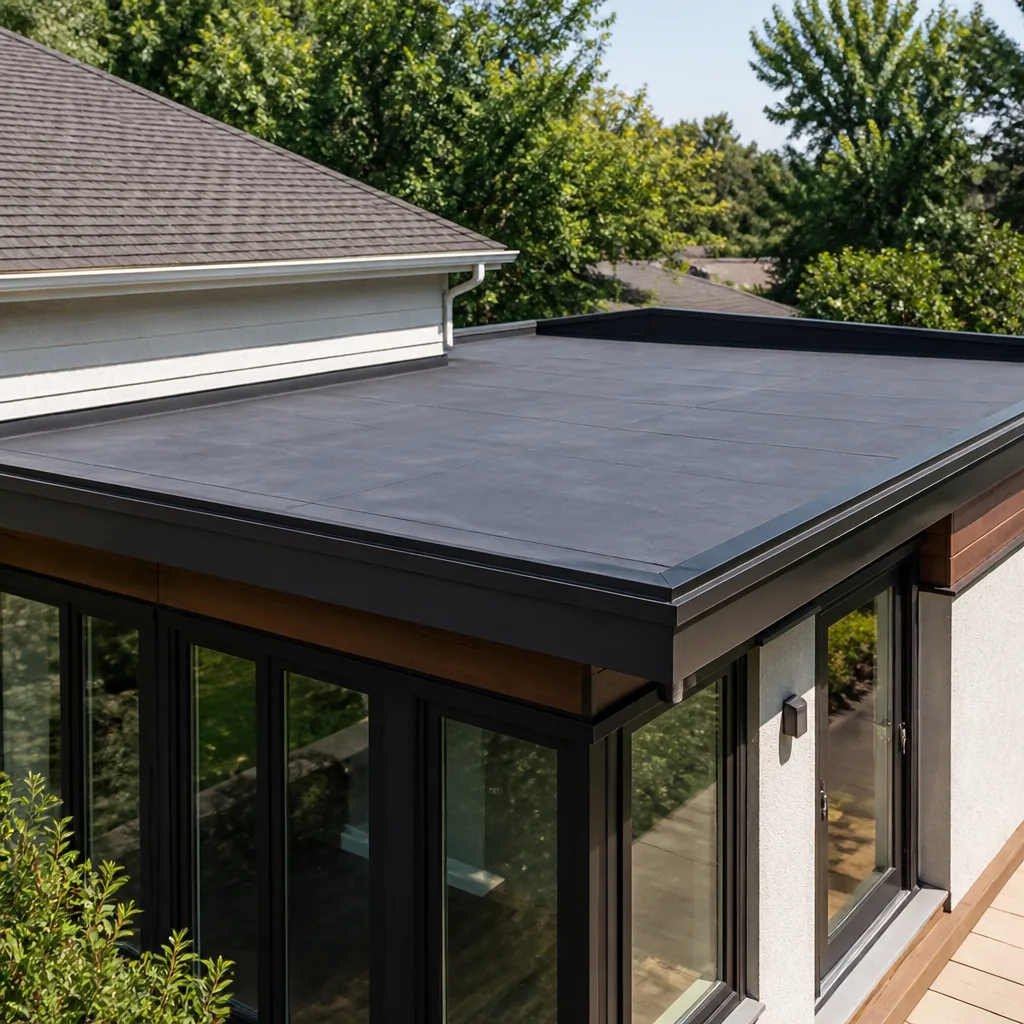
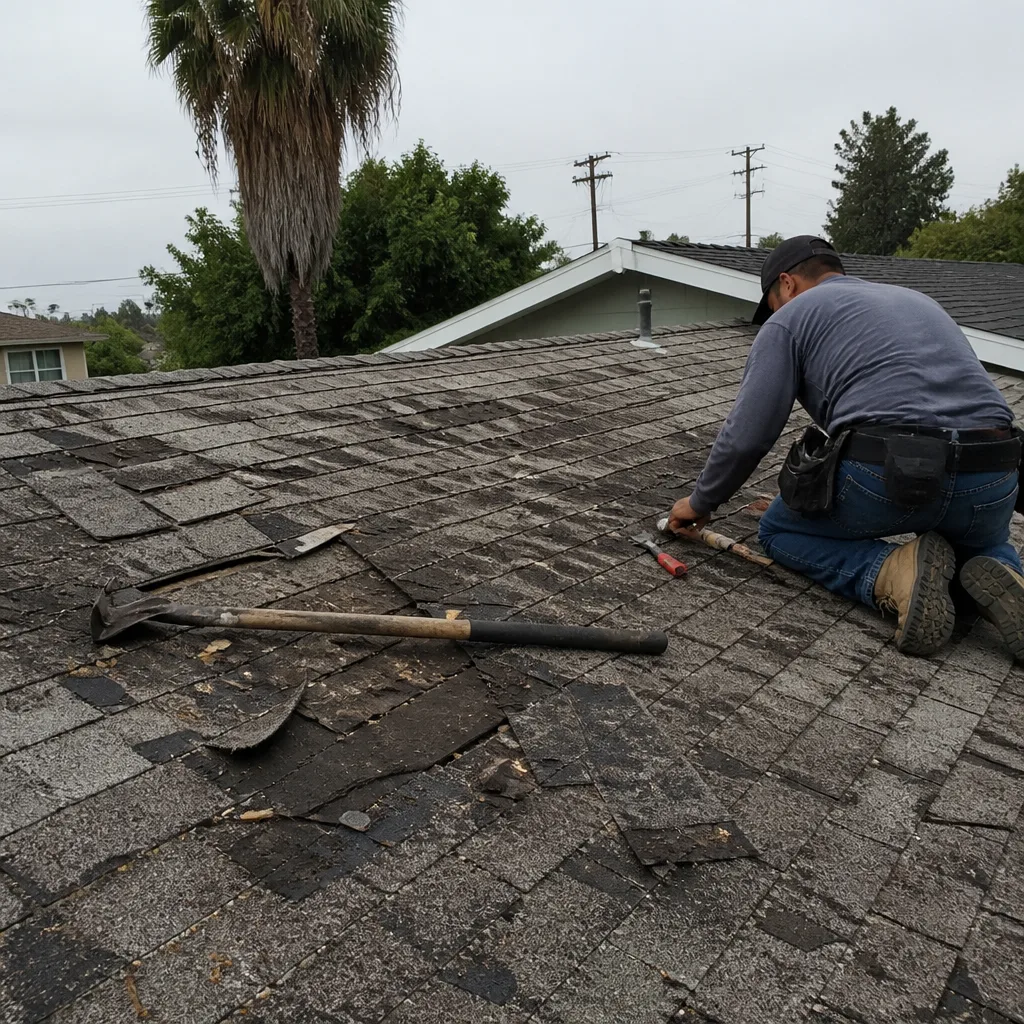 Before
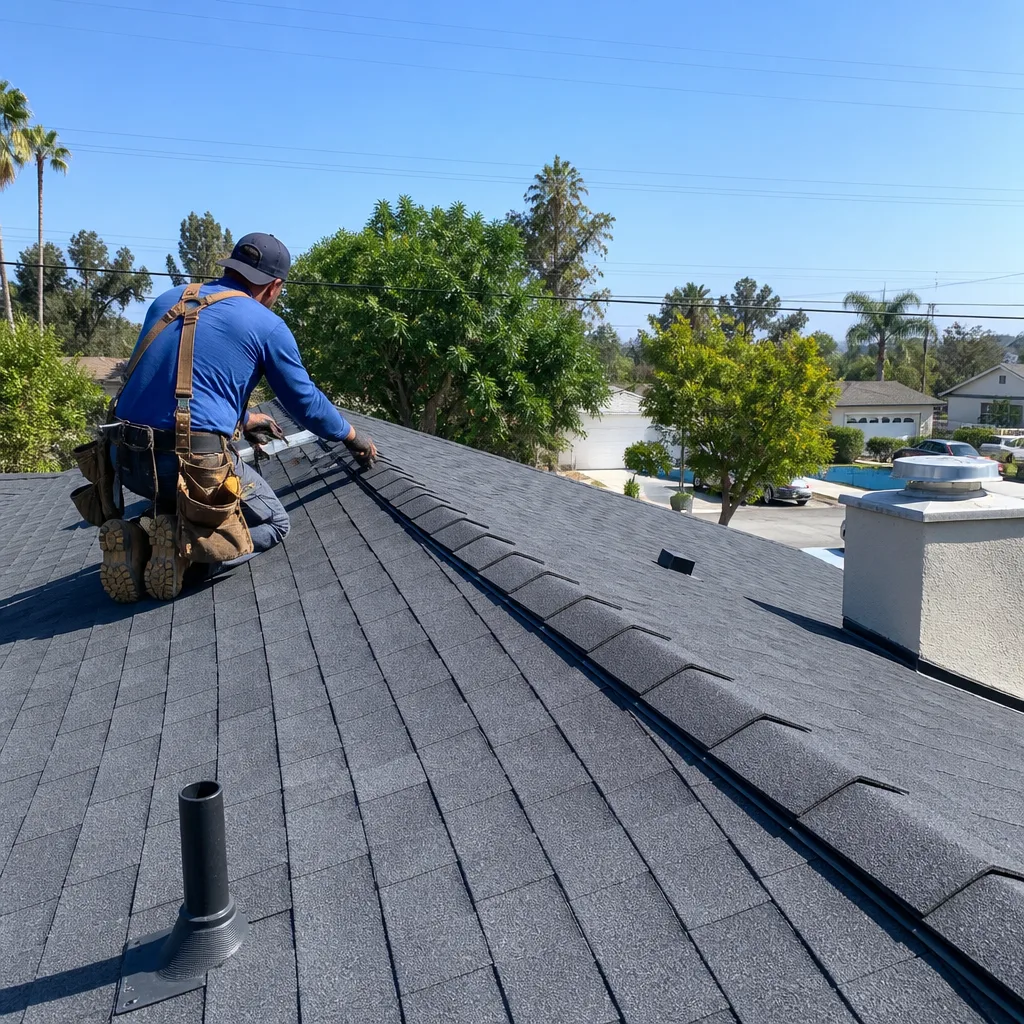 After
After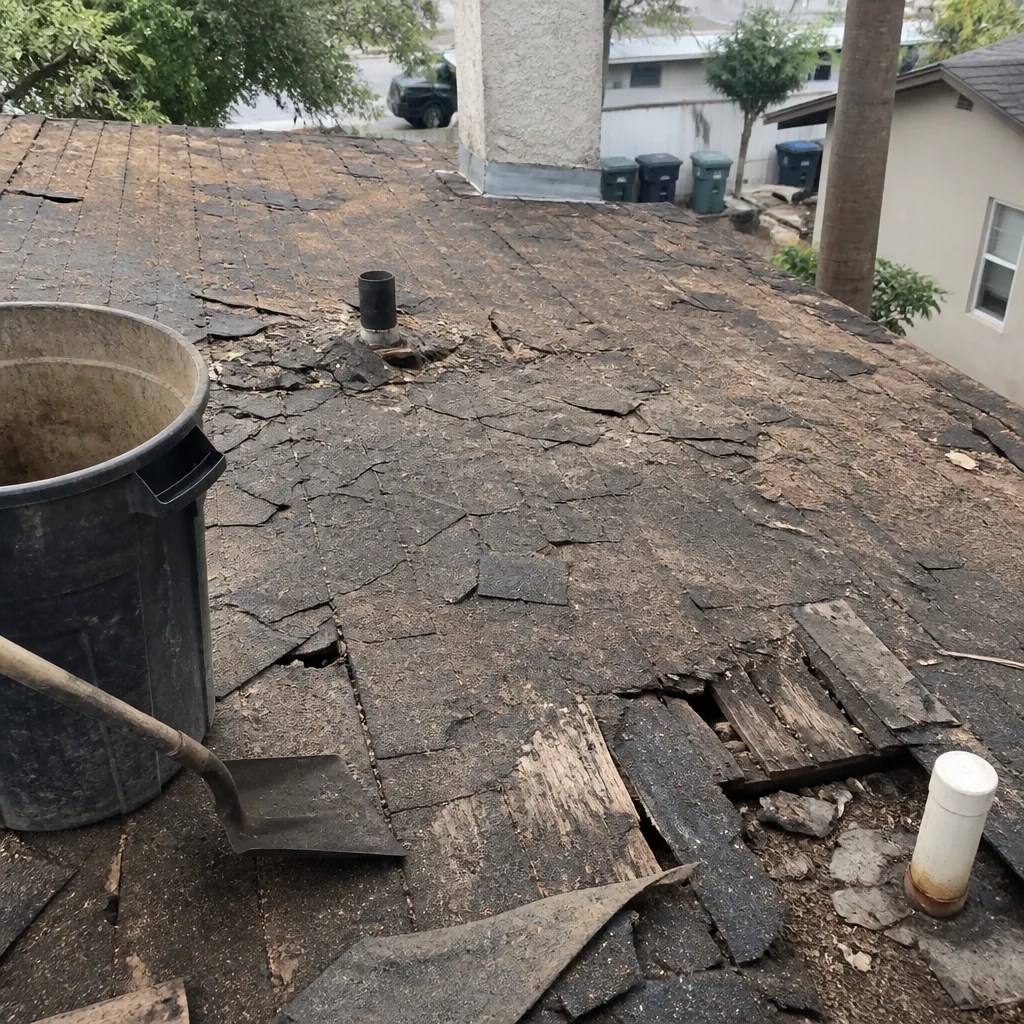 Before
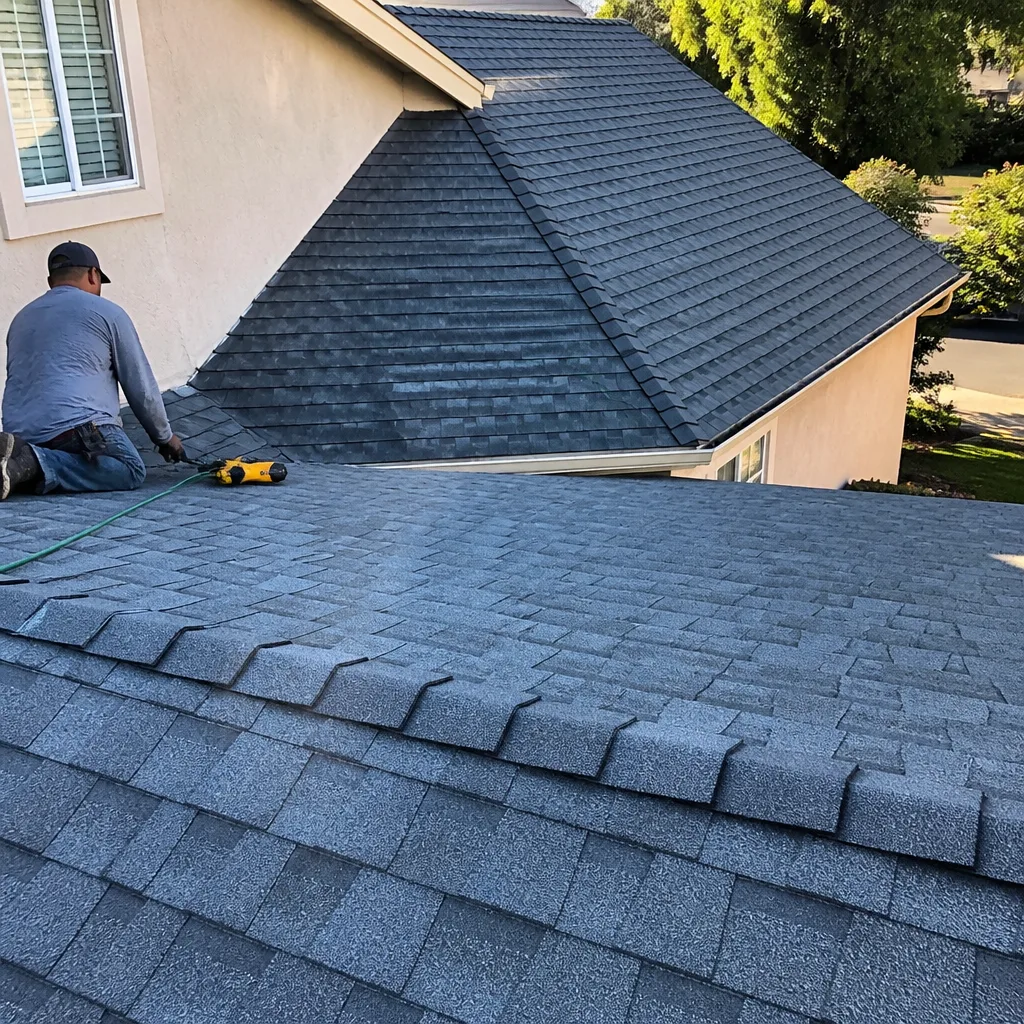 After
After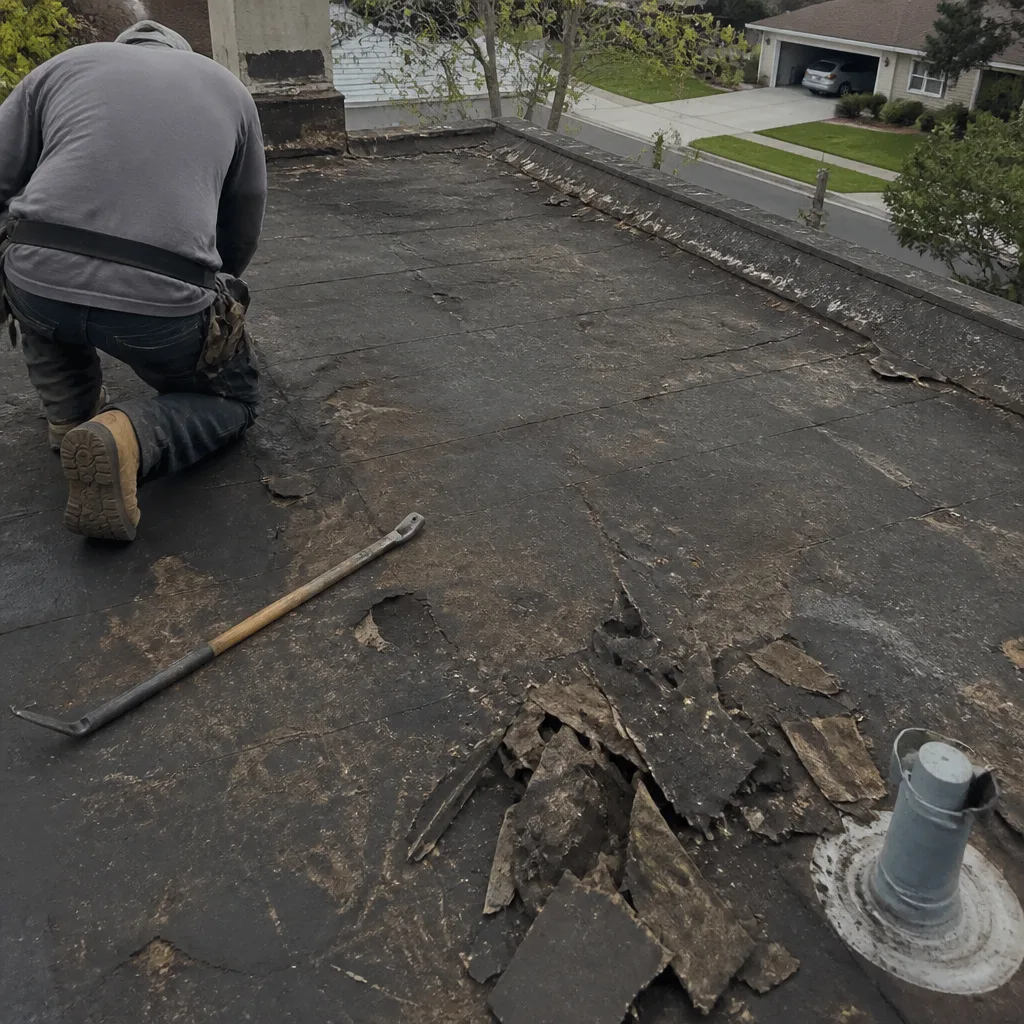 Before
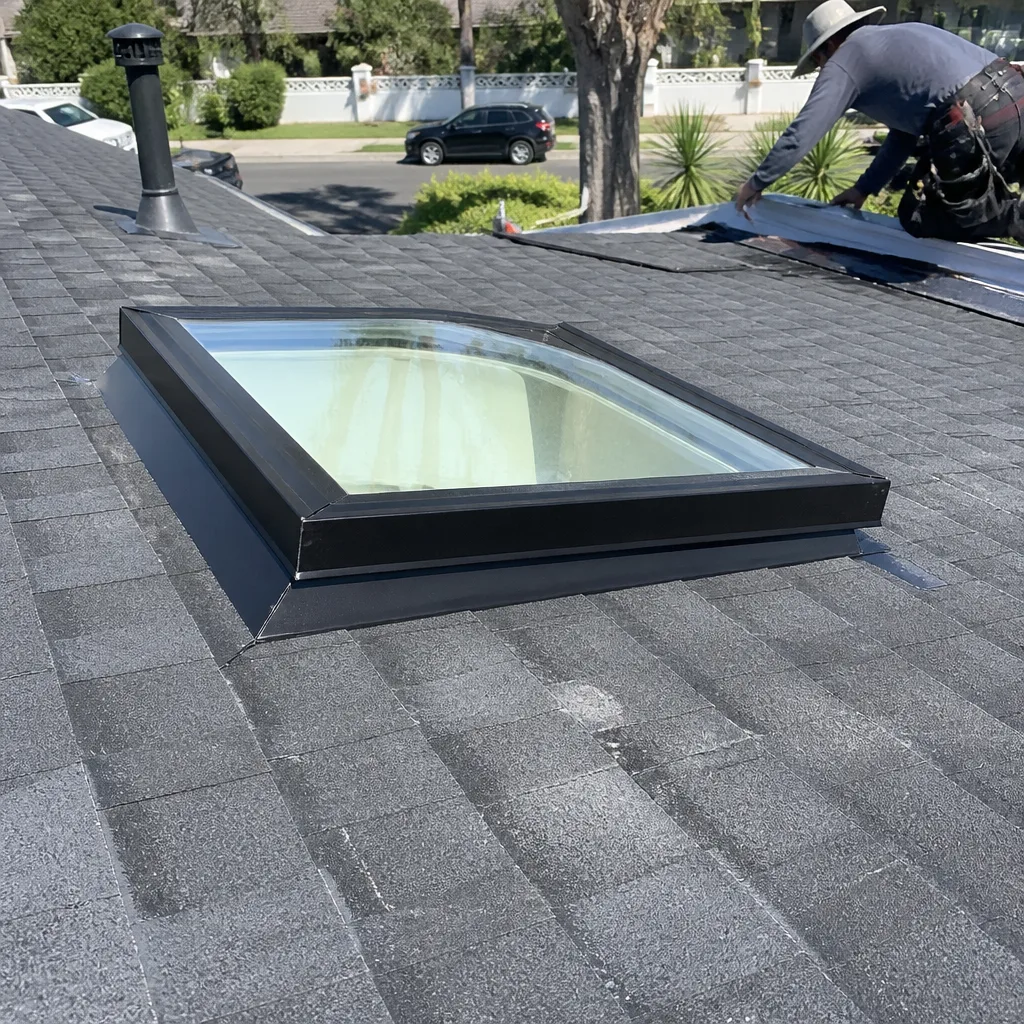 After
AfterHow Long Does Roof Repair Take? Timelines and What to Expect
A roofing crew can patch a broken tile in 40 minutes. The reason your neighbor’s repair took three days has nothing to do with the tiles - and everything to do with what happened before anyone climbed up. In Los Angeles, where morning marine layer can delay coastal starts and permit thresholds catch homeowners by surprise, the real timeline stretches well past the hammering. This guide breaks down where the hours actually go, phase by phase, so you can plan around the work instead of waiting around for it.
Quick Answer
Most residential roof repair jobs in Los Angeles take between two hours and two full days. A minor patch - one or two damaged shingles, a small leak seal - runs 1-4 hours. Moderate section repairs with decking exposure need a half day. Flashing replacement, multi-layer underlayment work, or storm damage across multiple roof planes typically requires 1-2 days, plus any permit wait time for repairs exceeding 100 square feet.
Table of Contents
- The Diagnosis Phase: What Happens Before the Ladder Goes Up
- Material Sourcing: Why Some Repairs Wait a Day
- Active Repair: What Each Job Actually Takes
- Inspection and Sign-Off: The Phase Everyone Forgets
- Los Angeles-Specific Factors That Stretch or Shrink Timelines
- Roof Repair Timeline Table
- Common Mistakes to Avoid
- When to Call a Professional
- Frequently Asked Questions
The Diagnosis Phase: What Happens Before the Ladder Goes Up
This is where most timeline surprises begin. Homeowners picture a truck pulling up and work starting. What actually happens first determines whether your repair finishes by dinner or stretches into next week.
At Tilehurst Roofing, we spend 30-60 minutes on a proper roof inspection before writing a single line of the estimate. That time breaks into three parts:
- Interior walk-through. We check ceilings, attic spaces, and wall stains to trace where water entered. A leak near a chimney in a Pasadena bungalow might originate three feet uphill where flashing has separated. Finding the true source prevents a “repair” that leaks again next rain.
- Roof surface examination. We photograph damaged areas, measure affected square footage, and check surrounding material for hidden wear. In Los Angeles, UV exposure on south-facing slopes often degrades shingles faster than the north side. Catching this now changes both the scope and the material specification.
- Structural and code check. We note decking condition, ventilation status, and whether the repair triggers permit requirements. Los Angeles building code requires permits for roof repairs exceeding 100 square feet or involving structural decking replacement. Crossing that threshold adds 1-3 days for plan submission and approval.
The diagnosis phase also includes the conversation most contractors rush past: explaining what we found, what your options are, and what each costs. Roof repair in Los Angeles runs into trouble when homeowners agree to a scope they don’t fully understand. Our written price lands in your hands before any work starts. Every time. No exceptions.
Typical diagnosis phase duration: 1-2 hours on site, plus same-day or next-day estimate delivery. If permits are needed, add 1-3 business days for Los Angeles Department of Building and Safety review.
Material Sourcing: Why Some Repairs Wait a Day
Not every crew carries your exact shingle. This is where generic “we’ll handle it” promises fall apart.
Los Angeles roofing spans multiple architectural eras. A 1920s Spanish Colonial in Los Feliz needs Boral clay tile. A 1960s ranch in Woodland Hills might have original IKO three-tab shingles. A contemporary build in Playa Vista could specify Atlas architectural laminate. Each requires matching for color, profile, and warranty compatibility.
Our material sourcing works in three tiers:
- Stock items: Common asphalt shingles from GAF, CertainTeed, Owens Corning, IKO, Atlas, Tamko, and Boral - these travel with the crew or arrive next morning from regional distributors in Commerce or Anaheim.
- Special order match: Discontinued profiles, custom color blends, or imported clay tile. These add 2-7 business days depending on warehouse location. We always flag this during diagnosis so you’re not waiting without explanation.
- Emergency weather seal: When rain threatens before matched materials arrive, we install temporary membrane protection. This stops water intrusion but requires a return visit to complete permanent repair. We document this in writing with a scheduled follow-up date before leaving the site.
The Kingswell Way means saying the price before the work, showing up in the window we gave, and leaving the place cleaner than we found it. Material delays don’t violate that promise if we tell you upfront. They do violate it if we pretend everything’s in the truck and then disappear for a week.
Typical material sourcing: same day to 7 business days. Emergency temporary seal: 1-2 hours.
Active Repair: What Each Job Actually Takes
This is the phase homeowners actually picture. Here’s what each repair level demands in real hours, with the variables that push toward the longer end.
Minor Patch (1-4 hours)
One to three damaged shingles or tiles. Small flashing gap. Isolated nail pop. The crew removes damaged material, inspects underlying underlayment, installs replacement, and seals penetrations.
What stretches it: multiple layers of old roofing to cut through, brittle tile that cracks on removal, or discovering decking softening beneath the visible damage. In Los Angeles, original clay tile roofs - common in Hancock Park and Beverly Hills - often require hand-nailing replacements because pneumatic guns crack the material. That precision takes longer but prevents callbacks.
Moderate Section Repair (Half Day)
Damage across 10-50 square feet. Multiple shingle tabs blown off in a Santa Ana wind event. Valley wear requiring new metal and underlayment. Skylight surround resealing with partial shingle replacement.
What stretches it: valley reconstruction demands removing shingles two feet up each slope, installing ice-and-water shield (yes, even in Los Angeles - it handles both ice and wind-driven rain), then re-shingling with woven or closed-cut valley detail. Proper valley work looks simple from the ground. It isn’t.
Flashing and Sealant Work (Full Day)
Chimney, vent pipe, or wall step-flashing replacement. Dormer sidewall rebuild. Cricket installation behind a chimney to redirect water.
What stretches it: mortar joints on older Los Angeles chimneys often crumble when old flashing comes out. Tuckpointing adds 2-3 hours. We won’t install new flashing against deteriorated masonry - it’ll leak inside six months, and our 365-Day Done Right Promise means we’d be back at our own expense.
Multi-Section Storm Damage (1-2 Days)
Wind or debris damage across multiple roof planes. Tree impact with structural compromise. Significant water intrusion requiring decking replacement and interior drying coordination.
What stretches it: any repair exceeding 100 square feet in Los Angeles requires a permit. We pull it. We schedule inspection. We don’t ask homeowners to navigate LADBS on their own. That administrative layer runs parallel to physical work but can extend the overall timeline by 1-3 days depending on inspector availability.
Inspection and Sign-Off: The Phase Everyone Forgets
Most guides end with “the crew packs up.” That’s when problems start.
Proper sign-off has three components:
- On-site walkthrough with the homeowner. We show before-and-after photos, explain what was replaced and why, and demonstrate drainage paths. You should see water flowing where it’s supposed to go, not pooling where it shouldn’t.
- Written guarantee delivery. Every Tilehurst Roofing repair leaves with a written guarantee in hand, not mailed later. The 365-Day Done Right Promise covers materials and workmanship. If the repair fails inside that window, we return at no charge. That commitment is documented before the crew departs.
- Permit inspection scheduling (when applicable). For permitted work in Los Angeles, we coordinate LADBS inspection. You don’t call. We do. The inspector verifies code compliance, and we handle any corrections immediately. Passing inspection closes the permit and protects your home’s title history.
Some repairs require a secondary inspection after rain. This is especially true for leak repairs where the original damage was intermittent. We schedule these proactively - a follow-up visit during or after the next significant weather event, at no charge, to confirm the seal holds under real conditions. This should be in writing from any contractor you hire. If it’s not, ask why.
Typical sign-off phase: 30 minutes for standard repairs. Permitted work adds inspector scheduling, typically 1-2 business days out.
Los Angeles-Specific Factors That Stretch or Shrink Timelines
Geography and climate here create timing realities that don’t exist in Phoenix or Portland.
Marine layer mornings. From Santa Monica through Playa del Rey and up into Malibu, June gloom and seasonal overcast can hold until 10 or 11 a.m. Moisture on roof surfaces makes work unsafe and sealants won’t cure properly. Crews often start later and work later to compensate. A “full day” on the west side might run 10 a.m. to 6 p.m. instead of 7 a.m. to 3 p.m.
Heat restrictions. Inland valleys - Van Nuys, Reseda, Woodland Hills - summer temperatures above 95°F trigger our crew safety protocols. Asphalt shingles become too pliable to handle properly. Adhesives flash-cure before proper placement. We shift these jobs to earlier starts or cooler days rather than forcing poor work.
Permit thresholds. Los Angeles requires permits for roof repairs over 100 square feet. That’s roughly a 10×10 foot area. Many moderate repairs brush against this limit. We measure precisely during diagnosis and pull permits when required. Unpermitted work over the threshold can block home sales, void insurance claims, and trigger redo requirements.
HOA notification windows. Many Los Angeles neighborhoods - particularly condo complexes and gated communities - require 48-hour or 7-day advance notice for exterior work. We build this into our timeline when homeowners flag it. Starting without notice can mean stop-work orders mid-job.
Historic district review. Homes in HPOZs (Historic Preservation Overlay Zones) like West Adams or Angelino Heights may need additional materials approval. We coordinate this during the sourcing phase, not after materials arrive.
Roof Repair Timeline Table
| Repair Type | Diagnosis | Material Sourcing | Active Repair | Sign-Off | Total Typical |
|---|---|---|---|---|---|
| Minor patch (1-3 shingles/tiles) | 1 hr | Same day | 1-4 hrs | 15 min | Same day |
| Moderate section (valley, vent surround) | 1-2 hrs | Same day to 1 day | 4-6 hrs | 30 min | 1 day |
| Flashing replacement (chimney, wall) | 1-2 hrs | 1 day | 6-8 hrs | 30 min | 1-2 days |
| Multi-section storm damage | 2 hrs | 1-3 days | 1-2 days | 30 min + inspection | 3-6 days |
| Permitted repair (>100 sq ft) | 2 hrs | 1-3 days | 1-2 days | 1-2 days for LADBS | 4-8 days |
These timelines assume standard material availability and weather-permitting conditions. Special orders, historic review, or HOA delays extend accordingly.
Common Mistakes to Avoid
- Accepting a verbal estimate with no written scope. Without documented square footage, material specification, and labor line items, you have no basis to dispute a timeline that stretches. Our written price before any work starts eliminates this entirely.
- Ignoring permit requirements for “just a repair.” Los Angeles doesn’t distinguish between “repair” and “replacement” by intent. It’s square footage. Crossing 100 square feet without a permit risks stop-work orders and sale complications.
- Scheduling during Santa Ana wind season without flexibility. October through January brings high wind events that make roof work dangerous. Build buffer days into your calendar, or schedule outside peak season for non-urgent repairs.
- Assuming all crews carry matching tile. Clay and concrete tile profiles vary by manufacturer and era. A crew that “can get it” may mean “can get something close.” Close leaks. Exact matches don’t. We specify manufacturer and color code in writing.
- Skipping the follow-up inspection after rain. A repair that looks dry in August may fail in January. Our 365-Day Done Right Promise includes proactive follow-up scheduling. If your contractor doesn’t mention this, the guarantee may be weaker than it sounds.
- Choosing speed over proper flashing detail. Caulk-heavy “quick fixes” on chimney or wall junctions fail predictably. Proper step flashing, counterflashing, and sealant integration takes longer. It also lasts.
- Not asking who exactly will be on the roof. Background-checked, uniformed technicians are standard at Tilehurst Roofing. If a company can’t tell you who’ll arrive, they may be subcontracting without your knowledge. That affects both timeline accountability and workmanship consistency.
When to Call a Professional
Some roof conditions demand immediate professional assessment. Active dripping through ceiling drywall. Visible sagging in roof planes. Missing shingles after wind events with exposed underlayment flapping. Granule accumulation in gutters indicating advanced shingle wear. Any of these can escalate from repair to replacement if delayed.
Greg Holloway and the team at Tilehurst Roofing in Los Angeles provide free estimates with written pricing before any work begins. A live person answers every call 24 hours a day, 7 days a week - including evenings and weekends. Call (945) 303-9821 to schedule your inspection and get a timeline that accounts for your specific roof, materials, and any permit or HOA requirements.
Frequently Asked Questions
Los Angeles roof repairs typically take the same active work time as other major markets - 1-4 hours for minor patches, up to two days for extensive damage. For a deeper look at full replacement schedules, see our guide on How Long Does Roof Replacement Take? Timelines and What to Expect. The difference lies in permit processing (1-3 days for repairs over 100 square feet), marine layer weather delays on the west side, and HOA notification requirements in planned communities. Call (945) 303-9821 for a timeline specific to your property and neighborhood.
Most single-section repairs on standard asphalt shingle or tile roofs finish in one day, including diagnosis, active work, and sign-off. Jobs requiring permits, special-order materials, or multi-plane coordination extend beyond 24 hours. We communicate this clearly during the estimate phase so you can plan accordingly.
No. Our written price before any work starts is fixed. If we discover concealed damage during repair - rotted decking beneath shingles, for example - we document it, explain the additional scope, and obtain your written approval before proceeding. No surprises. No change orders you didn’t authorize.
Yes, when required. Los Angeles building code mandates permits for roof repairs exceeding 100 square feet or involving structural decking. We handle all LADBS submission, fee payment, and inspection scheduling. You don’t navigate the permit office. We do.
Marine layer mornings in coastal neighborhoods can delay starts until 10 or 11 a.m. Summer heat inland can shift work to cooler hours. Rain stops work entirely - we don’t install materials onto wet surfaces or work on slick roofs. We monitor conditions and communicate schedule adjustments proactively.
Scope of work with square footage and material specifications. Itemized pricing with no hidden fees. Timeline estimate with permit and weather contingencies noted. Written guarantee terms, including duration and what triggers a callback. At Tilehurst Roofing, this is standard on every job. Call (945) 303-9821 for your written estimate.
The Bottom Line
Roof repair timelines have four phases, not one. Diagnosis prevents repeat leaks. Material sourcing prevents color mismatches. Active repair demands skilled execution, not just speed. Inspection and sign-off protect your investment long after the crew leaves. In Los Angeles, permit thresholds, coastal weather patterns, and neighborhood-specific requirements add layers that competent contractors navigate transparently. Understanding where the time goes lets you evaluate estimates realistically and choose a company that accounts for all of it upfront. For more guides & resources on roofing timelines and planning, visit our blog.
Written by Greg Holloway, Owner at Tilehurst Roofing, serving Los Angeles since 2000.