
Last updated October 8, 2026
Free roof inspection with deck photos before we talk money - GAF and Owens Corning certified installation
 Before
 After
After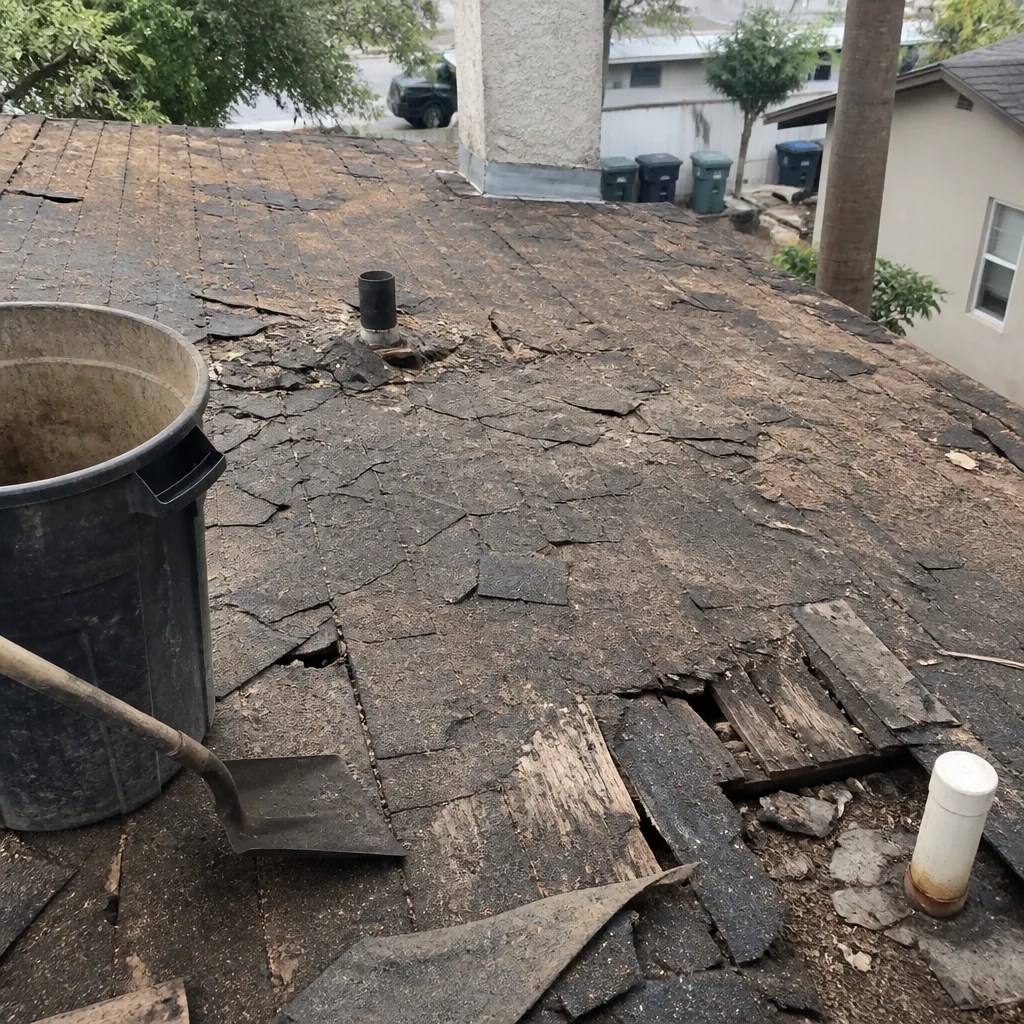 Before
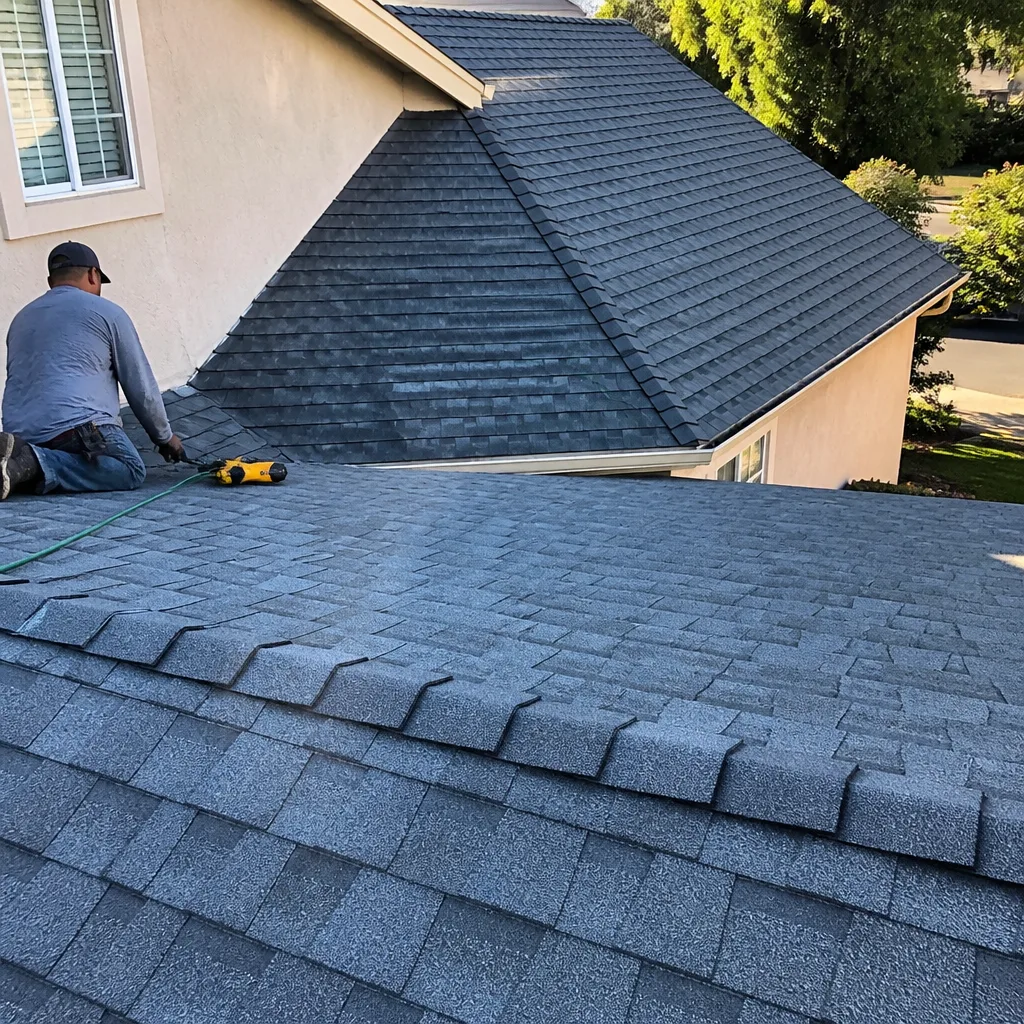 After
After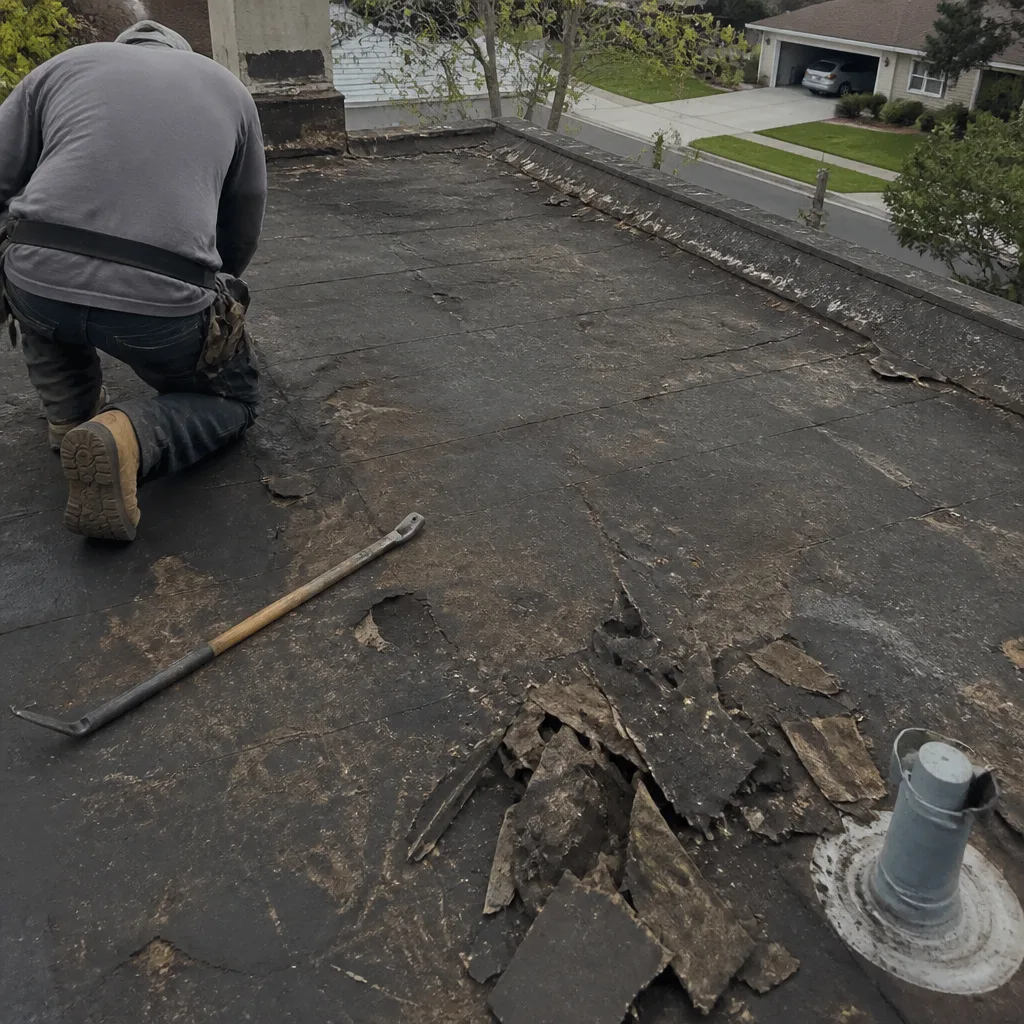 Before
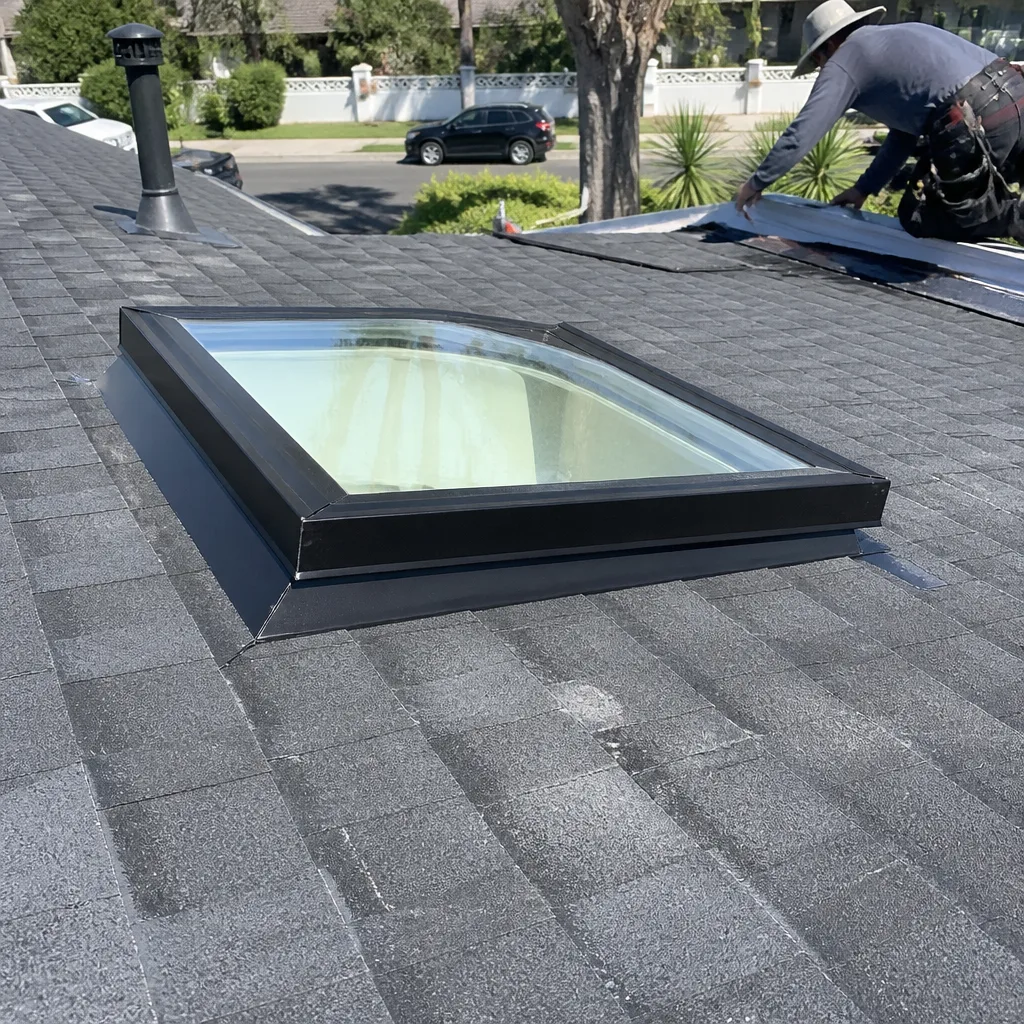 After
AfterHow to Hire a Roofing Contractor in Los Angeles: A Step-by-Step Guide
The California Contractors State License Board received over 20,000 complaints in a recent year, and roofing consistently ranks among the most cited trades. In Los Angeles, where the dry Santa Ana winds, occasional El Niño downpours, and strict Department of Building and Safety codes create a uniquely demanding environment, the problem almost always starts at the hiring stage. This guide gives you a repeatable, five-step verification process that works whether you’re replacing a century-old clay tile roof in Hancock Park or patching wind-lifted shingles in the San Fernando Valley. Follow it, and you’ll separate legitimate contractors from the ones who’ll change their price at your door or stop answering calls once the check clears.
Quick Answer
To hire a roofing contractor in Los Angeles, verify their C-39 license on the CSLB website, confirm active general liability and workers’ compensation insurance with additional insured endorsement, compare three written proposals that specify materials by manufacturer and grade, and never pay more than 10% down or $1,000 (whichever is less) before work begins. The lowest bid is rarely the safest bid in LA’s roofing market.
Table of Contents
- Step 1: Verify the C-39 License (Two Minutes, Zero Excuses)
- Step 2: Confirm Insurance That Actually Protects You
- Step 3: Read the Proposal for What’s Missing
- Step 4: Compare Bids on Scope, Not Just Price
- Step 5: Structure Payment to Keep Leverage
- Common Mistakes to Avoid
- When to Call a Professional
- Frequently Asked Questions
Step 1: Verify the C-39 License (Two Minutes, Zero Excuses)
California law requires anyone performing roofing work over $500 in labor and materials to hold a C-39 Roofing Contractor license from the Contractors State License Board. Not a B-General Building license. Not a handyman exemption. A C-39 specifically. We’ve seen homeowners in Los Angeles learn this distinction the hard way after a general contractor subcontracted their roof to an unlicensed crew and disappeared when the decking failed inspection.
Here’s the two-minute verification process:
- Go to cslb.ca.gov and click “Check License.”
- Enter the contractor’s license number or business name.
- Confirm the classification reads “C-39 - Roofing Contractor.”
- Verify the status shows “Active,” not “Suspended,” “Revoked,” or “Cancelled.”
- Check that the license bond and workers’ compensation insurance are current.
- Review the disciplinary history section for any citations or suspensions in the past five years.
A C-39 license means the contractor has passed a trade-specific exam, maintained a $25,000 bond, and demonstrated four years of journey-level experience. In Los Angeles, where the Department of Building and Safety enforces Title 24 energy codes and frequently requires structural calculations for tile roof replacements, that specialized knowledge matters. A general contractor can legally pull permits for roofing, but they cannot personally perform the work without the C-39 classification or employ someone who holds it.
Red flags we encounter regularly: a contractor who provides a license number that belongs to someone else, a “pending” application status, or pressure to start work before permit approval. In our experience serving Los Angeles since 2000, legitimate contractors welcome this verification. They’ll give you the number unprompted. Anyone who hesitates or changes the subject has already told you everything you need to know.
Step 2: Confirm Insurance That Actually Protects You
Every contractor in Los Angeles will tell you they’re “fully insured.” That phrase means almost nothing until you see the documents. We’ve reviewed certificates of insurance that looked official but expired the week before, named a policyholder that didn’t match the company on the proposal, or carried limits too low to cover a fall from a two-story Spanish Colonial in Los Feliz.
Request these three documents specifically:
- General liability insurance - minimum $1 million per occurrence, $2 million aggregate. This covers property damage and bodily injury to third parties. Ask for the declarations page, not just a certificate.
- Workers’ compensation insurance - mandatory in California for any contractor with employees. If a worker falls off your roof and the contractor lacks this coverage, you become the de facto employer in a personal injury lawsuit.
- Additional insured endorsement naming you or your property - this extends the contractor’s policy to cover you specifically during the project period. A certificate alone does not confer this protection.
Call the insurance agent or carrier directly to verify active status. Don’t rely on a phone number the contractor provides; look up the carrier independently. In Los Angeles, where steep pitches on hillside homes in the Hollywood Hills and Pacific Palisades increase fall risk, and where dense neighborhoods in Mid-City mean a dropped tool can damage adjacent property, this verification isn’t bureaucratic box-checking. It’s the difference between a completed project and a liability that outlasts your mortgage.
At Tilehurst Roofing in Los Angeles, we provide current insurance documentation before any proposal is signed, and we name homeowners as additional insured on every project. No exceptions. The Kingswell Way means you see the proof, not just hear the promise.
Step 3: Read the Proposal for What’s Missing
A roofing proposal in Los Angeles should run two to four pages minimum for a standard residential job. One-page estimates with a single bottom-line number are not proposals; they’re invitations to dispute. Here’s what belongs in writing before you sign, and what we’ve learned to look for from two decades of reviewing competitor bids across Southern California.
Material specifications by manufacturer and product line. “30-year shingles” is not a specification. “GAF Timberline HDZ” or “Owens Corning Duration” is. In Los Angeles, where summer attic temperatures can exceed 150°F and UV exposure is intense, the difference between a standard laminate shingle and a cool-roof-rated product matters for both longevity and your energy bill. Your proposal should name the manufacturer, the specific product line, and the color. At Tilehurst Roofing, we offer options from seven leading manufacturers - GAF, CertainTeed, Owens Corning, IKO, Atlas, Tamko, and Boral - because the right product depends on your home’s architecture, your neighborhood’s aesthetic, and your budget. A proposal that offers one brand or no brand at all is a proposal written for the contractor’s convenience, not your needs.
Disposal and permit fees. Los Angeles requires permits for full roof replacements and most significant repairs. The proposal should state whether permit costs are included or itemized separately. It should also specify who hauls away tear-off debris and whether dump fees are included. We’ve seen $800 surprises when homeowners assumed “complete job” included disposal.
Decking contingency language. You cannot see the full condition of your roof decking until the old roofing is removed. A proper proposal includes a per-sheet price for plywood or OSB replacement, typically $75-$150 per 4×8 sheet in the Los Angeles market, with a maximum authorization limit (e.g., “up to 10 sheets without additional approval”). This protects both parties from open-ended cost exposure.
Warranty terms in writing. Manufacturer warranties on materials can range from 25 years to lifetime, but they’re voided by improper installation. The contractor’s workmanship warranty should be stated separately - duration, what it covers, and who performs repairs. At Tilehurst Roofing, every repair carries a written guarantee before the crew leaves, and our 365-Day Done Right Promise covers a full year of documented accountability. If a repair fails inside that period, we return at no charge. That language belongs in your proposal, not in a verbal assurance.
Start and completion windows. Los Angeles has a defined dry season, and quality roofers book solid through spring and summer. A proposal without a start date range is a proposal without accountability.
Step 4: Compare Bids on Scope, Not Just Price
In the Los Angeles roofing market, the lowest bid is statistically the highest-risk bid. We’ve analyzed this pattern across thousands of estimates over 24 years in the Kingswell family of companies. The low bidder typically achieves their price by omitting scope (skipping drip edge replacement, reusing old flashing, excluding permit costs), using unskilled labor, or planning to introduce change orders once the old roof is off and you’re exposed.
Use this comparison method instead of sorting by bottom line:
- Create a line-item checklist. For each bid, note: tear-off included or not, decking replacement terms, underlayment type (synthetic vs. felt), ice and water shield in valleys, drip edge replacement, flashing replacement, ridge vent installation, permit and inspection fees, disposal, cleanup, and warranty terms.
- Normalize for material equality. If one bid specifies Owens Corning Duration and another specifies a builder-grade three-tab, get an apples-to-apples revision. Material cost differences alone can account for $2,000-$4,000 on a typical Los Angeles home.
- Calculate the “scope gap.” Add back in the omitted items from the low bid using market rates. In our experience, a bid that appears $3,000 lower often contains $4,000 in hidden omissions.
- Weight the warranty and follow-through. A bid with a one-year workmanship warranty and a live phone line costs more than a bid with no written guarantee and a voicemail box. That difference is not overhead; it’s insurance you may need.
In neighborhoods from Sherman Oaks to Silver Lake, we’ve met homeowners who accepted the lowest bid, then paid a second contractor to fix the first contractor’s work within 18 months. The “savings” evaporated, and the roof endured two installation cycles instead of one. Compare scope first. Price becomes meaningful only after scope is equal.
Step 5: Structure Payment to Keep Leverage
California law limits upfront payment on home improvement contracts to the lesser of 10% or $1,000. This isn’t a suggestion; it’s Business and Professions Code Section 7159. Yet we regularly hear from Los Angeles homeowners who’ve paid 50% deposits to contractors who then delayed start dates, demanded more money, or vanished entirely.
A payment schedule that protects you looks like this:
- 10% or $1,000 at contract signing (whichever is less)
- 40% upon delivery of materials to your property
- 40% upon substantial completion (roofing installed, visible work complete)
- 10% upon final inspection approval and lien release delivery
Never pay the final percentage until you hold: a signed completion certificate, a lien release from the contractor and any material suppliers (protecting you from mechanic’s liens), and documentation that final inspection passed. In Los Angeles, where the Department of Building and Safety conducts inspections for permitted work, passing inspection is your verification that the work meets code.
Be wary of contractors who demand cash payments, offer “discounts” for cash, or pressure you to sign over an insurance check immediately. These are not business efficiencies; they’re mechanisms to eliminate your paper trail and your leverage. At Tilehurst Roofing, we provide written price before any work starts, every single time. No verbal quotes, no post-start surprises, no payment demands outside the structured schedule. That’s The Kingswell Way: say the price before the work, show up in the window we gave, leave the place cleaner than we found it, put the guarantee in writing, come back if it fails.
Common Mistakes to Avoid
- Hiring based on a door-knocker’s pitch. After major wind events in the San Fernando Valley, out-of-town crews canvas neighborhoods offering “free inspections” that inevitably find catastrophic damage. Legitimate Los Angeles roofers don’t solicit door-to-door; they answer when you call.
- Skipping the CSLB lookup because “they seemed nice.” Personality and competence are unrelated variables. The license verification takes 120 seconds and has saved homeowners we’ve spoken with from contractors with multiple disciplinary actions.
- Accepting a proposal without material specifications. “Architectural shingles” describes a category, not a product. Without a manufacturer and line name, you have no warranty claim if the materials fail.
- Ignoring subcontractor questions. Many LA roofing companies bid jobs, then hand them to unlicensed crews you’ve never met. Ask: “Will your employees perform the work, or will you subcontract?” If subcontracted, verify that crew’s license and insurance independently.
- Paying for a “rush” permit or inspection. The Los Angeles Department of Building and Safety does not charge homeowners extra for expedited processing. Any such fee is fabricated.
- Signing over insurance proceeds without understanding scope. If an insurer pays for code-upgrade decking and your contractor installs to minimum standard, the difference disappears into their margin, not your roof’s quality.
- Neglecting attic ventilation in the scope. Los Angeles heat destroys shingles from below as surely as UV destroys them from above. A proposal without ridge vent or equivalent ventilation specification is incomplete for this climate.
When to Call a Professional
Some roofing situations in Los Angeles demand immediate professional assessment: active leaks during rain events, visible sagging in the roof plane, multiple missing or creased shingles after Santa Ana wind gusts, or granular loss severe enough to expose the fiberglass mat. If you’re unsure whether your roof needs urgent attention, review our Roof Repair Warning Signs Every Homeowner Should Know. These conditions worsen quickly in our climate, where morning marine layer moisture followed by intense afternoon sun accelerates material degradation.
Even if your situation seems minor - a single lifted shingle, minor flashing separation, or preventive inspection after a neighbor’s replacement - a professional evaluation provides documentation of condition and establishes baseline measurements. For help diagnosing common issues yourself, see our Roof Repair Troubleshooting: Common Problems and How to Fix Them. This matters for insurance claims and for planning future maintenance.
Tilehurst Roofing offers free estimates in Los Angeles. Call (945) 303-9821 to schedule yours. A live person answers every call, 24 hours a day, 7 days a week - including evenings and weekends. We’ll provide a written price before any work starts, and every repair carries our written guarantee under the 365-Day Done Right Promise.
Frequently Asked Questions
Most asphalt shingle roof replacements in Los Angeles run $8,500-$18,000 for a typical single-family home, with clay tile or concrete tile roofs ranging $18,000-$45,000+ depending on underlayment accessibility and structural requirements. Steep pitches, multiple layers of tear-off, and decking replacement add to the upper end. Call (945) 303-9821 for an exact quote on your home - estimates are free.
A roofing contractor in California must hold a C-39 Roofing Contractor license from the CSLB. A B-General Building license does not authorize roofing work unless the holder also employs a C-39 qualifier. Verify any license number at cslb.ca.gov before signing a contract.
With a properly written proposal, the price should not change unless hidden damage is discovered and pre-authorized. At Tilehurst Roofing, our written price before any work starts includes decking contingency language with per-sheet pricing and a maximum authorization limit, so you control any adjustments. Call (945) 303-9821 to review how we structure fixed pricing.
Yes. The Los Angeles Department of Building and Safety requires permits for full roof replacements and most repairs exceeding one roofing square (100 square feet). Your contractor should pull the permit, schedule inspections, and provide you with final approval documentation. Never accept “we’ll handle it informally” as an answer.
A bid is likely too low if it omits material specifications by manufacturer and product line, lacks decking contingency language, excludes permit and disposal fees, carries no written workmanship warranty, or requires a large upfront deposit. Apply the scope-normalization method in Step 4 above to reveal hidden omissions.
Most residential asphalt shingle replacements take 1-3 days in Los Angeles, assuming standard pitch, accessible property, and no decking surprises. Clay or concrete tile roofs, steep pitches common in hillside neighborhoods, and homes requiring extensive decking replacement extend to 3-7 days. Weather delays are rare during LA’s dry season but can occur during El Niño patterns. Your proposal should specify a completion window, not just a start date.
The Bottom Line
Hiring a roofing contractor in Los Angeles is not a matter of luck or intuition. It’s a verification process: confirm the C-39 license, validate three insurance documents, demand material specifications and warranty terms in writing, compare bids on scope rather than price, and structure payment to preserve your leverage until the job is complete and inspected. To keep your roof in top condition year-round, follow our Roof Repair Maintenance Schedule: What to Do and When. The contractors who resist these steps are telling you exactly who they are. The ones who welcome them - who provide documentation before you ask, who explain their proposal line by line, who put guarantees in writing - are the partners who’ll still answer the phone when the Santa Ana winds return next season.
At Tilehurst Roofing, we built our process for homeowners who’ve already been burned once. The Kingswell Way means background-checked, uniformed technicians on every job; a written price before any work starts; a live person answering every call 24/7; and the 365-Day Done Right Promise that brings us back if anything fails. We’ve served Los Angeles under these standards since 2000, and we don’t consider a job finished until the documentation is in your hands and the guarantee is in writing.
Ready to hire a roofing contractor the right way? Explore our more guides & resources, or call (945) 303-9821 to schedule your free estimate. We’ll give you the full proposal, the full documentation, and the full picture before a single nail is driven.
Written by Greg Holloway, Owner at Tilehurst Roofing, serving Los Angeles since 2000.