
Last updated October 8, 2026
Free roof inspection with deck photos before we talk money - GAF and Owens Corning certified installation
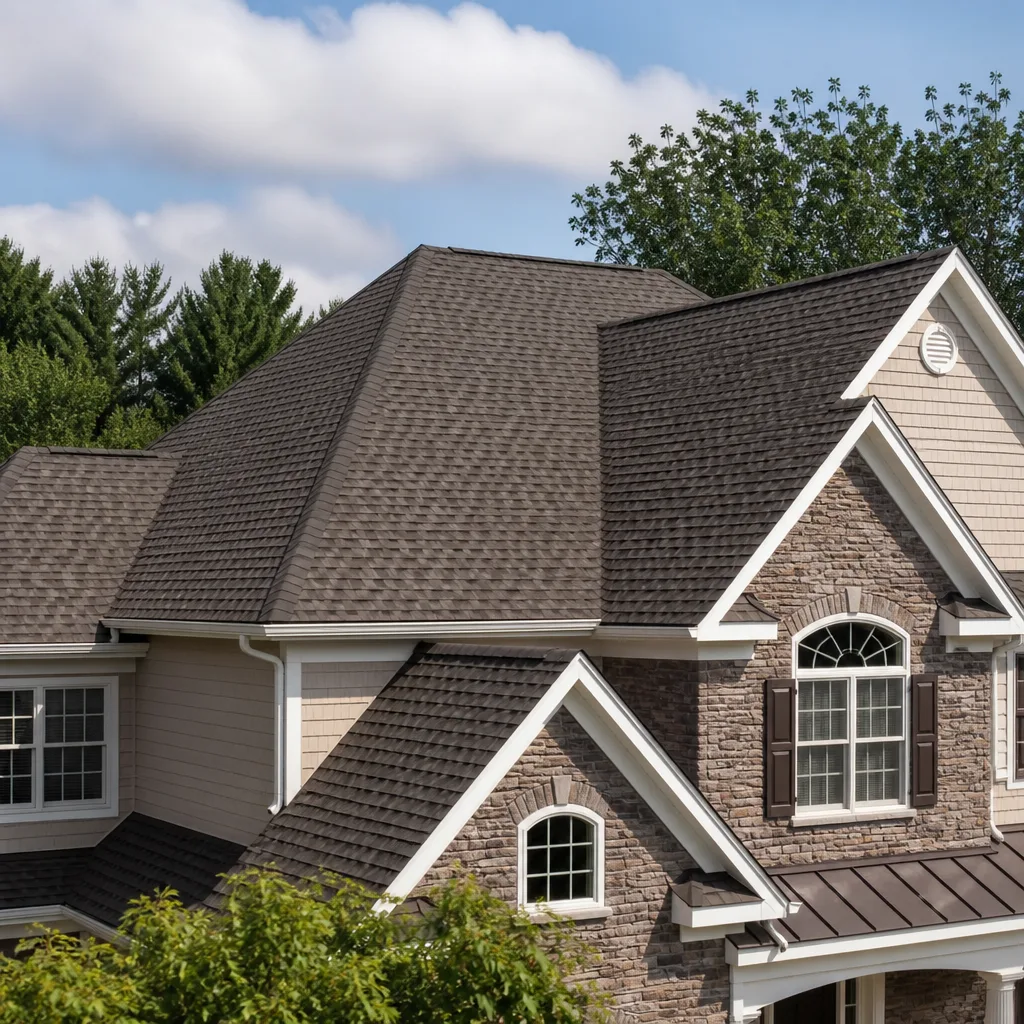
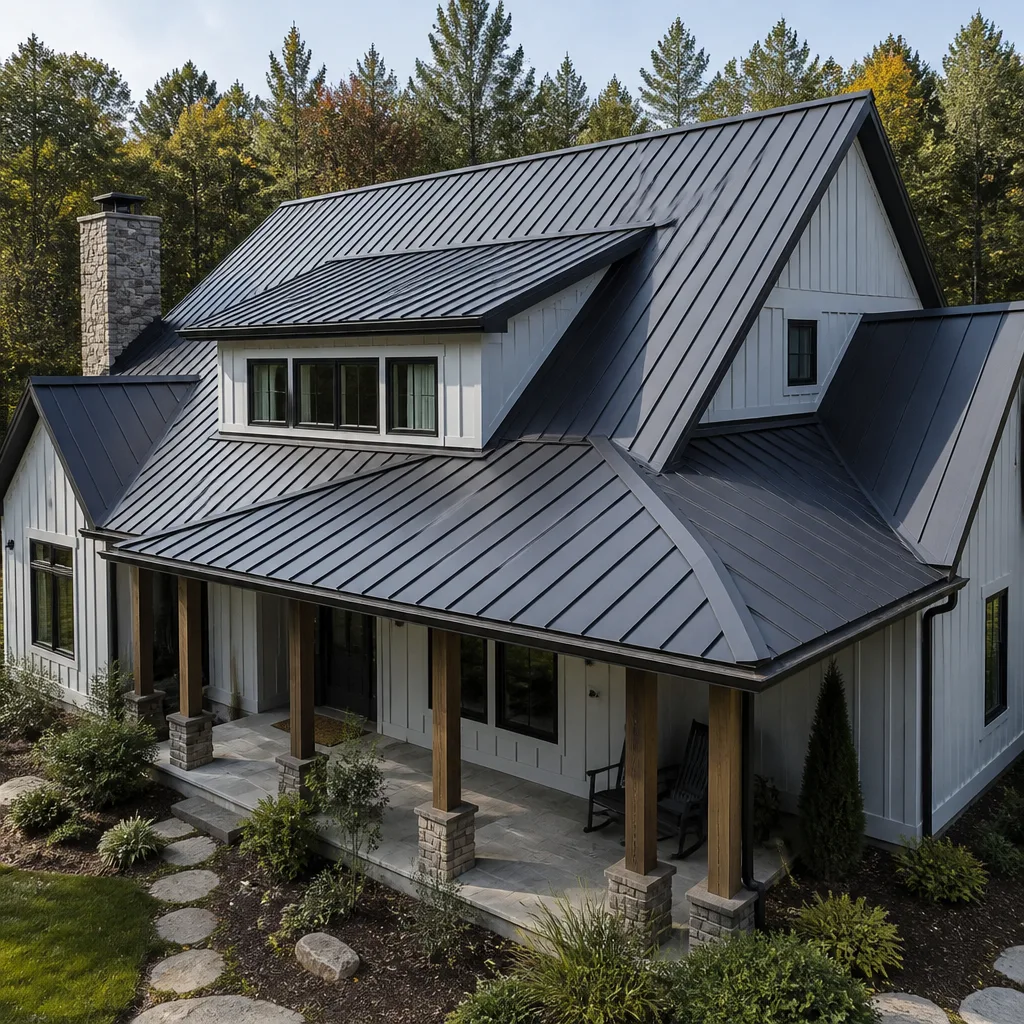
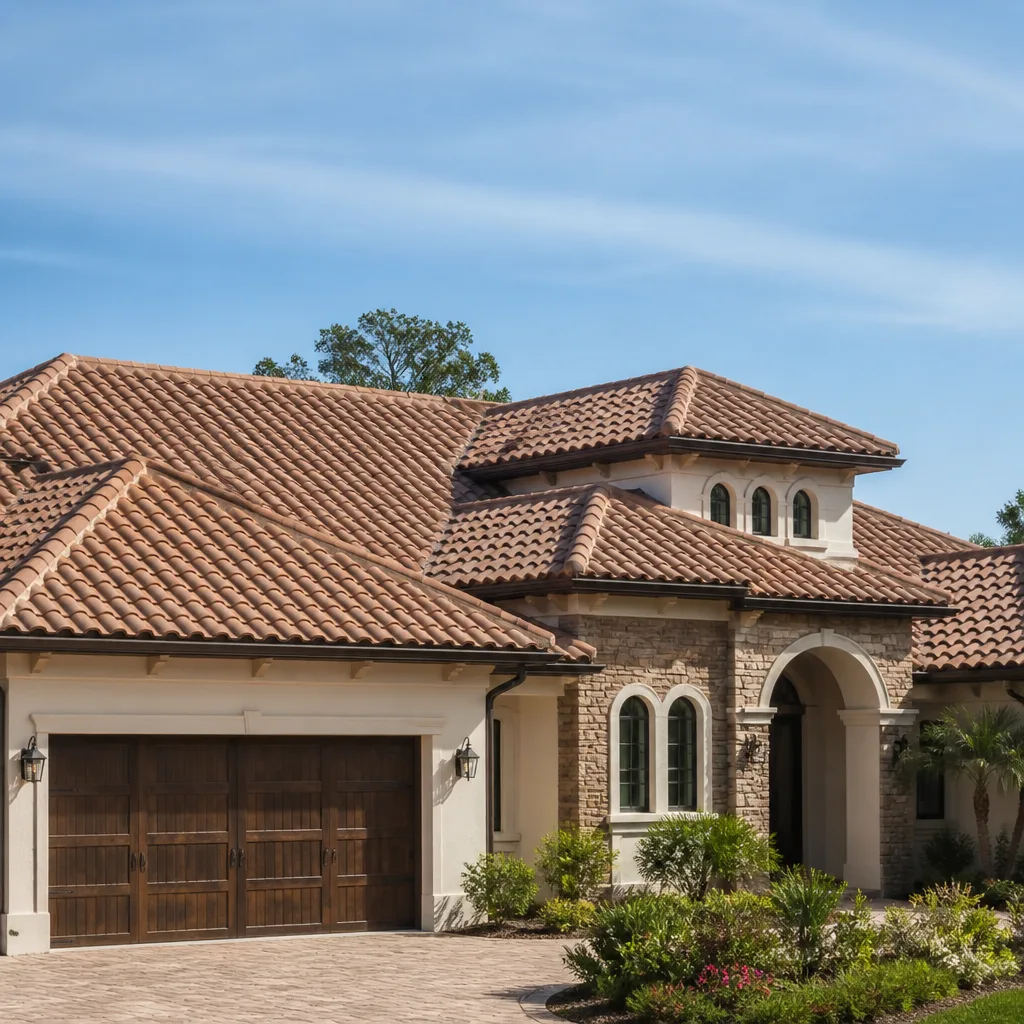
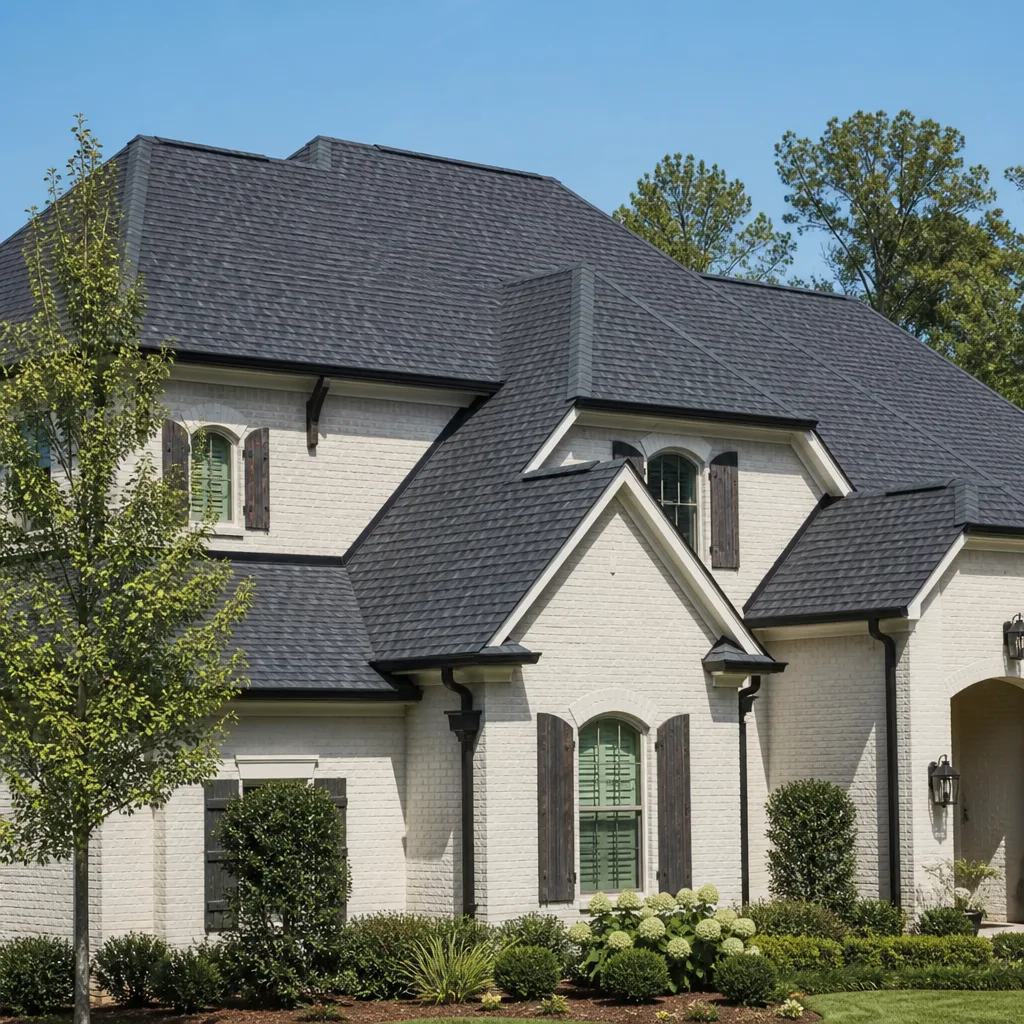
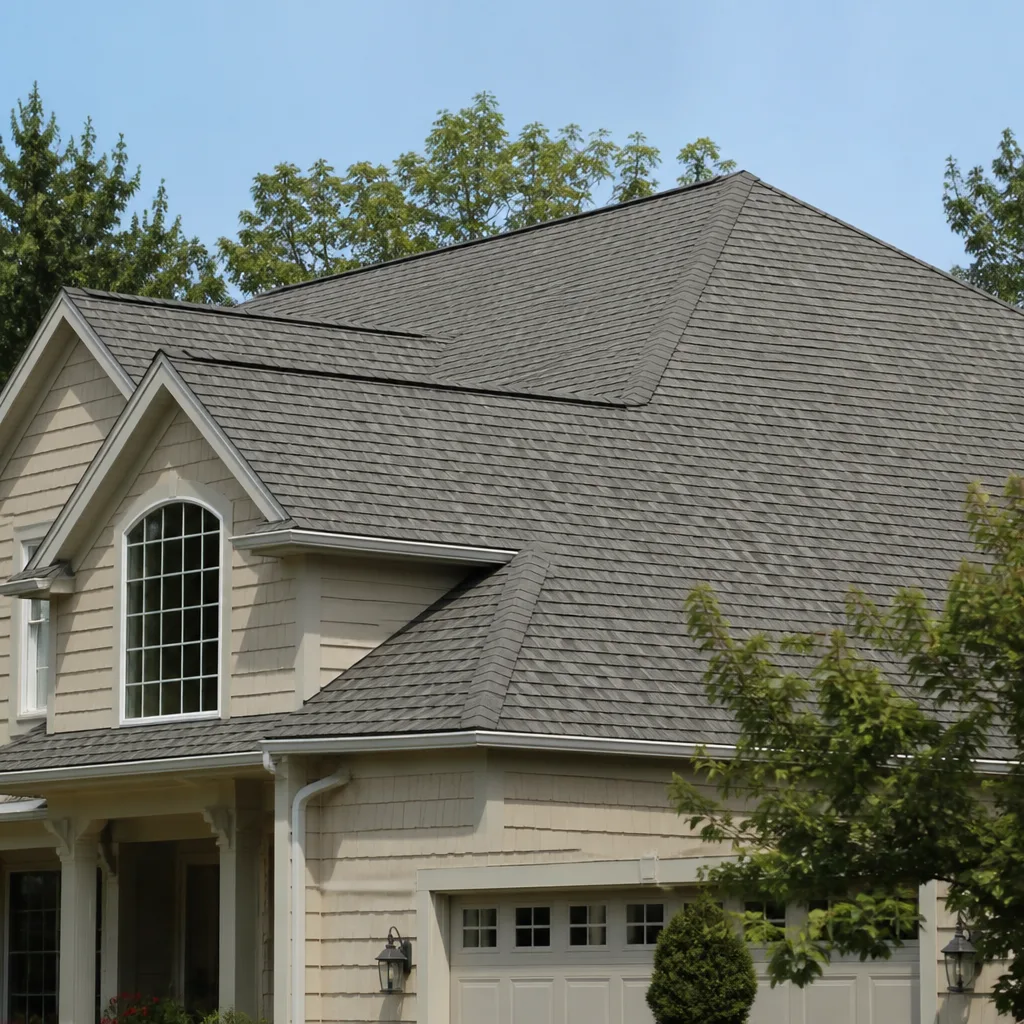
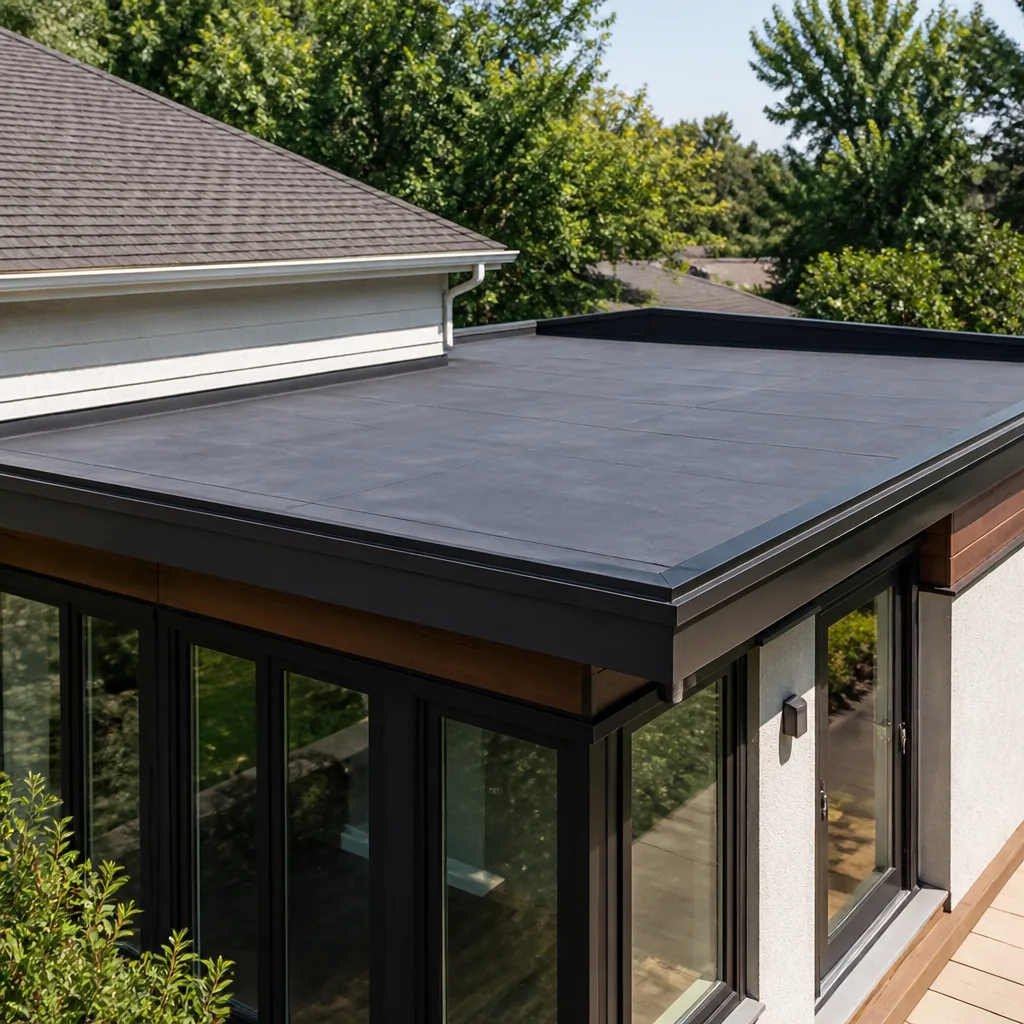
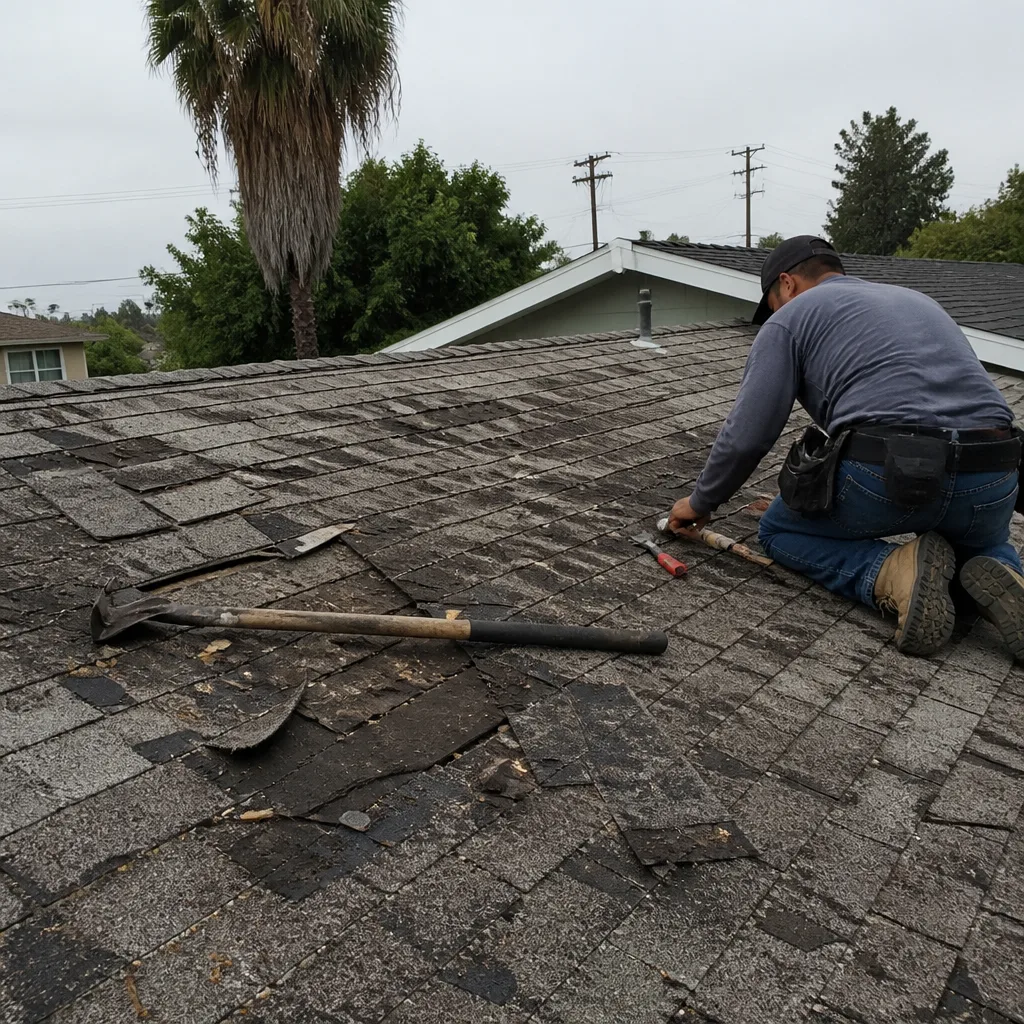 Before
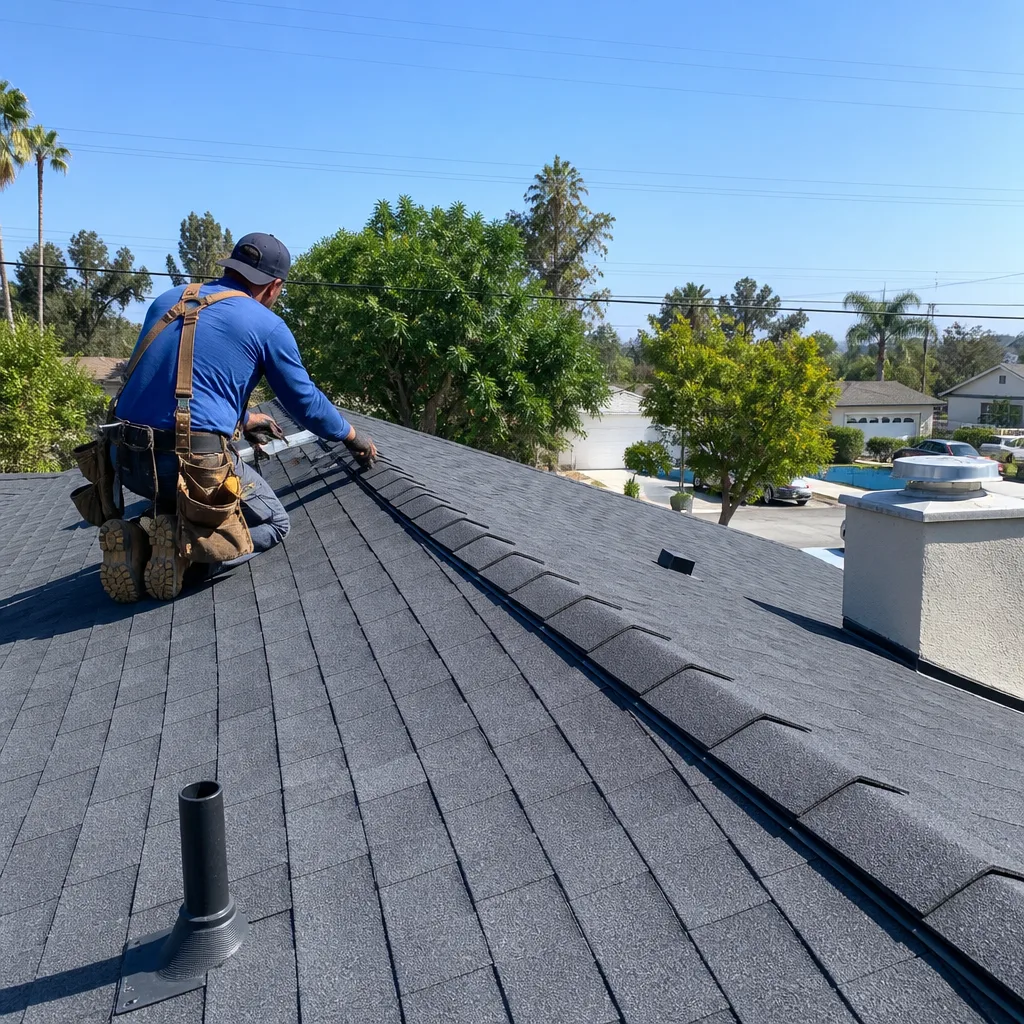 After
After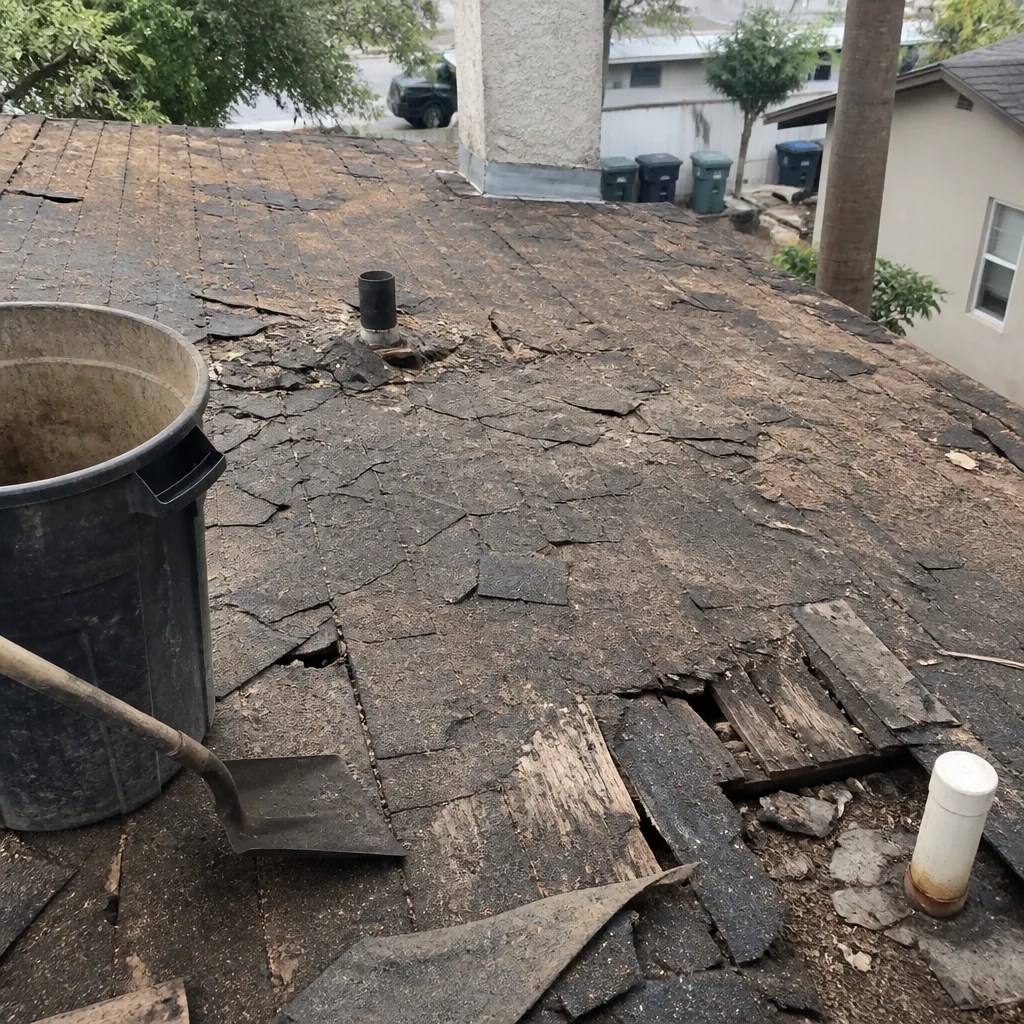 Before
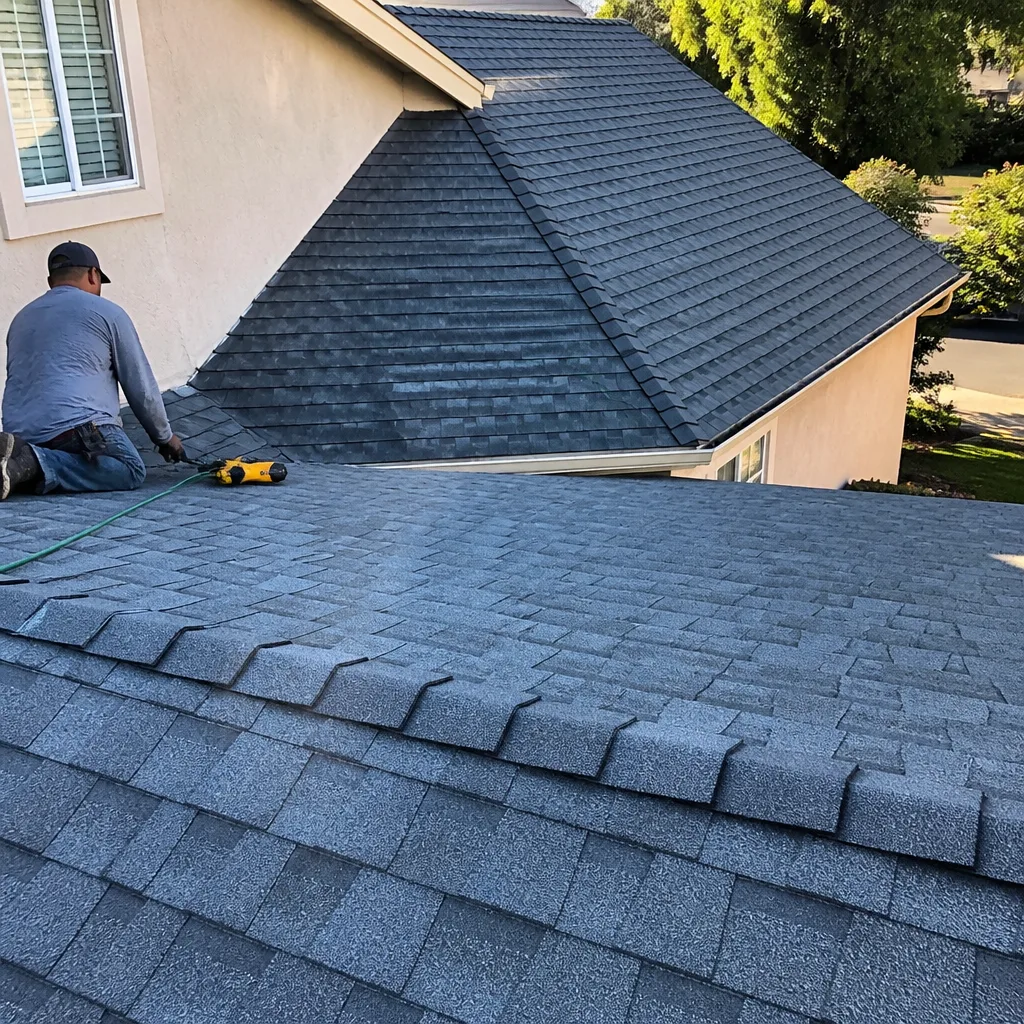 After
After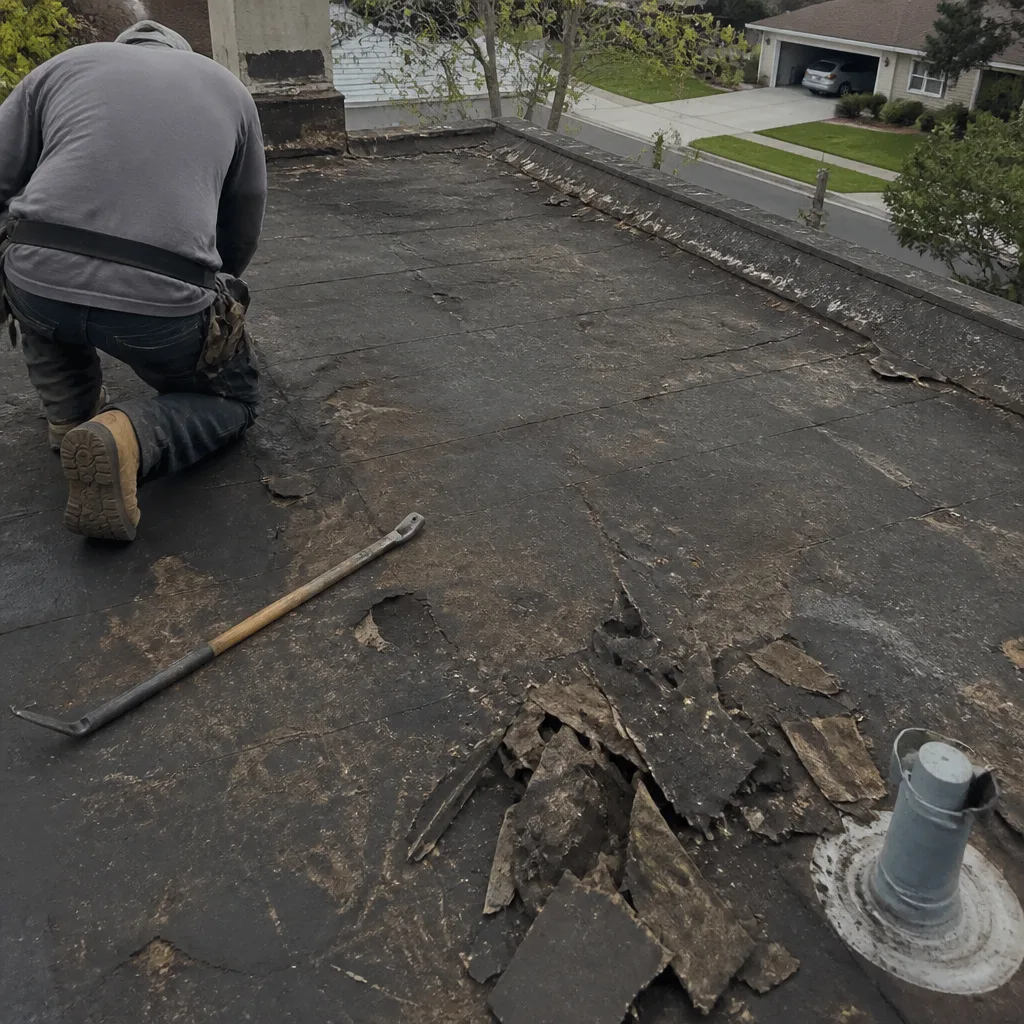 Before
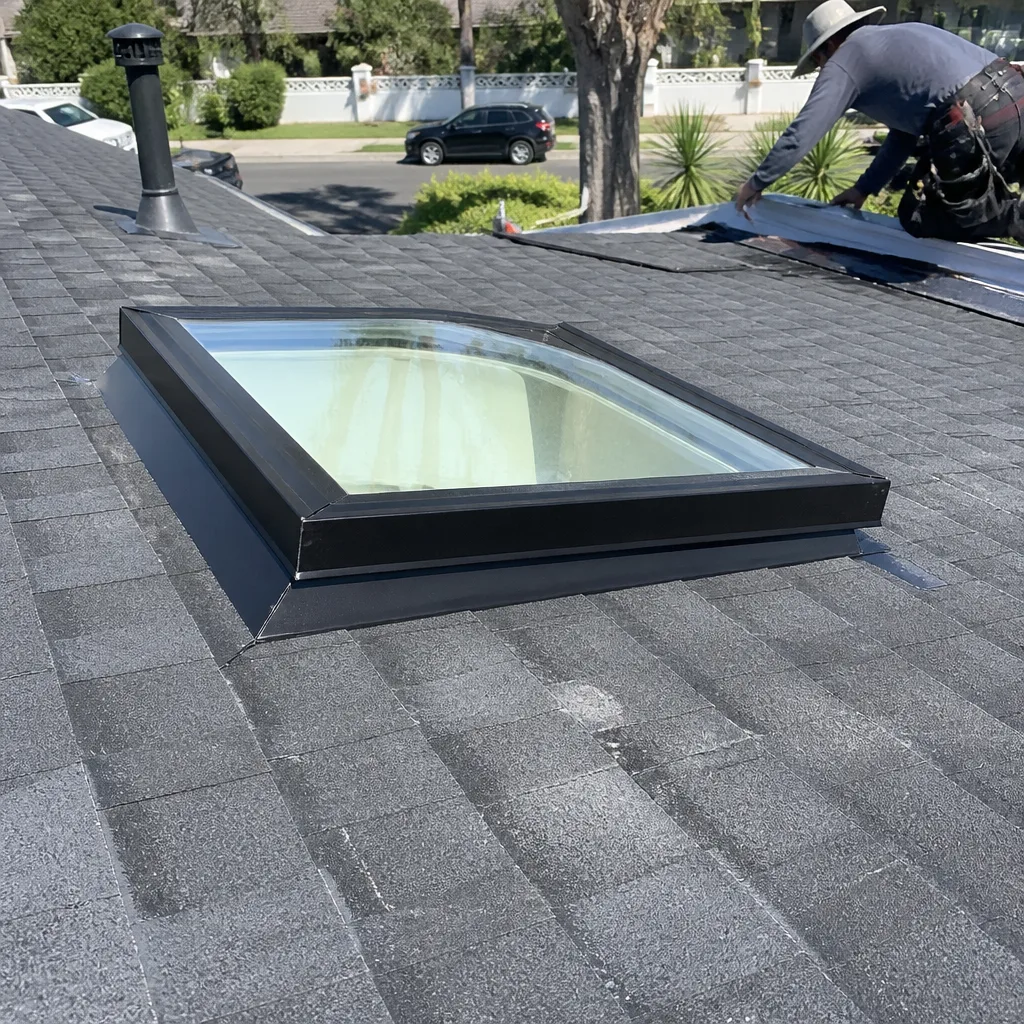 After
AfterHow Long Does Roof Replacement Take? Timelines and What to Expect
A roofing crew can strip and reshingle an average Los Angeles home in one to two days. The full project, from signed contract to closed permit, is more likely to take two to four weeks. Those aren’t the same number, and conflating them is why homeowners feel misled. Most more guides & resources online only count the hours of active installation. They skip the permit wait at LADBS, the material delivery window, the inspection scheduling, and what happens when your decking is rotted through in three places. This guide maps the full calendar so you can plan your life around it, not around a salesperson’s optimistic day-one estimate.
Quick Answer
Most residential our Roof Replacement services in Los Angeles take 1-3 days of active installation for asphalt shingles on a standard single-story home, 2-5 days for clay or concrete tile, and 1-2 days for flat TPO systems. The complete project timeline, including permits, materials, inspections, and any discovered repairs, typically runs 2-4 weeks from contract signing to final permit closure.
Table of Contents
- Installation Timeline vs. Project Timeline: Two Different Numbers
- The Los Angeles Permit Process: LADBS Wait Times and Online Permitting
- How Roof Type Changes Your Installation Days
- When the Crew Opens the Roof: Rot, Decking, and Building Your Contingency
- Your Pre-Installation Checklist: Cars, HVAC, Neighbors, and Attic Belongings
- Los Angeles Weather: What Actually Slows a Roof Job
- Common Mistakes to Avoid
- When to Call a Professional
- Frequently Asked Questions
- The Bottom Line
Installation Timeline vs. Project Timeline: Two Different Numbers
Homeowners understandably fixate on the day the trucks arrive and the hammers start. That’s the installation timeline. But the project timeline is what actually determines when you can schedule your house painter, your gutter installer, or your vacation.
Here’s how we break it down at Tilehurst Roofing. The installation timeline is the count of hours the crew is physically on your roof, stripping old material, repairing substrate, and installing new. The project timeline starts the moment you sign the contract and ends when the city inspector signs off and your permit is finaled.
For a typical 1,800-square-foot asphalt shingle roof in a neighborhood like Encino or Alhambra, the installation might look like this:
- Day 1 morning: Tear-off of old shingles and underlayment, inspection of decking.
- Day 1 afternoon: Replace damaged decking, install synthetic underlayment and drip edge.
- Day 2 morning: Install shingles, ridge cap, and ventilation.
- Day 2 afternoon: Final cleanup, magnetic sweep of yard, initial quality check.
But the project timeline for that same roof, start to finish, might unfold across 18 days:
- Days 1-3: Contract signed, deposit processed, LADBS permit application submitted online.
- Days 4-8: Permit under review (expedited for simple re-roofs, longer if structural changes).
- Day 9: Permit issued, material order confirmed with supplier.
- Days 10-12: Materials delivered to site (GAF Timberline HDZ, in this example).
- Days 13-14: Installation (the two days above).
- Day 15: LADBS inspection requested (next-day availability varies by season).
- Day 16: Inspector arrives, approves, permit status updated to “final.”
The gap between those two timelines is where frustration lives. We’ve had Los Angeles homeowners call us on day five asking why no one is on their roof. The permit is still in queue. That’s normal. It’s also why we always provide both numbers upfront, in writing, before any work starts. The Kingswell Way means saying the price before the work and showing up in the window we gave. It also means telling you the truth about how long the city takes.
The Los Angeles Permit Process: LADBS Wait Times and Online Permitting
Los Angeles Department of Building and Safety (LADBS) has moved most residential re-roof permits to an online system called EPIC-LA. In theory, this should speed things up. In practice, it has created two tracks: straightforward approvals that clear in 3-5 business days, and applications that get kicked back for minor formatting errors, restarting the clock.
Here’s what we’ve learned from years of pulling permits across Los Angeles, from San Pedro to Sylmar:
- Simple re-roof, same material, no structural changes: 3-5 business days if the application is perfect on first submission.
- Re-roof with material change (shingle to tile, for instance): 5-10 business days, often requiring structural load calculations.
- Any decking replacement exceeding 25% of total roof area: Triggers a structural review, 10-15 business days minimum.
- First-time EPIC-LA user or incomplete documentation: Add 3-7 days for corrections and resubmission.
The online system requires precise uploads: site plan, roof plan, structural calculations if applicable, and contractor license verification. A missing page orientation mark or a scan that’s slightly crooked can stall the whole file. We handle this paperwork for every roof replacement in Los Angeles we undertake, because we’ve seen too many homeowners lose a week to a PDF that uploaded upside-down.
One local factor: LADBS inspection availability tightens dramatically after major rain events. When the first winter storms hit Los Angeles in November or December, every leaking roof in the city gets emergency tarped and then permitted for permanent repair. If you’re planning a fall replacement, pad your timeline by a week. The permit itself doesn’t take longer, but the inspection slot does.
We pull permits as part of our standard process. The cost is itemized in your written quote, not hidden. And we don’t start demolition until the permit is in hand and posted on site. Any contractor who suggests starting “while the permit processes” is exposing you to stop-work orders and red-tagging.
How Roof Type Changes Your Installation Days
The material on your roof is the single biggest variable in installation speed. Not square footage, not pitch, not even crew size. The material dictates the fastening pattern, the weight handling, the cutting complexity, and the detail work at valleys and penetrations.
Here’s how the common Los Angeles roof types compare for a 2,000-square-foot home:
| Roof Type | Typical Installation Days | Key Factors |
|---|---|---|
| Asphalt shingles (GAF, CertainTeed, Owens Corning, Atlas, Tamko) | 1-2 days | Lightweight, pre-cut, nail-gun friendly; fastest standard residential system |
| Flat TPO or modified bitumen | 1-2 days | Large sheets, heat-welded seams; weather-sensitive application |
| Clay or concrete tile (Boral, Eagle, others) | 3-5 days | Heavy, fragile, hand-placed; requires battens and precise alignment |
| Metal standing seam | 2-4 days | Custom field-cutting, concealed fasteners, thermal expansion details |
| Slate or synthetic slate | 4-7 days | Individual piece installation, specialized fastening, extreme weight |
In neighborhoods like Hancock Park or Pasadena, we see a lot of original clay tile from the 1920s and 1930s. Homeowners often want to match the existing profile. Boral makes excellent replicas, but the installation is painstaking. Each tile is lifted by hand, checked for color consistency, and seated on raised battens with precise overlap. A shingle crew might nail 80 squares a day. A tile crew might set 20. That’s not slowness, it’s care. And it’s why your written quote from Tilehurst Roofing in Los Angeles specifies both material and estimated duration, never a generic “2-3 days” that covers everything from shingles to slate.
Flat roofs present their own timing puzzle. TPO membrane must be installed on a dry substrate with ambient temperatures suitable for heat-welding. A June morning in Los Angeles is perfect. A February afternoon with marine layer moisture rolling in from Santa Monica Bay is not. We watch the forecast closely and will delay a flat roof start by a day rather than weld seams that won’t hold.
When the Crew Opens the Roof: Rot, Decking, and Building Your Contingency
The most common phone call we get on day one of installation isn’t about noise or mess. It’s about the decking. “You found what?”
Roofing is a closed-system trade. Until the shingles come off, we can’t see the plywood or OSB beneath. In Los Angeles, we regularly find three predictable failure patterns:
- Valley rot: Where two roof planes meet, water concentrates. Even a small gap in flashing can saturate decking over years. In the Valley neighborhoods, where 1970s tract homes often have minimal valley metal, we see this weekly.
- Chimney and vent surround decay: Rubber boots crack, caulk fails, and the 2-foot radius around any penetration turns to pulp. This is almost universal on roofs older than 20 years.
- Low-slope ponding damage: Any section under 3:12 pitch that wasn’t perfectly drained will have compromised decking, especially on additions where the original builder cheated the slope.
Here’s the practical planning note: if your roof is over 25 years old, or if you’ve had active leaks, build one contingency day into your personal schedule. Not because we want to pad the timeline, but because replacing decking adds a half-day to full day of work, plus a materials run if the damage exceeds our standard on-truck stock.
We handle this transparently. Our crew foreman photographs the opened decking and shows the homeowner before any additional work proceeds. The cost per sheet is pre-printed in your contract, not invented on the spot. And because we operate under the 365-Day Done Right Promise, if we miss something that becomes apparent later, we return at no charge. But we don’t miss much. Greg Holloway has trained our crews to probe every suspicious soft spot with an awl before the underlayment goes down.
The permit implication: if decking replacement exceeds 25% of total roof area, LADBS may require structural verification. That can add a week. We flag this possibility during the initial inspection if we see sagging ridges or feel spongy deck from the attic. Forewarning is part of the written price we put in your hands before any work starts.
Your Pre-Installation Checklist: Cars, HVAC, Neighbors, and Attic Belongings
The installation days themselves are the most disruptive part of the project. But they’re also the most controllable. A prepared homeowner turns chaotic hammering into a manageable 48 hours. Here’s what we ask every Los Angeles client to handle before our crew arrives:
- Move vehicles: Park on the street, not in the driveway. Our dump trailer needs that space, and falling debris doesn’t discriminate between your roof and your Tesla. In dense neighborhoods like Koreatown or Silver Lake, where street parking is competitive, consider a temporary parking permit from LADOT.
- Protect HVAC equipment: Ground-level condenser units should be covered with plywood or a tarp. Rooftop package units need the disconnect tagged and the refrigerant lines protected during decking work. We coordinate this, but you should know it’s happening.
- Warn neighbors: A courtesy text or knock. Our crews start at 7 AM on weekdays, per Los Angeles noise ordinance. That’s early if your bedroom shares a wall with the property line.
- Cover or remove attic belongings: Dust and small debris fall through gaps during tear-off. Even a well-maintained attic will get dirty. Plastic sheeting over stored items is usually sufficient.
- Secure wall decorations: Vibration from nail guns can shake pictures loose. We’ve seen mirrors crack two rooms from the roofline.
- Plan pet arrangements: The noise is relentless. Dogs especially stress. Board them or arrange a day away.
- Identify power and water shutoffs: In rare cases, we need to de-energize rooftop electrical or cap plumbing vents temporarily. Know where your panels and mains are.
We leave the property cleaner than we found it. Magnetic rollers pick up nails from planting beds and driveway cracks. Tarps protect landscaping. But we can’t control where your car was parked at 6:55 AM, or whether your attic heirloom was wrapped. The homeowners who follow this checklist have smooth installations. The ones who don’t add stress to an already intensive process.
Los Angeles Weather: What Actually Slows a Roof Job
Los Angeles has a reputation for perfect weather, and mostly it earns it. But roofing has narrow tolerances, and our local climate has specific patterns that catch homeowners off guard.
June Gloom and marine layer: Morning fog from the Pacific can keep surfaces damp until 11 AM or later in beach-adjacent neighborhoods like Venice, Pacific Palisades, or San Pedro. We don’t install shingles over dew. A job that starts at 7 AM inland might not start until 10 AM on the coast. Over two days, that’s a half-day loss.
Santa Ana winds: Dry, hot, and fierce. They’re actually fine for installation, but dangerous for open decking. If a Santa Ana event is forecast mid-project, we may tarp the roof overnight rather than leave substrate exposed. That adds a mobilization step.
Winter rain: Any measurable precipitation stops work. Not because we’re delicate, but because underlayment and shingles need dry surfaces for proper adhesion. A December storm system can push a two-day job across four calendar days if it arrives mid-tear-off.
Heat waves: When temperatures exceed 95°F, asphalt shingles become pliable and can scuff during installation. Crews slow down, and we may shift to earlier start times. In the San Fernando Valley, where Woodland Hills and Canoga Park regularly hit triple digits in August, this is a real factor.
We don’t charge for weather delays. The written price is the written price. But we do communicate proactively. If a forecast changes, you’ll know before you leave for work, not when you see empty trucks from your kitchen window. That’s part of answering every call with a live person, 24 hours a day, 7 days a week. Someone is always available to explain why the crew isn’t there yet.
Common Mistakes to Avoid
- Believing the salesperson’s “one day” promise without asking if that includes permit and inspection. In Los Angeles, it almost never does. Get both numbers in writing.
- Scheduling painters, gutter installers, or solar contractors before the roof permit is finaled. LADBS can require re-inspection if subsequent trades disturb flashing. Wait for the green tag.
- Ignoring the material delivery window. Custom-order clay tile from Boral or certain GAF designer shingle colors can take 2-3 weeks to arrive. That delay precedes installation entirely.
- Not building a contingency day for decking replacement. If your roof is over 25 years old, assume you’ll need one. Plan accordingly.
- Choosing a contractor who starts without a permit in hand. LADBS inspectors can red-tag active jobs. The stop-work order adds days, and the fine is often passed to you.
- Forgetting to coordinate with your HOA in planned communities. Many Los Angeles-area HOAs require 10-30 days advance notice and architectural committee approval. That’s calendar time, not installation time.
- Assuming all roofing materials install at the same speed. A tile roof in Los Feliz takes longer than a shingle roof in Studio City. The quote should reflect that honestly.
When to Call a Professional
Some timing decisions require eyes on the roof. If you’re seeing active leaks, daylight through attic decking, or sagging ridges, don’t try to calendar this yourself. The damage beneath may have accelerated your timeline beyond what any guide can predict. Tilehurst Roofing offers free estimates in Los Angeles - call (945) 303-9821. We’ll inspect, photograph, and give you both the installation timeline and the full project timeline in writing before you commit. Every estimate includes material options from our seven manufacturers, a clear permit plan, and the 365-Day Done Right Promise in plain language.
Frequently Asked Questions
Most complete roof replacements in Los Angeles take 2-4 weeks from signed contract to final permit closure, with 1-3 days of that being active installation on site. For a deeper look at scheduling, see How Long Does Roofing Company Take? Timelines and What to Expect. The remainder is permit processing, material delivery, inspection scheduling, and any contingency for hidden damage. Call (945) 303-9821 for an exact timeline based on your specific roof - estimates are free.
An asphalt shingle roof on a small, single-story Los Angeles home with simple geometry and no decking damage can sometimes be completed in one long day by an experienced crew. Clay tile, concrete tile, or any roof requiring significant decking replacement will not finish in a single day. We never promise one-day completion without first inspecting attic conditions and roof complexity.
Simple re-roof permits through LADBS EPIC-LA typically clear in 3-5 business days if the application is complete and accurate on first submission. Structural changes, material conversions, or incomplete documentation can extend this to 10-15 business days. We handle all permit paperwork as part of our standard process and don’t start work until the permit is issued.
Our written quote includes a per-sheet price for decking replacement, disclosed upfront before any work starts. If damage exceeds what we can reasonably predict, we photograph the condition, show you, and proceed only with your approval. The 365-Day Done Right Promise covers our work; hidden damage is addressed transparently, not used to inflate the bill.
You don’t need to be home during active installation, though you should be reachable by phone. We do need interior access if your home has an attic HVAC unit or if we’re inspecting ceiling stains from inside. We’ll coordinate this during pre-job planning. A live person answers our phones 24 hours a day, 7 days a week, so you can reach us even if you’re at work.
Move vehicles off the driveway, cover or remove attic belongings, secure wall decorations that might shake loose, warn neighbors about early noise, and arrange pet care away from the house. Our crew handles site protection, magnetic nail cleanup, and HVAC equipment covering. Detailed preparation guidance is included in your pre-installation packet once you book.
The Bottom Line
Roof replacement timing has two answers: the installation days the crew spends on your property, and the full project weeks from contract to closed permit. In Los Angeles, with LADBS permitting, material lead times, and the possibility of hidden decking damage, the gap between those answers is significant. Plan for 2-4 weeks total, with 1-3 days of active work for most asphalt shingle systems. Ask any contractor for both numbers in writing. And build a contingency day into your personal calendar if your roof is older than 25 years. The homeowners who understand the full timeline before work starts are the ones who sleep through the hammering without anxiety.
Written by Greg Holloway, Owner at Tilehurst Roofing, serving Los Angeles since 2000.