
Last updated October 8, 2026
Free roof inspection with deck photos before we talk money - GAF and Owens Corning certified installation
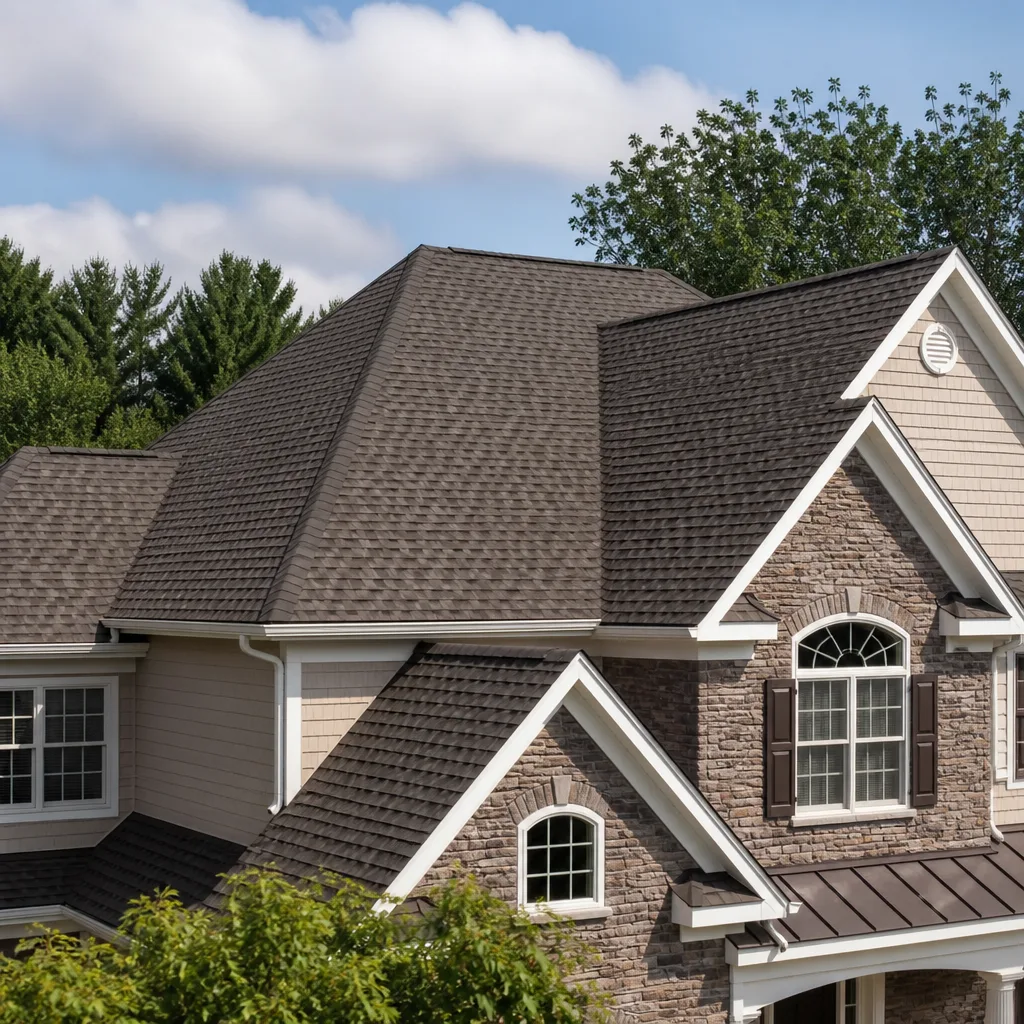
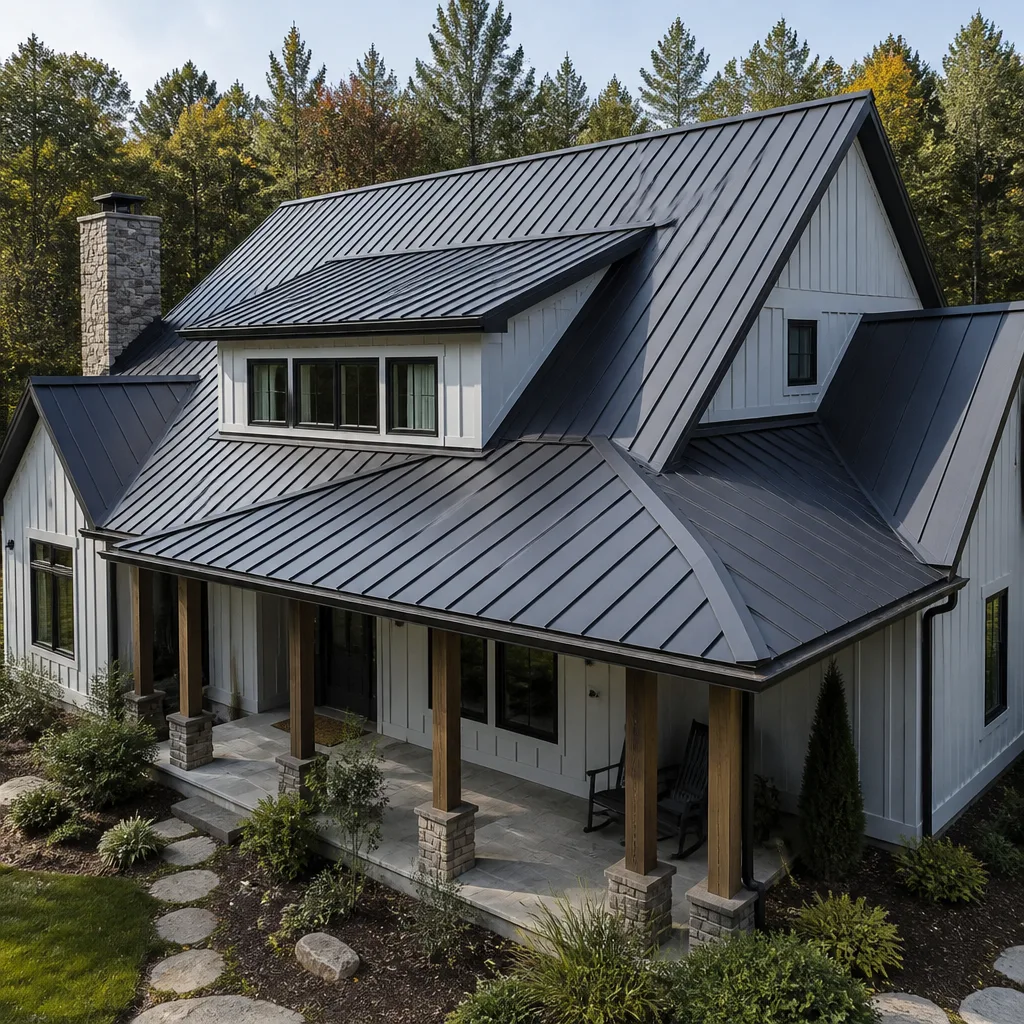
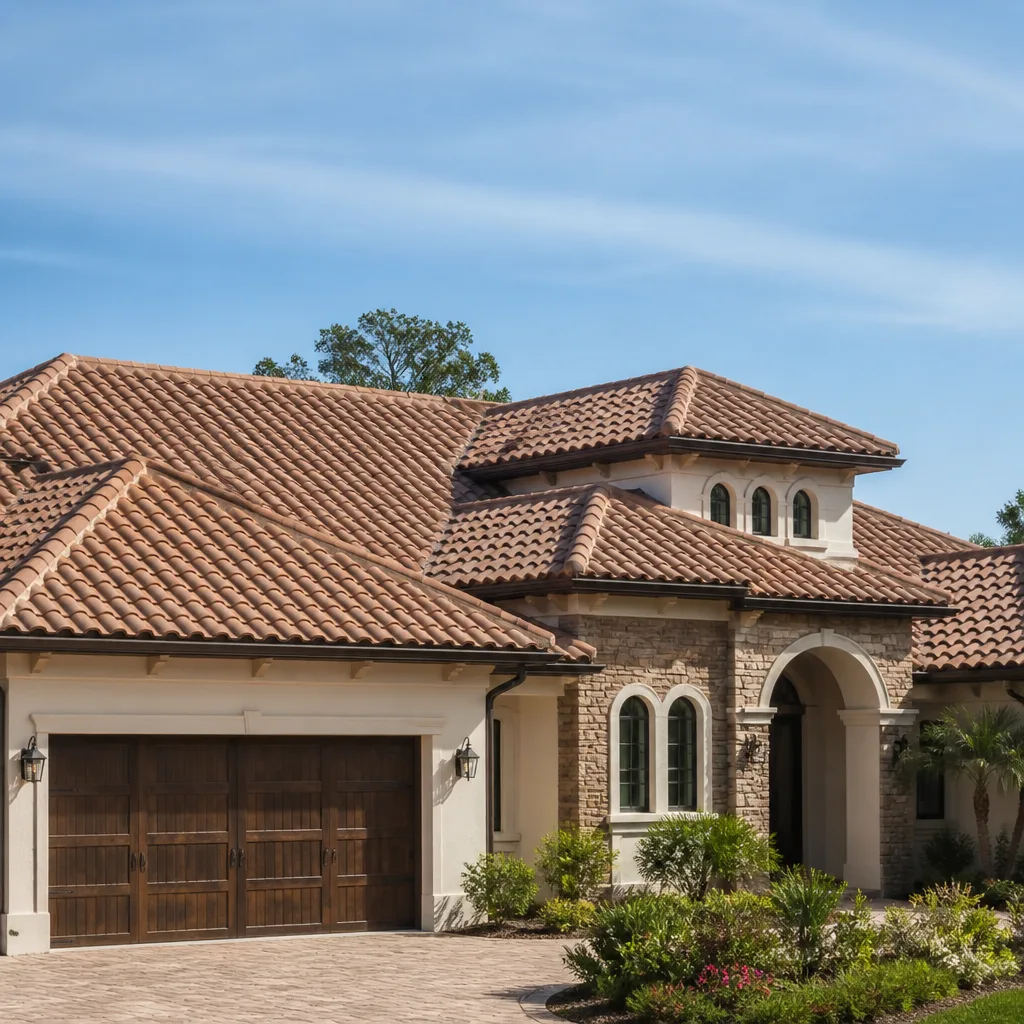
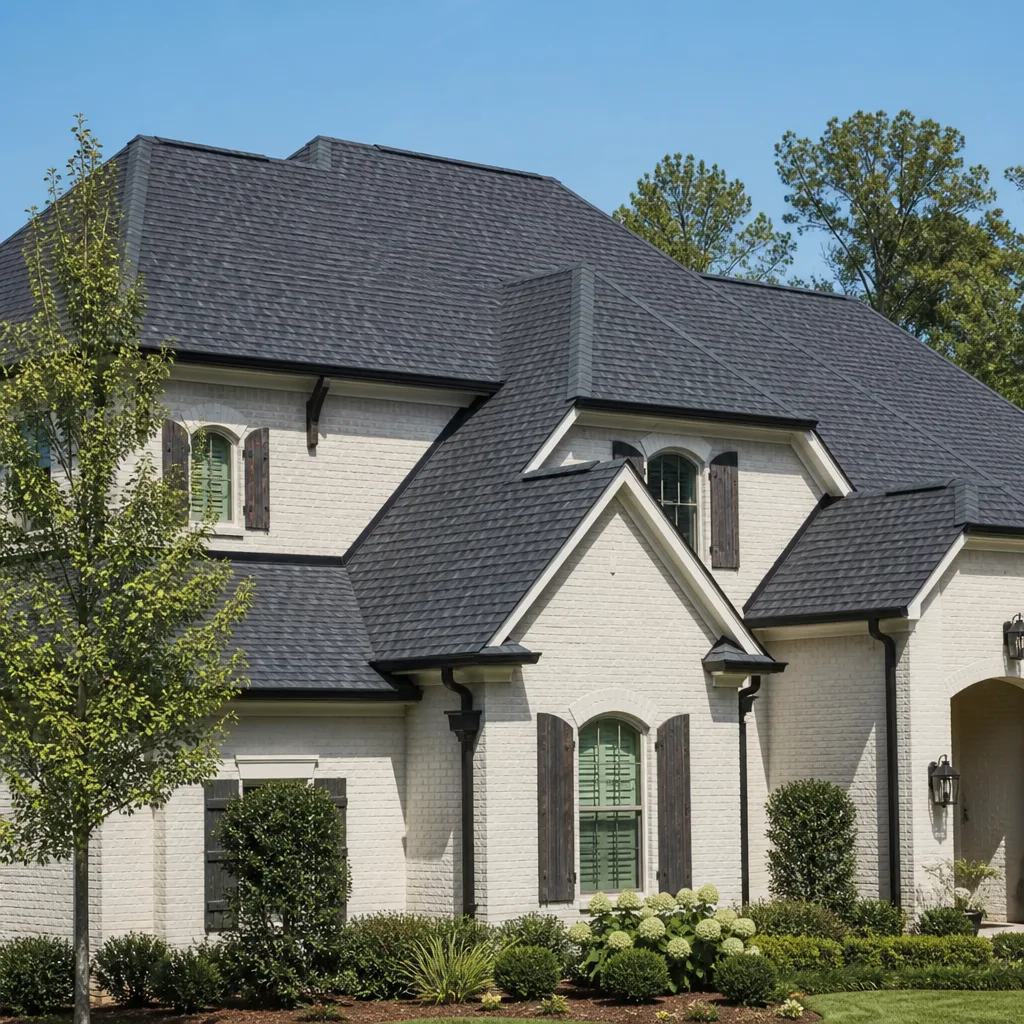
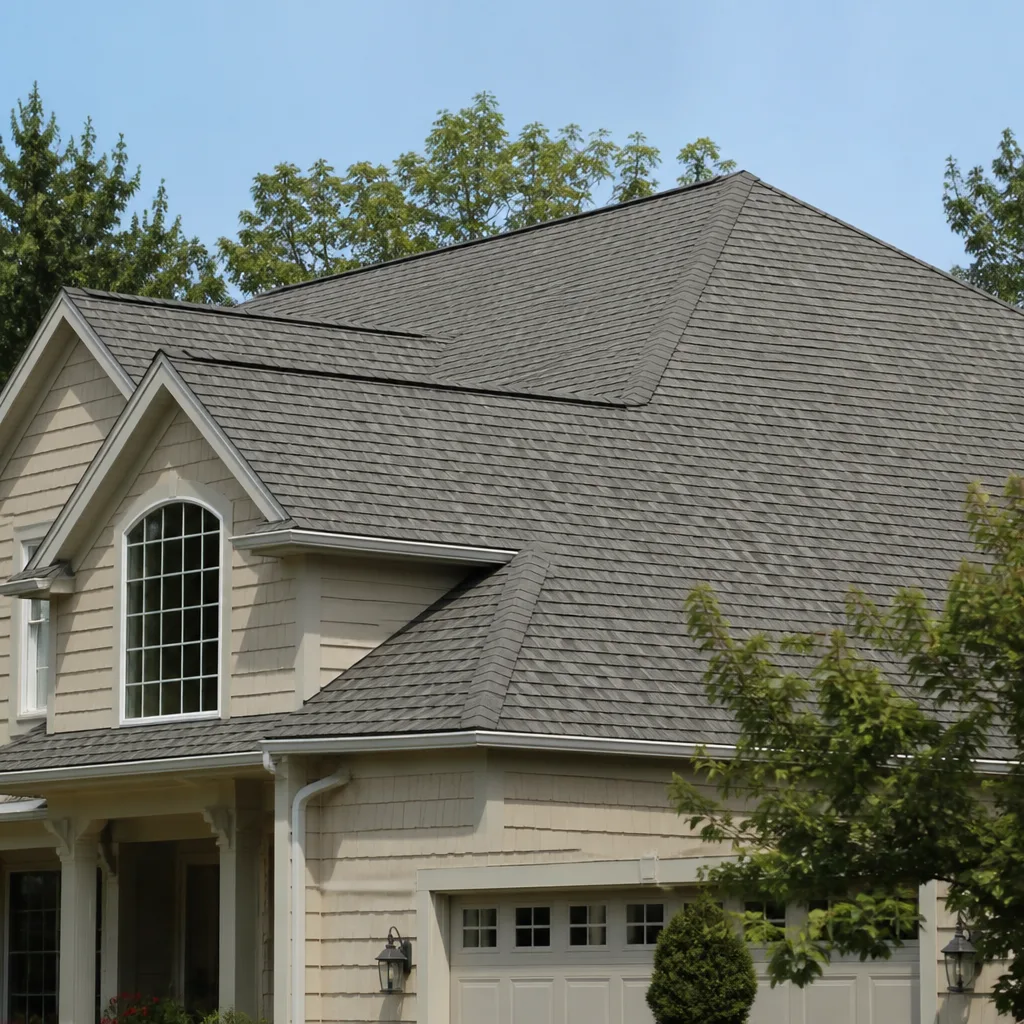
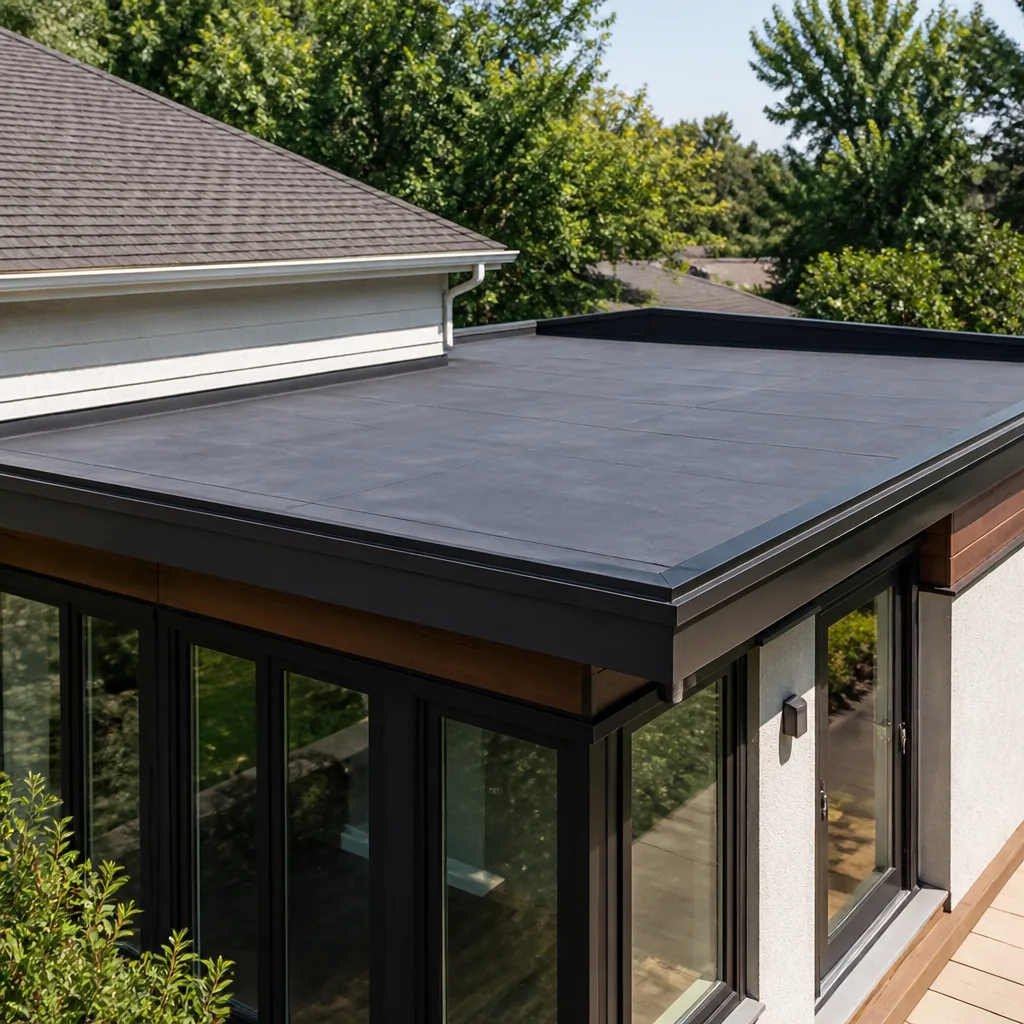
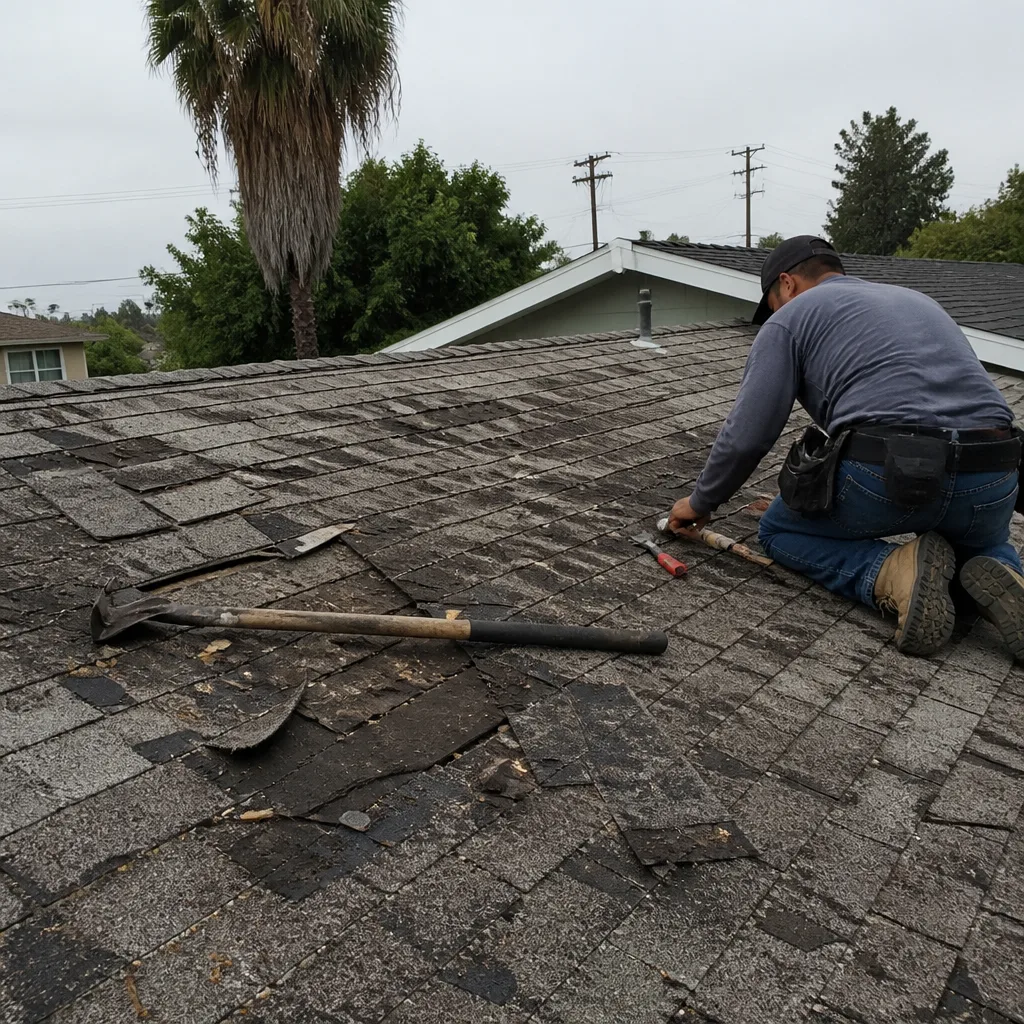 Before
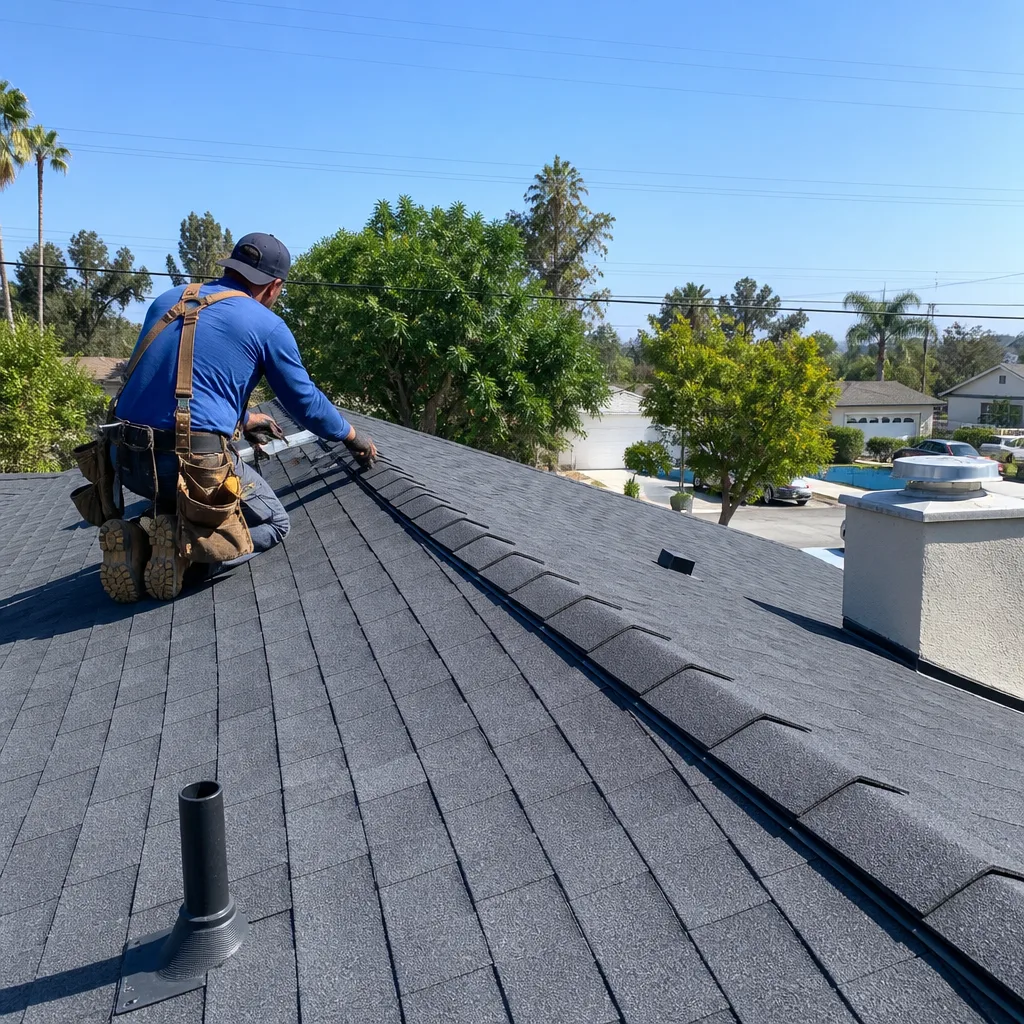 After
After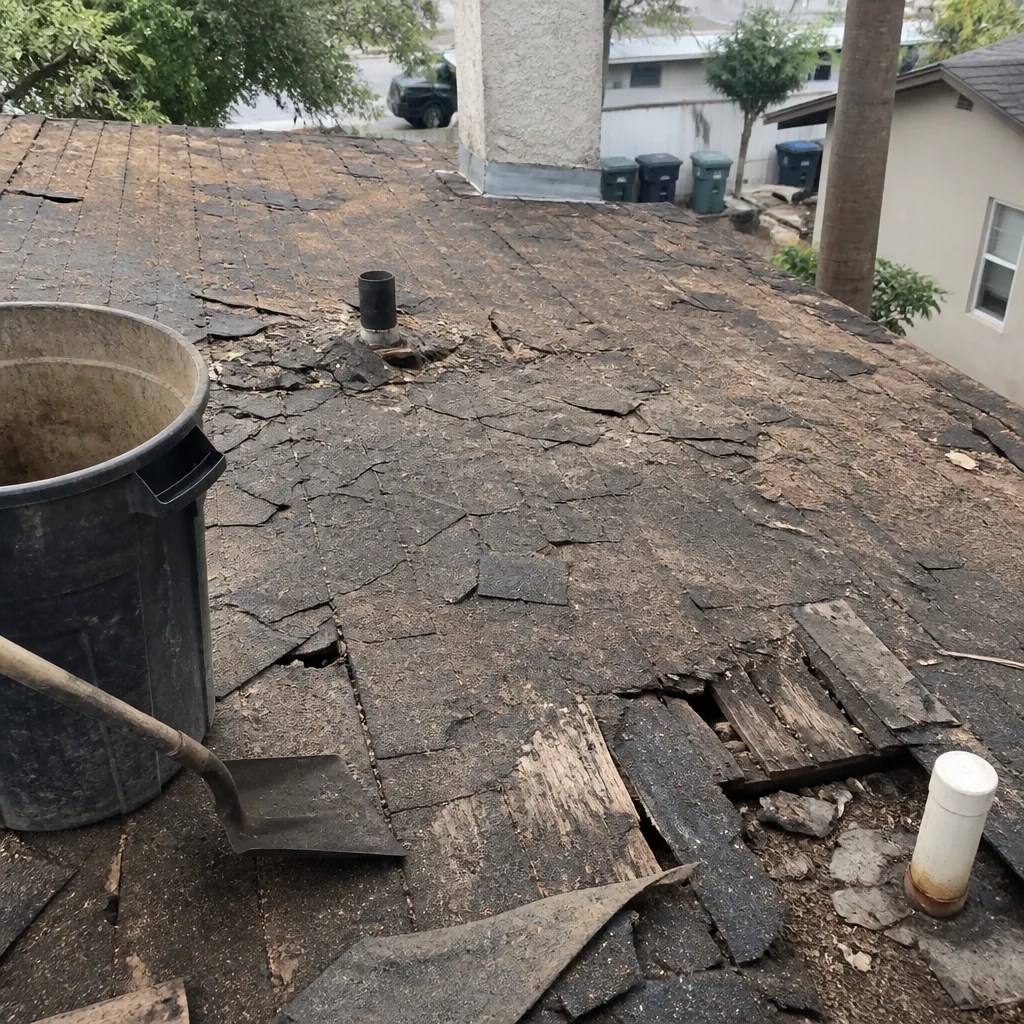 Before
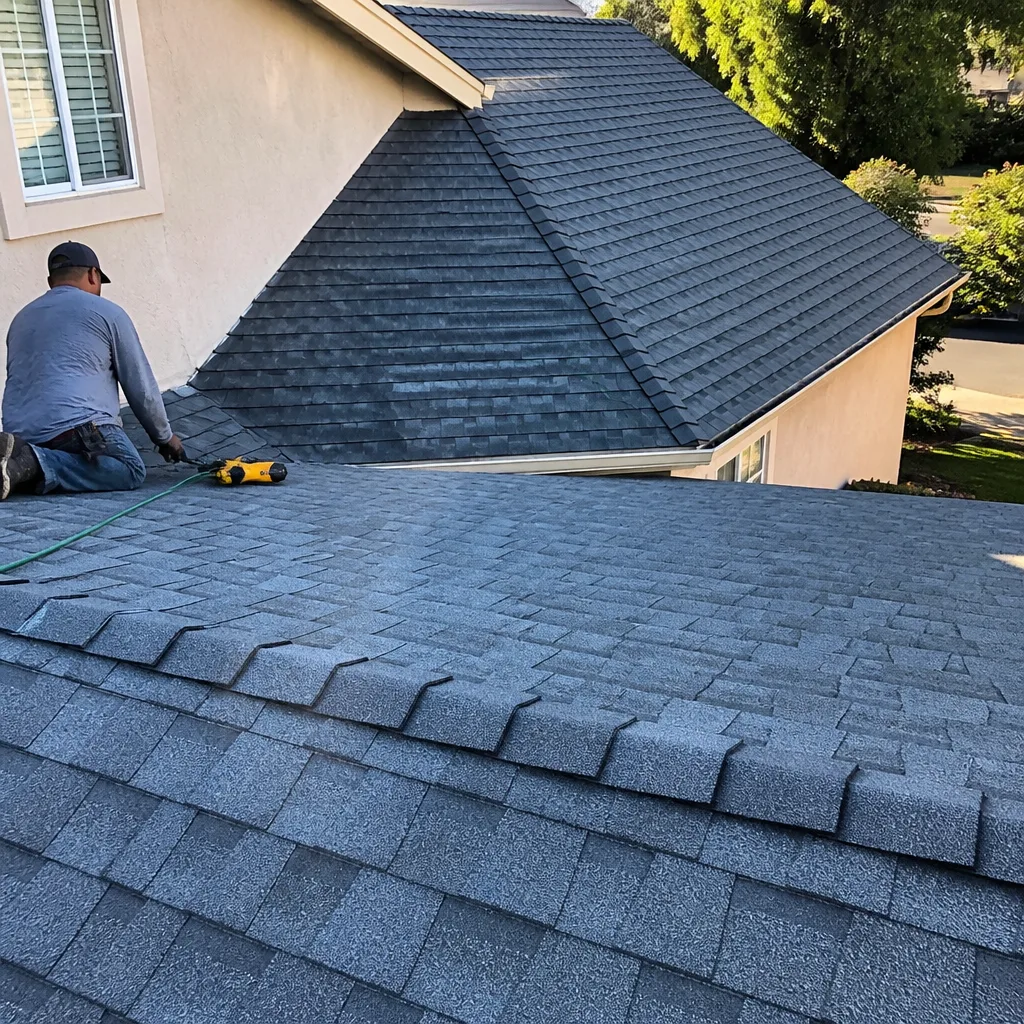 After
After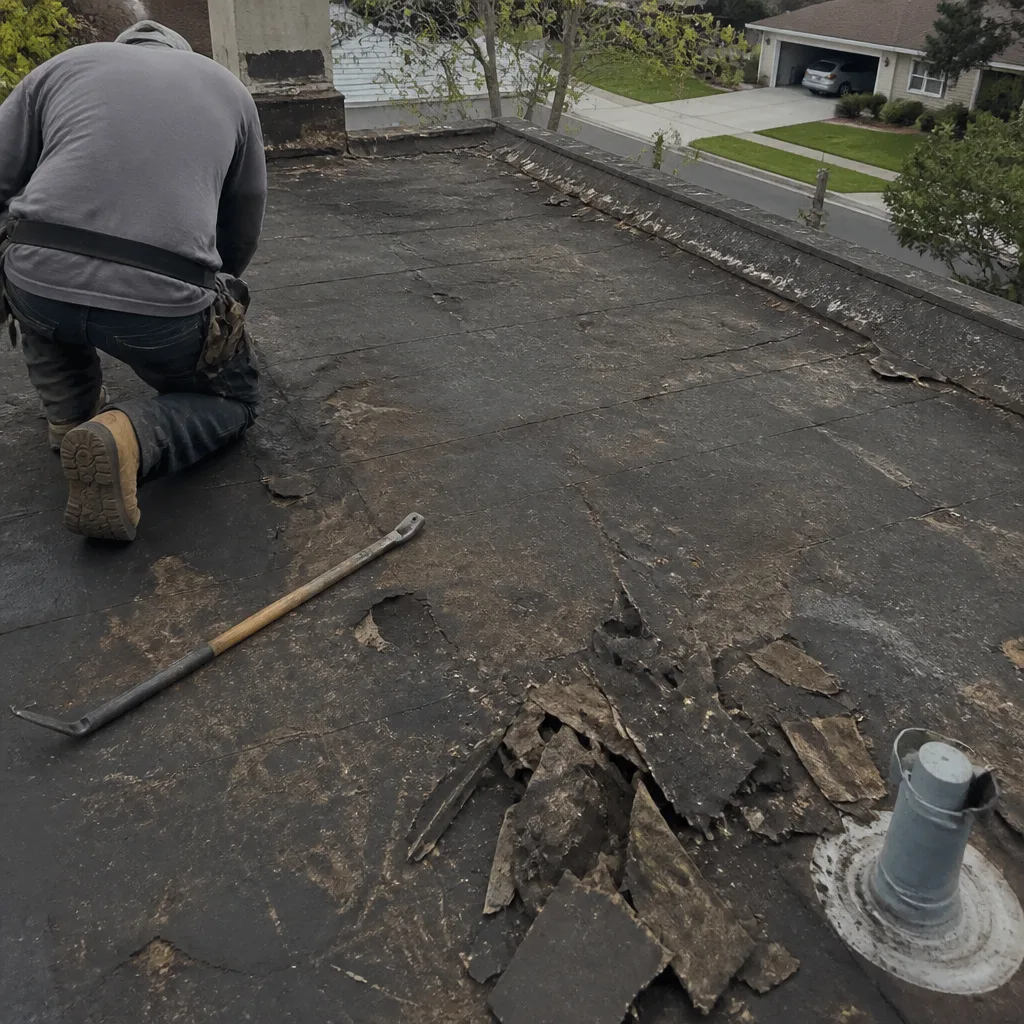 Before
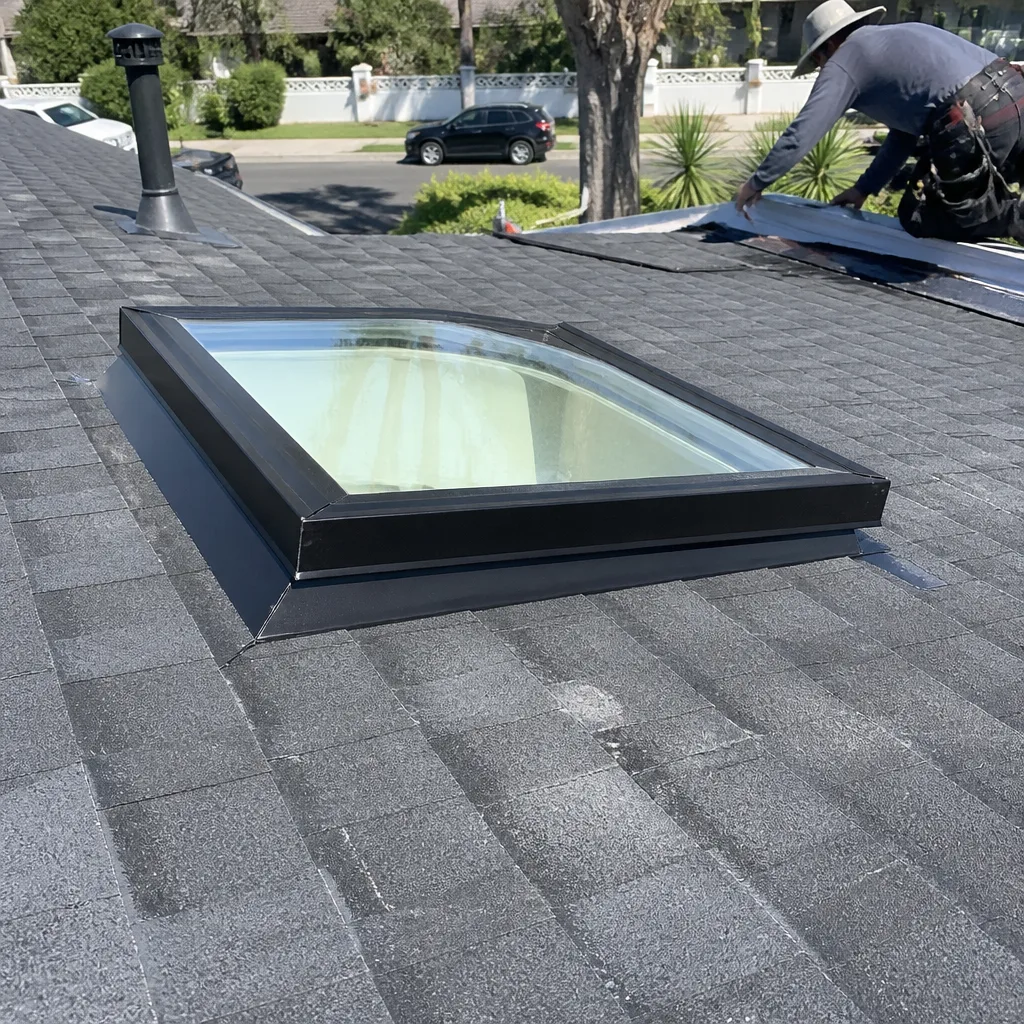 After
AfterDIY vs Professional Roof Replacement: What’s Safe to Do Yourself
DIY roof replacement tutorials get millions of views. What they don’t show is the insurance adjuster declining a claim two years later because the roof was replaced without a permit. That’s not a hypothetical - it’s a documented pattern we see when homeowners in Los Angeles call us to fix what started as a money-saving project. In this guide and our related resource on DIY vs Professional Roofing: The Los Angeles Homeowner’s Decision Guide, we’ll walk through the honest math: what you can safely handle yourself, what California law requires a licensed contractor to perform, and how the hidden costs of DIY can erase every dollar you thought you saved.
Quick Answer
Homeowners can safely replace a few broken tiles, clear debris from valleys, or seal a small pipe boot without a permit. Anything involving structural decking, valley flashing, or more than 100 square feet of roofing material requires a licensed C-39 contractor and a city permit in Los Angeles. The break-even point where DIY vs Professional Roofing Company: What’s Safe to Do Yourself actually costs more than hiring a professional typically arrives after one major mistake - and most first-timers make two or three.
Table of Contents
- What “DIY” Actually Means on a Roof
- Permit Requirements in Los Angeles: The Line You Can’t Cross
- The Real Cost Comparison: Beyond Labor Savings
- Homeowner’s Insurance Implications in the LA Market
- Physical and Liability Risks by Roof Type
- Three Tasks Even Experienced DIYers Should Never Touch
- Common Mistakes to Avoid
- When to Call a Professional
- Frequently Asked Questions
What “DIY” Actually Means on a Roof
There’s a world of difference between maintenance and replacement. We’ve spent twenty-plus years on Los Angeles roofs, and we’ve learned to separate the tasks that reward a homeowner’s afternoon from the ones that punish it.
Here is what genuinely falls into the DIY-safe category:
- Replacing individual broken tiles or shingles. On a concrete tile roof in Pasadena or the San Fernando Valley, a cracked tile from last winter’s Santa Ana wind can be swapped using a flat bar and roofing cement. You don’t touch the underlayment; you don’t disturb the battens. One tile, one hour, done.
- Clearing debris from valleys and gutters. Palm fronds collect in Los Angeles roof valleys like nowhere else. A blower, a gloved hand, and a stable ladder are sufficient. This is maintenance, not modification.
- Sealing a small pipe boot or vent. When a plumbing vent boot dries out after years of UV exposure - common in Los Angeles due to our 280-plus days of annual sun - a tube of quality sealant and a wire brush for prep can extend its life by a season or two.
- Applying reflective coating to a flat roof. Some modified bitumen or built-up roofs benefit from elastomeric coating. This is surface treatment, not structural work, though you’ll still want to check manufacturer warranty terms before proceeding.
What ties these together: no structural layer is exposed, no weather barrier is compromised, and no permit is triggered. The moment you lift decking, remove more than 100 square feet of material, or touch flashing that channels water through a wall joint, you’ve crossed into licensed contractor territory.
We’ve met plenty of capable homeowners in Los Angeles who can handle the list above. We’ve also met capable homeowners who watched a twelve-minute video and thought they could handle a full tear-off. The difference is knowing where the line sits before your boots are on the shingles.
Permit Requirements in Los Angeles: The Line You Can’t Cross
California Business and Professions Code Section 7048 sets the threshold clearly: any construction project valued at $500 or more in combined labor and materials requires a contractor licensed by the state. Roofing falls under the C-39 classification, and Los Angeles Department of Building and Safety (LADBS) enforces this without exception for structural roof work.
Here is what triggers a permit in Los Angeles:
- Removing and replacing more than 100 square feet of roofing material on any structure
- Any work involving roof decking, sheathing, or structural support members
- Installation or replacement of valley flashing, chimney flashing, or wall abutment flashing
- Changes to roof pitch, drainage patterns, or the addition of new penetrations (skylights, vents)
- Work on any roof within 18 inches of a parapet wall on flat or low-slope structures
The permit process for self-performed work is not simpler than hiring a contractor. You’ll submit plans, pay LADBS fees (typically $400-$800 for residential roof replacement depending on square footage and valuation), schedule inspections at rough and final stages, and demonstrate compliance with the current California Building Code and local amendments. Miss an inspection window and you reschedule. Fail an inspection and you correct and re-inspect. Each cycle costs time and, in Los Angeles, often a re-inspection fee.
We’ve pulled thousands of permits across Los Angeles County. The homeowners who attempt this path themselves usually call us around the third week, when the exposed decking has weathered through an unexpected rain and the neighbor’s complaint has drawn an LADBS inspector who red-tags the job. The permit you avoided at the start becomes the emergency you pay to resolve.
The Real Cost Comparison: Beyond Labor Savings
The standard DIY argument runs like this: a professional Roof Replacement in Los Angeles costs $8,000-$18,000 for asphalt shingles on a typical 2,000-square-foot home. Remove the labor portion - roughly 40-50% of the total - and you’ve saved thousands. This math works on paper. It rarely works in practice.
Here is the full accounting we encourage every homeowner to complete:
| Cost Category | DIY Route | Professional Route |
|---|---|---|
| Materials (asphalt shingles, underlayment, nails, vents) | $3,500-$6,500 (retail, no contractor discount) | $3,000-$5,500 (volume pricing through distributors) |
| Tools (nail gun, compressor, tear-off shovels, safety harness, ladder stabilizer) | $800-$2,000 (purchase or rental for multi-day job) | Included in labor |
| Permit and inspection fees (LADBS) | $400-$800 | $400-$800 (typically itemized in quote) |
| Dumpster and disposal | $400-$700 | Included in labor |
| Waste factor (DIYers typically order 15-20% extra; pros waste 5-8%) | $500-$1,000 | $150-$400 |
| One common mistake: broken decking requiring replacement | $800-$2,500 (plywood, labor to install, re-inspection) | Absorbed by contractor’s contingency |
| Improper flashing leading to interior water damage | $2,000-$8,000 (drywall, insulation, mold remediation) | Covered by contractor’s workmanship guarantee |
The material markup difference surprises most homeowners. A roof replacement in Los Angeles through a professional company like Tilehurst Roofing accesses distributor pricing from GAF, CertainTeed, Owens Corning, and others that retail buyers simply cannot match. The $500 you “saved” on labor evaporates in the first trip to the supplier.
Then there is the error cost. In our experience across Los Angeles neighborhoods from Silver Lake to Torrance, first-time DIY roofers encounter one of three problems: they discover rotted decking they didn’t budget for, they install flashing that channels water into the wall cavity instead of away from it, or they create a nail pattern that voids the manufacturer’s wind warranty. Each of these turns a $6,000 DIY attempt into a $10,000 professional rescue - plus the cost of your own labor, which is now sunk and unrecoverable.
We give every homeowner a written price before any work starts. That price includes contingency for typical decking repair, proper disposal, and all permit fees. The number doesn’t change because we missed something. That’s the Kingswell Way: say the price before the work, show up in the window we gave, leave the place cleaner than we found it. DIY pricing is never truly fixed; it shifts with every surprise your roof reveals.
Homeowner’s Insurance Implications in the LA Market
This is where the DIY tutorial videos end and the real consequences begin. Los Angeles-area insurers have tightened claim scrutiny dramatically in the past decade, particularly following wildfire seasons that drove billions in payouts. A roof is now one of the first elements examined in any claim involving water intrusion, fire spread, or structural damage.
Here is what LA-area policy language typically requires:
- Licensed contractor performance. Most standard HO-3 policies contain a “reasonable care” clause that expects maintenance and replacement to be performed by qualified professionals. An unlicensed DIY replacement can be interpreted as failure to maintain the property to standard.
- Permit documentation. Insurers increasingly request permit records for any work performed within the policy period. LADBS maintains these records indefinitely. If your 2023 DIY replacement has no permit on file, the adjuster notes it.
- Manufacturer warranty compliance. Shingle warranties from GAF, CertainTeed, and Owens Corning require installation per their specifications. Deviation - incorrect nail placement, missing starter strips, improper ventilation - voids the warranty and removes a layer of protection your insurer expected you to maintain.
We’ve spoken with homeowners in Los Angeles who discovered this gap only when filing a claim. One homeowner in the Hollywood Hills replaced his own roof in 2021 after watching online tutorials. In 2023, a wind event lifted a poorly secured ridge cap, allowing water into the attic. The insurer denied the interior damage claim, citing unpermitted work by an unlicensed individual as contributory negligence. The $12,000 DIY “savings” became a $34,000 out-of-pocket restoration.
This isn’t insurer cruelty. It’s actuarial reality. Insurance pools risk among policyholders who maintain their properties to a standard. When that standard isn’t met, the pool doesn’t cover the loss. The adjuster isn’t punishing you; they’re applying the contract you signed.
Professional installation comes with documentation: permits, inspections, manufacturer warranty registration, and a workmanship guarantee. Tilehurst Roofing provides a written guarantee on every repair and the 365-Day Done Right Promise on every job. If a repair fails inside the guarantee period, we return to correct it at no charge. That documentation lives in your file and answers the insurer’s questions before they’re asked.
Physical and Liability Risks by Roof Type
Roofing is among the most dangerous civilian occupations. The Bureau of Labor Statistics consistently ranks it in the top five for fatal work injuries. This isn’t abstract risk - it’s gravity, heat, and the specific geometry of your particular roof.
The critical threshold is roof pitch. A 4:12 pitch (four inches of rise per twelve inches of run) is where foot stability changes fundamentally. Below 4:12, you can walk with reasonable caution. At 4:12 and above, each step requires intentional placement and fall protection becomes essential, not optional. Los Angeles has thousands of homes built in the 1920s-1950s with 6:12 and 8:12 pitches - charming from the curb, unforgiving from the eaves.
Consider these Los Angeles-specific factors:
- Thermal conditions. A roof surface in August can reach 150°F. Heat exhaustion degrades judgment and grip strength. We’ve seen experienced workers make uncharacteristic errors at 2 PM on a Valley roof in July.
- Santa Ana wind events. Sudden gusts to 40+ mph are not rare from October through January. They arrive without warning and transform a manageable slope into a sail.
- Older decking. Homes in Los Angeles neighborhoods like Echo Park or Highland Park often have original decking that won’t support concentrated weight at the edges. A foot placed for balance goes through rotted plywood.
Liability extends beyond your own safety. If a friend, neighbor, or day laborer helps you and is injured, you face workers’ compensation exposure if they qualify as an employee under California’s broad definitions, or personal injury liability if they don’t. Homeowner’s insurance may exclude coverage for injuries arising from unlicensed construction activity. The $20/hour helper you hired from a parking lot becomes a six-figure medical claim with your name on it.
Professional crews carry workers’ compensation and general liability insurance. At Tilehurst Roofing, our technicians are background-checked and uniformed - you know exactly who is on your roof, and they’re covered by policies designed for this exact exposure. That isn’t a luxury. It’s risk transfer that protects your home’s equity.
Three Tasks Even Experienced DIYers Should Never Touch
Some roof work isn’t dangerous because you’re clumsy; it’s dangerous because the physics are unforgiving and the failure mode is invisible until catastrophic. These three tasks fail disproportionately even among homeowners who’ve successfully handled simpler repairs:
1. Valley flashing installation
Valleys channel the largest volume of water on any roof. In Los Angeles, where winter rains arrive in concentrated bursts, a valley must handle hundreds of gallons per hour. The installation sequence matters precisely: ice and water shield placement, metal width, fastening pattern, and the critical transition where valley metal meets wall flashing. A gap of 1/8 inch at this junction won’t leak immediately. It will leak after the third winter, when the decking has rotted and the repair requires interior drywall, insulation, and framing work. We’ve replaced entire valley assemblies in Los Feliz homes where the original DIY work looked acceptable from the ground.
2. Chimney step flashing
Step flashing weaves between each course of shingles and the chimney masonry, with counter-flashing cap-sealing the top. The masonry itself moves slightly with temperature cycles; the flashing must accommodate this without separating. Mortar regluing, proper lap sequences, and the integration with cricket or saddle structures (required for chimneys over 30 inches wide) demand training. A failed chimney flashing doesn’t drip into a bucket. It runs inside walls, destroying electrical systems and creating mold conditions you won’t detect for months.
3. Any work within 18 inches of a parapet wall on flat roofs
Flat roofs dominate Los Angeles commercial buildings and appear on many mid-century modern homes in the Hills. The parapet wall intersection is the highest-stress point: water pools, thermal movement concentrates, and the transition from horizontal to vertical membrane requires skilled heat-welding or adhesive work. Building code recognizes this - the 18-inch proximity rule exists because failures here propagate rapidly across the entire roof field. DIY membrane work near a parapet is where small errors become total system replacements.
These three tasks share a characteristic: they look manageable from a tutorial perspective, and their failures develop slowly enough that causation is disputed by the time damage appears. Professional installation includes accountability. Our written guarantee on every repair and the 365-Day Done Right Promise mean that if we’ve touched it, we stand behind it. DIY work has no such backstop.
Common Mistakes to Avoid
- Skipping the decking inspection. In Los Angeles, original decking in pre-1970s homes is often 1x skip sheathing or early plywood that’s reached its moisture cycle limit. Covering compromised decking with new shingles traps moisture and accelerates rot. We inspect every square foot before material goes down.
- Reusing old flashing. Flashing metal work-hardens with thermal cycling. Once shaped to a prior installation, it won’t seat properly again. The $80 saved reusing valley metal becomes $2,000 in interior repair when the fatigue crack opens.
- Incorrect nail placement in shingles. Manufacturer specifications from GAF, CertainTeed, and Owens Corning require nails in specific zones with precise penetration depth. High nailing, low nailing, or insufficient fasteners per shingle voids wind warranties and creates lift points for Santa Ana gusts.
- Blocking ventilation with new insulation. Los Angeles attics need airflow. A well-meaning homeowner who adds insulation at the eaves without maintaining soffit vent clearance creates condensation conditions that mimic a roof leak.
- Mismatched materials on tile roofs. Concrete tile profiles vary by manufacturer and production run. A replacement tile that looks similar from the ground may not interlock correctly, creating entry points for wind-driven rain common in winter Pacific storms.
- Ignoring the drip edge. This metal strip at the eave and rake directs water into gutters and protects fascia board. It’s not decorative. Omitting it or installing it backward is a routine DIY error with expensive consequences in Los Angeles’s occasional heavy rain events.
When to Call a Professional
Call a licensed C-39 contractor when your project involves structural decking, more than 100 square feet of material, any flashing system, or work on a pitch steeper than 4:12. Call when you need permit documentation for insurance compliance. Call when the job requires tools you don’t own and won’t use again. Call when a mistake would cost more than the professional quote to remediate.
Tilehurst Roofing offers free estimates in Los Angeles - call (945) 303-9821. We’ll give you a written price before any work starts, every single time. That price includes all materials from our seven manufacturer options, permit handling, disposal, and our 365-Day Done Right Promise. If it’s not done right, we make it right, for a full year after the job. No voicemail, no callback queue: a live person answers every call, 24 hours a day, 7 days a week.
Frequently Asked Questions
Most asphalt shingle roof replacements in Los Angeles run $8,000-$18,000 for a typical 2,000-square-foot home, with concrete tile and composite systems ranging higher. The final price depends on decking condition, pitch complexity, and material selection from manufacturers like GAF, CertainTeed, Owens Corning, and Boral. Call (945) 303-9821 for an exact quote - estimates are free.
No. Any roof replacement exceeding 100 square feet requires a permit from LADBS and must be performed by a C-39 licensed contractor. Unpermitted work is subject to red-tagging, fines, and mandatory removal at the homeowner’s expense. Call (945) 303-9821 for an exact quote - estimates are free.
Possibly not. Most LA-area policies require licensed contractor performance and permit documentation for structural work. An unpermitted DIY replacement can be cited as failure to maintain reasonable care, leading to claim denial for related damage. Call (945) 303-9821 for an exact quote - estimates are free.
Individual tile or shingle replacement, debris clearing from valleys and gutters, and sealing small vent boots with quality elastomeric sealant are generally safe for capable homeowners. These tasks don’t expose structural layers or trigger permit requirements. Stop before you encounter decking, flashing, or areas larger than a few square feet.
Soft spots underfoot, visible water staining on the underside of decking visible from the attic, and sagging between rafters indicate compromised decking. In Los Angeles, original skip sheathing in pre-1970s homes and plywood delamination from past leaks are common findings. These require professional assessment - walking on compromised decking risks falls and further structural damage. Call (945) 303-9821 for an exact quote - estimates are free.
Below 4:12 pitch, cautious walking is feasible with proper footwear and dry conditions. At 4:12 and above, fall protection equipment becomes essential. Many Los Angeles homes built before 1960 feature 6:12 to 8:12 pitches that appear walkable but require professional fall-arrest systems. The injury statistics rise sharply at these pitches, and a single misstep has permanent consequences.
The Bottom Line
DIY roof work has its place: maintenance, minor repairs, and the satisfaction of caring for your own home. But replacement is not maintenance. It is structural modification governed by California law, insurer expectations, and physical risks that don’t forgive inexperience. The money you might save on labor is offset by retail material pricing, tool costs, permit fees, and the statistical likelihood of errors that require professional correction. In Los Angeles’s tightened insurance market, an unpermitted DIY replacement can void coverage when you need it most. The honest math favors knowing your limits, understanding the legal thresholds, and hiring a licensed professional when the work exceeds them. That’s not a sales pitch. It’s the calculation every homeowner deserves to make with full information. For more guides & resources, visit our blog.
Written by Greg Holloway, Owner at Tilehurst Roofing, serving Los Angeles since 2000.