
Last updated October 8, 2026
Free roof inspection with deck photos before we talk money - GAF and Owens Corning certified installation
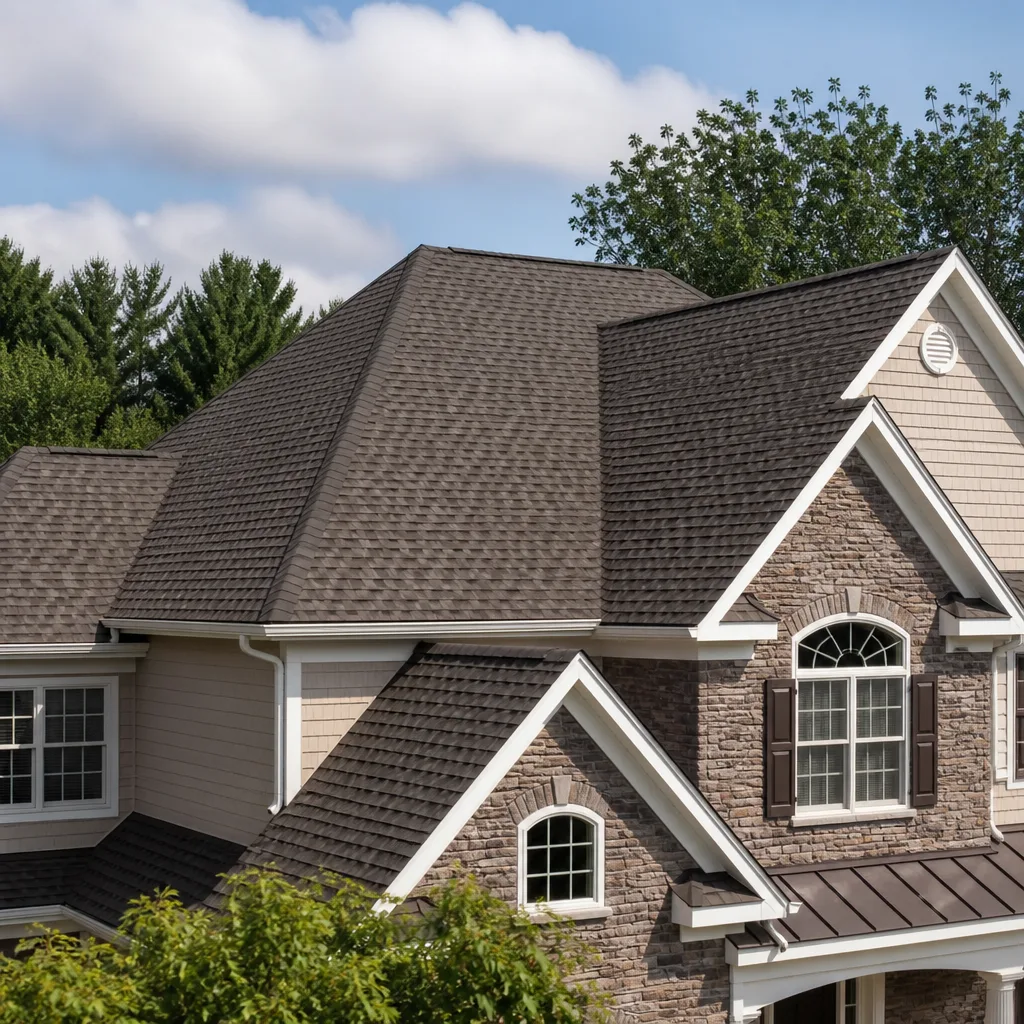
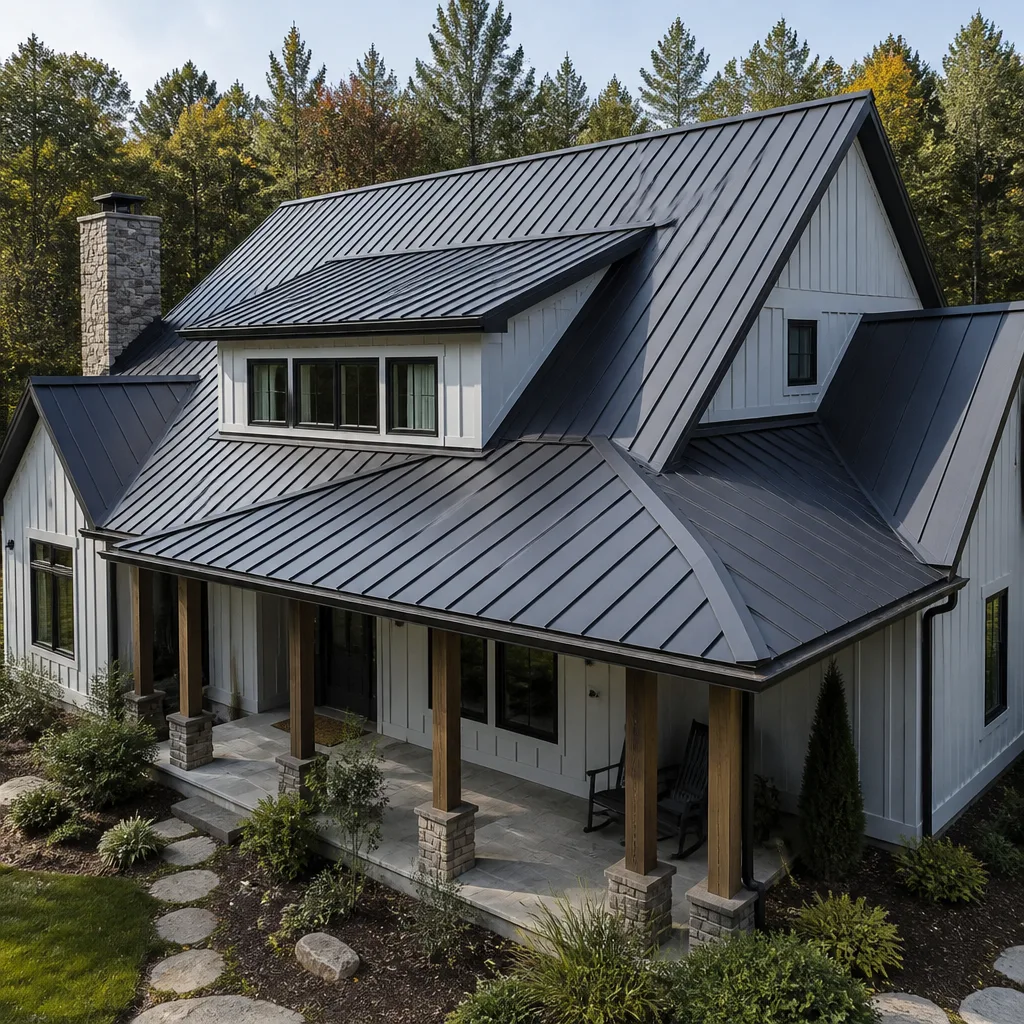
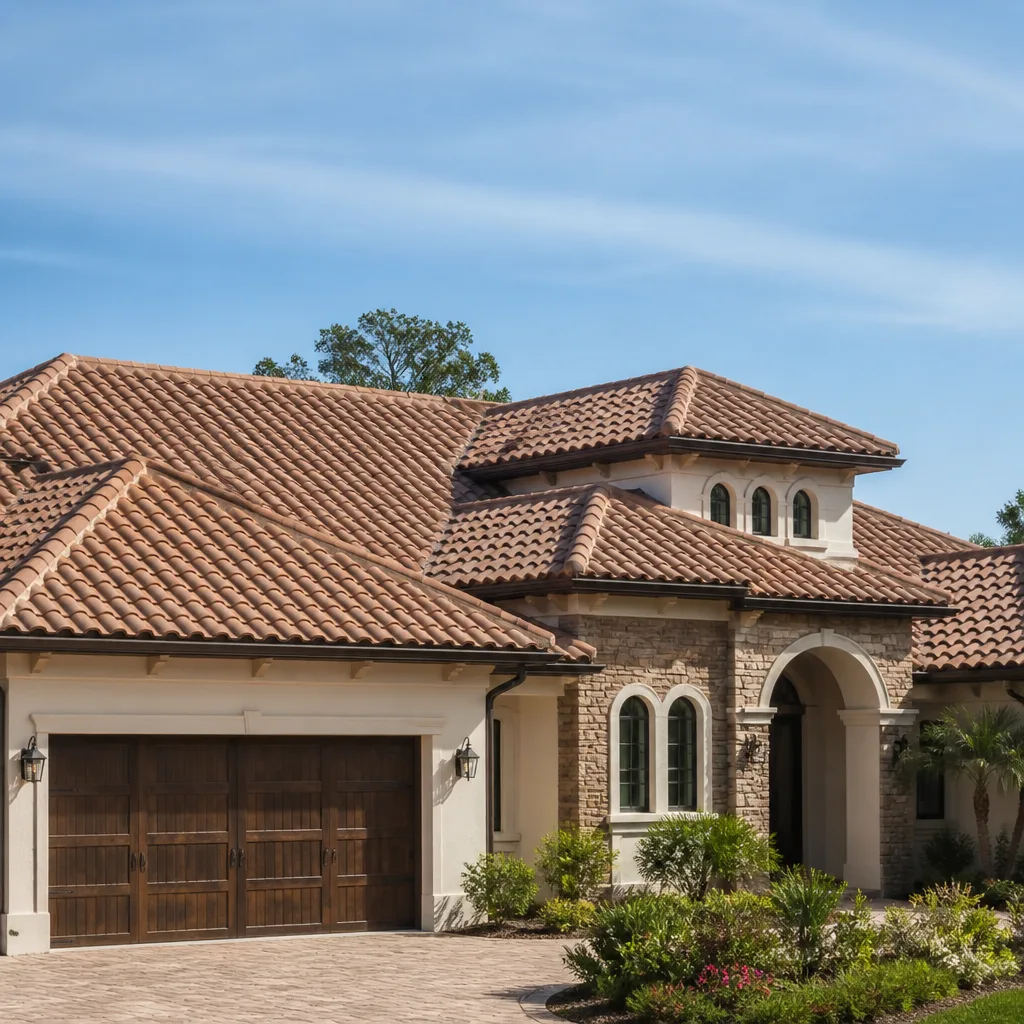
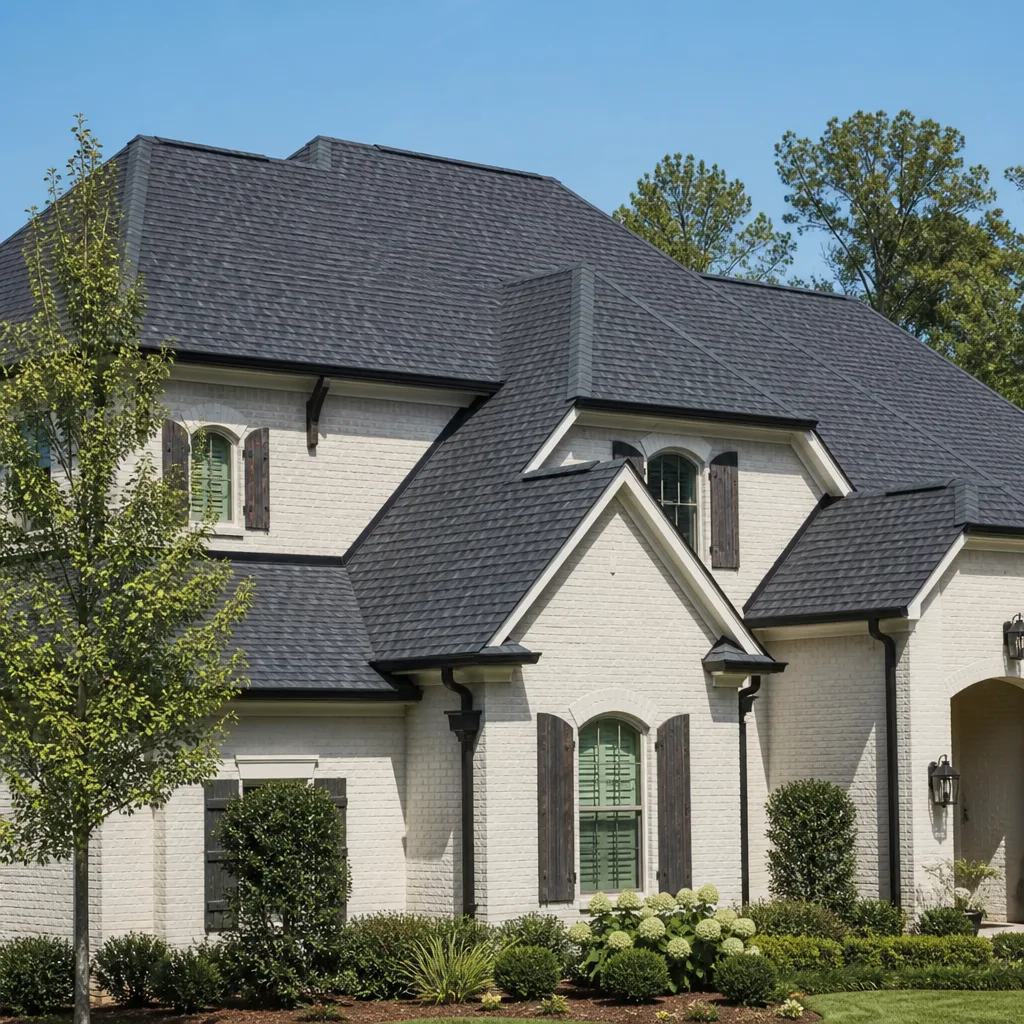
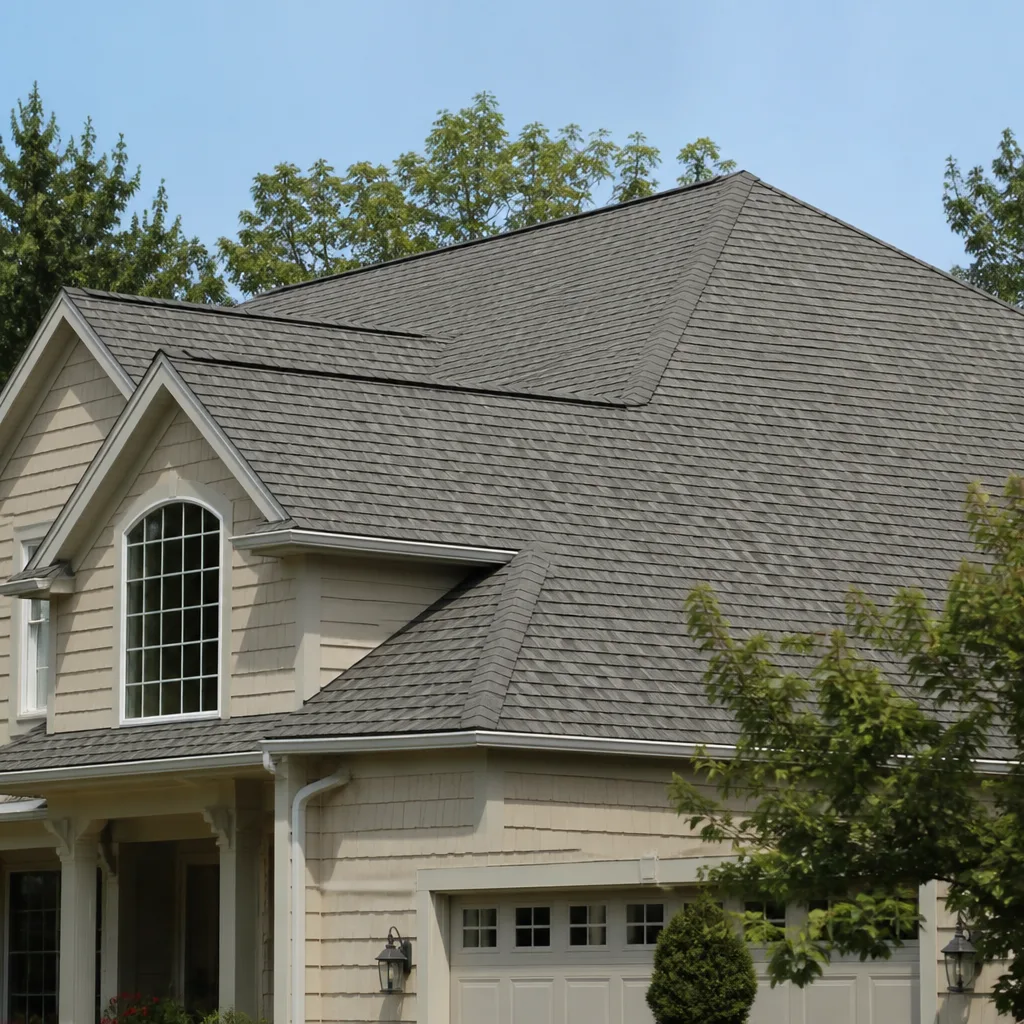
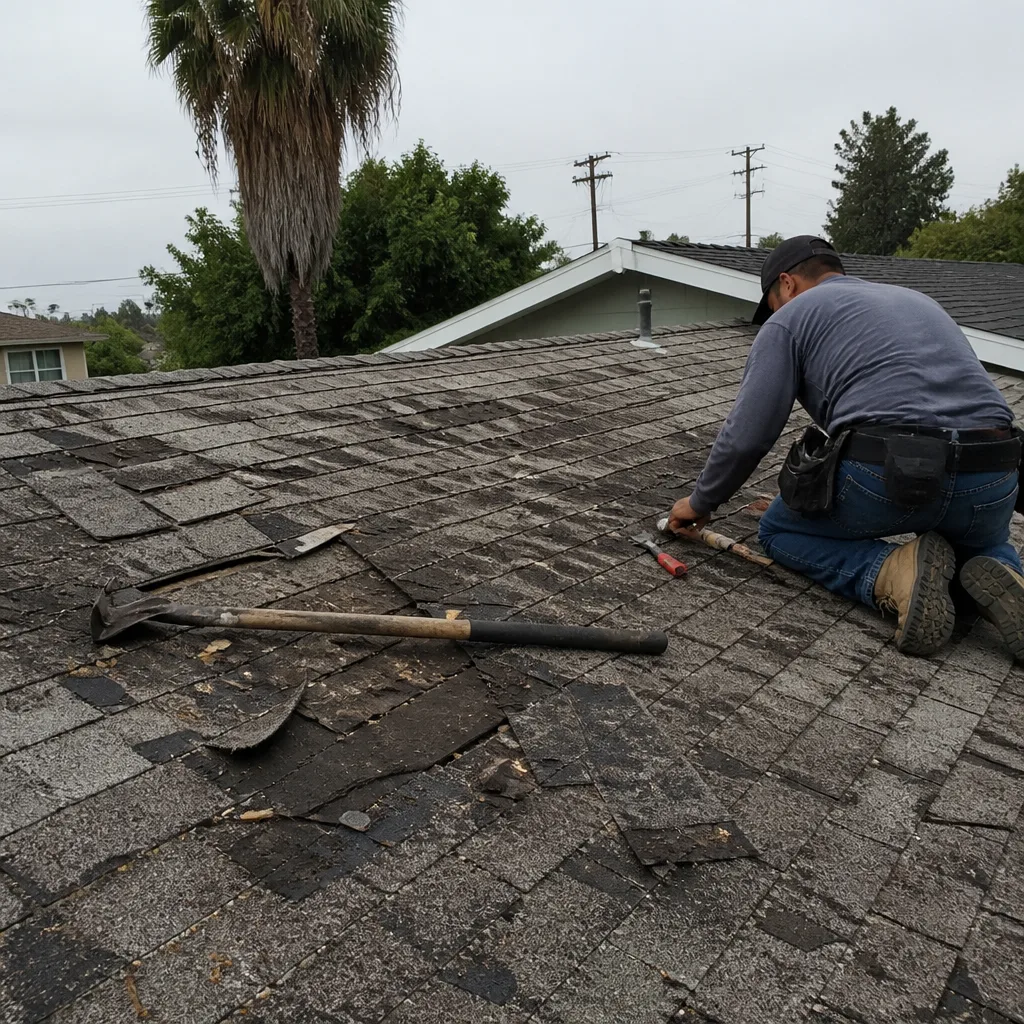 Before
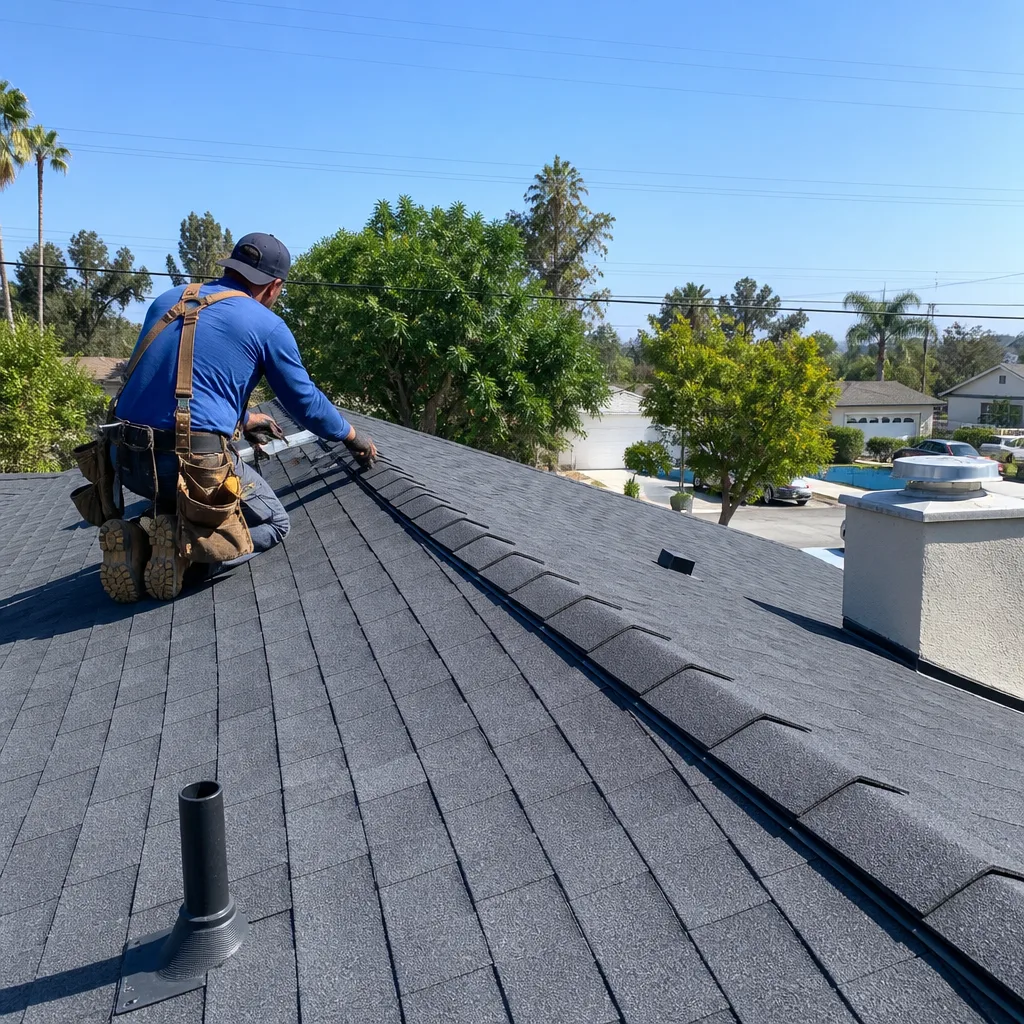 After
After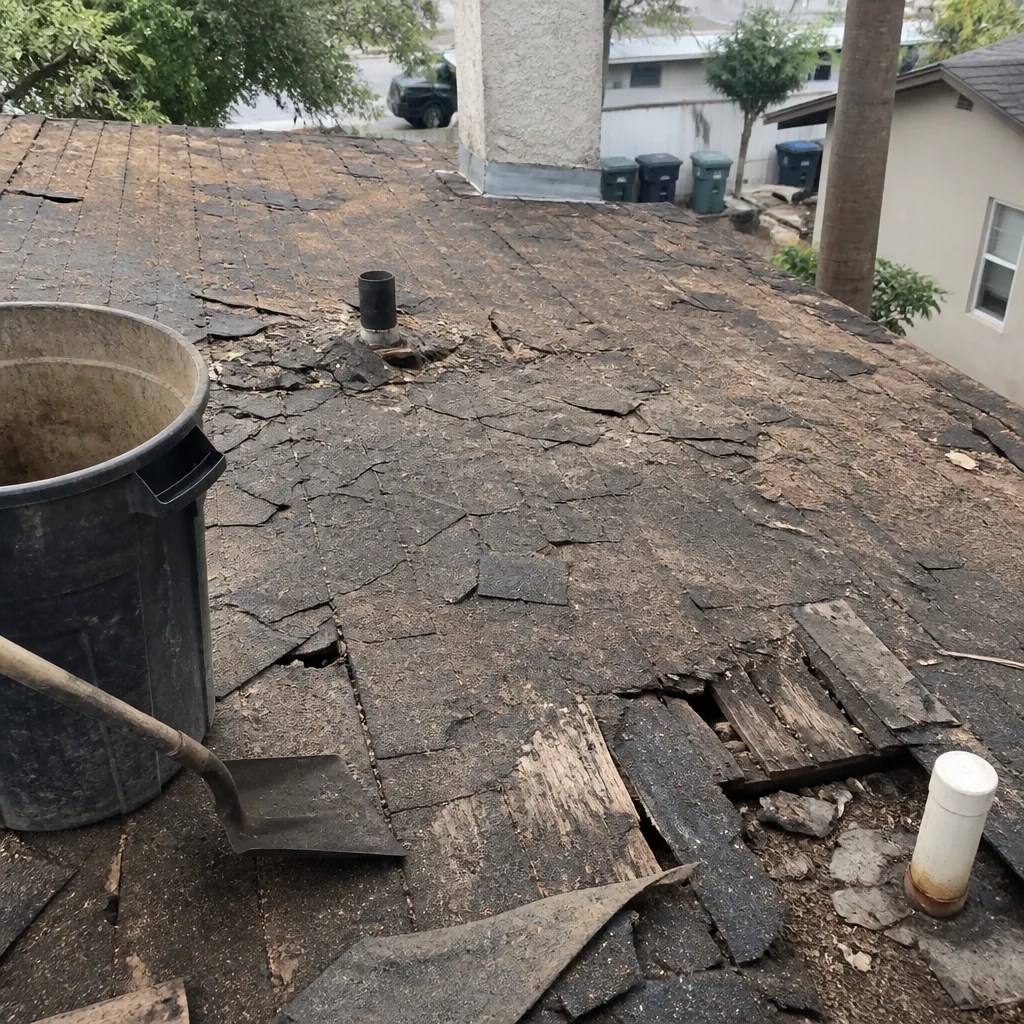 Before
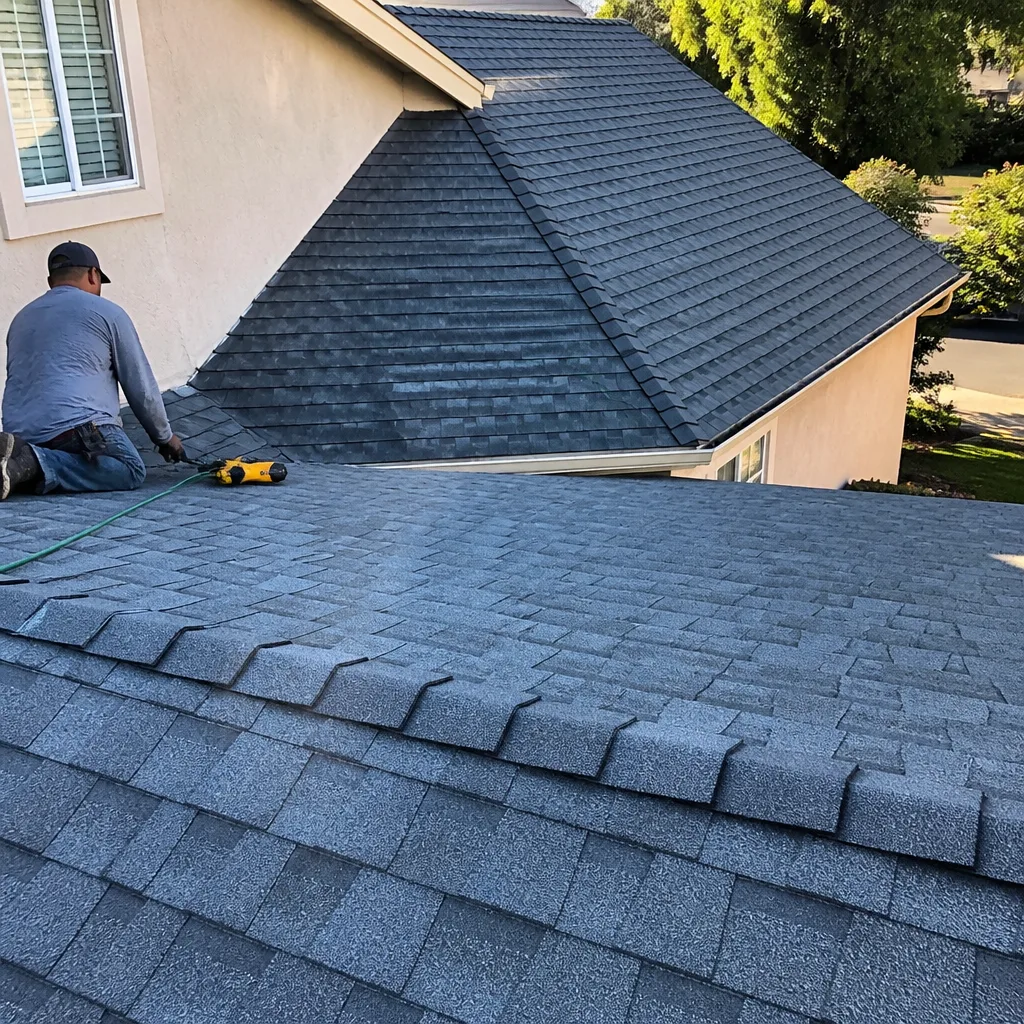 After
After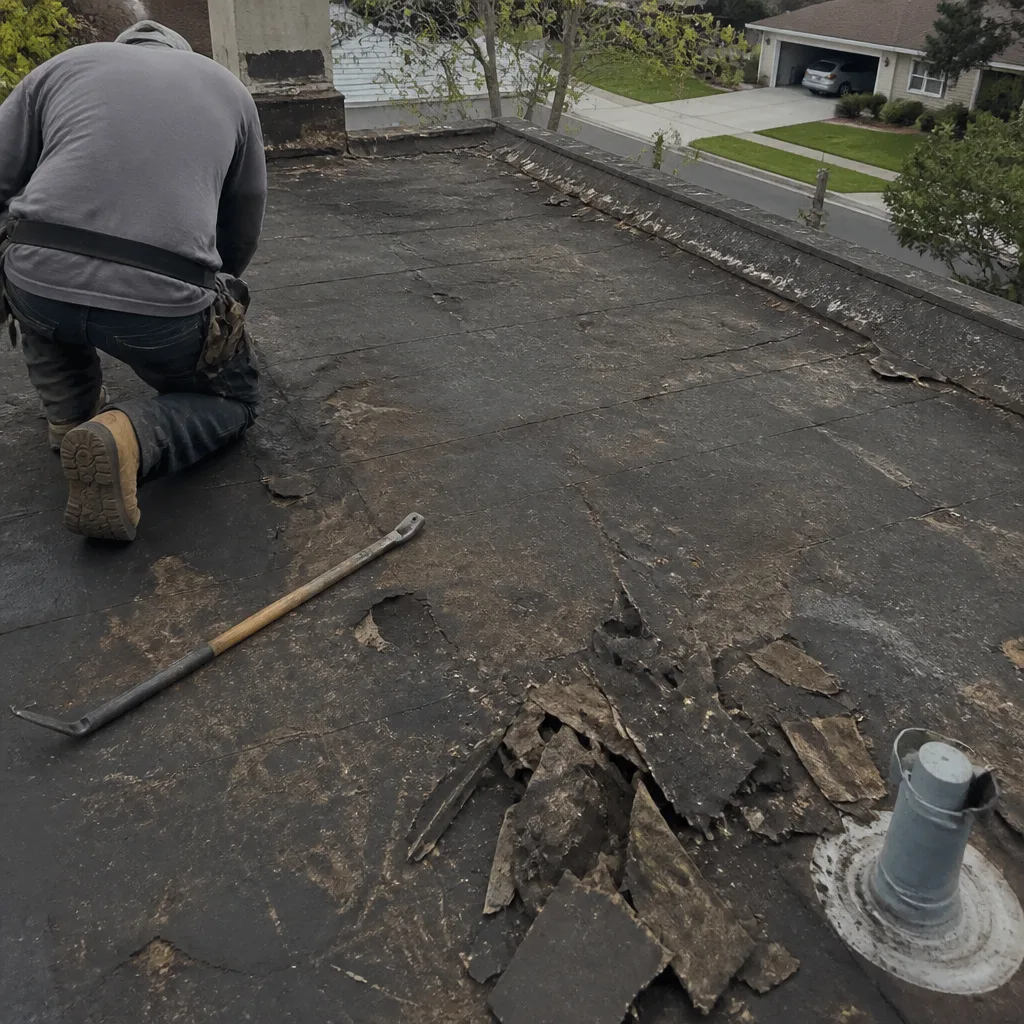 Before
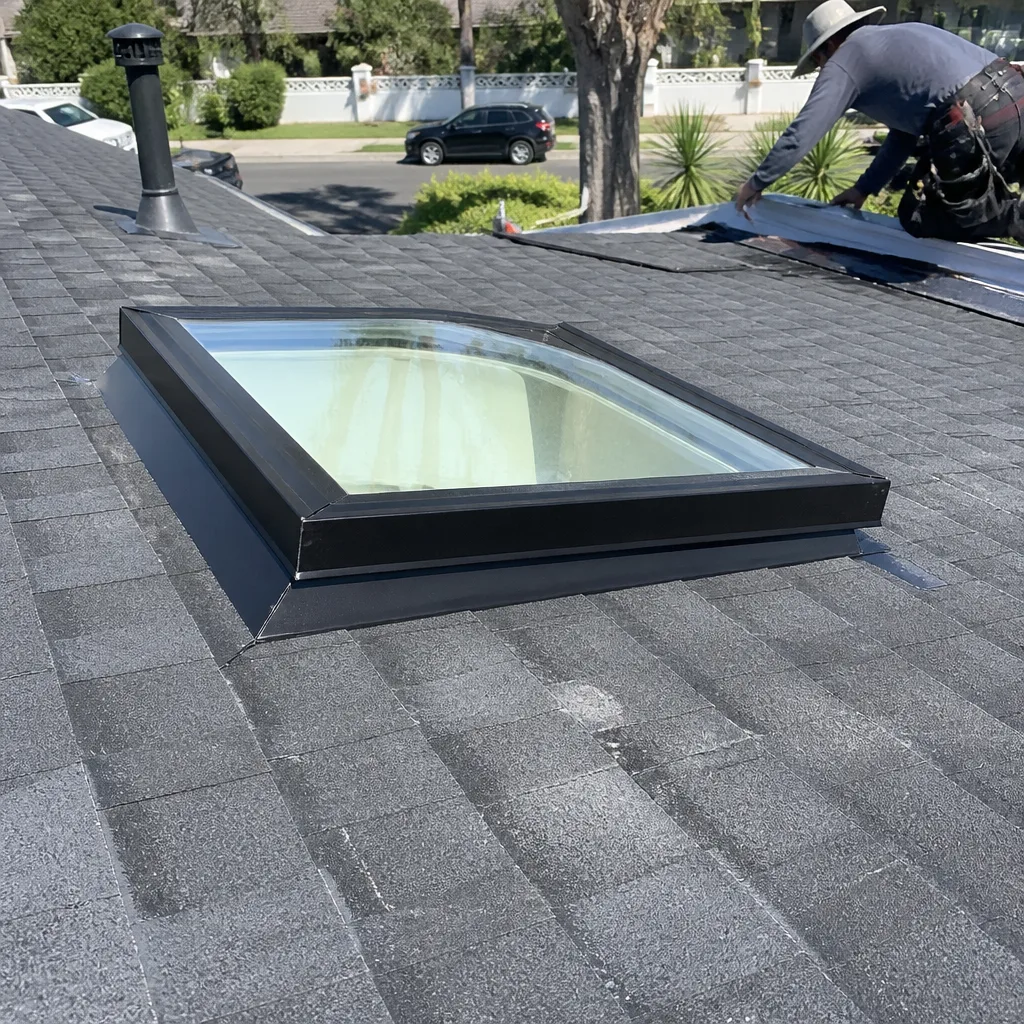 After
AfterRoofing Company Maintenance Schedule: What to Do and When
Roofing contractors in wetter states lose business if they skip fall maintenance visits. In Los Angeles, where it might not rain from April through November, homeowners forget their roof exists - until December proves them wrong. We’ve seen it repeatedly: a dry summer lulls people into thinking their asphalt shingles or clay tiles are fine, then the first atmospheric river sends water streaming through a crack that opened in August heat and widened in October Santa Ana winds. This guide gives you a maintenance calendar built specifically for Los Angeles weather patterns, not a generic national template. For more guides & resources, explore our blog. You’ll learn what to check yourself, what requires a trained technician, and how to document everything so your homeowner’s insurance can’t deny a future claim.
Quick Answer
A proper roof maintenance schedule for Los Angeles homeowners includes professional inspections twice yearly - once in October before the rainy season and once in February after it ends - plus homeowner ground-level checks monthly during Santa Ana wind season and after every major storm. Annual maintenance costs in Los Angeles typically run $200-$450 for a standard asphalt-shingle roof and $350-$650 for tile or composite systems. The critical difference from national advice: LA’s prolonged dry heat causes materials to contract, curl, and crack months before rain ever tests them.
Table of Contents
- Why Los Angeles Climate Demands a Different Schedule
- Month-by-Month Roof Maintenance Calendar
- What You Can Check From the Ground vs. What Needs a Pro
- Santa Ana Wind Damage: Specific Checks After Every Event
- Insurance Documentation That Protects Your Claim
- What Professional Maintenance Costs in Los Angeles
- Common Mistakes to Avoid
- When to Call a Professional
- Frequently Asked Questions
- The Bottom Line
Why Los Angeles Climate Demands a Different Schedule
National roofing advice tells you to clean gutters in fall and check for ice dams in winter. Ice dams don’t exist in Los Angeles. Our enemies are different: UV radiation that degrades asphalt granules, thermal cycling that loosens fasteners, and Santa Ana winds that test every edge and seam.
Here’s what actually happens to roofs in Los Angeles over a typical year. From May through September, rooftop temperatures regularly hit 150-170°F. Asphalt shingles bake. Underlayment dries and becomes brittle. Clay tiles expand in afternoon heat, then contract overnight - that daily movement fatigues the material. By October, when the first rain arrives, many roofs are already compromised. The water finds the cracks that heat opened.
Then come the Santa Ana winds, usually October through January, sometimes returning in March. Sustained gusts of 40-60 mph, with canyon areas seeing 80+ mph. These winds don’t just blow debris around. They create uplift pressure along ridges and eaves. They drive dust and sand under lifted shingles, accelerating abrasion. They exploit any loose flashing, any lifted tab, any gap the summer heat already prepared.
The rainy season itself is relatively short - typically December through March, with most rain concentrated in January and February. But when it comes, it often arrives in intense bursts. Atmospheric rivers can drop several inches in 24 hours. A roof that survived five dry months with minor damage can fail dramatically under that concentrated load.
This is why the standard national advice fails here. Waiting until you “see a problem” in Los Angeles means waiting until visible water damage appears inside your home. By then, you’re looking at decking replacement, insulation damage, and potential mold remediation - not a $300 maintenance visit but a $4,000-$12,000 repair.
Our schedule below accounts for this specific climate rhythm. It front-loads inspection before the rains, checks for heat damage at summer’s end, and treats Santa Ana wind events as the damage accelerators they are.
Month-by-Month Roof Maintenance Calendar
January: Mid-Season Check
We’re in the heart of rainy season. This isn’t a full inspection month - it’s a monitoring month. Walk your property during daylight rain if safe, or check attic spaces with a flashlight for active leaks. Look for water stains on rafters, damp insulation, or daylight visible through the roof deck. If you find active leakage, call immediately; temporary patching in January prevents the structural damage that February storms can compound.
February: Post-Storm Professional Inspection
Schedule your first professional inspection now, after the heaviest rains typically pass but before spring dry-out. A technician checks:
- Valleys and penetrations for accumulated debris that trapped moisture
- Flashing integrity around chimneys, vents, and skylights - the most common leak points we find in Los Angeles after rainy season
- Shingle or tile condition, noting any that lifted, cracked, or went missing during winter storms
- Gutter and downspout function, ensuring December-January debris hasn’t created blockages
- Attic ventilation balance - moisture accumulation in February often signals inadequate airflow
Cost expectation: $200-$450 for asphalt shingle, $350-$650 for tile or composite. This inspection should include written documentation with photos.
March-April: Transition Repairs
Execute any repairs identified in February before the dry season begins. In Los Angeles, March still carries rain risk, but April through November is your long window for dry-weather work. Delaying repairs now means baking damaged materials through summer - and that damage always worsens.
May-June: Gutter Deep Clean and Exterior Assessment
Clear all gutters and downspouts thoroughly after spring flowering season. Jacaranda and other Los Angeles trees drop significant debris in April-May. Check gutter attachment to fascia; winter moisture can rot wood supports that fail under summer heat expansion.
From ground level, scan the roof with binoculars. Note any shingles that appear curled at edges, any tiles with visible cracks, any areas where granules have accumulated in gutters (a sign of advanced asphalt wear). Document with dated photos.
July-August: Heat Damage Inspection
This is the inspection national guides miss entirely. After 60+ days of sustained high temperatures, materials show stress invisible in cooler months. We recommend a professional inspection in August for roofs over 10 years old, or any roof with prior repair history.
Specific August checks:
- Asphalt shingle granule loss - excessive bare spots indicate UV degradation accelerating
- Thermal splitting in shingles - straight cracks running through the material from repeated expansion-contraction
- Tile crazing - fine surface cracks in clay or concrete tiles from heat stress
- Underlayment condition beneath any lifted or damaged covering
- Metal flashing sealant deterioration - heat dries and cracks caulked joints
In neighborhoods like Woodland Hills, Porter Ranch, and the San Fernando Valley, where summer temperatures exceed valley floor readings by 10-15°F, this inspection is especially critical. We’ve replaced underlayment in these areas that appeared fine in February but was powder by August.
September: Pre-Wind Preparation
Santa Ana wind season typically begins in October, but September is your preparation window. Trim overhanging branches - winds turn limbs into striking tools. Secure or remove loose items in yards that could become projectiles. Verify attic vents have intact screens; ember intrusion during wind-driven wildfire conditions is a real Los Angeles risk.
October: Critical Pre-Rain Professional Inspection
This is your most important maintenance visit of the year. Schedule early in October before the first Santa Ana event and first rain. The inspection covers everything in February plus specific pre-season items:
- Ridge cap and hip shingle adhesion - wind uplift starts here
- Drip edge securement along all eaves and rakes
- Pipe boot and vent seal condition - rubber components degrade fastest in LA heat
- Chimney cricket and saddle function - critical in our concentrated rain events
- Skylight weep hole clearance - blocked drains cause leaks that appear as “skylight failure”
Any repairs identified should be completed before Thanksgiving. December rains in Los Angeles are unpredictable - we’ve seen major storms arrive December 1st.
November: Final Ground Check
After the first Santa Ana event, do a ground-level scan. Look for debris on the roof, displaced tiles or shingles in yard areas, and any new gaps visible along ridges. If the winds were significant (sustained 50+ mph in your area), consider calling for a targeted wind-damage assessment even if your October inspection was clear.
December: Storm Monitoring
Similar to January - monitor during and after storms. Check attic spaces after significant rain events. The first storm often reveals problems that October inspection missed or that developed in November winds.
What You Can Check From the Ground vs. What Needs a Pro
We encourage Los Angeles homeowners to perform regular ground-level monitoring. It helps you catch changes early and gives you specific information when you call us. But we also see injuries every year from homeowners who underestimated roof pitch or overestimated their footing. Here’s the clear division.
Safe Ground-Level Checks (Use Binoculars)
- Missing or displaced shingles or tiles - visible as color patches or gaps from the street
- Sagging areas along ridges or between trusses
- Gutter overflow or detachment during rain
- Granule accumulation in gutters or at downspout exits
- Flashing gaps visible at chimney or wall intersections
- Daylight visible through roof boards from inside attic (with flashlight, standing on floor)
- Water stains on interior ceilings or walls, especially after first seasonal rain
Requires Professional Roof Access
- Walking the roof surface to test shingle adhesion and flexibility
- Inspecting underlayment beneath lifted or damaged covering materials
- Checking valley construction and debris accumulation in valleys
- Evaluating flashing installation quality - not just whether it’s present, but whether it’s correctly lapped and sealed
- Assessing decking condition beneath visible stains or soft spots
- Chimney cricket and saddle construction review
- Attic ventilation calculation - proper intake and exhaust balance requires measurement
- Skylight seal and weep system function
The slope matters. Los Angeles has many mid-century homes with 4:12 to 6:12 pitches that look walkable but become slick with morning dew or residual fog moisture. Tile roofs, even low-slope ones, are notoriously unforgiving - the breakage risk is high, and a broken tile is an immediate leak point. We carry specific liability coverage and use tie-off systems for pitches above 6:12; we don’t recommend any homeowner attempt these.
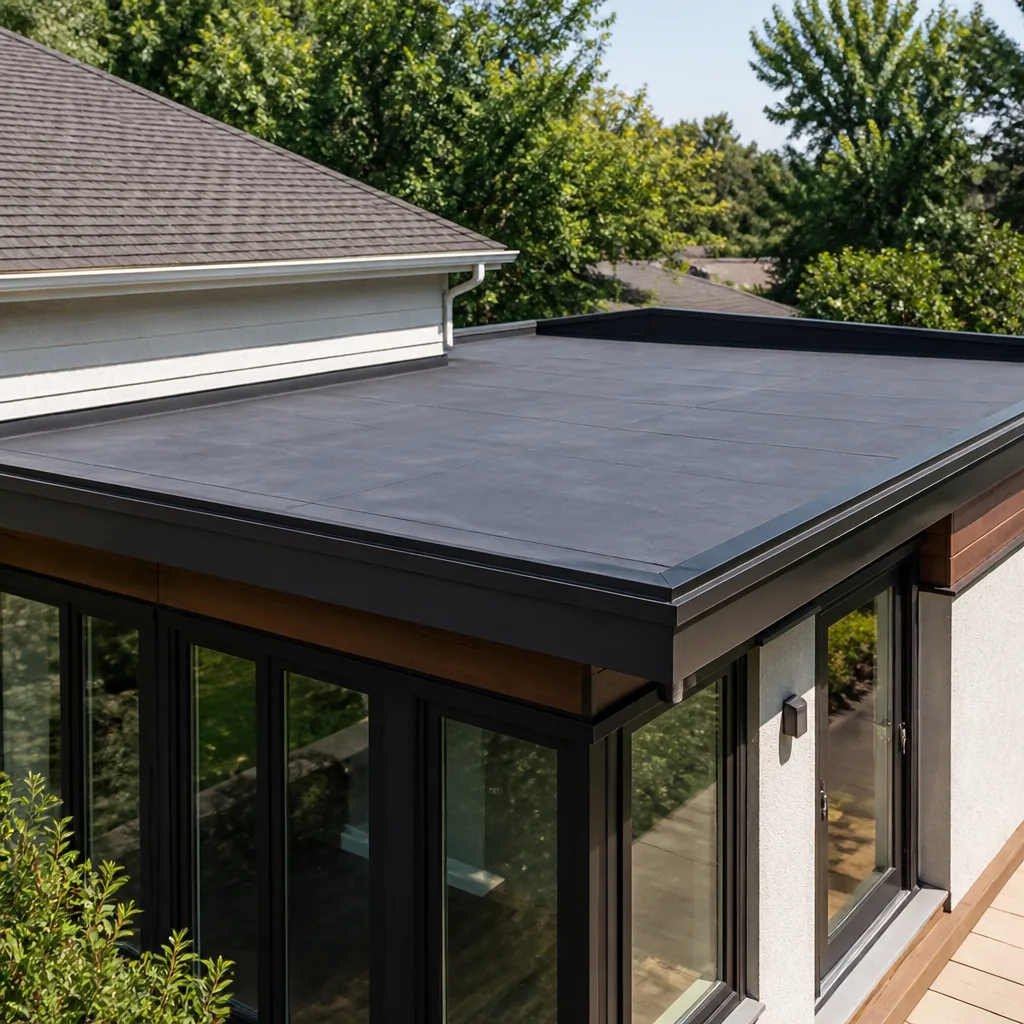
One exception: flat or nearly-flat roofs on modern Los Angeles additions or ADUs. These are sometimes safely accessible via interior hatch. Even then, check membrane condition only - don’t attempt repairs. TPO and modified bitumen seams require heat welding or torch application that demands training and fire safety equipment.
Santa Ana Wind Damage: Specific Checks After Every Event
Santa Ana winds are not “just wind.” They’re hot, dry, and sustained - the combination that causes specific failure modes different from thunderstorm gusts or hurricane events. After every significant Santa Ana event (sustained winds above 40 mph in your area, or any gust above 60 mph), perform these checks within 48 hours.
Immediate Ground-Level Inspection
- Check for debris accumulation. Wind-driven sand and organic matter collect in valleys and behind chimneys. This material holds moisture when rain eventually comes and accelerates corrosion of metal components.
- Scan ridge lines. Santa Ana winds create uplift pressure that peels ridge caps from the ends inward. Look for gaps, lifted edges, or missing pieces along the highest points of your roof.
- Examine eave edges. The same uplift affects drip edge and first-course shingles. From the ground, look for shingles that appear to be curling upward at the bottom edge - this is wind lift, not normal age curling.
- Check yard and neighbor’s yard for displaced materials. Finding a tile or shingle on the ground means identifying where it came from, even if the gap isn’t immediately obvious from your vantage.
- Inspect attic after dark with flashlight off. New daylight penetration indicates a fresh opening. Mark the location for professional repair.
Professional Assessment Triggers
Call for a wind-specific inspection if: you find any displaced materials in your yard; you observe lifted edges along ridges or eaves; your home is in a canyon or ridge-exposed location (Topanga, Malibu, Pacific Palisades, Hollywood Hills, Mount Washington, and similar); the wind event included gusts above 70 mph; or your roof is over 15 years old. Older roofs have fatigue accumulation that makes them vulnerable to wind uplift at lower thresholds.
We’ve responded to Santa Ana damage calls where homeowners reported “a few shingles looked funny” and found 30+ linear feet of ridge cap detached, held in place only by friction. Wind damage is often more extensive than ground observation suggests because the failure starts at the least visible points.
Insurance Documentation That Protects Your Claim
Los Angeles homeowner’s insurance policies increasingly include maintenance requirements as claim conditions. After the 2017-2018 wildfire losses and subsequent 2019-2020 rainy season claims, carriers tightened language. We’ve seen legitimate claims denied because homeowners couldn’t prove they performed reasonable maintenance.
Here’s what to document, how to store it, and when it matters.
Required Documentation
- Dated photos of roof condition, taken from consistent angles, minimum twice yearly. Include wide shots showing overall condition and close-ups of any areas of concern.
- Professional inspection reports with company letterhead, technician name, date, and findings. The report should specifically state “no immediate concerns” or list recommended repairs with urgency ratings.
- Repair invoices showing work completed, materials used, and warranty terms. Keep these for the life of the repair warranty plus three years.
- Weather event notes - date, wind speed if known, your observations, and any professional assessments triggered.
Storage Protocol
Cloud storage with automatic backup. Email yourself copies at a dedicated address. Physical copies in fireproof storage are secondary insurance. The 2025 Palisades and Eaton fires destroyed many homeowners’ paper records along with their homes.
Claim-Relevant Scenarios
If wind damage occurs and you have October inspection records showing the roof was sound, your claim proceeds as storm damage. Without that documentation, adjusters may classify the same damage as “long-term neglect” or “wear and tear” - typically excluded perils.
If water damage occurs and you have records of gutter cleaning, valley clearing, and flashing inspection, you demonstrate that the leak wasn’t from preventable blockage. We’ve assisted homeowners in Los Angeles with claim appeals where our inspection documentation reversed initial denials.
The roof repair in Los Angeles process starts with this documentation. When you call Tilehurst Roofing after damage, our first request is your maintenance history. It shapes everything that follows.
What Professional Maintenance Costs in Los Angeles
Budgeting for roof maintenance prevents the emergency spending that catches homeowners unprepared. Here are realistic 2024-2025 price ranges for the Los Angeles market, based on our service across the metro area from the San Fernando Valley to the South Bay.
| Service | Asphalt Shingle | Clay/Concrete Tile | Flat (TPO/Modified) |
|---|---|---|---|
| Annual inspection (Feb or Oct) | $200-$350 | $350-$550 | $250-$400 |
| Inspection + basic maintenance (gutter clean, minor sealant, debris removal) | $350-$550 | $500-$750 | $400-$600 |
| Targeted wind damage assessment | $150-$250 | $200-$350 | $175-$275 |
| Heat damage inspection (August) | $225-$375 | $375-$600 | $275-$425 |
| Minor repair during maintenance visit (up to 2 hours) | $200-$400 additional | $300-$600 additional | $250-$500 additional |
Red flags in pricing: quotes below $150 for any inspection likely exclude actual roof access or written documentation. Quotes above $800 for basic asphalt shingle inspection without repair work warrant a second opinion. Some Los Angeles companies use “free inspections” as lead generation, then apply pressure for unnecessary full replacements. Our approach - Tilehurst Roofing home - is written price before any work starts, every time. No exceptions.
Material quality affects maintenance frequency and long-term cost. We offer options from CertainTeed, Owens Corning, IKO, and Atlas among our seven manufacturers. A higher-grade shingle with better granule adhesion and wind rating may cost more upfront but reduces annual maintenance needs and extends replacement intervals by 5-10 years in Los Angeles conditions.
Common Mistakes to Avoid
- Waiting for visible interior leaks. By the time water stains appear on ceilings, damage has progressed through decking, insulation, and often structural components. In Los Angeles, the dry interval between rain events means leaks can cause extensive hidden damage before discovery.
- Pressure-washing roofs. This is surprisingly common and always damaging. High-pressure water strips granules from asphalt shingles, forces moisture under tiles, and can lift flashing. Gentle low-pressure cleaning with appropriate solutions is the only safe approach, and even that is rarely necessary.
- Ignoring “minor” Santa Ana damage. A single lifted ridge cap or displaced tile creates an entry point for wind-driven rain. The next storm exploits it. We’ve repaired homes in Pasadena and Altadena where a small October wind gap became a February ceiling collapse.
- Using national maintenance calendars unmodified. Advice to “check for ice dams in January” or “clean gutters after fall leaf drop” doesn’t apply to Los Angeles. Our leaf drop is spring-dominant, and ice dams are nonexistent. Following generic schedules means missing our actual risk windows.
- Failing to document DIY maintenance. If you clean gutters, photograph before and after with dates. If you trim branches, keep receipts. Insurance adjusters don’t accept verbal claims of maintenance performance.
- Neglecting attic ventilation. Los Angeles heat buildup in poorly ventilated attics accelerates shingle degradation from the underside and creates moisture traps that mimic leak damage. Many “mystery stains” we investigate trace to ventilation imbalance, not roof failure.
- Assuming new roofs don’t need inspection. Even roofs under installer warranty benefit from documented professional inspection. Warranty claims often require proof of maintenance. We’ve seen 3-year-old roofs with installation defects that only professional inspection identified before warranty expiration.
When to Call a Professional
Call immediately if you observe active water intrusion, daylight through roof boards, or more than three missing/damaged tiles or shingles after any weather event. Call within 48 hours if you find displaced roofing materials in your yard, lifted edges along ridges, or new gaps at flashing points after Santa Ana winds. Call before the rainy season if your roof is over 12 years old and hasn’t had professional inspection in 18 months - the combination of age and deferred assessment is our highest-risk profile for catastrophic winter failure. Review our Roofing Company Warning Signs Every Homeowner Should Know to identify risks early.
Tilehurst Roofing offers our Roofing Company services with free estimates in Los Angeles - call (945) 303-9821. A live person answers every call, 24 hours a day, 7 days a week. We’ll schedule your inspection, provide a written price before any work starts, and document everything for your insurance records.
Frequently Asked Questions
Annual professional maintenance for a standard Los Angeles home runs $200-$550 for asphalt shingle roofs and $350-$750 for tile or composite systems, depending on roof size, pitch, and accessibility. This covers inspection, gutter cleaning, minor sealant work, and debris removal. Major repairs identified during maintenance are quoted separately with written pricing before work begins. Call (945) 303-9821 for an exact quote - estimates are free.
Twice yearly: October before the rainy season and February after it ends. Homes in wind-exposed areas - canyons, ridges, or hillsides in neighborhoods like Topanga, Malibu, or the Hollywood Hills - should add a post-Santa Ana inspection after any significant wind event. Roofs over 15 years old benefit from an additional August heat-damage assessment. Call (945) 303-9821 to schedule your inspection cycle.
Possibly not. Los Angeles carriers increasingly deny claims where homeowners cannot demonstrate reasonable maintenance performance. Documentation of professional inspections, repairs, and weather event responses strengthens your position if you ever need to file. We provide written inspection reports with photos specifically designed to support insurance documentation requirements.
Ground-level observation with binoculars is safe and recommended monthly during Santa Ana season. Actual roof access requires proper equipment, training, and liability coverage - we don’t recommend homeowner roof walking, especially on tile or steep pitches common in Los Angeles hillside construction. Our technicians use tie-off systems on slopes above 6:12 and carry full workers’ compensation coverage.
Complacency during dry months. Because rain is infrequent and often light, homeowners assume their roof is fine - until an atmospheric river or Santa Ana-driven storm exposes cumulative heat and wind damage. The most expensive repairs we perform in Los Angeles follow years of skipped maintenance during apparently benign weather.
A thorough inspection of a typical 2,000-square-foot Los Angeles home takes 45-90 minutes, including attic assessment, roof surface examination, and documentation. Larger homes, complex rooflines with multiple valleys and penetrations, or tile roofs requiring careful foot placement take longer. We schedule specific arrival windows and call if delayed - part of The Kingswell Way.
We offer scheduled inspection programs with priority scheduling and documented maintenance histories for insurance purposes. Every visit includes our written price before any work starts, our written guarantee on any repairs performed, and the 365-Day Done Right Promise. Call (945) 303-9821 to discuss a plan matched to your roof type and Los Angeles location.
The Bottom Line
Los Angeles roof maintenance succeeds when it respects our actual climate: the long dry heat that fatigues materials, the Santa Ana winds that test every edge, and the concentrated winter rains that exploit weaknesses created months earlier. A generic national schedule misses these rhythms. The calendar in this guide - October pre-rain inspection, February post-storm assessment, August heat check, and wind-event response - catches problems before they become emergencies. Document everything for insurance protection. Budget $200-$650 annually for professional maintenance depending on roof type. And remember that in our climate, the roof that looks fine in September may fail in December.
For roof replacement in Los Angeles or any roofing service, the process starts with honest assessment. We’re here when you’re ready.
Call (945) 303-9821 to schedule your free estimate. A live person answers every call, 24 hours a day, 7 days a week - including evenings and weekends. Every job begins with a written price before any work starts, and every repair is covered by a written guarantee. If a repair fails inside the guarantee period, we return to correct it at no charge under our 365-Day Done Right Promise.
Written by Greg Holloway, Owner at Tilehurst Roofing, serving Los Angeles since 2000.