
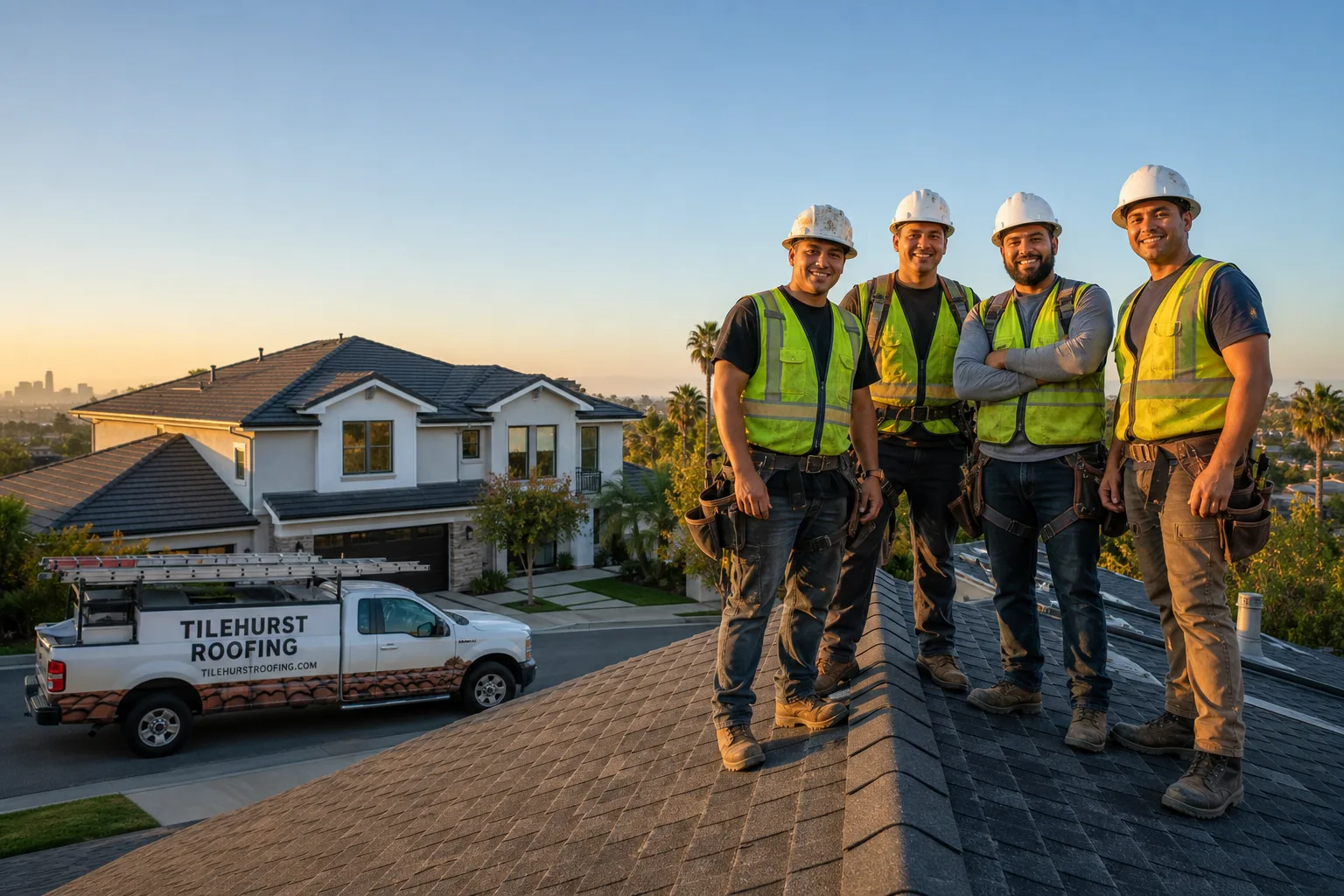
Free roof inspection with deck photos before we talk money - GAF and Owens Corning certified installation
 Before
 After
After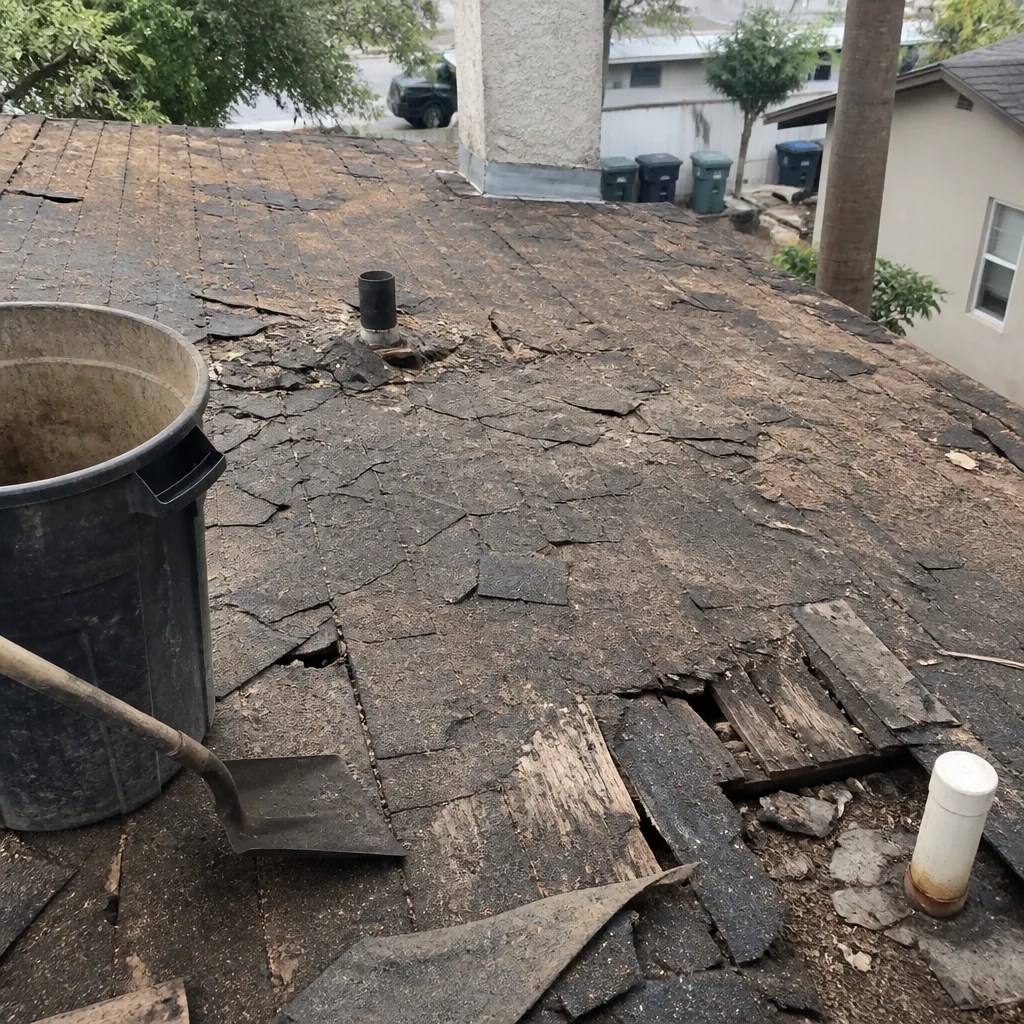 Before
 After
After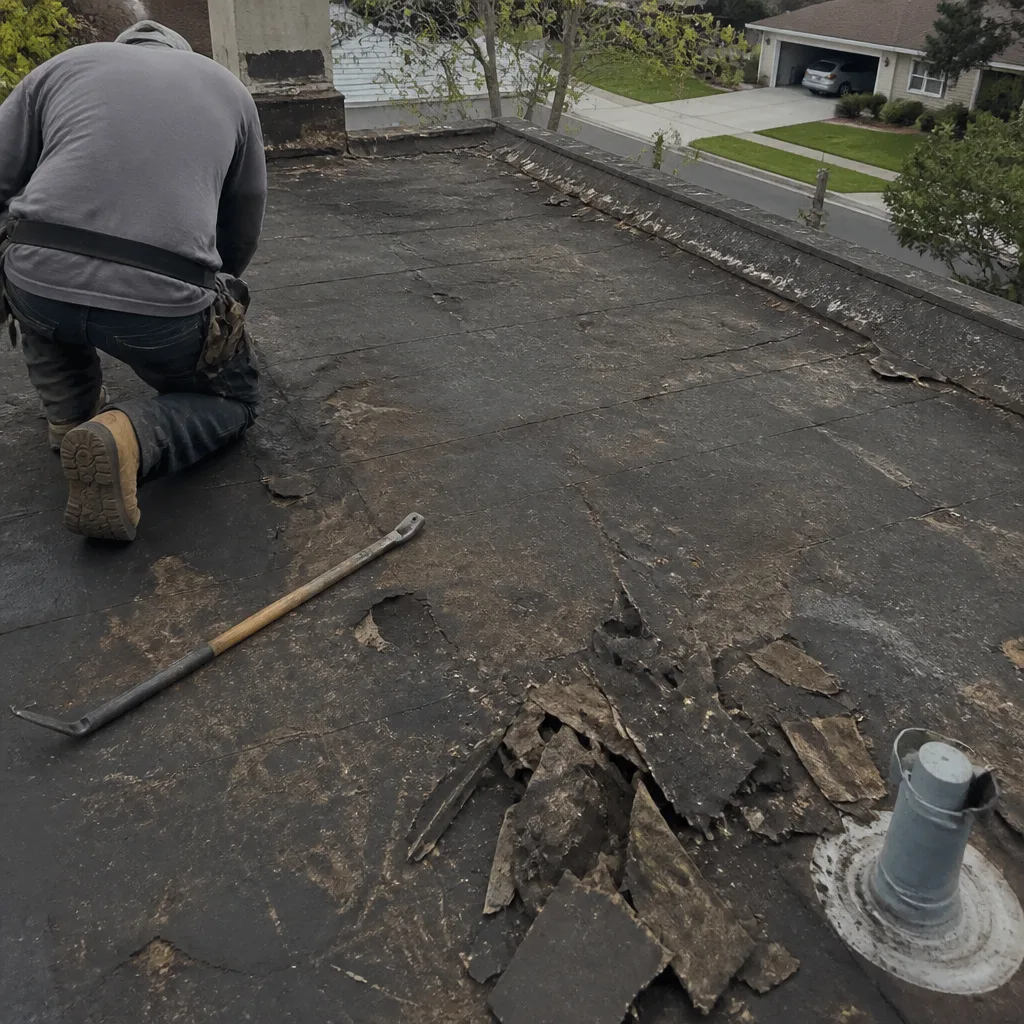 Before
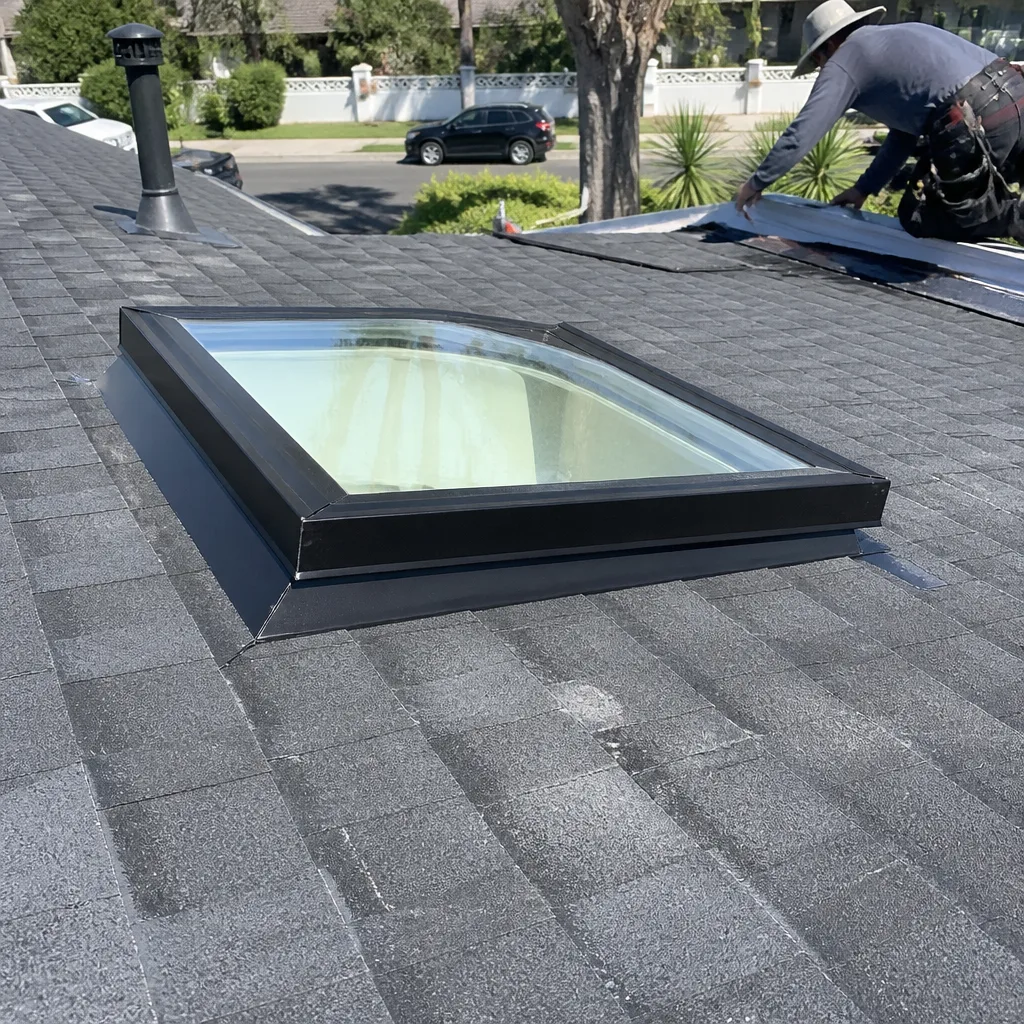 After
AfterRoof Installation Done Right, Anywhere in the United States
Roof installation is one of the biggest repairs a home ever needs, and it goes wrong when the crew rushes the parts nobody sees. Tilehurst Roofing has installed roofs since 2000, and we work nationwide under one rule: you get a written price before any work starts, and you know exactly who is on your roof. We are part of the Kingswell family of roofing companies. If you want a straight answer on a new roof, call us at (945) 303-9821. Our roof replacement page covers tear-off jobs, and this page covers the full installation, from the deck up to the ridge.
Every roof we install is built as a system. The deck, underlayment, flashing, ventilation and covering all have to work together, so we plan them together. A great shingle over a bad deck still leaks. You can learn more about who we are on our home page, then call when you are ready for a number.
What Our Roof Installation Includes
A quote that only lists the covering is a quote that will grow later. Here is what is built into every Tilehurst Roofing installation, no matter which material you pick.
Deck Check and Repair
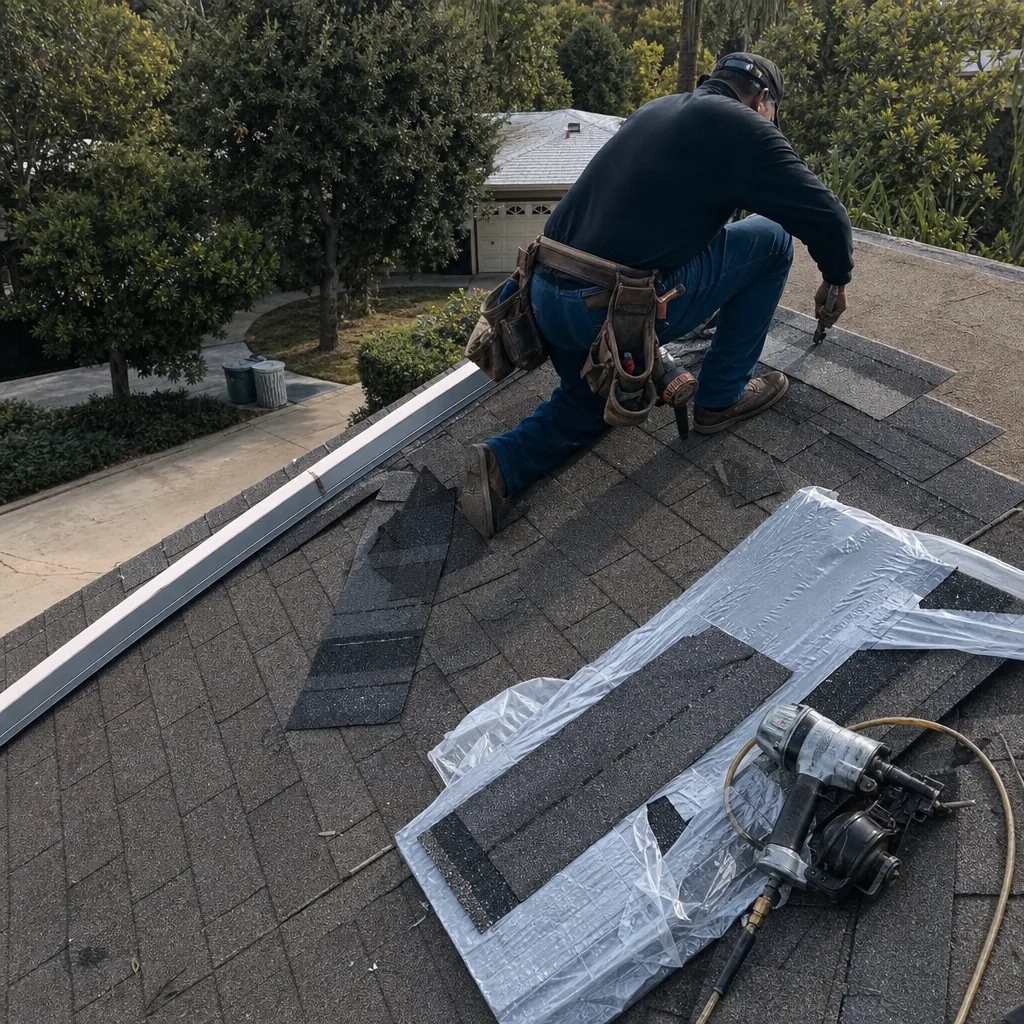
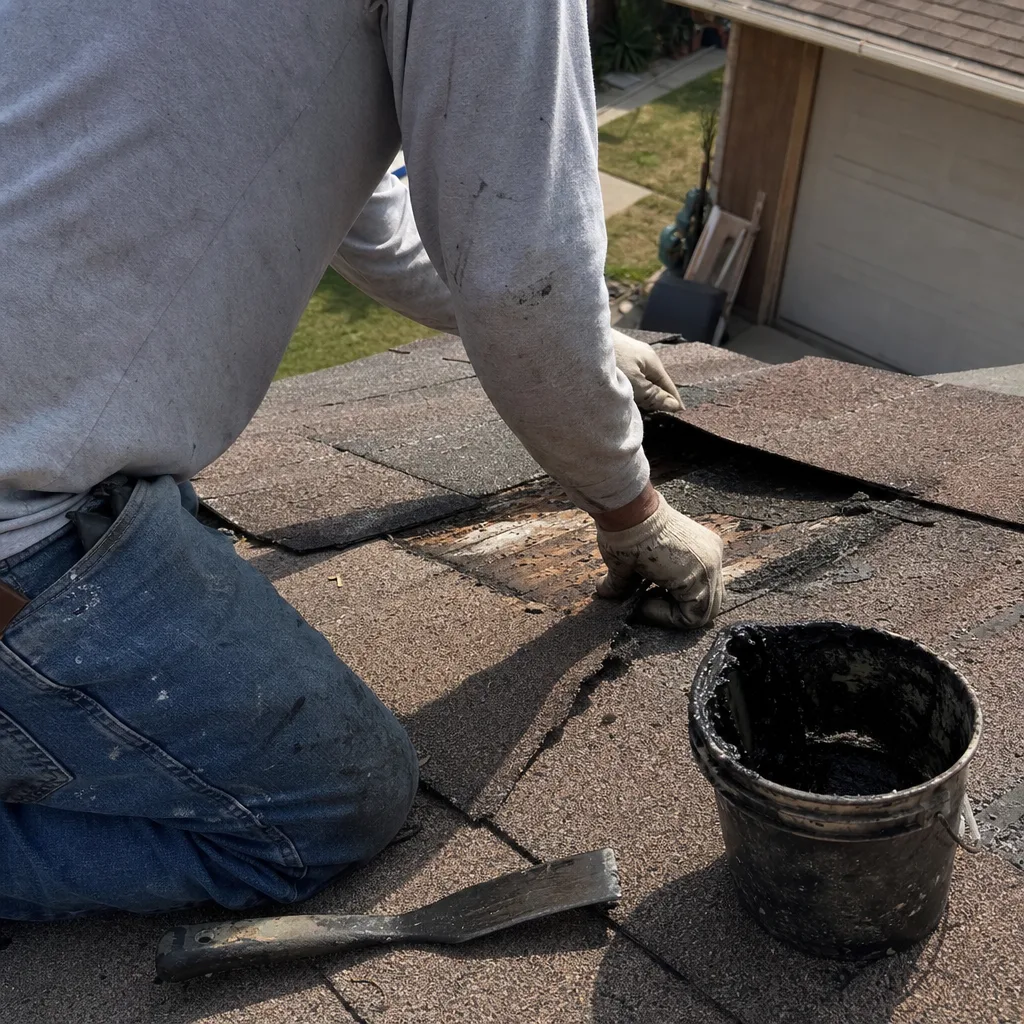
We walk the entire deck once the old roof is off. Soft or stained boards get replaced with new plywood or OSB, because nails need solid wood to hold. Skipping this step is the quickest way to a roof that sags or leaks in five years.
Underlayment and Ice Barrier
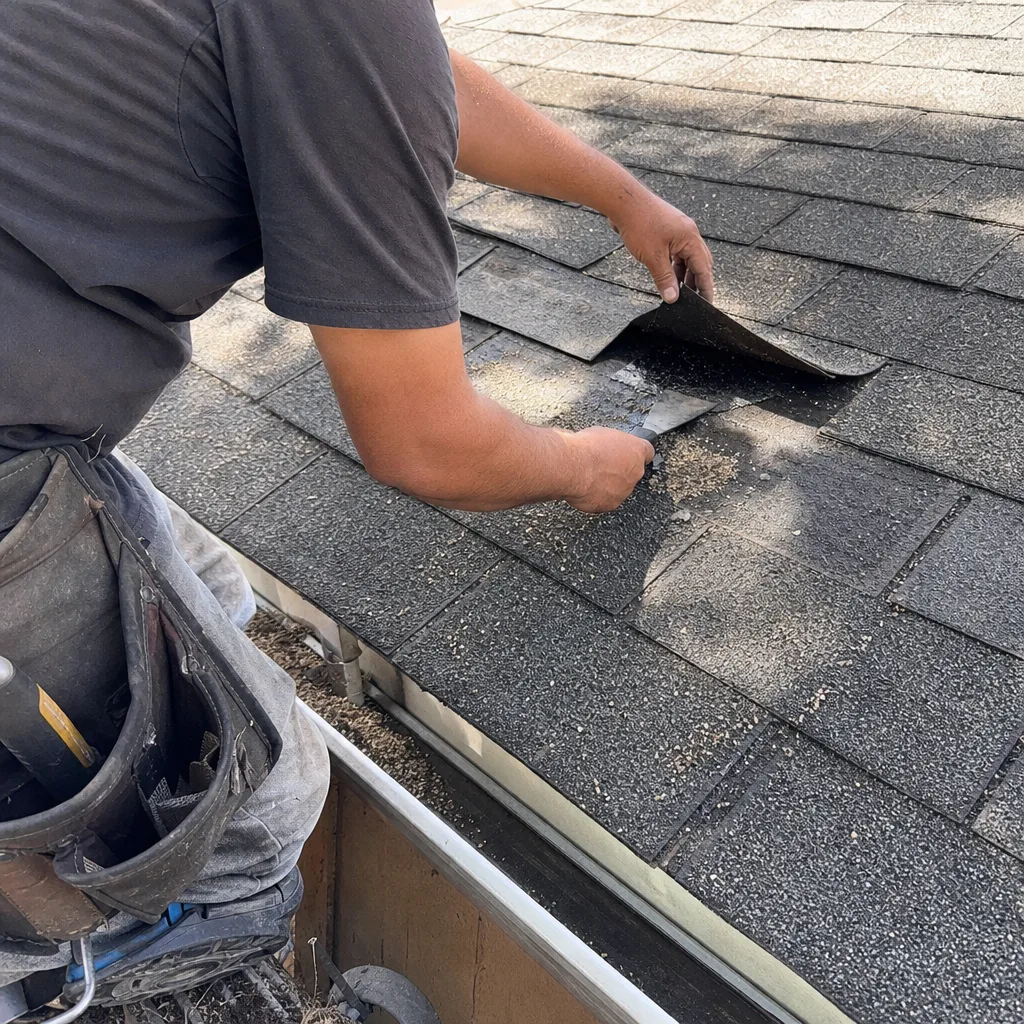
We lay synthetic underlayment over the full deck and add self-adhering membrane at eaves, valleys and any low-slope areas. In snow country that membrane is what stops ice dams from pushing water under the roof.
New Flashing at Every Joint
Chimneys, walls, skylights and pipes each get new flashing. We never reuse old metal, because the joints are where most leaks start.
Ventilation Matched to the Attic
We measure the attic and size intake and exhaust vents to fit it. Balanced airflow keeps the covering from cooking from underneath and cuts moisture in winter.
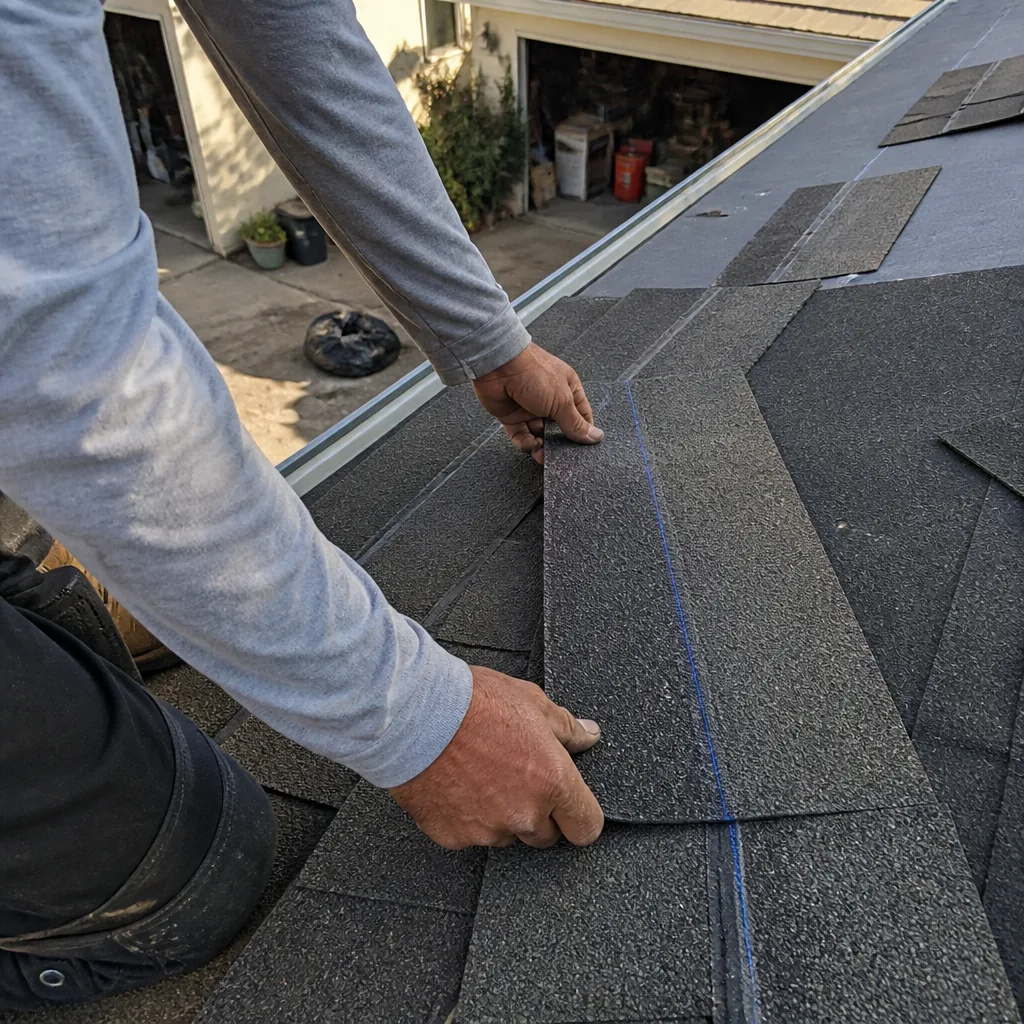
Shingle Roof
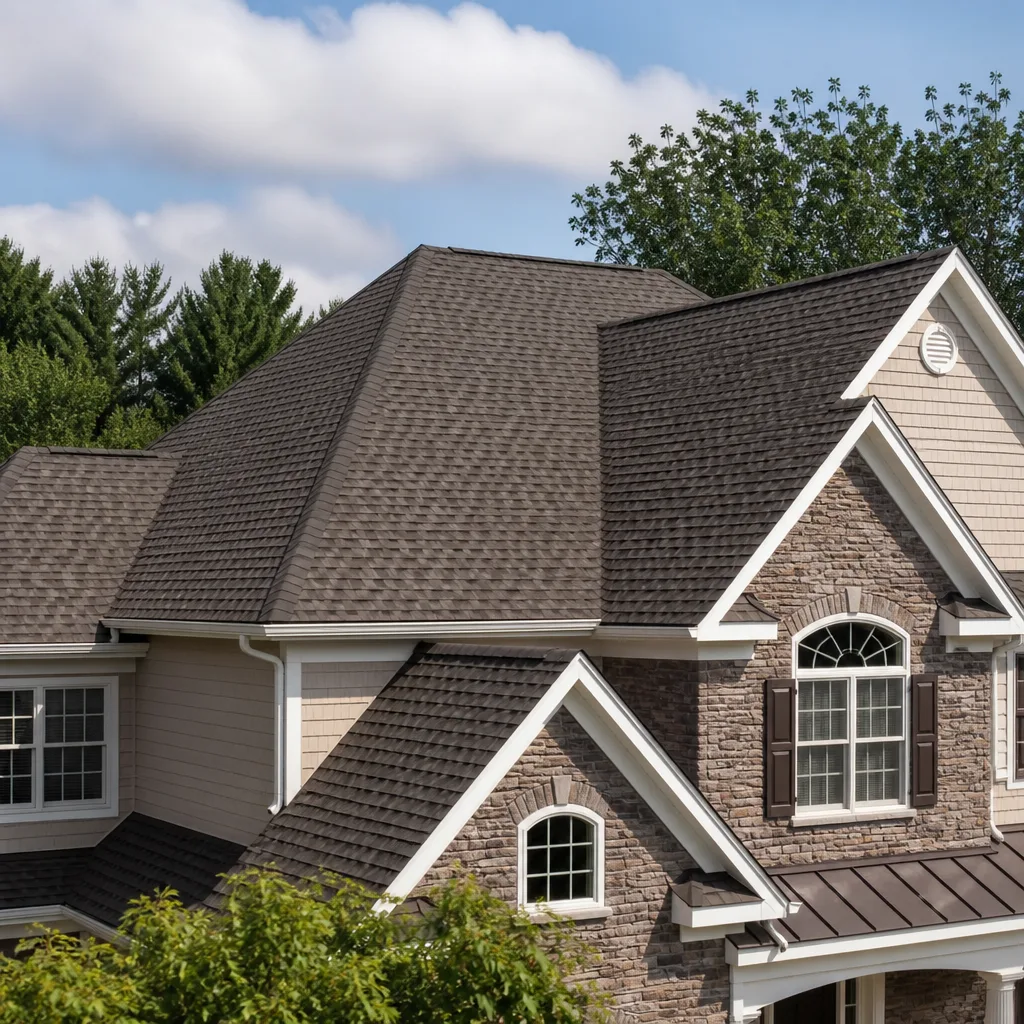
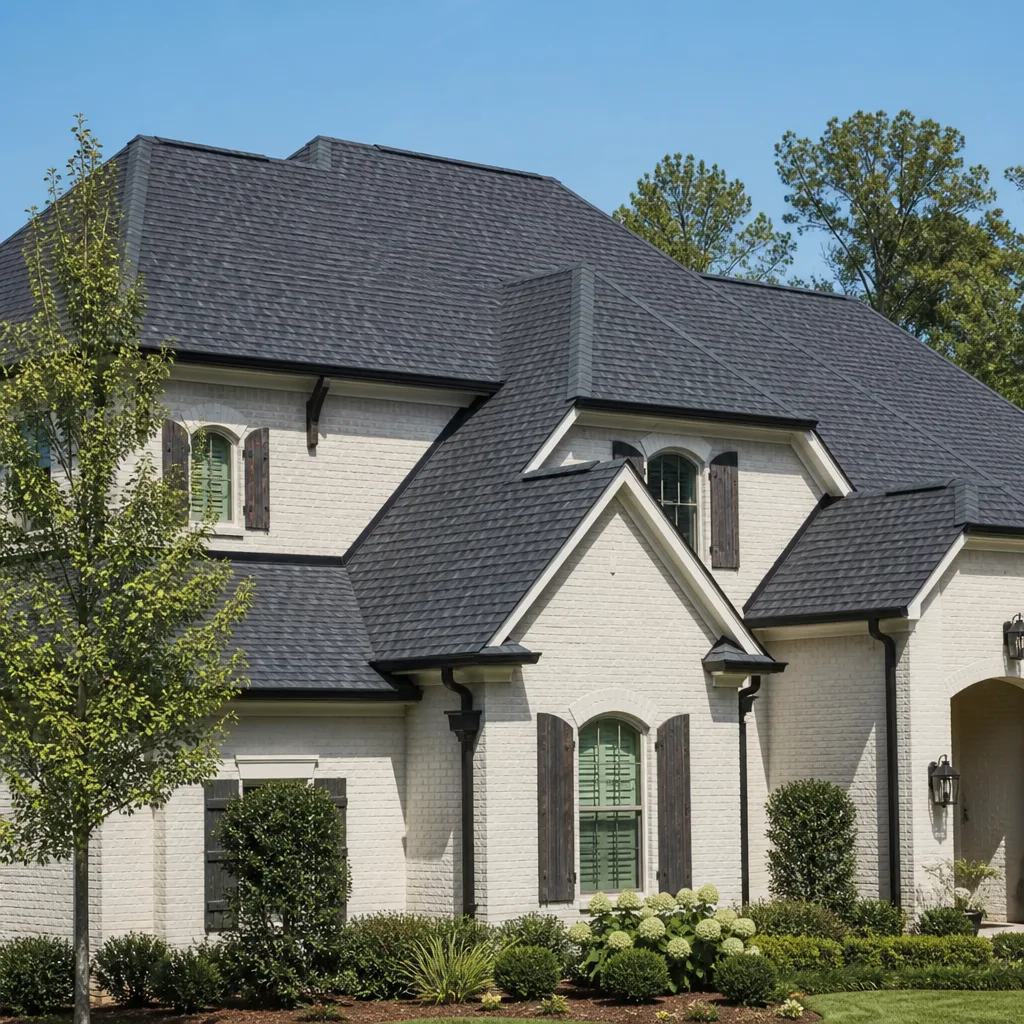
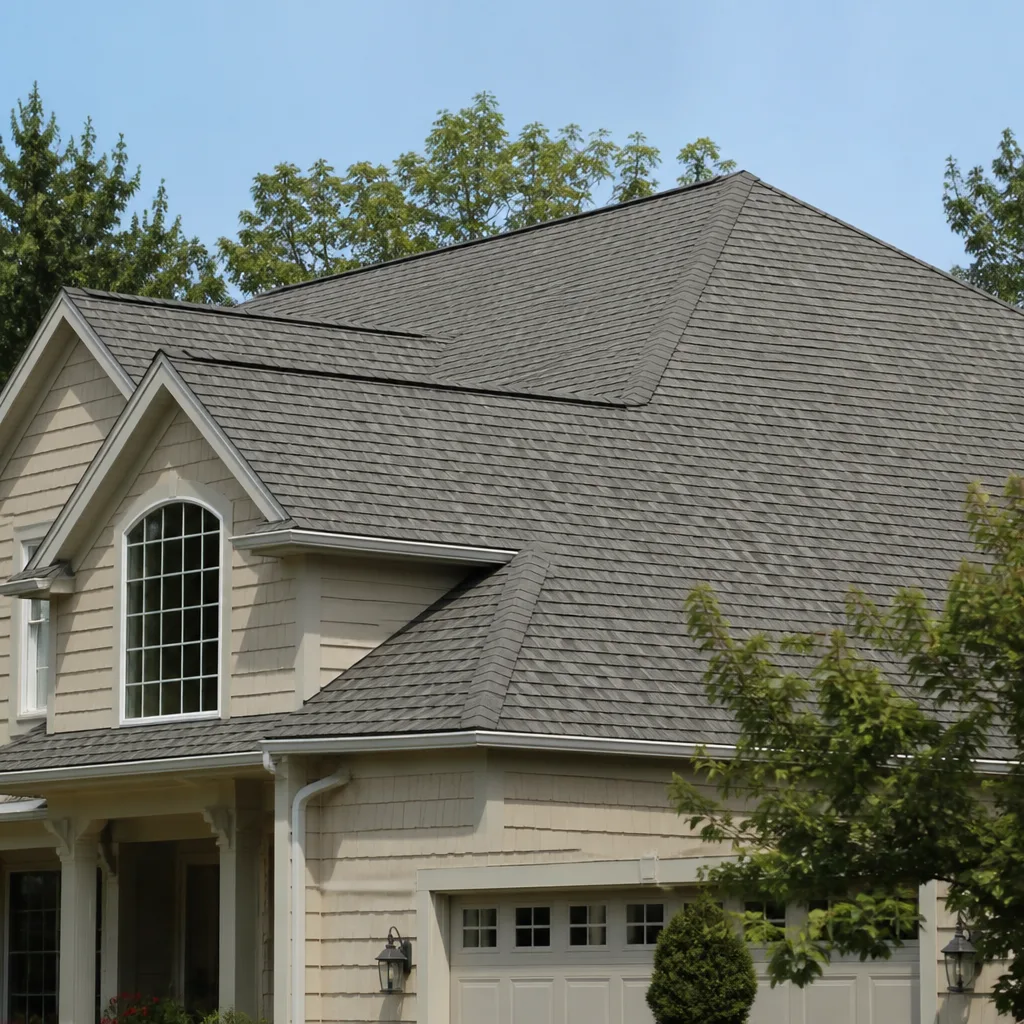
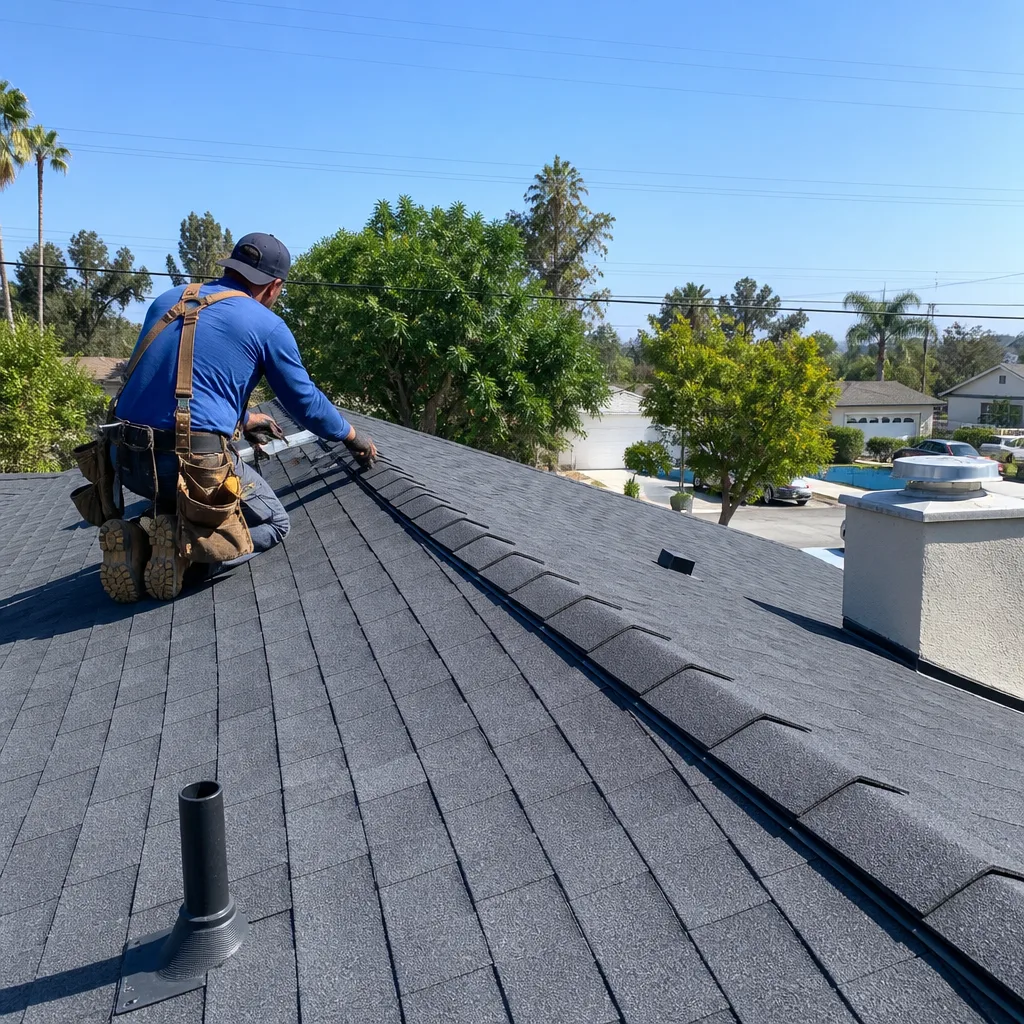
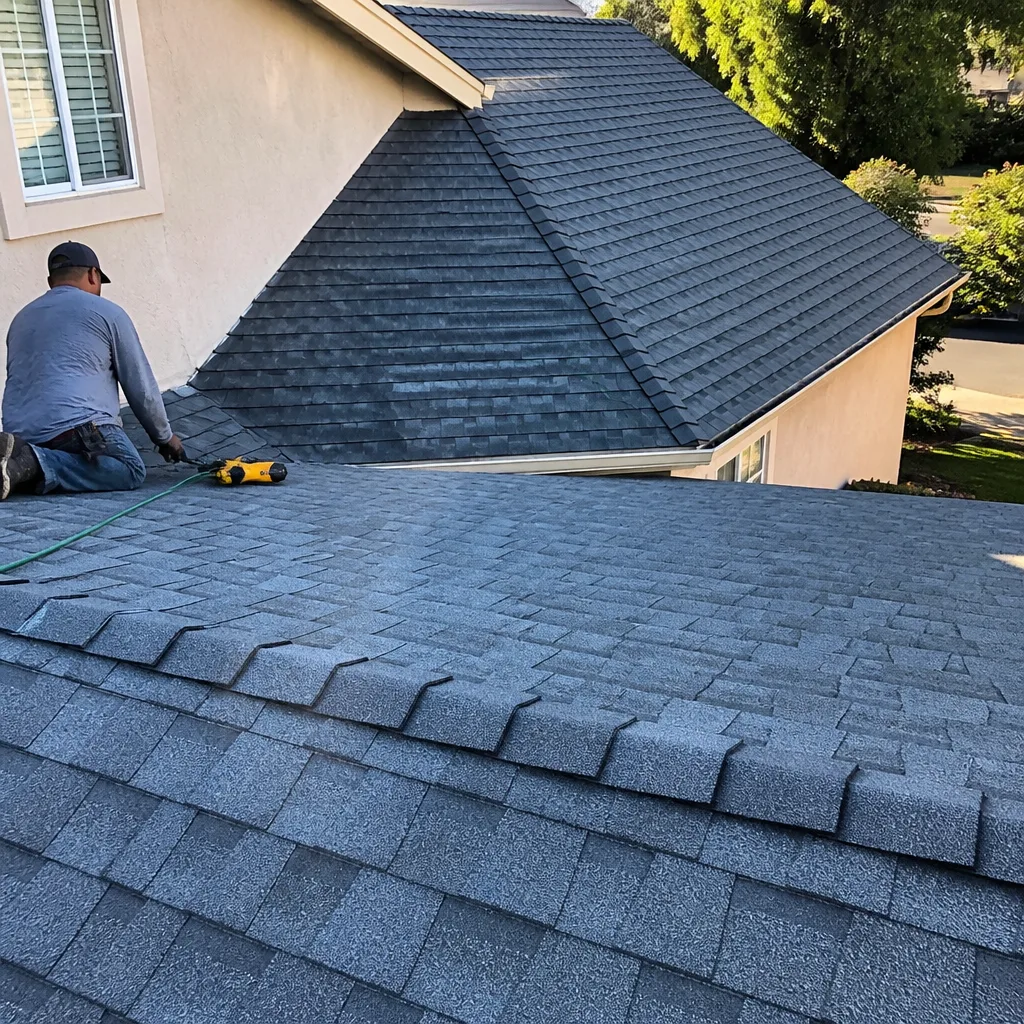
Asphalt shingles are the most common roof in the country, and for good reason. They cost less than most options, they suit nearly every home style, and a good crew can install one in two to four days. We install architectural (laminated) shingles from GAF, Tamko and Atlas, which are thicker than old three-tab shingles and hold up better in wind and hail.
The details decide how long a shingle roof lasts. We nail in the nail line, not above it, use the right number of fasteners per shingle, and offset every course the way the manufacturer requires. A properly installed shingle roof lasts 20 to 30 years in most climates. Pick a color before we start and we will help you match it to your siding and trim.
Standing Seam Metal Roof
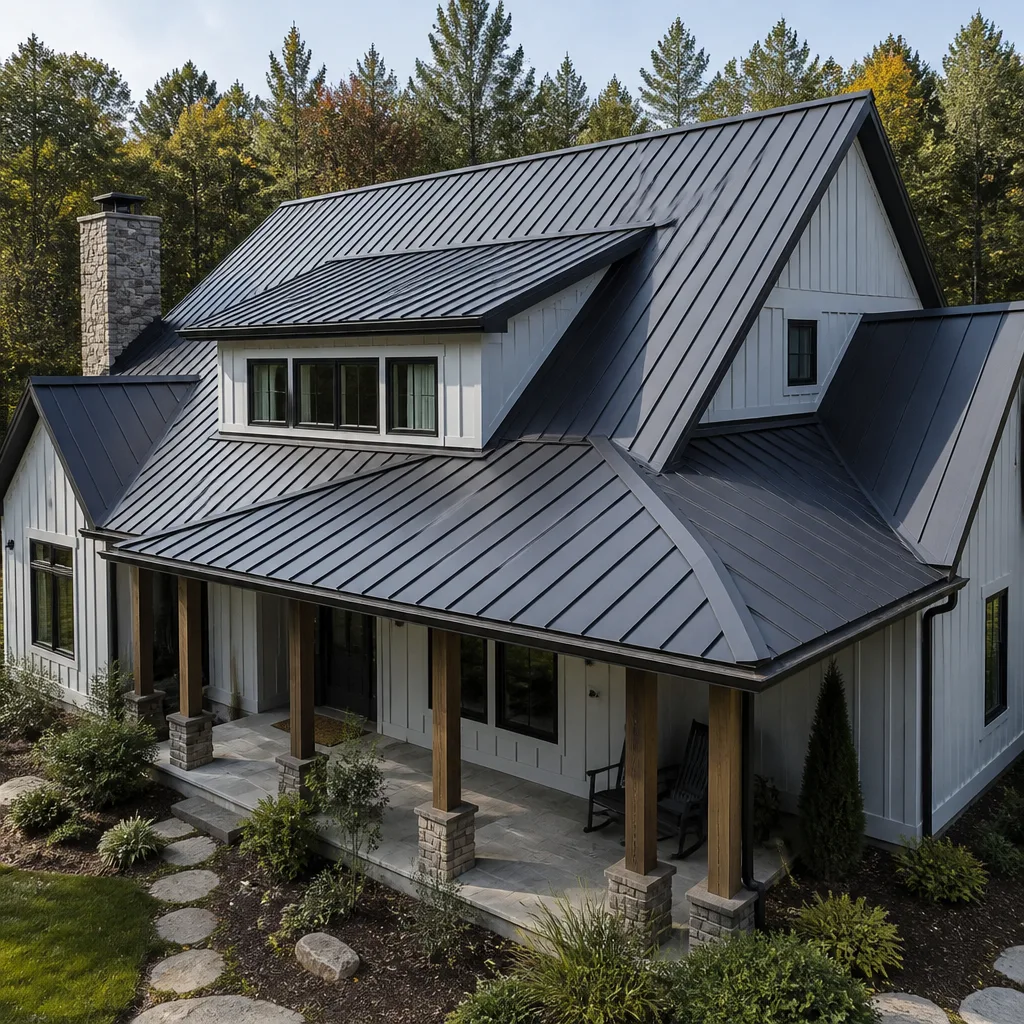
A standing seam metal roof has raised seams with hidden fasteners, so there are no exposed screw heads to back out over time. Panels are cut to the length of the roof slope and locked together, which makes the surface very good at shedding rain, snow and debris. It is the roof to choose if you plan to stay in the home for decades.
Metal costs more up front than shingles, but it commonly lasts 40 to 60 years and many homeowners see lower cooling bills with reflective finishes. Installation takes real skill, because panels must expand and contract freely. Our metal roof installation page goes deeper on panel types, gauges and finishes.
Tile Roof
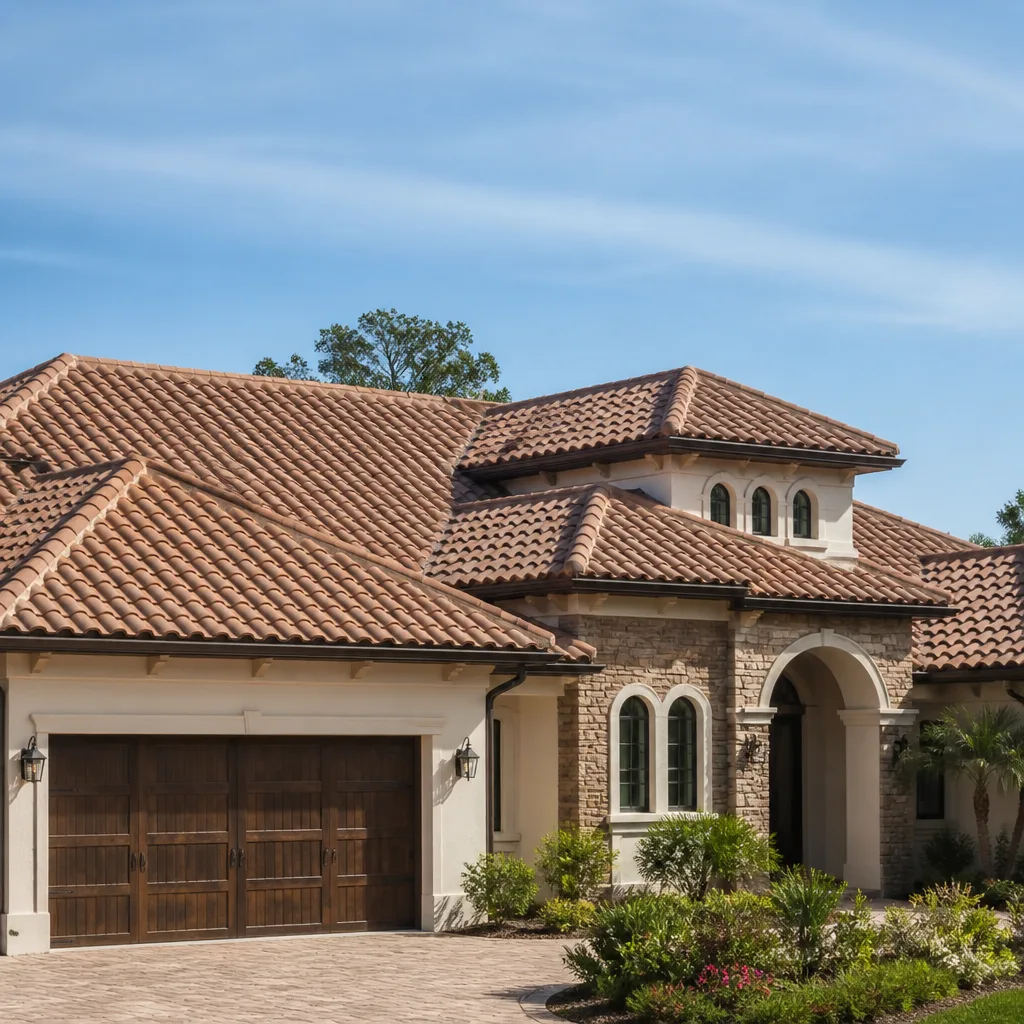
Clay and concrete tile give a home a look that shingles cannot copy, and they handle heat and sun well. Tile is also heavy, often 800 to 1,200 pounds per hundred square feet, so we check that your framing can carry the load before we quote. If it cannot, we tell you what reinforcement costs rather than hiding it.
Good tile work depends on what sits under the tile. The underlayment does most of the waterproofing, and the tile is the weather shield on top. We use high-temperature underlayment, set tiles on battens or foam adhesive per the maker’s instructions, and fasten the perimeter and ridge tiles so wind cannot lift them.
Roof Ventilation
Heat and moisture build up in an attic whether you notice or not. In summer a poorly vented attic can pass 150 degrees, which bakes shingles and drives up your air conditioning bill. In winter, warm indoor air carries moisture into the attic where it condenses on cold wood and invites mold.
We install ridge vents, soffit vents, or a mix of both, sized to the attic floor area. The rule of thumb is one square foot of vent for every 150 square feet of attic, split between intake and exhaust. We also check that insulation is not blocking the soffit openings, since that is the most common reason vents fail to work.
Roof Flashing Installation
Flashing is thin metal, but it does the hardest job on the roof. It seals the places where the roof meets something else: a chimney, a sidewall, a skylight, a plumbing vent, a valley. Most roof leaks start at flashing, not in the middle of a shingle field.
On every installation we cut in new step flashing along walls, counter-flashing on chimneys, pipe boots on vents and open or closed valleys as the roof design calls for. We use galvanized or aluminum metal that will not rust through before the shingles wear out. If you have a leak at a single joint, our flat roof repair and storm repair crews can often fix it without a new roof.
TPO Roofing Installation
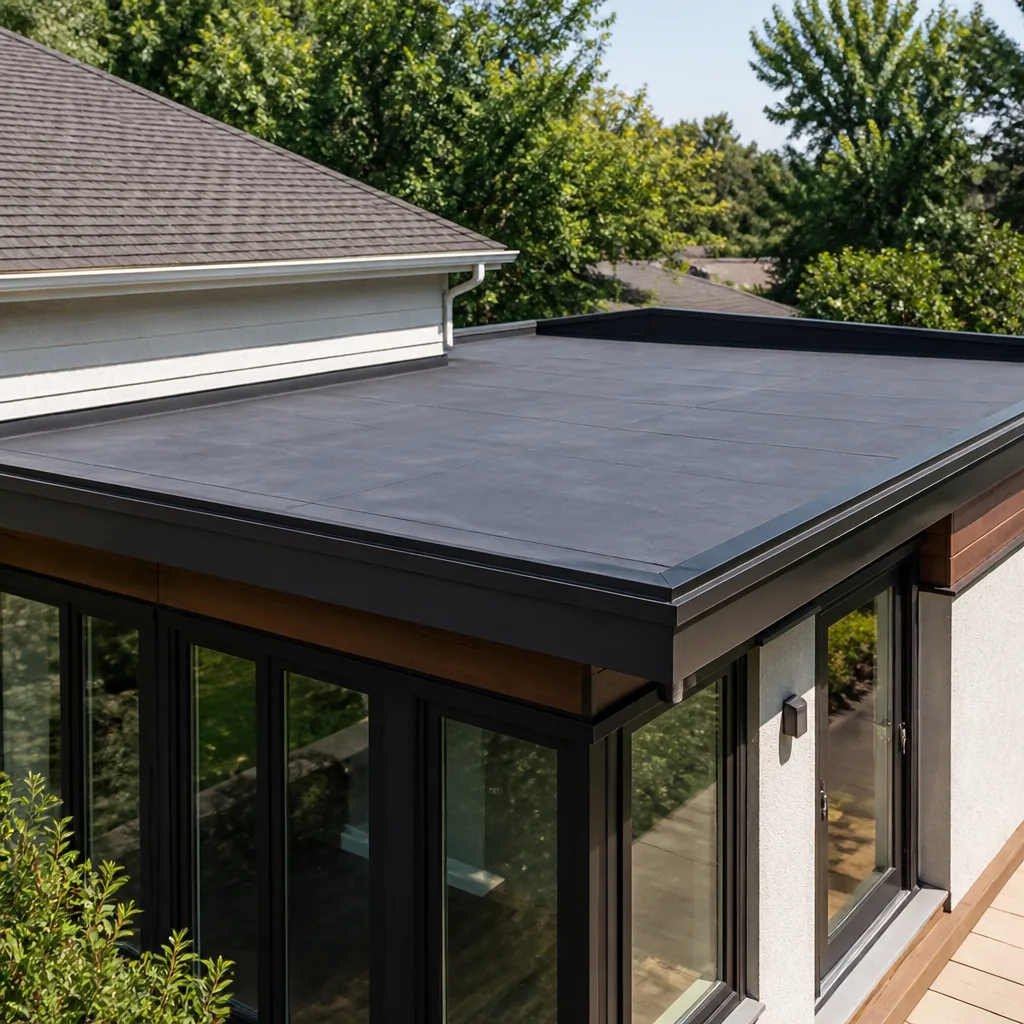
TPO is a single-ply white membrane used on flat and low-slope roofs, common on additions, porches, and commercial buildings. The white surface reflects sunlight, which keeps the space under it cooler. Seams are welded with hot air, so they become part of the membrane instead of a glued joint that can peel.
We install TPO over rigid insulation board, mechanically fastened or fully adhered depending on the building and local wind rating. Details such as corners, drains, curbs and parapet walls are where a TPO roof fails, so we use pre-formed corners and hand-weld each penetration. Typical life is 20 to 30 years with a yearly check.
Our Roof Installation Process, Step by Step
Under the guidance of Greg Holloway, our crews follow the same steps on every job, which keeps the work consistent from one home to the next.
- 1
Inspection and Measurement: We measure the roof by hand and check the deck, flashing and attic. Satellite photos miss rot, so we do not rely on them alone.
- 2
Written Price and Material Choice: You get a line-item price in writing. We go over shingle, metal, tile and flat-roof options and tell you which fits your home and budget.
- 3
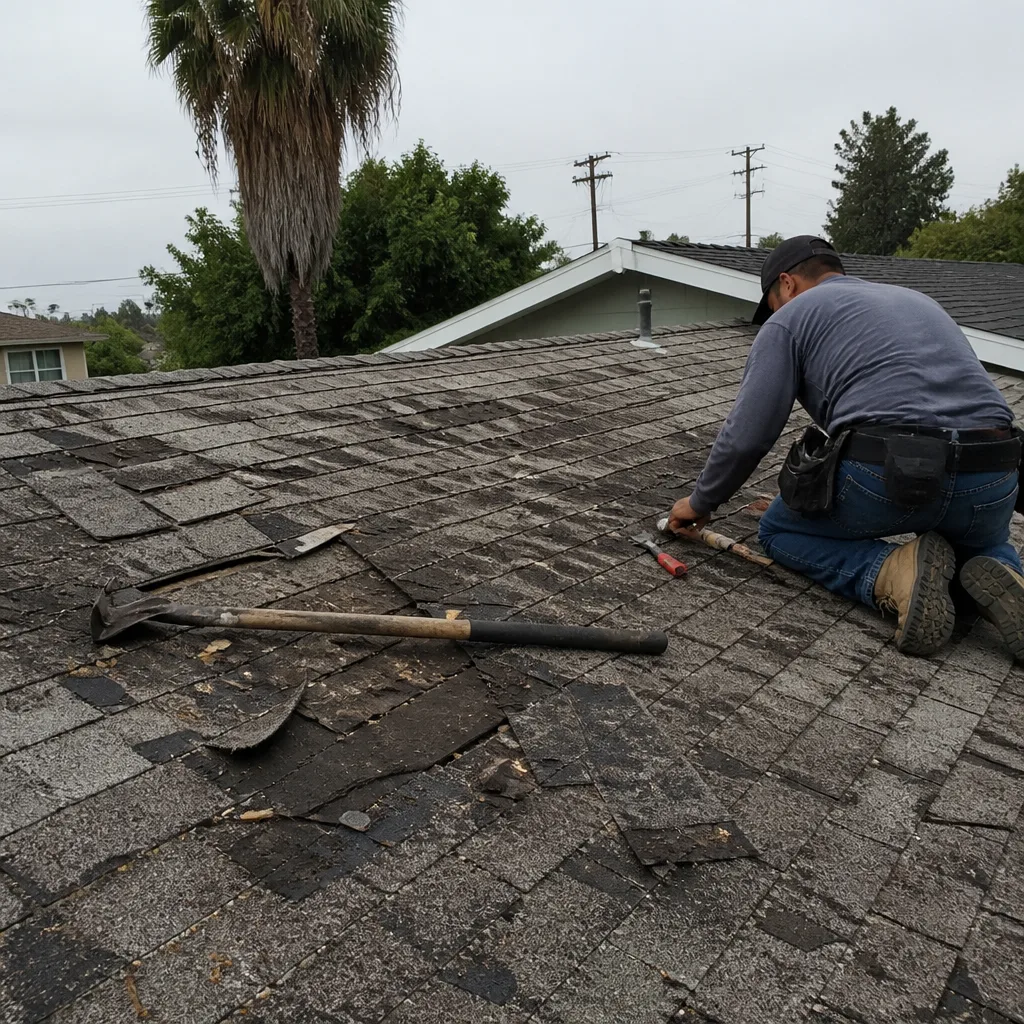
Protection and Tear-Off: We cover landscaping and siding, then strip the old roof to the deck so we can see every board.
- 4
Installation: Underlayment, flashing, vents and covering go on to the manufacturer’s written specifications, with nail placement checked as we go.
- 5
Cleanup and Walkthrough: A magnetic sweep picks up loose nails in the yard and driveway, and we walk the finished roof with you before we leave.
How Much Does Roof Installation Cost?
Price depends on the size of the roof, its pitch, the material and how much deck repair turns up. As a rough range, asphalt shingles run about $8,000 to $20,000 for an average home, standing seam metal costs more, and tile and TPO fall in between depending on the job. These are ballpark numbers, so the only real price is a written one for your roof.
We never change the number once work starts. If we find rotted decking, we show you the damage and give you a written change order to approve first. For help comparing options, see our roof inspection page, then call (945) 303-9821 for a free estimate.
Roof Installation Across the United States
Tilehurst Roofing works nationwide. Local building codes, wind ratings and permit rules differ from state to state, and we plan for the rules where your home is. Wherever you are, you get the same process, the same written price and the same storm damage roof repair backup if weather hits after the job. Call (945) 303-9821 and tell us where the home is.
Frequently Asked Questions About Roof Installation
Most homes take two to five days depending on size, pitch and material. Shingle roofs are usually the quickest, and tile and standing seam metal take longer. We give you a firm schedule at the estimate so you know when the crew arrives.
It depends on budget, climate and how long you plan to stay. Shingles are the best value, metal lasts the longest, and tile suits hot, dry regions. We walk through all three and give you a price for each so you can compare.
Yes. We handle permits where they are required and build the cost into the written quote, so you do not chase paperwork. Rules vary by city and county, and we check them before we price.
We do not layer a new roof over an old one. Stripping to the deck lets us find rot, and a layered roof traps heat and moisture and can void a manufacturer warranty.
Every job is backed by our 365-day Done Right Promise. If our work fails within one year, we come back and fix it at no charge, and we put that promise in writing before we leave.
Call (945) 303-9821 and a real person will answer. We ask a few questions, set up a visit, and give you a written, line-item price. Estimates are free.
Schedule Your Roof Installation Today
If you want a roofing company that answers the phone, gives you a written price before starting, and backs the work with a 365-day guarantee, call Tilehurst Roofing at (945) 303-9821. We will give you a no-obligation estimate and a straight answer.
Written by Greg Holloway, Owner at Tilehurst Roofing, installing roofs across the United States since 2000.