
Last updated October 8, 2026
Free roof inspection with deck photos before we talk money - GAF and Owens Corning certified installation
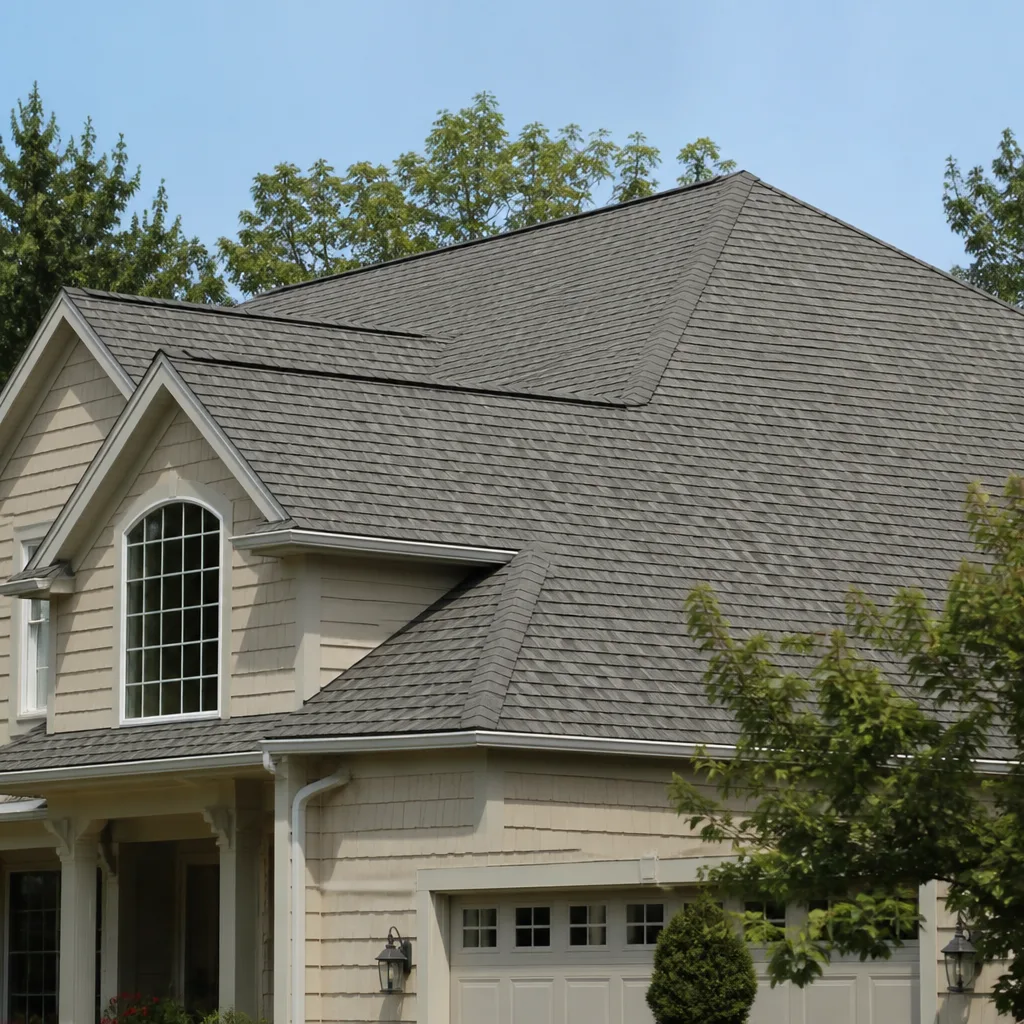
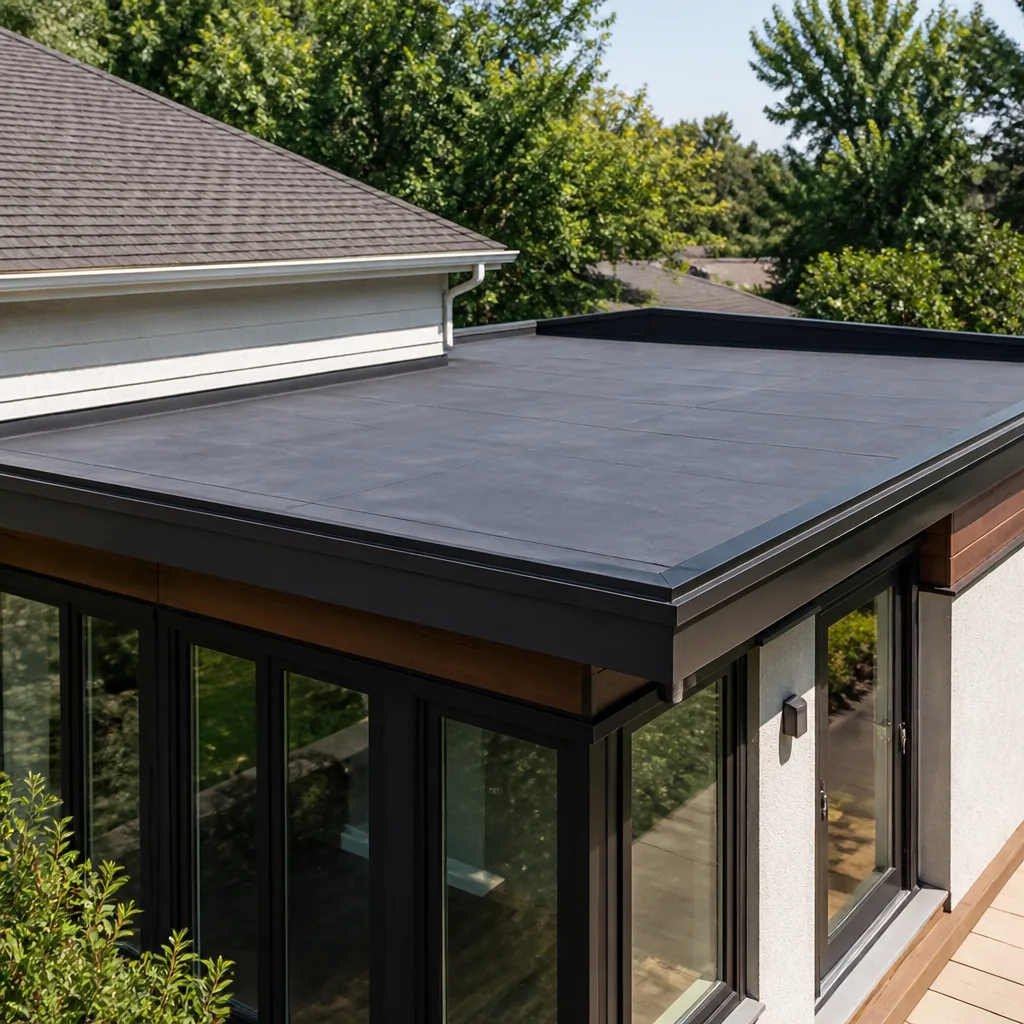
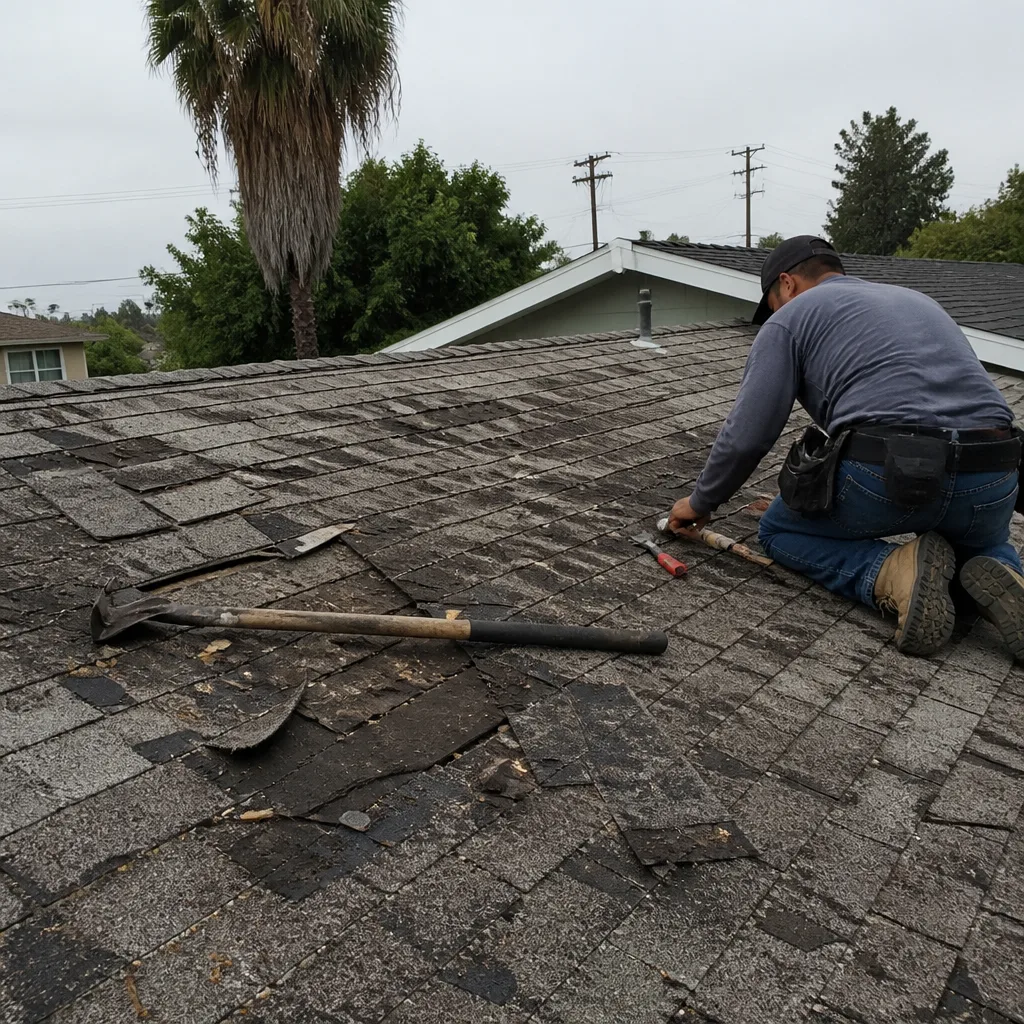 Before
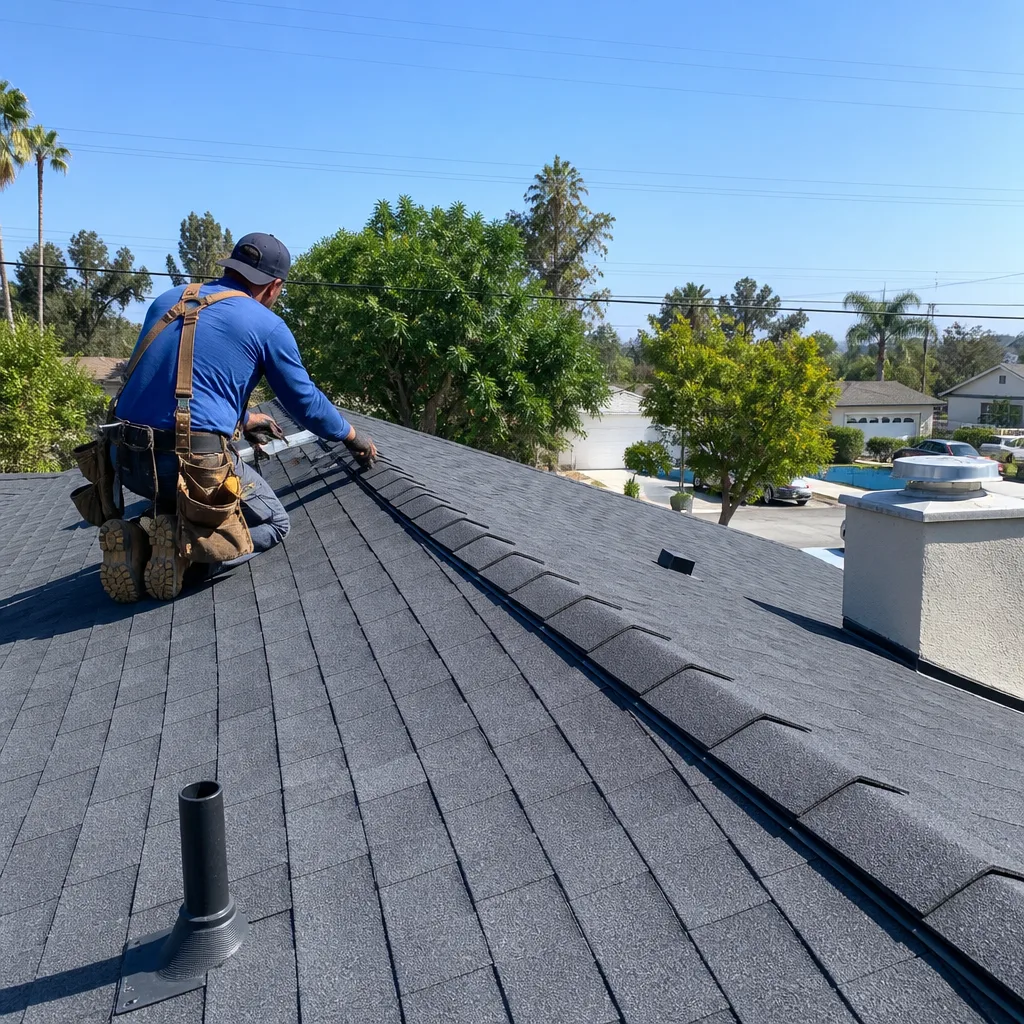 After
After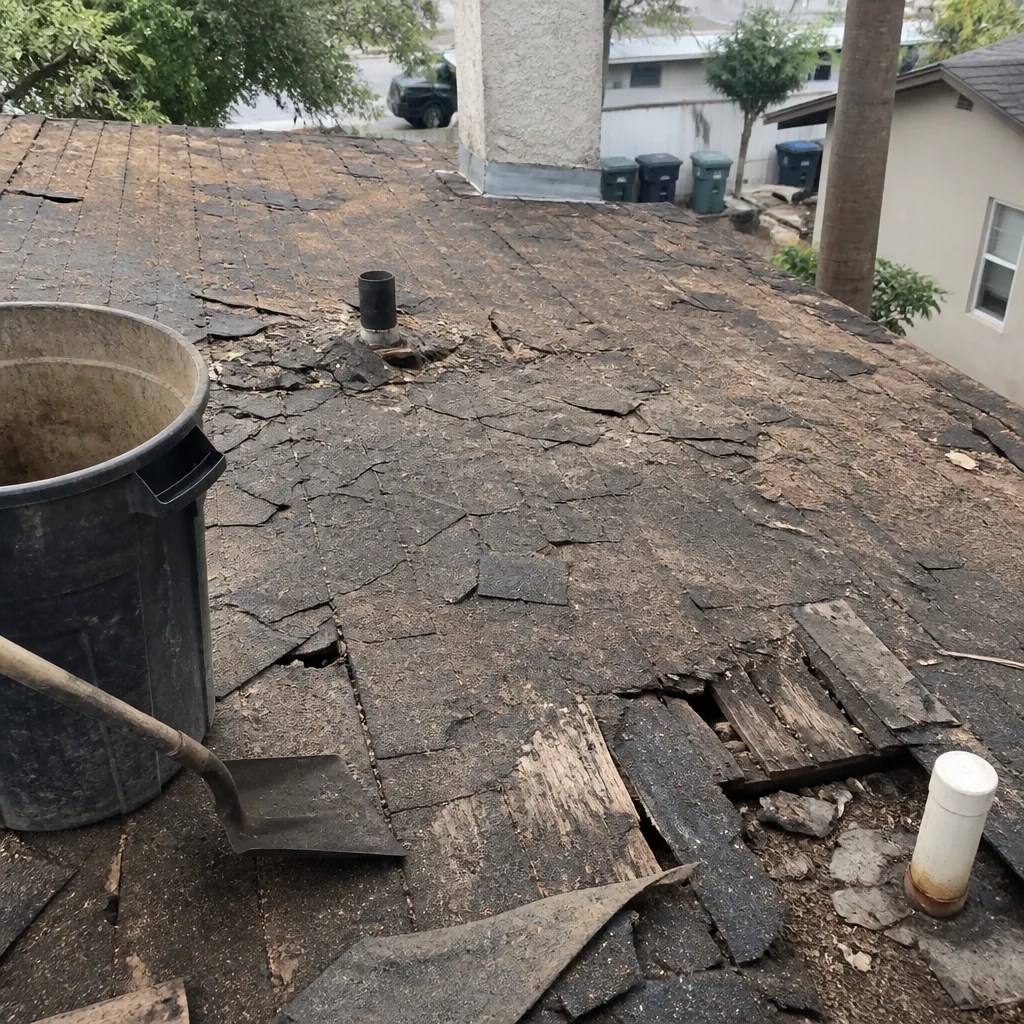 Before
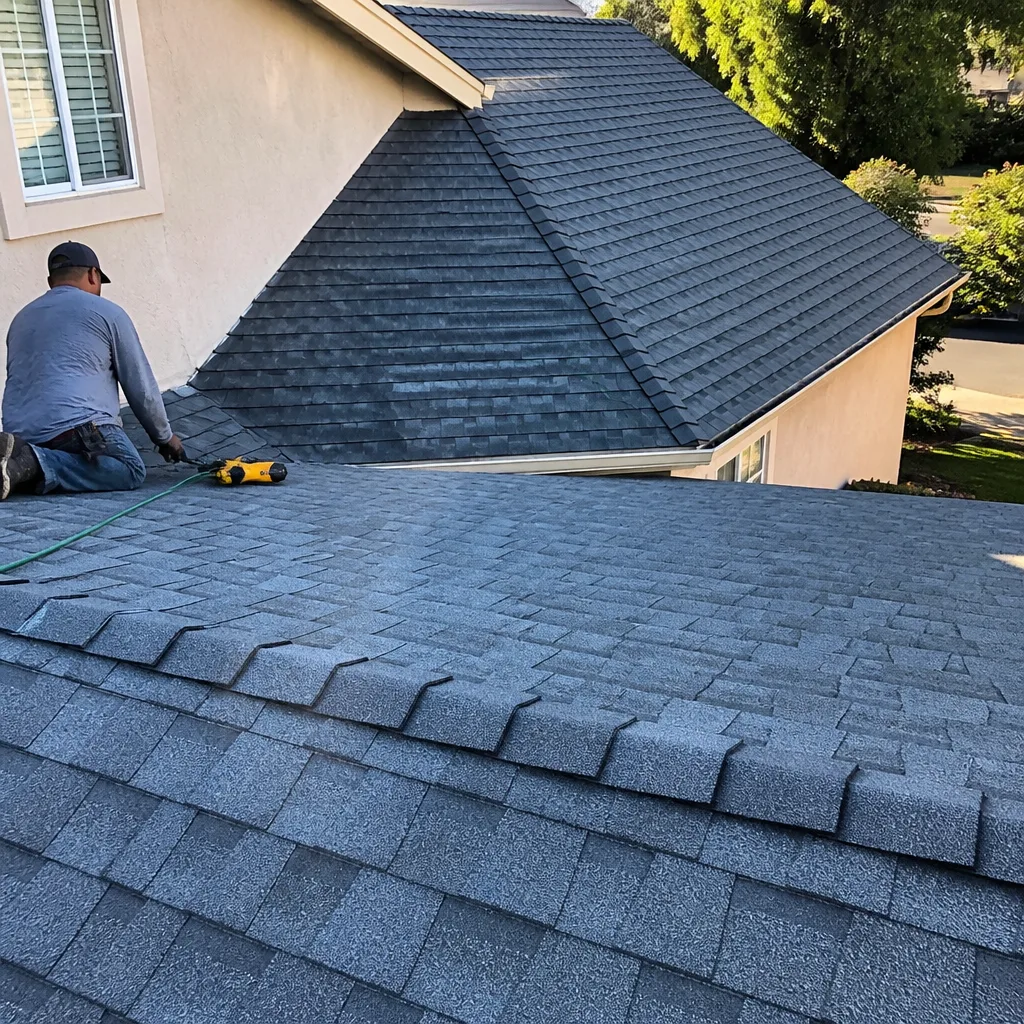 After
After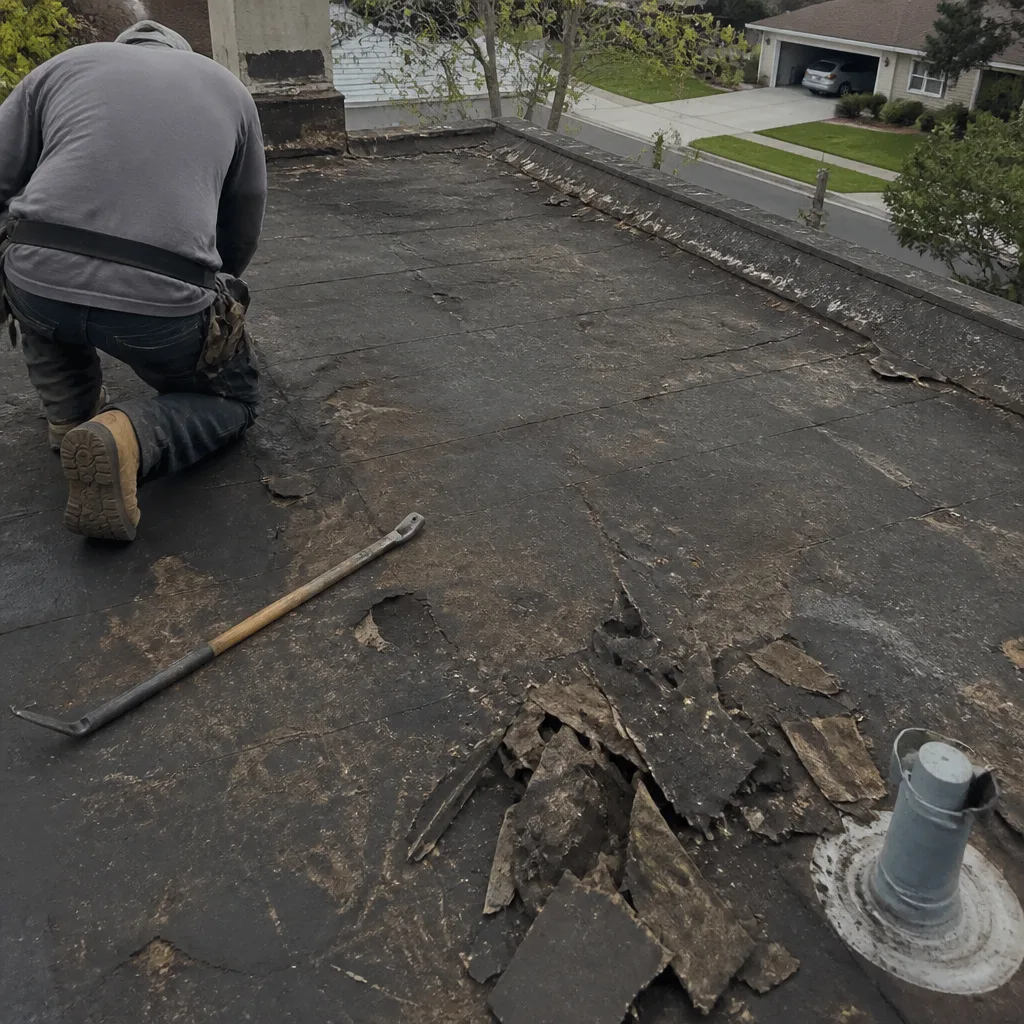 Before
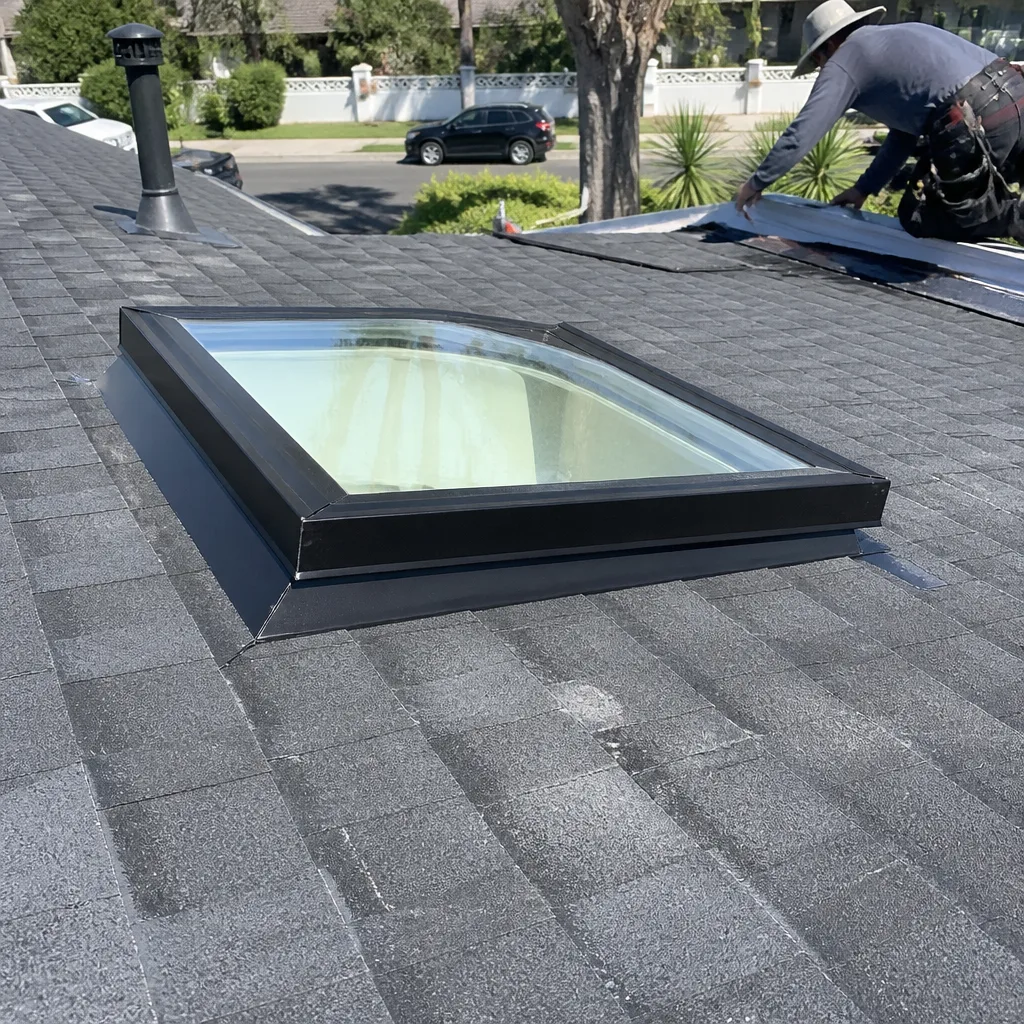 After
AfterThe Complete Guide to Roofing in Los Angeles
Los Angeles gets roughly 284 sunny days a year, yet UV degradation quietly destroys more roofs here than rain ever has - and most contractors won’t mention that in their pitch. Homeowners across the city assume their roof is fine because “it never rains,” then face $15,000-$40,000 in water damage from a single January storm that finds every cracked shingle and lifted flashing. In this guide, we’ll map Los Angeles’s five distinct roofing microclimates, explain why the city’s building codes treat cool roofs as mandatory in many zones, and show you exactly what belongs in a written scope of work before any crew climbs your ladder. For more guides & resources, visit our blog.
Quick Answer
Roofing in Los Angeles requires matching your materials and maintenance schedule to your specific microclimate - coastal marine layer, Valley heat, basin smog, hillside wind, or canyon fire exposure - rather than accepting one-size-fits-all advice. A properly specified roof in Los Angeles lasts 20-50 years depending on material, but only if it meets Title 24 cool-roof requirements for re-roofing projects and includes fire-resistant ratings for hillside zones. Expect asphalt shingle replacement to run $8,500-$18,000 for a typical 2,000-square-foot home, with clay tile, concrete tile, and composite systems ranging higher based on structural load and access difficulty.
Table of Contents
- How Los Angeles Microclimates Shape Your Roof
- Roofing Materials That Actually Work Here
- Title 24 Cool-Roof Requirements Explained
- Hillside and Canyon Homes: Hidden Costs and Risks
- The Maintenance Schedule LA Homeowners Ignore
- What Your Written Scope of Work Must Include
- Common Mistakes to Avoid
- When to Call a Professional
- Frequently Asked Questions
How Los Angeles Microclimates Shape Your Roof
Los Angeles isn’t one weather pattern stretched across 500 square miles. It’s five distinct zones, and your roof’s enemy changes depending on which one you wake up in.
Coastal Zone - Santa Monica, Venice, Playa del Rey, San Pedro: The marine layer rolls in most mornings from May through August, depositing salt-laden moisture that corrodes metal flashing and accelerates algae growth on asphalt shingles. We’ve seen 12-year-old roofs in Venice with black streaking that looks like 25 years of neglect. Materials here need enhanced corrosion resistance and regular cleaning cycles. Clay tile performs well because it sheds salt and breathes, but the underlayment beneath it degrades faster in persistent dampness.
San Fernando Valley - Van Nuys, Northridge, Encino, Woodland Hills: Summer temperatures regularly hit 105°F, and asphalt shingles bake. The thermal cycling - 60°F swings between dawn and mid-afternoon - causes expansion and contraction that cracks shingles and separates seams. In our experience, Valley roofs need reflective or “cool” rated materials not as an efficiency bonus, but as a survival requirement. A standard dark shingle in Woodland Hills loses 30-40% of its rated lifespan.
LA Basin - Downtown, Koreatown, Mid-City: Smog and particulate matter settle into granular surfaces, creating a film that traps heat and accelerates chemical breakdown. Rain is infrequent but often intense, and the flat or low-slope pitches common in these neighborhoods pool water if drains clog. Built-up roofing and modified bitumen systems dominate here, but they need proactive maintenance.
Hillside Zones - Hollywood Hills, Bel Air, Pacific Palisades ridges, Mount Washington: Wind uplift is the primary threat. Santa Ana events can sustain 60+ mph gusts, and poorly secured tiles become projectiles. Fire-resistant ratings are mandatory in many hillside areas under Los Angeles County and city brush clearance codes. Access constraints mean every material choice must account for how crews will transport it to the ridge.
Canyon Homes - Laurel Canyon, Topanga, Benedict Canyon: Compounded risks: debris accumulation from overhanging oak and sycamore, limited access for equipment, and some of the highest fire-hazard ratings in the state. These roofs need non-combustible materials, ember-resistant vents, and aggressive tree clearance protocols that most flat-lot contractors never consider.
The point: when a contractor gives you a quote without asking which zone you’re in, they’re guessing. And guessing with your roof is expensive.
Roofing Materials That Actually Work Here
Los Angeles’s building code and climate together eliminate some popular options and elevate others. Here’s what we specify, zone by zone, and why.
Asphalt Composition Shingles
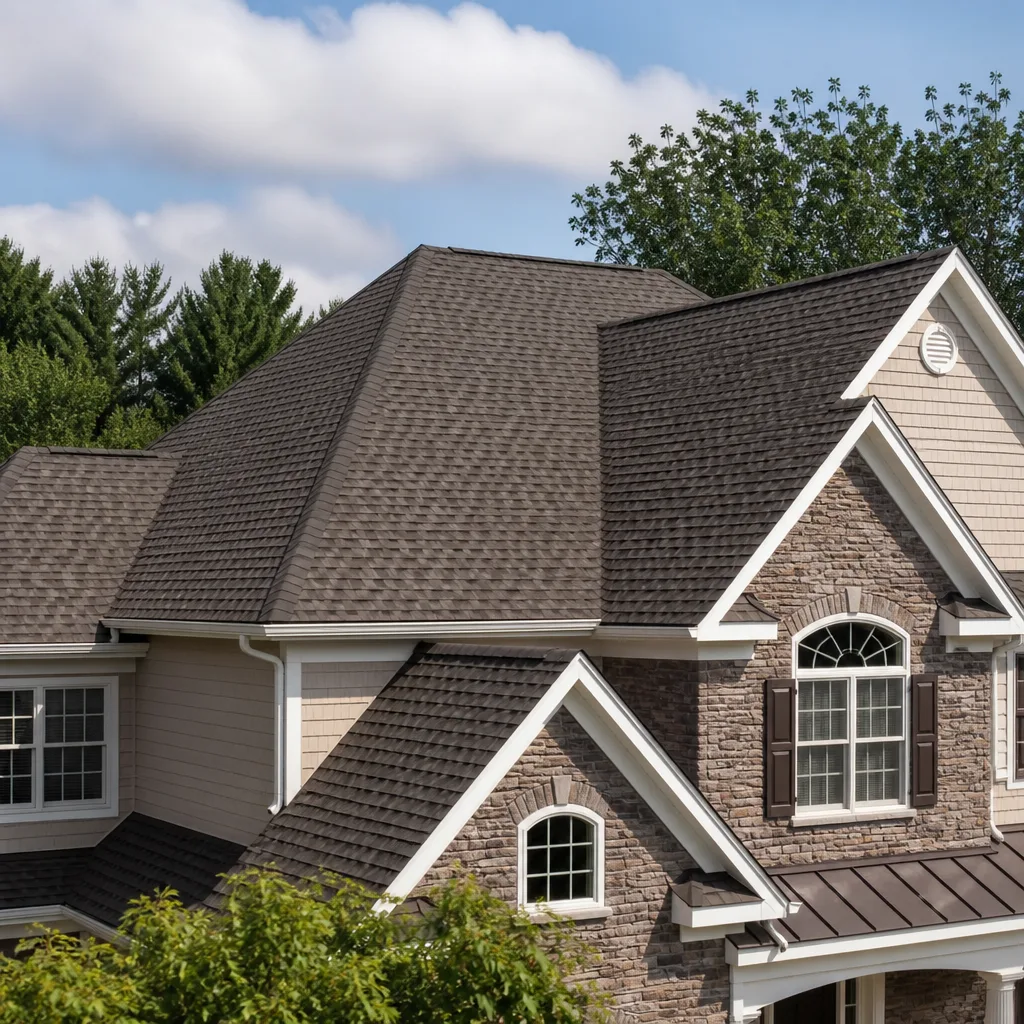
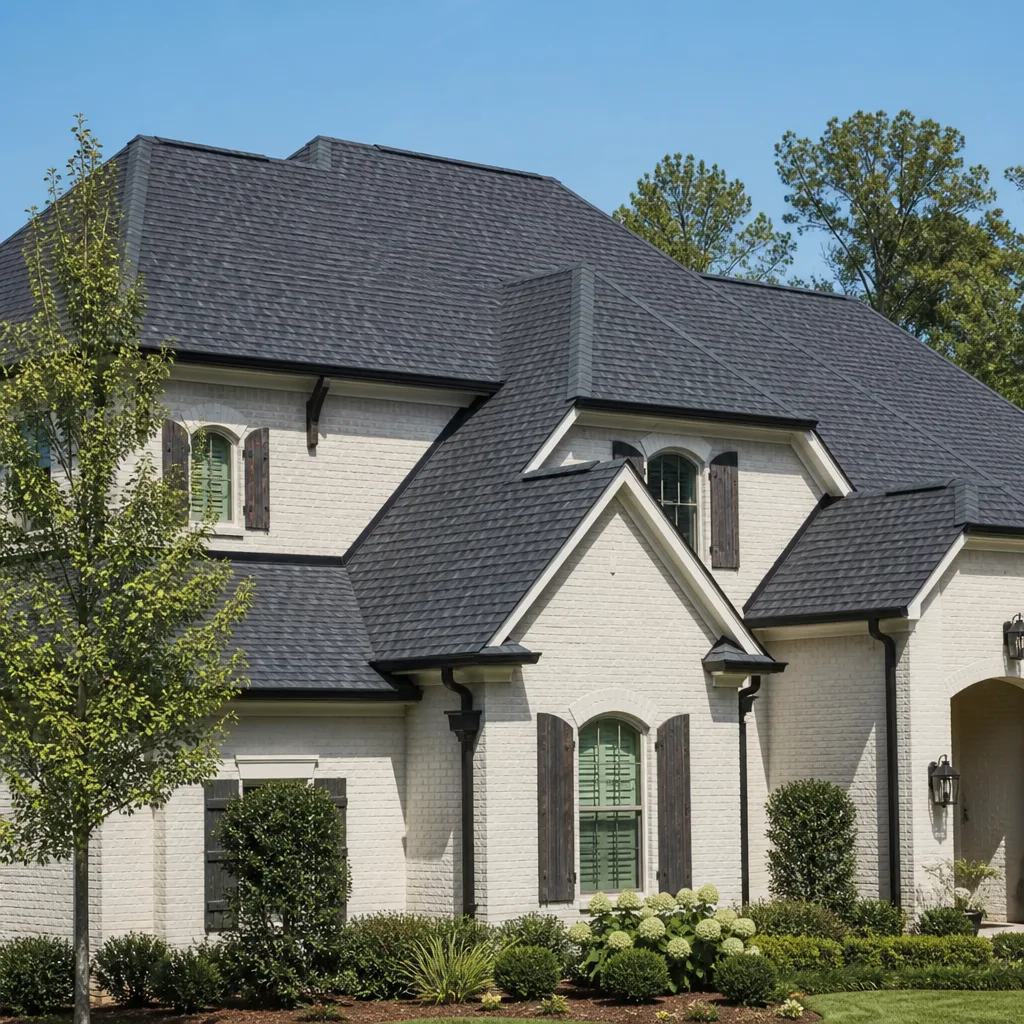
Still the most common choice for flat-lot homes in the Basin and Valley. For Los Angeles re-roofing projects, Title 24 mandates cool-roof rated shingles in most climate zones - look for the CRRC (Cool Roof Rating Council) label. We specify Atlas, Tamko, and GAF cool-series products that meet these requirements without the institutional look of white membrane roofing. Typical installed cost: $8,500-$18,000 for 2,000 square feet. Lifespan in Valley heat: 18-25 years with proper ventilation.
Clay and Concrete Tile
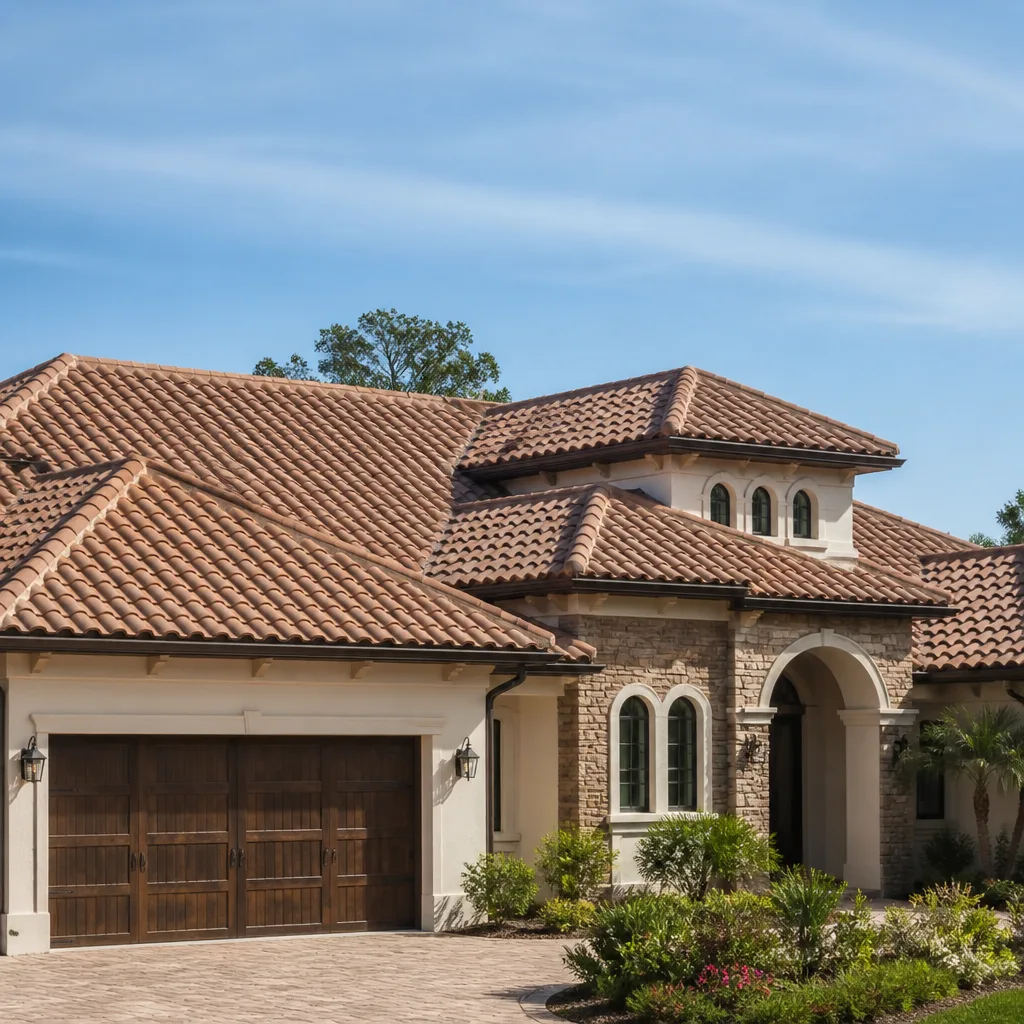
The historical standard for Spanish and Mediterranean architecture across Los Angeles, and for good reason. Tile handles UV, fire, and salt exposure better than any asphalt product. Boral and Eagle Roofing Products (distributed through multiple suppliers) offer lightweight concrete options that reduce structural load concerns on older homes. The catch: tile roofs fail at the underlayment, not the tile. In coastal zones, that underlayment needs replacement every 20-25 years even if the tile looks fine. Access surcharges for steep pitches or hillside locations can add $2,000-$5,000.
Composite/Synthetic Materials
Polymer-based tiles and shakes that mimic wood or slate have gained traction in fire-prone hillside zones where real wood is prohibited. Brands like DaVinci and CeDUR (available through select distributors) carry Class A fire ratings and resist UV degradation. They’re lighter than clay or concrete, which matters for retrofit applications. Premium pricing: 20-40% above standard asphalt.
Low-Slope Systems
Flat roofs on modernist homes, ADUs, and commercial-adjacent residential in Los Angeles need different solutions. TPO (thermoplastic polyolefin) and PVC membranes dominate new construction for their reflective properties. Modified bitumen remains common for recover applications. The critical detail: slope and drainage. A “flat” roof needs minimum 1/4 inch per foot slope, and Los Angeles’s intermittent heavy rains will find any ponding area.
Metal Roofing
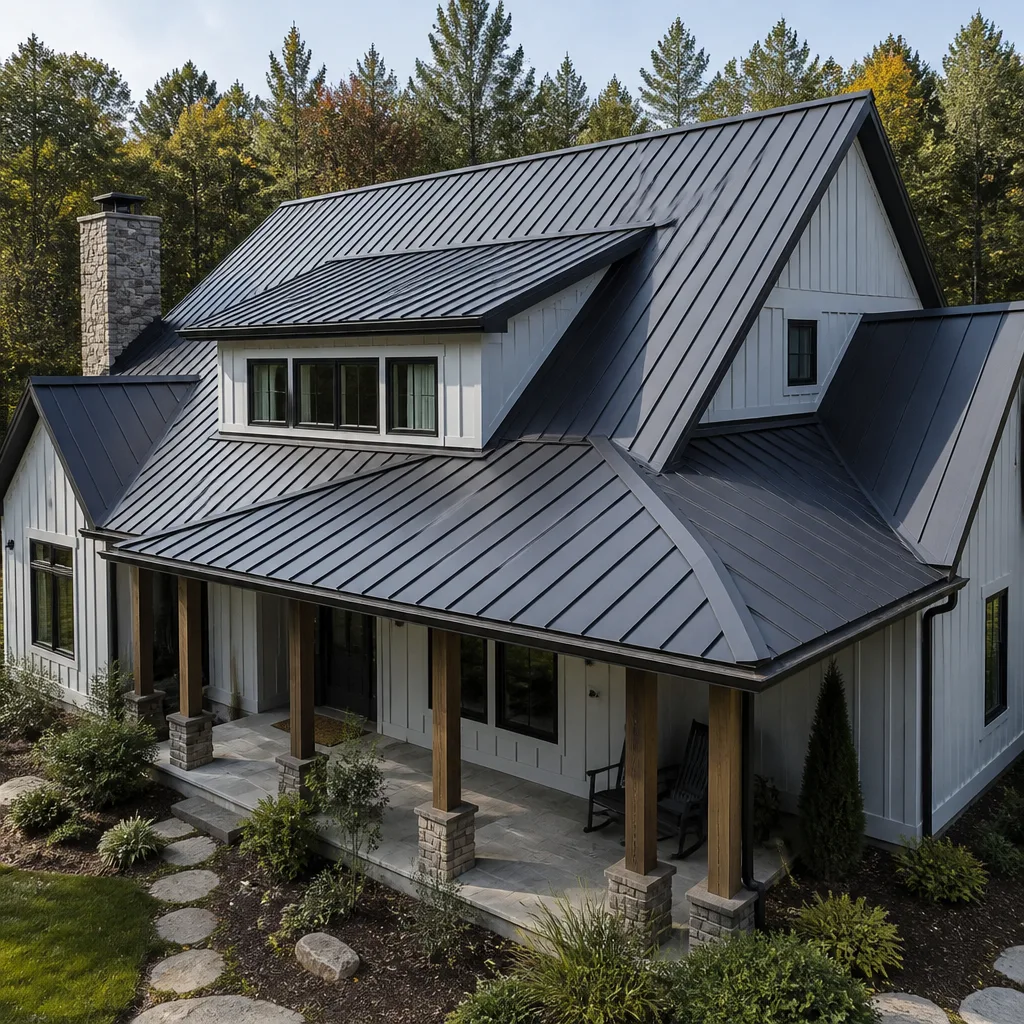
Standing seam and metal shingle systems perform exceptionally in fire zones and coastal environments, but the upfront cost - $18,000-$35,000 for typical residential - limits adoption. We specify metal for hillside custom homes and for homeowners planning 30+ year ownership. The reflective pigments available from manufacturers like ATAS and McElroy reduce heat gain below that of dark asphalt.
Material selection isn’t about preference. It’s about matching the product’s failure modes to the stresses your specific zone applies.
Title 24 Cool-Roof Requirements Explained
California’s Title 24 Building Energy Standards aren’t optional suggestions. For Los Angeles homeowners, they create a fork in the road at every roofing decision: repair versus re-roof, and prescriptive versus performance compliance.
The basic rule: If you’re removing more than 50% of your existing roof covering in a 12-month period, you’re doing a “re-roof” under Title 24. That triggers cool-roof requirements for most Los Angeles climate zones. The prescriptive path requires materials meeting minimum solar reflectance and thermal emittance values - essentially, the roof must reflect heat rather than absorb it. The performance path allows trade-offs through whole-building energy modeling, practical mainly for custom new construction.
What this means in practice:
- Repairs under 50% of roof area: No cool-roof requirement. You can match existing materials. This is why precise scope definition matters - a contractor who tears off 60% “because it needed it” has triggered compliance obligations you didn’t budget for.
- Re-roof with insulation upgrade: If you’re also adding or upgrading attic insulation to meet current R-value requirements, you may qualify for limited exemptions. But the documentation burden falls on you, not the contractor, if the inspector disagrees.
- Low-slope versus steep-slope: Different reflectance thresholds apply. Low-slope (less than 2:12 pitch) faces stricter requirements because flat roofs absorb more direct radiation. Most Los Angeles flat-roof re-roofs now specify white or light gray TPO/PVC, or coated modified bitumen.
- Hillside fire zones: Cool-roof and fire-resistant requirements overlap but don’t duplicate. A Class A fire-rated tile may or may not meet cool-roof reflectance standards. We verify both ratings before specifying any material for hillside Los Angeles properties.
The penalty for non-compliance isn’t immediate, but it’s real: failed inspection, rework, permit hold, and potential disclosure issues at sale. We’ve been called in to remediate jobs where the original contractor either didn’t know or didn’t disclose the Title 24 trigger. The fix always costs more than doing it right the first time.
For homeowners in Los Angeles’s hottest zones - the San Fernando Valley, parts of the Basin - cool-roof materials aren’t just code compliance. They’re operational cost reduction. A properly specified cool roof can reduce summer cooling load 10-20%, which in Valley heat translates to measurable utility savings over a 20-year roof life.
Hillside and Canyon Homes: Hidden Costs and Risks
Flat-lot roofing estimates in Los Angeles bear almost no resemblance to hillside work. If you’re in the Hollywood Hills, Bel Air, Pacific Palisades ridges, or any canyon community, three factors inflate both cost and complexity - and contractors who don’t disclose them upfront are setting you up for a mid-project surprise.
Access surcharges: Crane placement, material hoisting, and crew staging all become problems when there’s no driveway or when the driveway is a switchback. We’ve carried tile by hand up 200-foot elevations because equipment placement wasn’t feasible. That labor shows up somewhere - either in the estimate or as a change order. Our written prices include access methodology before work starts, so you’re not learning about the hoisting fee after the old roof is off.
Wind uplift and structural attachment: Santa Ana winds create uplift forces that flat-lot roofs never experience. Tile roofs in particular need enhanced fastening patterns - often twice the nail count of standard installation - and ridge caps require mechanical attachment, not just mortar. The Los Angeles Department of Building and Safety has specific wind-speed maps; hillside zones fall into higher categories. Permits in these areas trigger engineering review more often than not.
Fire-resistant assembly requirements: Los Angeles City Fire Department and LA County Fire mandate Class A roof assemblies in designated Very High Fire Hazard Severity Zones. This isn’t just the top layer - it’s the complete assembly including underlayment. Some homeowners discover their existing roof was “grandfathered” with a lower rating, and bringing it to current code requires structural modifications they hadn’t planned for. We identify this in our initial inspection and note it explicitly in the written scope.
Debris and drainage: Canyon homes collect leaves, branches, and organic material at rates that flat-lot homeowners don’t imagine. Gutters clog, drains bury, and the “no rain” assumption means nobody checks until water is inside. We specify gutter guard systems and expanded drain capacity as standard for canyon installations, not upsells.
The pattern: hillside and canyon roofing in Los Angeles is a specialty, not a variation. A contractor who treats it like a flat job with a view is a contractor you’ll be calling back.
The Maintenance Schedule LA Homeowners Ignore
Los Angeles’s “no rain” reputation is the most expensive myth in residential roofing. Here’s what actually happens: nine months of dry, UV-intense weather degrades materials incrementally. Then a single atmospheric river - January 2023, February 2024, pick your year - dumps three inches in 48 hours on a roof that hasn’t been inspected since the previous El Niño. The damage isn’t gradual. It’s catastrophic, and it’s entirely preventable.
We’ve developed this maintenance schedule based on what we’ve seen fail across Los Angeles neighborhoods:
- March (post-winter): Full inspection after rain season. Check flashing, valley drainage, gutter flow, and any lifted or cracked shingles. Document with photos for insurance baseline.
- June (pre-heat): Clean gutters and downspouts. Remove debris accumulation before it bakes into place. Check attic ventilation - blocked vents create heat buildup that accelerates shingle degradation from below.
- September (post-heat, pre-Santa Ana): Second inspection focused on UV damage, cracked caulk, and separated seams. Verify tile attachment before wind season. In hillside zones, confirm ember vent screens are intact.
- After any major wind event: Ground-level check for displaced tiles, damaged flashing, or debris impact. Call for ladder inspection if anything looks shifted.
The cost of this schedule: roughly $300-$600 annually for professional inspection and minor maintenance. The cost of skipping it: $15,000-$40,000 in interior water damage, mold remediation, and structural repair, plus the emergency premium for January service when every roofer in Los Angeles is booked two weeks out.
Coastal zone homeowners need more frequent gutter and surface cleaning - salt and algae accumulation becomes a slip hazard and accelerates metal corrosion. Valley homeowners need ventilation checks - attic temperatures over 140°F cook shingles from the underside regardless of surface reflectance.
We offer scheduled maintenance programs because we’ve seen too many Los Angeles homeowners learn this lesson the hard way. The 365-Day Done Right Promise covers our work, but it can’t cover damage from years of neglect that preceded our involvement.
What Your Written Scope of Work Must Include
Before any contractor touches your roof in Los Angeles, you need a written scope of work that specifies exactly what will be done, with what materials, to what standard, and at what price. Our Complete Roofing Company Guide for Los Angeles Homeowners explains how to evaluate contractors before you sign. Not an estimate. Not a proposal. A scope - the document that defines the contract and protects both parties.
We’ve reviewed hundreds of competitor scopes in Los Angeles. Three lines are most often left blank or vague, and all three become dispute points:
- Exact material specifications with manufacturer and product line: “GAF shingles” is meaningless. “GAF Timberline HDZ Reflector Series, Cool Roof Rating Council rated, color: Charcoal” is enforceable. We specify manufacturer, product line, color, and any performance rating (Class A fire, CRRC cool roof, Miami-Dade wind) that applies to your zone. If you’ve chosen from our seven manufacturer options - GAF, CertainTeed, Owens Corning, IKO, Atlas, Tamko, or Boral - the specific product name appears in writing.
- Extent of tear-off and decking replacement terms: “Replace damaged decking” sounds reasonable until you learn the contractor’s definition of “damaged” is “falling through.” We specify: decking inspected after tear-off, soft or delaminated sections replaced, with a per-sheet price for replacement beyond the allowance included in the base scope. No surprises, no arguments about what “damaged” meant.
- Permit responsibility and inspection schedule: In Los Angeles, permit requirements vary by jurisdiction - City of LA, LA County unincorporated, and individual municipalities each have different triggers and processes. The scope must state who pulls the permit, who attends inspections, and what happens if an inspection fails. We pull permits as standard, attend all inspections, and correct any deficiencies at our cost if they result from our work.
Beyond those three, a complete scope should include: start and completion windows (not dates - weather and discovery affect scheduling); cleanup and disposal responsibilities; warranty terms with duration and coverage specifics; and payment schedule tied to milestones, not calendar dates.
The Kingswell Way demands we say the price before the work starts, show up in the window we gave, leave the place cleaner than we found it, put the guarantee in writing, and come back if it fails. The written scope is where that commitment becomes enforceable. If a contractor won’t put it in writing, they won’t stand behind it.
Common Mistakes to Avoid
- Choosing the lowest bid without comparing scopes: A $12,000 roof and an $18,000 roof are rarely the same job. In Los Angeles, low bids often exclude permit costs, decking replacement allowances, or Title 24 compliance upgrades. We provide line-item written quotes so you can compare apples to apples.
- Ignoring ventilation: Attic ventilation isn’t an efficiency upgrade - it’s a roof lifespan requirement. In Valley heat, inadequate ventilation voids most manufacturer warranties and cuts shingle life by 40%. We calculate ventilation requirements per the 1:300 rule and specify intake and exhaust locations.
- Delaying maintenance until you see a leak: By the time water shows on your ceiling, it’s traveled through decking, insulation, and framing. In Los Angeles’s dry climate, that hidden moisture breeds mold for months before you notice. Regular inspections find problems before they’re emergencies.
- Assuming all tile roofs just need “spot repairs”: Tile lasts 50+ years, but the underlayment beneath it doesn’t. In coastal Los Angeles, we’ve removed tile that looked pristine only to find disintegrated felt and widespread decking damage. A proper inspection determines whether the problem is tile, underlayment, or both.
- Hiring unlicensed contractors for cash savings: Los Angeles has no shortage of unlicensed operators who undercut legitimate bids by 30%. They carry no workers’ compensation, no liability coverage, and no bond. If a worker falls off your roof or the job fails, you become the insurer. We are state-licensed, insured, and bonded - documentation provided on request.
- Neglecting fire-resistant requirements in hillside zones: Installing non-compliant materials in a Very High Fire Hazard Severity Zone can trigger stop-work orders, require complete removal, and create disclosure liability at sale. We verify fire zone status before specifying any material.
- Accepting verbal warranties: “We’ll take care of you” is not a warranty. Our written guarantee on every repair specifies coverage, duration, and process. The 365-Day Done Right Promise is documented before the crew leaves, not mailed later if you remember to ask.
When to Call a Professional
Some roofing situations in Los Angeles demand immediate professional assessment, not a YouTube tutorial and a weekend attempt. Call a licensed roofing contractor if you notice: water stains spreading on ceilings or walls; visible sagging in the roof plane; missing, cracked, or displaced tiles or shingles after wind events; granules accumulating in gutters (indicating asphalt shingle breakdown); or daylight visible through the roof deck from inside the attic.
These symptoms indicate active or imminent failure, and Los Angeles’s intense sun and occasional heavy rain will accelerate damage once the envelope is compromised. For hillside and canyon homes, any post-wind displacement warrants inspection - the next Santa Ana event can convert a single loose tile into multiple breaches.
We answer every call with a live person, 24 hours a day, 7 days a week - including evenings and weekends. Tilehurst Roofing offers free estimates throughout Los Angeles. Call (945) 303-9821 to schedule yours, and we’ll provide a written, line-item scope before any work begins.
Frequently Asked Questions
Asphalt shingle replacement for a typical 2,000-square-foot Los Angeles home runs $8,500-$18,000, while clay or concrete tile ranges $15,000-$35,000 and premium composite or metal systems can reach $25,000-$50,000. Hillside access, decking replacement, and Title 24 cool-roof upgrades add to base costs. Call (945) 303-9821 for a free written estimate specific to your property.
Properly installed asphalt shingles last 18-25 years in Los Angeles’s mild climate but degrade faster in Valley heat and coastal salt exposure. Clay and concrete tile can exceed 50 years for the tile itself, though underlayment needs replacement every 20-25 years. Composite and metal systems typically carry 30-50 year warranties. Regular maintenance extends any material’s effective lifespan by 20-30%.
Yes - the City of Los Angeles and most municipalities require permits for roof replacement involving more than 100 square feet or any structural modification. Re-roofing triggers Title 24 cool-roof compliance in most climate zones. We pull all required permits and schedule inspections as standard practice, included in our written scope.
Title 24 is California’s building energy efficiency standard; it affects roof repairs only when more than 50% of the roof area is removed within 12 months, which reclassifies the project as a re-roof. Most localized repairs - spot replacement of damaged sections - don’t trigger cool-roof requirements. We assess your specific scope and advise whether Title 24 compliance is required before work begins.
Los Angeles City and County maintain online maps of Very High Fire Hazard Severity Zones, generally covering hillside and canyon areas including much of the Hollywood Hills, Bel Air, Pacific Palisades ridges, and Topanga. Properties in these zones require Class A fire-rated roof assemblies. We verify fire zone status during our initial inspection and specify compliant materials automatically.
Our written price is fixed before any work begins - it’s a core Kingswell Way value. The only price adjustments occur if you request scope changes or if concealed damage (extensive rotted decking, for example) is discovered during tear-off, and even then we document with photos and obtain your written approval before proceeding. No surprises, no pressure.
The Bottom Line
Roofing in Los Angeles demands zone-specific knowledge, not generic advice. The marine layer in Venice, the Valley heat in Encino, the fire exposure in the Hollywood Hills, and the wind uplift in Pacific Palisades each create distinct requirements for materials, installation methods, and maintenance schedules. Title 24 cool-roof compliance, proper written scopes, and proactive maintenance separate roofs that last from roofs that leak. The cheapest bid rarely accounts for these factors; the informed homeowner asks the questions that reveal whether a contractor understands them.
At Tilehurst Roofing, we’ve been serving Los Angeles homeowners since 2000 as part of the Kingswell family of roofing companies. Every job begins with a written price before any work starts. Every repair carries a written guarantee. If a repair fails inside the guarantee period, we return at no charge. That’s the 365-Day Done Right Promise, and it’s how we’ve built our reputation across this city’s diverse neighborhoods.
Ready to understand what your specific Los Angeles property needs? Call (945) 303-9821 to schedule your free estimate. A live person will answer, 24 hours a day, and you’ll have a written, line-item scope in hand before any crew arrives.
Written by Greg Holloway, Owner at Tilehurst Roofing, serving Los Angeles since 2000.