
Last updated October 8, 2026
Free roof inspection with deck photos before we talk money - GAF and Owens Corning certified installation
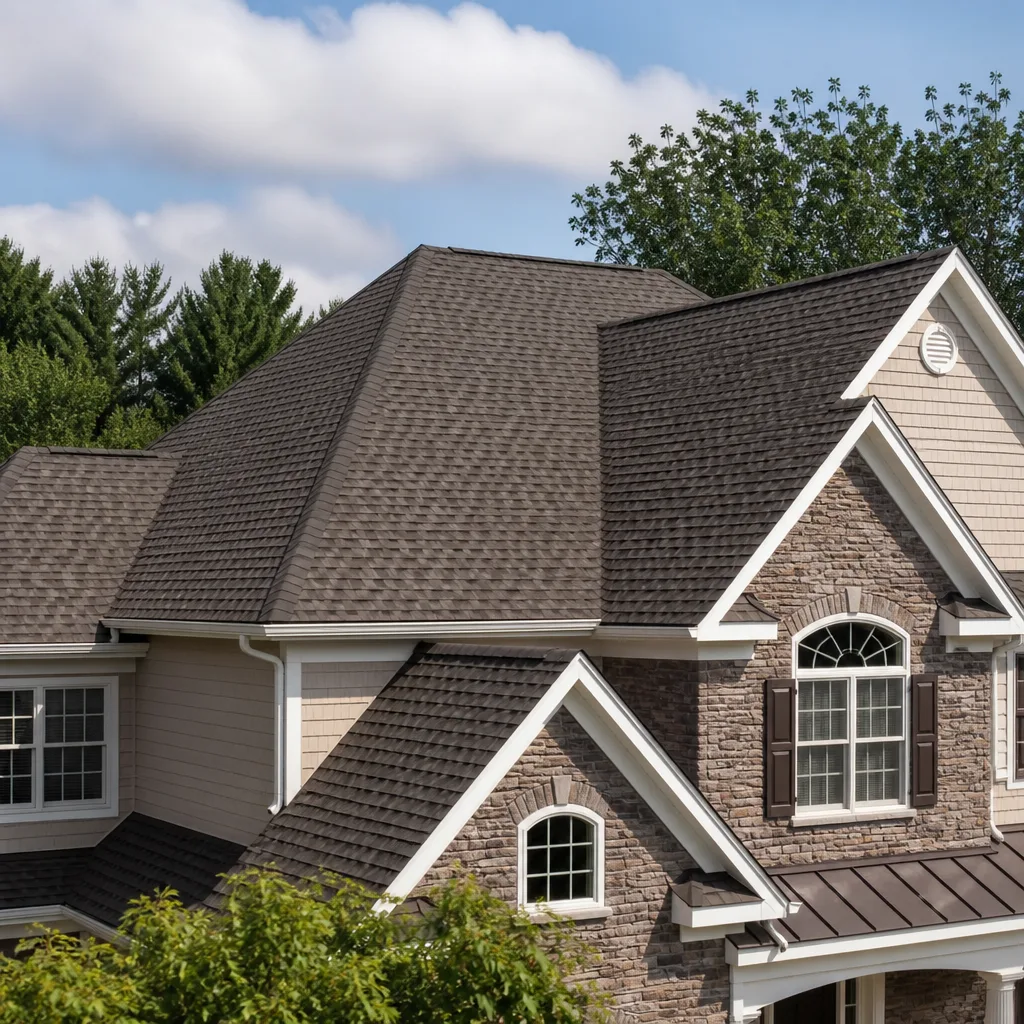
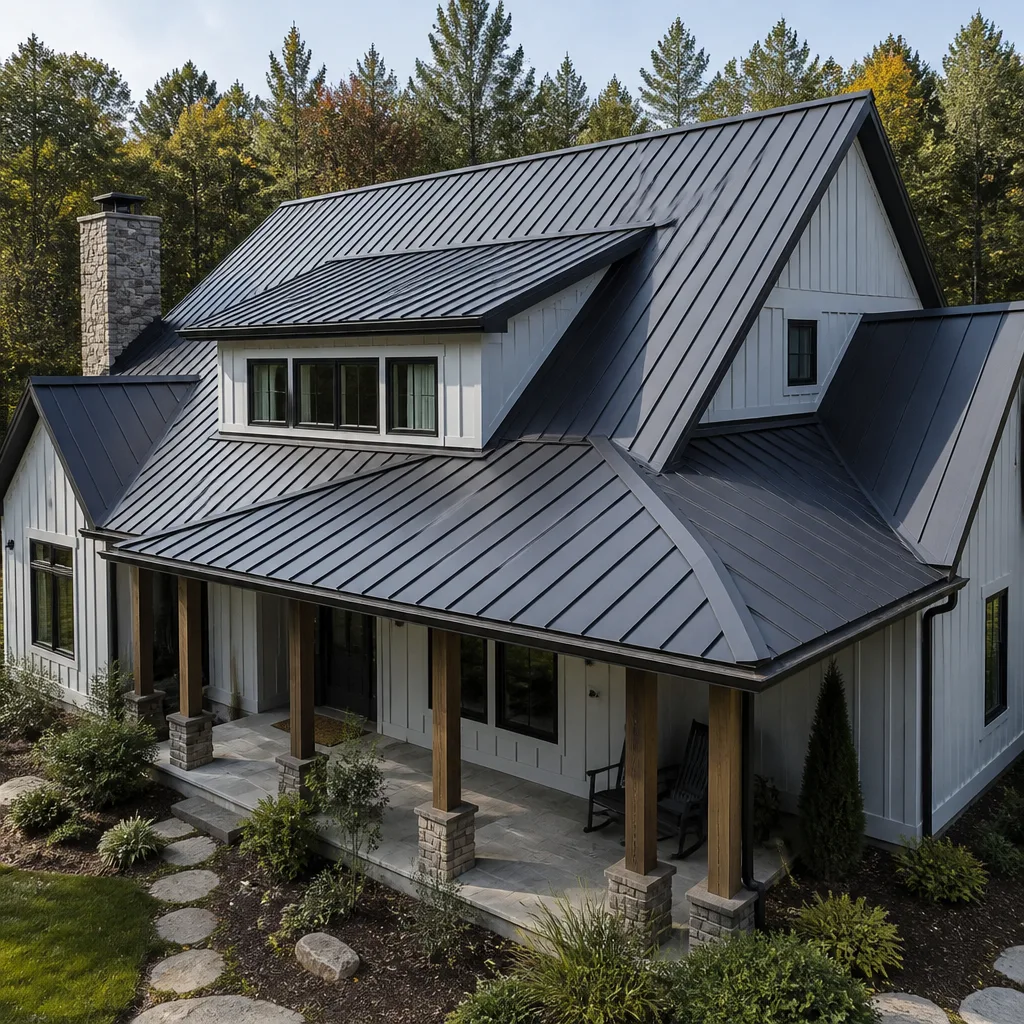
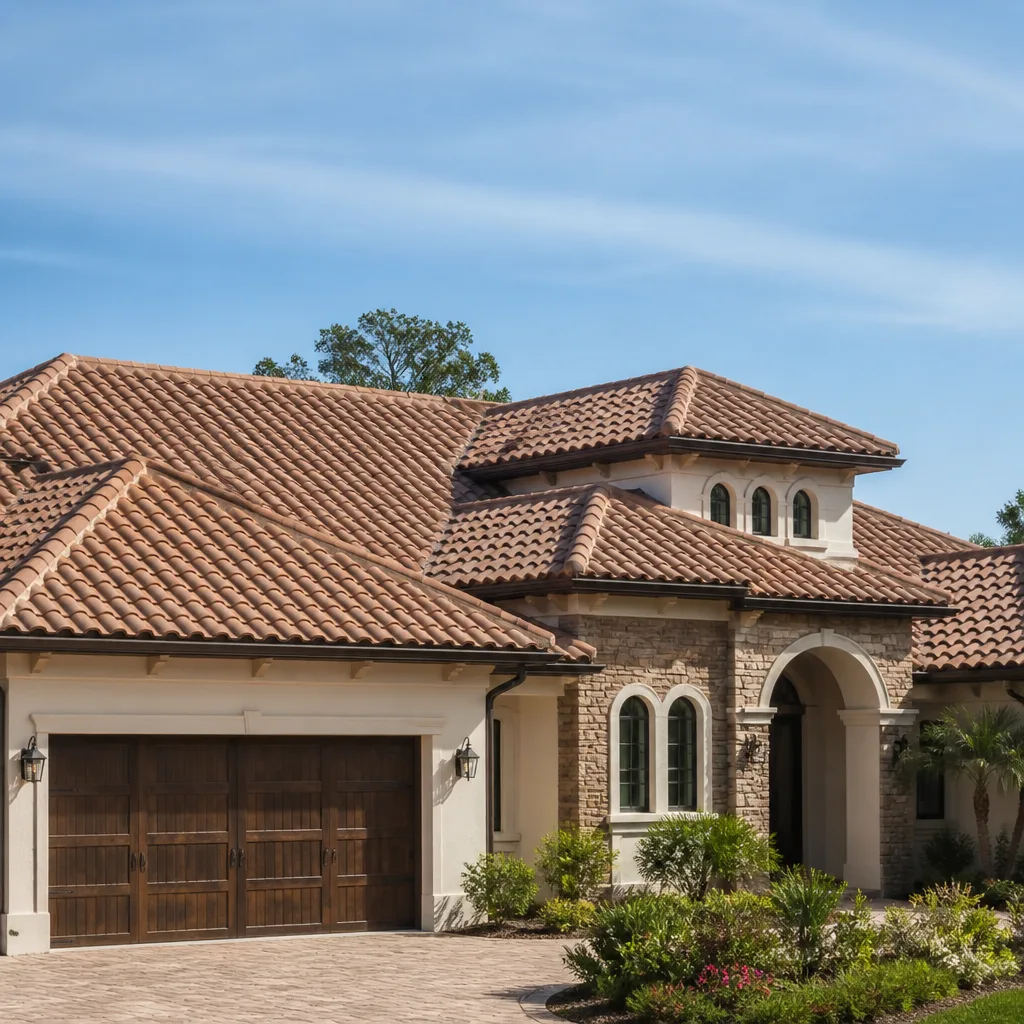
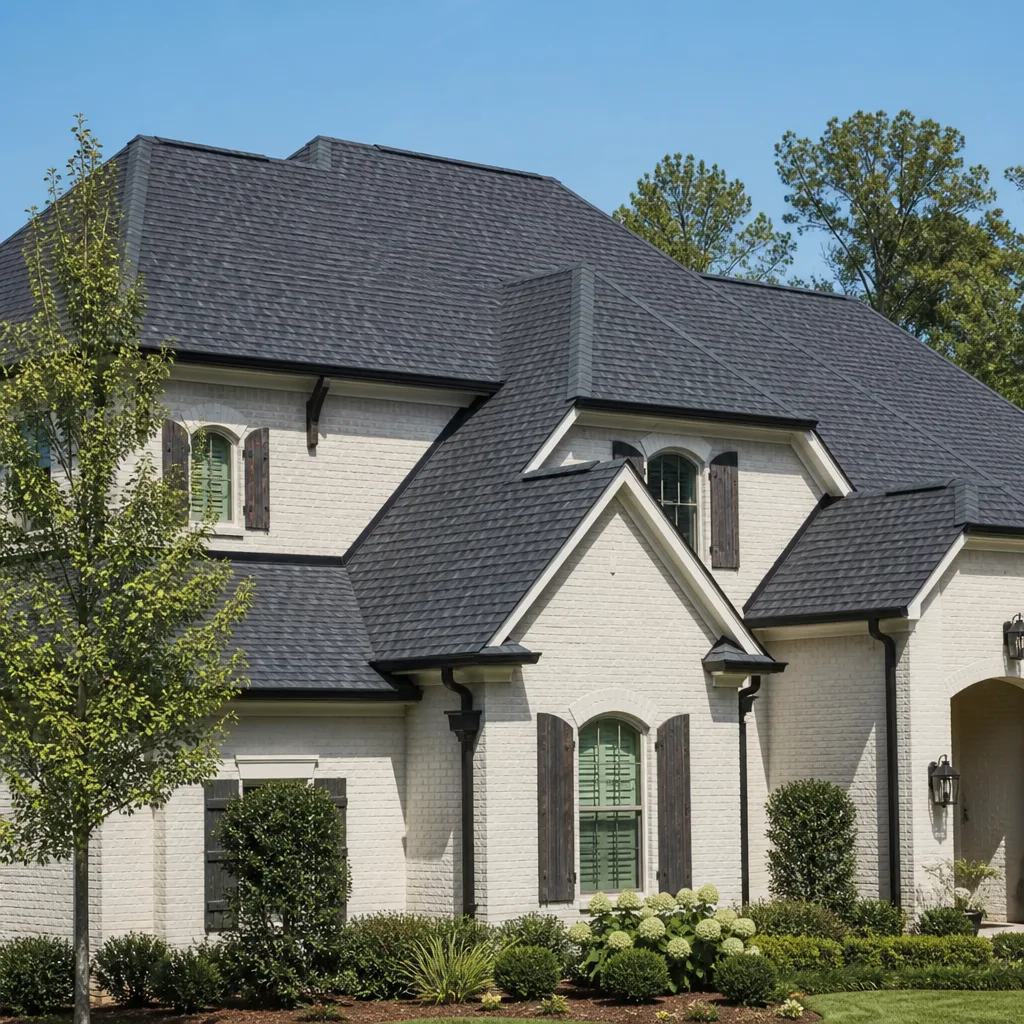
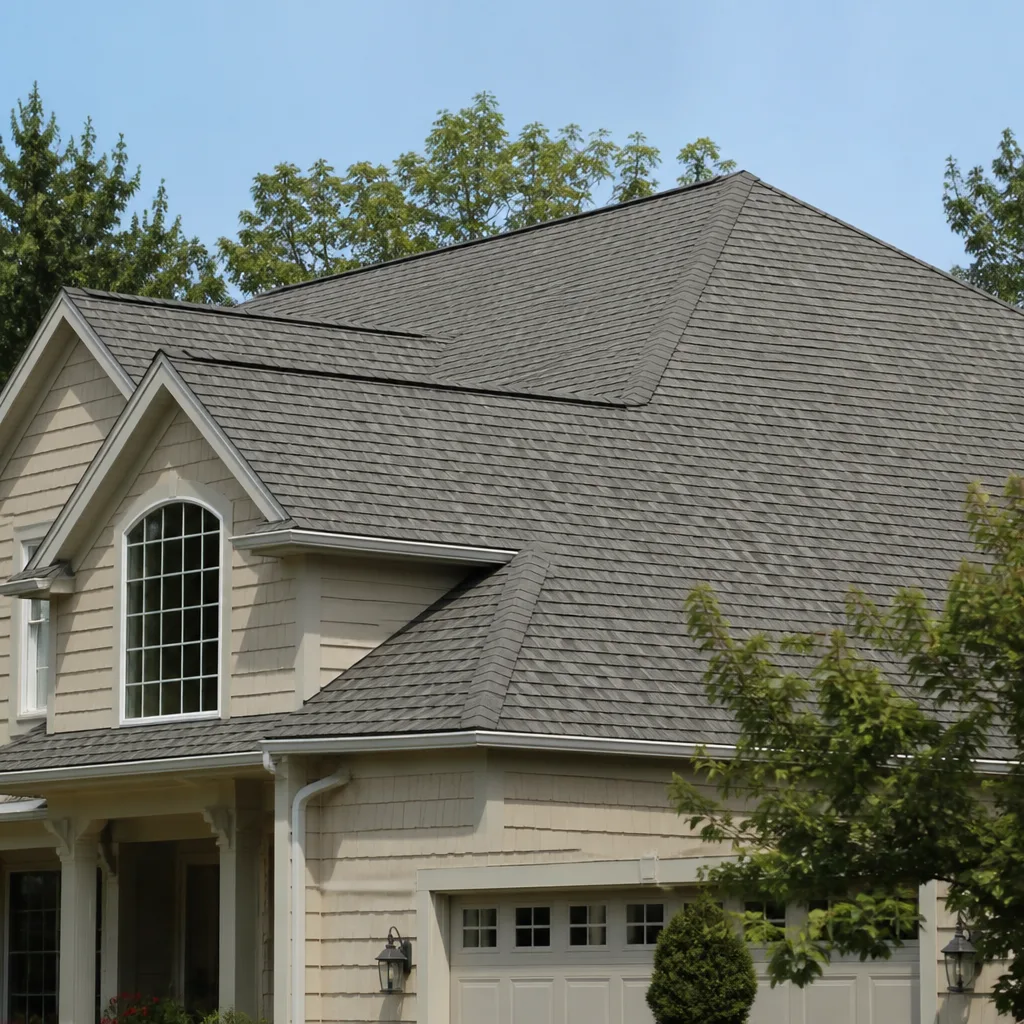
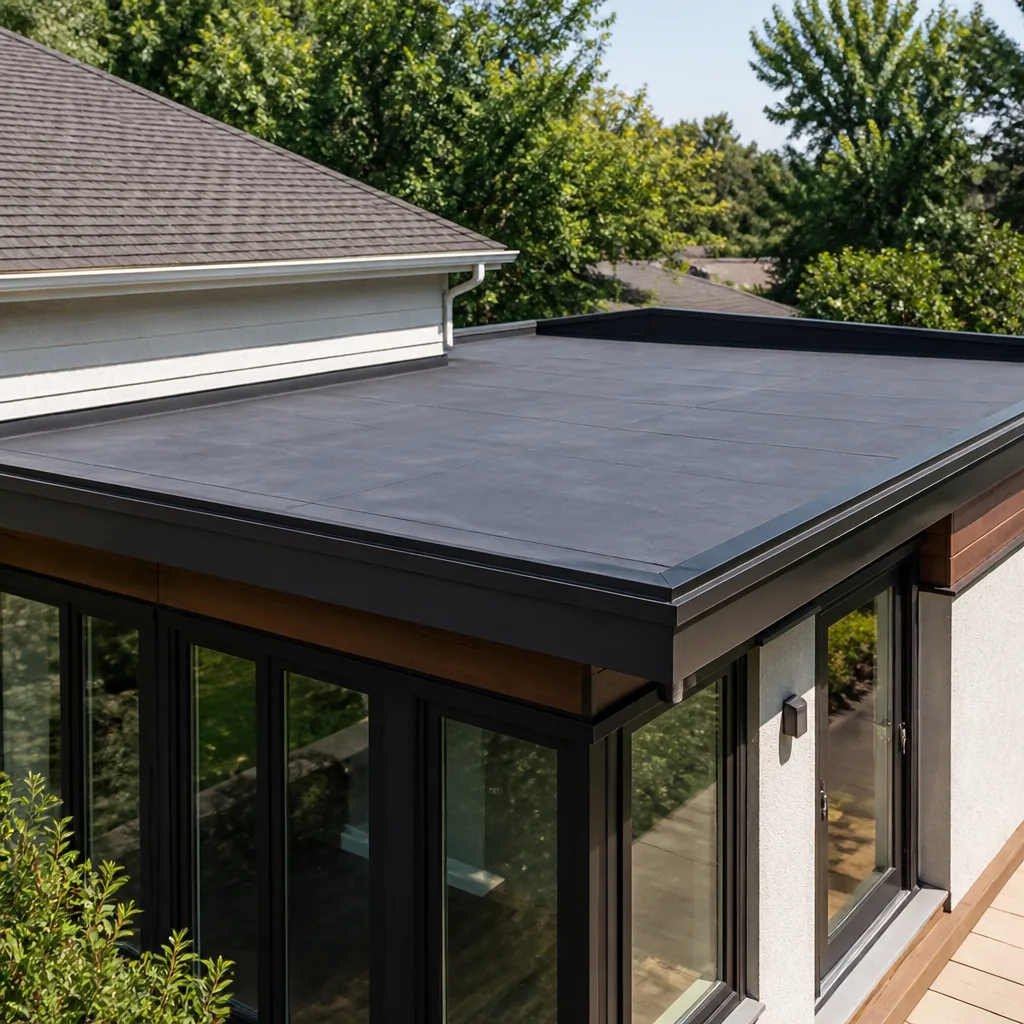
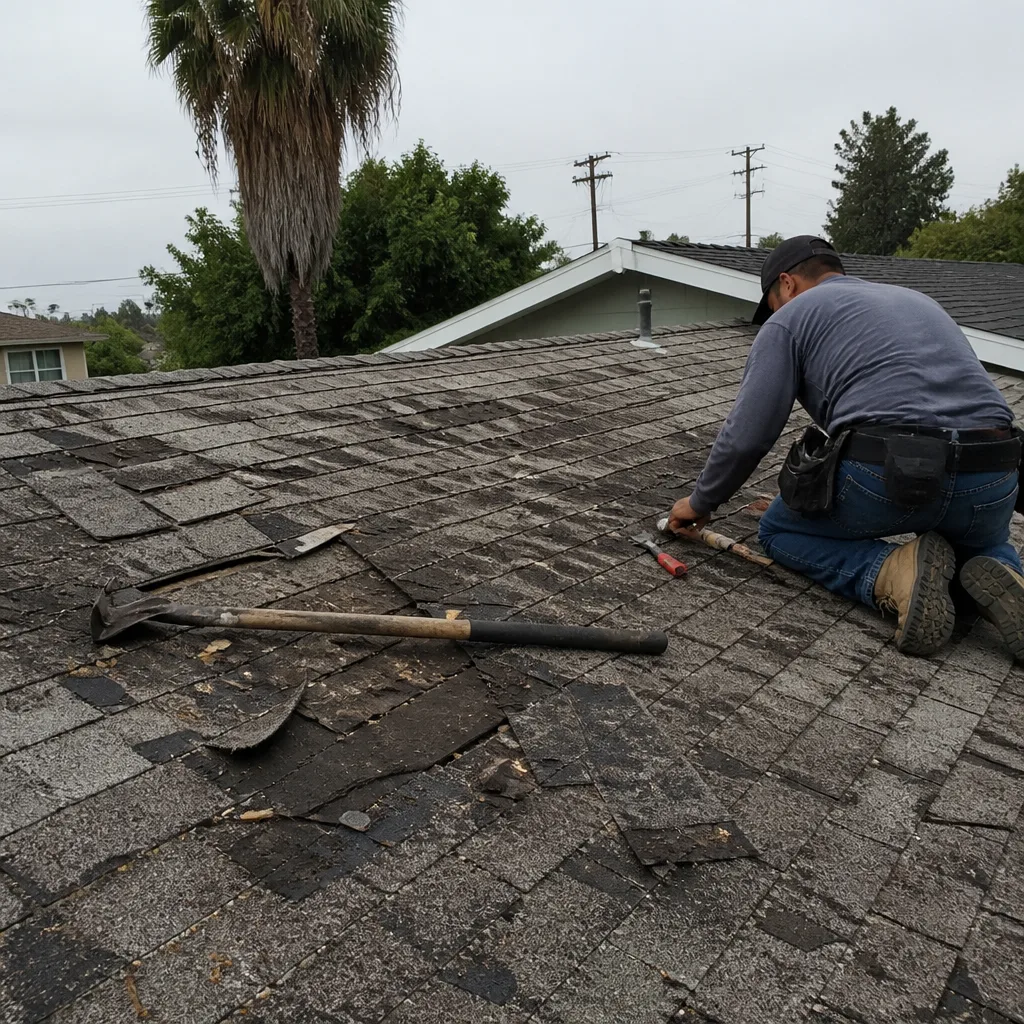 Before
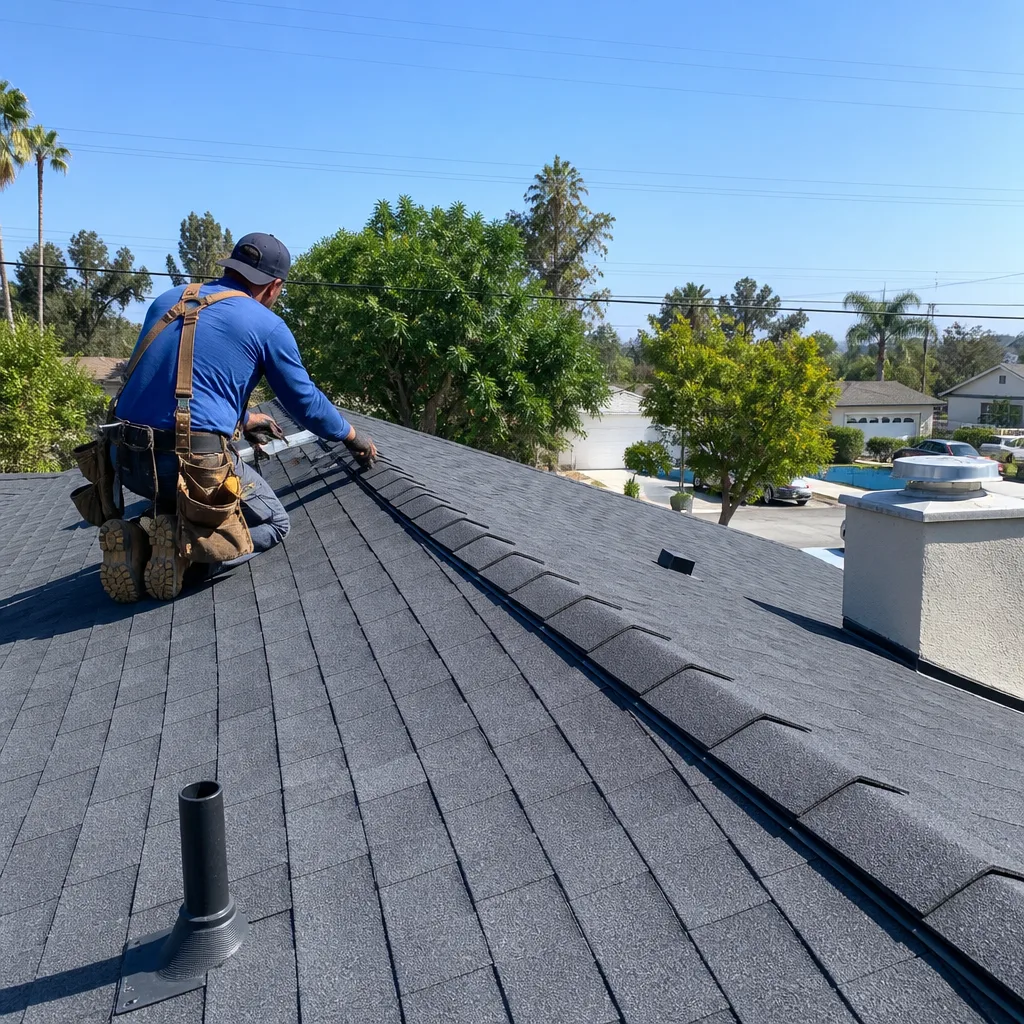 After
After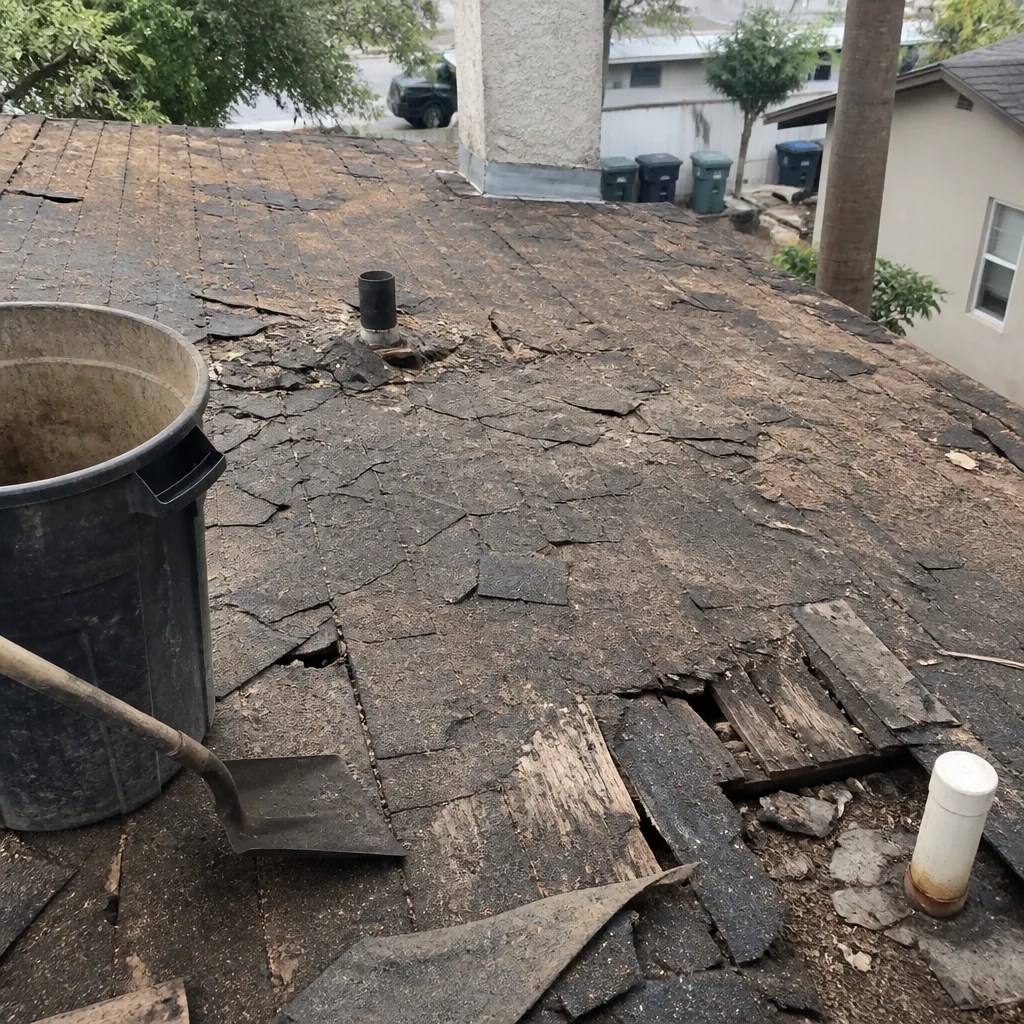 Before
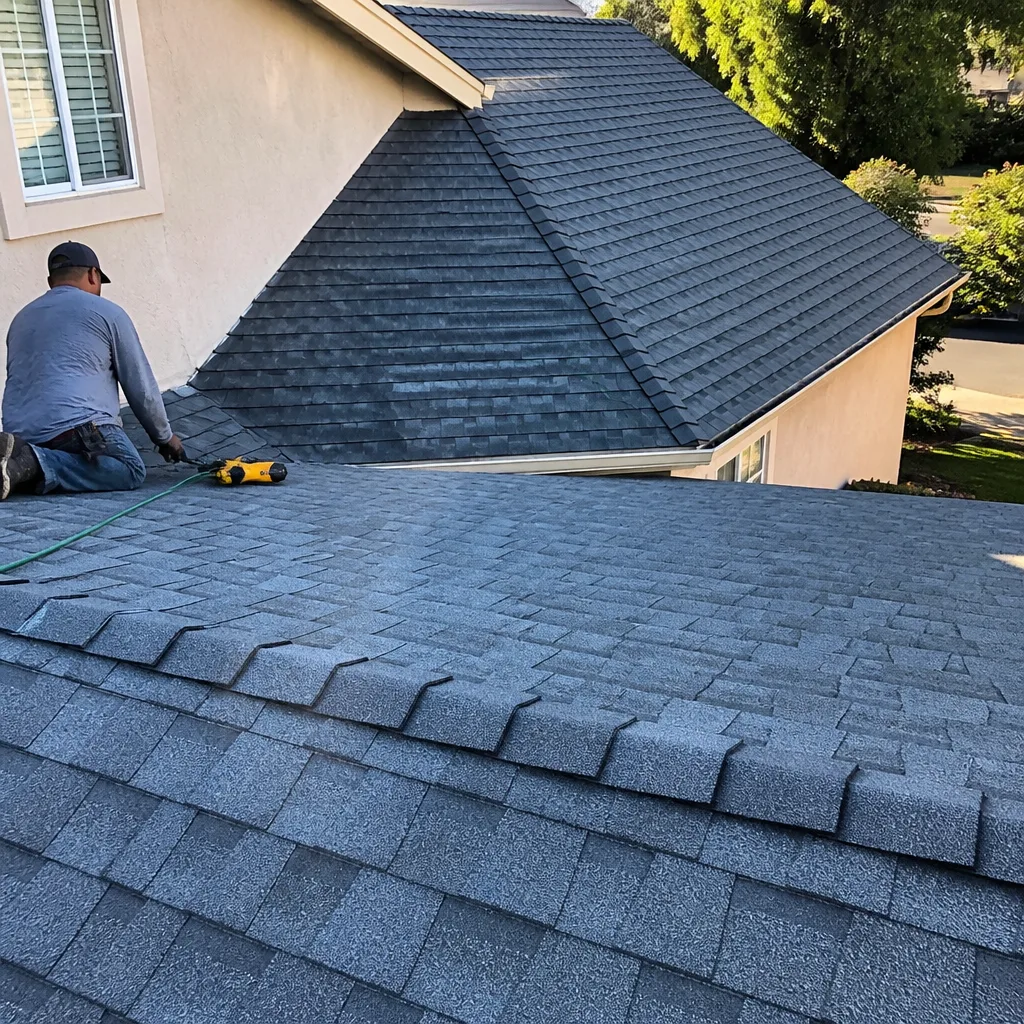 After
After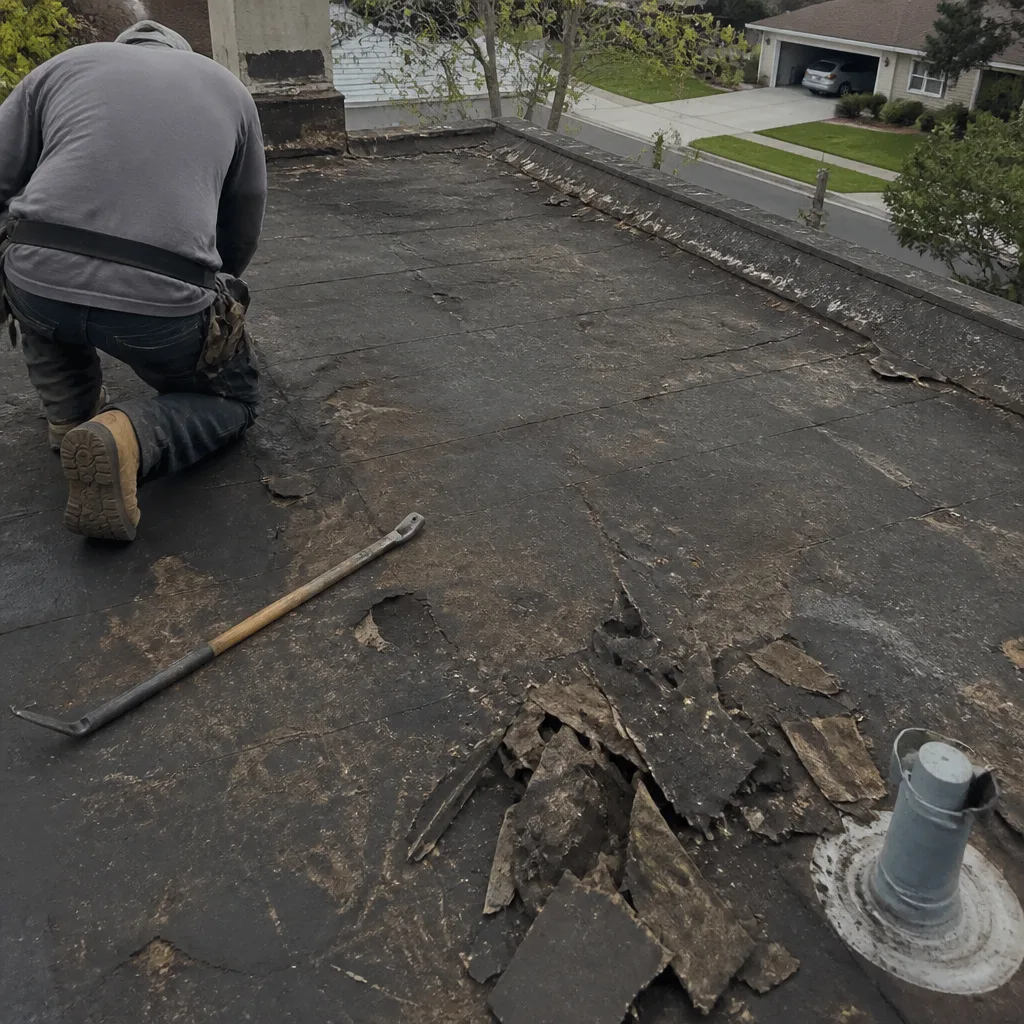 Before
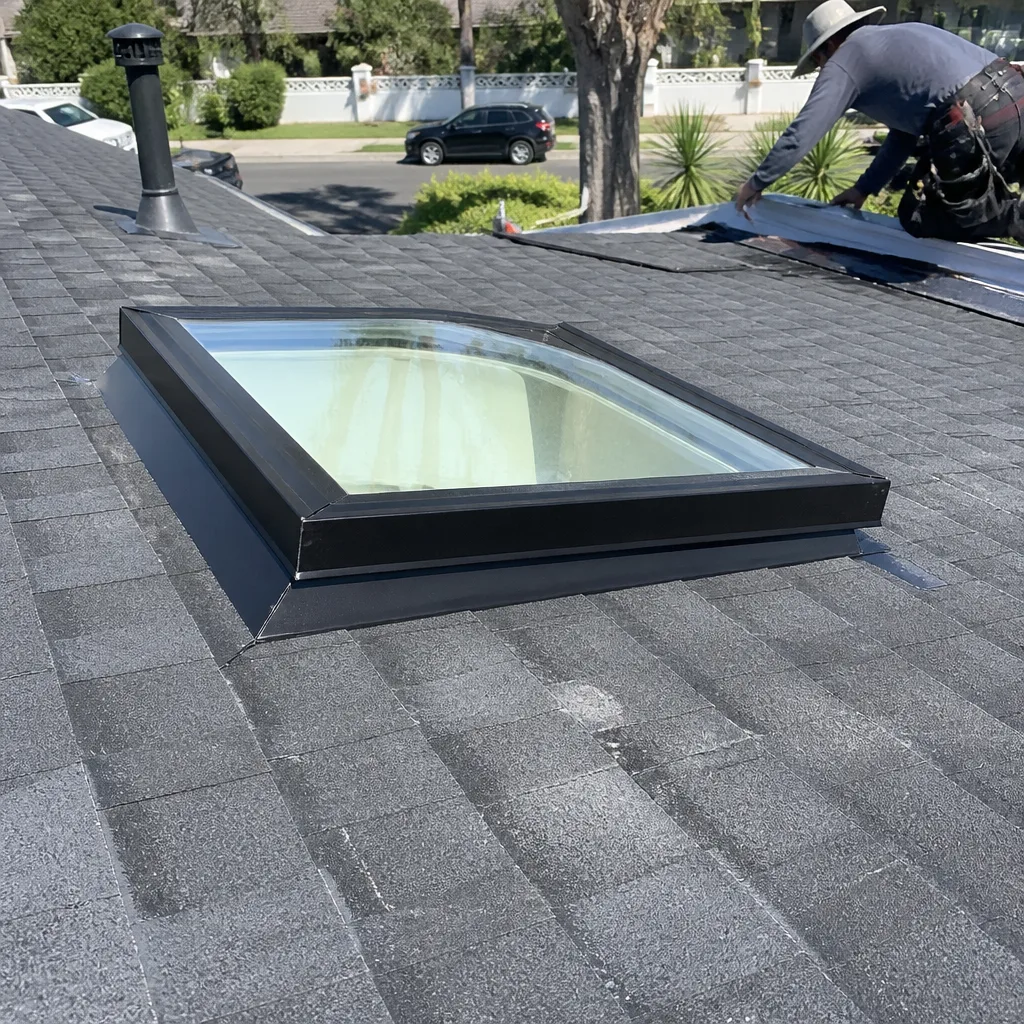 After
AfterThe Complete Roof Replacement Guide for Los Angeles Homeowners
Los Angeles gets about 15 inches of rain a year, which sounds like the easiest roofing climate imaginable. It’s not. The combination of UV intensity, seismic requirements, wildfire ember ratings, and periodic atmospheric river storms makes LA one of the more technically demanding markets in the U.S. to roof correctly. In The Complete Roofing Company Guide for Los Angeles Homeowners, we’ll walk through what Los Angeles homeowners actually need to know: local code requirements that national guides miss, material tradeoffs specific to Southern California’s climate, permit realities that affect your timeline and resale value, and how to sequence HOA approvals so your project doesn’t stall before it starts.
Quick Answer
Roof Replacement services in Los Angeles typically cost between $12,000 and $35,000 depending on material, roof complexity, and whether a tear-off is required. Most residential projects take 3 to 7 working days after permits are issued, and every job requires a permit from the LA Department of Building and Safety plus a final inspection before the work is legally complete.
Table of Contents
- Why Los Angeles Roofing Is Different From the Rest of the Country
- Los Angeles Roof Materials: Honest Pros and Cons for the Local Climate
- LA Permits and Inspections: What the Contractor Pulls and What You Confirm
- Layover vs. Tear-Off: What LA Building Code Allows and What It Costs
- HOA Approval Timelines in Los Angeles: How to Sequence Your Project
- What Roof Replacement Costs in Los Angeles (With Real Ranges)
- Timeline: From First Call to Final Inspection
- Choosing a Roofing Contractor in Los Angeles
Why Los Angeles Roofing Is Different From the Rest of the Country
National roofing guides treat climate as a simple wet-vs-dry calculation. Los Angeles breaks that model in four specific ways that change what goes on your roof and how it’s installed.
UV exposure. Los Angeles averages 284 sunny days per year. Asphalt shingles that might last 25 years in Ohio can degrade faster here because thermal cycling and UV bombardment are constant, not seasonal. That doesn’t mean shingles are a bad choice; it means the product grade and ventilation details matter more.
Seismic requirements. California’s building code requires roof-to-wall connections that account for lateral movement during earthquakes. In older Los Angeles homes, especially in neighborhoods like Echo Park, Highland Park, and parts of the San Fernando Valley, a roof replacement often reveals decking that was never properly tied to the structure. We upgrade those connections as part of the job, but it adds time and material cost that a national estimate won’t capture.
Wildfire ember ratings. Most of Los Angeles County now requires Class A fire-rated roof assemblies, the highest rating. This affects material selection directly. Wood shake, once common in the Hollywood Hills and Topanga Canyon areas, is essentially banned for new installation. Even some composite products don’t qualify without specific underlayment packages.
Atmospheric river events. Those 15 inches of rain can arrive in three concentrated weeks. A roof that sheds daily drizzle fine can fail catastrophically under sustained, wind-driven downpour. Flashing details, valley construction, and underlayment quality become critical in ways that don’t show up in standard manufacturer warranties.
These four factors are why we specify materials from manufacturers who test for California conditions specifically. Our options from GAF, CertainTeed, Owens Corning, IKO, Atlas, Tamko, and Boral each have SKUs engineered for high-UV, high-seismic, and Class A fire-rated applications.
Los Angeles Roof Materials: Honest Pros and Cons for the Local Climate
Three roof types dominate Los Angeles residential construction. Each has genuine advantages and real limitations here.
Clay and Concrete Tile
You’ll see tile roofs throughout Pasadena, the San Gabriel Valley, and newer master-planned communities. The look is unmistakably Southern California.
Pros for LA: Natural thermal mass keeps attic temperatures lower. Class A fire rating is inherent. Lifespan of 50+ years is realistic with proper underlayment replacement.
Cons for LA: Weight. Standard clay tile runs 850 to 1,000 pounds per square (100 square feet). Concrete tile is heavier. Many homes built between 1945 and 1970 in Los Angeles have roof structures that weren’t engineered for this load. When we quote tile in neighborhoods like Van Nuys or North Hollywood, we often recommend a structural review by a licensed engineer. That review adds $800 to $1,500 but can prevent catastrophic failure. Tile is also brittle; walking on it for maintenance or solar installation requires care and specialized technique.
We source clay and concrete tile from Boral and others in our seven-manufacturer lineup, with specific SKUs rated for coastal salt air if you’re within five miles of the Pacific.
Asphalt Architectural Shingle
The most common replacement material in Los Angeles, especially on homes originally built with shingle roofs in the 1950s through 1980s.
Pros for LA: Lower installed cost. Wide color and texture range. Lighter weight means no structural review in most cases. Easier to repair if a section is damaged.
Cons for LA: Faster UV degradation than tile or metal. Premium shingles with enhanced granule adhesion and algae resistance are worth the upgrade here. Standard 3-tab shingles in Los Angeles conditions often show significant granule loss by year 12 to 15. We typically specify architectural or designer grades from GAF, CertainTeed, or Atlas for our Los Angeles jobs.
TPO and Modified Bitumen (Flat and Low-Slope)
Common on modernist homes, additions, and any roof with less than 2:12 pitch.
Pros for LA: Reflective TPO membranes meet and exceed Title 24 cool roof requirements. Seams are heat-welded, creating a monolithic surface that handles ponding better than shingle in our occasional heavy rain events.
Cons for LA: TPO quality varies enormously by manufacturer and even by production run. We specify only from established manufacturers in our lineup with documented California performance histories. Modified bitumen is more puncture-resistant but less reflective; in Los Angeles, that can mean higher cooling loads.
LA Permits and Inspections: What the Contractor Pulls and What You Confirm
Every roof replacement in the City of Los Angeles requires a building permit from the LA Department of Building and Safety (LADBS). No exceptions. A contractor who suggests otherwise is either uninformed or asking you to assume legal and financial risk.
Here’s what actually happens:
- Application. Your contractor submits plans showing existing conditions, proposed materials, and structural details. For tile on an older home, engineering calculations may be required.
- Plan check. LADBS reviews for code compliance. Standard turnaround is 2 to 4 weeks for residential roofing. Expedited review is available for an additional fee.
- Permit issuance. Once approved, the permit must be posted at the job site before work begins.
- Progress inspections. Depending on scope, LADBS may require a mid-roof inspection (decking exposed, underlayment visible) before final covering.
- Final inspection. The inspector verifies completed work matches approved plans. This must pass before the permit is finaled.
What you should confirm personally: That the permit exists and is in your address. Ask for the permit number and verify it on the LADBS online portal. We’ve been called to jobs in Los Angeles where the previous contractor started work on a verbal promise, got red-tagged by an inspector, and abandoned the project. The homeowner was left with an open roof and no recourse.
What a missing permit costs you: Unpermitted roof work must be disclosed in California real estate transactions. Buyers’ lenders and insurers often require proof of permitted work. Retroactive permitting is possible but expensive, and if the work doesn’t meet current code, you may be required to remove and redo portions. In our experience serving Los Angeles since 2000, the homeowners who skip permit verification to save two weeks inevitably pay more later.
Layover vs. Tear-Off: What LA Building Code Allows and What It Costs
A “layover” or “roof-over” installs new shingles directly over existing ones. A tear-off removes everything down to the decking. See our comparison in DIY vs Professional Roof Repair: What’s Safe to Do Yourself for related guidance.
Los Angeles building code limits residential shingle roofs to two layers total. If your home already has two layers, tear-off is mandatory. If it has one, layover is technically permitted in many cases. That doesn’t mean it’s advisable.
Why we rarely recommend layover in Los Angeles:
- Decking condition is unknown. Under existing shingles, we regularly find deteriorated plywood in Los Angeles homes, especially where prior leaks went unaddressed. In neighborhoods like Mid-City and Koreatown, where many homes have original 1940s and 1950s decking, we’ve found rot that would have collapsed under a second layer within seasons.
- Weight on seismic connections. A second shingle layer adds 250+ pounds per square. In a seismic event, that extra mass loads connections that may already be undersized by modern standards.
- Cool roof compliance. Title 24 requires minimum solar reflectance for new and replacement roofs in most California climate zones. A layover may not achieve the required surface performance if the existing layer is dark or degraded.
- Warranty limitations. Most manufacturer warranties for premium shingles require installation on clean, sound decking. Layover often voids or limits coverage.
Cost difference: Tear-off adds $1.50 to $3.00 per square foot in the Los Angeles market, depending on disposal fees and decking replacement needs. For a 2,500-square-foot roof, that’s roughly $3,750 to $7,500 additional. We quote both options when code allows, but we document our recommendation and the specific reasons in writing. The Kingswell Way means you get the price before any work starts, with no change orders once we’re underway.
HOA Approval Timelines in Los Angeles: How to Sequence Your Project
Homeowners associations are common in Los Angeles, from Westside condo complexes to master-planned developments in Porter Ranch, Valencia, and the newer sections of the San Fernando Valley. HOA architectural review can add 2 to 8 weeks to your timeline, and starting work without approval can trigger fines or require removal.
Typical HOA process in Los Angeles:
- Submit application package. Usually includes material samples, color swatches, manufacturer specifications, and contractor license/insurance documentation. Some HOAs require three bids.
- Architectural committee review. Meets monthly or quarterly in most Los Angeles associations. Missing a meeting by two days can mean a four-week delay.
- Board approval or denial. May include conditions (specific color from approved palette, no visible fasteners, matching existing tile profile exactly).
- Written approval letter. Required before permit application in some jurisdictions; advisable everywhere.
Sequencing that works: We recommend starting HOA submission before finalizing material orders. In practice, that means engaging your contractor early for the documentation package, submitting to HOA while plans are being drafted for LADBS, and only scheduling material delivery after both approvals are in hand. We’ve seen projects in West Los Angeles delayed six weeks because the homeowner ordered custom-color tile that arrived before HOA rejected the shade.
If your HOA has a pre-approved manufacturer list, we work within it. Our seven-manufacturer lineup - GAF, CertainTeed, Owens Corning, IKO, Atlas, Tamko, and Boral - covers virtually every HOA requirement we’ve encountered in Los Angeles County.
What Roof Replacement Costs in Los Angeles (With Real Ranges)
These are 2024-2025 installed price ranges we quote in the Los Angeles market for typical single-family homes between 1,800 and 3,500 square feet of roof area. Every job gets a written, line-item quote before any work starts.
| Scope | Low Range | Mid Range | High Range |
|---|---|---|---|
| Asphalt shingle tear-off, standard architectural grade | $12,000 | $16,500 | $22,000 |
| Asphalt shingle tear-off, premium designer grade | $18,000 | $24,000 | $30,000 |
| Concrete tile tear-off with structural review | $22,000 | $28,000 | $38,000 |
| Clay tile tear-off with structural review | $26,000 | $34,000 | $48,000 |
| TPO flat/low-slope replacement | $14,000 | $19,000 | $28,000 |
| Decking replacement (per square, if needed) | $85 | $125 | $175 |
| Permit and inspection fees (LADBS) | $450 | $750 | $1,200 |
Factors that push any project toward the high end: multiple roof planes and valleys, steep pitch requiring safety equipment, chimney or skylight flashing replacement, fascia and soffit repair, and accessibility constraints common in hillside Los Angeles neighborhoods like Silver Lake, Laurel Canyon, and the Hollywood Hills.
We do not quote by the square alone. Every roof replacement in Los Angeles we perform begins with a site visit, detailed measurements, and a written price that includes every line item. No change orders unless you add scope.
Timeline: From First Call to Final Inspection
Here’s a realistic sequence for a typical Los Angeles roof replacement:
| Phase | Duration | Notes |
|---|---|---|
| Initial call and site visit | 1-3 days | We schedule at your convenience; evenings and weekends available |
| Written quote delivery | 24-48 hours after visit | Line-item pricing, no obligation |
| HOA submission (if applicable) | 2-8 weeks | Start before permit work |
| LADBS permit application and plan check | 2-4 weeks | Expedited available |
| Material order and delivery | 1-2 weeks | Custom colors or tile may extend |
| Actual roof work | 3-7 working days | Weather dependent; rare rain delays in LA |
| LADBS final inspection | 1-5 days after completion | We schedule; you don’t need to be present |
| Permit finalization | 1-2 weeks | Online verification available |
Total elapsed time: 6 to 14 weeks for a straightforward job, longer with HOA review or complex engineering. We communicate weekly status updates whether there’s news or not. Silence is what frustrates homeowners, so we don’t do it. For more guides & resources, visit our blog.
Choosing a Roofing Contractor in Los Angeles
The Los Angeles roofing market has hundreds of licensed contractors and thousands of unlicensed operators. Here’s what actually separates reliable from risky.
Verify license status. California requires a C-39 Roofing Contractor license for jobs over $500. Check the number on the Contractors State License Board website. Active, no suspensions, bond current.
Confirm insurance. General liability and workers’ compensation are mandatory. Ask for certificates naming you as additional insured during the project period.
Demand permit inclusion. A contractor who asks you to pull the permit or suggests skipping it is transferring liability to you. We pull every permit for our Los Angeles roofing jobs and include the cost in our written quote.
Ask about crew consistency. Background-checked, uniformed technicians on every job is our standard. Some contractors subcontract to day labor pools. You won’t know who’s on your roof or whether they’ve been vetted.
Get the guarantee in writing before work starts. Not after. Not “we’ll mail it.” Every Tilehurst Roofing repair carries a written guarantee delivered before the crew leaves. Our 365-Day Done Right Promise covers full replacements: if it’s not done right, we make it right, for a full year.
Check for manufacturer certification. GAF Master Elite, CertainTeed SELECT ShingleMaster, and similar designations require training, insurance verification, and customer satisfaction standards. They matter because manufacturer-backed extended warranties require certified installation.
Common Mistakes to Avoid
- Choosing material based on appearance alone without checking fire rating. That beautiful wood-look composite may not carry Class A certification. In Los Angeles County, that’s a code violation and an insurance problem.
- Skipping the structural review for tile. We’ve seen tile roofs installed on 1950s ranch homes in Granada Hills that exceeded design load by 40%. The structure sagged gradually, then cracked. Engineering review is cheap insurance.
- Accepting a verbal quote. California law requires a written contract for home improvement jobs over $500. More practically, a verbal price changes at the door. Our written price is in your hands before any work starts, every single time.
- Not sequencing HOA approval before material order. Custom Boral tile that arrives in the wrong color is your financial problem if HOA rejects the shade after delivery.
- Hiring based on lowest bid without verifying permit inclusion. The low bidder often omits permit costs, then surprises you later or skips permitting entirely. Verify the permit number on LADBS before paying final invoice.
- Ignoring ventilation in a cool-roof calculation. Title 24 compliance isn’t just surface reflectance. Proper attic ventilation affects whole-house energy performance and is inspected.
- Waiting for active leaks to replace. By the time water shows on your ceiling in Los Angeles, decking damage is often extensive. Annual inspection catches deterioration before it cascades.
When to Call a Professional
Call for a professional evaluation if you notice curled or missing shingles, granule accumulation in gutters, daylight visible through roof boards in the attic, or any ceiling staining after rain. In Los Angeles, we also recommend inspection after significant Santa Ana wind events, which can lift and damage flashing before water intrusion becomes obvious.
Tilehurst Roofing offers free estimates in Los Angeles. A live person answers every call, 24 hours a day, 7 days a week - including evenings and weekends. Call (945) 303-9821 to schedule your free estimate, or visit our Tilehurst Roofing home page to learn more about our process.
Frequently Asked Questions
Most asphalt shingle tear-offs in Los Angeles run $12,000 to $22,000, while concrete or clay tile replacements typically range from $22,000 to $48,000 including structural review if needed. The exact price depends on roof size, pitch, accessibility, and whether decking replacement is required. Call (945) 303-9821 for a free, written estimate with line-item pricing.
The actual roofing work takes 3 to 7 working days for most Los Angeles homes. Total elapsed time from signed contract to final inspection is typically 6 to 14 weeks, primarily due to LADBS permit processing and HOA architectural review where applicable. We provide weekly status updates throughout.
Yes. Every roof replacement in the City of Los Angeles requires a building permit from LADBS and a passed final inspection. Unpermitted work must be disclosed in real estate transactions and can trigger requirements to remove and redo the roof. We pull every permit and include the cost in your written quote.
Los Angeles building code allows a maximum of two shingle layers total. If your home has one existing layer, layover is technically permitted but rarely recommended due to unknown decking condition, added seismic load, and warranty limitations. We quote both options when allowed and document our recommendation in writing.
Asphalt architectural shingles offer the best balance of cost and performance for most Los Angeles homes. Clay or concrete tile provides superior longevity and thermal mass but requires structural verification. TPO is preferred for flat or low-slope applications due to reflectivity and seam welding. We specify from GAF, CertainTeed, Owens Corning, IKO, Atlas, Tamko, and Boral based on your specific roof geometry and performance requirements.
Yes, if you live in a managed community. Los Angeles HOAs typically require 2 to 8 weeks for architectural review, and starting work without approval can result in fines or removal orders. We recommend submitting HOA applications before finalizing material orders to avoid costly delays.
The Bottom Line
A roof replacement in Los Angeles is a locally specific project: Class A fire ratings are mandatory, Title 24 cool roof compliance affects material selection, seismic requirements may upgrade structural connections, and the permit process through LADBS is non-negotiable. Homeowners who understand these factors before getting quotes make better decisions and avoid the delays, change orders, and legal complications that plague underprepared projects. Get multiple quotes, verify every permit, and don’t start work until you have written approval from both your HOA and your contractor’s guarantee in hand.
Written by Greg Holloway, Owner at Tilehurst Roofing, serving Los Angeles since 2000.