
Last updated October 8, 2026
Free roof inspection with deck photos before we talk money - GAF and Owens Corning certified installation
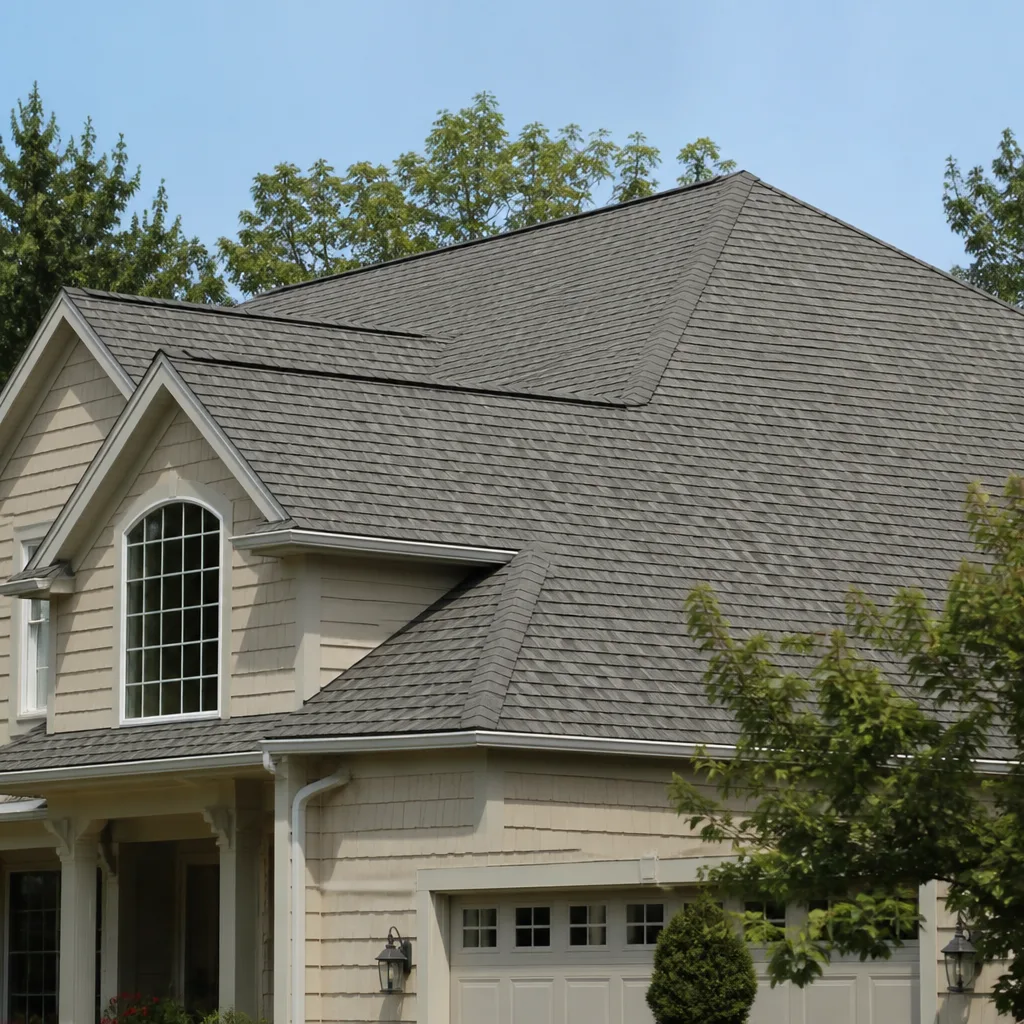
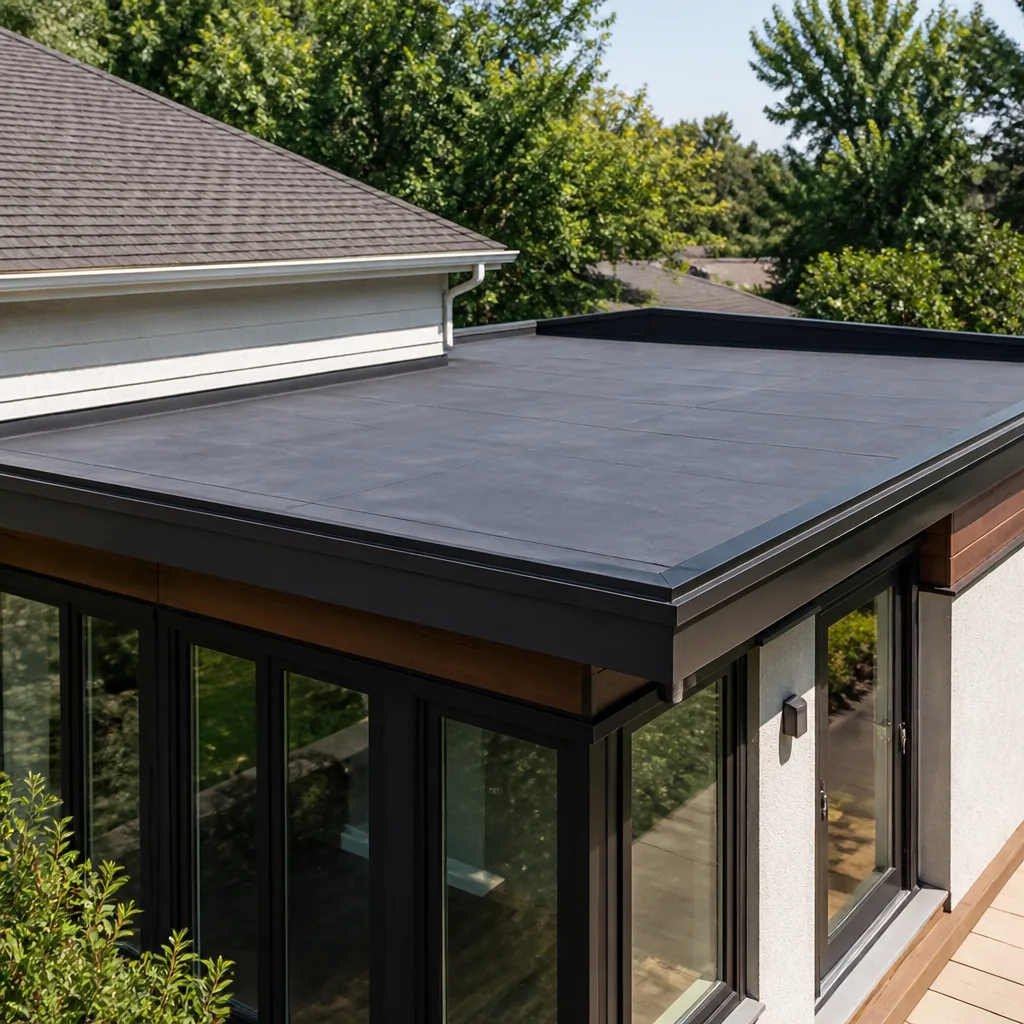
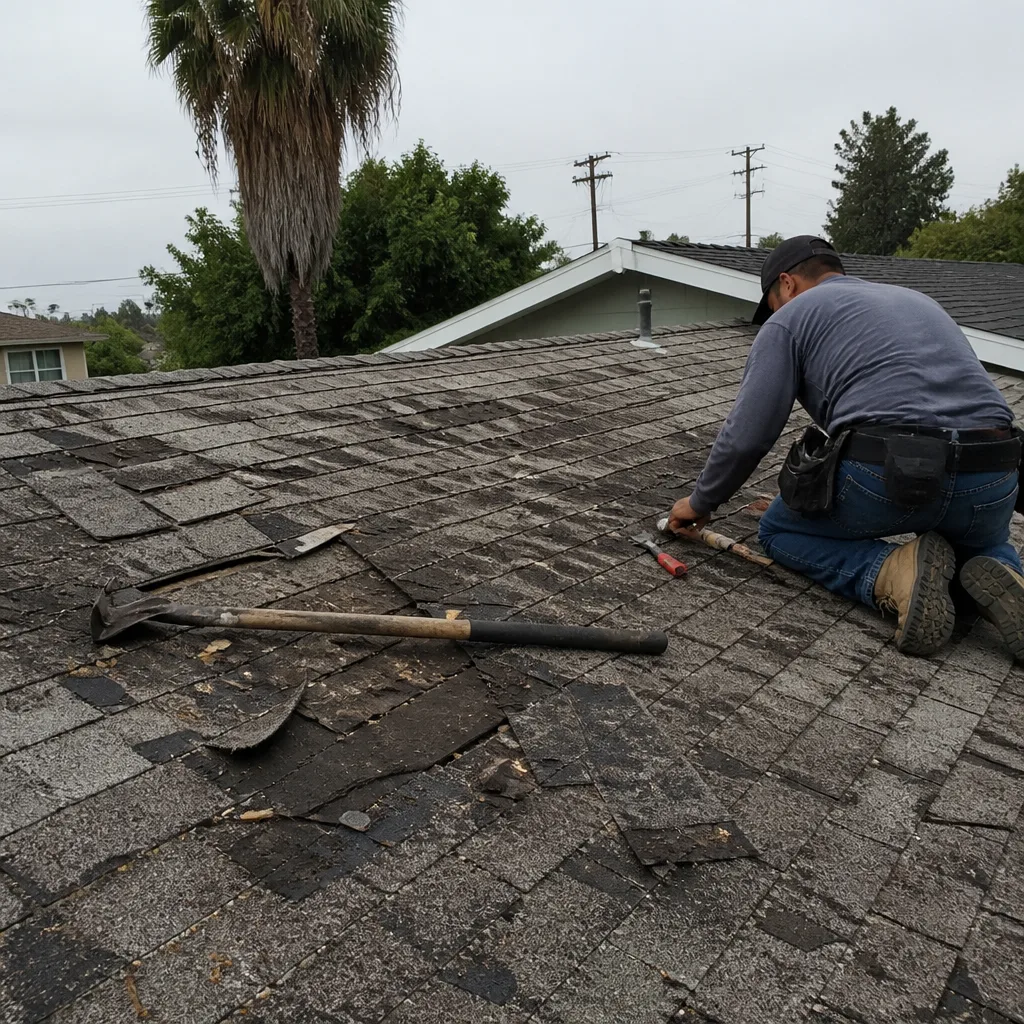 Before
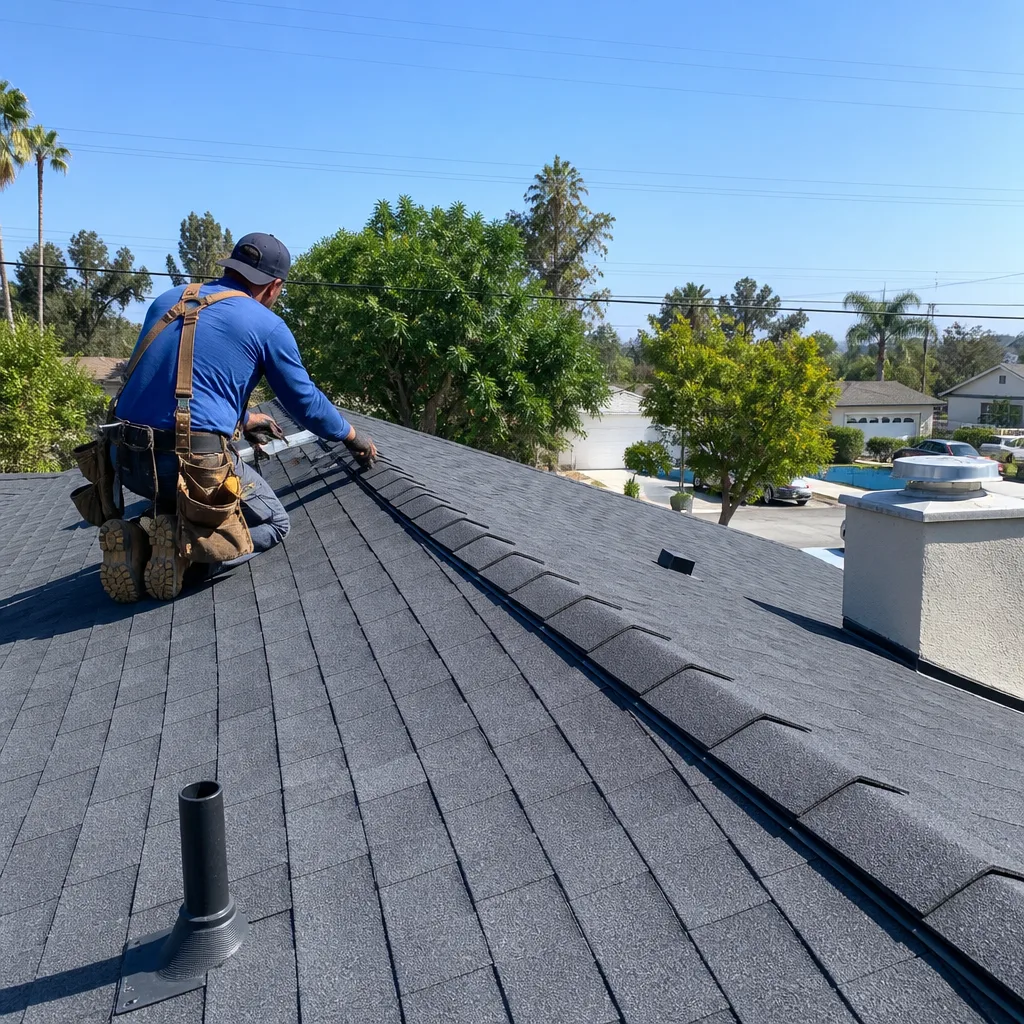 After
After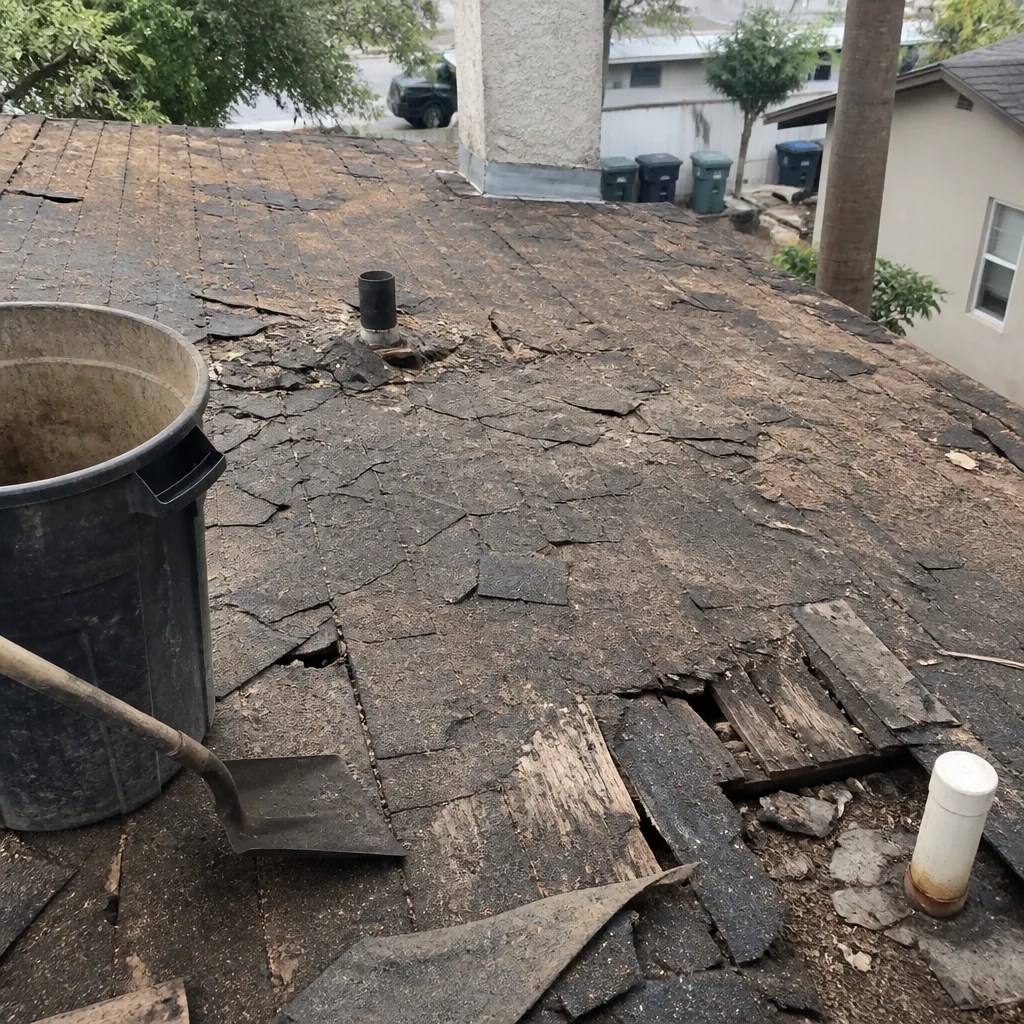 Before
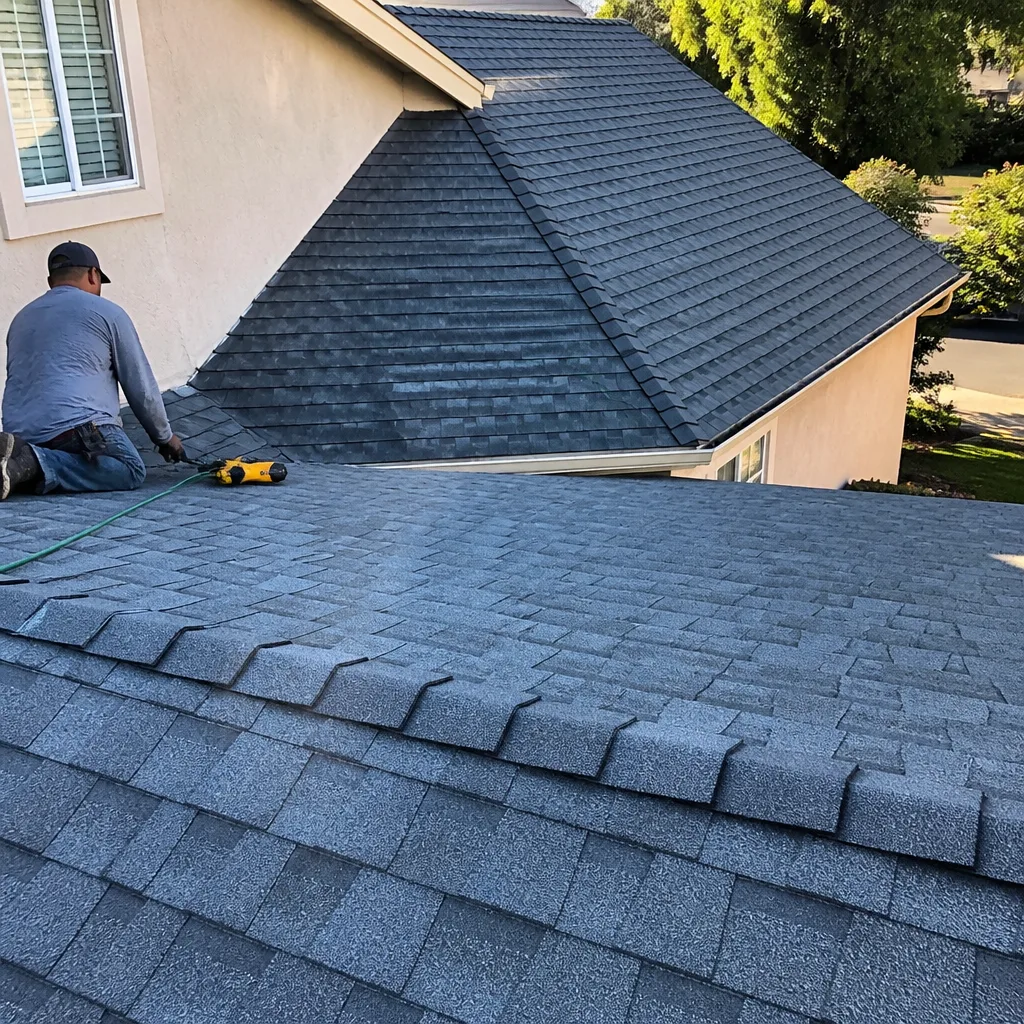 After
After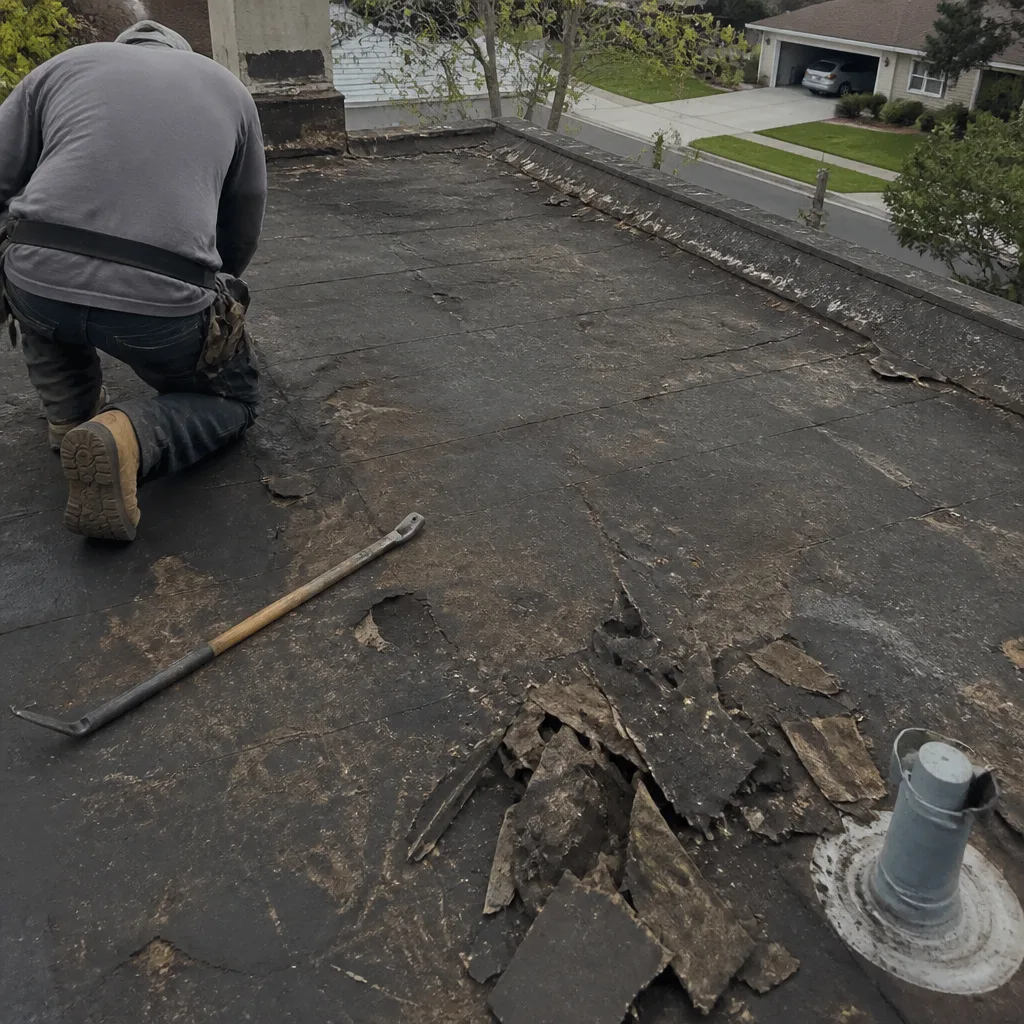 Before
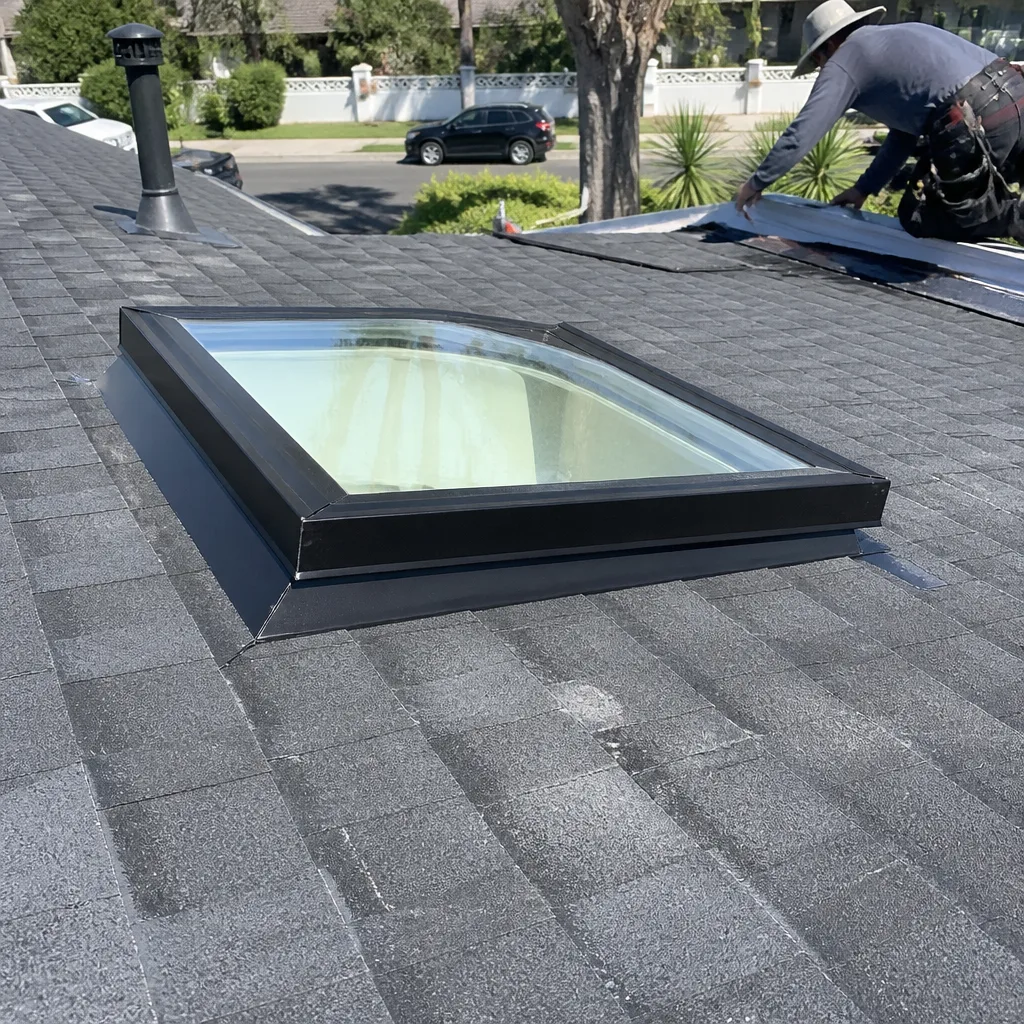 After
AfterThe Complete Roofing Company Guide for Los Angeles Homeowners
The California Contractors State License Board lists over 4,000 active roofing licenses in Los Angeles County alone - yet every year thousands of homeowners sign contracts with unlicensed crews who pulled a valid-looking business card off a truck. In a market this crowded, knowing how to separate legitimate local roofers from fly-by-night operators isn’t just smart budgeting; it’s financial self-defense. This guide walks you through a repeatable vetting framework built specifically for Los Angeles: how to verify a C-39 license in under two minutes, what Title 24 means for your material choices, how permit responsibility affects your resale value, and the exact line items that belong on every written estimate.
Quick Answer
To hire a roofing company in Los Angeles, verify the contractor holds an active C-39 license through the CSLB website, confirm they pull permits in their own name (not yours), demand a written line-item estimate before any work starts, and check that their materials meet Title 24 cool-roof requirements for your ZIP code. A legitimate local roofer in Los Angeles will have a verifiable physical address, carry workers’ compensation and general liability insurance, and warranty both materials and workmanship in writing.
Table of Contents
- How to Verify a Roofing License in Los Angeles
- What LA’s Title 24 Energy Code Means for Your Roof
- Permits: Who Pulls Them and Why It Matters at Resale
- How to Read a Los Angeles Roofing Estimate Line by Line
- Spotting Local Roofers Versus Storm-Chasing Crews
- Choosing Materials for LA’s Climate and Codes
- Understanding Workmanship and Material Warranties
- Common Mistakes to Avoid
- When to Call a Professional
- Frequently Asked Questions
How to Verify a Roofing License in Los Angeles
Every legitimate roofing contractor in California must carry a C-39 license, the classification specific to roofing work. The verification process takes under two minutes and can save you from a nightmare that unfolds months after the crew leaves.
Here’s exactly how to do it:
- Go to checkthelicense.cslb.ca.gov.
- Enter the contractor’s license number or business name.
- Check three things on the results page: the license status shows “Active,” the classification includes “C-39 – Roofing,” and the workers’ compensation insurance section is not marked “Exempt” (unless the contractor has zero employees, which is rare for a real roofing company).
- Scroll to “Bond History” and confirm a current $25,000 bond is on file.
What you’re looking for matters. A suspended license often means the contractor failed to renew their bond or resolve a consumer complaint. An expired license means they cannot legally contract for roofing work in California. We’ve seen Los Angeles homeowners discover too late that their “roofer” was operating under a B-General Building license, which legally covers framing and structural work but not specialized roofing - a distinction that voids most manufacturer warranties if the installation isn’t performed by a C-39 holder.
Ask for the license number directly. A contractor who hesitates, deflects, or provides only a business license (which any sole proprietor can obtain at City Hall) is waving a red flag. At Tilehurst Roofing in Los Angeles, we provide our C-39 number before we schedule any appointment. It’s not a favor; it’s the floor for doing business.
What LA’s Title 24 Energy Code Means for Your Roof
California’s Title 24 Building Energy Efficiency Standards aren’t suggestions in Los Angeles - they’re code, enforced through permit inspection. For roofing, the critical provision is the “cool roof” requirement, which mandates minimum solar reflectance and thermal emittance values based on your climate zone.
Los Angeles sits in Climate Zone 6 for low-rise residential buildings, with portions of the San Fernando Valley in Zone 9. These zones determine whether your replacement roof must meet prescriptive cool-roof standards or whether you can use an alternative compliance method through whole-building performance modeling.
What this means practically: if you’re replacing more than 50% of your roof sheathing or re-roofing an existing structure, your contractor must install materials that meet or exceed the Title 24 reflectance values for your zone. Asphalt shingles labeled “cool roof” by manufacturers like Atlas or Tamko typically qualify. Many standard architectural shingles do not.
A contractor who doesn’t mention Title 24 during your estimate is either uninformed or planning to install non-compliant materials and hope the inspector doesn’t flag it. In Los Angeles, that gamble fails often. The Department of Building and Safety inspector will reject the final inspection, and you’ll face either a costly material swap or a complex Title 24 compliance documentation process that delays your certificate of occupancy.
We specify Title 24 compliance on every roof replacement in Los Angeles, including the exact CRRC (Cool Roof Rating Council) product ratings for your selected material. If your contractor can’t produce those ratings, they haven’t done the homework.
Permits: Who Pulls Them and Why It Matters at Resale
In Los Angeles, roofing permits fall into two categories: repair permits for limited work (typically under 100 square feet or non-structural) and full re-roof permits for complete replacements. The permit holder’s identity creates a legal and financial chain of accountability that follows your property for decades.
When the contractor pulls the permit, they become the “responsible party” in LADBS records. If the work fails inspection, the contractor must correct it before the permit can be finalized. The permit history stays with your property’s APN (Assessor’s Parcel Number), and future buyers can verify that licensed, inspected work was performed.
When the homeowner pulls the permit, you become the responsible party. You assume liability for code compliance, inspection scheduling, and any corrections. Worse, some unlicensed contractors push homeowners to pull “owner-builder” permits to circumvent CSLB requirements. This voids your homeowners insurance coverage for roof-related claims in many policies, and in Los Angeles, it triggers additional scrutiny from LADBS on the final inspection.
Here’s what to verify:
- The permit application lists the contractor’s C-39 license number, not yours.
- The permit is posted on your property before work begins (required by LADBS).
- The contractor schedules and passes all required inspections: typically a pre-cover inspection for decking and underlayment, and a final inspection for completed work.
- You receive a Certificate of Final Completion or equivalent documentation.
Unpermitted roofing work in Los Angeles surfaces at the worst moments: during a home sale, after a storm damage claim, or when a neighbor’s insurance company investigates water intrusion. The cost to permit retroactively often exceeds the original job, and some LADBS districts require partial tear-off to verify substrate conditions.
How to Read a Los Angeles Roofing Estimate Line by Line
A legitimate roofing estimate in Los Angeles should read like a recipe, not a headline. Every component, every labor operation, every disposal fee appears as its own line item. Vague estimates consolidate costs into single numbers that obscure what’s actually included and invite “unexpected” add-ons once work starts.
Here’s what belongs on every complete estimate, with typical Los Angeles pricing ranges for context:
| Line Item | What It Covers | Typical LA Range |
|---|---|---|
| Tear-off and haul away | Removal of existing roofing to decking; disposal at permitted facility; weight limits apply | $75-$150 per square (100 sq ft) |
| Decking repair/replacement | Plywood or OSB sheathing where existing is rotted, delaminated, or insufficiently nailed | $65-$120 per sheet (4×8 ft) |
| Underlayment | Synthetic or felt moisture barrier; ice and water shield at valleys, eaves, penetrations | $25-$55 per square |
| Flashing installation | Metalwork at chimneys, walls, vents, skylights; includes step flashing, counterflashing, pan flashing | $300-$800 per penetration/area |
| Drip edge | Metal edging at eaves and rakes to direct water into gutters | $3-$8 per linear foot |
| Ridge vent / ventilation | Exhaust ventilation at ridge; intake ventilation at soffits if applicable | $15-$35 per linear foot |
| Shingle/material installation | Field shingles per manufacturer specifications; nail pattern, exposure, offset | $150-$350 per square (varies by product tier) |
| Permit fees | LADBS permit, plan check, inspection fees | $250-$600 (varies by project scope) |
| Cleanup and magnet sweep | Debris removal; magnetic nail pickup; final site condition | Included or $200-$400 |
Red flags in Los Angeles estimates specifically: “Tear-off and haul away” missing entirely (suggests they’re roofing over old material, which voids most manufacturer warranties and masks decking damage); no permit fee line (suggests unpermitted work); “as needed” language for decking without a per-sheet price (invites inflated change orders); no mention of Title 24 compliance or CRRC ratings.
At Tilehurst Roofing, our written estimate includes every line above before any work starts. The price you sign is the price you pay. We’ve seen too many Los Angeles homeowners call us after another contractor “discovered” $4,000 in “unexpected” decking damage that should have been visible during the initial inspection. For more guidance, see our DIY vs Professional Roof Repair: What’s Safe to Do Yourself guide.
Spotting Local Roofers Versus Storm-Chasing Crews
Los Angeles attracts a specific breed of transient contractor: crews who follow Santa Ana wind events, El Niño storm patterns, or fire-season insurance settlements. They rent temporary office space, buy local phone numbers that forward out of state, and disappear before warranty claims materialize.
These operators know the script. They’ll mention “working in your neighborhood,” offer “insurance specialist” credentials, and pressure you to sign immediately before “funding runs out.” Here’s how to separate them from established local companies:
- Verify the physical address. Google the business address and check Street View. A mailbox in a strip mall or a residential apartment is not a roofing company headquarters. Legitimate Los Angeles roofers maintain yards, warehouses, or offices with material storage and vehicle parking.
- Ask about specific neighborhoods. A local roofer can describe conditions in Silver Lake, the Valley, or the Palisades without prompting. In the Hills, we regularly see clay tile damage from thermal cycling that doesn’t occur in coastal zones. A storm chaser recites generic “wind damage” regardless of location.
- Request local references from 2+ years ago. Transient operators can’t produce them. Ask for addresses, then drive by to inspect the work yourself.
- Check the license history. CSLB shows original issue date. A license issued six months ago with an out-of-state mailing address is a neon warning.
- Ask who answers their phone at 8 p.m. on Saturday. Storm chasers route calls to call centers. At Tilehurst Roofing, a live person answers every call 24 hours a day, 7 days a week - including evenings and weekends.
The Kingswell family of roofing companies, founded in 2000, built its reputation on local accountability. Each Tilehurst Roofing location is independently owned and operated under the Kingswell Guarantee. We’re not headquartered somewhere else and franchised into Los Angeles; we’re local operators who agreed to standards that predate most of the crews currently knocking on doors after every wind event.
Choosing Materials for LA’s Climate and Codes
Los Angeles roofing materials face a unique stress test: intense UV exposure, marine salt air within miles of the coast, thermal expansion from 50-degree winter nights to 100-degree Valley afternoons, and occasional Santa Ana wind gusts exceeding 60 mph. The right material balances these demands against Title 24 requirements, your HOA’s architectural guidelines, and your long-term ownership plans.
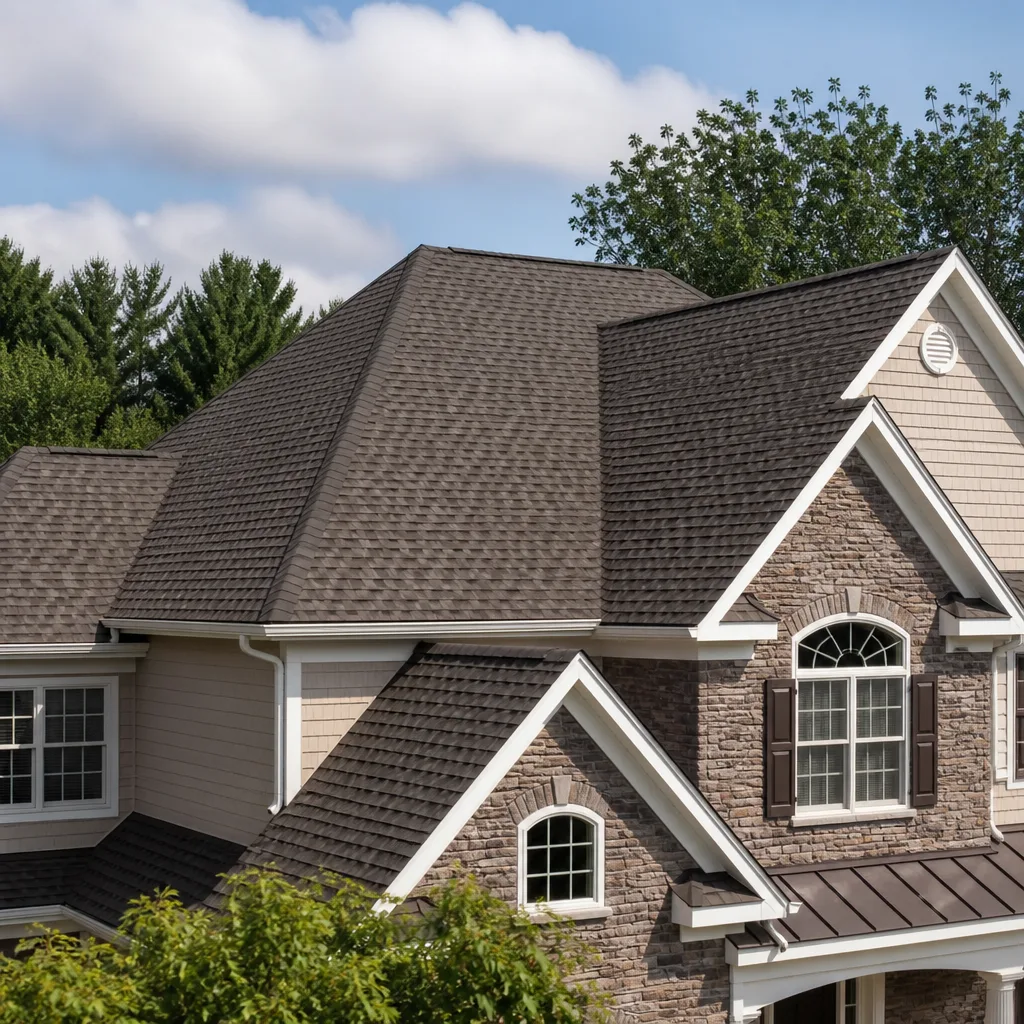
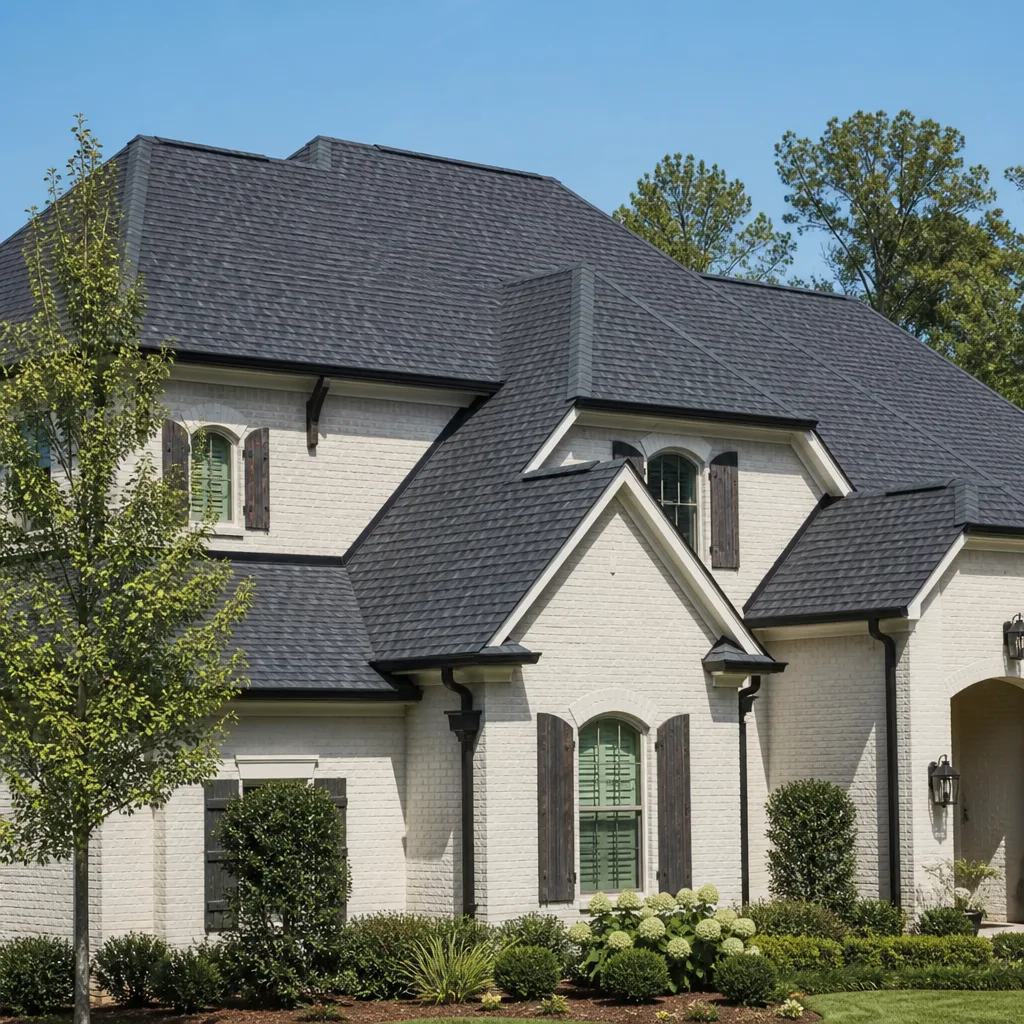
Asphalt architectural shingles remain the most common choice for Los Angeles homes, and manufacturers have responded to local conditions. Products from IKO and Atlas offer enhanced wind ratings and UV stabilizers that perform well in our climate. For Title 24 compliance, look for “cool roof” rated options in the CRRC directory. Typical lifespan in Los Angeles: 20-30 years with proper ventilation.
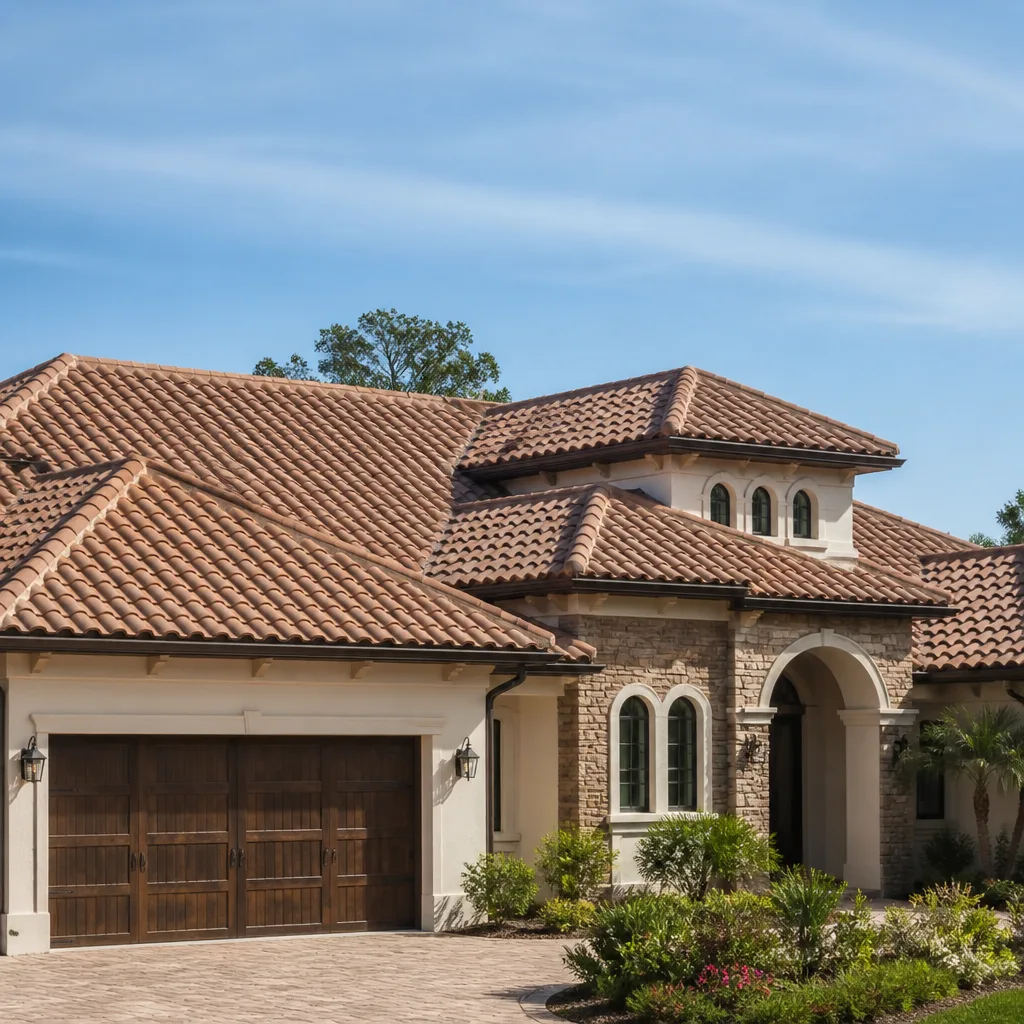
Clay and concrete tile dominate Mediterranean, Spanish Colonial, and Ranch-style architecture across the region. Boral produces concrete tile specifically formulated for coastal salt-air exposure, with reduced efflorescence and color fade. Genuine clay tile from regional manufacturers handles thermal cycling better than lower-grade imports we’ve seen fail prematurely in Pasadena and Altadena installations. Weight is the constraint: these systems require structural engineering verification, especially on older Los Angeles homes with original 2×4 rafter framing.
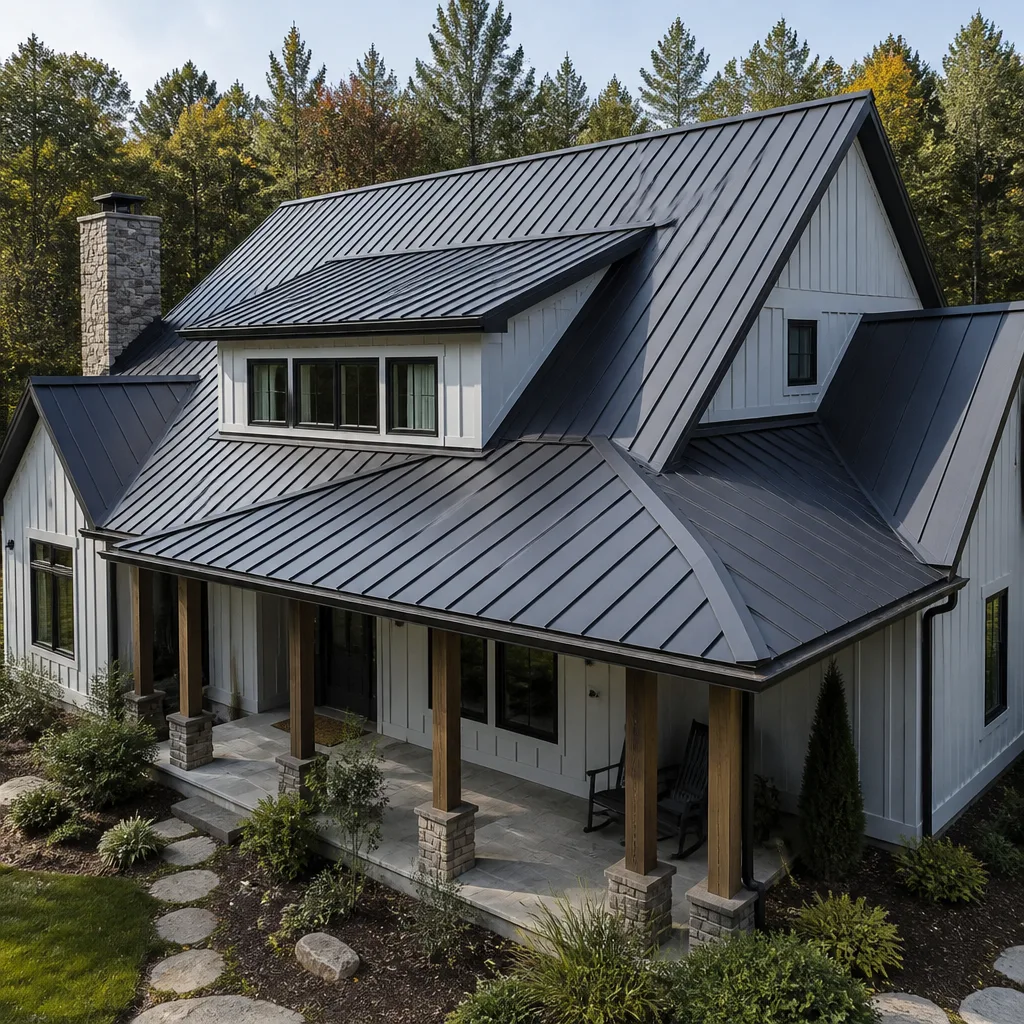
Metal roofing (standing seam, corrugated, or tile-profile) is gaining traction for modern and transitional architecture. It exceeds Title 24 requirements natively and handles Santa Ana winds without the fastener fatigue that affects asphalt shingles. Premium coatings resist salt corrosion for coastal properties in Marina del Rey or San Pedro.
Flat/low-slope systems (TPO, PVC, modified bitumen) appear on Los Angeles mid-century moderns, additions, and garage structures. These require specialized installation expertise distinct from steep-slope work. A contractor whose entire portfolio shows asphalt shingles may not understand torch-down safety protocols or TPO seam welding - and the failure modes are expensive.
We specify materials from seven leading manufacturers - GAF, CertainTeed, Owens Corning, IKO, Atlas, Tamko, and Boral - so the product fits your home, not just what happens to be in the truck. Each selection includes the manufacturer’s written warranty and our own 365-Day Done Right Promise.
Understanding Workmanship and Material Warranties
Warranty language separates roofers who plan to be around from those who don’t. In Los Angeles, you need clarity on two distinct protections: what the manufacturer covers (material defects) and what the contractor covers (installation errors).
Material warranties from manufacturers like Owens Corning or CertainTeed typically range from 25 years to lifetime, but coverage tiers depend heavily on installation compliance. Using non-certified contractors, omitting required accessories (ridge caps, starter strips, proper ventilation), or failing to register the warranty within the specified window can reduce a “lifetime” warranty to 10 years of prorated coverage. Always ask: “What certification level does your company hold with this manufacturer, and does that affect my warranty terms?”
Workmanship warranties are where Los Angeles homeowners get burned. A one-year warranty is common and often adequate for identifying installation defects. But the warranty’s value depends entirely on the company’s survival. We’ve serviced homes in Los Angeles where the original contractor’s phone disconnects and the “lifetime workmanship warranty” is worth the paper it’s printed on.
At Tilehurst Roofing, every repair carries a written guarantee delivered before the crew leaves, not mailed later. If a repair fails inside the guarantee period, we return to correct it at no charge. Our 365-Day Done Right Promise extends a full year of documented accountability on every job. The Kingswell Way is specific: say the price before the work, show up in the window we gave, leave the place cleaner than we found it, put the guarantee in writing, come back if it fails.
Background-checked, uniformed technicians on every job mean you know exactly who is on your roof. No subcontractors whose training and insurance you can’t verify. No day-labor pickups from the hardware store parking lot.
Common Mistakes to Avoid
- Choosing based on price alone. The lowest bid in Los Angeles often excludes permit fees, tear-off costs, or proper ventilation - line items that appear as surprise charges later or never appear, leaving you with an underperforming roof.
- Accepting verbal estimates. California law requires a written contract for home improvement work exceeding $500. A contractor who won’t put pricing in writing before work starts is operating outside legal requirements and basic professional standards.
- Ignoring permit responsibility. Homeowners who pull permits to save money or accommodate unlicensed contractors assume liability that persists through resale and insurance claims.
- Neglecting ventilation. Los Angeles attics reach 150°F in summer. Inadequate ridge and soffit ventilation cooks shingles from underneath, voids manufacturer warranties, and drives cooling costs upward. Every complete estimate should address intake and exhaust ventilation specifically.
- Hiring out-of-area contractors post-disaster. After Santa Ana wind events or fire seasons, out-of-state crews canvass affected neighborhoods with promises of rapid scheduling. They rarely understand local LADBS inspection requirements and are unreachable when callbacks are needed.
- Skipping the CSLB check. Two minutes of verification prevents months of dispute resolution. Suspended licenses, expired bonds, and C-39 classification gaps are public record and immediately visible.
When to Call a Professional
Some roofing situations in Los Angeles demand immediate professional assessment: active leaks during rain events, visible sagging in the roof plane, daylight visible through attic decking, or shingles scattered across your yard after Santa Ana winds. These conditions worsen rapidly and can damage insulation, electrical systems, and structural elements.
Less obvious but equally important: your roof’s age approaching the end of its rated lifespan, granule accumulation in gutters (indicating shingle degradation), or interior ceiling stains that appear after the first winter rain. In coastal Los Angeles neighborhoods from Venice to San Pedro, we also watch for corrosion on metal flashings and fasteners from salt-air exposure.
Tilehurst Roofing offers free estimates in Los Angeles - call (945) 303-9821. Our technician will inspect your roof, document conditions with photos, and provide a written line-item estimate before any work is discussed. There’s no pressure, no obligation, and no surprise pricing if you choose to proceed.
Frequently Asked Questions
Most complete asphalt shingle roof replacements in Los Angeles run $8,500-$18,000 for typical single-family homes between 1,500 and 3,000 square feet, with clay tile or metal systems ranging $18,000-$45,000+ depending on structural requirements and material tier. Before deciding on a full replacement, read DIY vs Professional Roof Replacement: What’s Safe to Do Yourself. Factors pushing costs higher include steep pitch, multiple penetrations, extensive decking replacement, and access difficulty in hillside neighborhoods. Call (945) 303-9821 for an exact quote - estimates are free.
Visit checkthelicense.cslb.ca.gov and enter the contractor’s license number or business name. Verify the status reads “Active,” the classification includes “C-39 – Roofing,” and workers’ compensation insurance is current. The process takes under two minutes and is the single most important vetting step any Los Angeles homeowner can take.
Title 24 is California’s building energy efficiency code. In Los Angeles, most complete re-roofing projects must install materials meeting cool-roof reflectance and emittance standards for your climate zone. Your contractor should specify CRRC-rated products and document compliance on the permit application. Non-compliance risks inspection failure and resale complications.
With a properly detailed written estimate, it shouldn’t. Our written price is in your hands before any work starts, every single time. Change orders should only occur for genuinely unforeseen conditions documented with photos - typically concealed decking damage not visible during exterior inspection. We specify per-sheet decking pricing upfront so even these scenarios have predetermined costs.
Tilehurst Roofing pulls all permits in our name and license number. This makes us the responsible party with LADBS, protects your property record, and ensures inspection scheduling and compliance fall to us, not you. Never accept a request to pull an owner-builder permit for contracted roofing work.
Typical asphalt shingle replacements on standard Los Angeles homes complete in 2-4 days, weather permitting. Clay tile, metal, or complex architectural designs may extend to 5-10 days. LADBS inspection scheduling adds 1-3 business days depending on district workload. We provide a specific timeline in writing before work begins.
The Bottom Line
Hiring a roofing company in Los Angeles requires more diligence than in most markets because the barriers to entry are low and the transient contractor population is high. The framework is straightforward: verify the C-39 license, confirm permit responsibility, demand line-item written pricing, validate local presence, and understand what your warranty actually covers. Materials must meet Title 24 for your climate zone, and the estimate must account for Los Angeles-specific conditions from Santa Ana winds to coastal salt air. The contractors who survive this vetting are the ones worth inviting onto your property. Explore our more guides & resources for additional homeowner protection strategies.
Written by Greg Holloway, Owner at Tilehurst Roofing, serving Los Angeles since 2000.