
Last updated October 8, 2026
Free roof inspection with deck photos before we talk money - GAF and Owens Corning certified installation
 Before
 After
After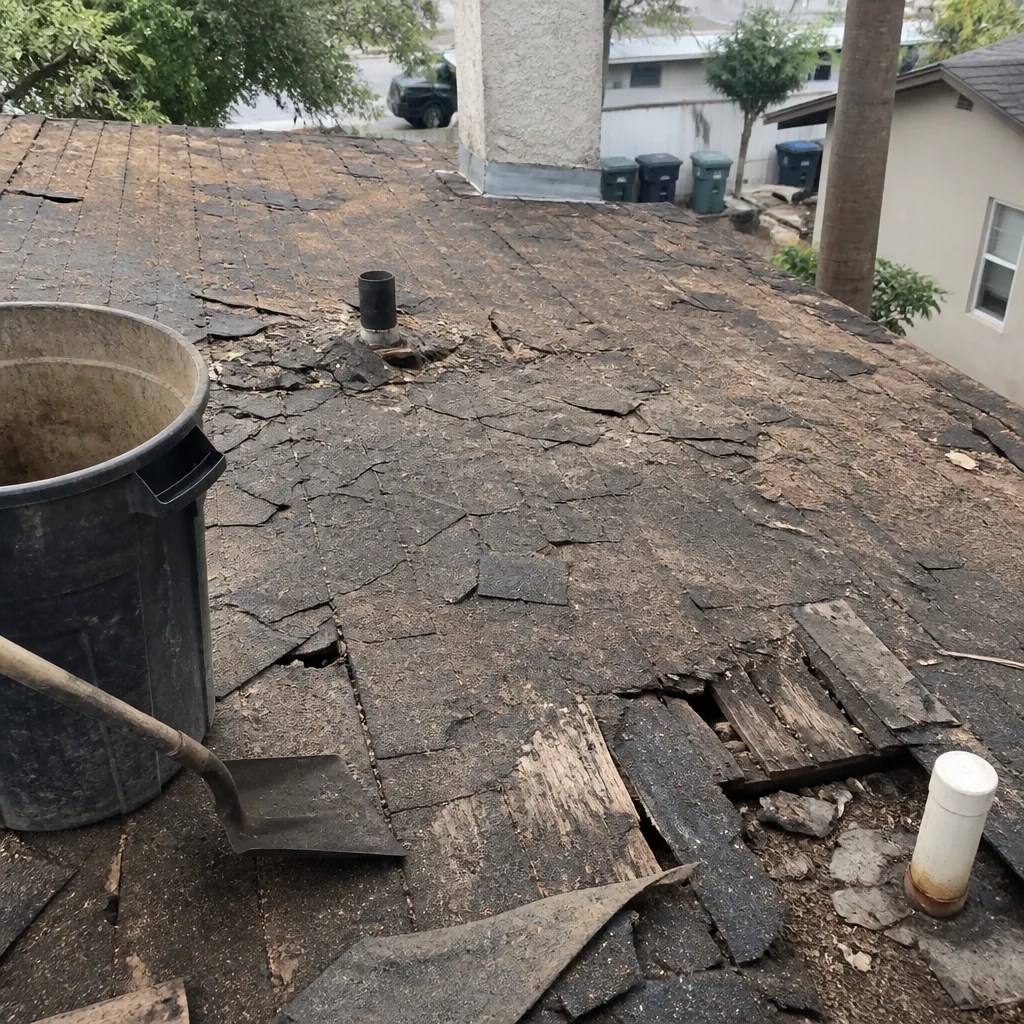 Before
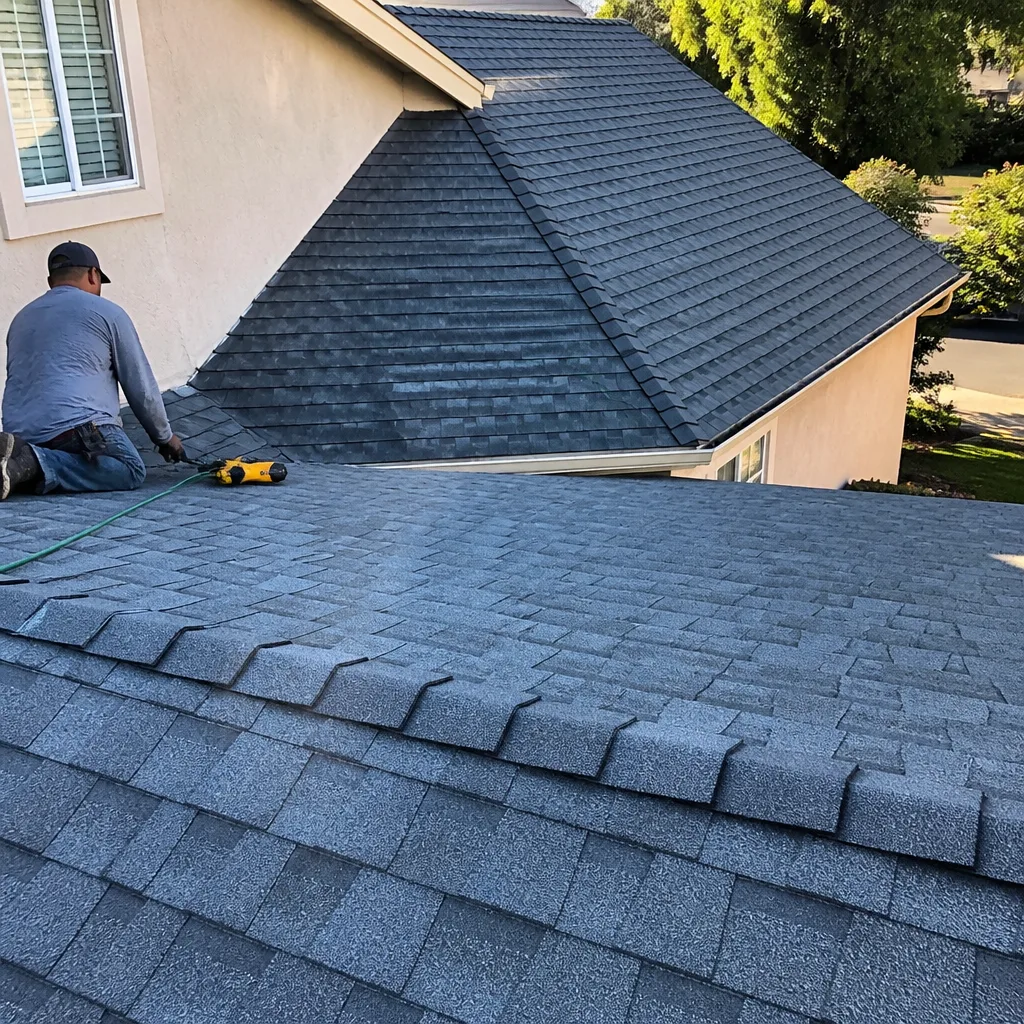 After
After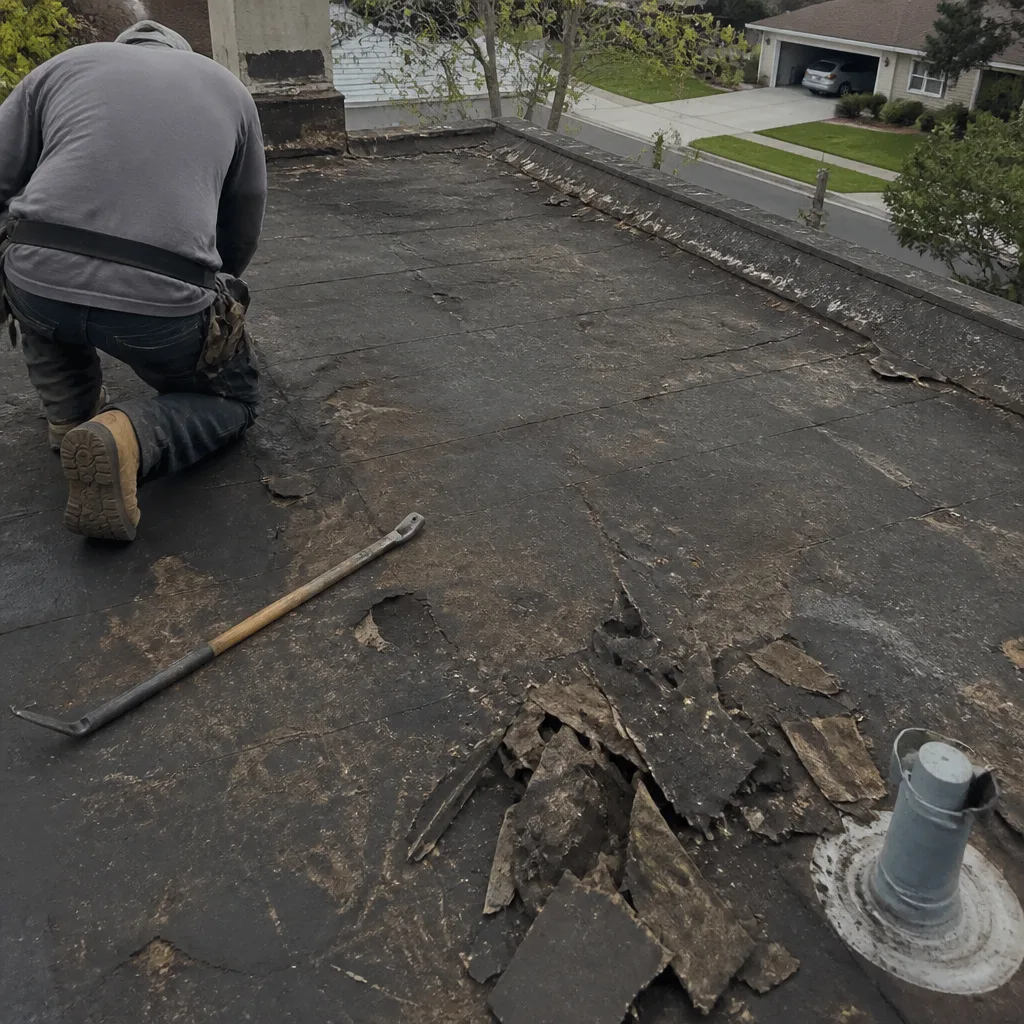 Before
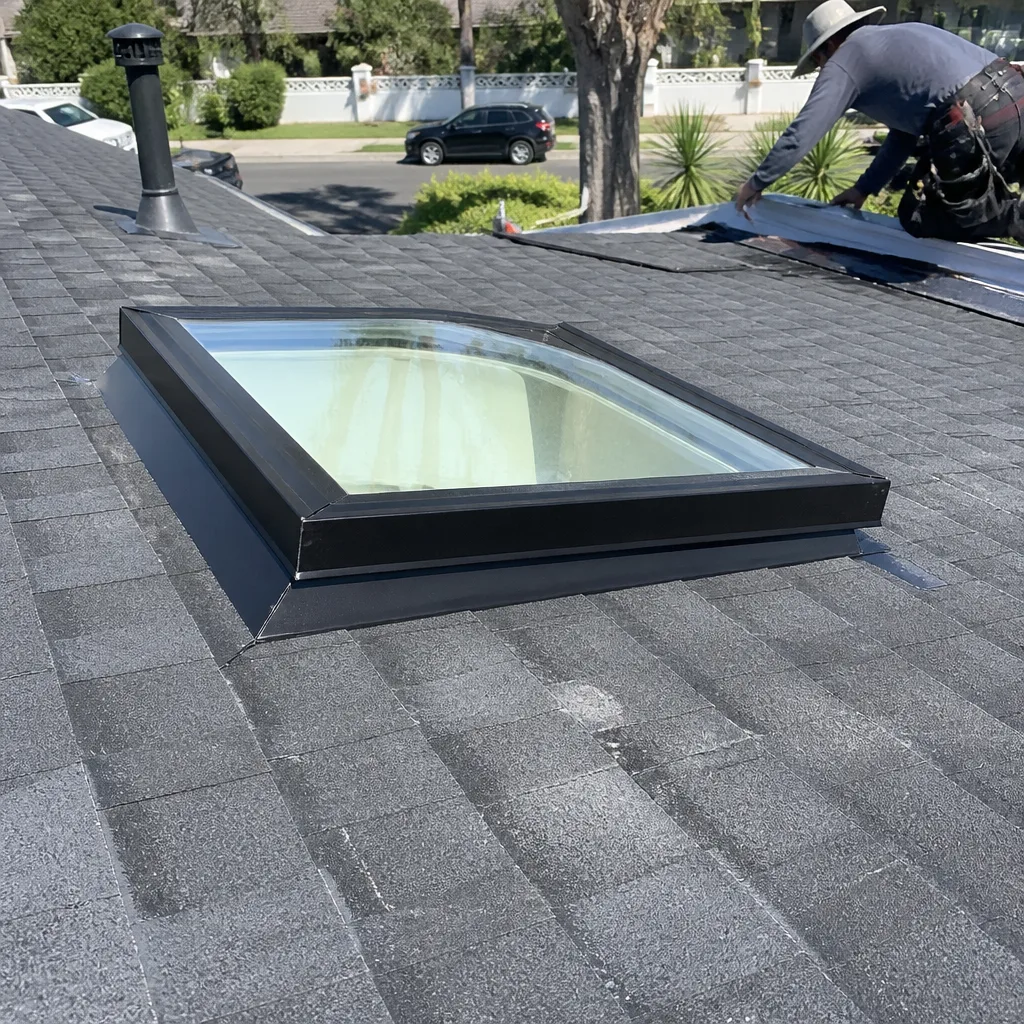 After
AfterDIY vs Professional Roof Repair: What’s Safe to Do Yourself
The internet will teach you how to replace a roof tile in eight minutes. It won’t tell you that incorrect reinstallation of the tiles below it is what causes the leak you’ll be calling a professional about in February. We’ve been up on Los Angeles roofs since 2000, and we’ve seen the same pattern repeat: a homeowner saves $200 on a Saturday afternoon, then spends $2,400 the following winter fixing water damage to decking, insulation, and interior drywall. This guide draws an honest line between what you can genuinely handle yourself and what only looks simple from the ground - read our full comparison of DIY vs Professional Roof Replacement: What’s Safe to Do Yourself for a deeper breakdown. We’ll cover the specific repairs that fit a competent homeowner’s skill set, the hidden compounding risks that don’t show until the next rainy season, and how to talk to a contractor if your DIY attempt needs professional rescue.
Quick Answer
Most Los Angeles homeowners can safely handle three categories of roof maintenance themselves: replacing a single cracked concrete or clay roof tile, resealing a dried-out pipe boot collar with proper roofing sealant, and clearing debris from a clogged flat-roof scupper or drain. Everything else - including any repair involving underlayment, flashing, multiple tiles, or work more than a single story up - carries injury risk or compounding water damage risk that makes our Roof Repair services the cheaper option long-term.
Table of Contents
- Roof Repairs You Can Actually Do Yourself
- Why Home Improvement Store Materials Fall Short
- The Compounding Risk Problem: When Almost Right Becomes Wrong
- Los Angeles-Specific Safety Hazards
- How to Describe a Failed DIY Repair to a Contractor
- DIY Cost vs Professional Repair: Real Numbers
- Common Mistakes to Avoid
- When to Call a Professional
- Frequently Asked Questions
Roof Repairs You Can Actually Do Yourself
Let’s be specific. Here are the three repairs we’ve watched homeowners complete successfully, with the caveats that separate a fix from a future problem.
1. Replacing a Single Cracked Concrete or Clay Tile
Concrete and clay tiles dominate Los Angeles roofing, from Pasadena’s historic districts to newer construction in the San Fernando Valley. A single cracked tile from impact or thermal stress is genuinely replaceable if you can reach it from a secure ladder position without stepping onto the roof surface.
What you’ll need: a matching replacement tile (check your garage or attic for extras left by the builder), a flat pry bar, and a piece of 2×4 to distribute pressure when you lift adjacent tiles. The process is mechanical, not chemical: lift the overlapping tiles above the broken one, slide out the damaged piece, slide in the replacement, and let the upper tiles settle back into their original interlock pattern.
The failure point most homeowners miss: the tiles above must return to their exact original position. A shift of even half an inch breaks the water-shedding geometry. In our experience, the leak from a poorly seated replacement tile doesn’t appear immediately. It waits for the first sustained rain, then channels water directly onto the underlayment at a point that wasn’t designed to handle it.
2. Resealing a Pipe Boot Collar
Pipe boots - the rubber or neoprene collars around plumbing vents - dry out fast in Los Angeles sun. A cracked collar is one of the most common leak sources we see, and resealing it is within reach if the pipe itself is secure and the surrounding shingles or tiles are intact.
Use a high-grade roofing sealant, not silicone caulk from the hardware aisle. Silicone won’t bond to roofing materials under thermal cycling. We specify sealants compatible with CertainTeed and Owens Corning underlayment systems, which is what you’ll find on most Los Angeles homes built after 1995. Apply a generous bead around the collar base, tool it smooth with a gloved finger, and let it cure per manufacturer instructions before expecting water resistance.
3. Clearing a Clogged Scupper or Drain on a Flat Roof
Flat roofs collect debris at drainage points. A clogged scupper on a tar-and-gravel or modified bitumen roof can back water up to levels the membrane wasn’t designed to hold. If you can safely reach the drain from a stable ladder or roof access point, clearing leaves and sediment is straightforward maintenance.
Never force a wire or rod through a drain you can’t see into. Older Los Angeles flat roofs, particularly in Mid-City and Koreatown, have galvanized drains that corrode from the inside. A forced cleaning tool can punch through a thin spot and create a leak path that didn’t exist before.
Why Home Improvement Store Materials Fall Short
This is where most DIY repair guides stay silent, and it’s the point that costs homeowners the most money in the long run - see DIY vs Professional Roofing Company: What’s Safe to Do Yourself for related guidance.
The roofing aisle at your local home improvement store carries products labeled for roof repair. What they don’t carry is the product grade that professional roofers source through authorized distribution. The difference matters in three specific ways.
Underlayment and patch membranes: Store-grade peel-and-stick patches use asphalt formulations with lower softening points. A Los Angeles August rooftop reaches 160°F surface temperature. At that heat, budget patches flow and lose adhesion. The Atlas and IKO self-adhering membranes we specify for repairs are rated for sustained 200°F exposure. They’re not available retail because manufacturers restrict them to contractors who’ve completed installation certification.
Sealants and adhesives: The urethane and butyl sealants in contractor channels have elongation ratings of 400% or higher. Store alternatives often test at 150-200%, which means they tear at the joint movement that normal thermal expansion creates on a Los Angeles roof.
Tile and shingle matching: Color lots vary between production runs. A tile that looks identical in store lighting may weather to a visibly different shade within one season of sun exposure. We source from the same manufacturer production lots, and we maintain records of which lot was installed on which home. When we do a repair on a roof we installed, the match is exact because we’re pulling from documented inventory.
The practical implication: a DIY repair with store materials often lasts 12-18 months in Los Angeles conditions. A professional repair with contractor-grade materials, properly installed, lasts the remaining life of the surrounding roof system. The gap between those two outcomes is where the real cost difference lives.
The Compounding Risk Problem: When Almost Right Becomes Wrong
This is the central thesis of this guide, and it’s the thing we’ve learned to spot from twenty-five years of roof repair in Los Angeles.
A DIY repair doesn’t have to fail catastrophically to cause damage. It can fail partially, invisibly, and slowly - and that’s actually worse.
Here’s a case we’ve seen repeatedly in Silver Lake and Echo Park, where clay tile roofs from the 1920s and 1930s are common. A homeowner replaces a cracked tile. The replacement sits slightly high, breaking the water channel that runs between tile courses. Water doesn’t pour through. It migrates. It finds the nail holes in the underlayment, which were never meant to handle direct water exposure. Over six to ten months, those nail holes rust through. The underlayment delaminates. Now the repair area is larger, the decking beneath is soft, and the interior ceiling shows staining.
The professional repair that would have cost $350 originally now requires:
- Removal of multiple tile courses to access damaged underlayment
- Replacement of water-compromised decking sections
- New underlayment integration with existing material
- Tile replacement across a wider area for color matching
- Possible interior drywall and insulation repair coordination
The total often runs $2,500-$4,000. The homeowner saved nothing. They lost time, stress, and the structural integrity of materials that were fine before the DIY attempt.
This pattern repeats with pipe boot resealing when the underlying flashing is actually the failure point, and with flat roof patches when the substrate moisture isn’t detected before the patch goes down. The sealant adheres to wet material, traps moisture, and accelerates the rot that becomes a full membrane replacement.
We don’t tell you this to scare you into hiring us. We tell you because it’s what we’ve actually found when we open up repairs that followed DIY attempts. The compounding risk is real, it’s specific, and it’s predictable enough that we can warn you about it with confidence.
Los Angeles-Specific Safety Hazards
Roof work in Los Angeles carries hazards that don’t exist at the same intensity in other climates. Four factors change the risk calculation.
Tile Roofs That Look Walkable But Aren’t
Concrete and clay tiles give the visual impression of a solid surface. They’re not. They’re designed to shed water in an overlapping pattern, not to support concentrated foot traffic. A 200-pound person stepping near the unsupported edge of a tile creates point loading that cracks the tile and often the tile beneath it. We’ve seen homeowners create five new leaks while trying to reach one.
The additional Los Angeles factor: thermal shock. Tiles that have baked in August sun become more brittle. A step that would have flexed safely in morning coolness fractures cleanly at 2 PM.
Flat Roofs With Hidden Soft Spots
Los Angeles has thousands of flat roofs from the mid-century building boom, particularly in the Fairfax District, Culver City, and stretches of the Valley. These roofs often have subsurface rot from decades of minor, unrepaired leaks. The surface looks solid. The substrate beneath is punky wood or saturated insulation board. Step in the wrong place and your foot goes through to the ceiling below. The fall risk is secondary to the structural damage and personal injury risk.
The Heat Factor
Asphalt shingle and modified bitumen roofs in Los Angeles reach surface temperatures of 150-170°F in summer. This isn’t discomfort. It’s a genuine medical hazard. Heat exhaustion symptoms - dizziness, nausea, impaired judgment - onset faster when you’re working at height, where balance and decision-making matter. We’ve had experienced crew members need descent and cooling. A homeowner without hydration protocols and heat monitoring is at real risk.
Santa Ana Wind Conditions
Wind gusts above 40 mph create balance hazards even on low-slope roofs. The Santa Ana pattern can arrive without warning on otherwise clear days. Professional crews monitor wind speed and suspend work above threshold levels. A homeowner already committed to a repair in progress rarely has that discipline.
How to Describe a Failed DIY Repair to a Contractor
If you’ve attempted a repair and suspect it needs professional correction, how you describe the prior work affects the contractor’s approach and your quote accuracy. Here’s what helps and what doesn’t.
Be specific about materials: “I used the black roofing cement from Home Depot” tells us exactly what we’re dealing with. “I sealed it” doesn’t. Different sealants require different removal approaches before proper materials can be applied.
Describe the sequence, not just the result: “I lifted the three tiles above, slid out the broken one, put in the replacement, and set the upper tiles back” lets us check the water channel geometry. “I replaced a tile” doesn’t tell us whether the interlock was restored.
State the timing: When did you do the work, and when did you first notice the new leak? This helps distinguish between installation error and subsequent damage from unrelated causes.
Don’t conceal the attempt: We’ve heard “I think it was already leaking there” from homeowners who are embarrassed about a failed DIY. We don’t judge. We do need to know what materials are in place so we can price removal and proper repair accurately. Concealed prior work leads to change orders when we discover incompatible materials mid-job.
Photograph before you call: If you can safely reach the repair area with a phone camera from a ladder position, photos of the work surface help us prepare the right materials and crew configuration before we arrive. This matters for Tilehurst Roofing dispatch because we bring specific sealant and membrane types based on roof system identification.
DIY Cost vs Professional Repair: Real Numbers
Los Angeles roofing repair costs vary by access difficulty, material type, and the extent of hidden damage. These ranges reflect what we quote for straightforward repairs with no compounding damage from prior attempts.
| Repair Type | DIY Material Cost | Professional Repair Range | Risk of DIY Compounding Cost |
|---|---|---|---|
| Single tile replacement (concrete/clay) | $15-$40 | $180-$340 | High: improper seating causes underlayment damage |
| Pipe boot resealing | $12-$25 | $150-$280 | Moderate: may mask flashing failure beneath |
| Flat roof scupper clearing | $0-$15 | $120-$200 | Low for clearing, high if drain damage occurs |
| Shingle tab repair (3-tab asphalt) | $20-$35 | $160-$300 | High: nail placement errors create wind uplift vulnerability |
| Flashing repair at wall or chimney | $30-$80 | $400-$850 | Very high: improper integration guarantees leak path |
| Underlayment patch | $40-$90 | $350-$650 | Very high: substrate prep determines adhesion |
The pattern in these numbers: the narrower the price gap between DIY and professional, the higher the compounding risk. Single tile replacement has the largest DIY savings potential and the highest failure cost if done wrong. Flashing repair has a smaller DIY savings and catastrophic failure potential. The economic logic isn’t complicated. It’s just rarely presented this directly.
Common Mistakes to Avoid
- Walking a tile roof without understanding load paths. In the Hollywood Hills and Los Feliz, we’ve replaced dozens of tiles cracked by homeowners who stepped on the unsupported lower edge rather than the reinforced upper third where the tile overlaps its neighbor below.
- Using silicone caulk on roofing materials. Silicone doesn’t adhere to asphalt-based underlayment or to the mineral surface of composition shingles. It looks sealed. It isn’t. We remove failed silicone and start over on roughly one in five DIY rescue calls.
- Patching over wet substrate. Los Angeles flat roofs trap moisture from our occasional heavy winter rains. A patch applied to damp wood or insulation traps that moisture and accelerates rot. The patch holds. The structure beneath doesn’t.
- Ignoring the fastener pattern on shingle repairs. Three-tab shingles require six nails in specific placement for wind resistance. Los Angeles building code specifies this for good reason: Santa Ana winds will lift a poorly nailed repair. We find shingles in yards, not on roofs, after wind events.
- Matching color in store lighting. That tile looks right under fluorescent aisle lights at 10 AM. On your roof at 4 PM in direct sun, it may read two shades different. We source from manufacturer lots with documented color codes for this reason.
- Working without a spotter or communication plan. A homeowner on a roof with no one home, no phone within reach, and no scheduled check-in is a medical emergency waiting to happen. Our crews work in pairs minimum for this reason.
When to Call a Professional
Call a professional when the repair involves: more than one tile or shingle; any flashing, underlayment, or decking; work above a single story; work on a slope steeper than 4:12; or any situation where you can’t clearly see and reach the repair point from a stable ladder position.
Also call when you’ve attempted a repair and the leak persists or worsens. The compounding risk window is narrow. Catching it early limits the scope of professional correction.
Tilehurst Roofing offers free estimates in Los Angeles. We’ll give you a written price before any work starts, every single time, with no pressure to proceed. If you’ve got a DIY attempt that needs professional rescue, we’re straightforward about what’s salvageable and what needs complete redo. Call (945) 303-9821 to schedule your free estimate.
Frequently Asked Questions
You can safely handle three specific repairs yourself in most cases: replacing a single cracked concrete or clay tile, resealing a dried pipe boot collar with proper roofing sealant, and clearing debris from a flat-roof drain or scupper. Anything involving underlayment, flashing, multiple tiles, or work you can’t reach from a secure ladder position should go to a professional. For more guides & resources, visit our blog, or call (945) 303-9821 for an exact quote on repairs you’re unsure about - estimates are free.
Most asphalt shingle repairs in Los Angeles run $160-$300, concrete or clay tile repairs run $180-$340, and flashing repairs run $400-$850. Flat roof membrane patches typically fall between $350-$650. These ranges assume no hidden damage from prior DIY attempts. Call (945) 303-9821 for a written, itemized quote specific to your roof.
At Tilehurst Roofing, the written price we give you before work starts is the price you pay. If we discover hidden damage that wasn’t visible during inspection, we stop work, show you what we found, and provide a revised written quote before proceeding. No change orders without your explicit approval. That’s The Kingswell Way.
We pull permits for any repair that triggers Los Angeles building code requirements, including decking replacement, structural modifications, and full roof replacements. Minor repairs that don’t alter the roof system typically don’t require permitting. We’ll tell you explicitly whether your specific repair needs a permit and handle all paperwork if it does.
Most single-point repairs take 2-4 hours of on-site work. Tile replacement with no underlying damage is often completed in under two hours. Flashing repairs or decking replacement may extend to a full day. We give you a time window when you schedule, and our background-checked, uniformed technicians arrive in that window or call ahead if traffic or prior job complexity requires adjustment.
Call us and describe what was done, with what materials, and when you first noticed the new leak. We’ll assess whether the DIY work can be worked around or needs complete removal. Transparency about prior work gets you a more accurate initial quote and avoids surprises. Every repair we complete carries our written 365-Day Done Right Promise - if it’s not done right, we make it right, for a full year after the job.
The Bottom Line
The honest line on DIY roof repair is narrower than most guides admit. Three repairs - single tile replacement, pipe boot resealing, and flat roof drain clearing - are genuinely within reach for careful homeowners with proper materials and realistic safety awareness. Everything else carries compounding risk that turns a small savings into a larger expense, often with months of hidden water damage in between. The materials available to homeowners aren’t the same grade as contractor-specified products, and the difference shows up in longevity under Los Angeles thermal stress. If you’re uncertain about a repair, getting a written professional quote costs nothing and gives you a baseline for deciding. That’s the practical, no-nonsense approach we’ve built Tilehurst Roofing on since 2000.
Written by Greg Holloway, Owner at Tilehurst Roofing, serving Los Angeles since 2000.