
Last updated October 8, 2026
Free roof inspection with deck photos before we talk money - GAF and Owens Corning certified installation
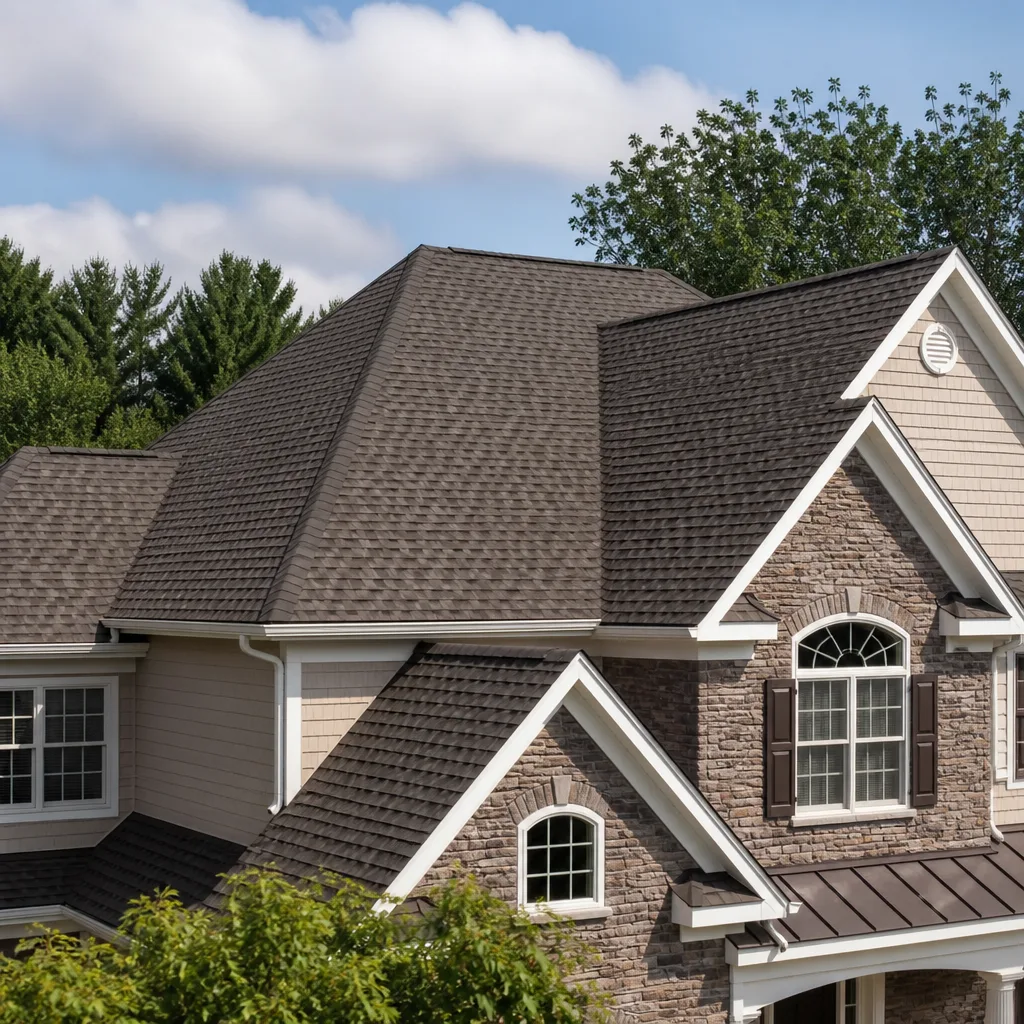
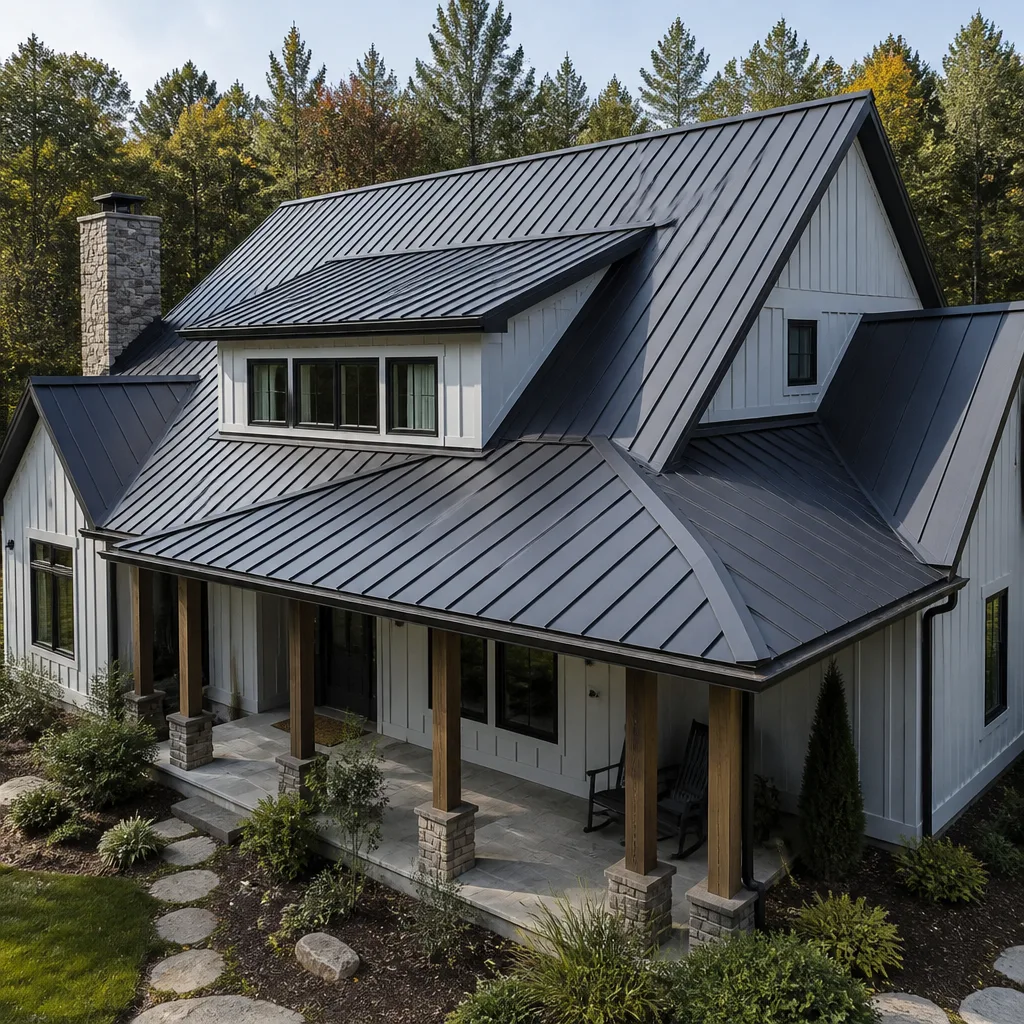
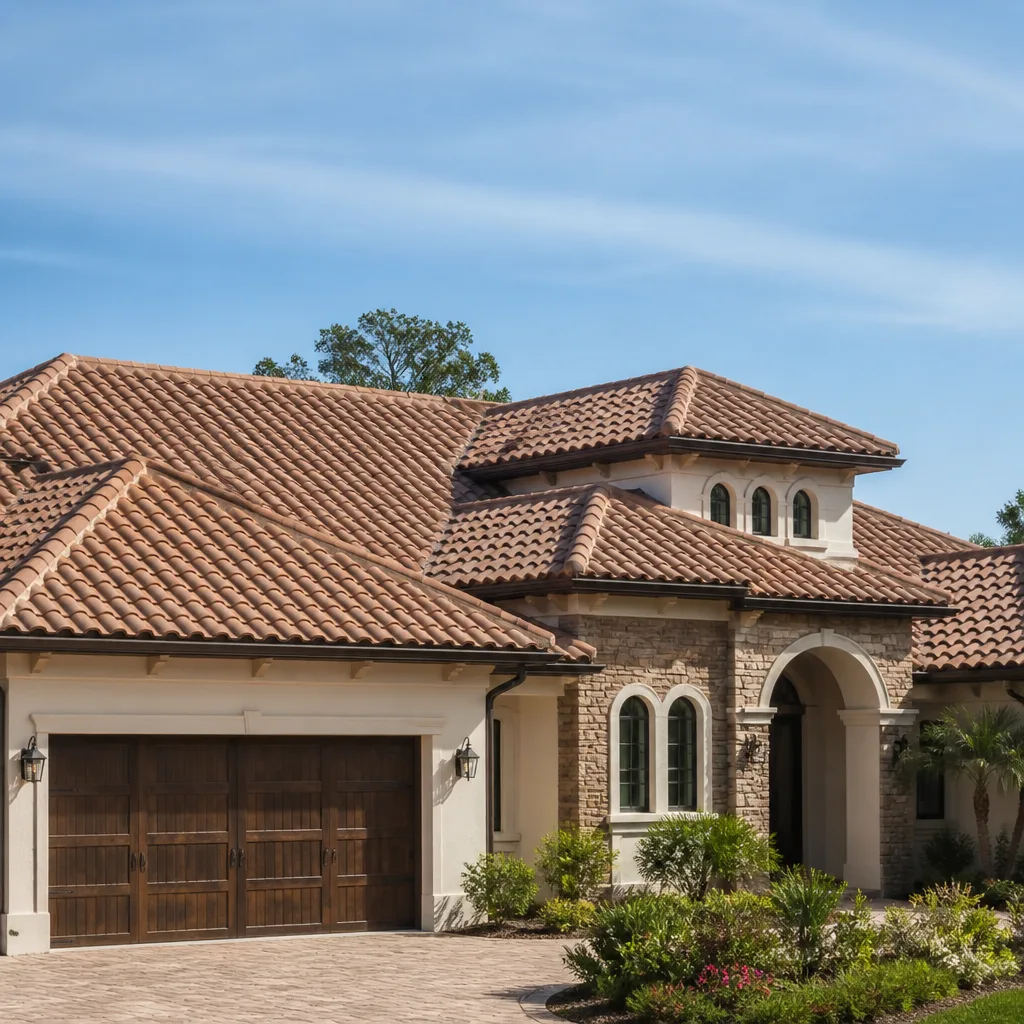
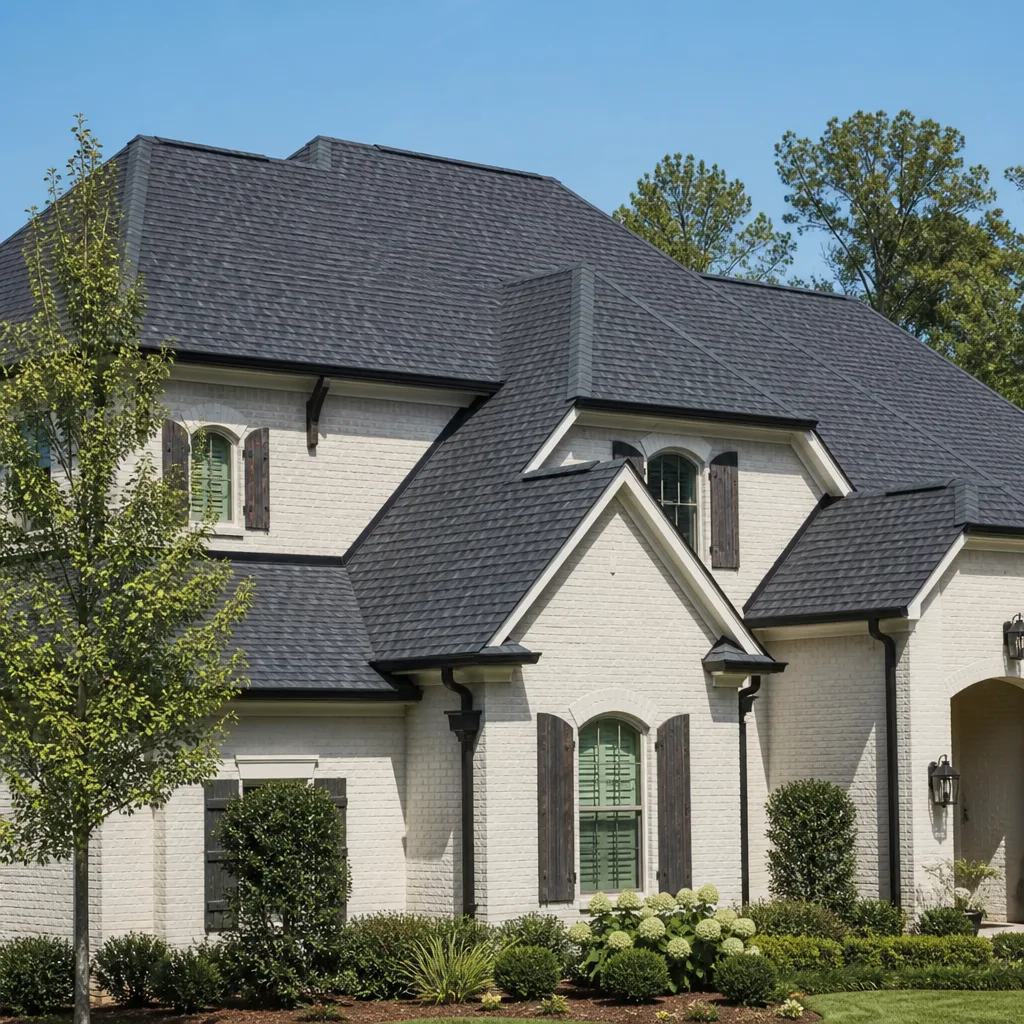
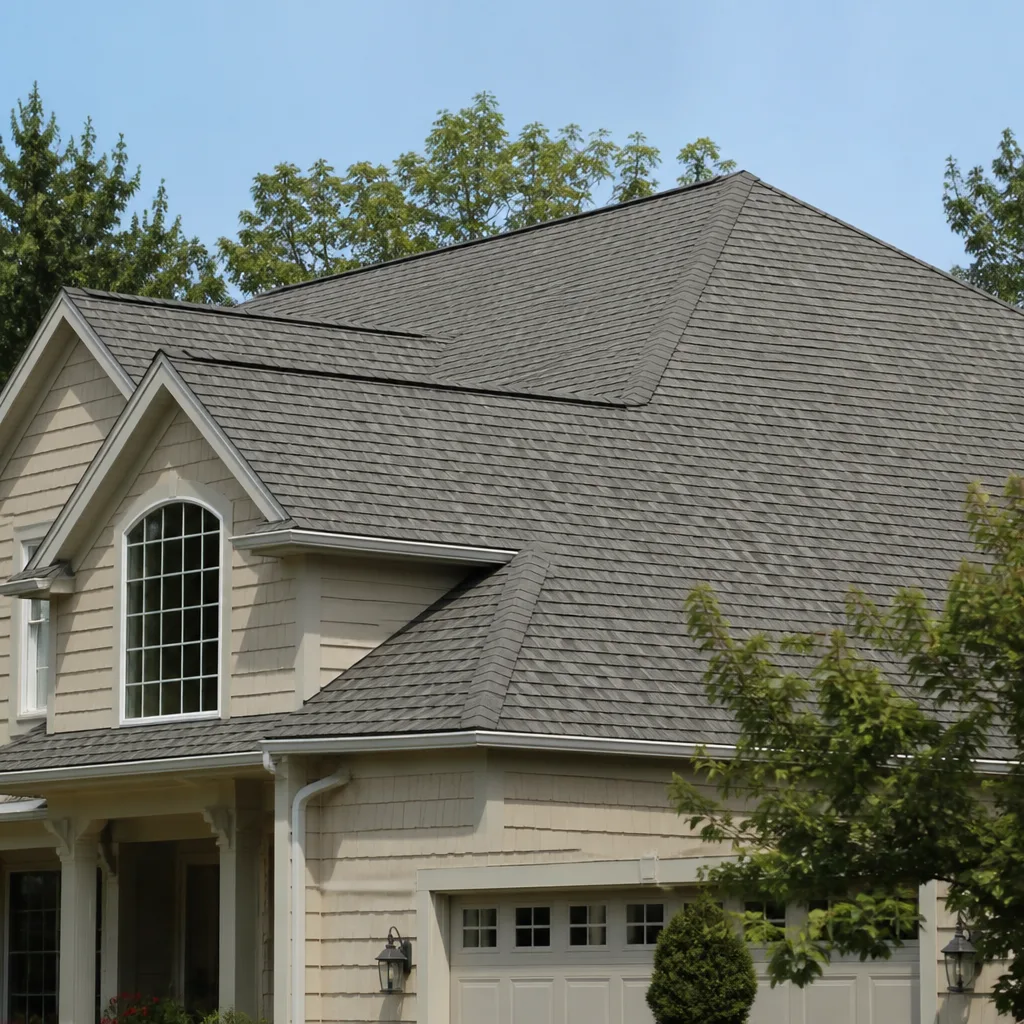
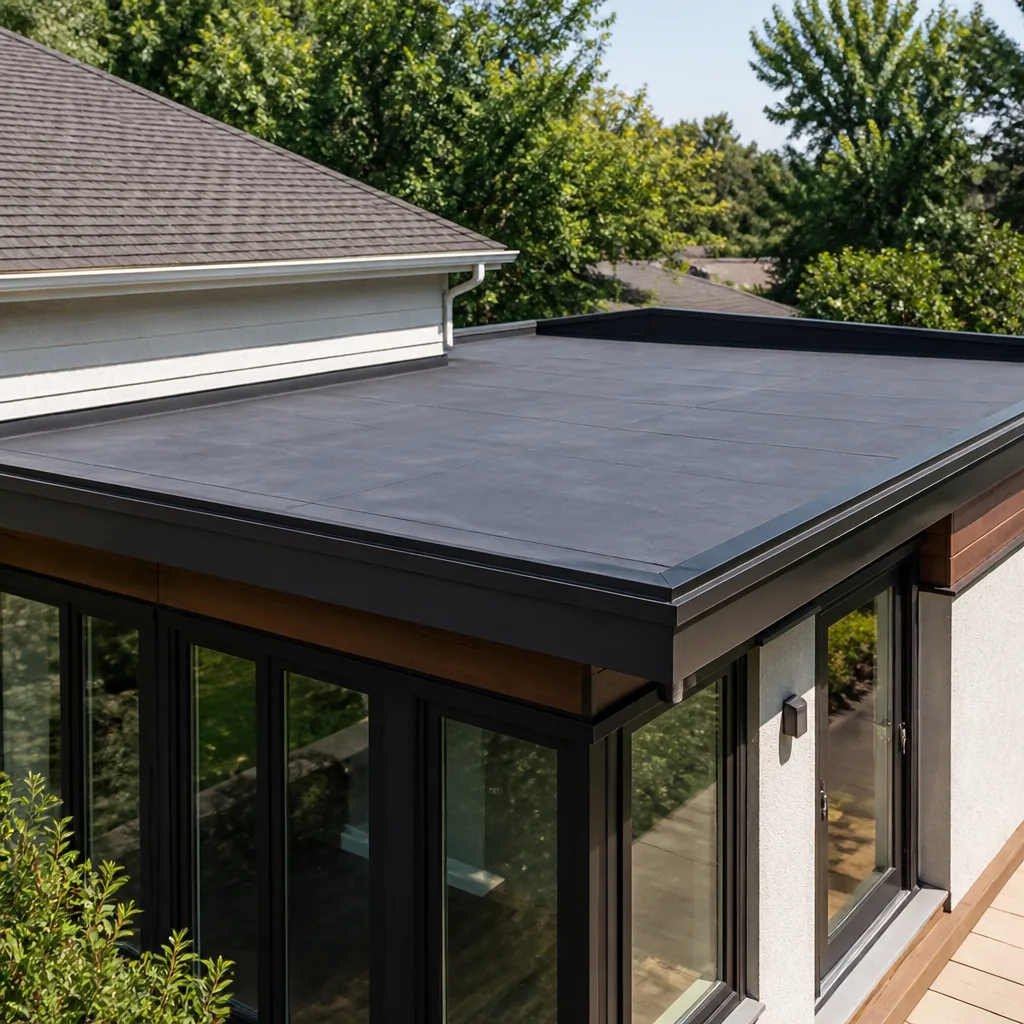
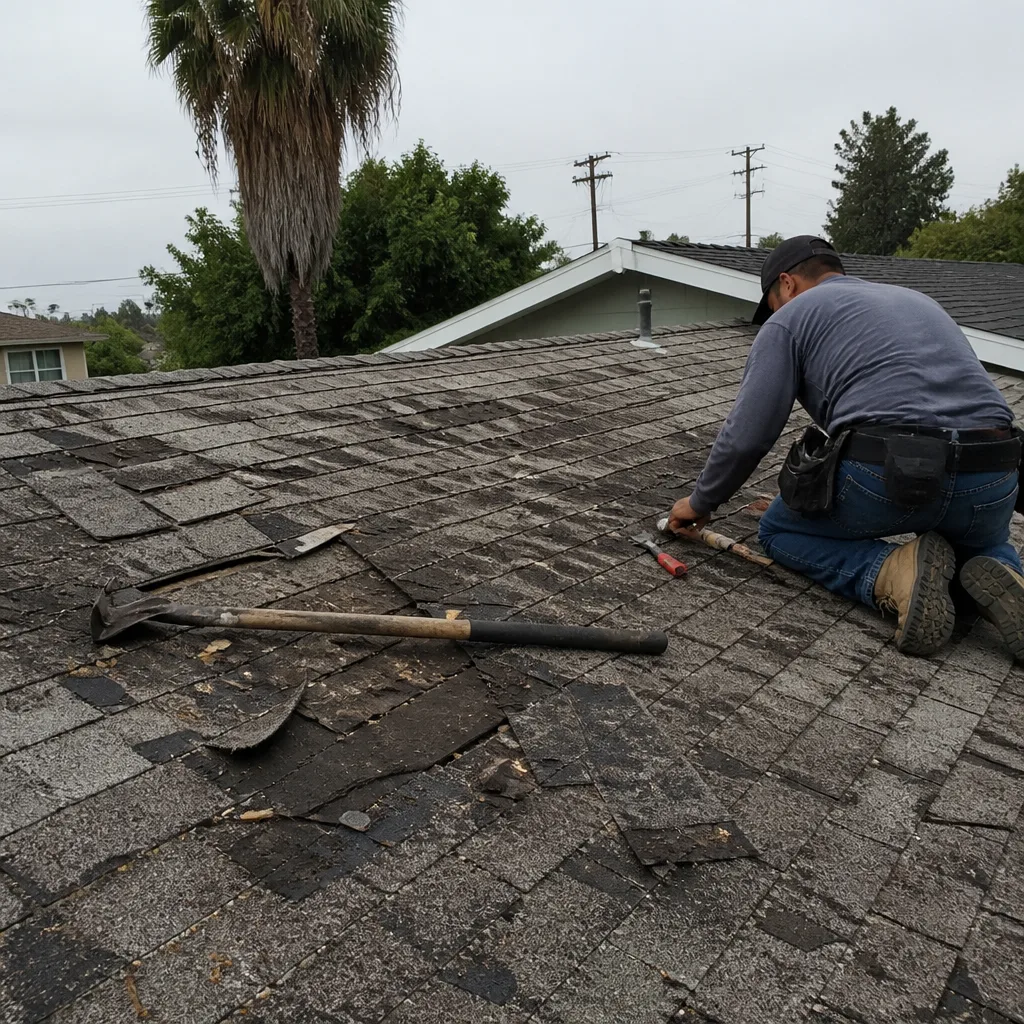 Before
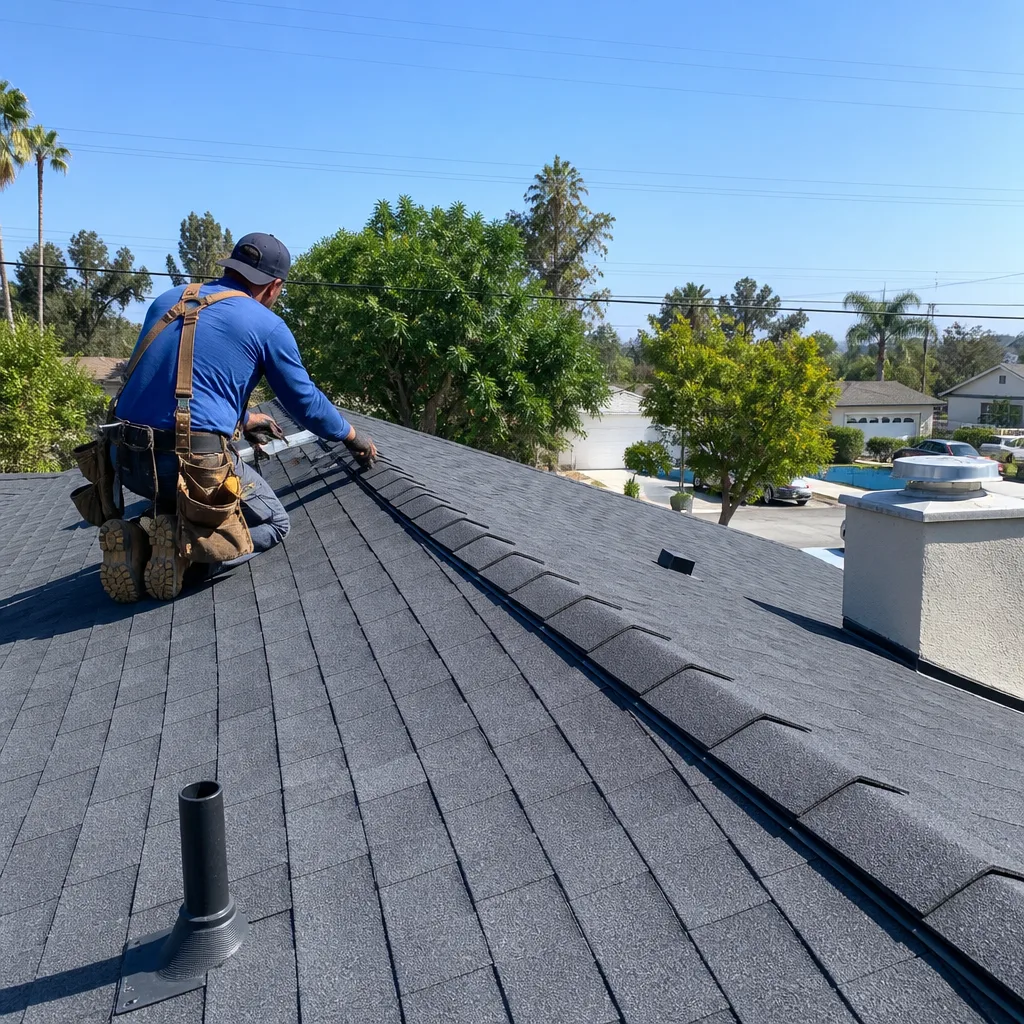 After
After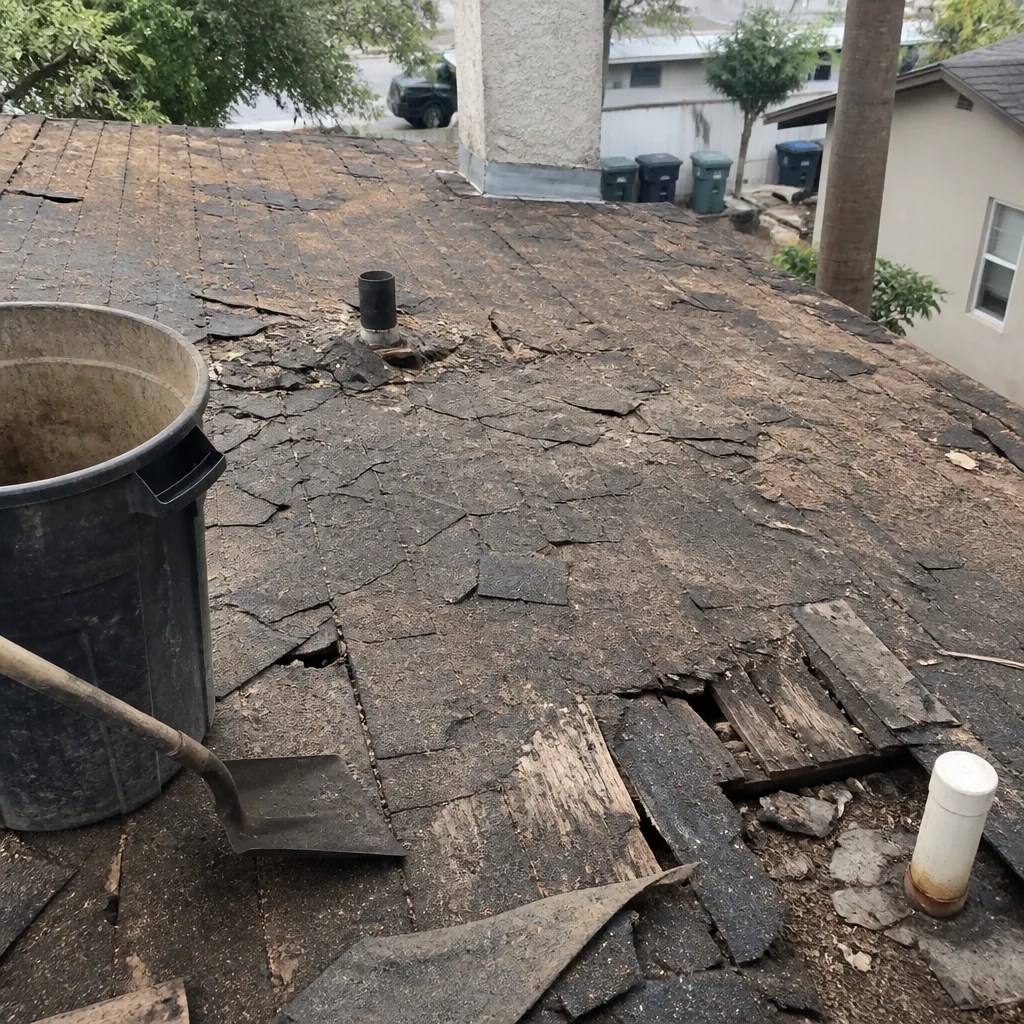 Before
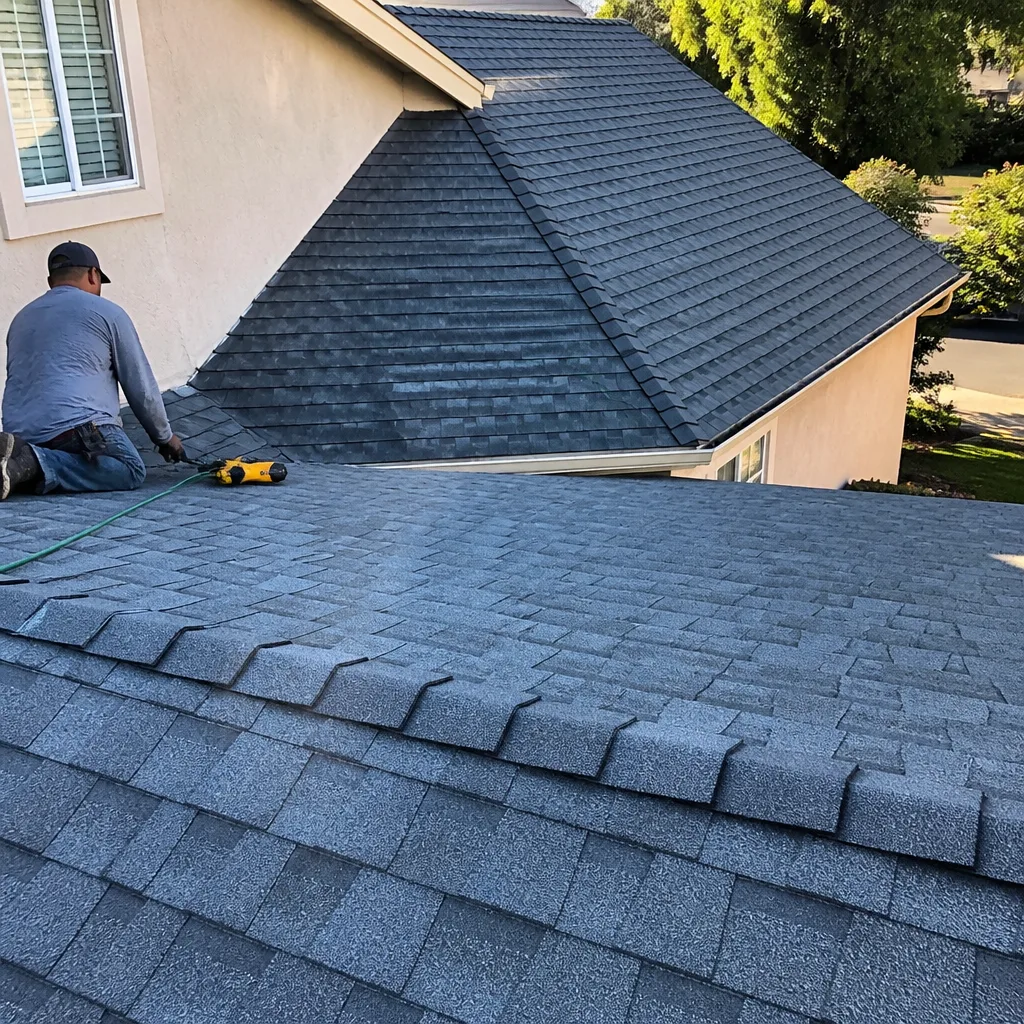 After
After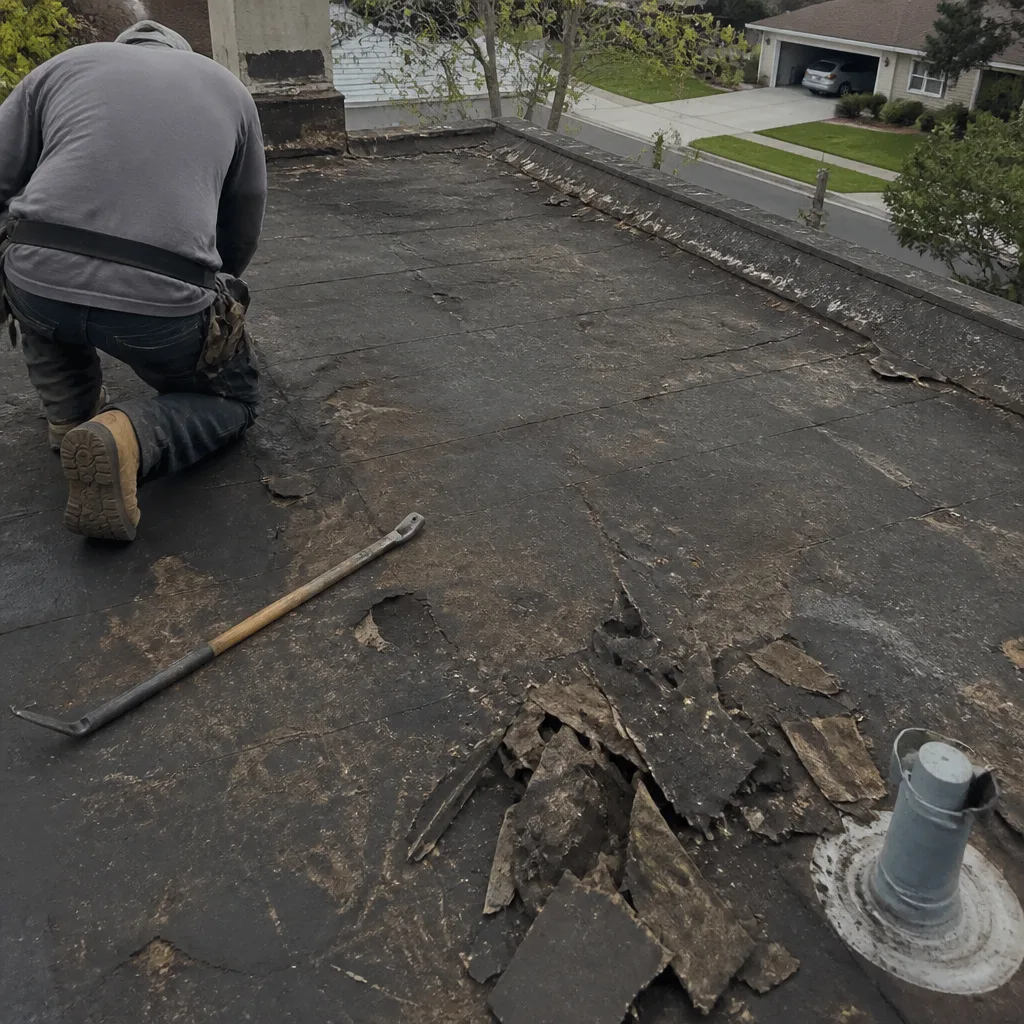 Before
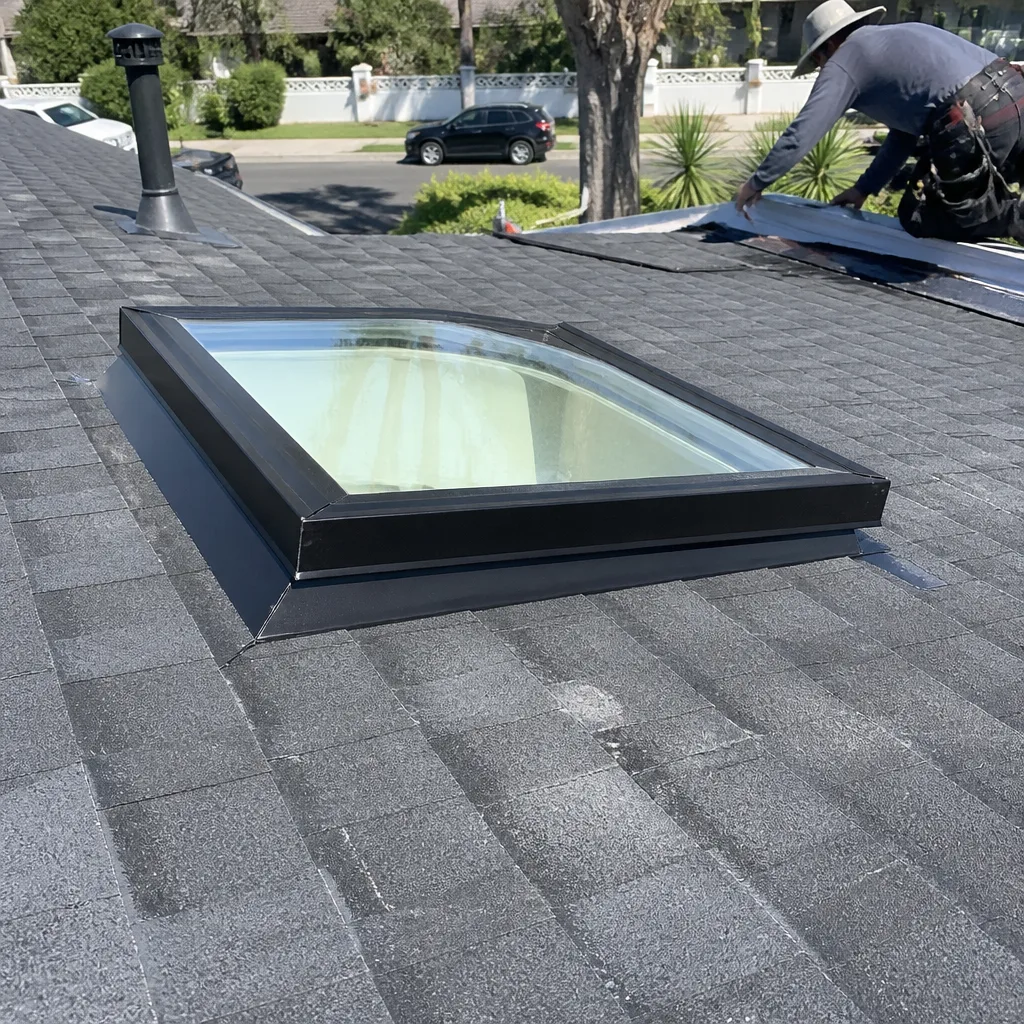 After
AfterRoofing Company Warning Signs Every Homeowner Should Know
The roofing contractor who burned you probably had a clean Google profile, a nice truck, and a business card. In Los Angeles, where we’ve worked since 2000, the scammers who survive past their first season have learned to hide the obvious red flags - no license, cash-only demands, door-to-door pressure - behind professional-looking estimates and friendly sales scripts. The real warning signs show up in contract language, scheduling behavior, and the questions they won’t answer directly. This guide, along with our Roofing Emergency Preparedness Guide for Los Angeles Homes, covers the subtler signals that separate legitimate roofers from the ones who’ll cost you far more than their bid.
Quick Answer
The most dangerous roofing contractor red flags appear during what looks like a legitimate estimate: vague scope descriptions with “allowances” instead of fixed prices, refusal to name specific material brands and model numbers, estimates given without attic inspection or precise measurement, and contracts with arbitration clauses that limit your legal options in California. After you sign, watch for repeated rescheduling, demands for large upfront payments, and crews arriving without posted permits or a written job site plan.
Table of Contents
- The Estimate That Took Five Minutes: Process Red Flags
- Contract Language That Costs You Money
- The Material Questions Legitimate Roofers Answer Instantly
- How to Spot Hidden Subcontracting
- Post-Signing Warning Signs
- Los Angeles-Specific Risks: Climate, Codes, and Common Scams
- What a Legitimate Roofing Process Looks Like
- Common Mistakes to Avoid
- When to Call a Professional
- Frequently Asked Questions
The Estimate That Took Five Minutes: Process Red Flags
A legitimate roofing estimate in Los Angeles takes time. Not because we’re slow, but because your roof sits above a complex system - attic ventilation, decking condition, flashing integration with stucco or siding, and often solar panel attachments that must be protected or temporarily removed. A contractor who walks your perimeter, glances up, and emails a quote before reaching their truck is not being efficient. They’re being careless, or they’re planning to find “unexpected” conditions later and charge you for them.
Here’s what proper estimation includes in our market:
- Attic inspection. We check for moisture staining on the underside of decking, inadequate ventilation that cooked the shingles from below, and structural issues that aren’t visible from outside. In Los Angeles, where summer attic temperatures regularly exceed 140°F, ventilation failures are common and they destroy new roofs fast.
- Precise measurement. Satellite imagery helps, but we verify with on-roof or drone measurement for pitch, valley length, ridge run, and penetrations. A 2,800 square foot house with multiple dormers and a steep pitch carries significantly more material and labor than a 2,800 square foot ranch.
- Condition documentation. Photos of existing flashing, decking soft spots, and chimney counter-flashing condition. These become reference points if disputes arise.
- Written scope with fixed pricing. Every line item priced, no “allowances” that shift risk to you.
The five-minute estimate almost always becomes a change-order nightmare. The contractor who spent twenty minutes on your property and asked to see your attic? That’s your baseline for competence.
We’ve seen this pattern repeatedly in neighborhoods from Sherman Oaks to San Pedro: homeowner gets three bids, picks the middle one that arrived fastest, then faces $4,000-$8,000 in additions once the old shingles are off and the crew “discovers” rotted decking. The discovery was predictable. The estimate was designed to miss it.
Contract Language That Costs You Money
California contractors are required to include specific elements in home improvement contracts over $500. But compliance with the minimum doesn’t protect you from language that shifts every risk in the contractor’s direction. Read every word, especially these three sections.
“Allowances” Instead of Fixed Prices
An allowance is a budget placeholder, not a commitment. “Decking replacement allowance: $1,500” sounds fine until the contractor removes your shingles, declares 40 sheets need replacement at $85 per sheet, and your $1,500 allowance becomes $3,400. Legitimate contracts in Los Angeles specify fixed prices for foreseeable conditions: “Replacement of rotted decking up to 10 sheets included; additional sheets at $X per sheet.” The price is known. You can budget for it.
At Tilehurst Roofing home, we put the written price before any work starts - every single time. An allowance is a price you don’t know yet, which means it’s not a price at all.
Vague Scope Descriptions
“Install new roof” is not a scope. A proper contract specifies: tear-off to decking or recover; underlayment type and brand; shingle brand, line, and color; drip edge, ridge cap, and ventilation product; flashing replacement or reuse; cleanup and disposal; permit acquisition and inspection scheduling. Each element with quantities.
Vague language lets a contractor install the cheapest product that technically matches the description, or skip components you assumed were included. We’ve replaced roofs in Los Angeles where the previous contractor reused all flashing, skipped ice-and-water shield in valleys (required by manufacturer specifications for warranty validity), and left the homeowner with a leak two winters later and no recourse.
Arbitration Clauses and Venue Restrictions
Many Los Angeles-area contracts now include mandatory arbitration clauses, often with venue in another county or even another state. California courts have limited some of the most abusive forms, but arbitration still restricts your ability to seek damages, join class actions, or appeal decisions. A contractor confident in their work doesn’t need to limit your legal options before starting.
Look also for “limitation of liability” clauses that cap damages at the contract amount - meaning if their negligence causes $50,000 in interior water damage, your recovery is limited to the $18,000 you paid for the roof. We don’t include these clauses. The Kingswell Way means standing behind the work, not insulating ourselves from it.
The Material Questions Legitimate Roofers Answer Instantly
Ask your contractor: “What brand and model of shingle are you proposing, and what’s the warranty terms?” The answer should come immediately, with documentation. Deflection, vagueness, or “we use a variety of suppliers” signals a problem.
Here’s why this matters for warranty enforcement. Manufacturer warranties - from GAF, CertainTeed, Owens Corning, IKO, Atlas, Tamko, or Boral - require installation according to their specifications. A contractor who won’t name the product may be planning to buy whatever’s cheapest that week from a distributor, or may not be certified to install the product they’re implying. Both void your warranty.
Ask these specific questions and watch for these responses:
- “What’s the exact product line?” “GAF Timberline HDZ” is specific. “GAF shingles” is not. “Premium grade” without a brand is meaningless.
- “Are you a certified installer for this product?” Certification matters for enhanced warranty coverage. GAF Master Elite and CertainTeed SELECT ShingleMaster certifications require training, insurance verification, and background checks. A contractor should know their status without checking.
- “Can I see the manufacturer’s data sheet?” Legitimate contractors have these available or can pull them in minutes. They specify wind ratings (critical in Los Angeles, where Santa Ana winds have reached 80+ mph in recent years), fire ratings (Class A required in many LA County wildland-urban interface zones), and cool-roof ratings (Title 24 compliance for new construction and re-roofs in California).
- “What’s the warranty, and who backs it?” Manufacturer warranties run 25 years to lifetime. Contractor workmanship warranties vary widely. At Tilehurst Roofing, every repair carries a written guarantee before the crew leaves, and the 365-Day Done Right Promise covers full replacements.
If a contractor hesitates, changes the subject, or suggests “they’re all basically the same,” you’re not getting a choice. You’re getting whatever is most profitable for them.
How to Spot Hidden Subcontracting
Many Los Angeles roofing companies, including some with strong local reputations, subcontract most or all of their installation work. This isn’t automatically disqualifying - but hiding it is. Subcontracting affects warranty enforcement, quality control, and your legal recourse if something goes wrong.
Here’s how to identify it and why it matters:
- Ask directly: “Will your employees install my roof, or do you use subcontractors?” A direct answer is good. Evasion is not. “We have crews we work with” usually means subcontractors.
- Check the contract for subcontractor release clauses. Some contracts require you to release the general contractor from liability for subcontractor actions. This means if the subcontractor damages your property, your claim is against a potentially uninsured or underinsured entity, not the company you researched and hired.
- Verify who carries workers’ compensation insurance. In California, roofing is high-risk classification. Subcontractors without proper coverage expose you to liability if someone is injured on your property. Ask for certificates of insurance naming you as additional insured.
- Ask about crew continuity. At Tilehurst Roofing in Los Angeles, our background-checked, uniformed technicians are employees. The same standards apply on every job. Subcontractor crews rotate between multiple companies with varying quality standards.
Warranty enforcement becomes complicated with subcontracting. If your roof leaks and the installing subcontractor has moved to another state or dissolved their business, the general contractor may disclaim responsibility. We handle this differently: our written guarantee on every repair, and the 365-Day Done Right Promise, are backed by the Kingswell family of roofing companies, founded in 2000. The guarantee survives any individual crew change.
Post-Signing Warning Signs
The contract is signed, deposit paid, start date scheduled. Many homeowners relax here. Don’t. The period between signing and completion reveals as much about contractor reliability as the sales process.
Rescheduling More Than Once
Weather delays happen. Material backorders occur, though less frequently with our seven-manufacturer sourcing (GAF, CertainTeed, Owens Corning, IKO, Atlas, Tamko, and Boral). But repeated rescheduling without specific explanation suggests overcommitment, cash flow problems, or your job being repeatedly bumped for higher-priority clients. One reschedule with a clear reason is normal. Two is a pattern. Three is a warning sign you should document and consider escalating.
Demanding Large Deposits Before Work Starts
California law limits deposits on home improvement contracts to $1,000 or 10% of the contract price, whichever is less. A contractor demanding 25%, 50%, or full payment before material delivery is violating state law and likely using your deposit to fund another job. We’ve seen this in Los Angeles particularly after winter rain seasons, when demand spikes and undercapitalized contractors take deposits they can’t fulfill.
Progress payments tied to verifiable milestones - material delivery, tear-off completion, final inspection - protect both parties. Our process at Tilehurst Roofing: minimal deposit, then payments at documented stages, with final payment only after you approve the completed work and receive your written guarantee.
Arriving Without Permits or Job Site Plan
Los Angeles requires building permits for most roof replacements and significant repairs. The permit must be posted on site, with approved plans, for inspector access. A crew that arrives without these documents is either working unpermitted (risking stop-work orders and mandatory tear-out) or expecting you to handle permitting yourself. Neither is acceptable.
A written job site plan should specify protection for landscaping, driveway access, debris containment, and daily cleanup standards. The Kingswell Way includes leaving the place cleaner than we found it. Contractors without a plan make it up as they go, and your property suffers.
Los Angeles-Specific Risks: Climate, Codes, and Common Scams
Los Angeles roofing has unique risk factors that out-of-region contractors, or even local generalists, often mishandle.
Wildfire and ember exposure. The Woolsey Fire and others have made Class A fire ratings essential in many LA County zones, including Topanga, Malibu, Pacific Palisades, and expanding wildland-urban interface areas. Some contractors install Class C materials in these zones, either unknowingly or to cut costs, voiding insurance coverage and creating catastrophic risk. Verify your proposed product’s fire rating against your property’s CAL FIRE hazard zone designation.
Cool roof requirements. California’s Title 24 energy code requires cool-roof rated materials on most steep-slope re-roofs in Los Angeles climate zones. These products reflect more solar energy, reducing cooling loads. Non-compliant installations fail inspection and may require complete replacement. Ask for the CRRC (Cool Roof Rating Council) product rating and confirm it meets your zone’s requirements.
Santa Ana wind damage and installation standards. Standard nail patterns fail in high wind events. In wind-prone LA areas - the San Fernando Valley, canyon-adjacent properties, hilltop homes - enhanced fastening patterns are necessary for warranty coverage and basic durability. A contractor who doesn’t ask about your wind exposure hasn’t thought through your installation.
The “storm chaser” variant: rain season opportunists. After significant winter rain events, out-of-area contractors appear with promises of quick fixes. They often lack California contractor licenses, carry no workers’ compensation, and disappear before leaks recur. Verify any post-storm contractor through the CSLB (cslb.ca.gov) - check the license number against the business name, verify workers’ comp coverage, and confirm no pending disciplinary actions.
We’ve performed roof repair in Los Angeles for homeowners who hired rain-season emergency contractors who nailed new shingles over saturated decking, trapping moisture that caused mold damage costing tens of thousands to remediate. The “quick fix” was neither quick nor a fix.
What a Legitimate Roofing Process Looks Like
After twenty-four years in this business, we’ve developed a clear standard. Not because we’re exceptional, but because we’ve seen what happens when these steps are skipped. The Kingswell Way isn’t marketing language - it’s the minimum standard for not harming your customer.
Here’s what you should experience:
- Live person answers your call, any time. Not a callback queue, not “leave a message and we’ll get back Monday.” A real person, 24 hours a day, 7 days a week, including evenings and weekends. Emergencies don’t schedule themselves.
- Scheduled arrival window, kept. If we say 9:00-11:00 AM, we’re there. If traffic on the 405 delays us, we call before the window closes with a revised time.
- Thorough inspection with documentation. Attic, roof surface, perimeter, interior water damage. Photos shared with you.
- Written price before any work starts. Every line item. No allowances without your explicit agreement and understanding. No “we’ll figure it out when we’re up there.”
- Material selection with genuine options. Not “this is what we use.” Multiple manufacturers, multiple price points, with warranty and performance differences explained.
- Permits pulled, inspections scheduled, paperwork handled. You shouldn’t need to visit the building department.
- Background-checked, uniformed technicians. You know who’s on your roof. This isn’t just convenience - it’s security.
- Daily cleanup, final walkthrough, written guarantee delivered. Before the crew leaves, you have documentation of what was done and how long it’s covered.
- 365-Day Done Right Promise. If it’s not done right, we make it right, for a full year. Not thirty days. Not ninety days. A full year of documented accountability.
This process takes longer than the five-minute estimate. It costs what it costs because it includes what proper roofing requires. The alternative is cheaper until it isn’t.
Common Mistakes to Avoid
- Choosing by price alone in a high-cost market. Los Angeles has legitimate cost variation based on material, access difficulty, and contractor overhead. But the lowest bid often excludes necessary components you’ll pay for later. Compare scopes line by line, not bottom lines.
- Not verifying the license independently. Don’t trust the card. Check cslb.ca.gov with the license number. Verify the name matches the contract. Confirm workers’ compensation coverage is active.
- Skipping the attic inspection yourself. Even if the contractor doesn’t ask, look. Water stains, mold, or daylight through decking are conditions any estimate should address. If your contractor doesn’t want to see your attic, they don’t want to know what they’ll find.
- Accepting verbal promises not in writing. “We’ll take care of that” means nothing without documentation. The written guarantee on every repair, delivered before the crew leaves, is your protection.
- Paying large deposits to “hold your spot.” In Los Angeles’s competitive market, some contractors create artificial scarcity. Your spot doesn’t need holding. The deposit limit is law for your protection.
- Not asking about material specifics. “Architectural shingles” describes a style, not a product. GAF Timberline HDZ, CertainTeed Landmark Pro, Atlas StormMaster Slate - these are specific products with specific warranties. Vagueness here predicts vagueness everywhere.
- Ignoring post-signing behavior changes. The responsive salesperson becomes unreachable. Scheduling becomes vague. These aren’t administrative hiccups - they’re the same red flags you screened for, just delayed.
When to Call a Professional
Call for a professional evaluation when you notice interior water staining, missing or damaged shingles, granule accumulation in gutters, or daylight visible through roof decking in your attic. In Los Angeles, where intense sun exposure degrades asphalt shingles faster than in milder climates, roofs often fail from thermal cycling before they reach their nominal age. A ten-year-old roof in Pasadena may perform like a twenty-year-old roof in Seattle.
Call immediately if a contractor has started work and you see permit violations, crew members without safety equipment on steep pitches, or damage to your property that isn’t being addressed. Document everything photographically.
Tilehurst Roofing offers free estimates in Los Angeles - call (945) 303-9821 to schedule. We’ll inspect thoroughly, explain what we find, and put a written price in your hands before any work starts. If you’ve already signed with another contractor and something feels wrong, we’re happy to review your contract and scope for obvious issues. No obligation.
Frequently Asked Questions
Most asphalt shingle roof replacements in Los Angeles run $18,000-$32,000 for typical single-family homes, with tile, metal, or flat roofing systems ranging higher based on material and structural requirements; see our Roofing Cost Breakdown: The Los Angeles Homeowner’s Reference for 2026 for detailed analysis. Steep pitches, multiple stories, difficult access, and extensive decking replacement push costs toward the upper end. Call (945) 303-9821 for a free written estimate with fixed pricing - no allowances, no surprises.
With a properly prepared fixed-price contract, the price should not change for the scope specified. Prices change when contracts use allowances, vague language, or exclude foreseeable conditions. At Tilehurst Roofing, the written price before any work starts includes all specified work; if we encounter genuinely unforeseen conditions, we document them, explain the finding, and obtain your written approval before proceeding. Call (945) 303-9821 for an exact quote - estimates are free.
Yes. We handle permit application, fee payment, scheduling, and inspection coordination. The permit is posted on site before work begins, and inspections are scheduled at required milestones. In Los Angeles, where LADBS and various city building departments have specific requirements, permit navigation is part of our standard service, not an add-on.
Most residential asphalt shingle replacements take 2-4 days, depending on size, complexity, and weather. Tile roofs, metal installations, or projects requiring extensive decking replacement may extend to 5-7 days. We provide a specific timeline in your written proposal and communicate any necessary adjustments promptly. Call (945) 303-9821 to schedule your free estimate with timeline included.
Document everything: contracts, payments, communications, photos of work quality and site conditions. Contact the CSLB to verify license status and file complaints if warranted. For active work stoppages or safety concerns, consult a construction attorney - many offer brief consultations to assess your situation. If you need a second opinion on work in progress, we’re available to evaluate and advise. Call (945) 303-9821.
Visit cslb.ca.gov and enter the license number. Verify the business name matches your contract, check that workers’ compensation insurance is active (required for roofing contractors with employees), and review any disciplinary history. The license should show “Active” status with roofing (C-39) classification. Cross-reference the business address and phone number - discrepancies suggest fraudulent use of another company’s license.
The Bottom Line
The roofing contractors who cause real damage in Los Angeles don’t look like movie villains. They arrive on time, dress professionally, and produce estimates that seem reasonable. The warning signs are in the details: contracts with allowances instead of prices, refusal to name specific materials, estimates without inspection, and post-signing behavior that erodes trust. Protect yourself by reading contracts carefully, asking specific questions about products and process, and watching for the scheduling and payment red flags that appear after you’ve committed. For more guides & resources, explore our blog. The legitimate contractor welcomes scrutiny. The questionable one deflects it.
Ready for a roofing estimate done right? Call Tilehurst Roofing at (945) 303-9821 for your free, written, fixed-price estimate in Los Angeles. Every repair comes with a written guarantee before the crew leaves, backed by our 365-Day Done Right Promise.
Written by Greg Holloway, Owner at Tilehurst Roofing, serving Los Angeles since 2000.