
Last updated October 8, 2026
Free roof inspection with deck photos before we talk money - GAF and Owens Corning certified installation
 Before
 After
After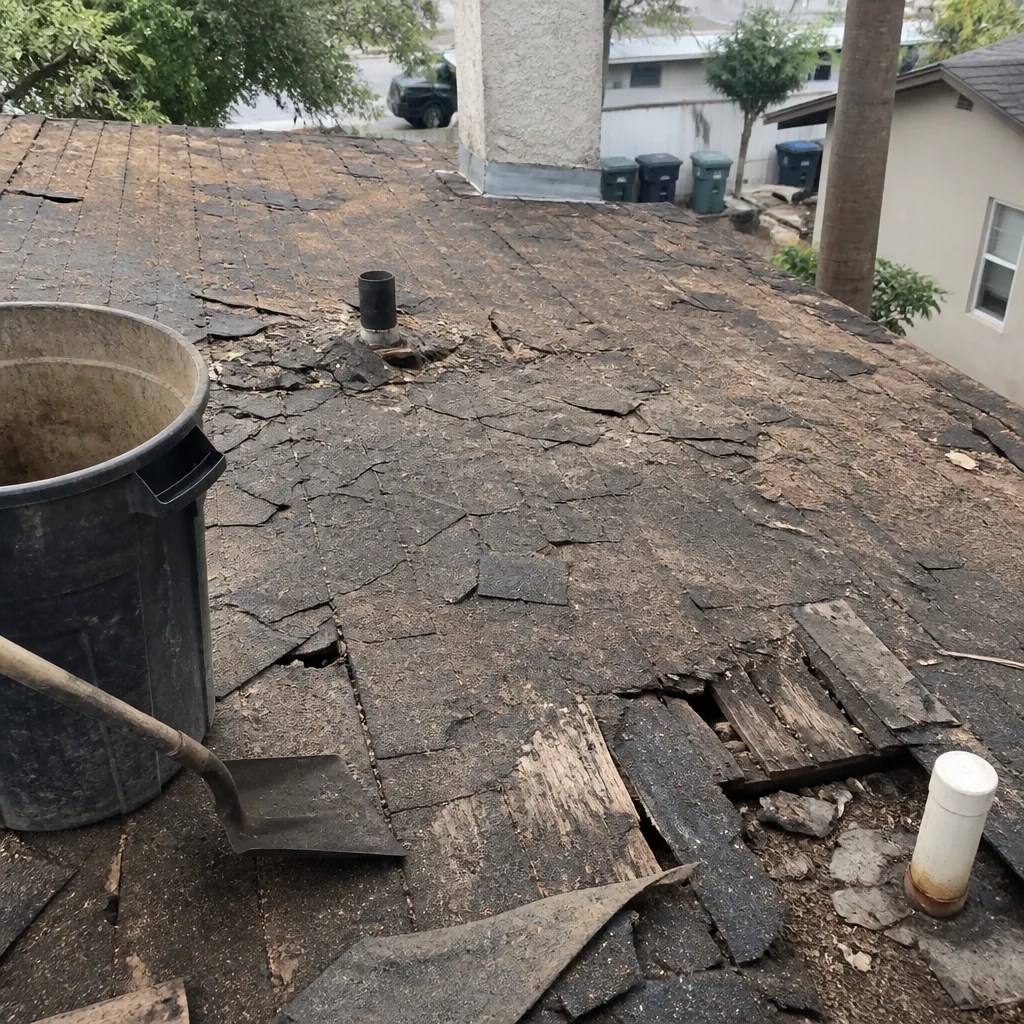 Before
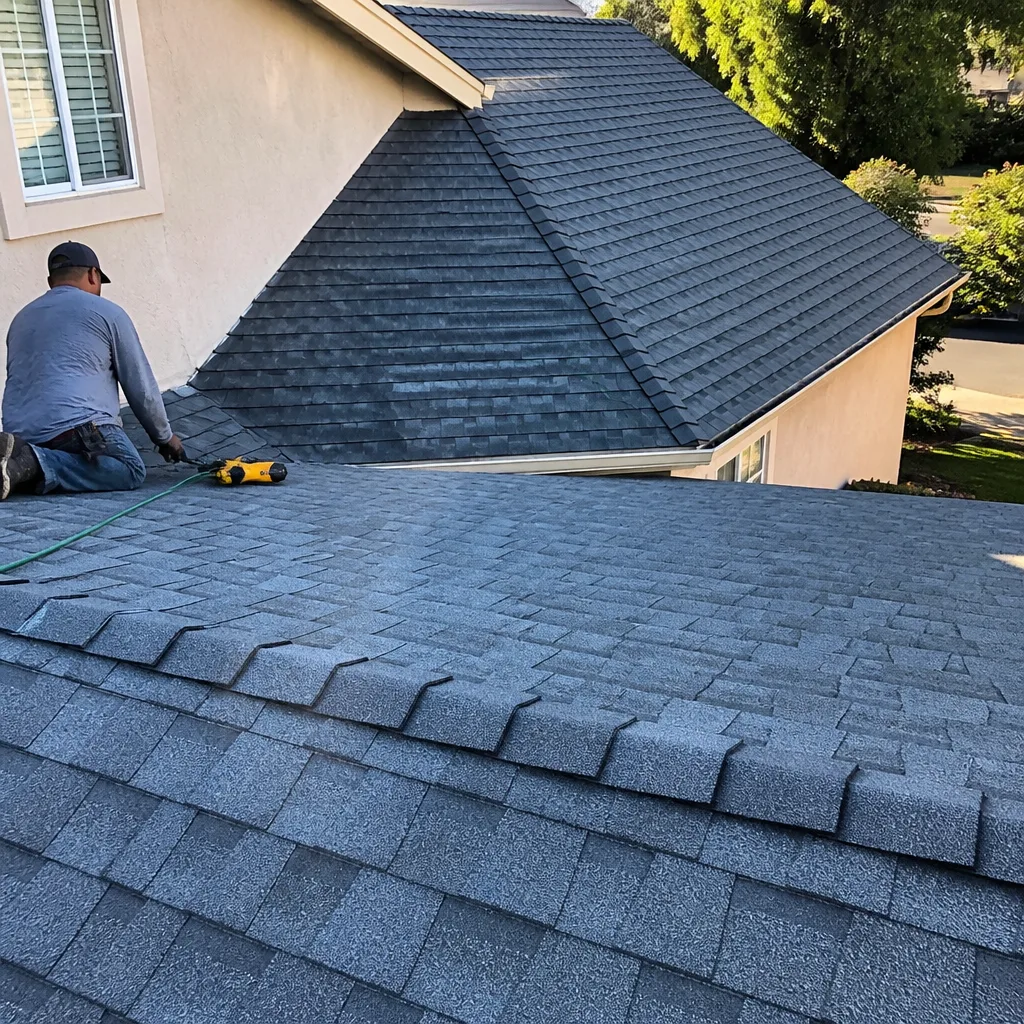 After
After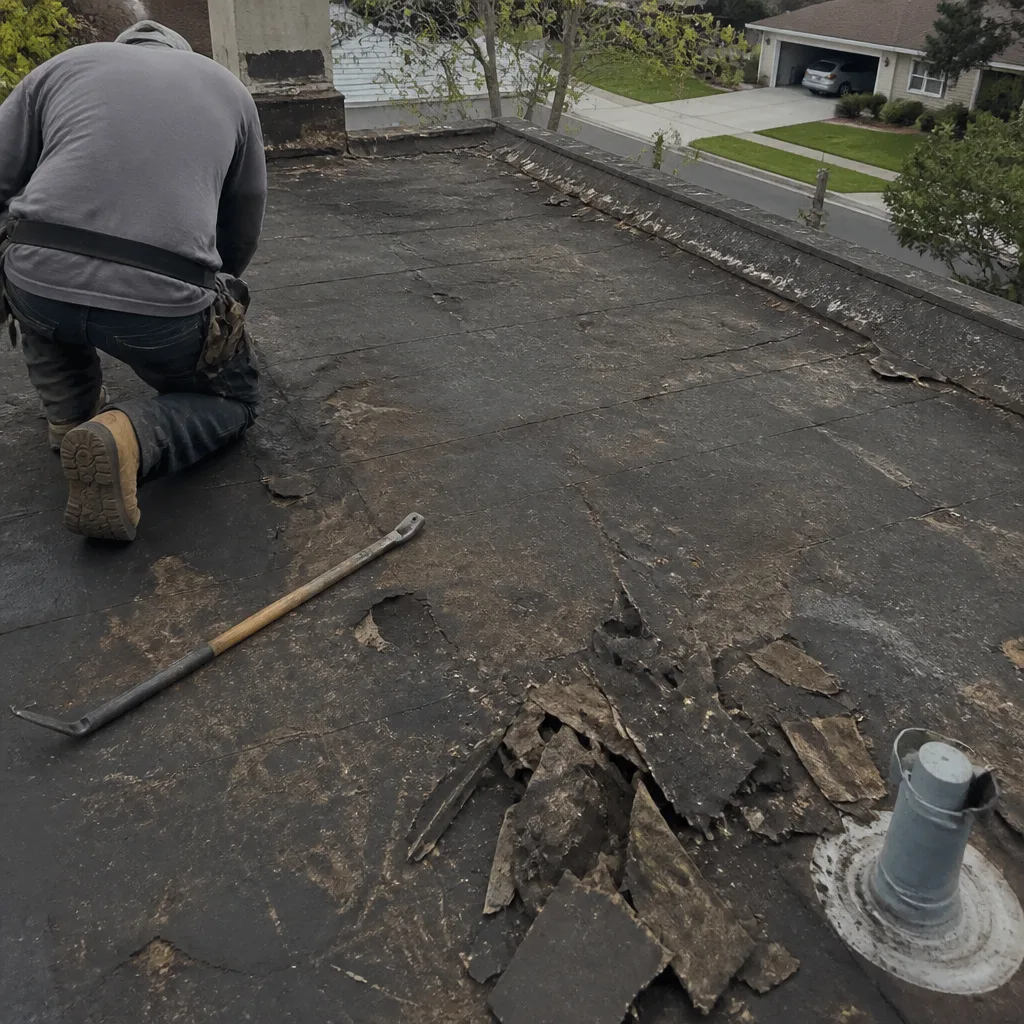 Before
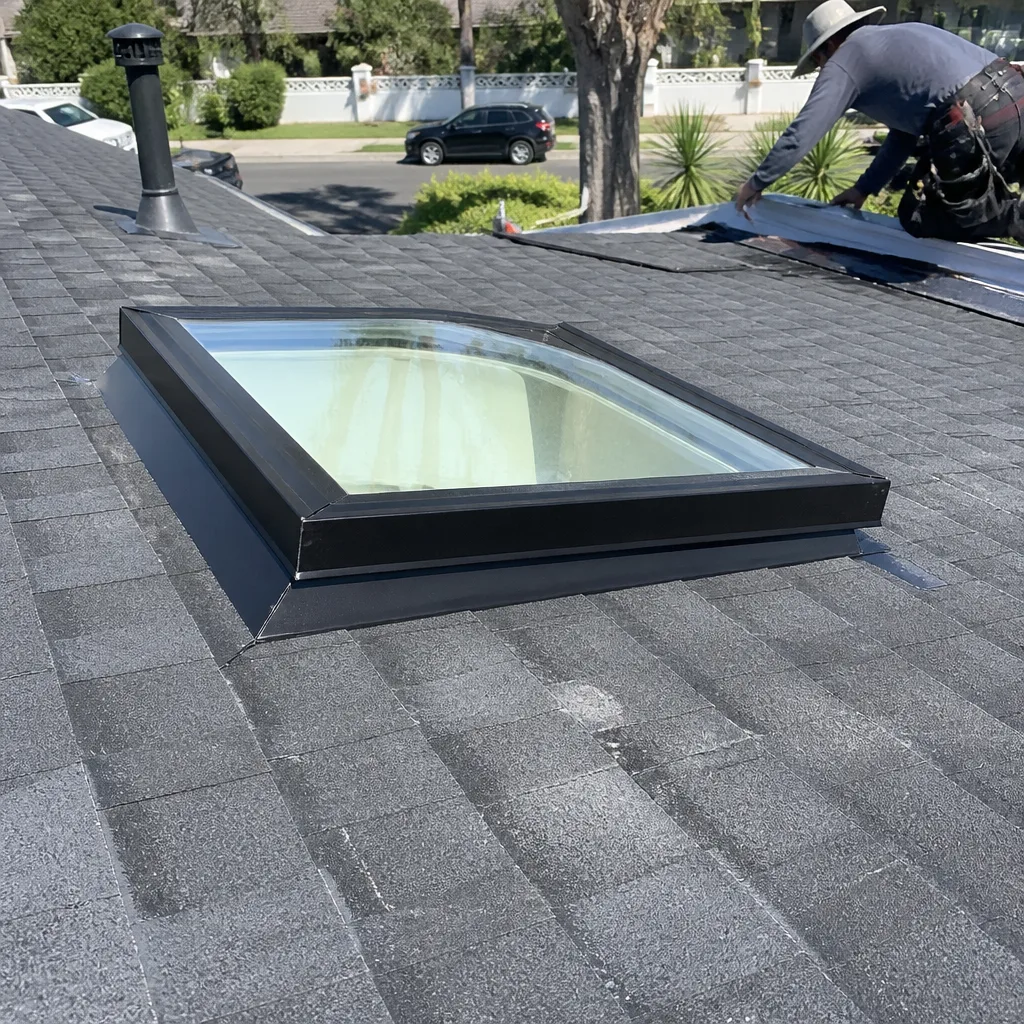 After
AfterRoofing Permits, Codes & Inspections in CA: What You Need to Know
In Los Angeles County, an unpermitted roof replacement can void a homeowner’s insurance claim and force a full tear-off at re-sale - and contractors who suggest skipping the permit are handing you that liability, not saving you money. We’ve been called to jobs in Eagle Rock and Sherman Oaks where the previous owner took that shortcut, and the new buyer is now staring at a $40,000 surprise before escrow can close. This guide walks you through exactly when California requires a roofing permit, what Title 24 and local fire codes mean for your material choices, how the inspection sequence actually works, and how to verify your contractor did the paperwork they promised - or explore more guides & resources on protecting your home.
Quick Answer
Most roof replacements and structural repairs in California require a permit from your local building department. In Los Angeles, the Department of Building and Safety (LADBS) mandates permits for re-roofs over 100 square feet, any decking replacement, and all work in high fire hazard severity zones. The process involves plan submission, fee payment, rough inspection, and final inspection - typically adding 3-5 business days to the project timeline but protecting your insurance coverage, property value, and legal liability.
Table of Contents
- When Is a Roofing Permit Required in Los Angeles?
- California Title 24 Cool-Roof Requirements
- LA County Fire Codes and High Hazard Zones
- The Inspection Sequence: Rough and Final
- The True Cost of Unpermitted Work
- How to Verify Your Permit Was Pulled
- Permit Costs and Timeline in Los Angeles
- Common Mistakes to Avoid
- When to Call a Professional
- Frequently Asked Questions
- The Bottom Line
When Is a Roofing Permit Required in Los Angeles?
Not every roofing job needs a permit, but the exemptions are narrower than most homeowners assume. In Los Angeles, LADBS requires a permit for:
- Re-roofs exceeding 100 square feet - this covers virtually every full roof replacement on a single-family home, since even a modest 1,200-square-foot house has roughly 15-20 squares of roof surface when pitch and overhangs are calculated.
- Any structural decking repair or replacement - if rot, termite damage, or water intrusion has compromised the wood beneath your shingles or tiles, the permit threshold drops to zero square feet. Even a 4×8 sheet of plywood replacement triggers the requirement.
- All work in high fire hazard severity zones - the California Department of Forestry and Fire Protection (CAL FIRE) maps designate these areas, and LADBS enforces enhanced requirements regardless of project size.
- Changes to roof pitch or structural members - converting a low-slope carport roof to pitched, or sistering rafters to accommodate heavier tile, always requires engineering review and permitting.
What does not require a permit? Minor repairs limited to the outer weatherproofing layer - replacing a few wind-damaged shingles, patching a small leak in the flashing around a vent pipe, or resealing a chimney cricket. But here’s where Los Angeles homeowners get tripped up: the line between “repair” and “replacement” is subjective, and an inspector who finds new underlayment extending across multiple roof planes may classify the job as a re-roof regardless of what the contractor called it.
We’ve seen this in the hills above Glendale, where a homeowner paid cash for a “repair” that involved stripping three roof faces and installing new underlayment. When the neighbor’s tree fell and damaged the work, the insurance adjuster flagged the lack of permit, and the claim was denied. The contractor was long gone. The homeowner ate the full replacement cost.
The 100-square-foot threshold exists because LA’s building code, based on the California Residential Code (CRC), treats re-roofing as a change to the building envelope that affects structural load, fire resistance, and energy performance. Your roof isn’t just shingles; it’s a system that includes decking, underlayment, ventilation, and in many Los Angeles neighborhoods, ignition-resistant requirements that didn’t exist when the original roof was installed. For related warning signs that your roof may need attention, see Roofing Warning Signs: A Los Angeles Homeowner’s Reference Guide.
If you’re unsure whether your project crosses the line, the safe play is to call LADBS at (945) 303-9821 or use their online zoning and code inquiry tool. Better to spend 20 minutes confirming than to discover the omission when you’re trying to sell in a market where buyers and their lenders scrutinize permit history.
California Title 24 Cool-Roof Requirements
Title 24 of the California Code of Regulations, Part 6, governs energy efficiency in buildings - and since 2008, it’s dictated what kind of roof you can install on your home. The cool-roof mandate isn’t about aesthetics. It’s about reducing the urban heat island effect and cutting air conditioning load, which matters enormously in Los Angeles, where summer temperatures in the San Fernando Valley routinely hit 100°F and roof surface temperatures on conventional dark shingles can exceed 170°F. For year-round maintenance strategies, see our Seasonal Roofing Care for Los Angeles: Year-Round Homeowner’s Guide.
Here’s what Title 24 actually requires for residential re-roofs in Los Angeles:
- Minimum solar reflectance and thermal emittance values - for most steep-slope residential roofs (pitch greater than 2:12), the installed roof must achieve a minimum aged solar reflectance of 0.20 and thermal emittance of 0.75, or a minimum SRI (Solar Reflectance Index) of 16. These numbers sound technical, but they translate to a practical requirement: your roofing material must be rated by the Cool Roof Rating Council (CRRC) and listed in the California Energy Commission’s database.
- Prescriptive vs. performance compliance paths - you can meet Title 24 through the prescriptive path (installing a CRRC-rated cool roof product that meets the minimums) or the performance path (demonstrating through whole-building energy modeling that your home meets the overall efficiency standard despite a non-compliant roof). For 95% of Los Angeles re-roofs, the prescriptive path is simpler and cheaper. The performance path requires a Title 24 energy consultant and software modeling - typically $800-$1,500 added cost.
- Exemptions and modifications - roofs in high fire hazard zones may qualify for modified requirements if the ignition-resistant material cannot meet cool-roof standards. This is where product selection gets nuanced. Some roof replacement in Los Angeles projects in the Santa Monica Mountains or Topanga Canyon fire zones use Class A rated composite shingles or clay tile that sacrifice some reflectance for fire performance, with LADBS approval through the performance path or a local amendment.
What this means for your material choice: most major manufacturers now produce Title 24-compliant versions of their standard lines. GAF’s Timberline Cool Series, CertainTeed’s Landmark Solaris, and Owens Corning’s Duration Premium Cool are all CRRC-rated and commonly stocked by Los Angeles suppliers. For help selecting the best option, see Choosing the Right Roofing Brand: A Buyer’s Guide for Los Angeles. Standard dark charcoal or forest green shingles? Often not compliant for a full re-roof unless you’re pursuing the performance path.
We’ve had homeowners in Pasadena ask why their preferred color - a deep burgundy - requires an upgrade to the “cool” version at roughly 15-20% higher material cost. The answer is that the base shingle doesn’t meet reflectance minimums, and LADBS won’t issue the permit without a compliant product specified on the plans. We always run the CRRC lookup during our estimate so there’s no surprise after the contract is signed. That’s part of The Kingswell Way: say the price before the work starts, with the right product for the code.
One Los Angeles-specific wrinkle: the city has adopted local amendments that can raise the bar above state minimums. Always confirm the current LADBS bulletin for your zoning district before finalizing material selection.
LA County Fire Codes and High Hazard Zones
Los Angeles sits at the intersection of two fire regimes: the chaparral-driven Santa Ana wind fires that sweep down from the mountains, and the dense urban conflagration risk in older neighborhoods with tight lot lines and limited access. The county’s fire code amendments, enforced by LADBS during permitting, reflect both.
High Fire Hazard Severity Zones (HFHSZ) cover significant portions of the city: the Hollywood Hills, Bel Air, Brentwood, Pacific Palisades, Topanga, Malibu, and large stretches of the San Gabriel foothills. CAL FIRE updates these maps periodically, and LADBS maintains an overlay for building permit purposes. If your property falls in an HFHSZ, your roofing permit triggers additional requirements:
- Class A fire rating mandatory - the highest ASTM E108 classification, requiring the roof assembly to withstand severe fire exposure. This eliminates standard wood shakes and many lower-grade asphalt shingles. Class A options include fiberglass-based asphalt shingles (most major manufacturers’ architectural lines qualify), concrete or clay tile, metal roofing, and certain synthetic composites.
- Ignition-resistant underlayment - in HFHSZ areas, the underlayment beneath your primary roof covering must meet ASTM D1970 or equivalent ignition resistance standards. Standard felt underlayment often doesn’t qualify; self-adhering modified bitumen products like CertainTeed’s WinterGuard or Owens Corning’s WeatherLock typically do.
- Eave and soffit protection - enclosed eaves must be boxed with ignition-resistant materials, and vent openings require corrosion-resistant metal mesh screening of 1/8 inch or finer. We’ve found older homes in Los Feliz and Silver Lake where original wood soffits and unscreened vents were grandfathered but must be upgraded during a permitted re-roof.
- Defensible space verification - while primarily enforced by the Fire Department during separate inspections, LADBS may flag properties where vegetation clearance is visibly non-compliant, potentially holding the final inspection until the homeowner addresses the issue with LA County Fire.
The Pacific Palisades fire in January 2025 put a sharper point on these requirements. Homes with Class A roofs and proper underlayment survived ember attacks that destroyed neighboring structures with older, unrated assemblies. Los Angeles has since accelerated enforcement in HFHSZ areas, and contractors who previously winked at ignition-resistant requirements are finding permits denied at plan check.
We specify Class A assemblies on every roof repair in Los Angeles that touches the underlayment, even when the property isn’t currently mapped in an HFHSZ. Fire maps change. Selling a home with a non-compliant roof in a newly designated zone is a nightmare we wouldn’t wish on any homeowner.
The Inspection Sequence: Rough and Final
Pulling the permit is only half the battle. The inspection sequence is where unpermitted work gets caught, and where permitted work proves its value. In Los Angeles, LADBS conducts two inspections for most re-roofs: rough and final. Understanding what each covers helps you evaluate your contractor’s work and anticipate timeline impacts.
Rough Inspection
The rough inspection occurs after tear-off and deck repair but before the final roof covering is installed. The inspector verifies:
- Deck condition and fastening - plywood or OSB sheathing must be properly nailed to rafters or trusses, with no gaps exceeding 1/8 inch. Soft, delaminated, or improperly fastened decking must be replaced or renailed. In Los Angeles, where termite damage and dry rot are common in pre-1980s homes, this is where hidden problems surface.
- Underlayment installation - type, fastening pattern, and overlap must match the approved plans. In HFHSZ areas, the inspector confirms ignition-resistant underlayment and proper integration with flashing at penetrations.
- Flashing details - valleys, chimney saddles, vent pipes, skylight curbs, and wall intersections. The inspector checks material gauge, lap sequences, and sealant application. This is where most rough inspections fail in our experience - not because the work is bad, but because the crew missed a detail in the approved drawings.
- Drip edge and edge metal - required at eaves and rakes, with specific overhang dimensions and fastening schedules.
- Ventilation - net free area calculations must match the plan, and intake/exhaust balance must be maintained. In Los Angeles, where many homes have converted attics or added insulation, original ventilation is often inadequate and must be upgraded.
If the rough inspection fails, LADBS issues a correction notice with specific items and a re-inspection fee - typically $150-$200. The crew cannot proceed with shingle or tile installation until passing. On a typical Los Angeles re-roof, we schedule rough inspection for mid-morning on the second or third day, allowing buffer time for corrections without delaying the weather-sensitive final covering.
Final Inspection
The final inspection occurs after the roof covering, ridge cap, and cleanup are complete. The inspector verifies:
- Approved materials were installed (shingle brand, color, and class must match the permit documents)
- Fastening pattern and quantity meet manufacturer specifications and wind uplift requirements
- Ridge cap and hip details are complete and properly sealed
- Flashing is visible and properly terminated at all penetrations
- Jobsite is clean and safe, with no debris hazards
Passing final inspection triggers LADBS to issue a Certificate of Occupancy or completion letter - the document you’ll need for insurance records, property sale disclosures, and warranty registration with manufacturers like GAF or CertainTeed.
One practical note: Los Angeles weather patterns mean we avoid scheduling final inspections during Santa Ana wind events or forecast rain. A failed final due to debris blown back onto the roof, or moisture on the underlayment, costs everyone time and money. We watch the forecast and coordinate with LADBS inspectors, who appreciate contractors who don’t waste their time.
The True Cost of Unpermitted Work
Contractors who propose skipping the permit usually frame it as saving you $800-$2,000 in fees and a few days of delay. What they don’t explain is the liability they’re transferring to you. In Los Angeles, unpermitted roofing work creates three distinct cost risks:
Insurance claim denial. Most homeowner policies include a clause requiring work to comply with local building codes. If an unpermitted roof fails during a storm, fire, or earthquake, the insurer may deny the claim on code-compliance grounds alone. We’ve reviewed denials where the adjuster never disputed the damage cause - only the permit status. The homeowner paid the full replacement cost out of pocket, often $25,000-$45,000 for a typical Los Angeles home.
Forced re-roof at sale. California Civil Code Section 1102 requires sellers to disclose unpermitted work. In Los Angeles’s competitive market, buyers and their lenders increasingly demand permit verification through the LADBS portal. An unpermitted roof can trigger a lender requirement to legalize before funding, or a buyer demand for price reduction covering the full permit-plus-rework cost. In extreme cases, where the unpermitted work can’t be brought to current code without structural changes, the only path is complete removal and replacement - essentially paying for two roofs.
No manufacturer warranty. GAF, CertainTeed, Owens Corning, and other major manufacturers require permit documentation for their system warranties. An unpermitted installation may carry only the basic material defect warranty - typically 10 years versus the 25-50 year system coverage that includes labor for repair or replacement.
The math is straightforward. Permit savings of $1,500 against potential exposure of $40,000-plus isn’t savings. It’s uninsured risk with your house as collateral.
How to Verify Your Permit Was Pulled
This is the step every homeowner should take and almost none do. LADBS maintains an online permit lookup that takes roughly 90 seconds to use, and it reveals whether your contractor actually filed the permit they claimed to.
Here’s the exact process:
- Navigate to ladbs.org and select “Permit & Inspection Report” from the main menu.
- Enter your property address exactly as it appears on your deed or tax bill - LADBS’s database is sensitive to formatting variations.
- Review active and completed permits. A legitimate roofing permit will show:
- Permit number beginning with “B” (building) or “R” (roofing)
- Issue date matching or preceding your project start
- Contractor name and license number
- Status progression: Issued → Rough Inspection → Final Inspection → Completed
- Cross-check the contractor license number at cslb.ca.gov to confirm active status and roofing classification (C-39).
Run this check before your final payment, not after. We’ve been called to jobs in Koreatown and Mid-City where the homeowner paid in full, then discovered no permit existed. The contractor had pocketed the permit fee and gambled the homeowner wouldn’t check. In one case, the homeowner had to pay LADBS penalties and pull a retroactive permit - with the work already covered, requiring partial disassembly for inspection - at triple the original permit cost.
The lookup is free, public, and updated nightly. There’s no excuse for not verifying.
Permit Costs and Timeline in Los Angeles
Transparency about permit costs helps homeowners budget accurately and spot contractors who inflate or omit these fees. Here’s what LADBS charges for typical residential roofing permits in 2025:
| Project Type | LADBS Permit Fee Range | Typical Timeline (Plan Check to Final) |
|---|---|---|
| Re-roof, under 2,000 sq ft, prescriptive Title 24 | $450-$750 | 5-8 business days |
| Re-roof, 2,000-4,000 sq ft, or performance path | $750-$1,400 | 8-12 business days |
| Re-roof with structural deck repair (>20% replacement) | $900-$1,600 | 10-15 business days |
| HFHSZ surcharge and fire review | $150-$300 additional | +2-3 business days |
| Retroactive permit (after work completed) | 2x standard fee + penalties | 15-30 business days |
These fees don’t include third-party costs: Title 24 energy compliance documentation ($150-$400), structural engineering for deck modifications ($500-$1,200), or geotechnical review for hillside properties in areas like Pacific Palisades or the Hollywood Hills.
Timeline factors specific to Los Angeles: LADBS experiences volume surges after major fires or storm events, when inspection backlogs can add a week. We buffer our schedules accordingly and communicate proactively with homeowners when delays occur. The Kingswell Way includes showing up in the window we gave - and if permitting delays that window, we call before the homeowner has to ask.
Our written estimates itemize permit fees separately so you see exactly what LADBS charges versus what we handle as part of project management. No hidden costs, no “we’ll figure it out later.”
Common Mistakes to Avoid
- Accepting a “permit not needed” claim at face value. In Los Angeles, the only reliable authority is LADBS itself. If your contractor says no permit is required for work that sounds substantial, verify directly before work starts.
- Paying in full before final inspection passes. California law limits upfront payment to 10% or $1,000, whichever is less, for home improvement contracts. More importantly, final payment should be contingent on permit completion - the leverage you need if corrections are required.
- Ignoring the Title 24 material specification on approved plans. Substituting a non-compliant shingle color or brand after permit issuance invalidates the permit and guarantees final inspection failure. Confirm your product selection is CRRC-listed before plan submission.
- Assuming a city of Los Angeles permit covers work in unincorporated LA County. Jurisdictions like Altadena, East Los Angeles, and Florence-Graham fall under LA County Building and Safety, with different fee schedules and inspection protocols. Your contractor must pull permits in the correct jurisdiction.
- Neglecting to update permit status after owner-builder work. If you pulled an owner-builder permit for a DIY repair and later hire a contractor for related work, the permit transfer and responsibility shift must be documented with LADBS or you remain liable for code compliance.
- Discarding permit documentation after project completion. Keep your Certificate of Completion, inspection sign-offs, and manufacturer warranty registration for the life of the roof plus seven years. These documents are essential for insurance claims, property sales, and warranty service.
- Hiring based on lowest bid without verifying permit inclusion. A bid $1,500 below competitors may simply omit permit costs, planning to skip the process or surprise you with add-on fees later. Always request line-item permit disclosure.
When to Call a Professional
Permit complexity escalates quickly when your project involves structural deck repair, hillside bracing, fire zone requirements, or Title 24 performance path compliance. These aren’t DIY decisions - they’re code interpretation questions that affect your legal and financial exposure for decades.
At Tilehurst Roofing, we handle the full permit lifecycle as standard practice on every Tilehurst Roofing home project: plan preparation, LADBS submission, inspection scheduling, correction response, and final documentation delivery. Our technicians are background-checked and uniformed, and a live person answers every call 24 hours a day - including evenings and weekends - so you’re never waiting until Monday for permit status.
Every job begins with a written price before any work starts, and every repair carries our written 365-Day Done Right Promise. If you’re planning a roof project in Los Angeles and want to understand exactly what permits your property requires, call us at (945) 303-9821 for a free estimate.
Frequently Asked Questions
Most residential re-roof permits through LADBS run $450-$1,400 depending on project size, whether structural deck repair is involved, and whether the property falls in a high fire hazard zone. Performance-path Title 24 compliance or hillside geotechnical review adds $500-$1,500 in third-party documentation fees. Call (945) 303-9821 for an exact quote on your specific project - estimates are free.
At Tilehurst Roofing, our written price is fixed before work begins, and we include realistic allowances for common deck repair based on our inspection. If we encounter concealed damage beyond our estimate’s scope, we document it with photos, explain the code requirement driving the repair, and obtain your written approval before proceeding. No change orders at the door. That’s The Kingswell Way.
Prescriptive-path permits in Los Angeles typically add 5-8 business days from application to final inspection clearance. Performance-path or structural permits extend this to 10-15 business days. We submit plans before your project is scheduled, so permitting runs parallel to material ordering rather than adding sequential delay.
We pull all permits as part of our standard project management. You sign the application as property owner, but we handle LADBS submission, fee payment, inspection scheduling, and correction response. You receive copies of all documentation at project completion.
You’ll likely face one of three outcomes: your insurer may require permit legalization before binding or renewal; your lender may condition funding on code compliance; or you’ll absorb the liability until sale, when disclosure requirements force the issue. Retroactive permits cost double standard fees plus penalties, and may require partial roof removal for inspection. Always verify permit status through the LADBS portal before closing.
Not necessarily. Dark colors are available in CRRC-rated cool-roof formulations from GAF, CertainTeed, and Owens Corning that meet Title 24 through the prescriptive path. The “cool” designation refers to specialized granule technology that reflects more infrared radiation than conventional shingles, not the visible color. Deep blacks are still challenging, but charcoal, forest green, and burgundy options exist. We run the CRRC lookup during estimate to confirm your preferred color qualifies.
CAL FIRE maintains the official Fire Hazard Severity Zone maps at osfm.fire.ca.gov, and LADBS overlays these on their permit jurisdiction maps. We verify HFHSZ status during every estimate and specify Class A materials and ignition-resistant underlayment when required. If you’re unsure, the lookup takes two minutes and affects both material selection and permit fees.
The Bottom Line
Roofing permits in California aren’t bureaucratic obstacles - they’re the documentation that protects your insurance coverage, property value, and legal liability when you need them most. In Los Angeles, where fire codes, Title 24 energy requirements, and dense urban conditions create layered compliance demands, working with a contractor who treats permits as standard practice rather than an optional add-on is essential.
Verify your permit through the LADBS portal. Demand line-item cost disclosure. Keep your completion documents. And remember that the contractor who suggests skipping the permit isn’t saving you money - they’re transferring risk to your balance sheet.
Written by Greg Holloway, Owner at Tilehurst Roofing, serving Los Angeles since 2000.