
Last updated October 8, 2026
Free roof inspection with deck photos before we talk money - GAF and Owens Corning certified installation
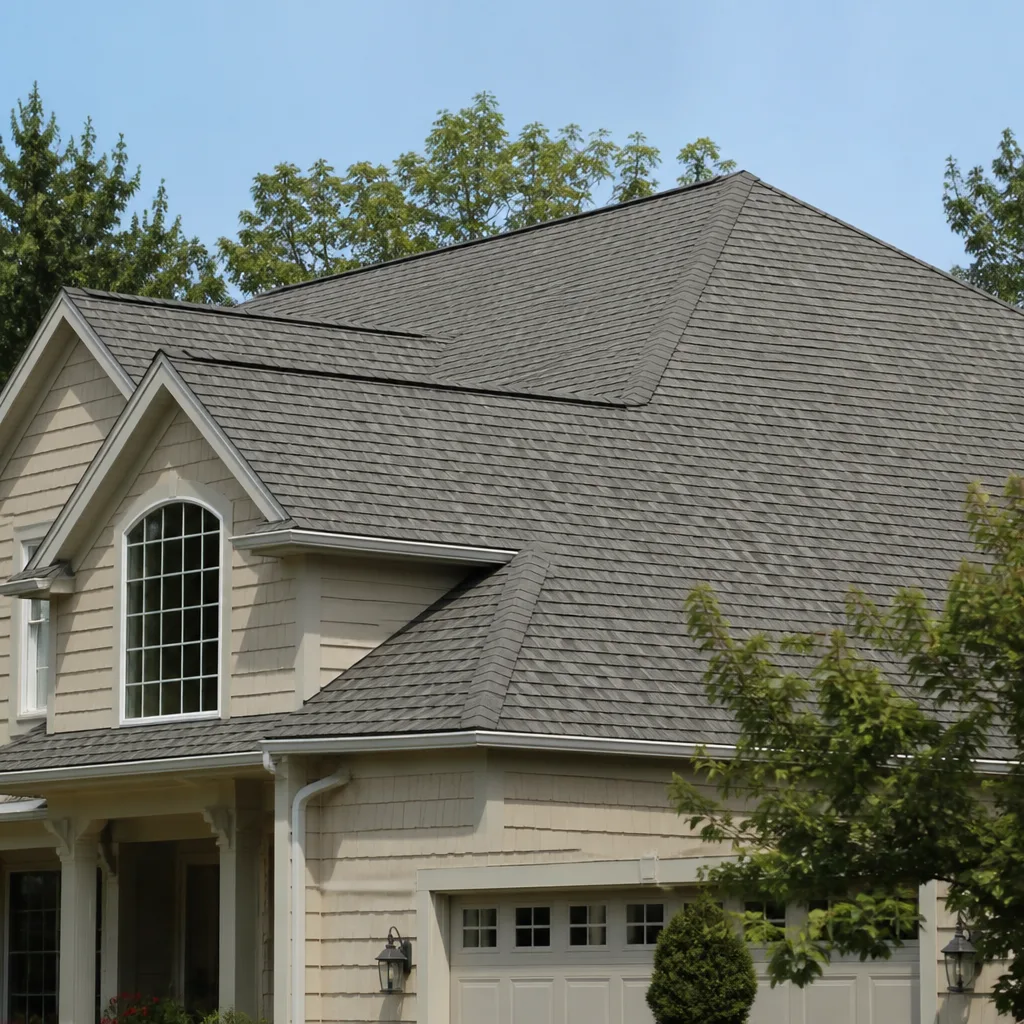
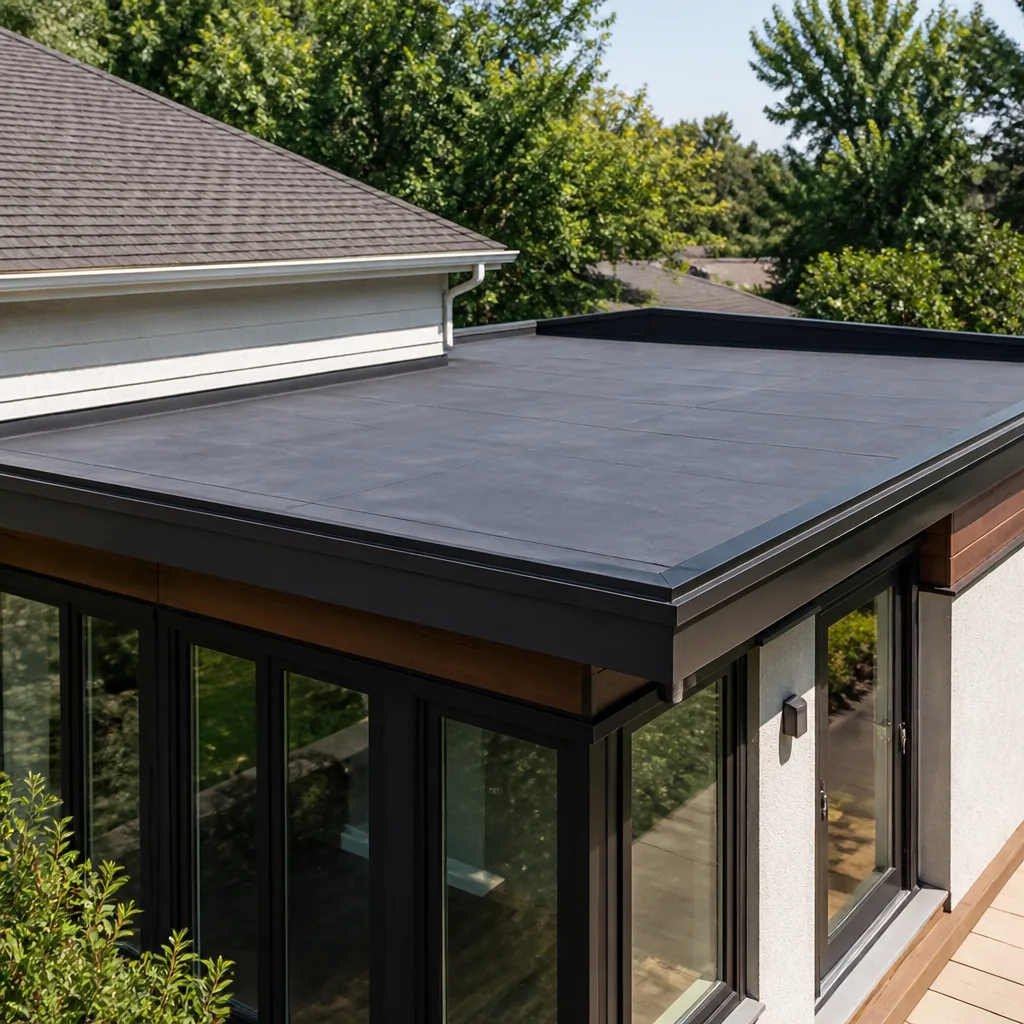
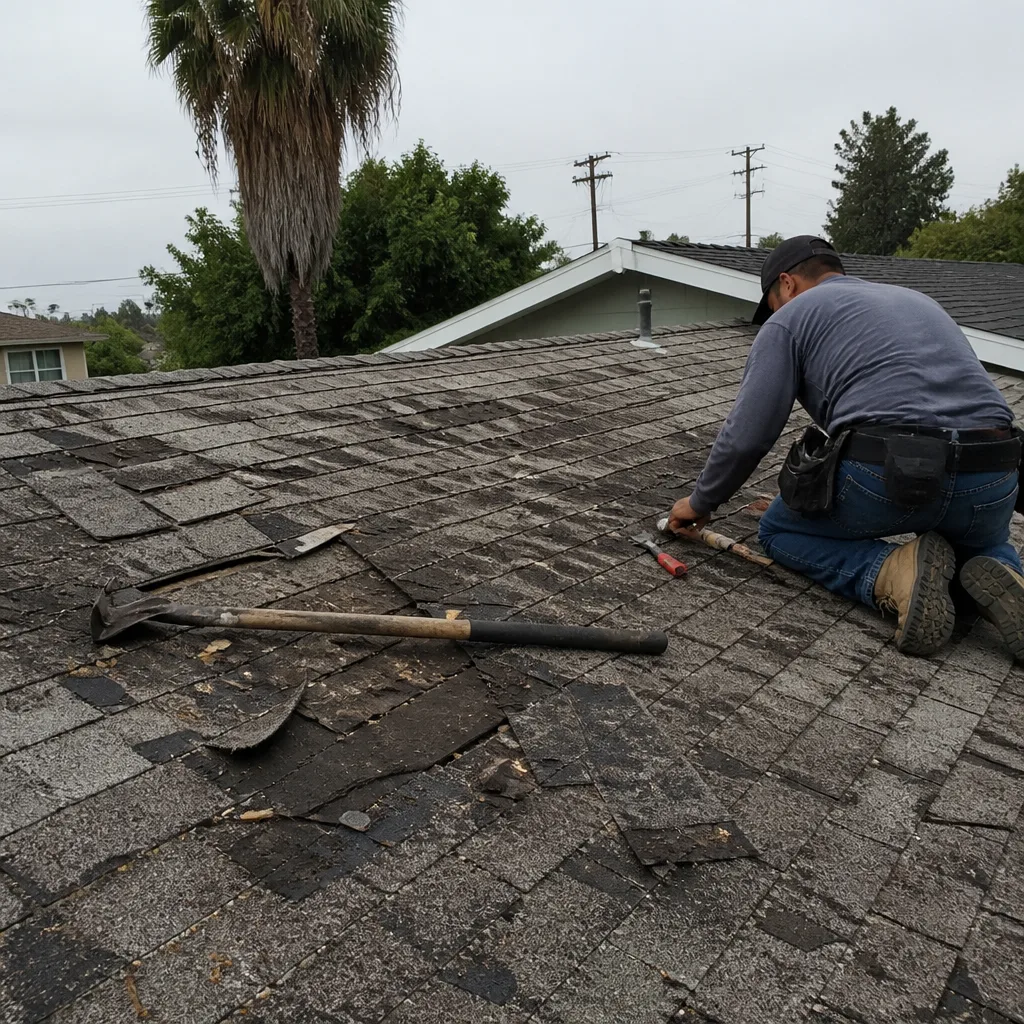 Before
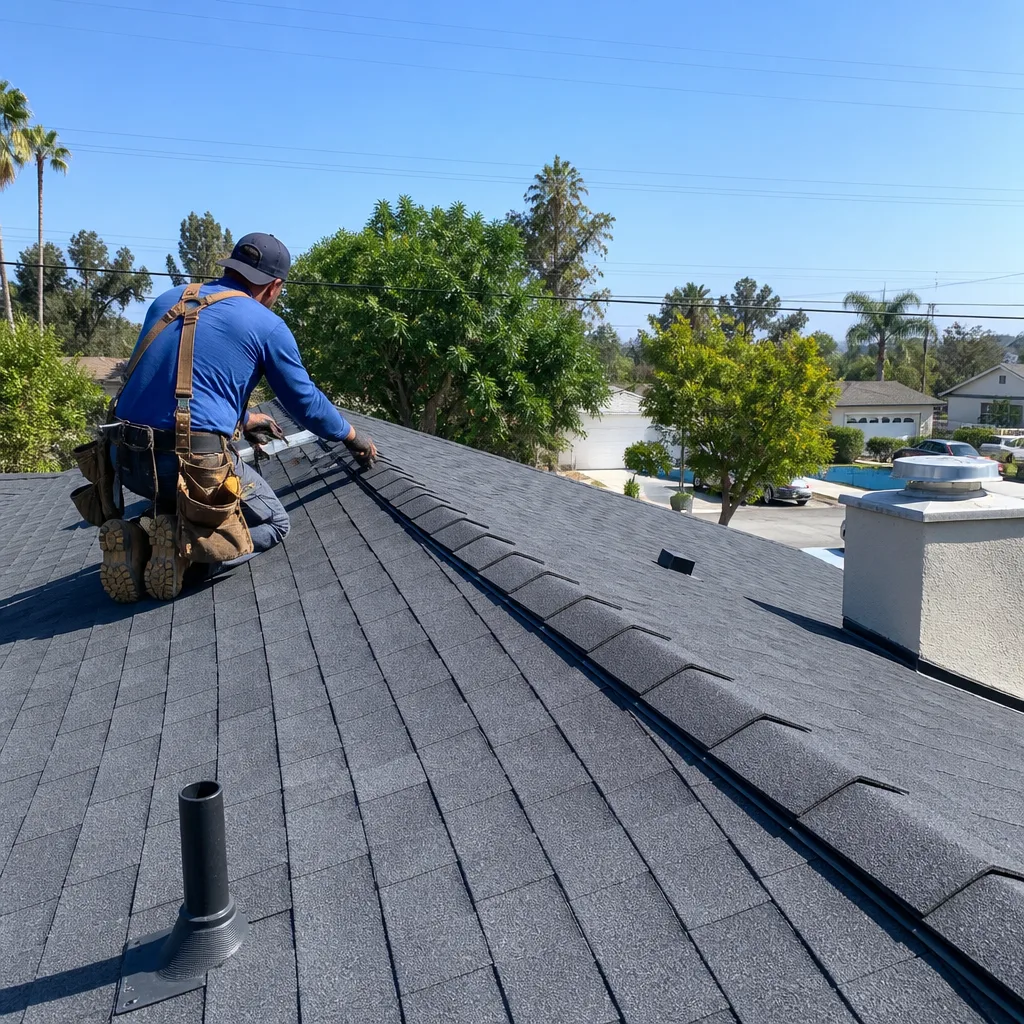 After
After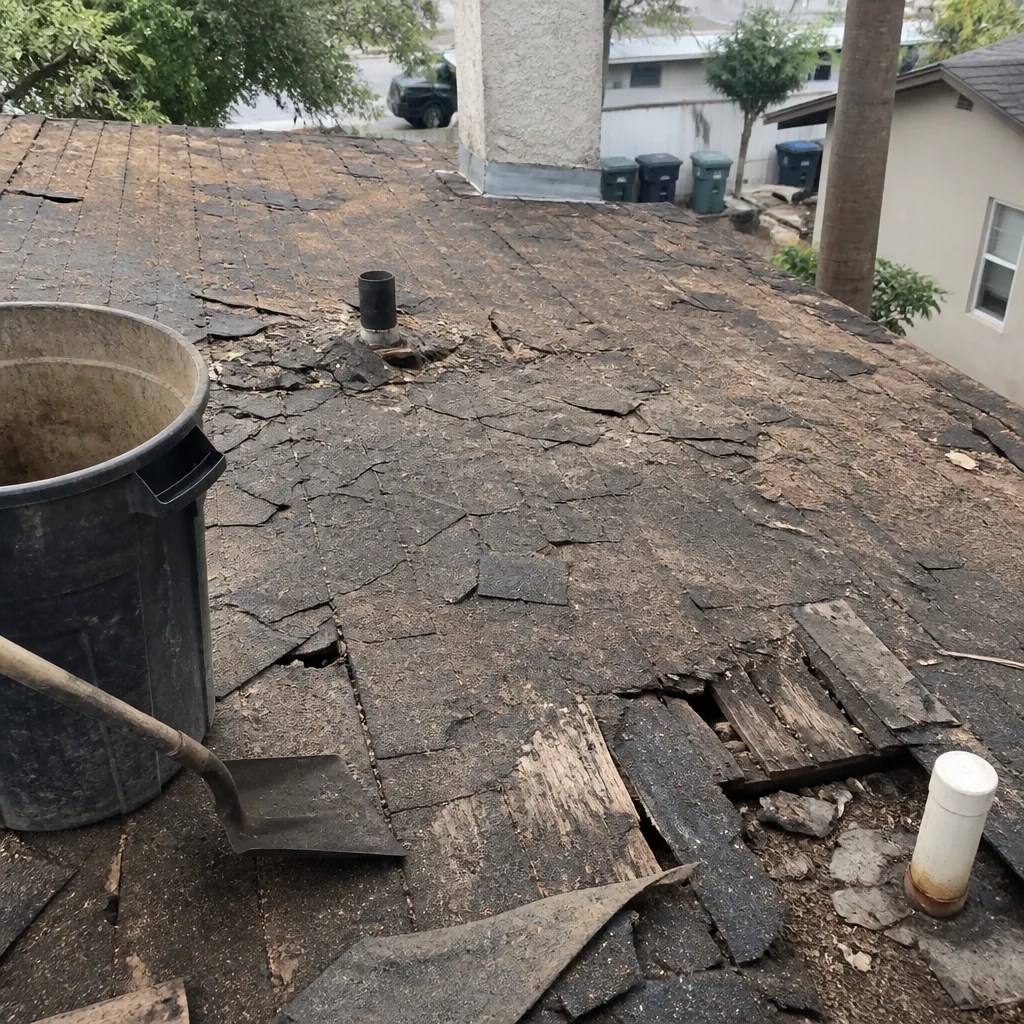 Before
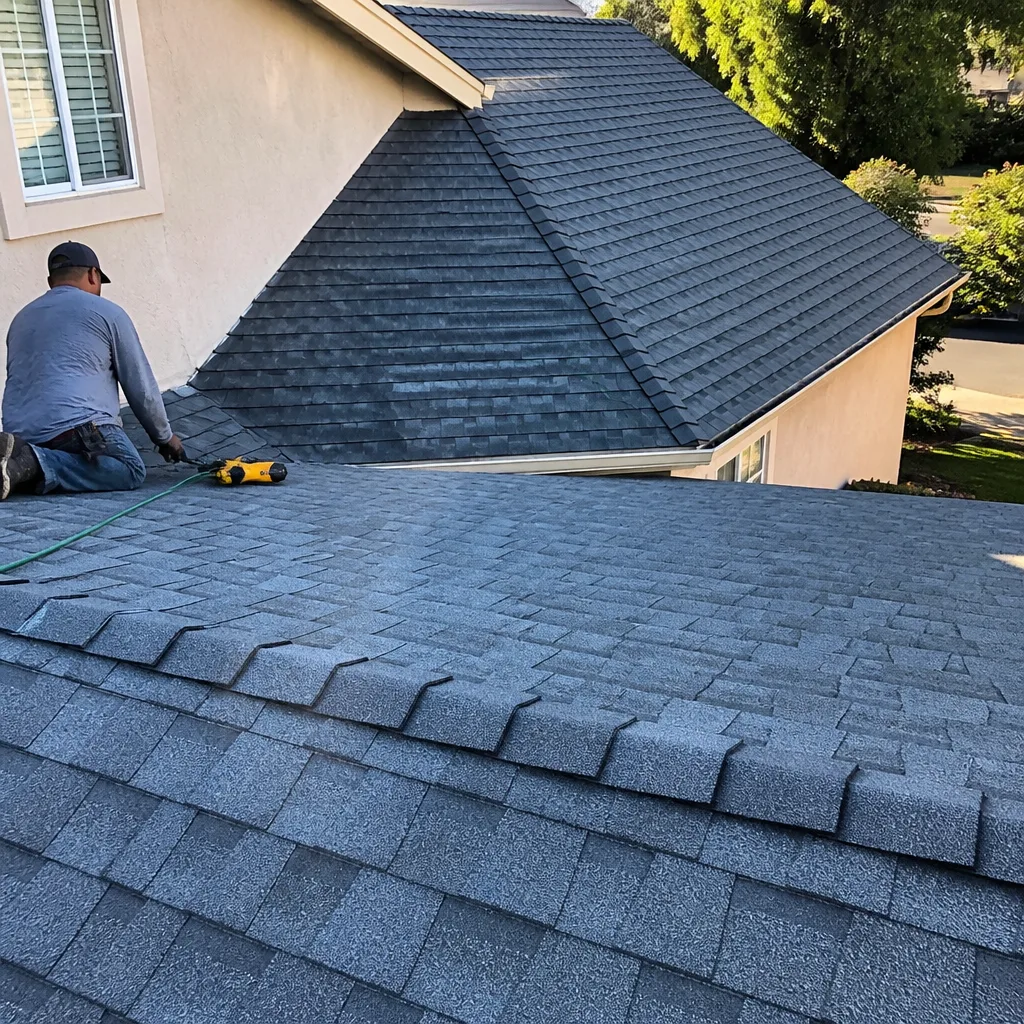 After
After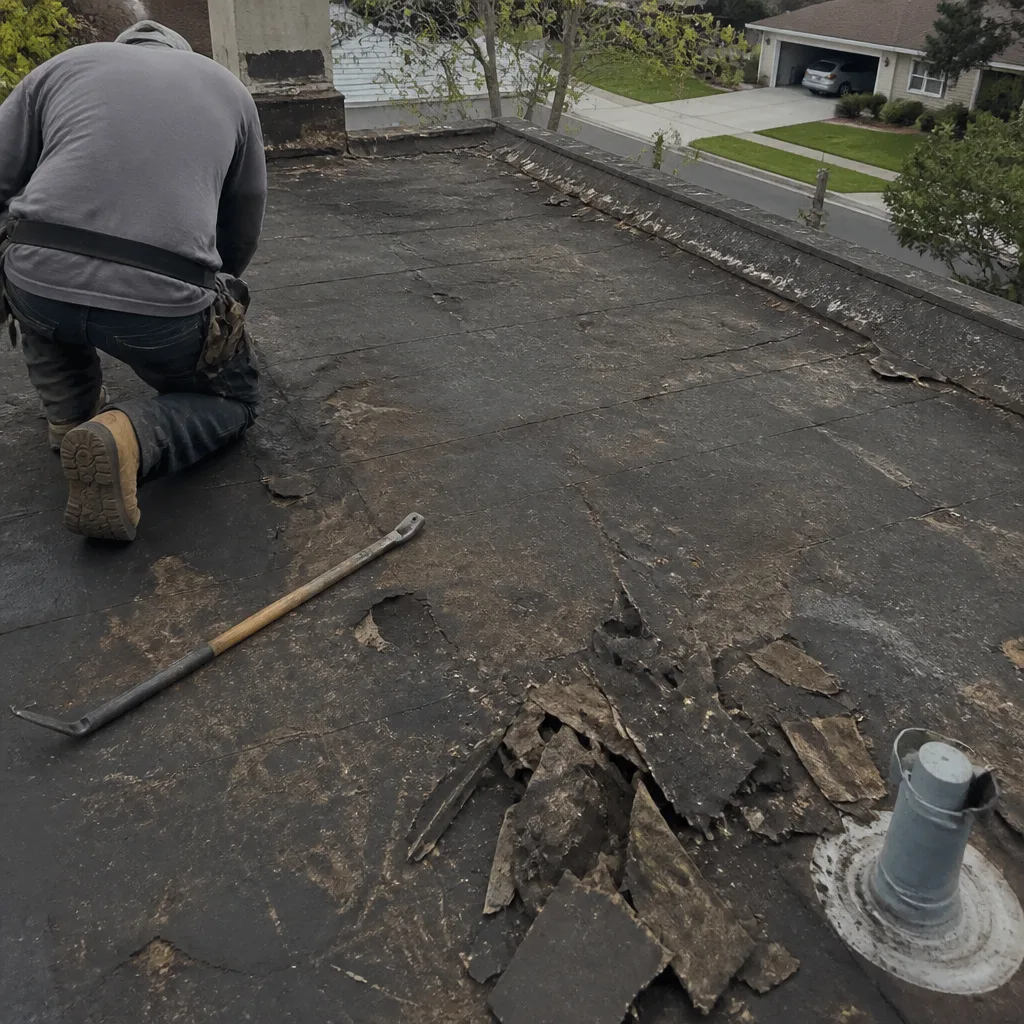 Before
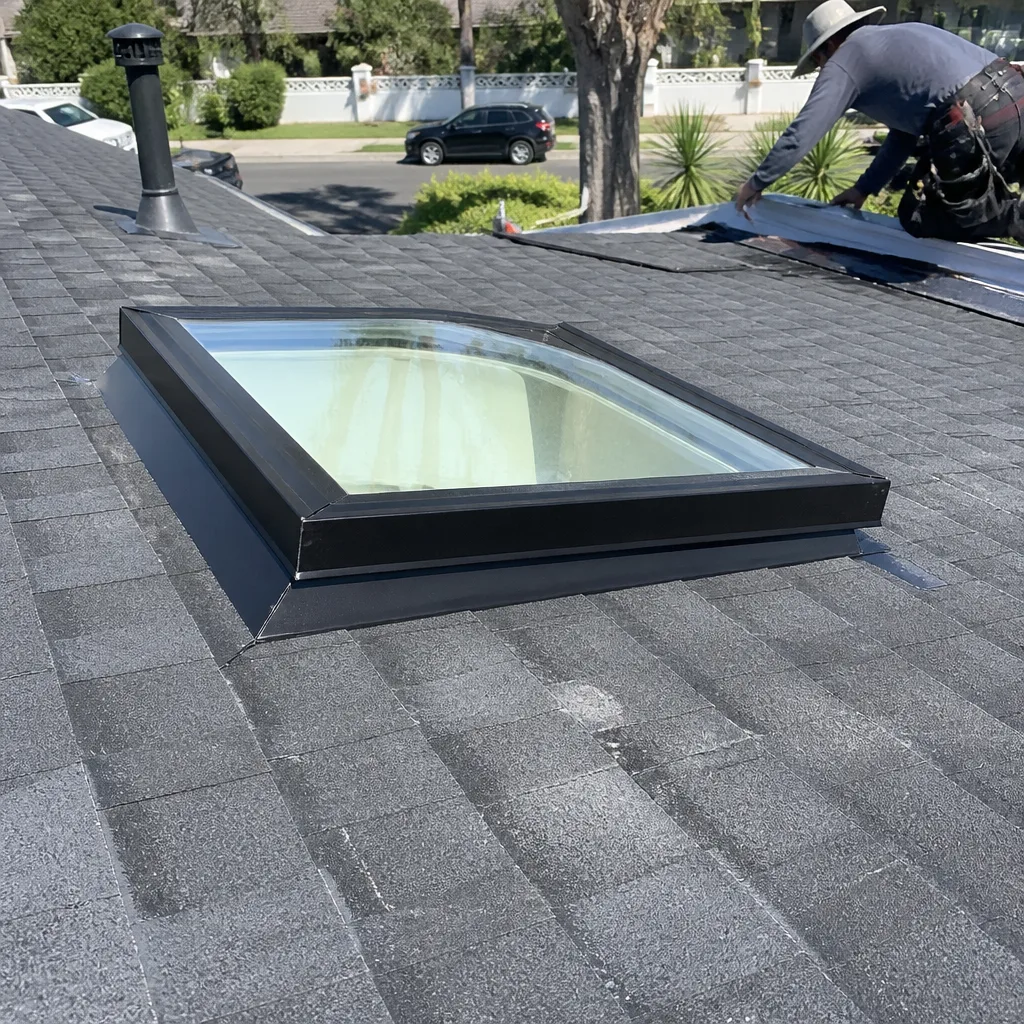 After
AfterRoofing Emergency Preparedness Guide for Los Angeles Homes
After a major Santa Ana wind event tears through the San Fernando Valley, the wait for an available licensed roofer in Los Angeles can stretch to two weeks. Homeowners who haven’t spent 30 minutes preparing ahead of time end up with tarps that peel off by morning, insurance adjusters they can’t reach until Thursday, and water stains spreading across ceilings that will cost thousands more to repair than the original roof damage. This guide shows Los Angeles homeowners exactly what to stock, who to pre-vet, and what to do in the first hour when the emergency is real and the clock is running. For more guides & resources, visit our blog.
Quick Answer
Los Angeles roofing emergencies require two distinct preparedness plans: one for Santa Ana wind season (September through November) when flying debris and uplift forces damage tile and shingle roofs, and another for atmospheric river season (December through March) when rapid water intrusion overwhelms drainage systems on drought-hardened homes. Prepared homeowners keep tarps, a pre-vetted contractor list, their insurance policy number, and their last roof inspection report in one accessible place, and they know the three five-minute checks - drawn from our Roofing Warning Signs: A Los Angeles Homeowner’s Reference Guide - that filter out storm-chasing contractors who flood LA after every major weather event.
Table of Contents
- The LA Emergency Calendar: Two Seasons, Two Protocols
- What to Do in the First 60 Minutes After Storm Damage
- How to Vet an Emergency Roofing Contractor Under Pressure
- What Your Homeowner’s Insurance Actually Covers in California
- Pre-Season Preparedness Checklist for Los Angeles Homes
- Common Mistakes to Avoid
- When to Call a Professional
- Frequently Asked Questions
The LA Emergency Calendar: Two Seasons, Two Protocols
Los Angeles doesn’t have Midwest-style roofing emergencies. We don’t get hail that shatters skylights or tornadoes that peel off entire neighborhoods. Our damage comes in two predictable windows, and each demands different preparation.
Santa Ana Season: September through November
The Santa Ana winds blow hot and dry from the desert, gusting 40 to 80 mph through the canyons and valleys. In neighborhoods like Porter Ranch, Granada Hills, and the hills above Pasadena, we’ve seen these winds lift concrete roof tiles like frisbees and drive branches through asphalt shingles. The danger is structural impact and uplift, not water, at least initially.
Preparation for Santa Ana season means:
- Trimming overhanging branches within 10 feet of the roofline, especially eucalyptus and palm fronds that become projectiles
- Checking tile roof fastenings on homes built before 1990, when LA County began requiring enhanced wind clips
- Securing loose satellite dishes, solar panel railings, and rooftop HVAC screens that can tear off and take roofing material with them
- Photographing the roof condition in September so you have pre-event documentation
Atmospheric River Season: December through March
When a Pineapple Express parks over Southern California, three inches of rain can fall in four hours on soil that hasn’t absorbed significant water in eight months. The drought-hardened landscape sheds water fast, and roofs that handled drizzle fine suddenly leak at every weak point. In our experience across Los Angeles, from Venice bungalows to Hancock Park Spanish revivals, the most common failure points are clogged valley drains, deteriorated flashing around chimneys, and lifted underlayment on tile roofs where water finds the path of least resistance.
Preparation for atmospheric river season means:
- Clearing gutters and downspouts in November, before the first major storm
- Checking that scuppers and internal drains on flat-roofed sections are free of debris
- Inspecting flashing at wall intersections, chimney saddles, and vent penetrations
- Verifying that your roof’s drainage path actually sends water away from the foundation, not toward it
The overlap period, late November through early December, is when we’ve seen the worst compound damage: Santa Ana winds create openings, then the first atmospheric river finds them.
What to Do in the First 60 Minutes After Storm Damage
The first hour determines whether you’re looking at a contained repair or a six-figure restoration. Here’s the sequence we’ve refined from two decades of emergency calls across Los Angeles County.
Step 1: Interior containment (0-15 minutes)
Move furniture and electronics away from the leak path. Puncture any ceiling bubble with a screwdriver to release trapped water, placing a bucket directly below. A gallon of water weighs eight pounds; a saturated drywall panel can fail without warning. If water is entering near electrical fixtures, turn off the breaker to that circuit at the panel. Do not touch wet outlets or switches.
Step 2: Document everything (15-30 minutes)
Photograph the interior damage, the water path, and the exterior roof condition from the ground. Use your phone’s timestamp. Capture wide shots showing the overall roof area and close-ups of specific damage. If tiles or shingles are scattered in the yard, photograph them in place before moving. This documentation sequence protects your insurance claim; adjusters in Los Angeles see hundreds of claims after major events, and organized homeowners get faster settlements.
Step 3: Temporary protection, done right (30-50 minutes)
If you have a tarp and safe ground access, cover the damaged area from eave to ridge, extending at least four feet past the visible damage on all sides. Secure with 1×3 wood strips screwed into the fascia or roof edge, never nailed through shingles. The most common mistake we see in Los Angeles: homeowners drape a tarp over the damage and weight it with bricks or patio furniture. The next wind gust collects that tarp like a sail, tears off more roofing, and gives the insurance adjuster evidence of “improper temporary repair” that can reduce your settlement.
Step 4: Contact your insurance company and your pre-vetted roofer (50-60 minutes)
Report the claim with your policy number ready. Then call your roofer. In Los Angeles after a major event, reputable contractors book fast. Having a relationship established before the emergency puts you at the front of the line.
How to Vet an Emergency Roofing Contractor Under Pressure
After every significant Santa Ana event, out-of-state contractors descend on Los Angeles with magnetic door signs and temporary phone numbers. They’re skilled at creating urgency. Here’s how to filter them out in five minutes.
Check 1: Verify the CSLB license
California requires a C-39 Roofing Contractor license for any job over $500. Go to cslb.ca.gov and enter the license number. Confirm it’s active, the name matches the business card, and there’s no pending disciplinary action. If they won’t give you a license number, end the conversation.
Check 2: Confirm local physical presence
Ask for their Los Angeles-area address and verify it on Google Street View. Storm chasers use virtual offices or hotel rooms. A legitimate contractor has trucks, a yard, or at minimum a verifiable local address where they’ve received mail for more than six months.
Check 3: Demand written terms before any work
Any contractor who won’t put scope and price in writing before starting is preparing to change the terms later. This is non-negotiable. At Tilehurst Roofing in Los Angeles, we provide a written price before any work starts on every call, emergency or scheduled. No exceptions. It’s one of The Kingswell Way values: say the price before the work, put the guarantee in writing, come back if it fails.
Red flags that should end the conversation immediately:
- Pressure to sign today for a “storm pricing” discount
- Requests for full payment upfront, especially cash
- Offers to handle your insurance claim directly (this is illegal in California without a public adjuster license)
- Vans with out-of-state plates and no local references from the past 30 days
What Your Homeowner’s Insurance Actually Covers in California
Most Los Angeles homeowners carry an HO-3 policy, the standard form in California. Understanding what it actually says about roof damage prevents nasty surprises when you’re already stressed.
Covered perils typically include:
- Wind damage, including Santa Ana events
- Falling objects: trees, branches, airborne debris
- Fire, including ember intrusion from wildfires
- Weight of rain, snow, or ice (rare in LA, but relevant for mountain communities)
- Sudden and accidental water intrusion from above
Common exclusions to understand:
- Gradual wear and tear: a 25-year shingle roof that fails at year 22 is not a covered loss
- Maintenance neglect: clogged gutters that back up and cause interior damage
- Earthquake and flood: separate policies required
- Matching issues: your policy may cover replacing damaged shingles but not guarantee they’ll match undamaged sections in color or style
Documentation that protects your claim:
- Pre-event roof condition photos, dated
- Maintenance records: gutter cleaning, inspections, prior repairs with dates and contractor names
- Immediate post-event photos showing the specific damage and its cause
- Written estimates from at least two licensed contractors
- Receipts for emergency temporary repairs, which most policies reimburse
California law requires insurers to acknowledge a claim within 15 days and to decide within 40 days of proof of loss. Organized documentation speeds this timeline significantly. We’ve seen Los Angeles homeowners with complete files get checks in three weeks; those with scattered photos and no records wait three months.
Pre-Season Preparedness Checklist for Los Angeles Homes
Spend 30 minutes in October assembling these items in one waterproof container. Store it where you can find it in the dark, with a flashlight.
Physical supplies:
- Two heavy-duty tarps, 12×16 feet minimum, with reinforced grommets
- 1×3 furring strips and exterior-grade screws for secure fastening
- Roofing cement in a caulk tube for small temporary seals
- Work gloves, safety glasses, and a stable ladder that reaches your roof edge
- Flashlight with fresh batteries
Documents (paper copies, sealed in plastic):
- Homeowner’s insurance policy number and claims phone number
- Last roof inspection report, with the contractor’s name and date
- Photos of your roof from all sides, dated
- CSLB license numbers of two pre-vetted local roofing contractors
- Your home’s approximate roof square footage and material type
Pre-vetted contractor contacts:
Before you need them, identify two licensed roofing contractors in Los Angeles who answer their phones with live people, provide written estimates, and have verifiable local presence. Call once to confirm they service your neighborhood. The Tilehurst Roofing home page lists our service areas and contact information. Our phones are answered by a live person 24 hours a day, 7 days a week, including evenings and weekends.
Seasonal maintenance reminders:
- September: Schedule roof inspection, trim trees, photograph roof condition
- October: Assemble emergency kit, clear gutters, test drains
- November: Final gutter check, verify tarp and supplies are accessible
- December-March: Monitor forecasts, pre-position kit when atmospheric river warnings issue
Homes in fire-prone Los Angeles hillsides should add a third preparedness layer: ember-resistant vents and Class A rated materials. Manufacturers like GAF and CertainTeed produce asphalt shingles with Class A fire ratings, and Owens Corning offers similar options. Tile roofs using Boral clay or concrete products naturally achieve this rating. Your inspection should confirm your roof meets current LA County fire code for your zone.
Common Mistakes to Avoid
- Using interior caulk on roof leaks. Silicon and latex interior sealants degrade in UV exposure and trap moisture. We’ve seen Los Angeles homeowners turn a $400 flashing repair into a $4,000 decking replacement by sealing the wrong side of the leak.
- Climbing on the roof during or immediately after a storm. Tile roofs are especially dangerous when wet; the surface glaze becomes slick as glass. Wait for dry conditions, or hire a professional with proper fall protection.
- Accepting the first contractor who answers after a major event. Storm chasers know you’re stressed and count on it. The five-minute license check prevents months of regret.
- Neglecting the attic inspection. Water travels. The stain on your bedroom ceiling may originate three rafters away. A flashlight inspection of the attic during daylight reveals the true entry point and prevents chasing symptoms instead of causes.
- Assuming new construction means no emergency prep. We’ve responded to emergency calls in Playa Vista and other new Los Angeles developments where improper valley flashing or missing drip edge on recent builds created immediate failure points under first-season rain.
- Forgetting about solar panels. Los Angeles has one of the highest solar penetration rates in the nation. A damaged panel system is an electrical hazard, not just a roofing issue. Only a contractor qualified in both roofing and solar should touch these repairs.
- Letting temporary repairs become permanent. Tarps degrade in Los Angeles sun within 90 days. Mark your calendar to schedule permanent repair before the next season starts.
When to Call a Professional
Call a licensed roofing contractor immediately when you see daylight through the roof deck, when water is entering near electrical systems, when a tree or large branch has struck the structure, or when you cannot safely assess the damage from the ground. Sagging ceilings, spreading stains over multiple rooms, or audible dripping inside walls all indicate damage beyond DIY scope.
At Tilehurst Roofing in Los Angeles, we answer calls with a live person 24 hours a day, 7 days a week. Every job begins with a written price before any work starts. Every repair carries a written guarantee, and if a repair fails inside the guarantee period, we return to correct it at no charge under our 365-Day Done Right Promise. For damage that requires full replacement, our Roof Replacement in Los Angeles service provides material options from seven leading manufacturers: GAF, CertainTeed, Owens Corning, IKO, Atlas, Tamko, and Boral.
Call (945) 303-9821 to schedule your free estimate.
Frequently Asked Questions
Most emergency asphalt shingle repairs in Los Angeles run $350-$850 for standard damage such as lifted shingles, small penetrations, or localized flashing failure. Tile roof repairs typically range $500-$1,200 due to material matching and the labor of carefully removing and replacing interlocking tiles. Structural damage involving decking replacement extends above these ranges. Call (945) 303-9821 for an exact quote - estimates are free.
California law prohibits insurers from raising premiums for a single claim related to weather or natural disaster damage, though multiple claims within three years can affect renewal eligibility. Document everything thoroughly and file promptly. Call (945) 303-9821 if you need help understanding your damage before contacting your insurer.
Ninety days is the practical maximum before UV degradation and wind fatigue make the tarp itself a hazard. Los Angeles sun is intense year-round, and the Santa Ana winds that caused the original damage will return. Schedule permanent repair within 30 days if possible. Call (945) 303-9821 to schedule your free estimate.
Los Angeles Department of Building and Safety requires permits for roof replacements and structural repairs, but typically exempts minor emergency repairs under $500 in value. Any work involving decking replacement, structural modification, or changes to roof drainage requires permitting. A licensed contractor will know the threshold and pull permits when required; see Roofing Permits, Codes & Inspections in CA: What You Need to Know for details. At Tilehurst Roofing, we handle all permit applications and inspections as part of our standard process.
Santa Ana damage appears suddenly after a wind event: missing or displaced tiles, uplifted shingle tabs with intact adhesive strips (indicating wind lifted them, not age), and impact damage from debris. Normal wear shows gradually: granule loss exposing black asphalt, curled or cupped shingle edges, cracked tiles from thermal cycling, and rusted flashing. Insurance covers sudden damage, not gradual wear. Photograph immediately after any wind event to establish the cause.
Minor temporary measures from the ground or a secure ladder are reasonable for capable homeowners. Anything involving steep slopes, tile walking, or work near electrical service requires a licensed professional. Falls from residential roofs are a leading cause of serious injury in Los Angeles County. The Kingswell Way includes background-checked, uniformed technicians on every job because roof work carries real risk.
The Bottom Line
Los Angeles roofing emergencies follow a predictable calendar: Santa Ana winds in autumn, atmospheric rivers in winter. The homeowners who fare best are those who spent one October afternoon assembling supplies, pre-vetting contractors, and photographing their roof condition, as outlined in our Seasonal Roofing Care for Los Angeles: Year-Round Homeowner’s Guide. In the first hour after damage, contain the interior, document everything, secure temporary protection properly, and call both your insurer and your roofer. The alternative - scrambling for any available contractor, fighting your insurance company with incomplete records, and watching water damage compound daily - turns a manageable repair into a financial and emotional crisis that lingers for months.
Written by Greg Holloway, Owner at Tilehurst Roofing, serving Los Angeles since 2000.