

Free roof inspection with deck photos before we talk money - GAF and Owens Corning certified installation
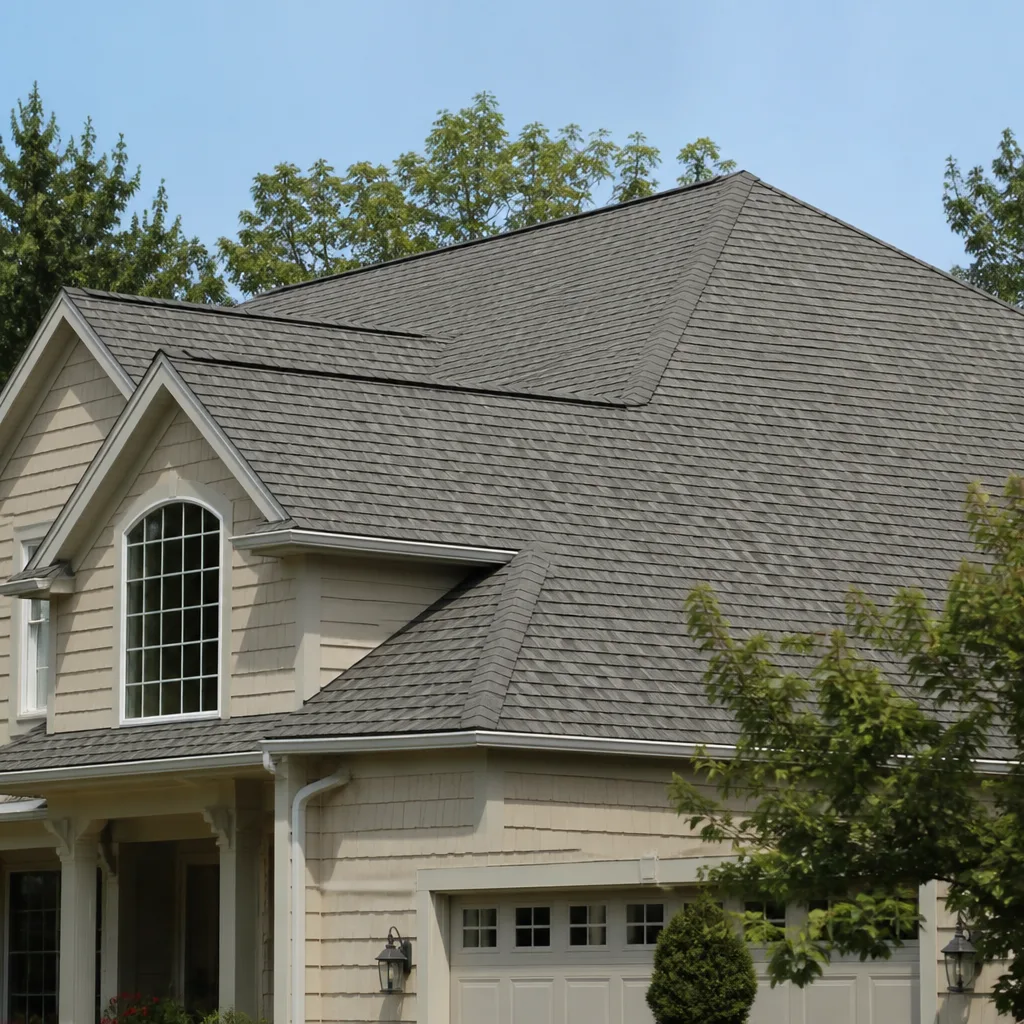
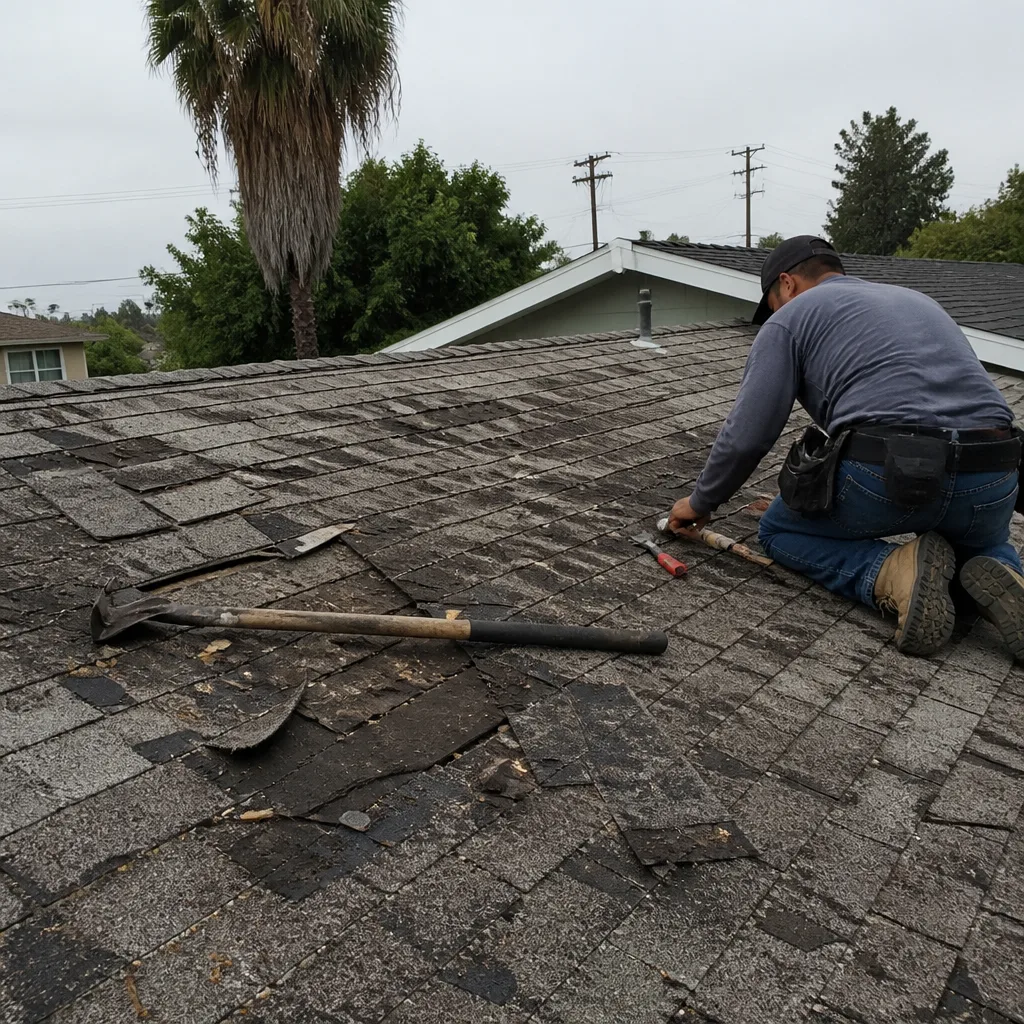 Before
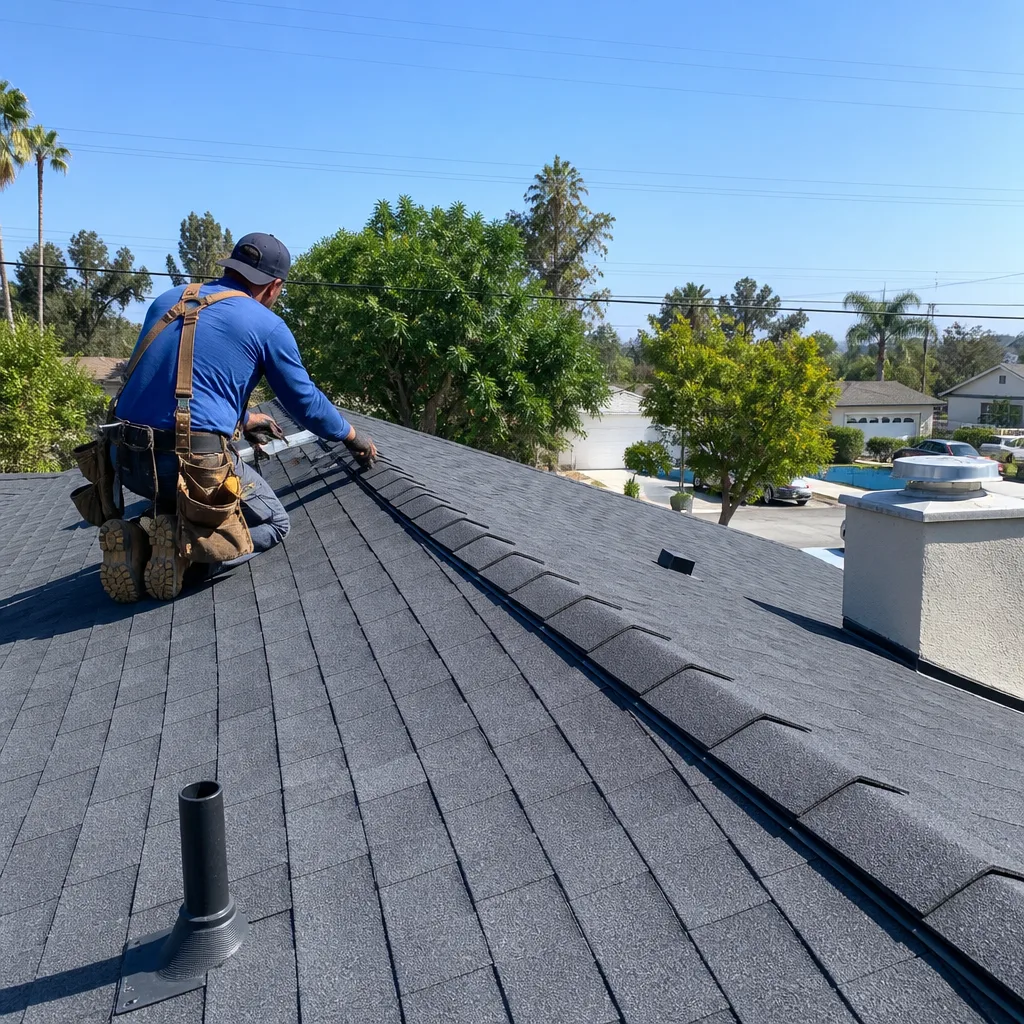 After
After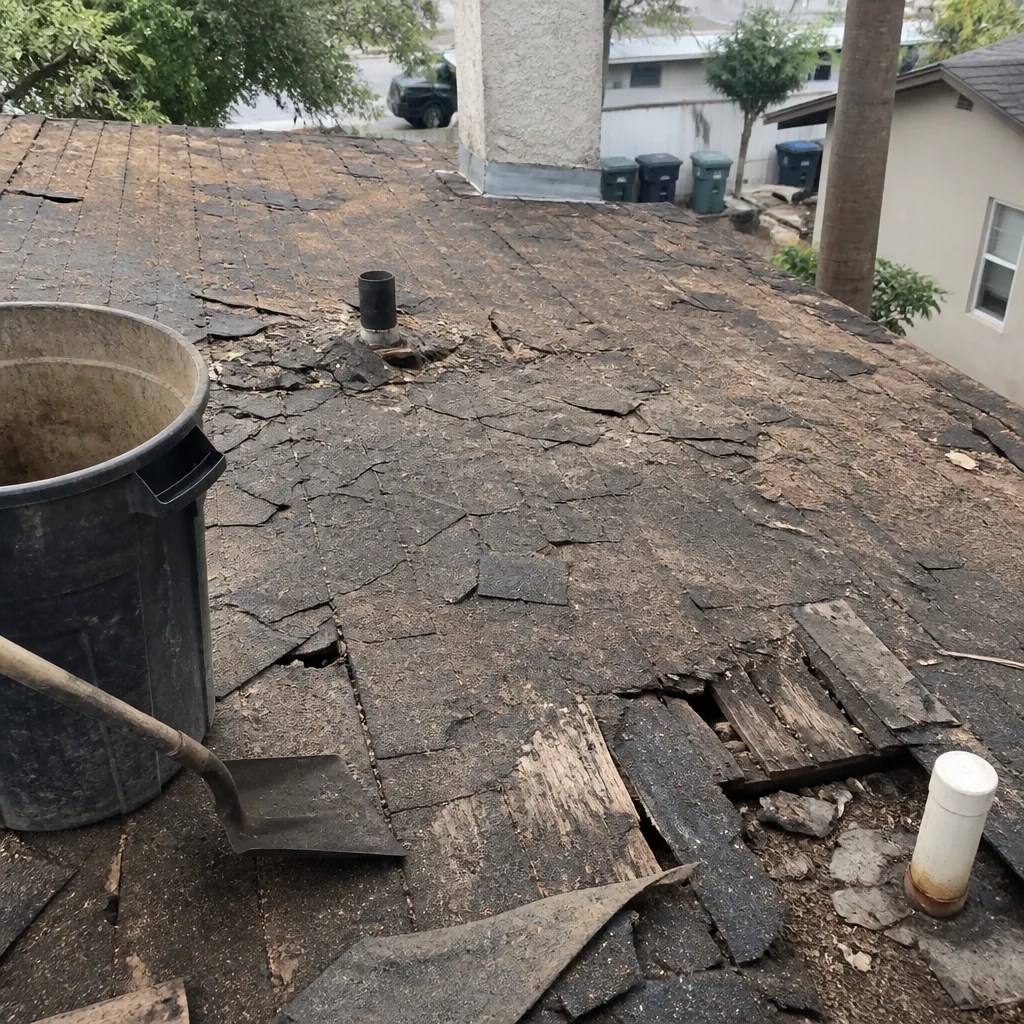 Before
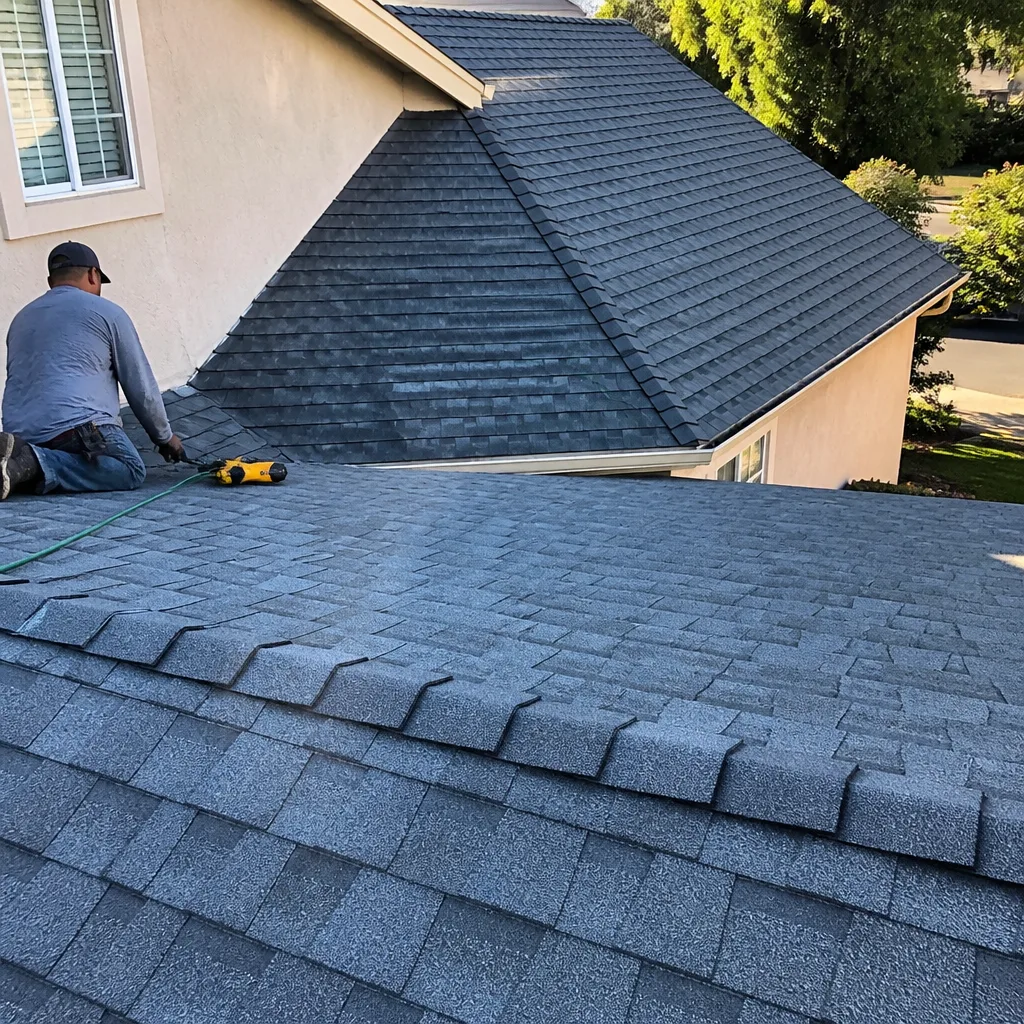 After
After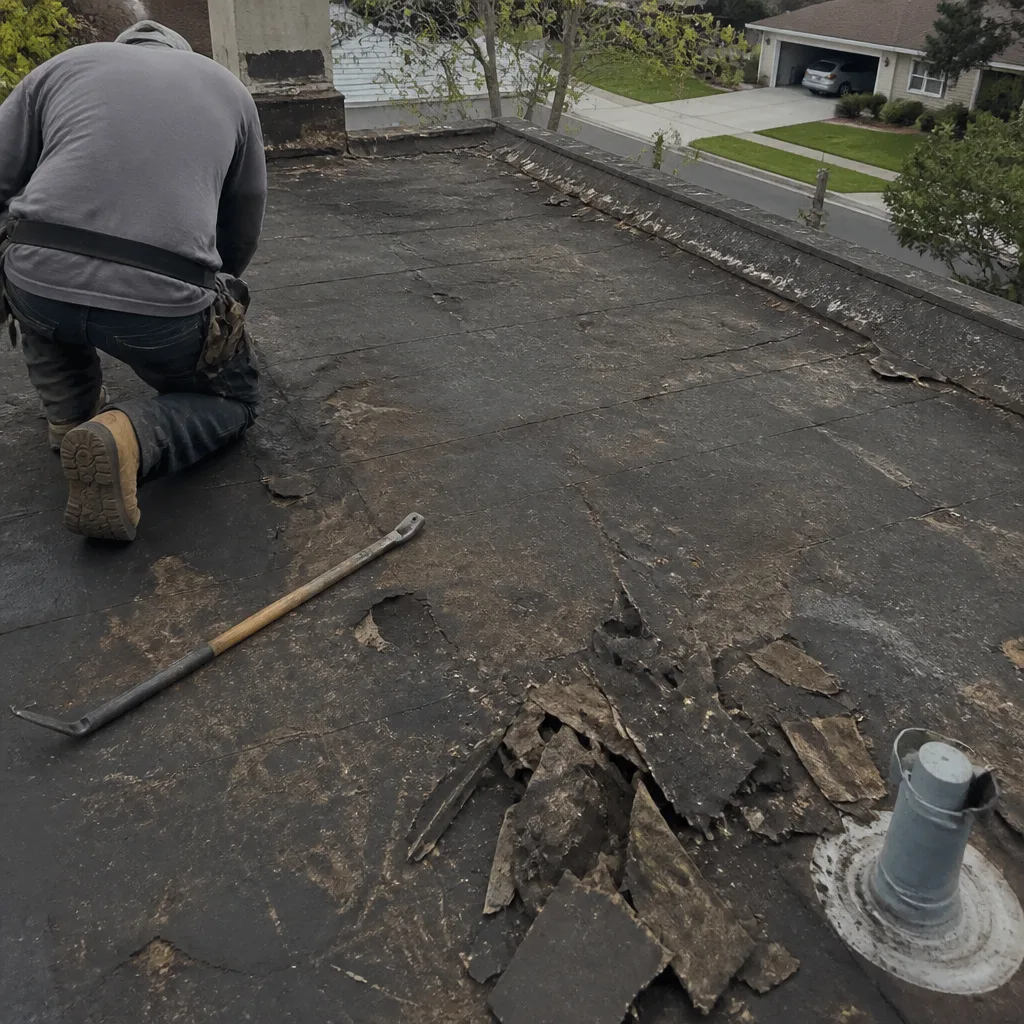 Before
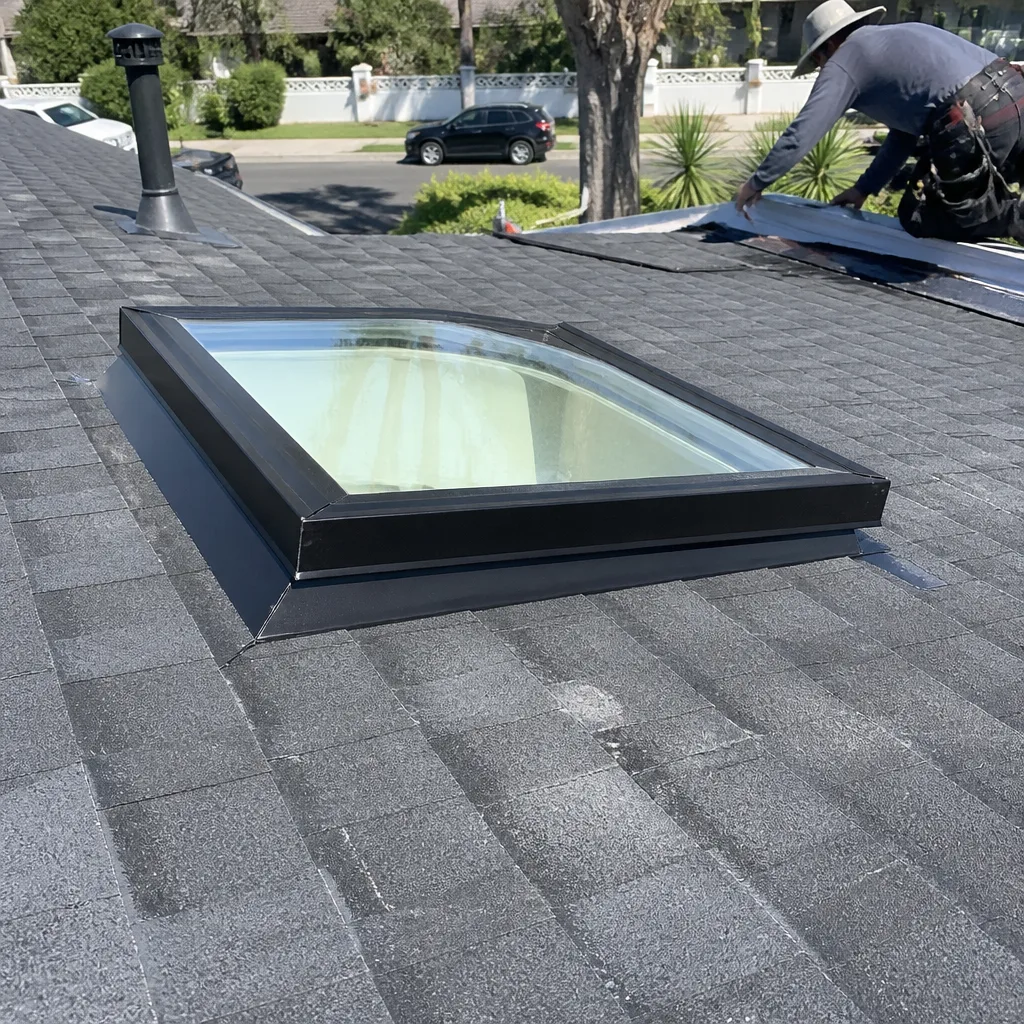 After
AfterStorm Damage Roof Repair for Homeowners Across the United States
A storm does not wait for a convenient week, and neither should your roof repair. Storm damage roof repair is about stopping water before it reaches your insulation, drywall and framing, then fixing what the wind, hail or fallen limbs actually broke. Tilehurst Roofing has been doing exactly that since 2000. We give you a written price before any work starts, we tell you plainly what is damaged and what is not, and we do not push a full replacement when a targeted repair will hold. If your roof just took a hit, call us at (945) 303-9821 and talk to a real person. We provide roof installation and repair for homeowners nationwide, and storm work is some of the most urgent we handle.
Storm damage looks different depending on where you live. Homeowners in the Plains deal with hail that bruises shingles and cracks tile. Gulf and Atlantic coast homes take wind-driven rain and flying debris. Northern states see ice dams and heavy snow load, and almost everywhere, a single old tree can come down in a thunderstorm. Because we work across the country, our crews know how each type of storm damages a roof and which repairs actually last. You can learn more about who we are on our home page.
What Our Storm Damage Roof Repair Includes
Good storm repair is not just patching the spot where you see a drip. Water travels along rafters and under shingles before it shows up on a ceiling, so the visible hole is rarely the whole problem. Tilehurst Roofing checks the full roof system around the damage so the repair does not fail at the next rain.
Emergency Tarping and Leak Control
When a branch has gone through the roof or a section of shingles has blown off, the first job is keeping rain out. We secure heavy-duty tarps over the opening, fastened to solid framing so they survive the next gust. This buys you time to get an insurance adjuster out and plan the permanent fix without more water getting in.
Shingle and Tile Replacement
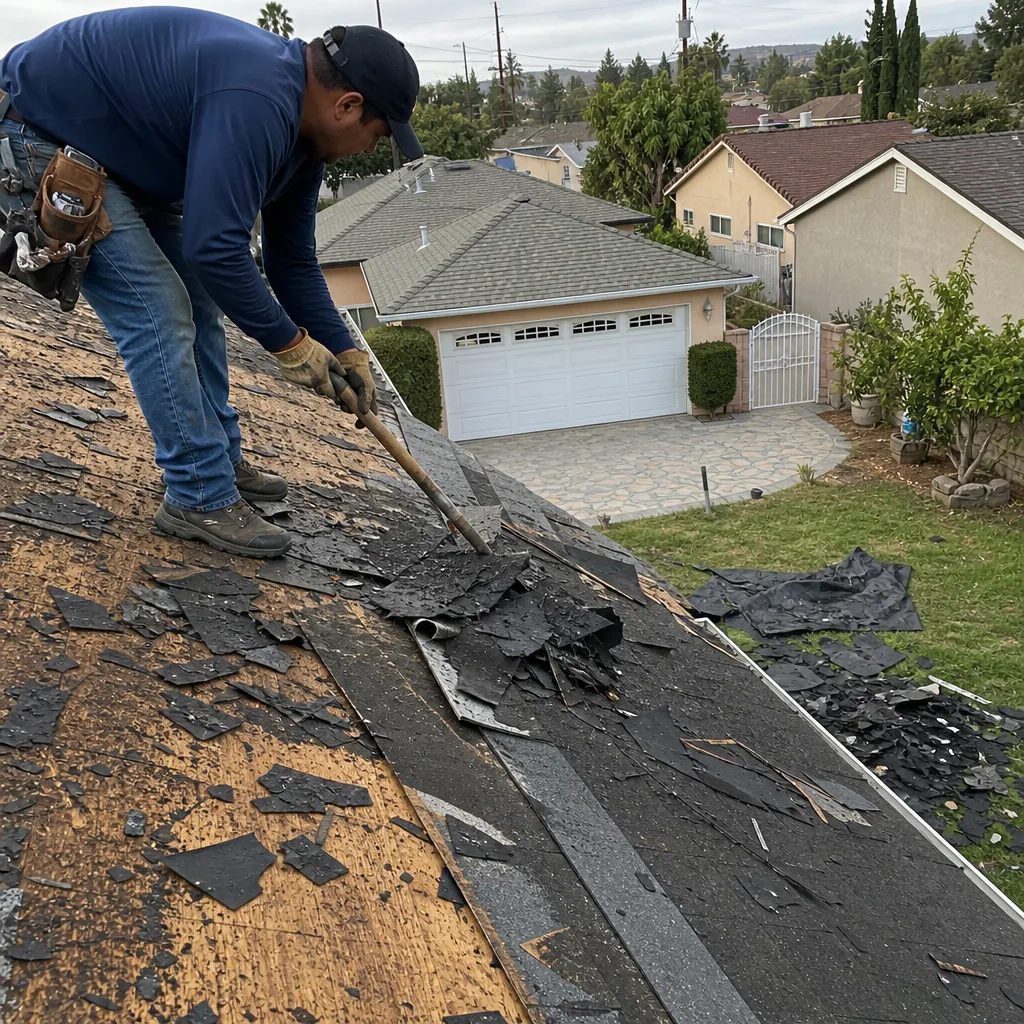
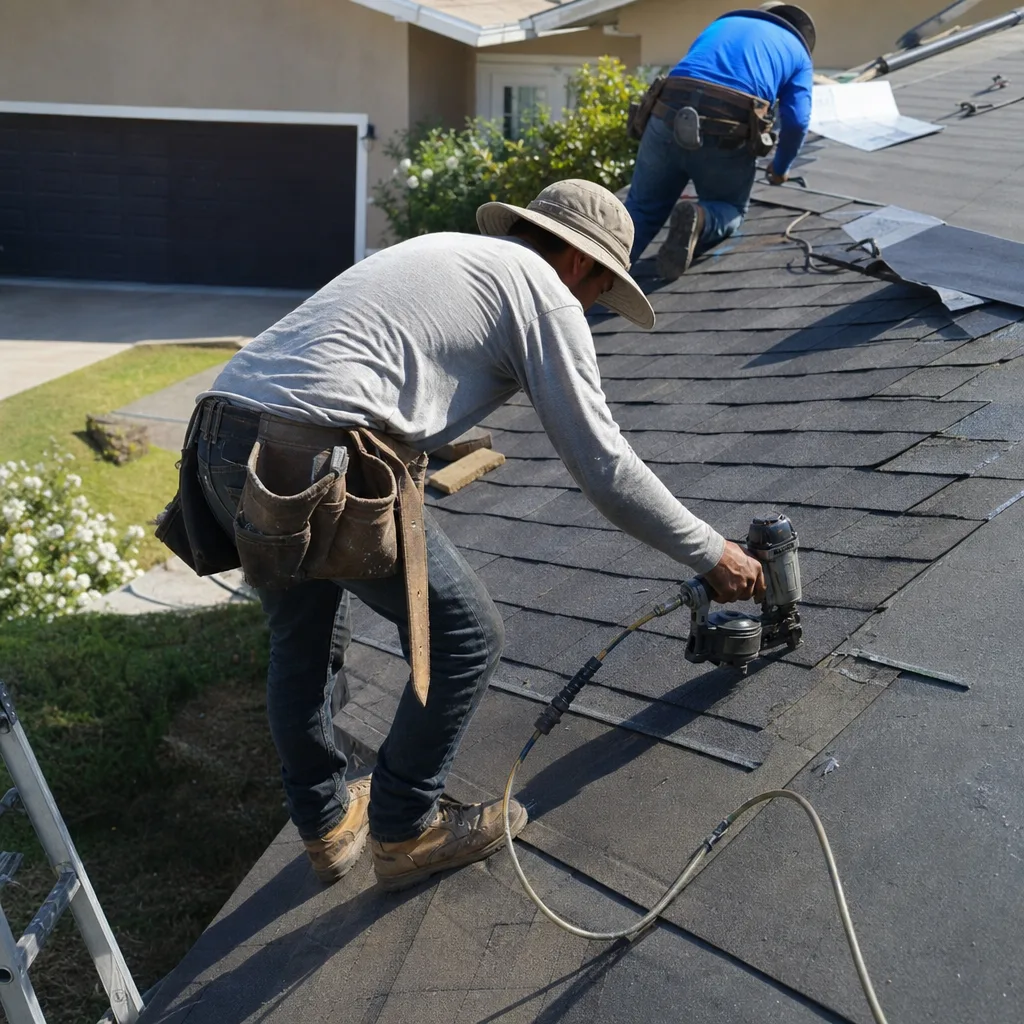
Wind lifts shingles, breaks the seal strips and creases them so they never lie flat again. Hail leaves bruises that crack the mat underneath. We replace damaged shingles or tiles individually where the surrounding roof is sound, and we match the existing product as closely as we can so the repair does not stand out.
Decking and Structural Repair
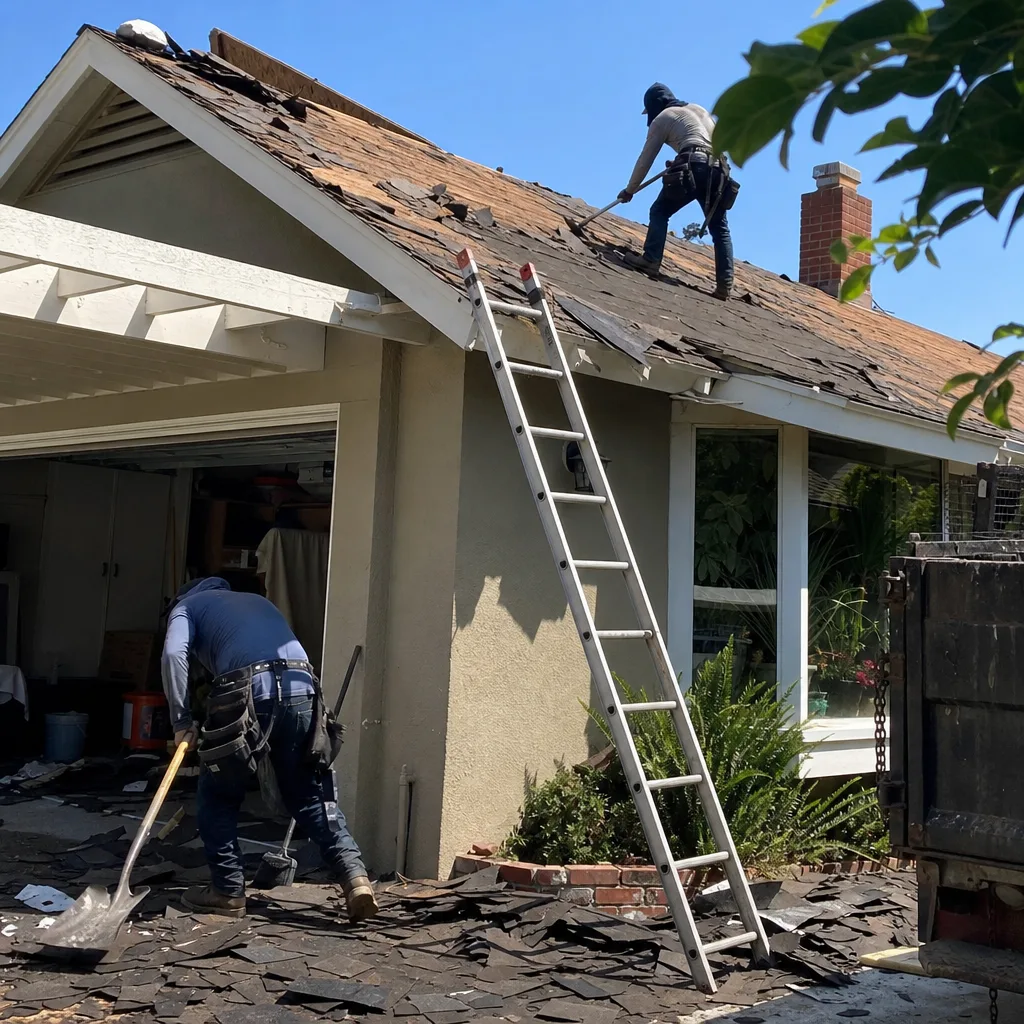
If a tree limb or standing water has soaked or cracked the plywood or OSB under your roofing, a surface fix is only a cover-up. We cut out the bad sections, replace the sheathing, and repair any damaged rafters before new roofing goes on. A sound deck is what holds nails and keeps the roof flat.
Flashing, Vent and Gutter Repair
High wind bends flashing, knocks vent caps loose and pulls gutters away from the fascia. Those are the spots where leaks start after a storm. We reseal or replace damaged flashing, reset vents and chimney collars, and reattach or replace gutters that took the hit.
What happens when you call
- 1
A real person answersNo phone trees, you reach a local pro.
- 2
You get an upfront price rangeHonest numbers before anyone is dispatched.
- 3
A background-checked tech heads outLicensed & insured, dispatched right away.
- 4
You approve before work beginsNothing starts until you say go.
Types of Storm Damage We Repair
Each kind of storm attacks a roof in its own way, and the repair has to fit the cause. Here is what we see most often and how we deal with it.
Wind damage. Straight-line winds and tornadoes peel back the edges first, because that is where uplift is strongest. Shingles at the eaves, rakes and ridge go missing or fold over. We look for torn or creased tabs, exposed nails and lifted starter strips, then replace what failed and re-seal what is still good. If wind got under a large section, we check the underlayment and decking beneath it before covering anything back up.
Hail damage. Hail does not always make a hole. It knocks granules off, bruises the shingle mat and leaves soft spots that fail months later. Hailstones the size of a quarter can be enough to shorten a roof’s life by years. We check roof vents, flashing and soft metals for dents, because dented metal is a reliable sign of how hard the storm hit. If you also want an independent look before you decide, our roof inspection service documents everything in writing.
Fallen trees and limbs. Impact damage is the most obvious and often the most serious. A limb can punch through shingles, decking and sometimes the ceiling below. We tarp the opening first, then remove damaged materials, rebuild the framing and deck, and finish with new roofing that ties into the old.
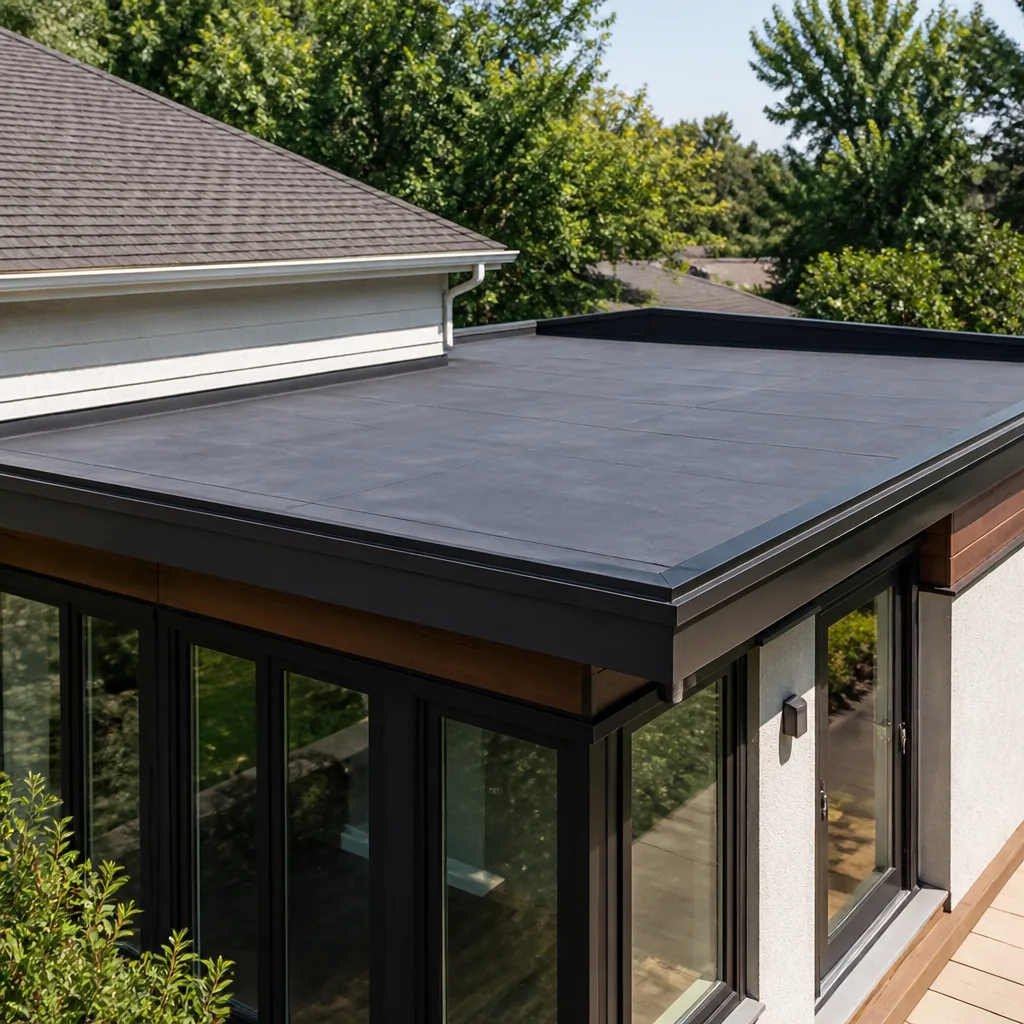
Ice, snow and water intrusion. Heavy snow load and ice dams push water up under shingles, and it works its way into the attic. We clear the damaged area, replace soaked underlayment and insulation edges where needed, and fix the ventilation or flashing problem that let it happen. Low-slope sections are a special case, and our flat roof repair work covers membranes and seams that pool water after a storm.
Signs Your Roof Has Storm Damage
Not every storm leaves damage you can see from the yard. These are the signs that tell us a roof needs a closer look.
- Missing or Lifted Shingles: Bare patches, shingles lying in the yard, or tabs that stand up instead of lying flat all mean the wind broke the seal. Once that happens, the next rain can get underneath.
- Granules in Gutters and Downspouts: A sudden pile of dark grit after a hailstorm means the shingles lost their protective surface. The exposed asphalt wears out quickly under the sun.
- Dented Vents, Flashing or Gutters: Soft metal shows hail strikes clearly. If your vent caps, drip edge or gutters are dented, the shingles beside them probably took hits too.
- Water Stains or Drips Inside: A brown ring on the ceiling, damp insulation in the attic or a musty smell after a storm points to a leak. By the time it shows indoors, water has usually been getting in for a while.
- Daylight in the Attic: If you can see light coming through the roof boards, there is an opening that water can use too. This needs attention right away.
Safety Warning: After a storm, roofs can be slick, weakened and covered in loose debris, and damaged decking may not hold your weight. Please do not climb up to look for yourself. Stay off the roof, watch for sagging ceilings inside, and call a professional who has the right safety gear. If a ceiling is bulging with water, keep clear of it.
Our Storm Damage Roof Repair Process, Step by Step
When a homeowner calls after a storm, they are usually stressed and short on time. Our process is built to be clear and quick, so you always know what happens next.
- 1
Emergency Response: If water is getting in, we start with tarping or a temporary seal to stop further damage. Nothing else matters if the interior of your home keeps getting wet.
- 2
Full Damage Assessment: A trained inspector walks the roof, checks the attic from underneath and photographs every problem area. We look at shingles, flashing, vents, decking and gutters, not just the spot you noticed.
- 3
Written, Line-Item Price: You receive a clear estimate listing each repair and its cost. If we find hidden damage once the old material comes off, we show it to you and get your approval before any added work.
- 4
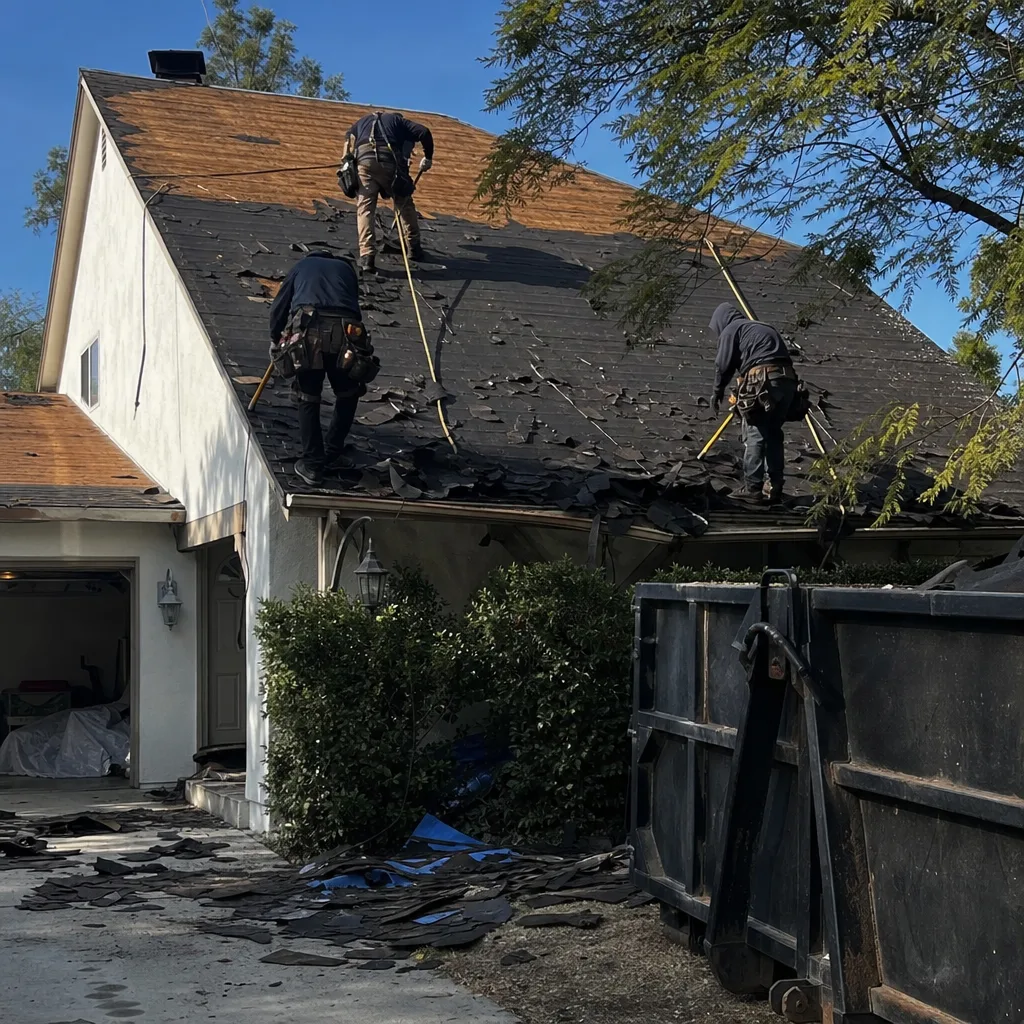
Permanent Repair: We remove damaged materials, rebuild any bad decking, and install new underlayment, flashing and roofing to manufacturer specifications. We take care with nail placement and sealing, since that is where rushed storm repairs usually fail.
- 5
Cleanup and Final Walkthrough: We haul away debris, sweep your yard and driveway with a magnetic tool for stray nails, and walk the finished repair with you before we leave.
Working With Your Insurance Company
Most storm damage roof repair is paid for, at least in part, by homeowners insurance. The claim process is confusing for many people, and a few early steps make it go smoother. Take dated photos of the damage from the ground and inside your home. Keep any damaged materials you remove. Do not throw out receipts for temporary repairs such as tarping, because most policies require you to protect the property from further damage and will reimburse reasonable costs.
We provide a detailed written estimate with photos that you can hand to your adjuster. We are happy to meet the adjuster on site and point out damage that is easy to miss, like hail bruising or creased shingles on the back slope. We will not file the claim for you and we do not promise what the insurer will pay, because that decision is between you and your carrier. What we do is document the damage honestly and fix it correctly once the claim is settled. Check your policy for the deadline to file, since some carriers limit how long you have after a named storm.
How Much Does Storm Damage Roof Repair Cost?
Storm damage roof repair usually runs from a few hundred dollars for a small wind repair up to several thousand dollars for larger sections, with emergency tarping typically costing a few hundred dollars on its own. The final number depends on how much of the roof is affected, the roofing material, how steep and tall the house is, and whether the decking underneath was damaged. Our quotes are fixed and itemized, so there are no surprise fees once the crew is on your roof.
A repair is the right call when the damage is limited and the rest of the roof is in good shape. When the damage covers most of a slope, or the roof was already near the end of its life, replacement can cost less over time than repeated patching. We will tell you honestly which side your roof falls on. If replacement makes sense, see our roof installation page, and if you prefer a long-lasting material, look at metal roof installation. Call (945) 303-9821 for a free estimate on your specific roof.
Storm Damage Roof Repair Nationwide
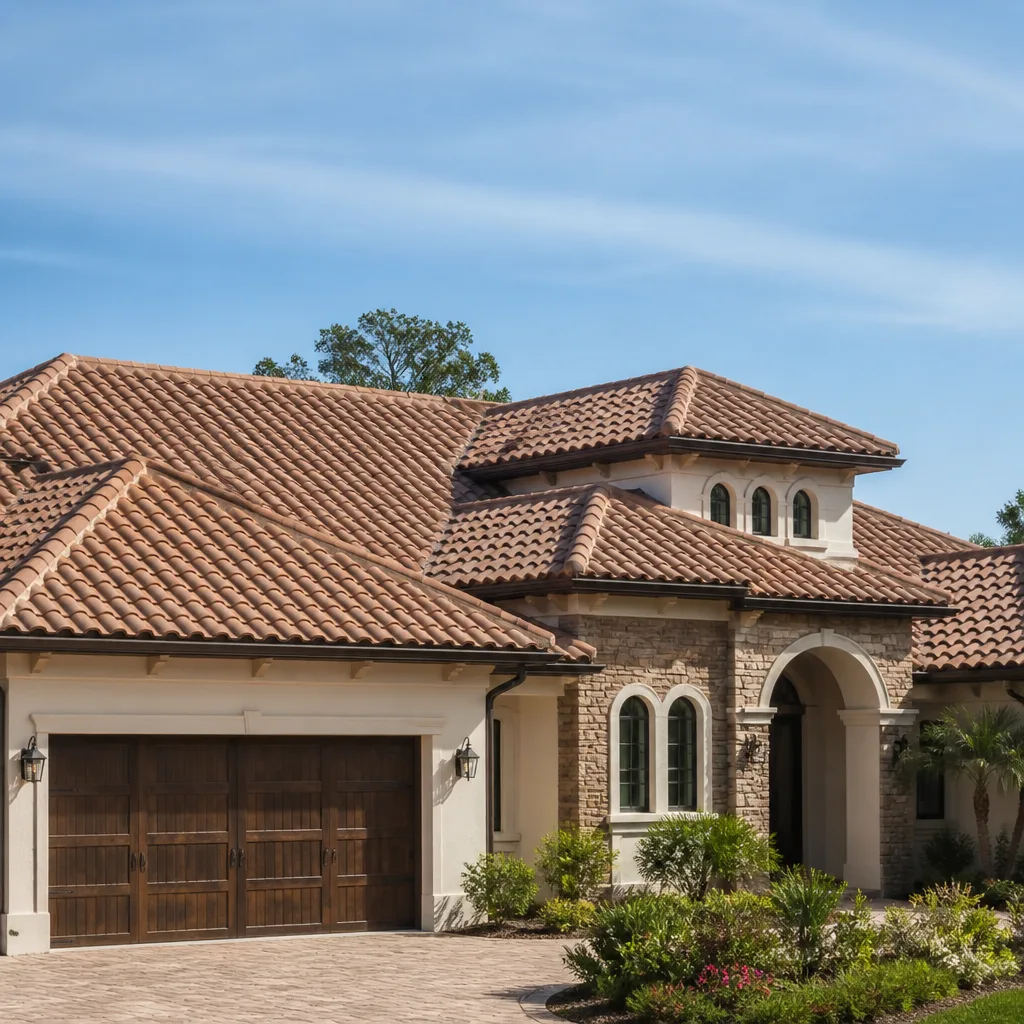
Tilehurst Roofing serves homeowners across the United States. Storm seasons differ from region to region, but the need for fast, honest repair is the same everywhere. Because we work in many climates, we know the building practices and common roofing materials in each one, from asphalt shingles in the suburbs to tile and metal in hot, dry areas. When severe weather hits a region, call us and we will tell you how soon we can get a crew to your home. Learn more about our other services on the home page.
Frequently Asked Questions – Storm Damage Roof Repair
As soon as it is safe to do so. Stop active leaks within a day or two with a tarp or temporary seal, and schedule the permanent repair promptly. Water left sitting in the attic can lead to mold, rotted decking and ruined insulation within weeks.
Most standard policies cover sudden damage from wind, hail and fallen trees, though they often do not cover wear from age. Your deductible and policy terms matter, so read your policy or ask your agent. We provide photos and a written estimate to support your claim.
If the damage is limited and the rest of the roof is sound, replacing individual shingles is often enough. If hail hit the whole roof or the roof was already old, a full replacement may be the better value. We will show you the damage and give you both options in writing.
Yes. If water is coming in, we can secure a temporary cover to protect your home while the permanent repair is planned. Call (945) 303-9821 and tell us what happened so we can send the right crew.
Every repair we do is backed by our 365-Day Done Right Promise. If the work we performed fails within one year of completion, we come back and fix it at no charge. You get that guarantee in writing before we leave.
Schedule Your Storm Damage Roof Repair Today
If a storm has damaged your roof, you need a contractor who answers the phone, gives you a written price up front, and stands behind the work with a 365-day guarantee. Call Tilehurst Roofing at (945) 303-9821 to schedule your free estimate. The sooner we see the damage, the less it costs to fix.
Written by Greg Holloway, Owner at Tilehurst Roofing, serving homeowners nationwide since 2000.