
Last updated October 8, 2026
Free roof inspection with deck photos before we talk money - GAF and Owens Corning certified installation
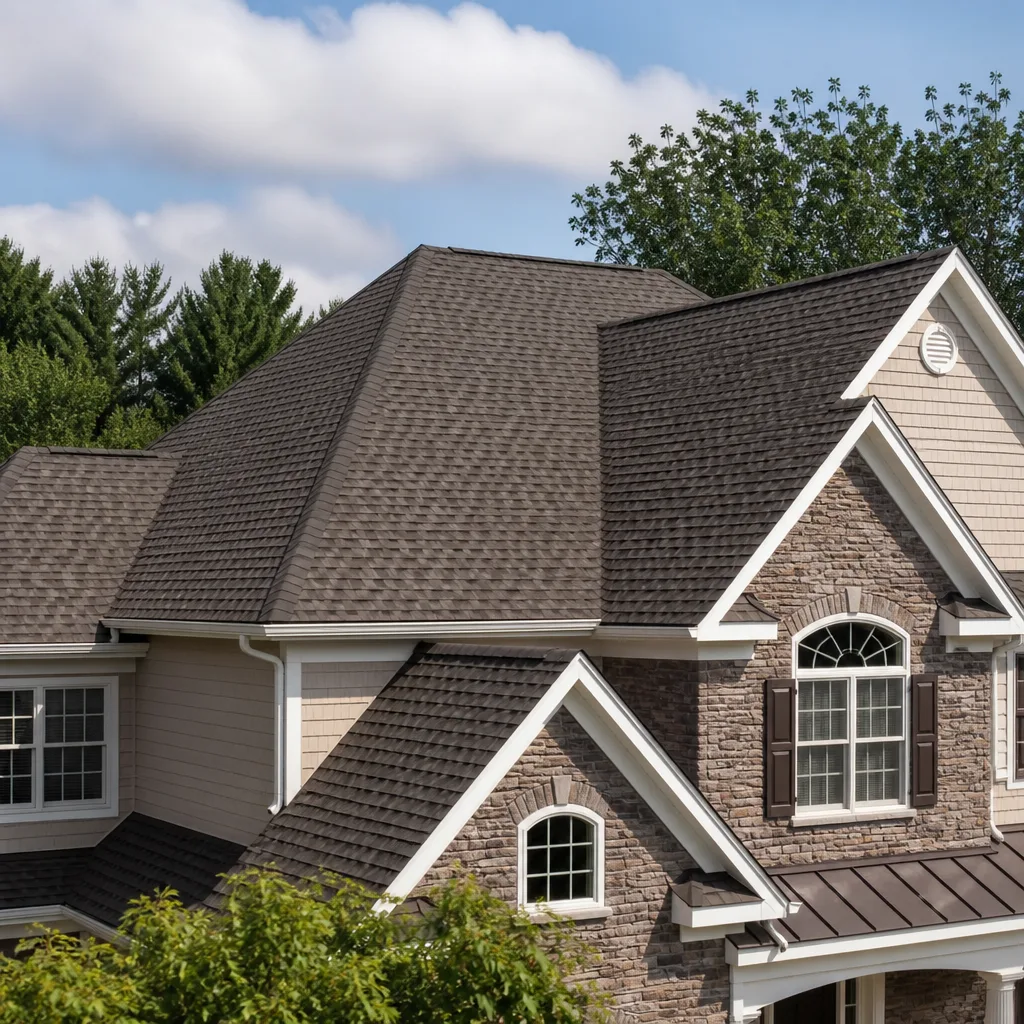
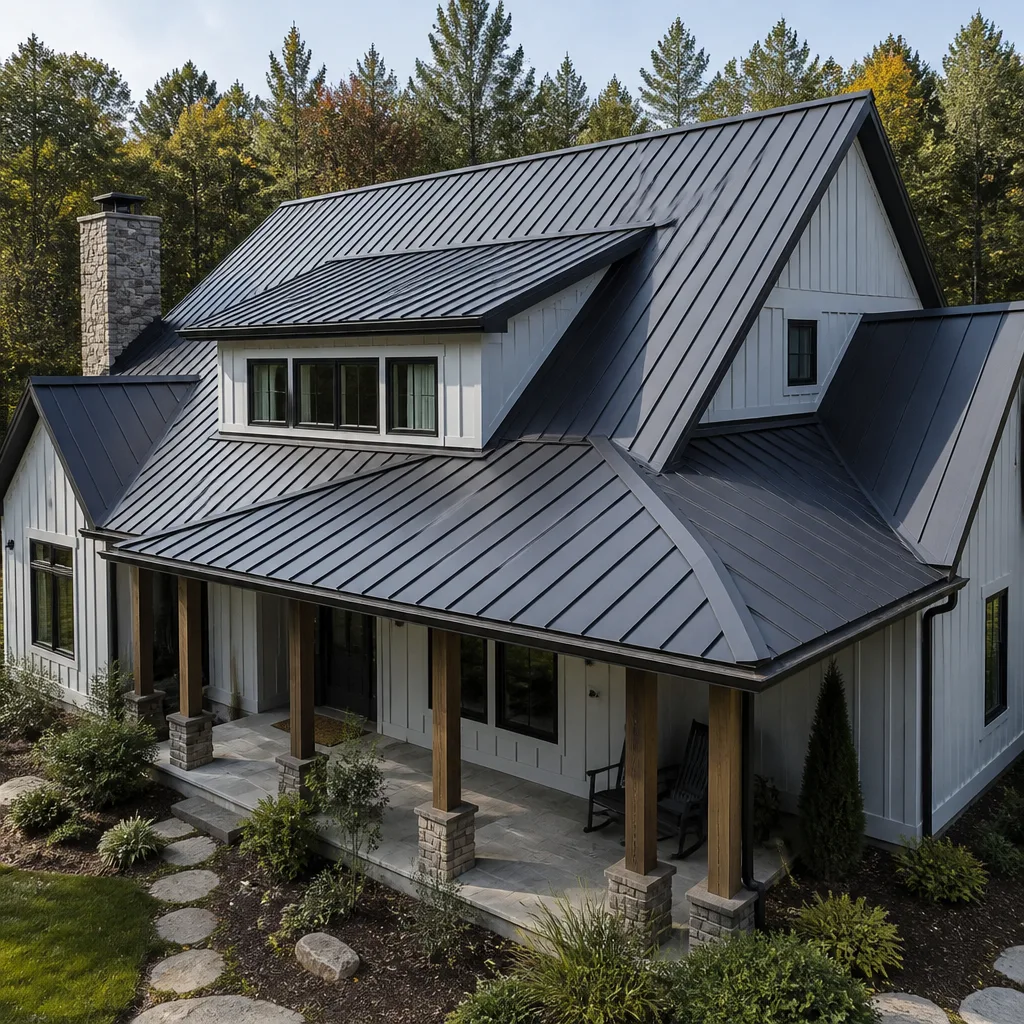
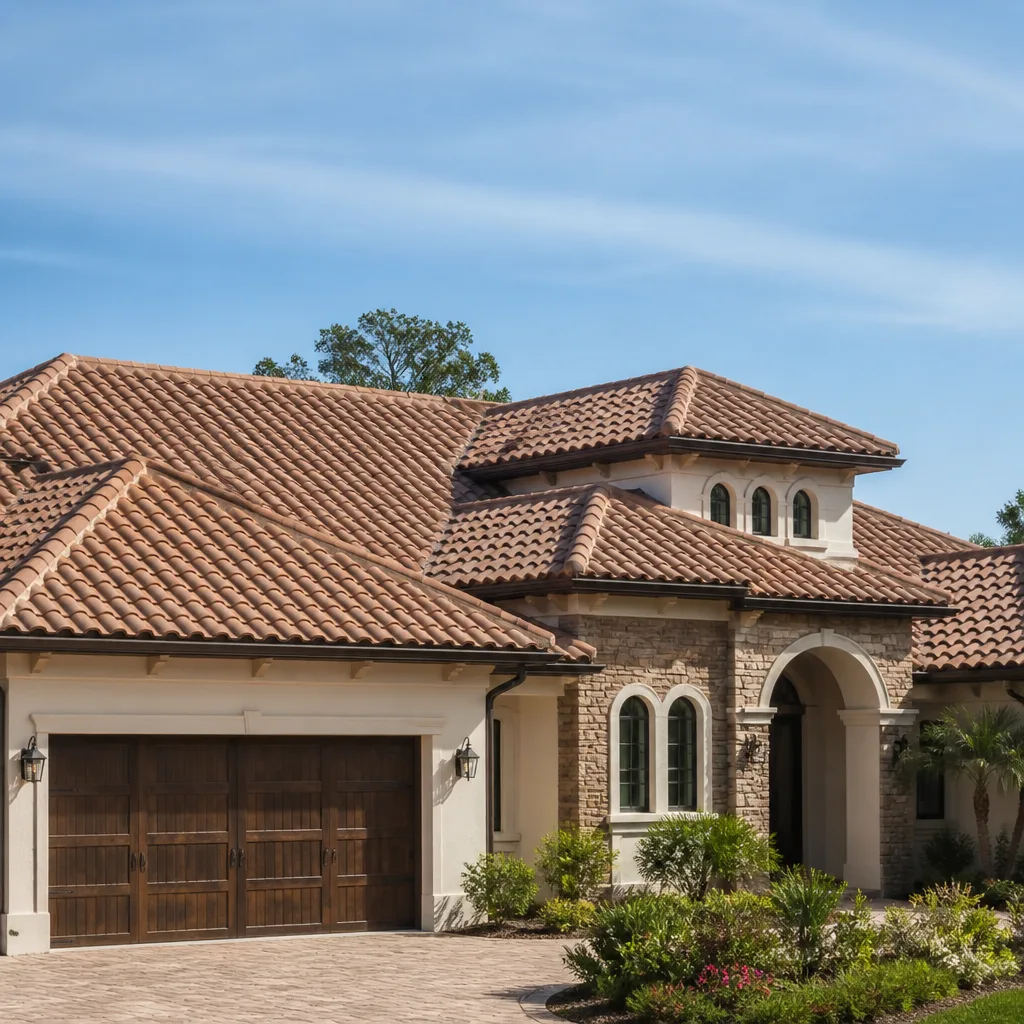
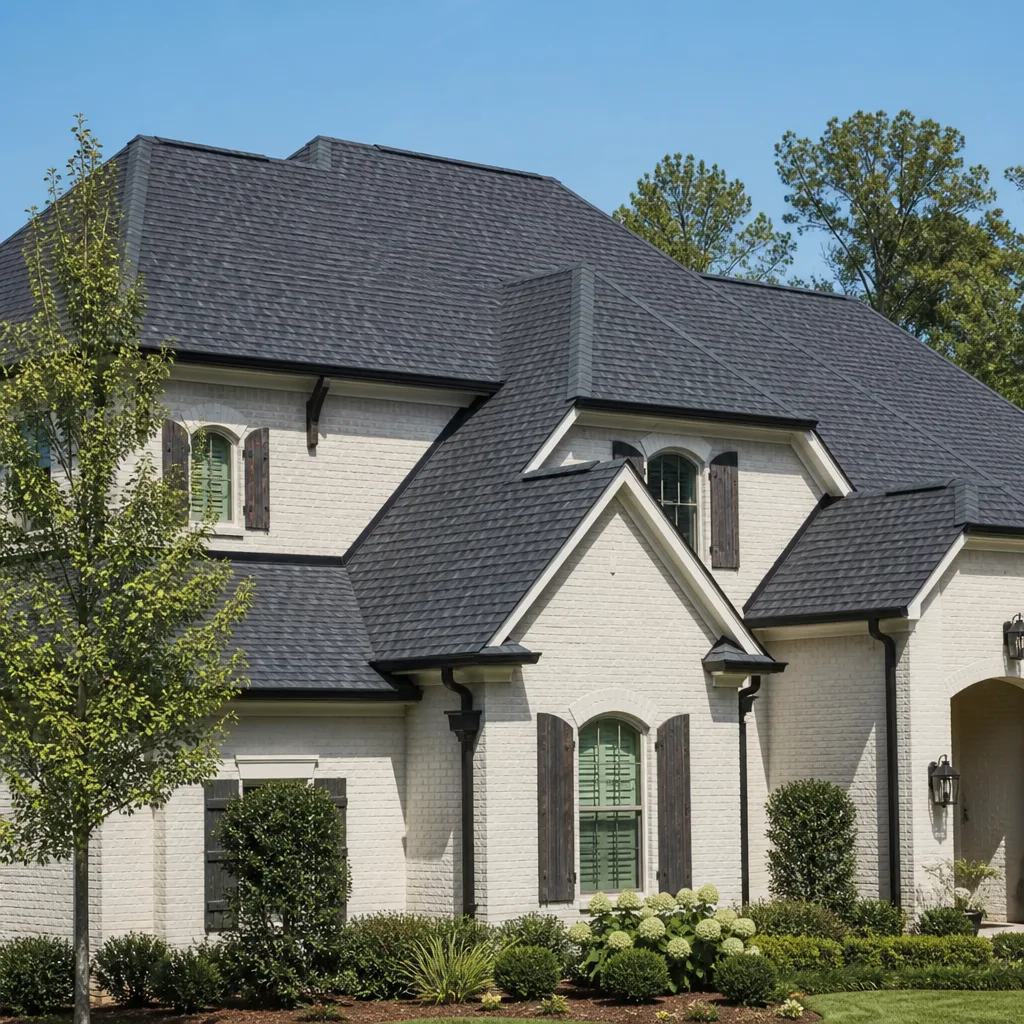
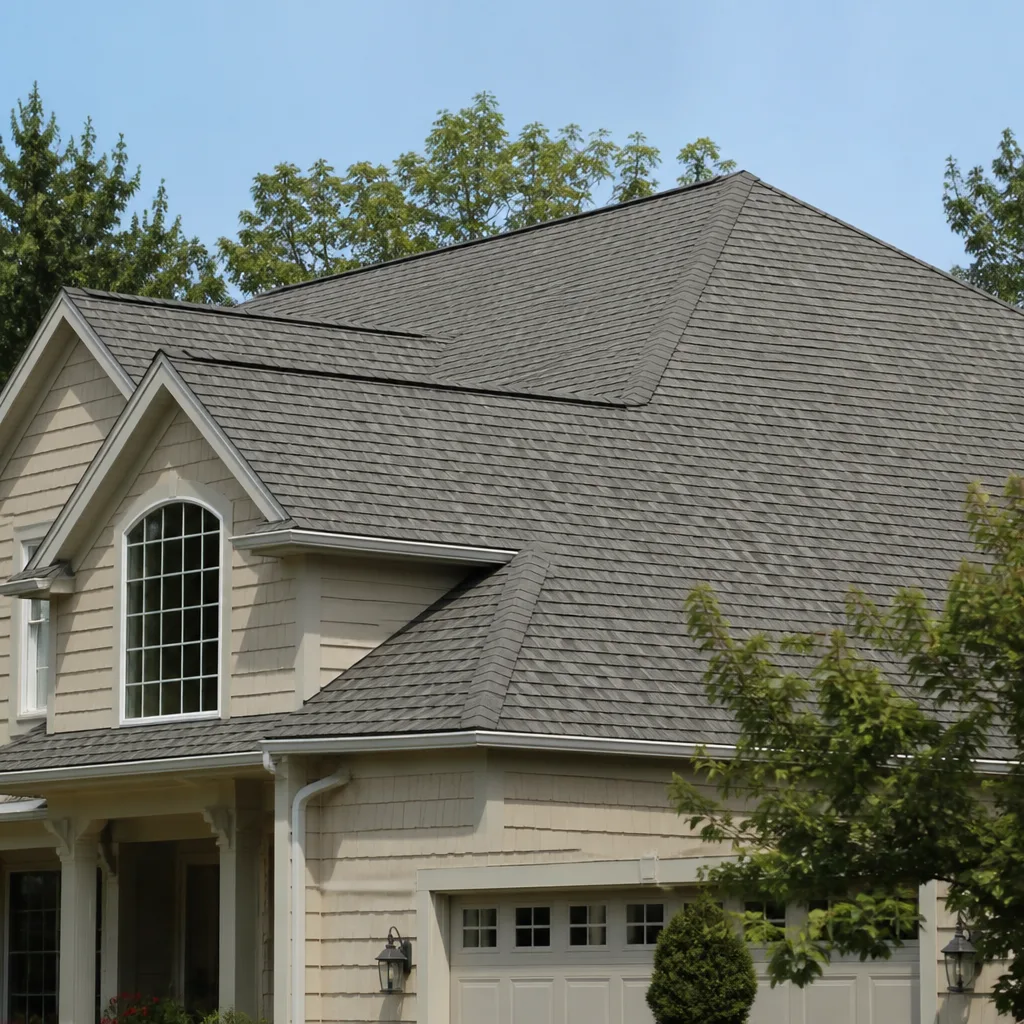
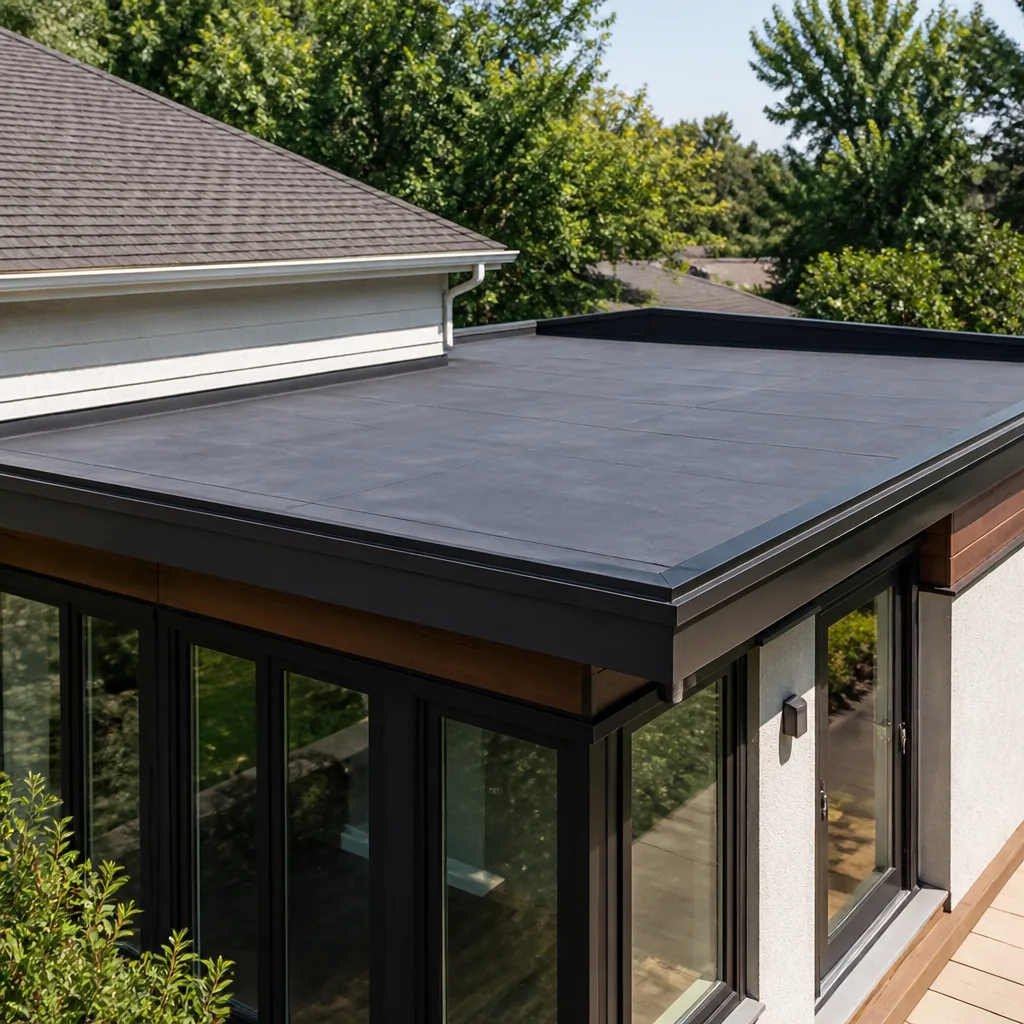
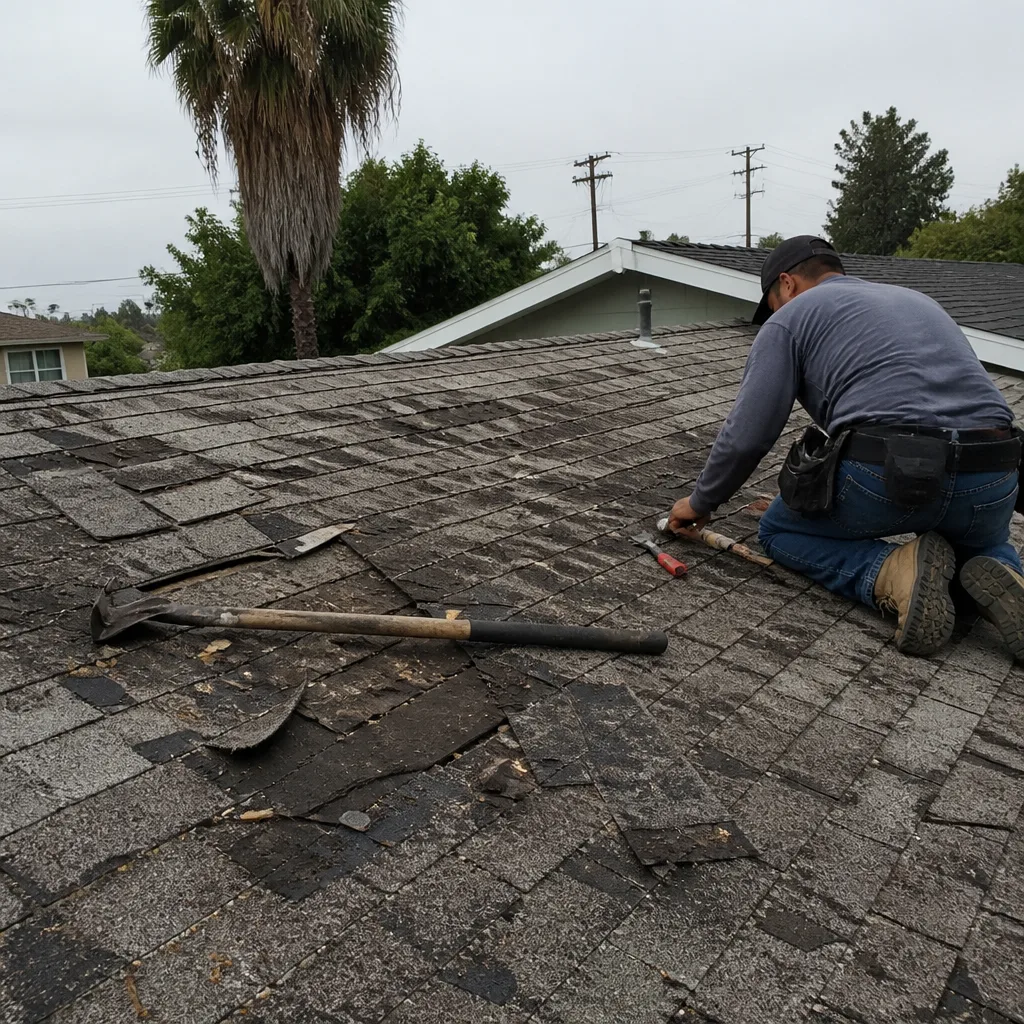 Before
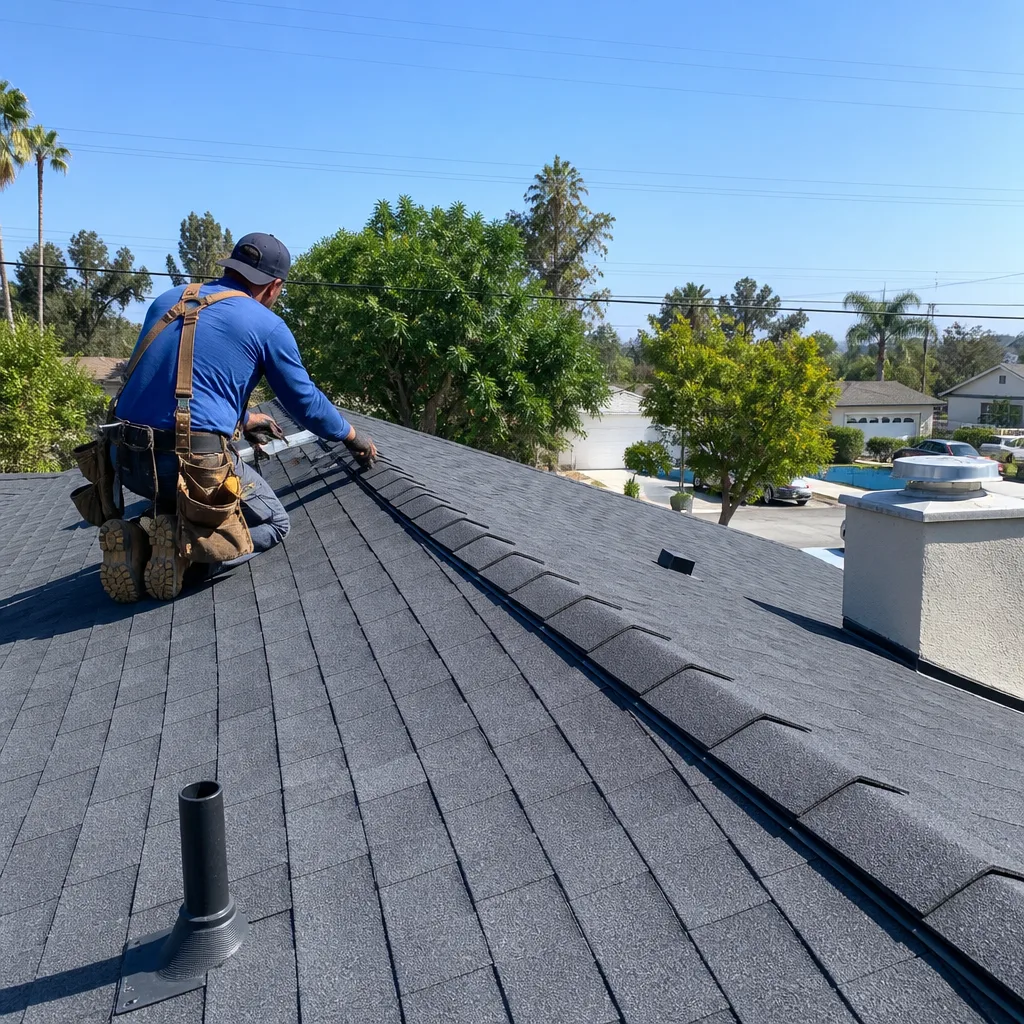 After
After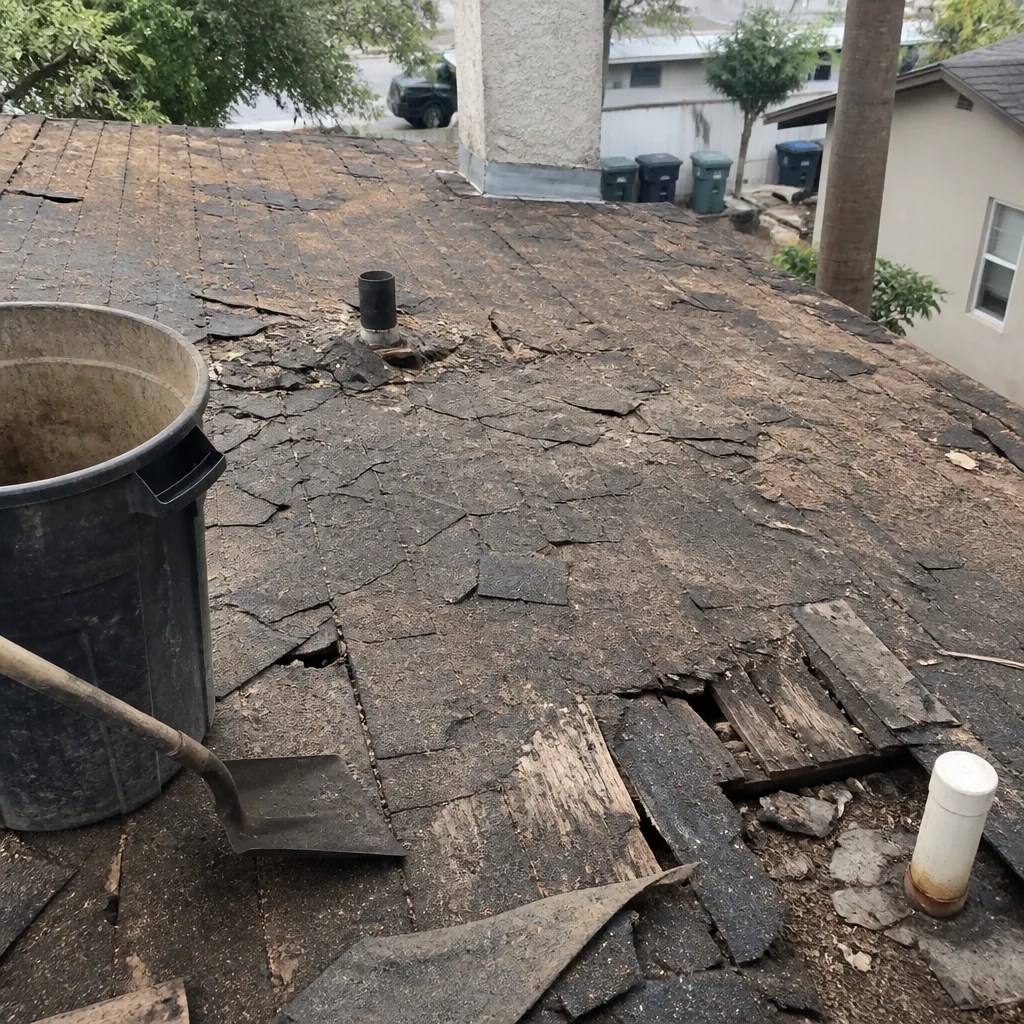 Before
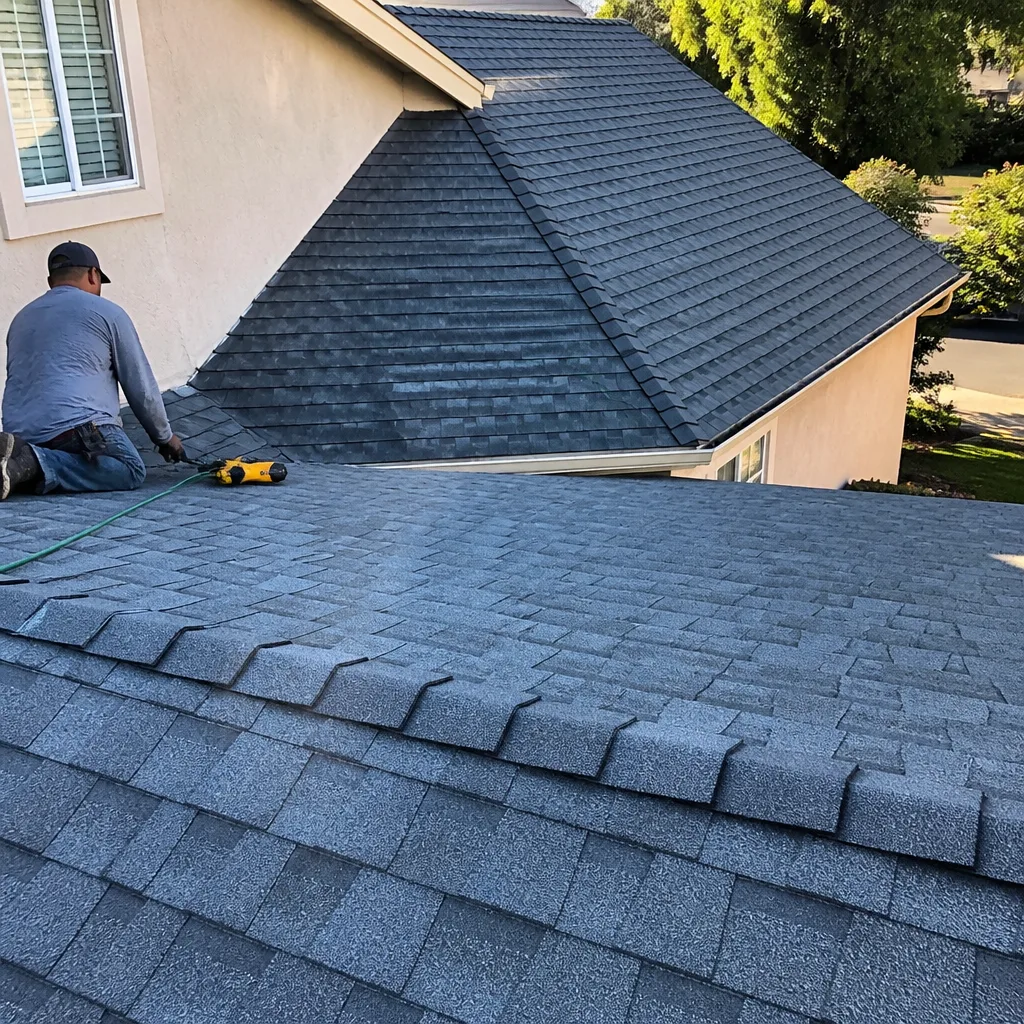 After
After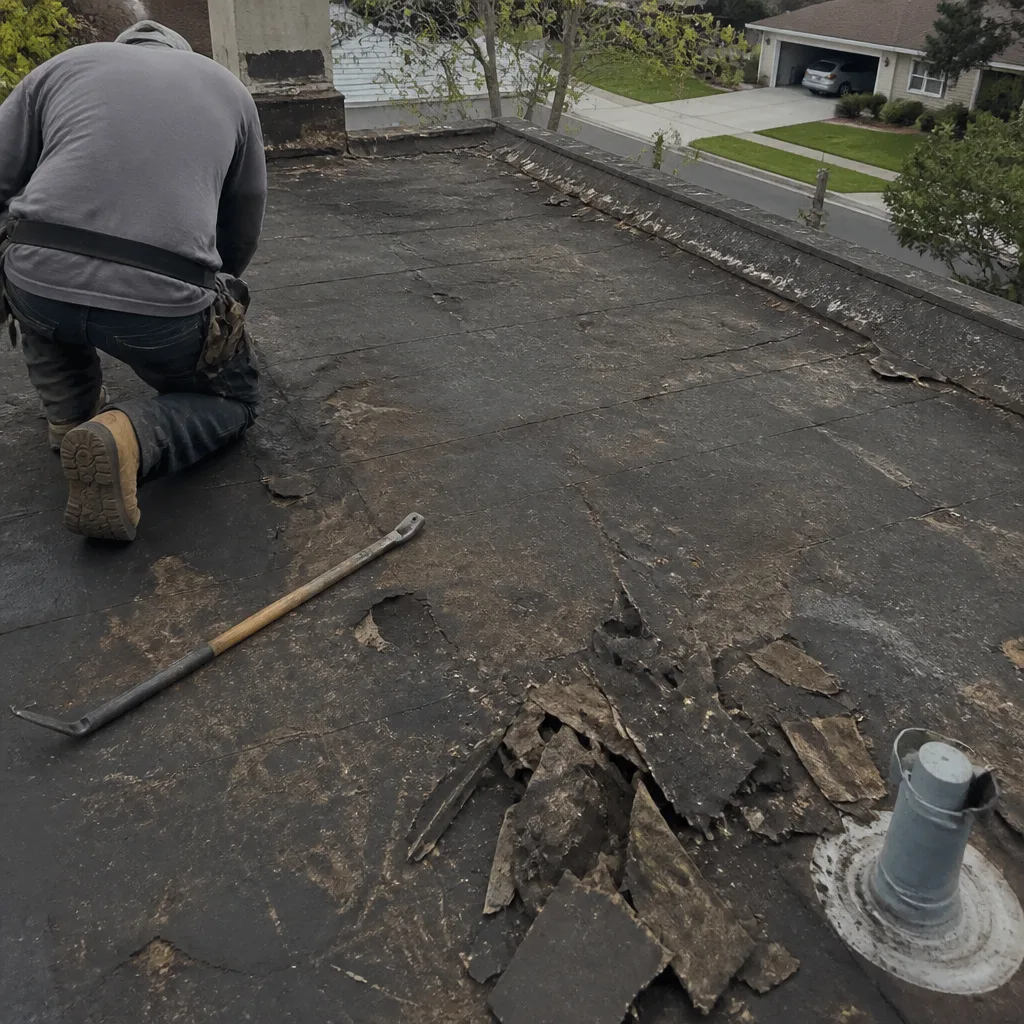 Before
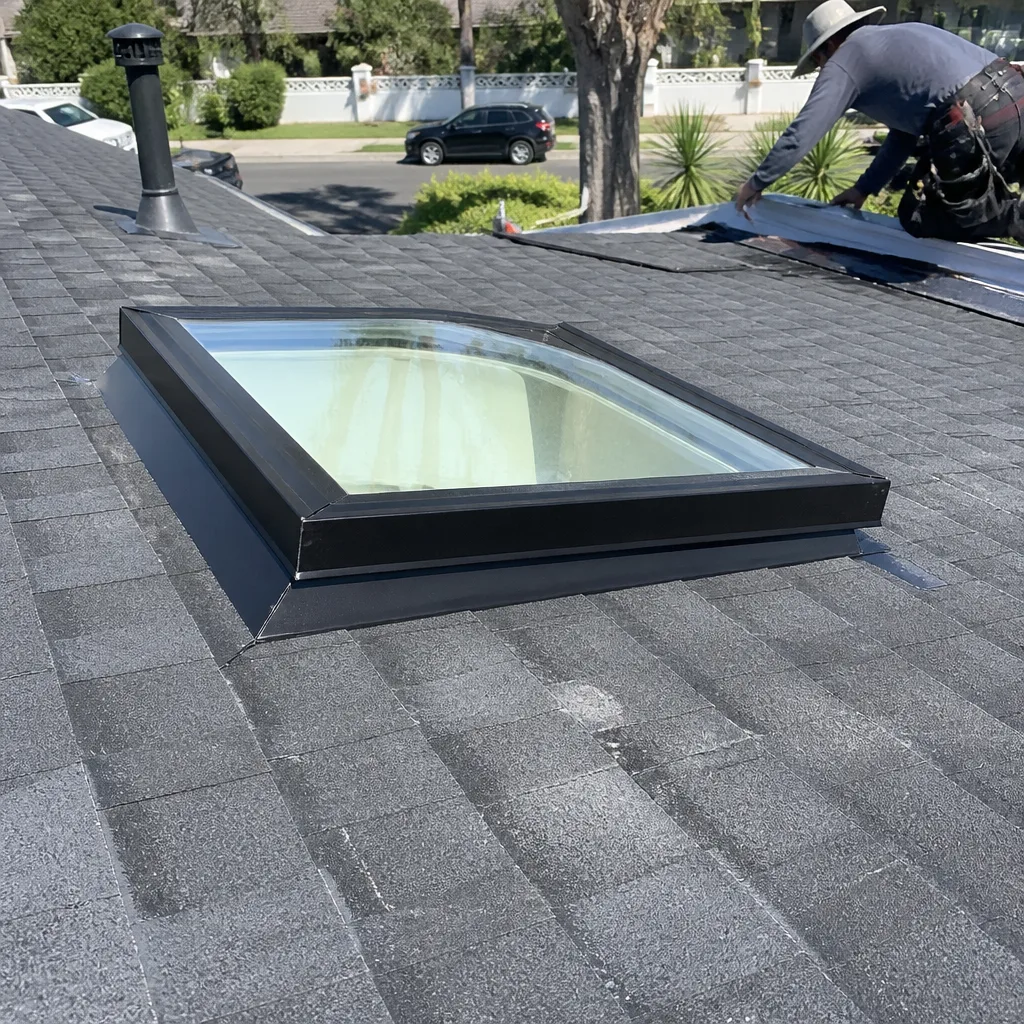 After
AfterChoosing the Right Roofing Brand: A Buyer’s Guide for Los Angeles
A 50-year shingle warranty sounds reassuring until you read the fine print. Most require installation by a credentialed contractor, registration within 30 days, and periodic inspections. On the majority of Los Angeles re-roofs, at least one of those conditions isn’t met, which means the warranty is decorative before the truck leaves the driveway. In The Complete Guide to Roofing in Los Angeles, we’ll show you how to match real roofing brands to real LA conditions: UV load, fire codes, weight limits on older homes, and the contractor certifications that actually activate your coverage.
Quick Answer
The right roofing brand for your Los Angeles home depends on your roof type, structural load capacity, and neighborhood fire risk zone. For most LA homeowners choosing between composition shingles, concrete tile, or low-slope membrane, we recommend prioritizing the contractor’s manufacturer certification tier over the brand name itself. A GAF Master Elite or CertainTeed SELECT ShingleMaster installer can offer warranty terms that a general contractor with the same shingles cannot, and in Los Angeles’s high-UV climate, that difference in coverage duration often matters more than the shingle grade.
Table of Contents
- How to Read a Manufacturer’s Warranty for Los Angeles Conditions
- LA’s Three Dominant Roofing Categories: What the Ratings Mean
- Why Contractor Certification Matters More Than Brand Name
- Weight and Structural Load: When Your Deck Eliminates Brands
- Brand Performance in LA’s Climate Zones
- The Questions to Ask Before You Sign
- Common Mistakes to Avoid
- When to Call a Professional
- Frequently Asked Questions
How to Read a Manufacturer’s Warranty for Los Angeles Conditions
Manufacturer warranties are marketing documents until you understand the exclusions. In Los Angeles, three clauses routinely void coverage that homeowners assume they have.
The UV and heat exclusion. Some warranties cap coverage at 140°F surface temperature. In the San Fernando Valley and eastern LA County, dark shingles on south-facing roofs regularly exceed that. Look for language like “coverage limited to normal weather conditions” or “excludes damage from sustained elevated temperatures.” Roof repair in Los Angeles often involves shingles that failed prematurely in exactly these zones, with manufacturers denying claims based on this clause.
The credentialing requirement. GAF’s Golden Pledge and CertainTeed’s SureStart Plus both require installation by their top-tier contractors. If your contractor’s certification lapsed or was never obtained, you’re left with a materials-only warranty that covers defective shingles but not faulty installation. In a city where installation error causes more failures than material defects, that’s a hollow promise.
The registration deadline. Owens Corning’s System Protection Warranty requires online registration within 60 days. We’ve seen Los Angeles homeowners discover three years later that their contractor never filed the paperwork, leaving them with a 10-year limited warranty instead of 50-year coverage.
Here’s how to verify your actual coverage in five minutes:
- Request the warranty document itself, not the sales brochure. Read sections titled “Exclusions,” “Limitations,” and “Transferability.”
- Confirm your contractor’s certification status on the manufacturer’s website. GAF and CertainTeed both have public lookup tools.
- Ask who registers the warranty and get that commitment in writing. At Tilehurst Roofing, we register every eligible warranty and provide the confirmation number before the crew leaves.
- Check whether the warranty is prorated or non-prorated. After year 10, many “lifetime” warranties pay only a fraction of replacement cost.
- Verify that Los Angeles’s specific wind and fire codes are addressed. Some warranties exclude damage in areas with building codes stricter than the national standard.
LA’s Three Dominant Roofing Categories: What the Ratings Mean
Los Angeles roofing breaks into three product types, each with ratings that matter differently here than in other markets.
Concrete and Clay Tile
Common in Pasadena, Altadena, and the hillside neighborhoods from Los Feliz to Pacific Palisades. The critical ratings are:
- Class A fire rating: Required in LA’s high fire-hazard severity zones, including most hillside areas. All major tile brands carry this, but verify the specific product line. Boral’s Saxony line is Class A; their lower-tier concrete products may not be.
- Cool Roof Rating Council (CRRC) certification: Measured solar reflectance and thermal emittance. In Los Angeles, where the urban heat island effect raises ambient temperatures 5-10°F above surrounding areas, CRRC-rated tile can reduce cooling loads significantly. Title 24 now requires cool-roof compliance on many re-roofs.
- Weight per square: Concrete tile runs 900-1,200 pounds per square (100 sq ft). Clay is lighter at 600-900. Your roof deck and framing must be verified before specifying the brand.
Composition and Architectural Shingles
The default choice for postwar ranch homes in the Valley, mid-century structures in Culver City, and most flat-roofed additions. Key ratings:
- ASTM D3161 Class F wind resistance: 110 mph. Sufficient for most of Los Angeles, but if you’re near the coast in Malibu or Palos Verdes, verify this rating. Some economy lines are Class D (90 mph).
- Algae resistance warranty: LA’s marine layer and occasional Santa Ana moisture create algae-friendly conditions on north-facing roofs. Owens Corning’s StreakGuard and GAF’s StainGuard offer 10-year algae coverage; cheaper lines have none.
- Impact resistance (UL 2218): Class 4 is the highest. Rarely needed in Los Angeles proper, but worth considering if you’re in the hail-prone edges of the Inland Empire.
Low-Slope TPO and PVC Membrane
Used on modern homes, additions, and commercial-style residential buildings. The rating that matters:
- CRRC certification and Energy Star qualification: White TPO reflects 80%+ of solar energy. In Los Angeles, where low-slope roofs absorb maximum UV, this directly affects interior temperatures and HVAC runtime.
- Heat-aging resistance: TPO formulations vary. Higher-grade membranes from GAF and CertainTeed maintain seam integrity longer in sustained heat. We’ve replaced failing off-brand TPO in Downtown LA and Koreatown that showed seam separation after 8-10 years.
Why Contractor Certification Matters More Than Brand Name
A GAF Timberline HDZ shingle installed by an uncertified contractor carries a 10-year limited warranty. The identical shingle installed by a GAF Master Elite contractor carries the Golden Pledge: 50 years on materials, 25 years on workmanship, backed by GAF itself. The difference isn’t the shingle. It’s the installer.
Manufacturer certification tiers function as quality control. To achieve Master Elite status, GAF requires:
- Proper licensing and insurance, verified annually
- A track record of ongoing training
- Satisfactory customer reviews and low complaint ratio
- Agreement to offer the enhanced warranty
Only about 2% of roofing contractors in the U.S. hold this status. In Los Angeles, where the contractor pool is large and variable, this filter matters.
How to verify certification in under five minutes:
- Go to the manufacturer’s contractor locator (GAF: gaf.com/en-us/roofing-contractors; CertainTeed: certainteed.com/find-a-pro).
- Enter your ZIP code. Master Elite and SELECT ShingleMaster contractors appear with their certification badge.
- Click through to verify the specific location. Some contractors have multiple offices; certification may apply to one and not another.
- Call the manufacturer directly if you’re uncertain. Both GAF and CertainTeed have verification lines.
- Ask your contractor for their certification ID and cross-check it. Any hesitation is a red flag.
At Tilehurst Roofing, we maintain active certifications with multiple manufacturers specifically so we can offer the warranty tier that matches each homeowner’s priorities, not just the one that matches our convenience.
Weight and Structural Load: When Your Deck Eliminates Brands
This is the point where budget becomes irrelevant. If your roof structure can’t support the load, no amount of money makes that tile brand viable.
Los Angeles has thousands of homes built between 1900 and 1940 with 1x skip sheathing or nominal 2x rafters on wide centers. Spanish Colonial Revival homes in West Adams, Craftsman bungalows in Highland Park, and Mediterranean villas in Los Feliz all share this constraint. Their original clay tile may weigh 800 pounds per square, but decades of water intrusion, termite damage, and DIY modifications have degraded the structure.
Before specifying any tile brand, a structural assessment is mandatory. We use this decision framework:
- Deck capacity under 30 psf (pounds per square foot): Eliminate concrete tile entirely. Consider lightweight clay from Boral’s Lite tile line (580-650 lbs/square) or transition to composition shingle.
- Deck capacity 30-40 psf: Standard concrete tile from most brands is marginal. Require engineering verification. Some Atlas and Tamko concrete products run heavier than spec due to manufacturing variance.
- Deck capacity 40+ psf: Full range available, but still verify. Even in newer construction, we’ve found inadequate fastening in hillside homes where contractors cut corners on shear walls.
The cost of skipping this step: a $40,000 tile roof that cracks, shifts, or collapses because the deck flexes. In Los Angeles, where permit history for pre-1960 homes is often incomplete, we never assume. We inspect.
Brand Performance in LA’s Climate Zones
National brand rankings ignore that Los Angeles contains multiple climate zones. Here’s how major brands perform where you actually live.
San Fernando Valley and Inland Empire Edge: High UV, High Heat
These areas see 280+ days of sun and summer temperatures above 110°F on roof surfaces. Shingle aging accelerates.
GAF: Timberline HDZ with LayerLock performs well; the nailing zone accuracy matters in thermally stressed shingles that expand and contract daily. The Golden Pledge warranty is only available through Master Elite contractors, but the 50-year coverage is non-prorated for the first 10 years. In our experience, GAF’s color stability in the Valley is consistent for the first 12-15 years.
CertainTeed: Landmark Pro and Landmark TL both carry the heavy-weight advantage; more asphalt content means slower thermal degradation. The SELECT ShingleMaster warranty tier adds 25-year workmanship coverage. We’ve seen Landmark TL outlast standard-weight competitors by 3-5 years in Sunland-Tujunga and Sylmar.
Owens Corning: Duration series with SureNail technology resists thermal cycling well. The TruDefinition color blends hold up in high UV, though the algae warranty is shorter than GAF’s equivalent. Good choice for north-facing Valley roofs where algae is a concern.
Coastal Zone: Santa Monica, Venice, Palos Verdes
Marine layer moisture, salt air, and moderate temperatures. Different failure modes.
Concrete tile (Boral, Eagle): Salt air accelerates corrosion of metal flashings and fasteners, not the tile itself. Specify stainless or hot-dip galvanized fasteners regardless of brand. Boral’s color-through concrete resists efflorescence better than surface-coated alternatives.
Composition shingle: Lower thermal stress means longer life, but algae resistance matters more. IKO’s Dynasty with ArmourZone performs adequately here; their Cambridge line is a budget option but carries only a 15-year algae warranty versus 10 years on Dynasty.
Hillside Fire Zones: Pacific Palisades, Topanga, Malibu Canyon
Class A fire rating is non-negotiable. But not all Class A ratings are equal.
Concrete and clay tile: Inherently Class A. Boral and Eagle both qualify. The vulnerability is installation: inadequate bird stops and poor underlayment create ember entry points. The brand matters less than the detail work.
Composition shingle: GAF’s Timberline HDZ with Class A fire rating requires specific underlayment combinations. CertainTeed’s Presidential Shake TL achieves Class A at a premium price point. For roof replacement in Los Angeles hillside homes, we typically specify tile or metal over composition if the structure allows.
Low-Slope Modern and Additions: Silver Lake, Echo Park, Downtown
TPO dominates, but quality varies.
GAF EverGuard TPO: Good heat-aging resistance, available in 60- and 80-mil thickness. The 80-mil is worth the upgrade for roofs with any foot traffic or equipment.
CertainTeed Flintlastic SA: Self-adhering modified bitumen for very low slopes where TPO seams are risky. Not a brand homeowners request, but often the right product for 1:12 pitches common in 1960s additions.
Tamko: Their TPO line is newer and less proven in LA’s sustained heat. We don’t specify it for low-slope residential without owner acknowledgment of limited local track record.
The Questions to Ask Before You Sign
Any contractor can name a brand. The right contractor can explain why that brand fits your specific home. Ask these questions and judge the specificity of the answer.
- “Why did you recommend this brand for my roof specifically?” Vague answers like “it’s our most popular” or “it’s the best” signal a contractor who stocks one product and sells it to everyone. The right answer references your roof pitch, your neighborhood’s fire zone, your deck capacity, or your cooling load.
- “What certification do you hold with this manufacturer, and what warranty tier does that activate?” Request the certification ID and verify it. If they can’t produce it, you’re not getting the warranty they implied.
- “Will you register the warranty, and when will I receive confirmation?” The answer should be specific: “We register within 48 hours of completion, and you’ll have the certificate by email within 5 business days.” At Tilehurst Roofing, we provide the confirmation number before the crew departs.
- “What happens if this product fails within the warranty period?” The manufacturer’s warranty covers defective materials. But most failures are installation-related. You need both: the manufacturer’s materials warranty and the contractor’s workmanship guarantee. Our 365-Day Done Right Promise covers the latter; if a repair fails inside the guarantee period, we return at no charge.
- “Do you carry alternatives from other manufacturers, and why or why not?” A contractor who works with only one brand may have volume incentives that don’t align with your needs. We maintain relationships with seven manufacturers specifically to avoid this conflict.
Common Mistakes to Avoid
- Choosing by warranty length alone. A 50-year prorated warranty with exclusion clauses may provide less actual protection than a 20-year non-prorated warranty with full workmanship coverage. Read the document, not the headline.
- Ignoring the cool-roof requirement. Los Angeles’s Title 24 energy code mandates cool-roof products on many re-roofs. Installing a non-compliant shingle means failed inspection, change orders, and delay. Verify CRRC listing before ordering.
- Assuming all tile is equal weight. We’ve seen homeowners in Los Feliz specify premium concrete tile, only to discover their 1920s rafters can’t support it. The structural assessment comes before the brand selection, always.
- Trusting the contractor’s word on certification. Verify independently. We’ve encountered Los Angeles contractors displaying expired certification badges or claiming statuses that apply to other company locations.
- Neglecting to ask about disposal of the old roof. Some brands require specific underlayment systems that add weight and thickness. If your contractor doesn’t account for this in the tear-off and deck preparation, the new system won’t perform as specified.
- Focusing on shingle brand while ignoring underlayment and accessories. The waterproofing layer beneath the shingles, the metal at valleys and ridges, and the ventilation system all affect lifespan more than the shingle brand alone. A GAF roof with generic underlayment fails before a Tamko roof with premium synthetic underlayment and proper ventilation.
When to Call a Professional
Call a roofing professional when you’re planning any work that affects the waterproofing layer, when your roof is more than 20 years old and you’re considering sale or major renovation, or when you’ve experienced damage and need documentation for insurance. See The Complete Roof Repair Guide for Los Angeles Homeowners for what to expect. In Los Angeles, where permit requirements vary by jurisdiction and fire zone, professional guidance prevents costly compliance errors.
Tilehurst Roofing offers free estimates throughout Los Angeles. We’ll assess your structure, explain which brands fit your specific conditions, and provide a written price before any work starts. Call (945) 303-9821 to schedule.
Frequently Asked Questions
Most asphalt shingle roof replacements in Los Angeles run $8,500-$18,000 depending on size, pitch, and access; concrete tile ranges $18,000-$35,000; and low-slope TPO membrane systems typically fall between $12,000-$24,000. Hillside homes with difficult access, extensive deck repair, or Title 24 cool-roof upgrades can exceed these ranges. Call (945) 303-9821 for an exact quote on your specific home - estimates are free.
The installer matters more for the first 15-20 years, when most failures are installation-related. After that, material quality determines longevity. In Los Angeles’s high-UV climate, premium-brand shingles with heavier asphalt content and better granule adhesion do outlast economy lines by 5-10 years. The ideal scenario is a certified installer applying a mid-tier or better product from a major manufacturer.
For hillside fire zones in Los Angeles, concrete and clay tile from Boral or Eagle, and Class A-rated composition shingles from GAF or CertainTeed, are the standard choices. But the Class A rating applies to the assembly, not just the shingle. Proper underlayment, bird stops in tile, and ember-resistant vents are equally critical. Brand selection without attention to these details leaves you exposed.
At Tilehurst Roofing, the written price we provide before any work starts is the price you pay. If hidden damage is discovered during tear-off, we document it, explain the scope, and obtain your written approval before proceeding. No change orders without explicit consent. That’s The Kingswell Way.
A structural assessment by a qualified roofing contractor or engineer is the only reliable method. In Los Angeles, many pre-1960 homes have inadequate documentation of original construction. We inspect the attic framing, measure rafter size and spacing, and evaluate the deck condition before specifying any tile product. If the structure is marginal, we recommend lightweight alternatives or engineered solutions.
Yes. We pull all required permits and schedule inspections for every job. In Los Angeles, permit requirements vary by jurisdiction; the City of Los Angeles, County of Los Angeles, and incorporated cities like Pasadena, Santa Monica, and Burbank each have distinct processes. We handle this paperwork as part of our standard service, and no work proceeds until permits are in hand.
The Bottom Line
The best roofing brand for your Los Angeles home is the one that matches your structure, your climate zone, and your contractor’s certification status. A 50-year warranty on paper means nothing if the installer can’t activate it, if your deck can’t support the product, or if UV exclusions void your coverage. Start with a structural assessment, verify your contractor’s manufacturer standing independently, and read the warranty exclusions before you sign. For more guides & resources, explore our blog. The brand name on the shingle matters less than the accountability behind the installation.
Written by Greg Holloway, Owner at Tilehurst Roofing, serving Los Angeles since 2000.