
Last updated October 8, 2026
Free roof inspection with deck photos before we talk money - GAF and Owens Corning certified installation
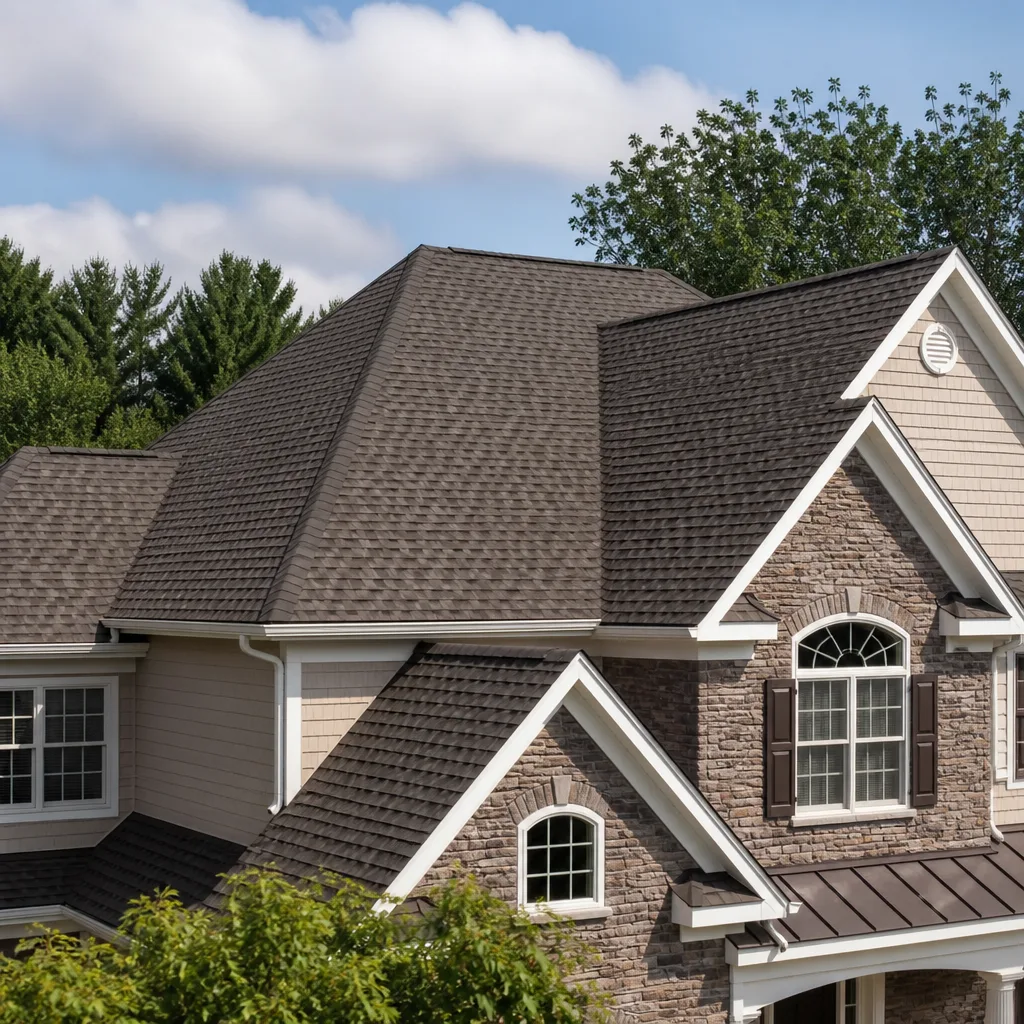
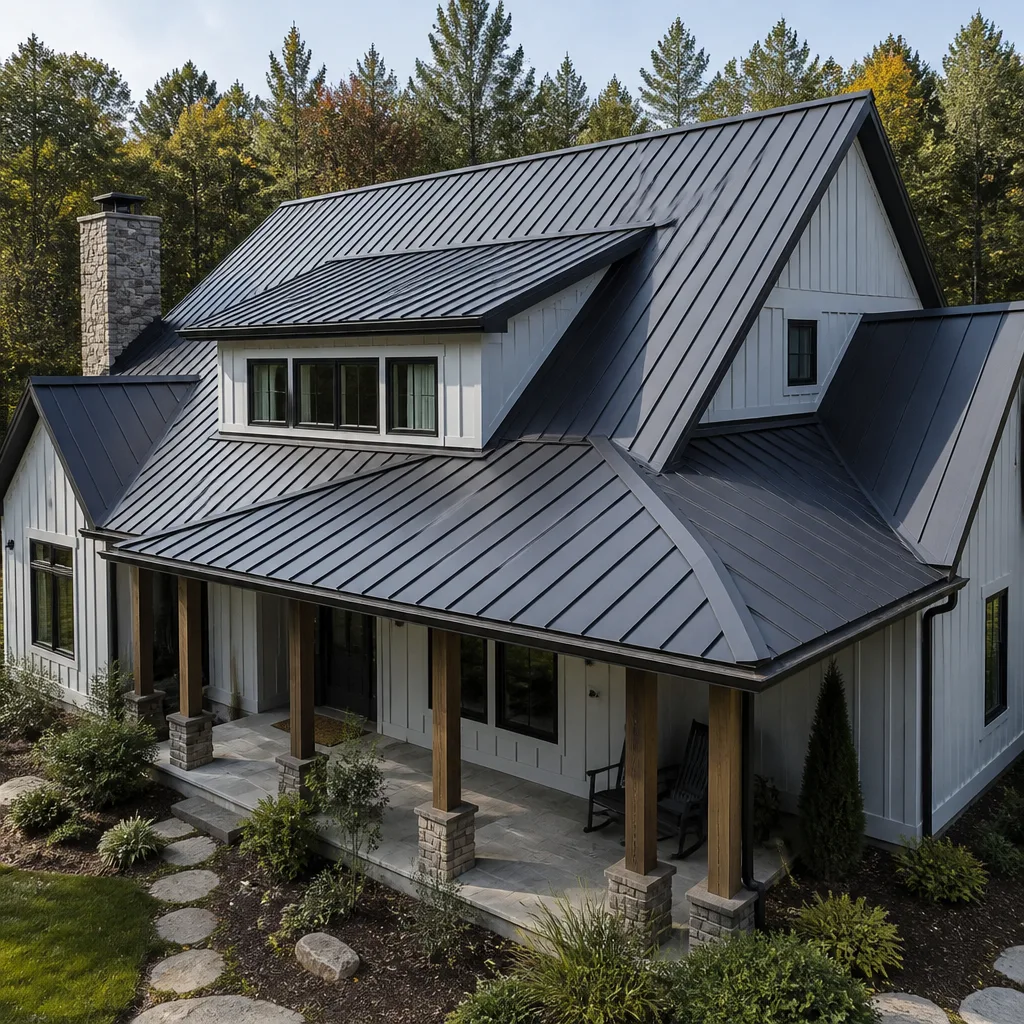
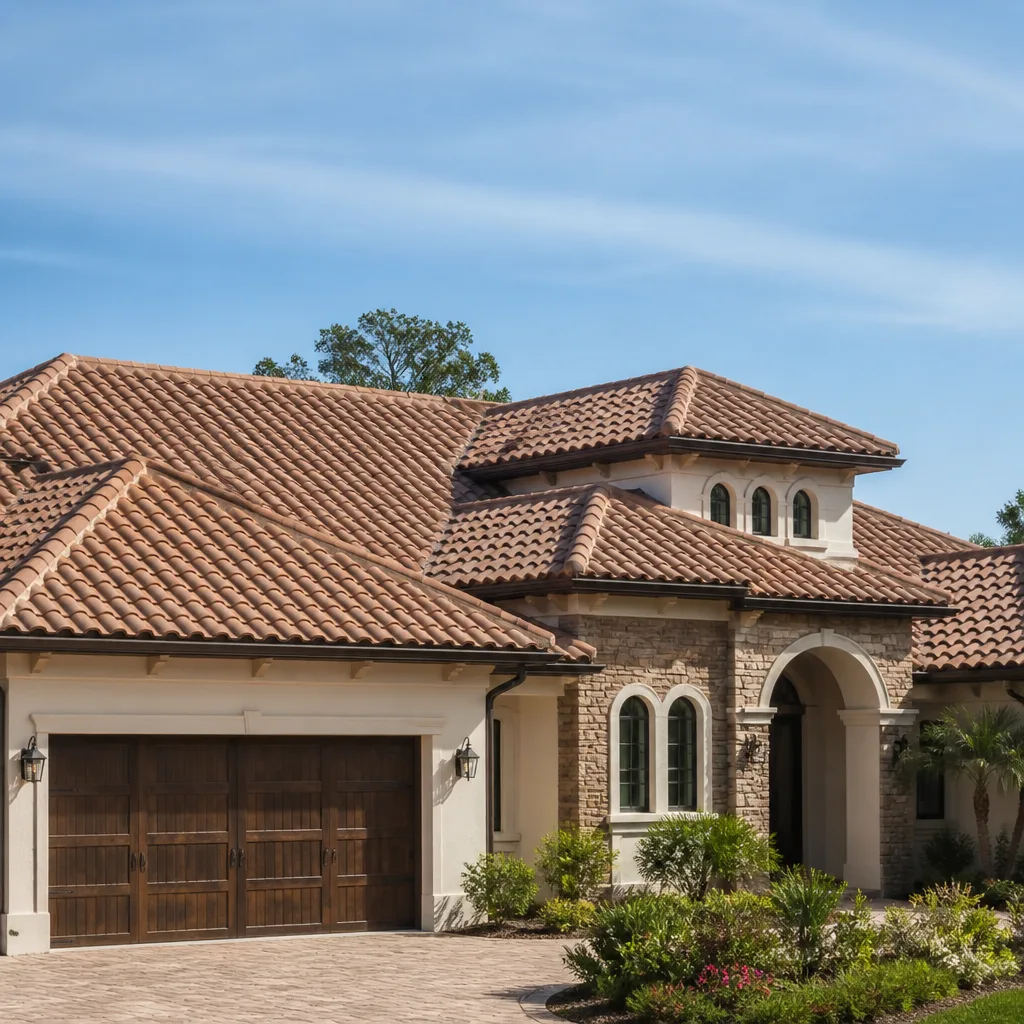
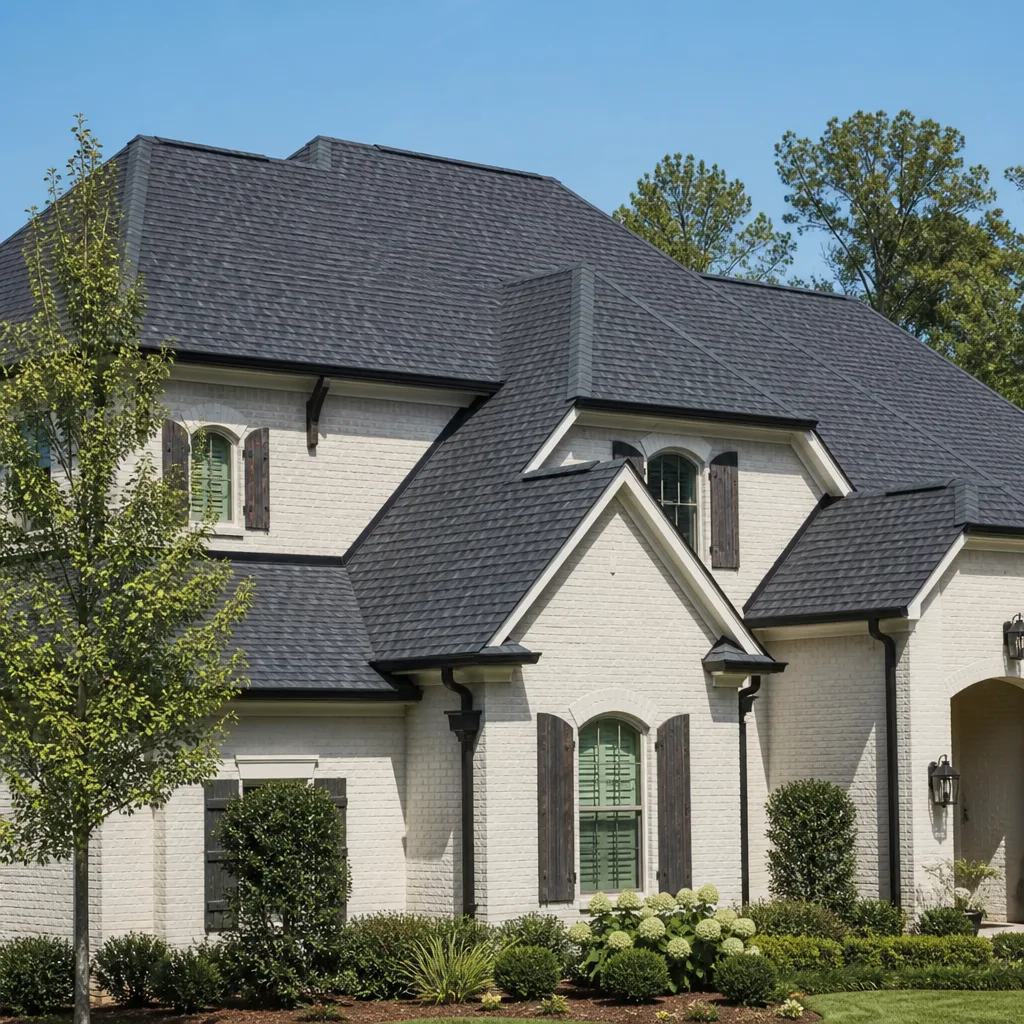
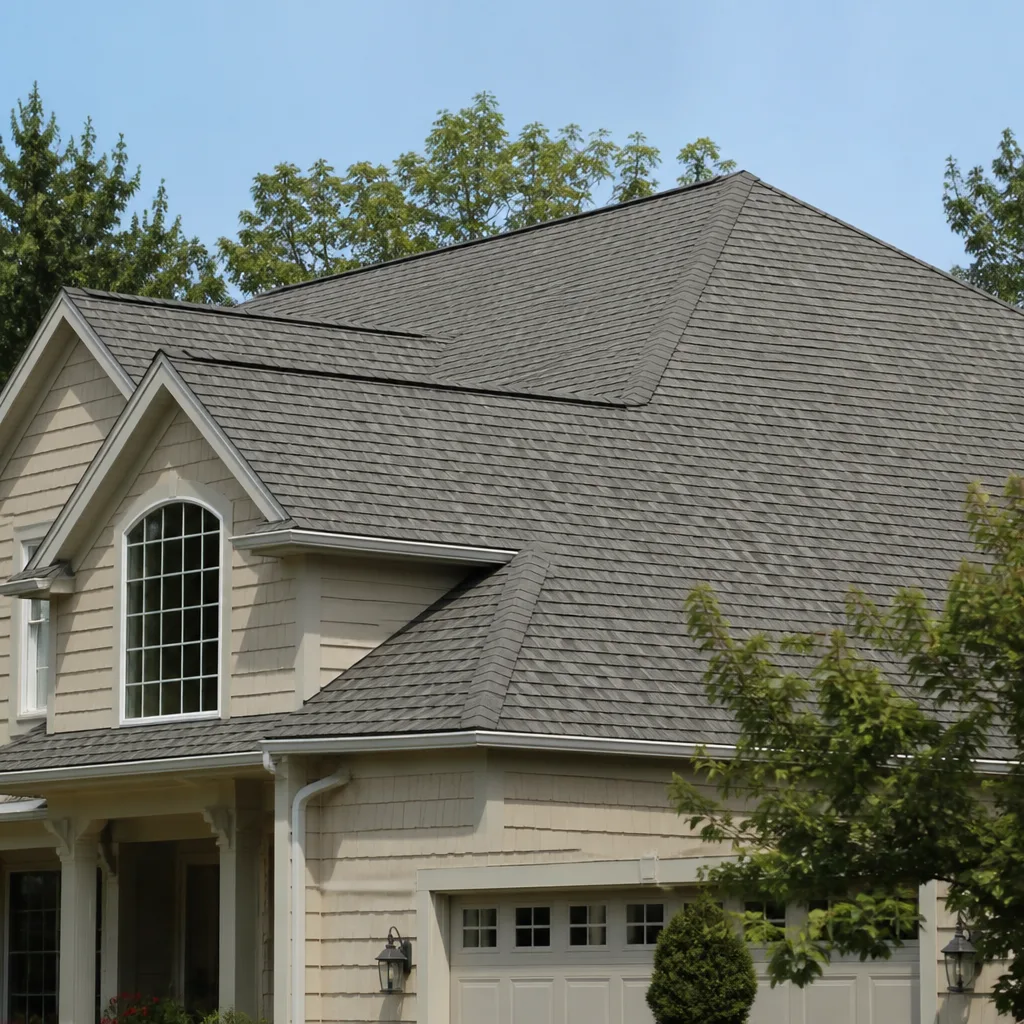
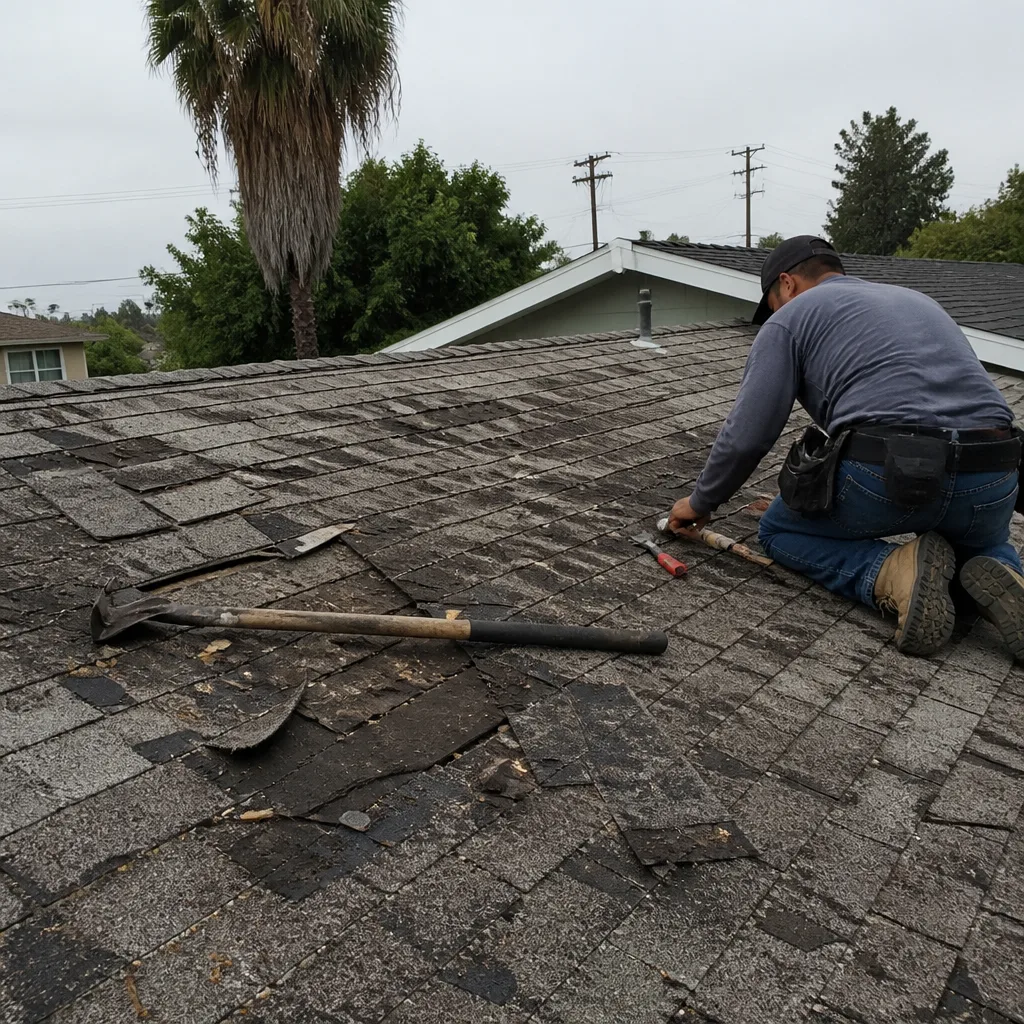 Before
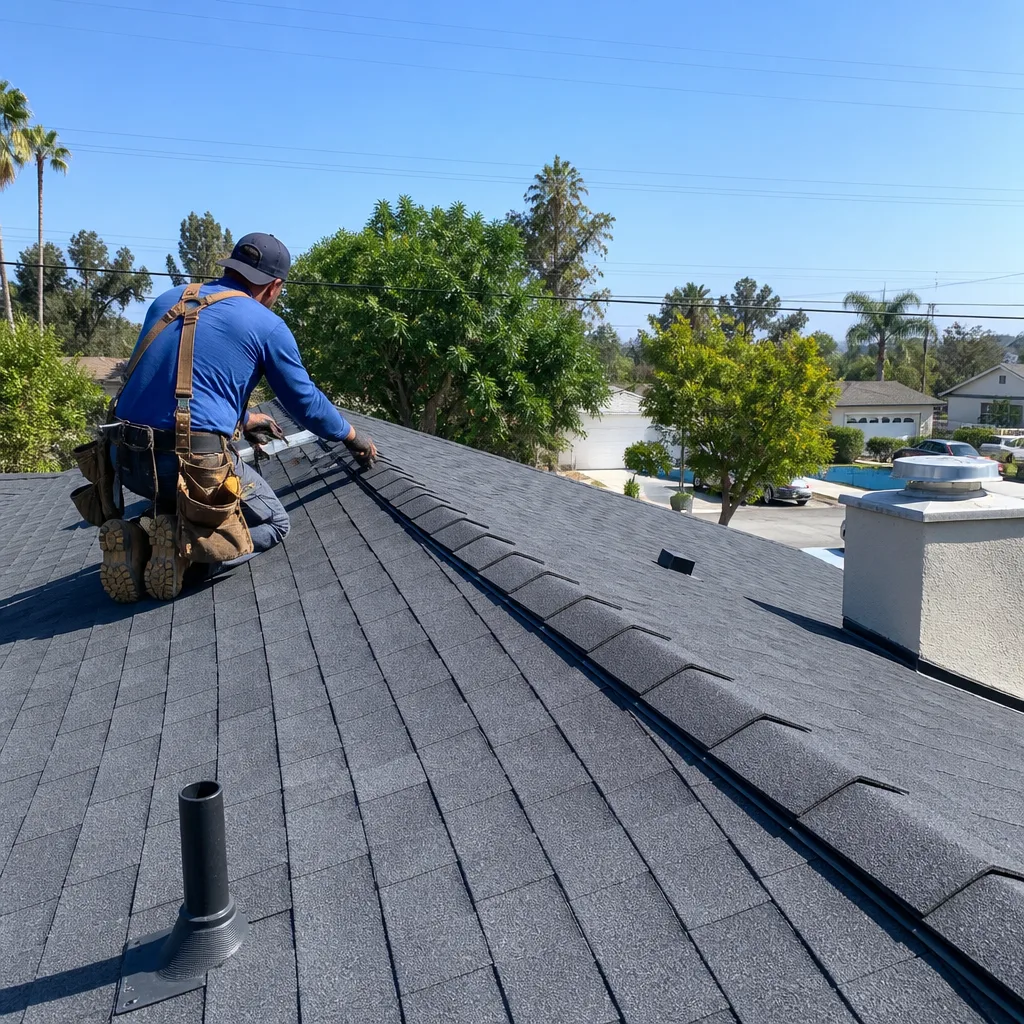 After
After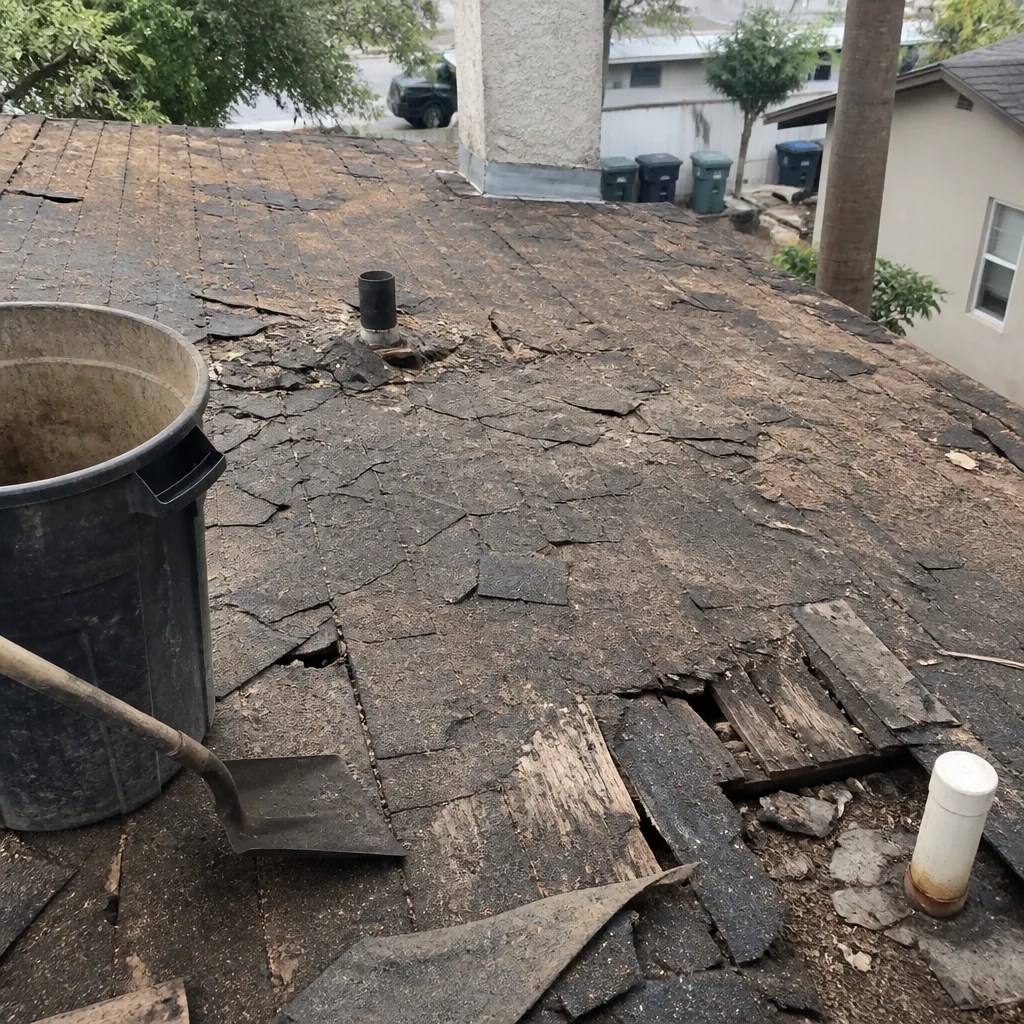 Before
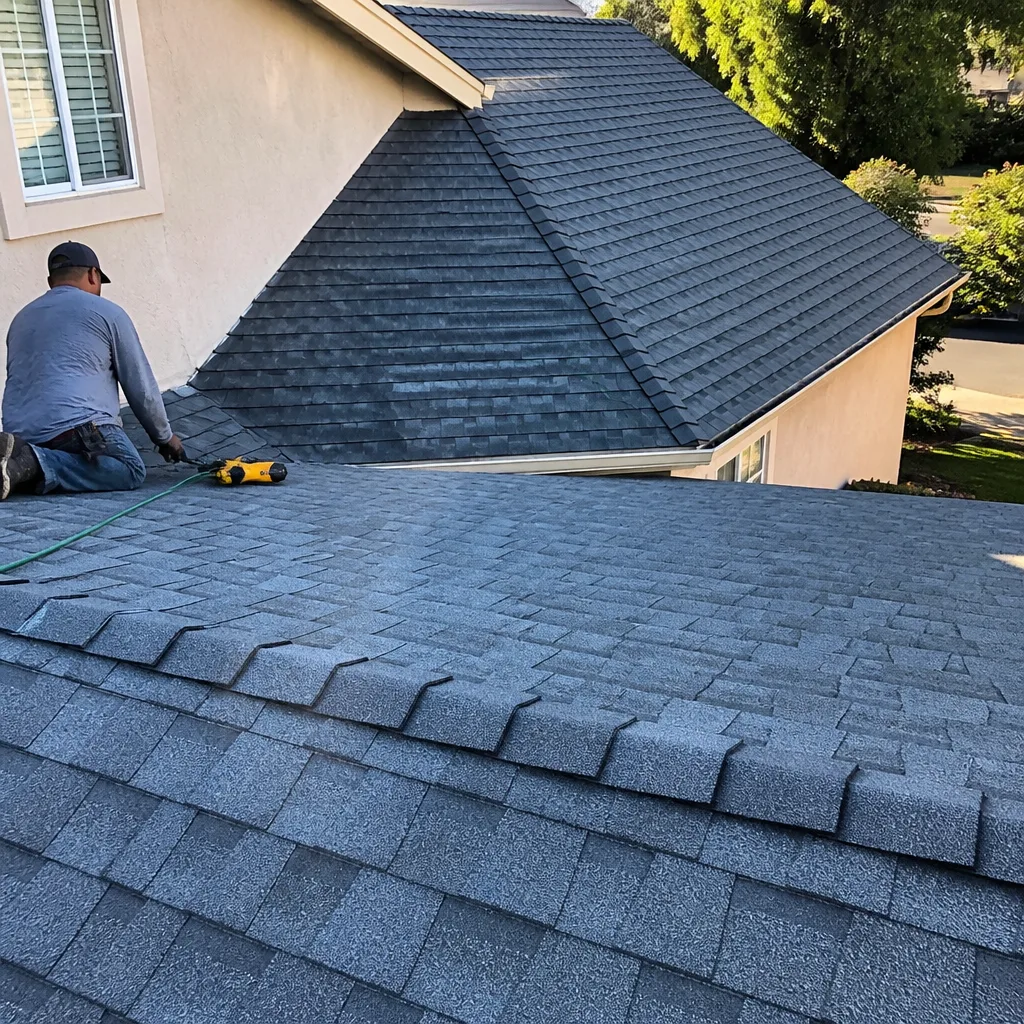 After
After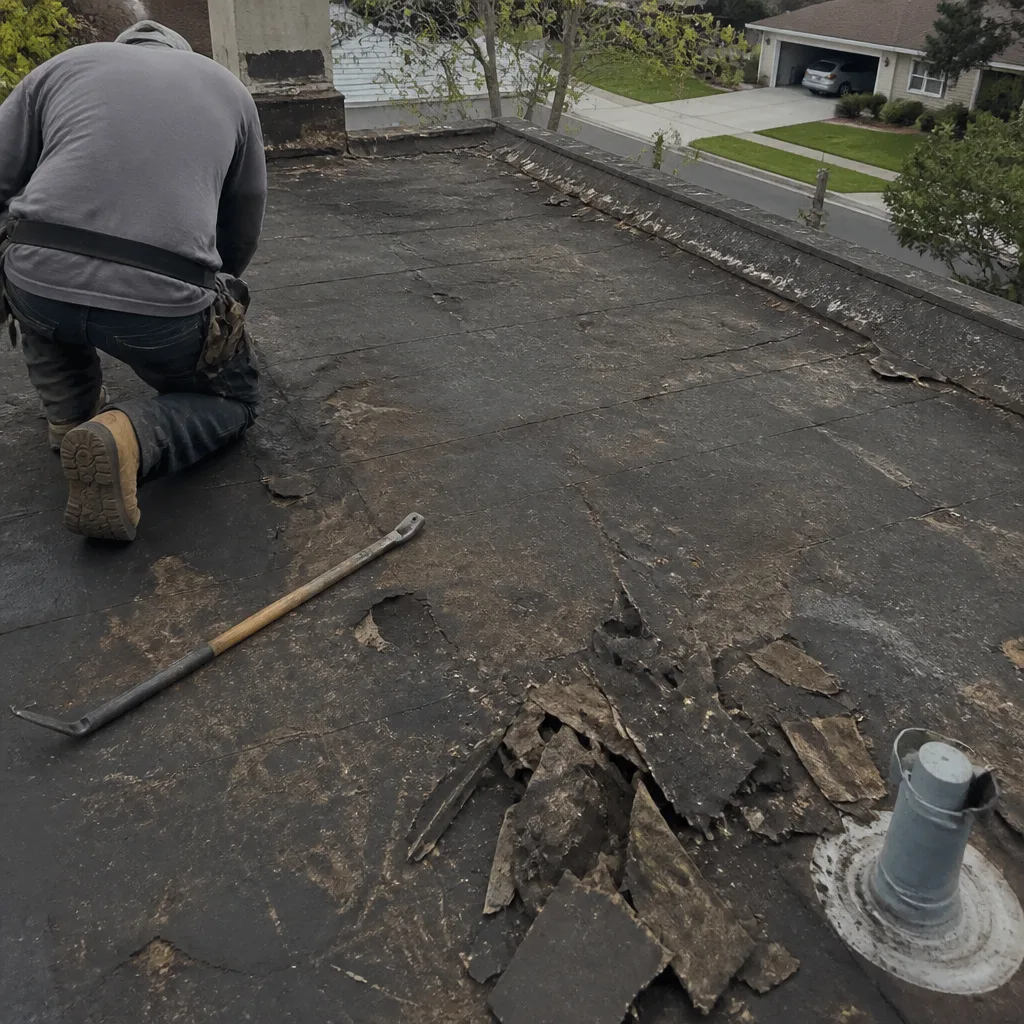 Before
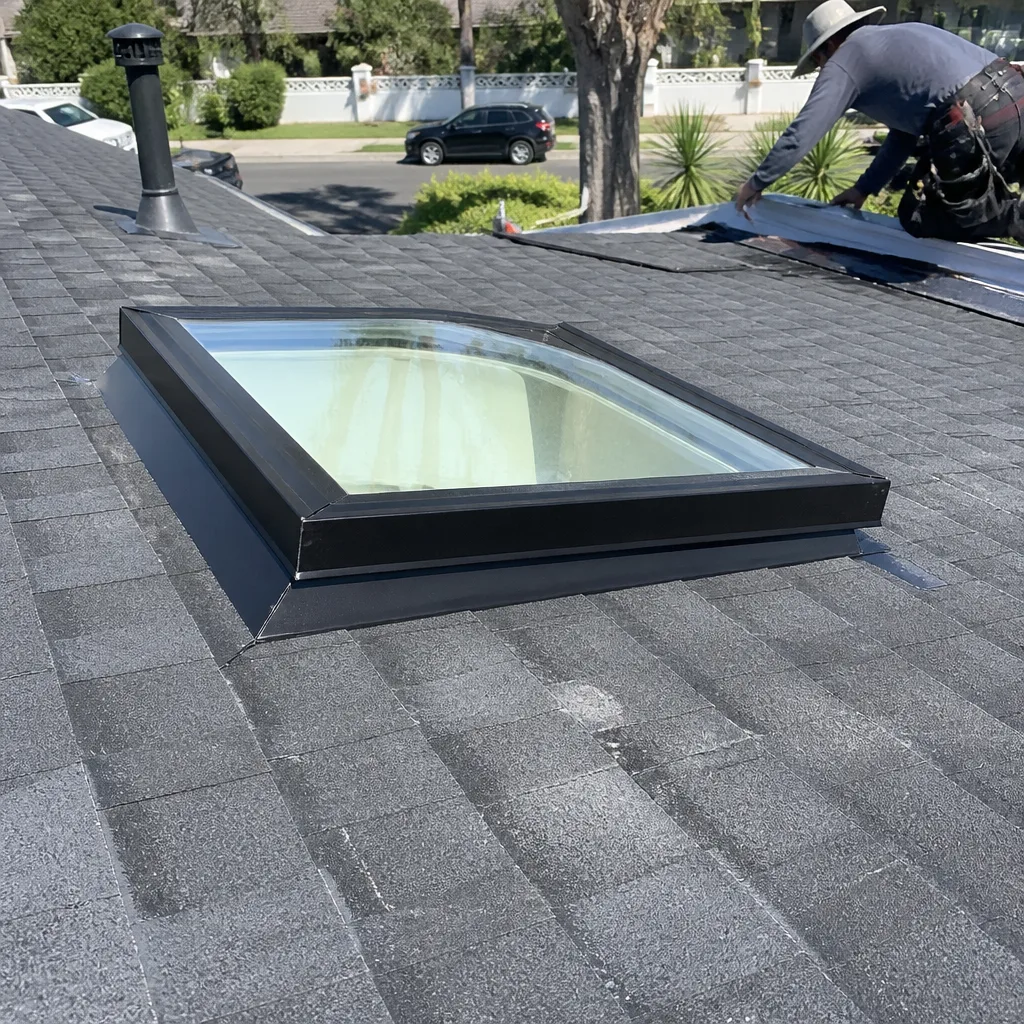 After
AfterRoofing Company Maintenance Checklist for Los Angeles Homeowners
A roof inspection that takes under 20 minutes almost certainly skipped the three spots where Los Angeles homes fail first: the chimney step flashing, the plumbing boot collars, and the low-slope sections over garages. After two decades of working on roofs from Pasadena to Pacific Palisades, we’ve learned that LA’s combination of relentless UV, Santa Ana wind cycles, and sudden winter downpours creates failure patterns you won’t find in maintenance guides written for Cleveland or Portland. This checklist follows the actual sequence a qualified LA Roofing Company uses, so you can verify the work was done thoroughly rather than wonder if someone just walked your ridge line and left.
Quick Answer
Professional roof maintenance in Los Angeles should happen every 12 months and include a written inspection of flashing, drainage, ventilation, and material condition with photos. A complete visit takes 45-90 minutes for an average single-family home and produces a signed report you can use for warranty claims or insurance documentation; see our Roofing Company Maintenance Schedule: What to Do and When for timing details. In LA specifically, UV-degraded pipe boots, wind-lifted flashing, and debris-choked drains cause the majority of preventable leaks.
Table of Contents
- The LA-Specific Failure Points Most Checklists Miss
- The Annual Inspection Sequence We Follow
- UV Degradation: What to Check Every Year, Not Every Five
- Santa Ana Wind Prep: The September Tasks
- Gutters and Drainage in Drought Years
- How to Document a Maintenance Visit
- Red-Flag Contractor Behaviors During Maintenance
- What Professional Maintenance Costs in Los Angeles
The LA-Specific Failure Points Most Checklists Miss
Generic maintenance checklists treat Los Angeles like any other sunbelt city. They aren’t. Our UV index regularly hits 10+ for months straight, which turns standard pipe boot rubber brittle in 4-6 years instead of the 10-12 you’d expect in milder climates. The Santa Ana winds don’t just blow debris around; they create positive pressure under eaves that lifts flashing tabs and drives rain horizontally into gaps that would never leak in ordinary weather.
Here are the three failure points we find on LA roofs that national checklists rarely mention:
- Chimney step flashing in stucco transitions. Los Angeles has thousands of homes with stucco chimneys where the metal step flashing is buried under successive layers of patch and paint. Water gets behind the stucco, follows the flashing downhill, and exits inside the living room. A proper inspection requires gently probing the stucco-to-flashing joint with a flat bar to see if the metal is still seated.
- Plumbing boot collars on south and west exposures. The rubber collar around your vent pipes degrades fastest where afternoon sun is hottest. In neighborhoods like Studio City and Sherman Oaks, where lot lines force south-facing plumbing vents, we replace collars at year 5 that would last 12 years in Seattle.
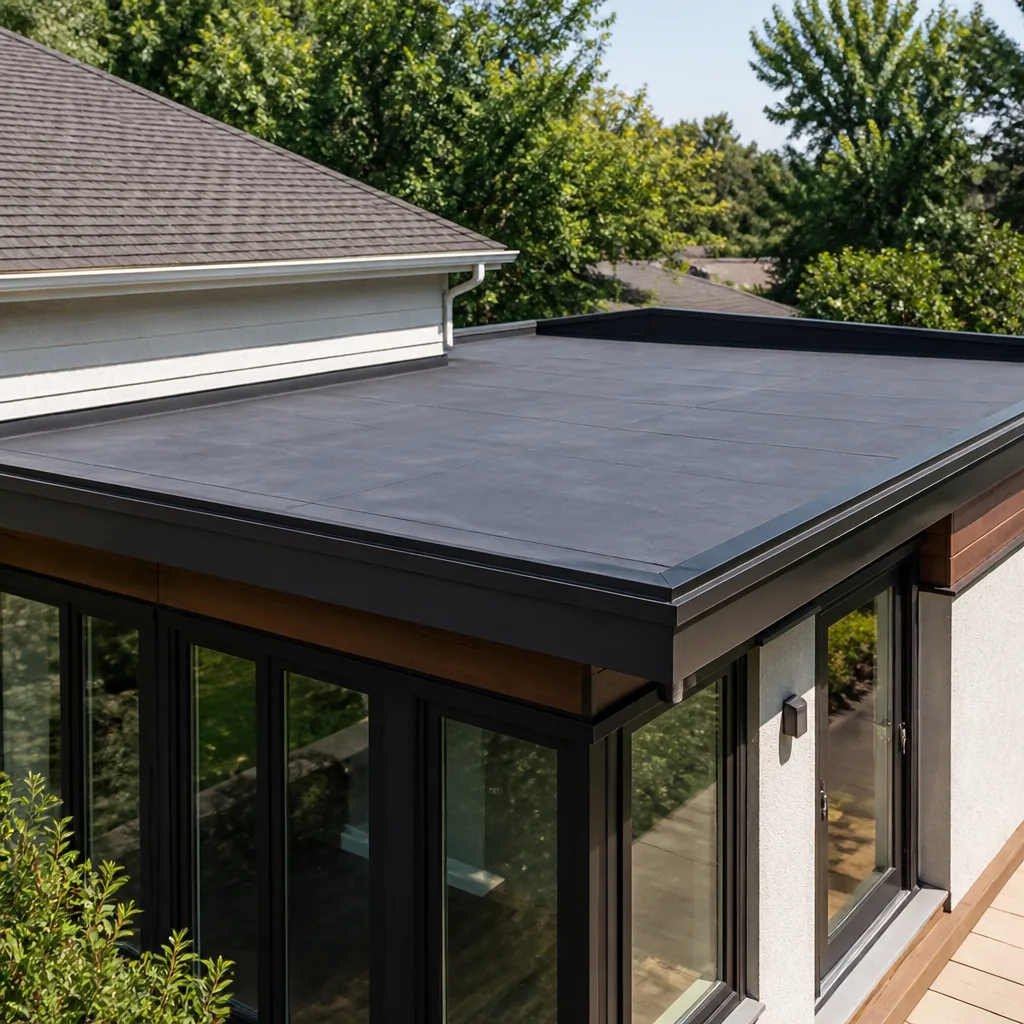
- Low-slope sections over garages and additions. Many LA homes from the 1950s-1970s have nearly flat roofs over garage conversions or rear additions. These sections pond water during our occasional intense winter storms and were often originally roofed with materials inadequate for the pitch. They need dedicated inspection, not a quick glance from the ridge.
When we inspect a roofing company in Los Angeles should be checking these spots as standard practice, not discovering them after the ceiling stains appear.
The Annual Inspection Sequence We Follow
The order matters. A roofer who starts on the roof and works down will miss ground-level drainage issues. One who starts inside and never goes into the attic misses ventilation problems that destroy shingles from underneath. Our crews work in a specific sequence every time:
Step 1: Interior attic inspection first. Before anyone steps on the roof, we check the attic for active leaks, inadequate ventilation, and insulation gaps that create condensation. In Los Angeles, where many homes have original gable vents but no ridge venting, we find attics hitting 140°F in August. That heat bakes shingles from below while UV attacks from above, cutting shingle life by 30-40%.
Step 2: Ground-level perimeter walk. We look for granule accumulation in gutters (indicates advanced shingle wear), downspout discharge patterns, and settling that has changed drainage toward the foundation. In hillside neighborhoods like Echo Park or Los Feliz, this step also reveals whether recent earthquakes have shifted retaining walls that now direct water against the house.
Step 3: Roof surface, working from eaves to ridge. We document shingle condition by exposure direction, check all penetrations, test flashing adhesion, and clear debris. On tile roofs common in Encino and Tarzana, we walk every tile row because broken tiles hide under intact neighbors.
Step 4: Written report with photos, signed by the technician. Not emailed later. Not promised and forgotten. Handed to the homeowner before we leave, with every finding described in plain language and every photo time-stamped.
This sequence is part of The Kingswell Way we’ve followed since 2000: say the price before the work, show up in the window we gave, leave the place cleaner than we found it, put the guarantee in writing, come back if it fails.
UV Degradation: What to Check Every Year, Not Every Five
Los Angeles averages 284 sunny days per year. That statistic shows up in tourism brochures, but it also means your roof absorbs roughly 40% more UV radiation than the national average. Here’s what degrades fastest and what a proper annual inspection should catch:
- Pipe boot rubber collars. Check for cracking, compression set (the rubber no longer springs back when pressed), and gaps where the collar meets the pipe. Replacement cost in Los Angeles typically runs $85-$150 per boot, including labor. Waiting until it leaks means adding ceiling repair and possible mold remediation.
- Sealant at metal flashing joints. The urethane or silicone sealants used at chimney and wall flashing joints become chalky and lose adhesion after 3-5 years of LA sun. A proper inspection probes these joints with a putty knife to verify the sealant is still bonded, not just present.
- Ridge cap shingles. These run horizontally across the peak and catch sun from both east and west. We find thermal splitting (cracks running straight through the shingle) on south-facing ridges in as little as 8 years on standard architectural shingles. Premium options from manufacturers like Atlas or IKO with enhanced UV stabilizers extend this, but only if someone is checking.
- Underlayment on low-slope areas. Where the roof pitch is below 4:12, Los Angeles building code requires two layers of underlayment or a self-adhered membrane. UV degradation of the primary roofing material (often a modified bitumen or single-ply membrane on these sections) can expose underlayment, which then degrades rapidly. Annual inspection catches this before the decking gets involved.
We specify material options from seven manufacturers - GAF, CertainTeed, Owens Corning, IKO, Atlas, Tamko, and Boral - because the right product for a Hollywood Hills home with full sun exposure differs from what’s appropriate under coastal fog in Playa del Rey. A roofer who shows up with one brand in the truck isn’t giving you a choice; they’re giving you their convenience.
Santa Ana Wind Prep: The September Tasks
The Santa Ana wind season runs roughly October through March, with peak events in December and January. By September, every Los Angeles homeowner should have completed specific prep tasks or verified them with a professional inspection. Here’s what we do for clients who book our pre-season check:
- Flashings and termination bars. Wind creates uplift pressure at roof edges and where materials terminate against walls. We check that all termination bars are screwed at 6-inch centers (not the 12 inches that passes casual inspection), that step flashing is nailed to the deck not just the wall, and that counter-flashing laps are tight.
- Debris clearing from valleys and drains. Santa Ana winds don’t just bring their own debris; they redistribute whatever’s already on your roof. A valley partially blocked by leaves becomes a water channel during the rain that follows wind events. We clear all valleys, check that scuppers and drains are open, and verify strainers are in place.
- Tile roof mechanical fastening check. On clay and concrete tile roofs common throughout Los Angeles, we spot-check that tiles at ridges, hips, and eaves are still foam-adhered or mechanically fastened per original installation. Wind uplift starts at the edges and progresses inward. A single loose tile becomes a projectile that breaks neighbors.
- Skylight and vent sealing. Santa Ana winds drive rain at angles your roof wasn’t designed for. We verify that skylight curbs have intact sealant, that vent hoods are screwed down (not just resting on gaskets), and that any turbine vents spin freely without wobble that indicates bearing wear.
- Tree limb clearance. We don’t trim trees, but we document limbs within 6 feet of the roof surface and recommend clearance. In wind events, limbs don’t just fall; they saw against shingles and flashing edges, creating entry points that leak months later when the limb itself is long gone.
These five tasks take 60-90 minutes for a typical Los Angeles home and cost $200-$350 when bundled as a pre-season inspection. Compare that to the $800-$2,500 we typically charge for wind-damage repairs that proper prep would have prevented.
Gutters and Drainage in Drought Years
Los Angeles homeowners understandably deprioritize gutters during drought. This is a mistake that compounds. Here’s what happens: gutters fill with dust, leaf litter, and shingle granules during dry months. The first significant rain packs this material into a dense mat that blocks downspouts. Water overflows, saturates fascia boards, and backs up under eave shingles. By spring, you have rot in fascia, soffit staining, and sometimes deck damage at the eave edge.
We see this pattern repeatedly in drought-recovery years. The 2016-2017 winter after the severe drought produced an unusual volume of eave-rot calls in Glendale and Burbank, all from gutters that had gone two or three years without cleaning.
Annual gutter maintenance for Los Angeles homes should include:
- Full debris removal from gutters and downspouts
- Flushing with water to verify flow rate and check for hidden blockages
- Fascia and soffit inspection for early rot or pest entry
- Downspout discharge verification - water should exit at least 6 feet from foundation
- Underground drain line testing if present (common in newer Los Angeles construction)
During drought, we recommend at minimum a visual gutter check every September, with full cleaning before the first predicted storm. The cost of proactive maintenance is $150-$300 for most homes. Repairing eave rot and replacing damaged fascia runs $800-$2,000.
How to Document a Maintenance Visit
A maintenance visit you can’t document is a maintenance visit you can’t prove. This matters for warranty claims, insurance disputes, and resale disclosures. Here’s what a properly documented Los Angeles roof maintenance should produce:
Photos with context. Not close-ups of “a shingle” but wide shots showing the roof area, medium shots showing the specific condition, and close-ups showing detail. Every photo should be time-stamped and location-tagged. We use software that embeds GPS coordinates automatically; if your roofer doesn’t, ask them to photograph your street number at the start of the job for verification.
Written findings with locations. “Cracked tile” is useless. “Cracked concrete tile, third row from ridge, north slope, approximately 8 feet east of chimney” is actionable. The report should map findings to a roof diagram or aerial photo with markings.
Recommended actions with priorities. Every finding gets rated: monitor, repair within 12 months, repair before next rain, or immediate. This lets you budget and schedule appropriately.
Signed summary by the technician who performed the work. Not a company stamp. A signature with printed name, date, and license classification. In California, this means a C-39 license for roofing work. If the person on your roof won’t sign their own report, ask why.
Your copy, retained. Keep these records with your home files. When you sell, disclose the maintenance history. When you claim warranty, submit the documentation. When you dispute an insurance denial, the annual maintenance record proves you didn’t neglect the roof.
At Tilehurst Roofing, every maintenance visit produces this documentation as standard. We don’t offer a “premium” reporting tier because basic professionalism isn’t premium; it’s the floor.
Red-Flag Contractor Behaviors During Maintenance
Not every company offering “roof maintenance” in Los Angeles performs actual maintenance. Some use the inspection as a sales call. Here’s what to watch for:
- Upselling during the inspection. A technician who discovers “urgent” problems that require immediate estimates, deposits, or signatures before they leave is not performing maintenance; they’re performing sales. Real maintenance findings can wait 48 hours for you to get a second opinion.
- Verbal-only findings. If there’s no written report, there’s no record. Verbal promises of “everything looks fine” protect the contractor, not you. Demand written documentation or decline the service.
- Refusal to leave a written report. Some companies claim their “proprietary assessment” can’t be shared. This is nonsense. The condition of your roof is your property information. A contractor who won’t document findings in writing has something to hide.
- No photo evidence. Every smartphone takes adequate documentation photos. A roofer who claims they “don’t do photos” is either cutting corners or avoiding accountability.
- Pressure to schedule repairs immediately. True emergencies - active leaks during rain, structural damage from fallen trees - require immediate response. A cracked pipe boot in September does not. Any contractor who conflates these categories is manipulating urgency.
- Inspections under 30 minutes. A thorough maintenance visit on an average Los Angeles home takes 45-90 minutes. Shorter visits skip the attic, miss ground-level drainage, or don’t walk the full roof surface.
- Technicians without company identification. Background-checked, uniformed technicians on every job means you know exactly who is on your roof. If someone arrives in an unmarked truck, won’t show ID, or can’t name their supervisor, don’t let them access your property.
We’ve built roof repair in Los Angeles on the opposite of these behaviors. Written price before any work starts. Written guarantee on every repair. Free second visit if the repair fails. These aren’t marketing phrases; they’re how we document accountability.
What Professional Maintenance Costs in Los Angeles
Roof maintenance pricing in Los Angeles varies by roof size, material, and accessibility. Here’s what we charge and what the market typically bears:
| Service | Typical Range | What’s Included |
|---|---|---|
| Annual shingle roof maintenance | $250-$450 | Attic inspection, roof surface inspection, penetration check, gutter debris clearing, written report with photos |
| Annual tile roof maintenance | $350-$600 | All of the above plus tile-by-tile walk, broken tile replacement (materials extra), under-tile inspection where accessible |
| Flat/low-slope maintenance | $400-$700 | Membrane seam inspection, drain cleaning, penetration resealing, ponding assessment, written report |
| Santa Ana wind prep (seasonal) | $200-$350 | Flashings check, debris clearing, fastening verification, vent and skylight seal check |
| Gutter cleaning only | $150-$300 | Debris removal, downspout flushing, flow verification, fascia visual inspection |
These are inspection and maintenance prices, not repair prices. If we find damage during maintenance, we provide a separate written estimate for the repair. We don’t perform additional work during a maintenance visit without explicit homeowner approval. That’s part of The Kingswell Way: the price you agree to is the price you pay, every single time.
For homes approaching roof replacement in Los Angeles, annual maintenance documentation becomes especially valuable. It establishes the roof’s condition history, which helps with warranty claims on the new roof and can support insurance negotiations if storm damage occurs during the remaining life of the existing roof.
Common Mistakes to Avoid
- Waiting for visible interior damage. By the time you see a ceiling stain in Los Angeles, water has typically been entering for weeks or months. Our dry climate delays visible damage because moisture evaporates before it accumulates. The leak is still destroying decking and framing.
- Pressure-washing shingles or tiles. The high-pressure spray strips protective granules from shingles and can force water under tiles. If your roof needs cleaning, request soft washing or blower cleaning from a professional who understands the material.
- Ignoring north-facing slopes. They don’t get the sun, so they don’t show UV damage. But they do get the most moisture from our occasional rains, and they often grow algae or moss that retains water against the surface. Check these areas specifically.
- DIY repairs on steep pitches. Los Angeles has many hillside homes with pitches exceeding 8:12. Falls from these heights cause serious injury or death. Leave steep-slope work to professionals with proper fall protection.
- Skipping maintenance after a new roof. Even a correctly installed roof needs annual inspection to catch fastener back-out, sealant failure, and incidental damage. Your warranty likely requires documented maintenance; check the terms.
- Hiring based on lowest bid alone. In Los Angeles, unlicensed operators and out-of-state storm chasers regularly underbid established companies. Verify C-39 licensing, request proof of workers’ compensation insurance, and check that the company has a physical local address.
When to Call a Professional
Some roof conditions require immediate professional assessment: active leaks during rain, sagging roof sections, daylight visible through the roof deck, or more than a handful of missing or broken tiles. After any Santa Ana wind event over 60 mph, schedule an inspection even if you don’t see obvious damage; wind uplift often loosens components that fail at the next storm. For guidance on what to check, see our Roofing Company Troubleshooting: Common Problems and How to Fix Them.
For routine maintenance, annual scheduling is the standard. In Los Angeles, we recommend September for the pre-wind-season check, with a second visit in March to assess winter damage before the dry season makes repairs easier.
Tilehurst Roofing offers free estimates in Los Angeles. Call (945) 303-9821 to schedule your inspection, and you’ll speak to a live person - not a voicemail queue, not a callback promise for Monday morning. We’re here evenings and weekends because roof concerns don’t follow business hours.
Frequently Asked Questions
Professional roof maintenance in Los Angeles typically costs $250-$600 depending on roof material and size, with shingle roofs at the lower end and tile or flat roofs at the higher end. This includes the attic inspection, surface inspection, written report with photos, and basic debris clearing. Call (945) 303-9821 for an exact quote - estimates are free.
Every 12 months, with a pre-wind-season check in September strongly recommended due to Santa Ana patterns. Homes with mature trees overhead, flat or low-slope sections, or roofs older than 15 years may benefit from semi-annual inspections. Our dry climate can hide leaks that have been active for months.
No. The maintenance price is fixed when you approve it. If we find repair needs, we provide a separate written estimate for that work. We don’t perform repairs during a maintenance visit without your explicit approval. Written price before any work starts, every single time.
We need interior access for the attic inspection, so yes - or arrange for a trusted representative to be present. The full visit takes 45-90 minutes. We wear uniforms, arrive in marked vehicles, and background-check every technician so you know exactly who is on your property.
Properly installed asphalt shingles last 20-25 years in Los Angeles, though UV exposure on south and west faces can shorten this by 3-5 years without adequate ventilation. Clay and concrete tiles last 50+ years but require periodic maintenance of underlayment and flashings. Flat roofs vary widely by material, from 10 years for basic modified bitumen to 20+ for premium single-ply membranes. Annual maintenance documentation supports any warranty claim if premature failure occurs.
Contain interior damage with buckets and move valuables, but don’t go on the roof yourself - wind events create dangerous conditions and the leak location rarely aligns with the interior drip. Call (945) 303-9821; we answer live 24 hours a day and will dispatch to assess and temporarily seal if conditions permit. Document everything with photos for your insurance claim.
The Bottom Line
Los Angeles roof maintenance isn’t about following a generic checklist; it’s about understanding how UV, wind, and occasional intense rain interact on your specific roof. The three failure points - chimney step flashing, plumbing boot collars, and low-slope sections - deserve annual attention that many inspections skip. Document every visit with photos, written findings, and a signed report, and explore more guides & resources on proper roof care. Complete Santa Ana prep every September. And choose a contractor who puts every promise in writing before work starts, not after problems appear.
We’ve been doing this since 2000. The Kingswell Way hasn’t changed: say the price before the work, show up in the window we gave, leave the place cleaner than we found it, put the guarantee in writing, come back if it fails. That’s the standard we hold ourselves to on every roof in Los Angeles.
Call (945) 303-9821 to schedule your free estimate. A live person will answer, day or night, and we’ll give you a written price before any work starts.
Written by Greg Holloway, Owner at Tilehurst Roofing, serving Los Angeles since 2000.