
Last updated October 8, 2026
Free roof inspection with deck photos before we talk money - GAF and Owens Corning certified installation
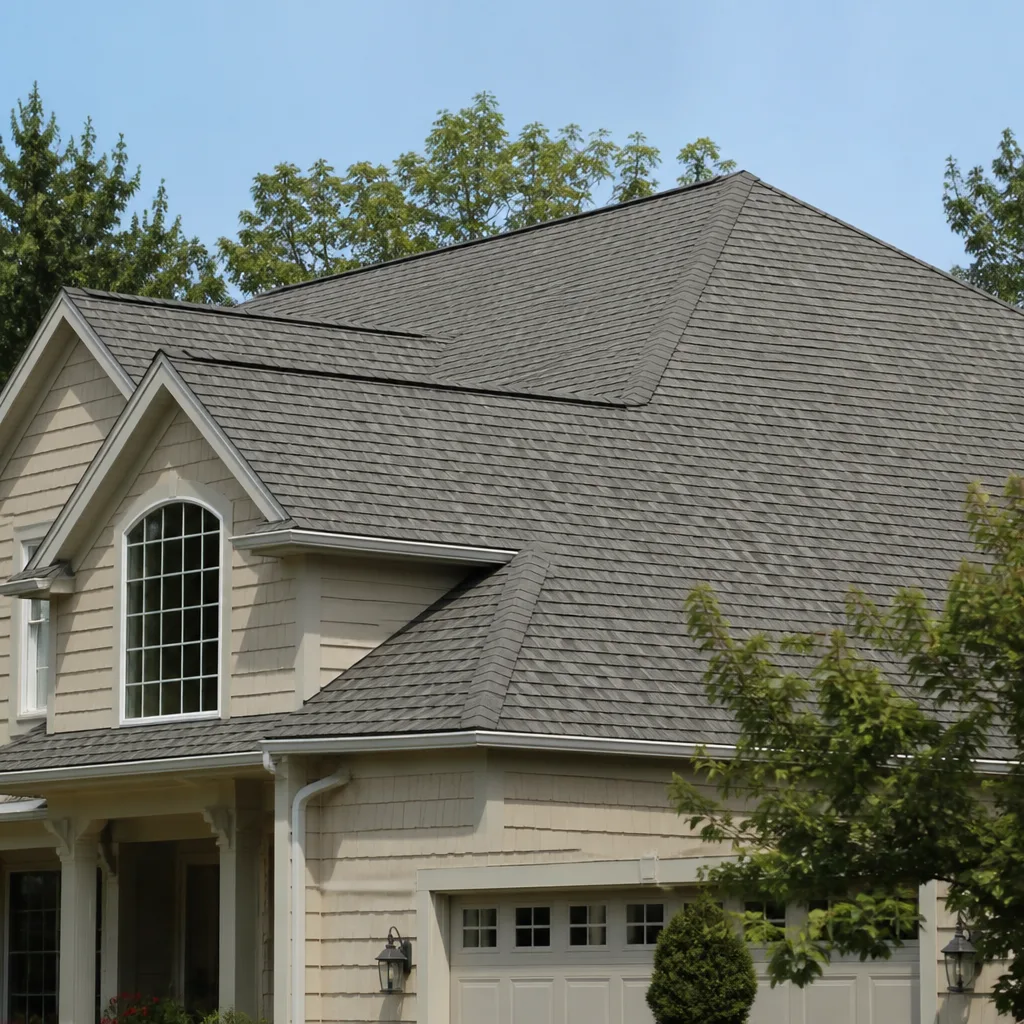
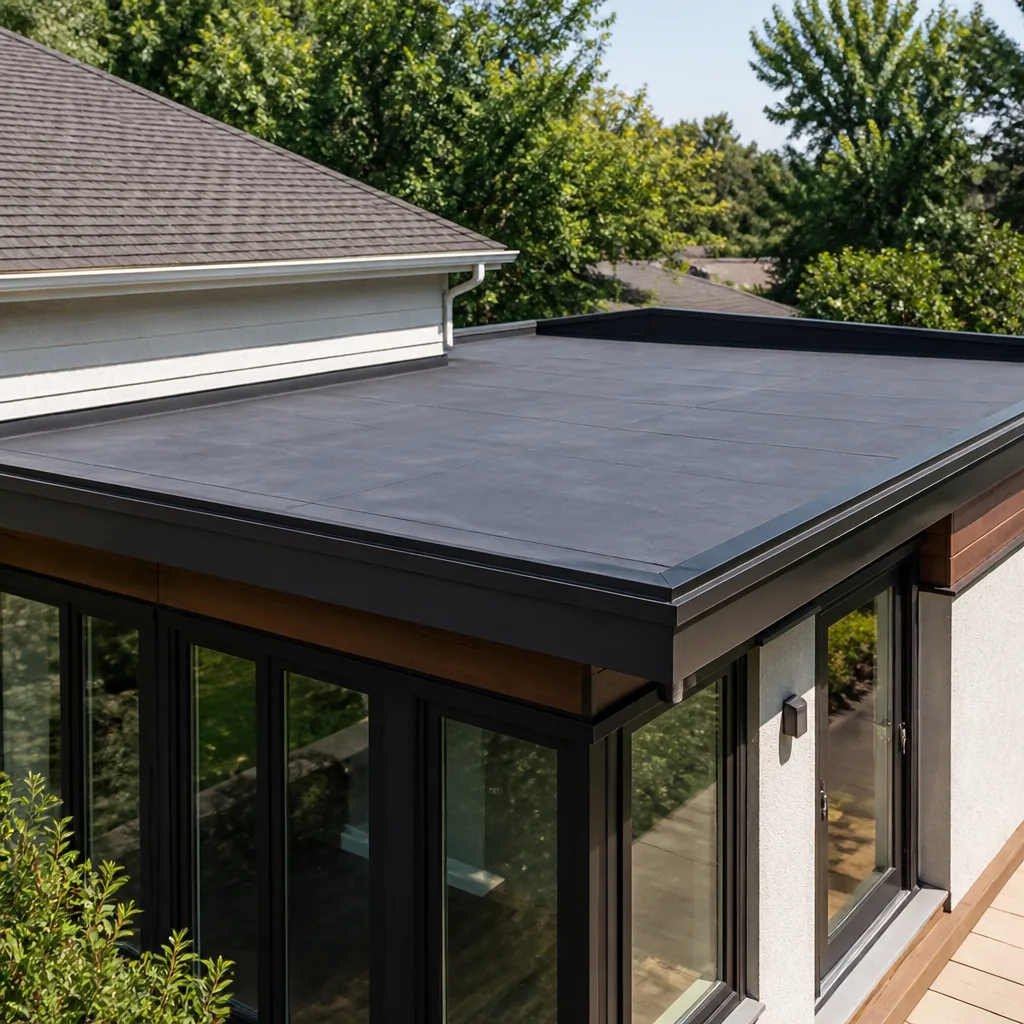
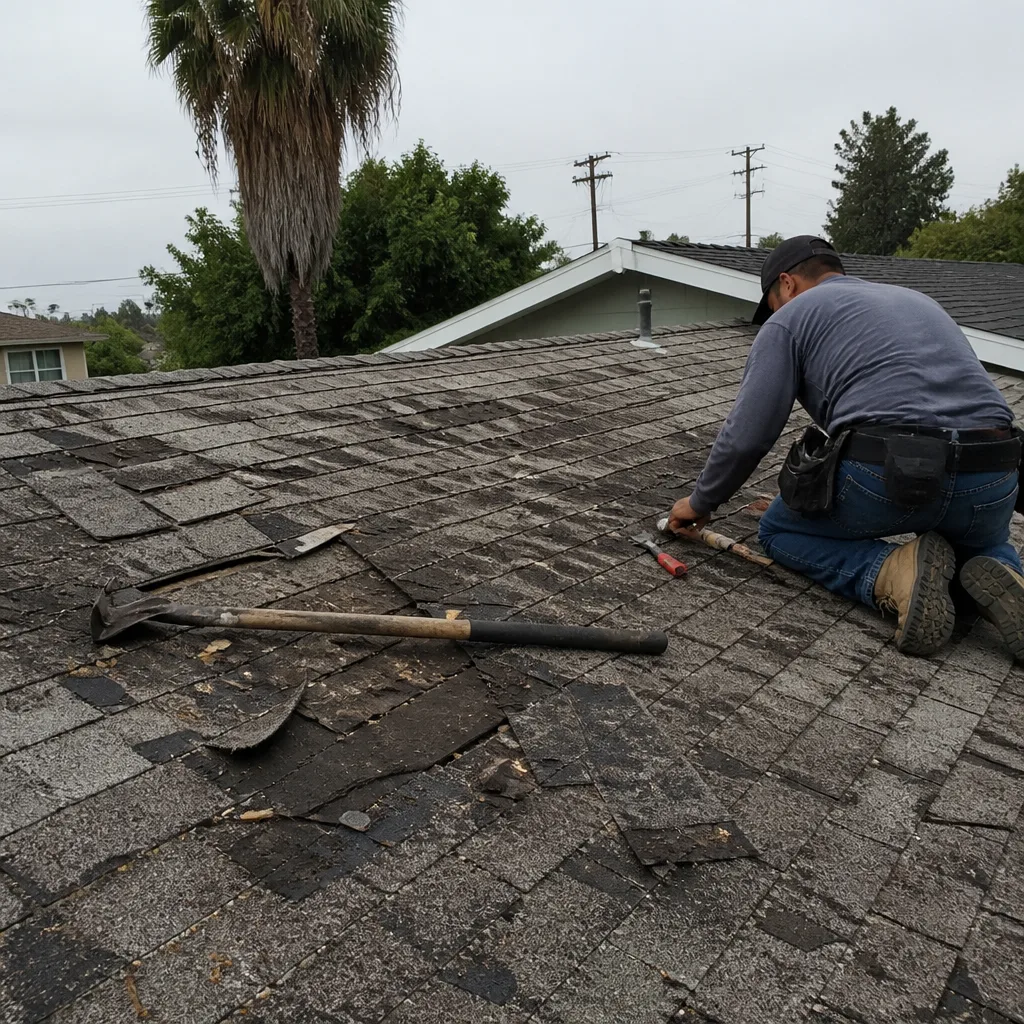 Before
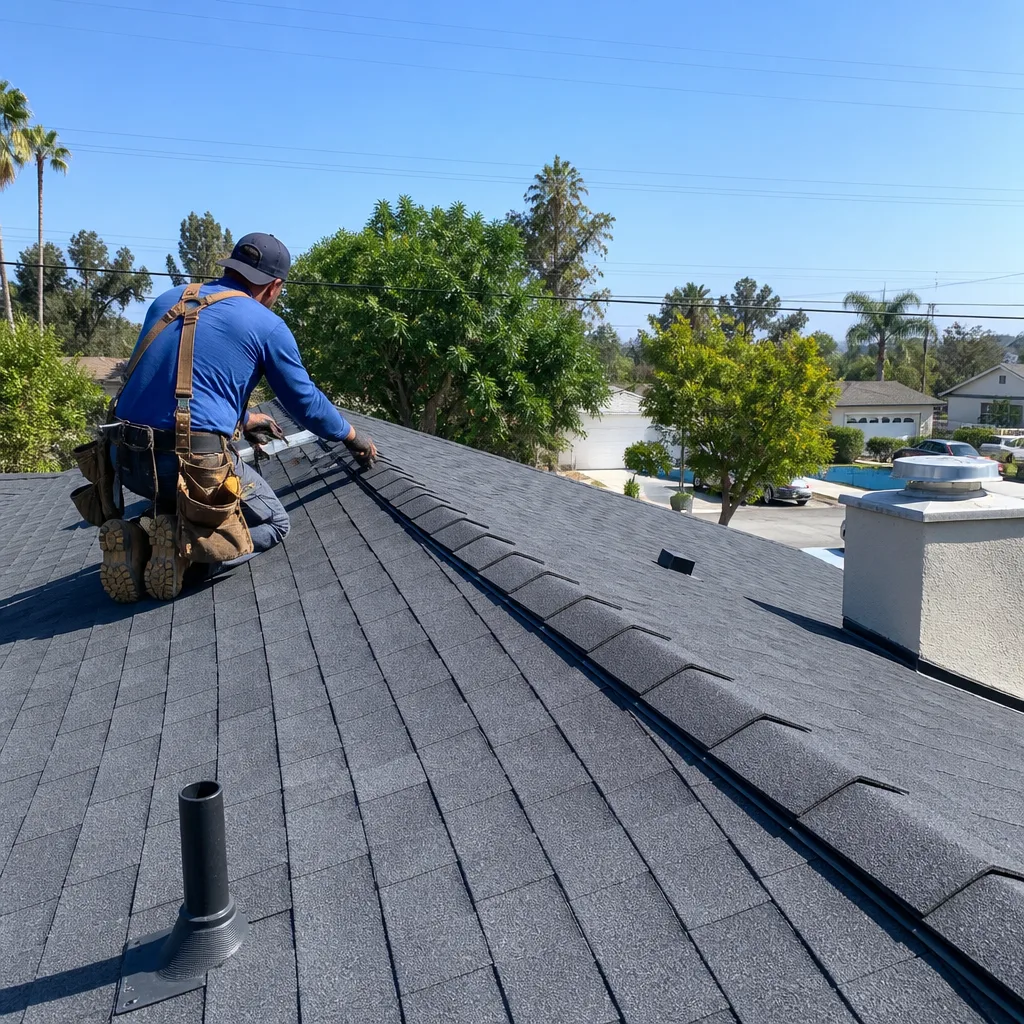 After
After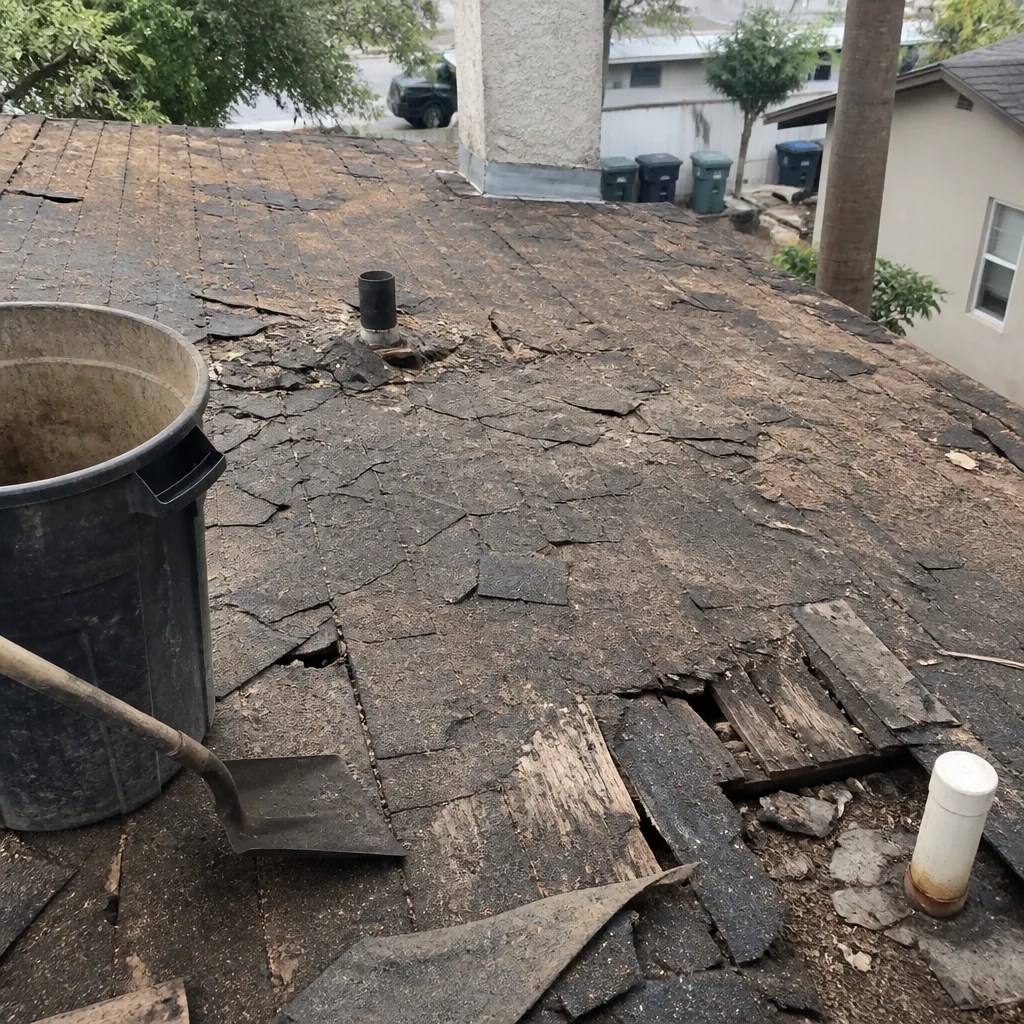 Before
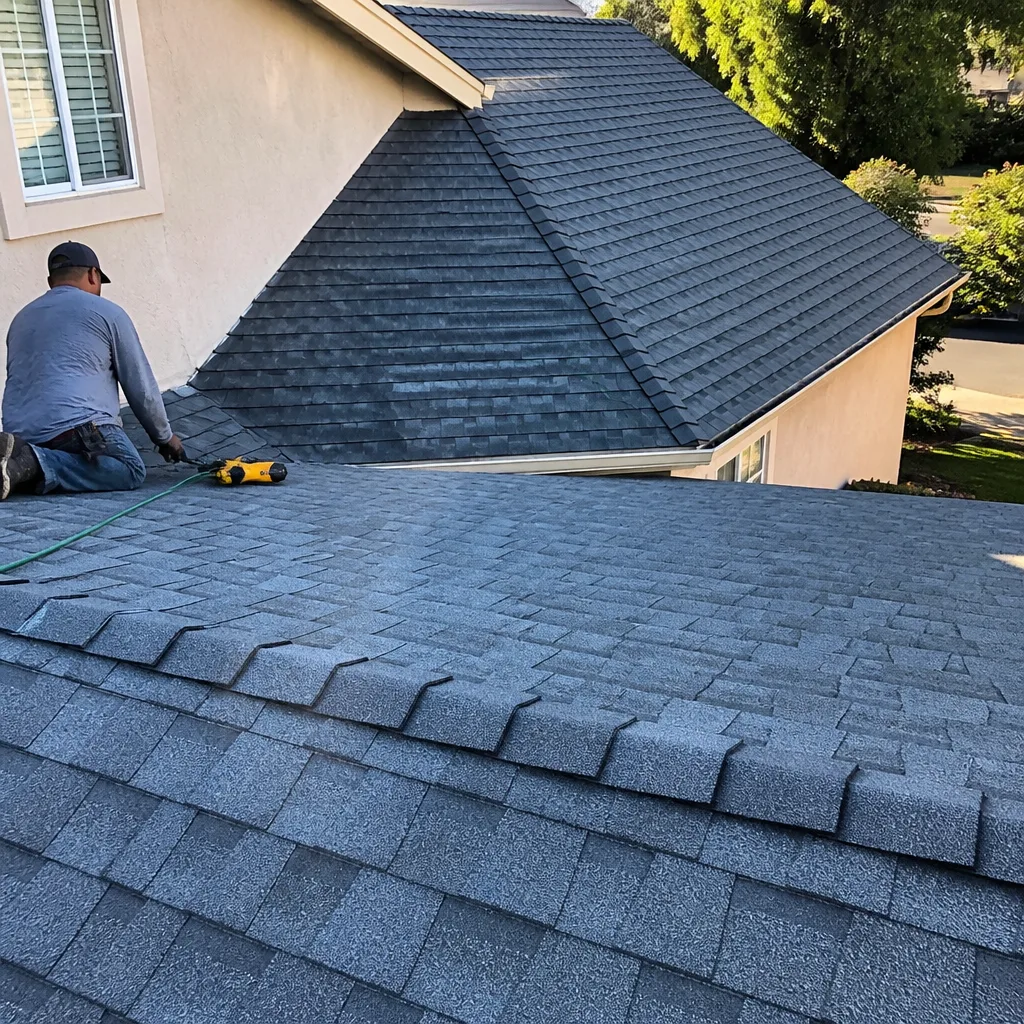 After
After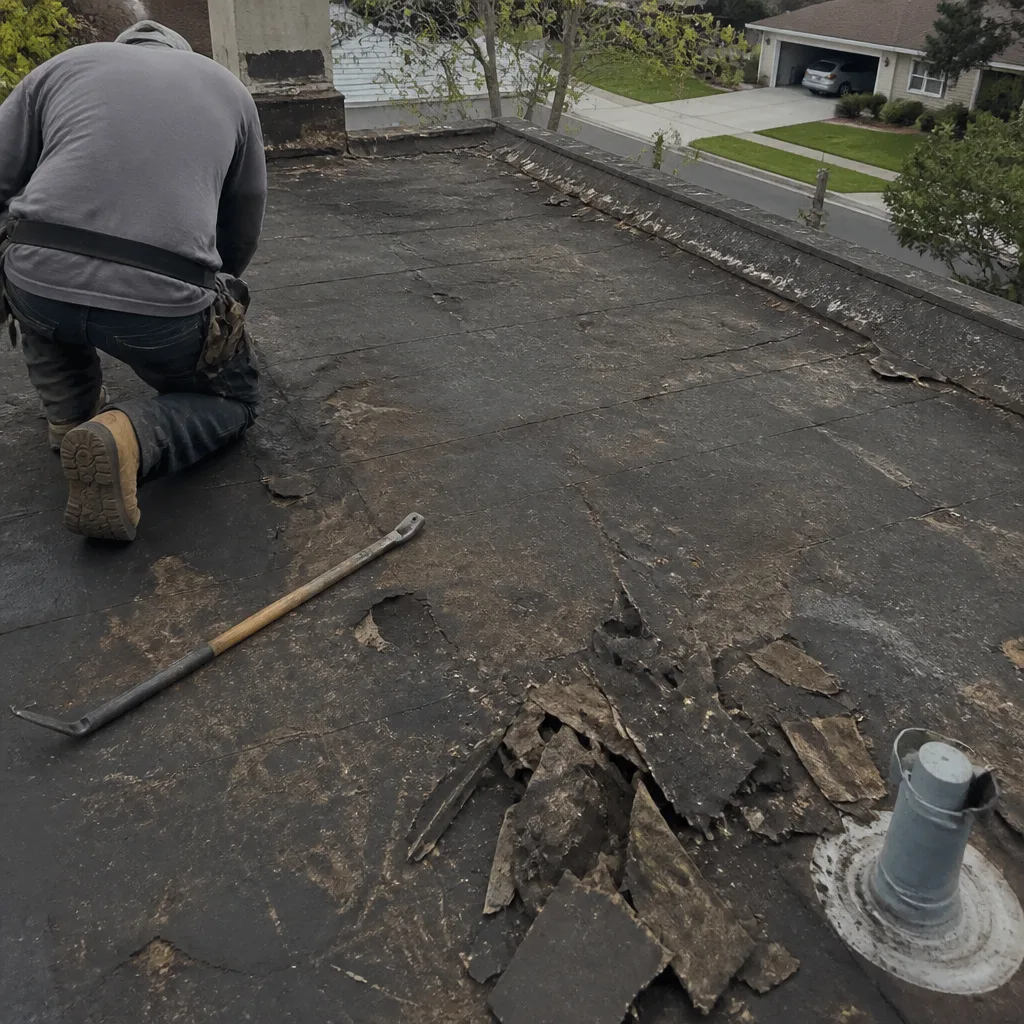 Before
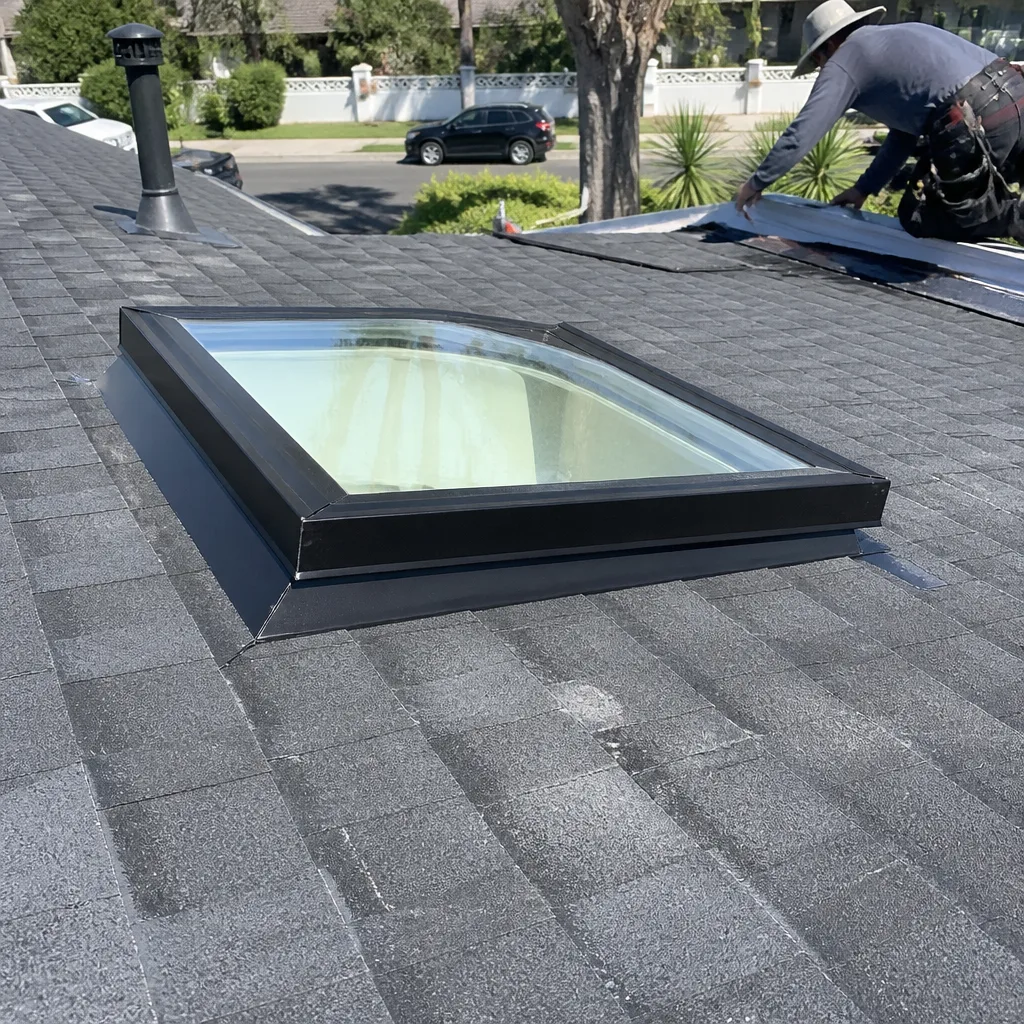 After
AfterRoofing Warning Signs: A Los Angeles Homeowner’s Reference Guide
Most roofing guides are written for homeowners in Seattle or Chicago, where rain and snow do the damage and warning signs mean water is already inside. In Los Angeles, the opposite is true. Our roofs fail from the outside in: UV radiation bakes shingles at 160°F on summer afternoons, thermal cycling loosens fasteners through thousands of 40-degree swing days, and Santa Ana winds lift corners that moisture later exploits. The granules you sweep from your Pasadena driveway in October aren’t storm debris - they’re your roof’s sunscreen washing away, year after year, with no rain required. This Complete Guide to Roofing in Los Angeles teaches you to read the specific language of Los Angeles roof distress, from the ground, from the attic, and from the patterns that appear 24 to 36 months before the first leak.
Quick Answer
Los Angeles roofs typically show two to three years of visible warning signs before leaking: UV-driven granule loss on asphalt shingles, thermal-cracking in concrete tile, membrane blistering on flat roofs, and attic heat spikes above 140°F. The most reliable early indicator is granule accumulation in gutters during dry months - if you can pour a cup of granules from a downspout elbow in September, your shingle’s protective layer is depleted regardless of its age.
Table of Contents
- Ground-Level Inspection: What Binoculars Reveal on LA Roofs
- Interior Warning Signs LA Homeowners Miss
- Concrete Tile: Cosmetic vs. Structural Cracking
- Flat and Low-Slope Roofs: Normal Movement vs. Failure
- The 48-Hour Rule After Any LA Rainstorm
- What Repairs Cost in Los Angeles
- Common Mistakes to Avoid
- When to Call a Professional
- Frequently Asked Questions
Ground-Level Inspection: What Binoculars Reveal on LA Roofs
You don’t need a ladder to spot most early roof problems in Los Angeles. Our low humidity and intense sunlight actually make ground-level inspection more reliable here than in damp climates, where algae and moss hide surface defects.
Start with 8x or 10x binoculars from your driveway or sidewalk. LA’s typical roof pitches - 4:12 to 6:12 on postwar bungalows, 3:12 on ranch homes - are shallow enough that the upper surface is visible without climbing. Spanish and mission tile profiles, common from Silver Lake to San Pedro, create shadows that exaggerate cracks and displacements.
What to scan for, section by section:
- Granule loss patterns on asphalt shingles. Look for dark, blotchy patches where the asphalt substrate shows through. In Los Angeles, this appears first on south and west exposures, often in diagonal streaks following the shingle courses. Healthy granules reflect light uniformly; depleted areas look matte and slightly oily.
- Lifted or curled shingle tabs. Thermal cycling loosens the self-seal strip that bonds tabs to the course below. From the ground, you’ll see raised edges that catch light differently. The Santa Ana wind season - typically October through March - accelerates this; a tab lifted by wind that doesn’t reseal is a leak waiting for rain.
- Tile displacement and sliding. Concrete and clay tiles rely on gravity and interlocking ribs. On LA’s older homes, especially in neighborhoods like Highland Park or Echo Park with original 1920s installations, look for tiles that have slid down to expose the underlayment. One displaced tile is often the visible sign of five more with cracked nibs (the hidden mounting lugs).
- Flashing gaps at penetrations. Vent pipes, chimneys, and skylights are the failure points on most Los Angeles roofs. Binoculars reveal lifted flashing, missing sealant beads, or the telltale white of degraded caulking. On flat roofs, look for ponding - water that remains 48 hours after rain - visible as dark rings or debris accumulation.
- Ridge and hip line irregularities. The ridge cap is the roof’s most UV-exposed element. In Los Angeles, cracked or missing ridge pieces are common after seven to ten years on lower-grade concrete tile. A wavy or sagging ridge line suggests decking deterioration beneath.
We recommend this binocular scan twice yearly: late October, before the winter rain season, and late April, after the worst thermal stress of spring. Document with dated photos. When you later call Roof Repair in Los Angeles, you’ll have a timeline that eliminates guesswork.
Interior Warning Signs LA Homeowners Miss
Los Angeles homeowners often ignore attic conditions because our mild climate makes the space tolerable to enter. That’s a mistake. The attic tells the truth about roof condition months before stains appear on ceilings.
Attic heat buildup is the most overlooked indicator. On a 95°F August day in the San Fernando Valley, a properly ventilated attic should stay below 120°F. We regularly measure 150°F+ in attics with blocked soffit vents, exhaust fan failures, or degraded underlayment that no longer reflects radiant heat. That heat doesn’t just raise your AC bill. It accelerates shingle aging from the underside, cooks the adhesives in laminated shingles, and warps decking that later can’t hold fasteners.
Check with an infrared thermometer from the attic hatch. Scan the underside of the roof deck in three places. Temperatures above 140°F warrant immediate ventilation assessment - and often reveal that the roof surface above is closer to failure than its age suggests.
Daylight through decking is straightforward but requires knowing where to look. In Los Angeles, the most common locations are:
- At chimney shoulders, where stepped flashing deteriorates
- Around bathroom vent fans, where flex duct disconnects and leaves a hole
- Along the rake edges of gable roofs, where wind-driven rain enters through degraded drip edge
- At valley intersections, where the centerline is hardest to seal on low-slope LA ranch roofs
Daylight means water passage. Even a pinhole of light in June becomes a stream in January.
Efflorescence on chimney breasts is the white, powdery deposit that appears on interior brick or plaster. In Los Angeles, where we build with concrete masonry and stucco, this signals moisture migration through the chimney structure - usually from a failed chimney cap, cracked crown, or deteriorated counterflashing where the chimney meets the roof plane. Many homeowners mistake it for “just dust” or paint failure. It’s active water intrusion that degrades mortar and, in seismic terms, weakens a structural element.
Finally, compressed or stained insulation near eaves indicates ice damming - rare in LA, but the same mechanism occurs when attic heat melts overnight condensation that refreezes at the cold edge. The stain pattern is a half-moon at the top plate, distinct from plumbing leaks that run straight down.
Concrete Tile: Cosmetic vs. Structural Cracking
Concrete tile dominates Los Angeles roofing, from the 1960s tracts of Woodland Hills to the hillside homes of Pacific Palisades. It’s durable, fire-resistant, and architecturally appropriate. But concrete tile cracks, and not all cracks mean the same thing.
Cosmetic cracking - what we call “crazing” - appears as a network of hairline surface cracks, often following the tile’s mold pattern. This is normal aging. Concrete cures for decades; surface shrinkage creates these patterns without compromising the tile’s water-shedding ability. Crazed tiles still shed water, still interlock with neighbors, and can remain functional for years. The test: run a fingernail across the crack. If you can’t feel a groove, it’s crazing.
Structural cracking is different. These cracks are:
- Visible from the ground as distinct lines, not a surface pattern
- Wide enough to admit a business card edge
- Running through the tile body, often from the head (top) to the tail (bottom)
- Accompanied by a hollow sound when you tap the tile - the crack has broken the tile’s structural integrity
The critical distinction: a structurally cracked tile no longer sheds water to the course below. Water enters the crack, hits the underlayment, and seeks the path of least resistance. On LA’s low-pitch concrete tile roofs - common in Mid-Century Modern homes from the Hollywood Hills to Long Beach - that path is often a lateral run that appears as a stain ten feet from the actual entry point.
There’s also a third category we call installation-stress cracking. Concrete tile in Los Angeles is often walked on during HVAC maintenance, solar panel installation, and holiday light hanging. A tile with proper support (two nibs engaged on the batten) can handle 250 pounds. A tile with one nib, or resting on the underlayment between battens, cracks under a 150-pound technician. These cracks are typically at the head of the tile, straight across, and indicate that someone - maybe you, maybe a previous owner - compromised the roof’s protection.
We see this constantly in neighborhoods where solar installation boomed in 2016-2019. The panels are fine. The foot traffic wasn’t. When we inspect for Roof Replacement in Los Angeles, we often find 15-20% of tiles cracked from non-roofing trades, with the original underlayment degraded from years of exposure through those cracks.
Flat and Low-Slope Roofs: Normal Movement vs. Failure
Los Angeles has thousands of flat and low-slope roofs: 1950s duplexes in Koreatown, modernist homes in the Hollywood Hills, commercial conversions in the Arts District. These roofs don’t fail like pitched roofs. They fail slowly, through membrane degradation that looks like normal weathering until it isn’t.
Normal thermal movement appears as:
- Regular, parallel “alligator” cracking in built-up roofing, with cracks no wider than 1/16 inch
- Slight wrinkling at membrane seams, especially where different roof planes meet
- Softening in summer that firms in winter - the asphalt or modified bitumen responding to temperature
Blistering and delamination - the failure signals - look different. Blisters are raised pockets, often circular, that may or may not be broken open. They form when moisture trapped during installation or from leaks vaporizes under summer heat and lifts the membrane from the substrate. A blister is a delamination in progress. When it breaks, water has a direct path to the decking.
Delamination itself is harder to spot. On a modified bitumen roof with mineral surfacing, look for patches where the granules have worn away to expose the black membrane beneath - then check if that membrane moves independently when you press it. Independent movement means the bond to the substrate has failed. The roof is a loose skin waiting to tear.
In Los Angeles, flat roof failure accelerates after about year 12 on standard APP-modified systems, and year 18 on SBS-modified or TPO installations. The UV here is relentless; even “cool roof” white membranes degrade through photochemical breakdown that chalks the surface. Run your hand across a white TPO roof. Significant chalking on your palm means the UV stabilizers are depleted.
One LA-specific factor: our occasional heavy winter rains, separated by months of drought, allow small membrane defects to seal with dust and debris. The roof appears fine. Then a multi-day storm - the kind that stalled over Montecito in 2018, or flooded the Sepulveda Basin in 2023 - overwhelms those sealed defects and causes catastrophic interior damage that seemed to come from nowhere. The failure was years in the making. The trigger was just the first rain that lasted long enough.
The 48-Hour Rule After Any LA Rainstorm
Los Angeles rain is episodic and often intense. A roof that handles light drizzle for years can fail under an inch in two hours. The 48-hour rule is a systematic check protocol we developed after seeing too many homeowners dismiss a storm because “the roof seemed fine during the rain.”
Hour 0-6: During and immediately after rain
Walk the interior perimeter, especially rooms with vaulted ceilings or skylights. Listen for dripping - Santa Ana-dried wood decking can absorb initial moisture silently, then release it as audible drops when saturated. Check window sills on exterior walls; water traveling down wall cavities often exits at the rough opening before it reaches the ceiling.
Hour 6-24: The reveal period
Inspect the attic with a flashlight, even in daylight. Look for:
- Fresh water marks on rafters or decking - they appear darker than aged stains and may still be damp
- Dripping or damp insulation, especially at the eaves where ice-dam-like pooling occurs
- Metal fasteners that have rusted recently - bright orange rust indicates active moisture, not old corrosion
Walk the exterior perimeter, looking for:
- Water streaming from eaves where it shouldn’t - gutters overflowing at specific points indicate blocked drainage or roof-edge overflow
- Stains on stucco or siding that weren’t there before, especially below flashing terminations
- Sagging or separated gutters, weighed by debris washed from the roof surface
Hour 24-48: The delayed failure window
This is where Los Angeles roofs betray their true condition. Our dry climate means water that penetrates during a storm often evaporates before it reaches interior finishes - but the structural damage accumulates. After 48 hours:
- Check interior ceilings for delayed stains, especially on textured “popcorn” finishes that wick moisture laterally before showing
- Smell for mustiness in closets and cabinets on exterior walls - these confined spaces show humidity changes first
- Re-inspect the attic for mold germination, visible as fuzzy growth on rafters within 36-48 hours of wetting in LA’s mild temperatures
If any of these checks reveal new findings, the roof has a vulnerability that dry weather hides. Document with photos and call for inspection before the next storm. In our experience with Roofing Company in Los Angeles work, 60% of “sudden” winter leaks trace to defects visible in the 48-hour check from the previous season’s rain.
What Repairs Cost in Los Angeles
Understanding warning signs is only useful if you know what addressing them costs. Los Angeles roofing prices reflect our high labor costs, strict building codes, and the structural requirements of seismic and fire zones.
Typical repair ranges we see in the LA market:
| Repair Type | Typical Range | What Drives Cost |
|---|---|---|
| Asphalt shingle repair (localized, 1-2 squares) | $450 - $850 | Access difficulty, shingle availability (older colors discontinued) |
| Concrete tile replacement (10-20 tiles with underlayment patch) | $650 - $1,400 | Tile matching, batten repair, underlayment condition |
| Flat roof membrane patch (modified bitumen) | $550 - $1,100 | Substrate condition, need for full ply replacement |
| Flashing repair (chimney, vent, or valley) | $400 - $950 | Material (copper vs. galvanized), masonry repair needs |
| Full underlayment replacement on tile roof | $4.50 - $7.50/sq ft | Tile salvage rate, decking replacement extent |
| Attic ventilation correction (soffit + ridge) | $1,200 - $2,800 | Existing soffit condition, roof pitch affecting ridge vent installation |
These are market ranges for professional work with permits pulled and inspections passed. We provide written, line-item pricing before any work starts - no range that widens at the door. Our guide to Choosing the Right Roofing Brand explains how options from GAF, CertainTeed, Owens Corning, IKO, and others mean the repair fits your home, not just what’s in the truck.
One Los Angeles-specific cost factor: many homes in hillside areas - from the Hollywood Hills to Mt. Washington - require engineered access plans for roofing work. This adds $200-$500 to projects where equipment can’t stage on the street. We identify this during estimate, not during work.
Common Mistakes to Avoid
- Waiting for a leak to confirm roof problems. In Los Angeles, a visible interior leak means the roof has been compromised for months or years. Water travels laterally across our low-pitch roofs before finding an entry point; the damage at the leak location is rarely the damage at the source.
- Pressure-washing concrete tile. The high-pressure stream drives water under tiles, degrades remaining underlayment, and often cracks aged tiles from impact. We’ve replaced roofs in Pasadena and Glendale where pressure washing cut five years from remaining service life.
- Applying sealant coatings to failing shingles. Elastomeric roof coatings are marketed heavily in LA as “restoration” systems. On asphalt shingles, they trap moisture, accelerate granule loss, and void manufacturer warranties. On concrete tile, they mask cracking without addressing it.
- Ignoring south and west exposures. These roof faces take 40% more UV damage in Los Angeles. A roof that looks uniform from the street may have drastically different conditions by compass direction. Always inspect all exposures separately.
- Hiring based on lowest bid for complex tile work. Concrete tile repair requires matching profile, color, and fastening method. A low bid often means salvaging broken tiles, using incompatible underlayment, or skipping battens. The repair fails within two years, and the original underlayment is further compromised.
- Assuming new homes are exempt. Los Angeles has seen significant construction quality variability since 2020. We’ve inspected three-year-old homes in the San Fernando Valley with improperly installed valley flashing, missing drip edge, and attic ventilation that doesn’t meet current Title 24 requirements.
When to Call a Professional
Call for inspection when you observe any of the following: granule accumulation that fills a cup from one downspout; daylight visible through roof decking; structurally cracked concrete tiles visible from ground level; blistering or independent membrane movement on flat roofs; attic temperatures exceeding 140°F; or any interior staining after rain, even if it dries.
Greg Holloway and the team at Tilehurst Roofing home provide free estimates throughout Los Angeles. We’ll give you a written price before any work starts, a written guarantee before our crew leaves, and the 365-Day Done Right Promise that covers every repair for a full year. Call (945) 303-9821 to schedule your inspection.
Frequently Asked Questions
Professional roof inspections in Los Angeles typically range from free to $250, depending on scope and documentation. Tilehurst Roofing provides free estimates that include full roof condition documentation, photo report, and written repair or replacement pricing. Call (945) 303-9821 to schedule - estimates are free and come with no obligation.
Quality asphalt shingles in Los Angeles typically last 18-25 years, significantly less than the 30-year warranty period suggests. UV exposure is the primary factor - south and west exposures often fail 5-7 years earlier than north-facing sections. Proper attic ventilation can extend service life by 3-5 years. If your shingles are 15 years old with visible granule loss, start budgeting for replacement regardless of warranty terms.
We don’t recommend it. Concrete tile roofs in Los Angeles are often installed on battens with specific load distribution requirements. An untrained person stepping in the wrong place - between battens, on a cracked nib, or near the tail edge - can crack tiles that appeared sound. Use binoculars from ground level, or hire a professional with proper walk boards and weight distribution technique. The risk of causing damage exceeds the value of what you’ll learn.
Los Angeles attics commonly reach 140-160°F in summer, driven by radiant heat through roofing materials and inadequate ventilation. That heat accelerates shingle aging from the underside, degrades laminated shingle adhesives, and warps plywood decking that later can’t hold fasteners properly. The solution is balanced intake (soffit vents) and exhaust (ridge or gable vents) sized to the attic square footage. If your attic exceeds 120°F on a 95°F day, ventilation correction should precede or accompany any roof work.
Repair addresses localized damage - isolated leaks, storm damage, or limited material failure - while replacement removes all roofing materials to the decking and installs new systems. In Los Angeles, the decision hinges on underlayment condition (repair requires sound underlayment beneath the visible material), extent of damage (repairs exceeding 25% of roof area often trigger full replacement economically), and remaining service life (repairing a roof with 3 years of useful life left is usually poor value). We assess this honestly during free estimates and recommend repair when it genuinely serves your interests.
Yes, most roof work in Los Angeles requires permits through the Department of Building and Safety. Repairs exceeding 100 square feet, any structural decking replacement, and all re-roofing projects require permits and inspection. Permits protect you by ensuring work meets current code, including Title 24 cool roof requirements and seismic fastening standards. Tilehurst Roofing pulls all required permits and schedules inspections as part of every project - the cost is included in your written price, never added later.
The Bottom Line
Los Angeles roofs speak a distinct language of distress: granule loss before leaks, thermal cracks before water stains, attic heat before interior damage. The homeowners who avoid catastrophic failure are those who learn to read these signs in the two to three years of warning that precede actual leaking. Ground-level inspection with binoculars, disciplined 48-hour post-storm checks, and understanding the difference between cosmetic and structural cracking in concrete tile - these skills, covered in our Seasonal Roofing Care for Los Angeles guide, save tens of thousands in interior repairs and premature replacement.
The Kingswell Way means we say the price before the work, show up in the window we gave, leave the place cleaner than we found it, put the guarantee in writing, and come back if it fails. That’s been our standard since 2000. If you’ve spotted warning signs on your Los Angeles home, explore more guides & resources or call (945) 303-9821 for a free estimate with written pricing before any work starts.
Written by Greg Holloway, Owner at Tilehurst Roofing, serving Los Angeles since 2000.