
Last updated October 8, 2026
Free roof inspection with deck photos before we talk money - GAF and Owens Corning certified installation
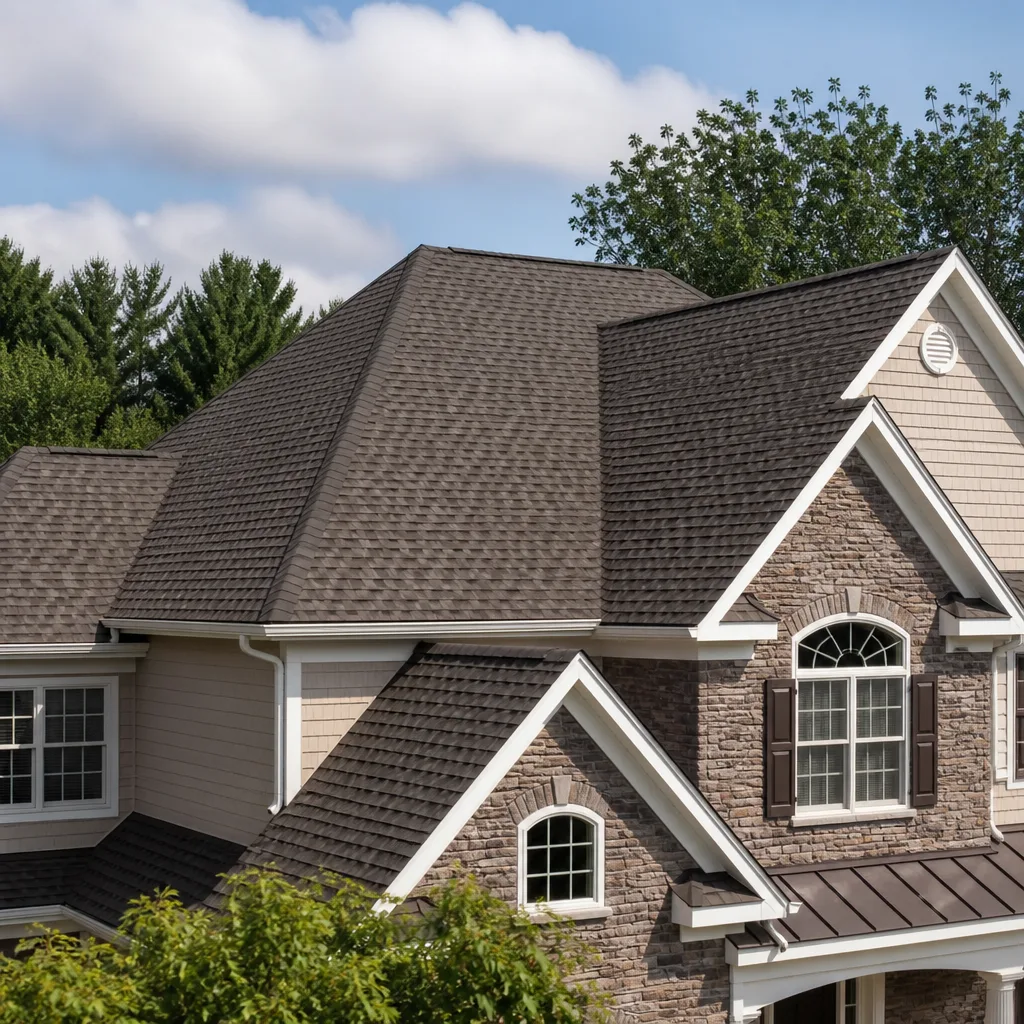
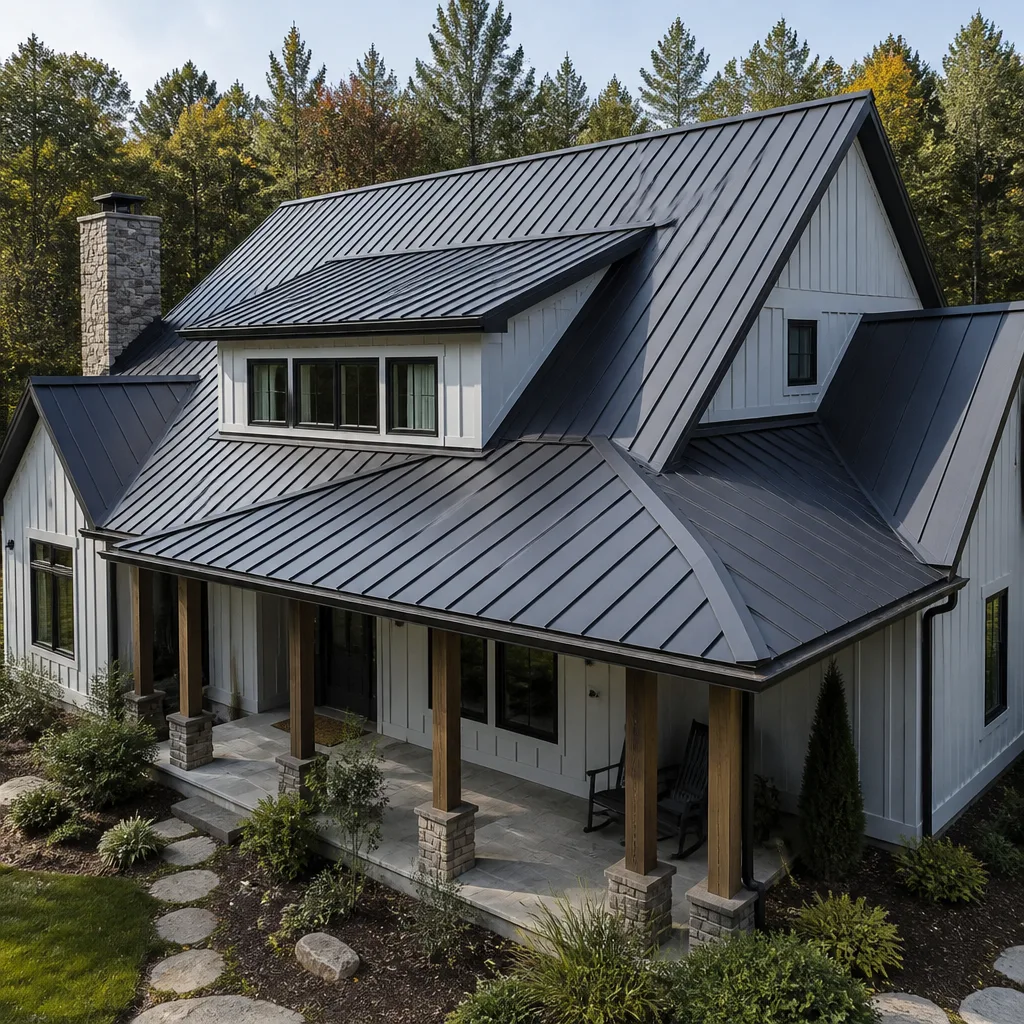
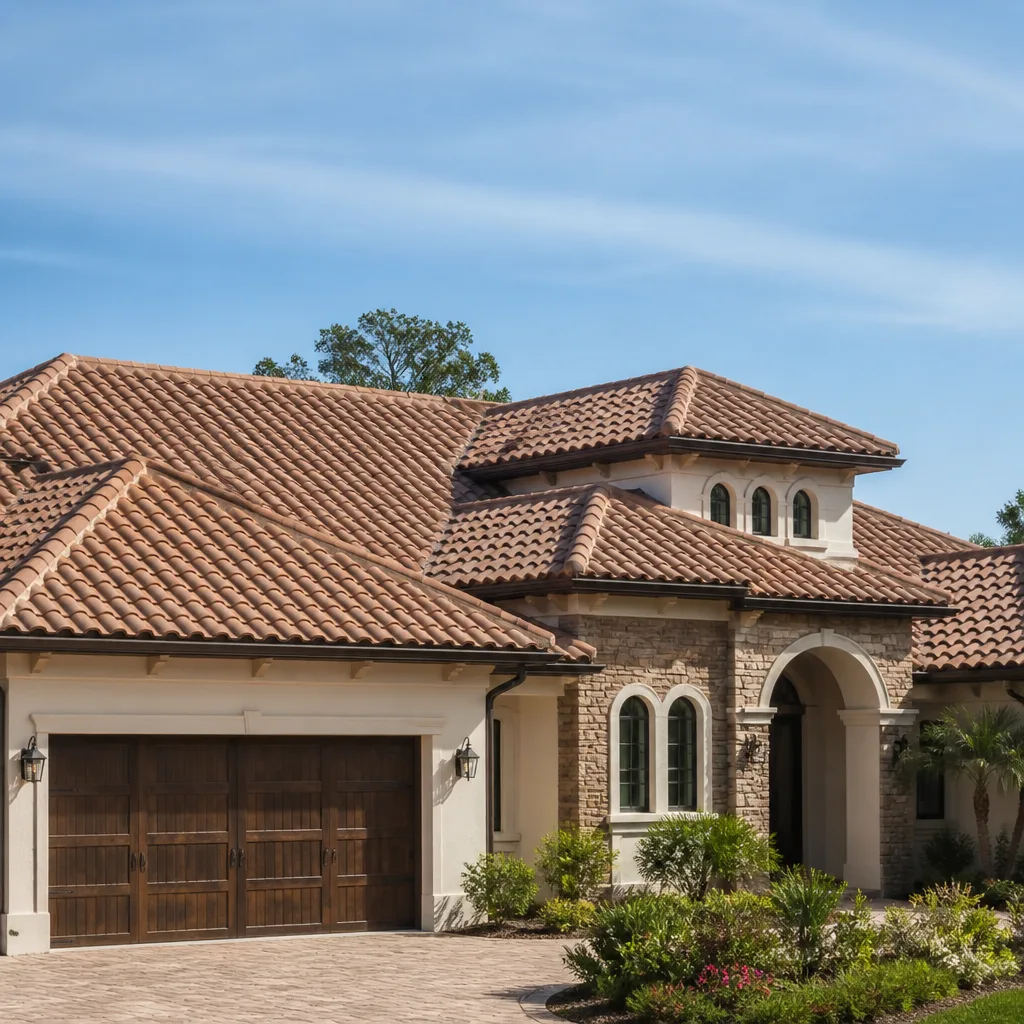
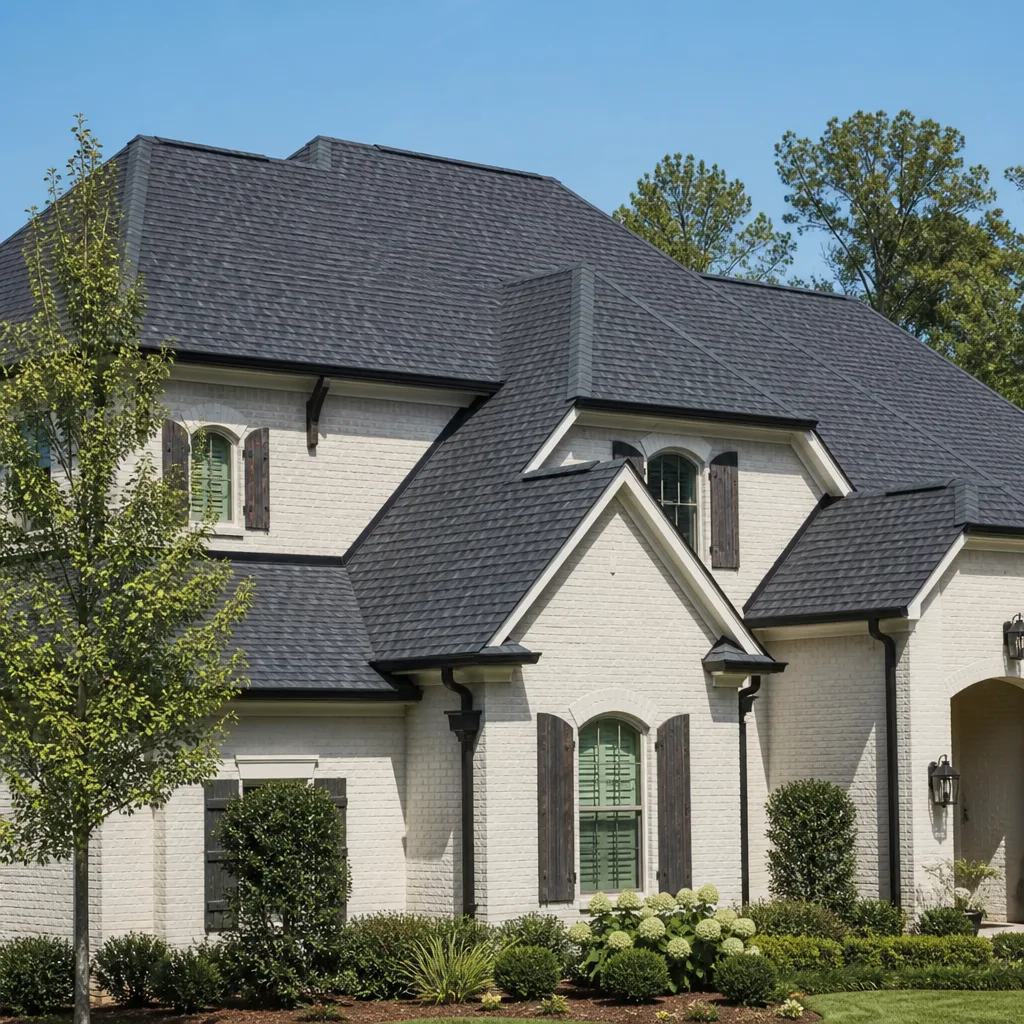
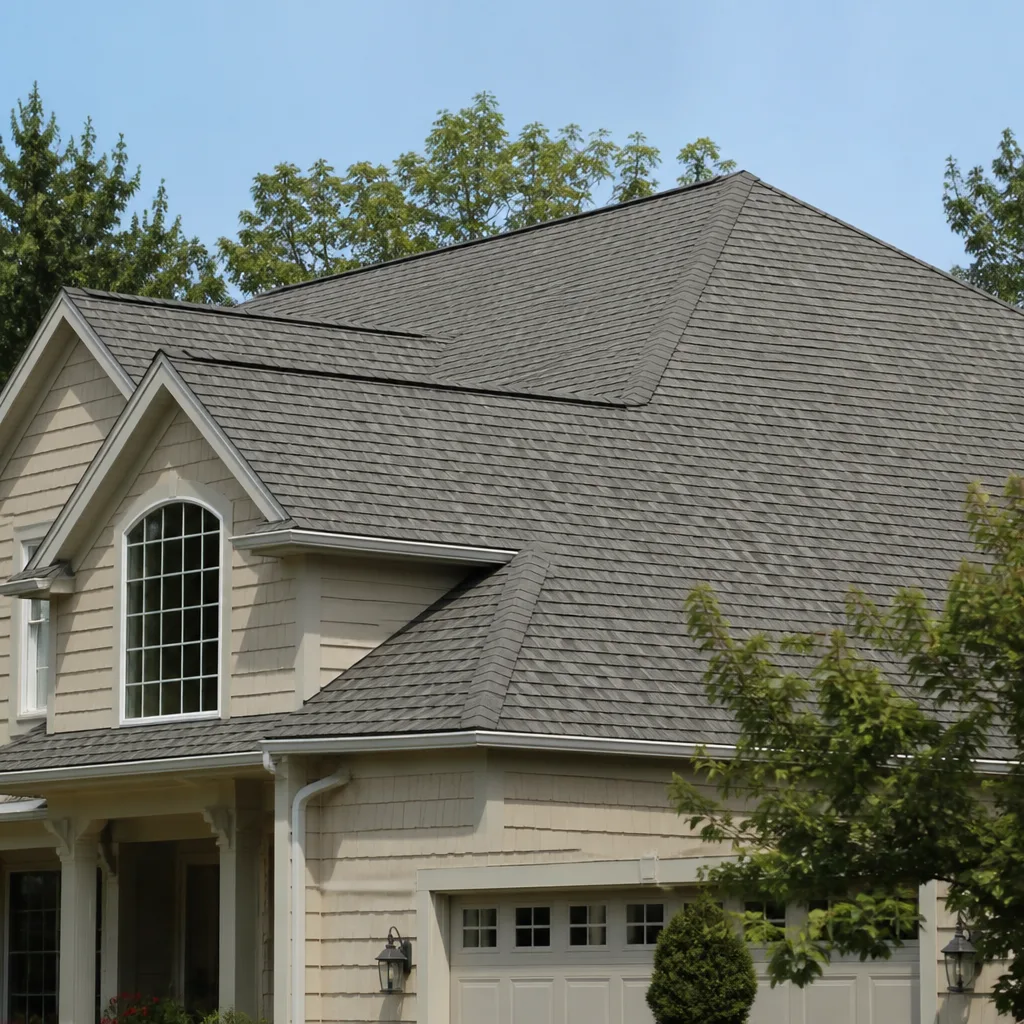
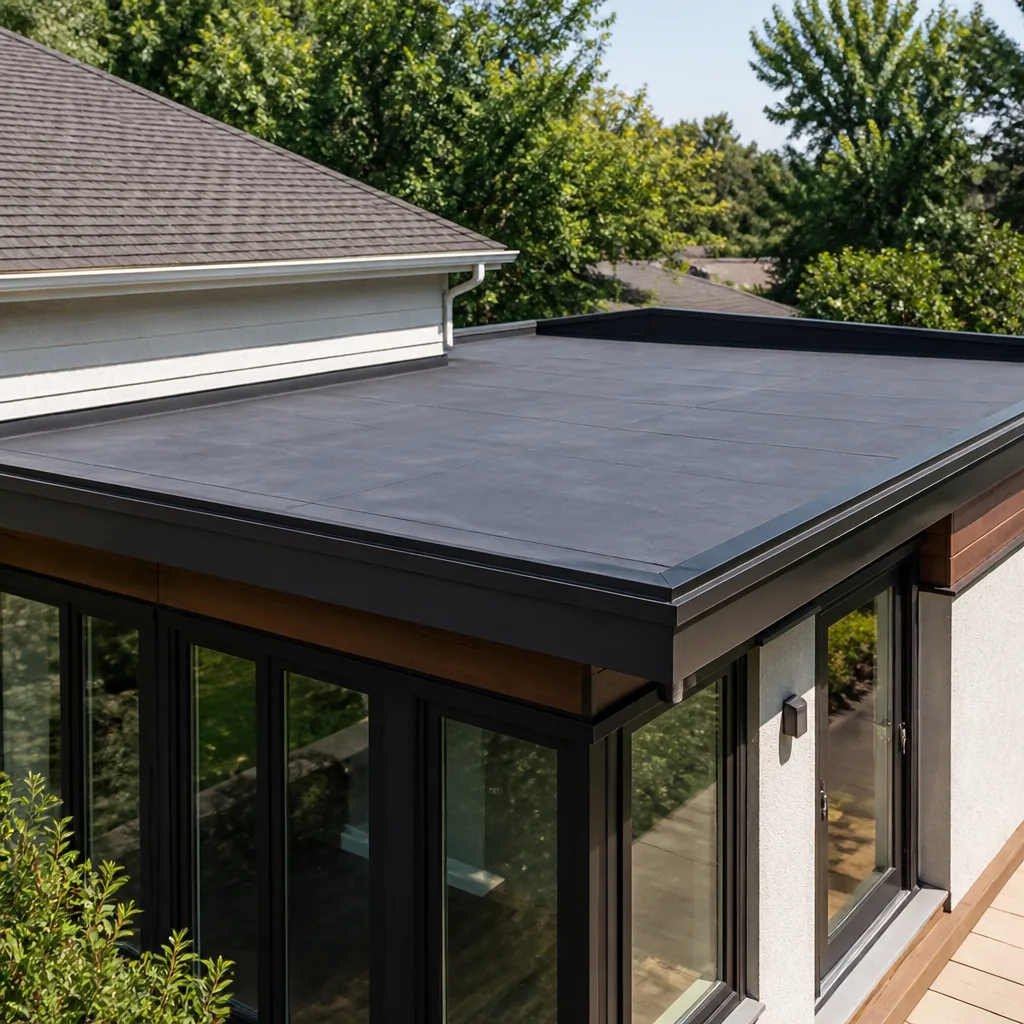
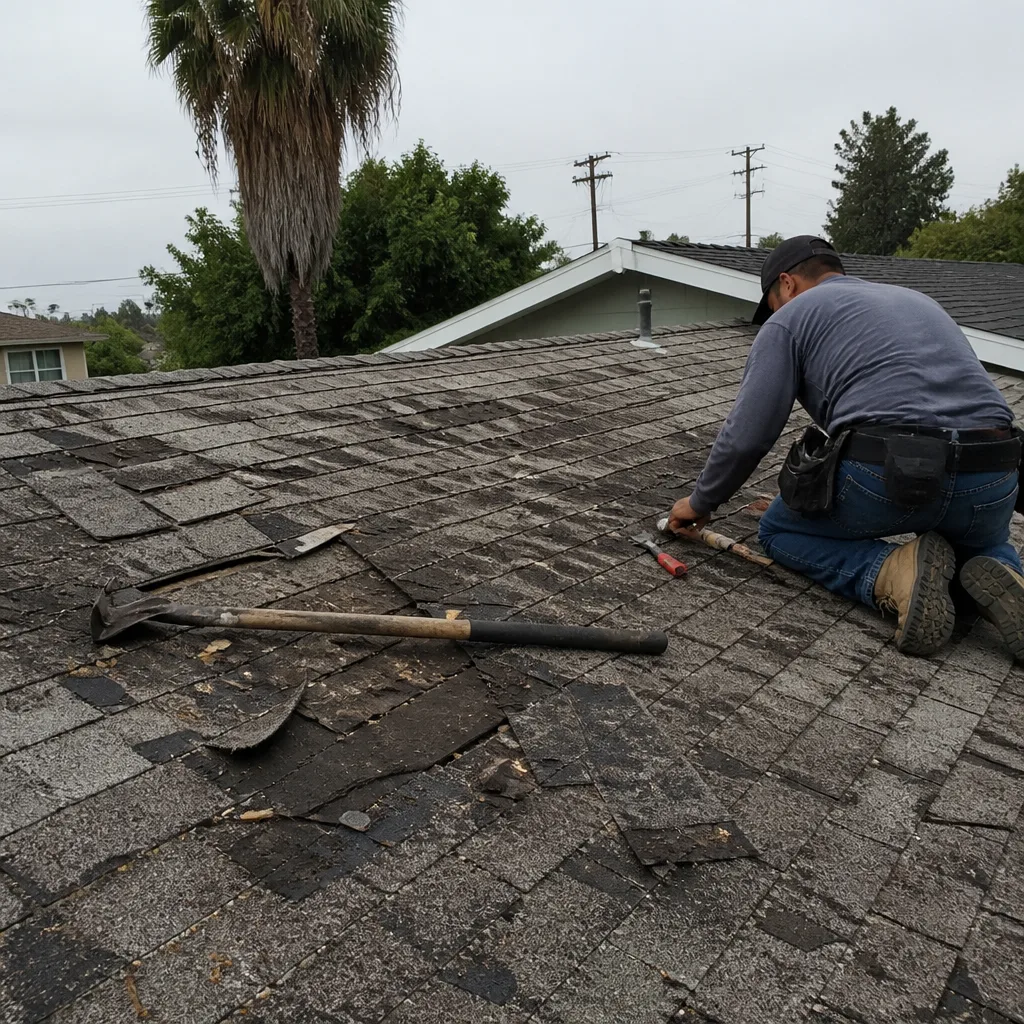 Before
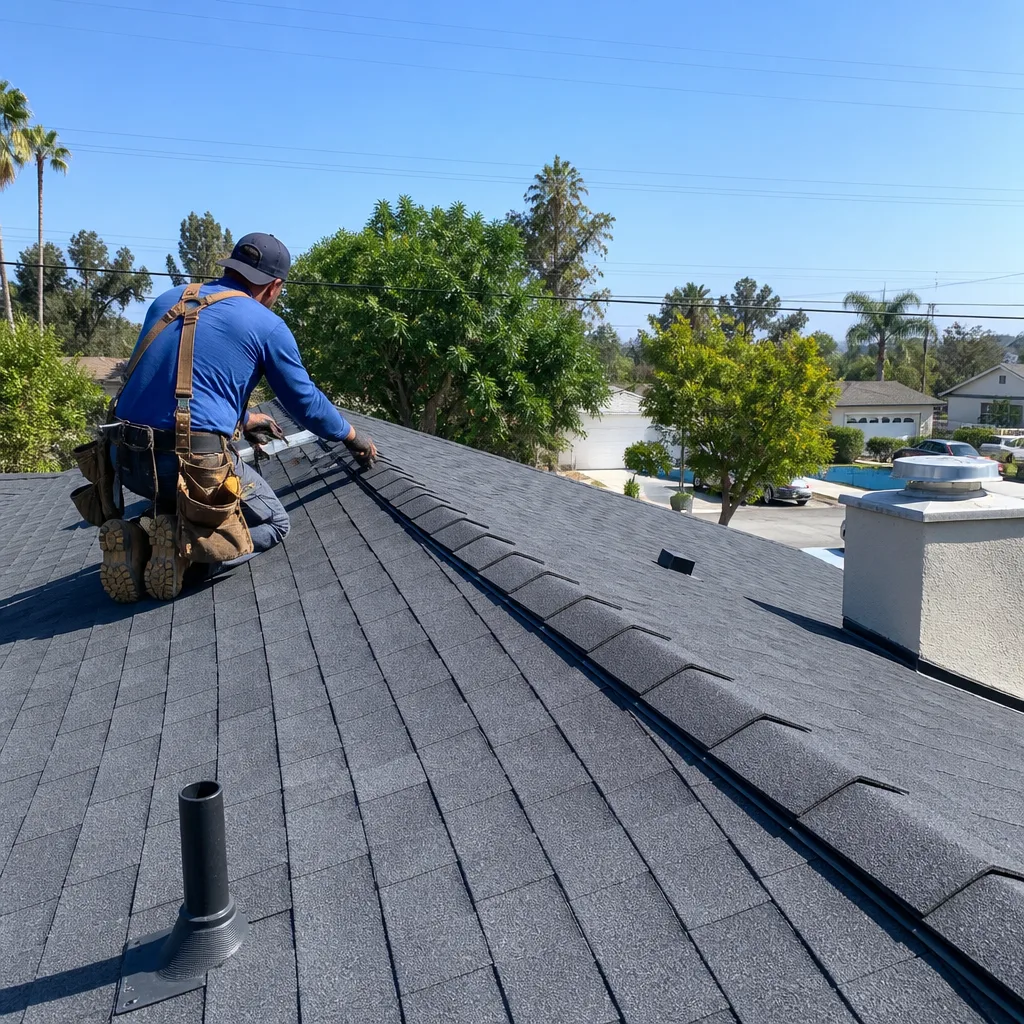 After
After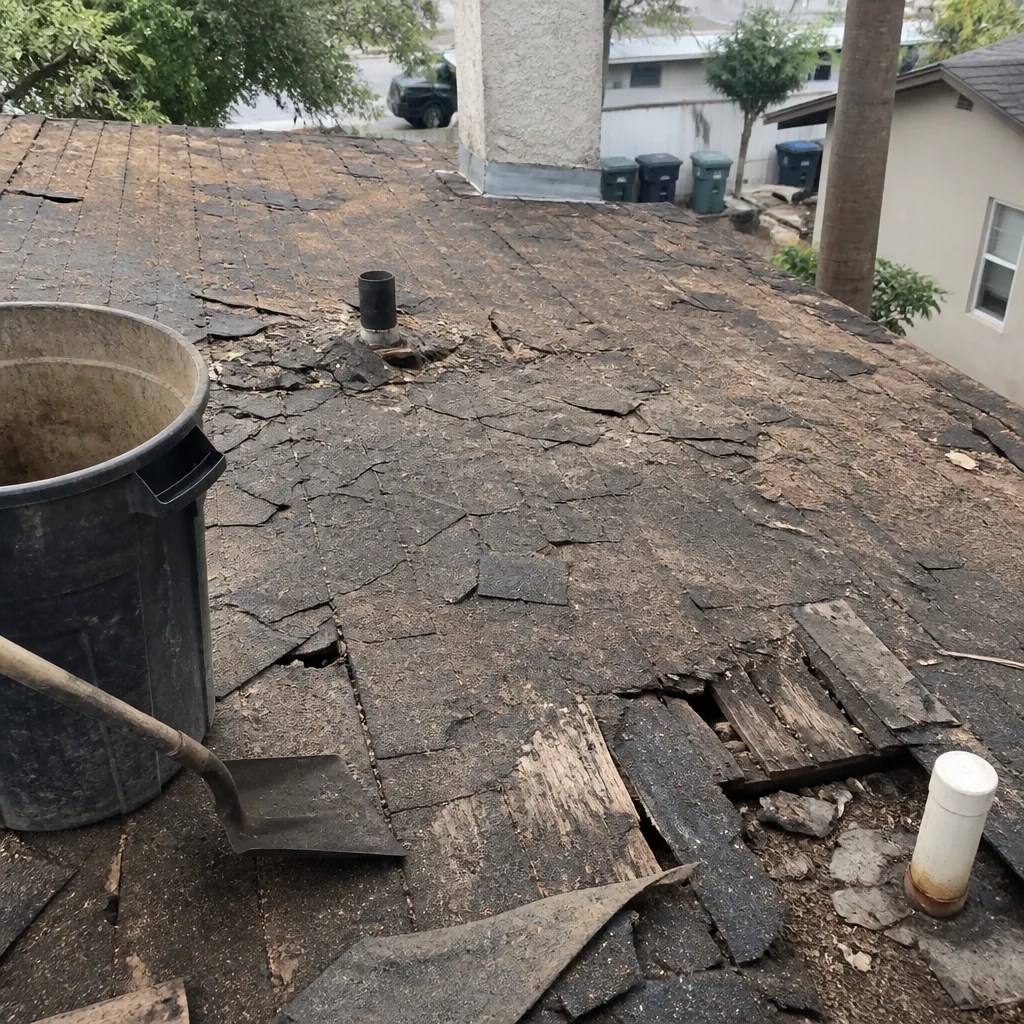 Before
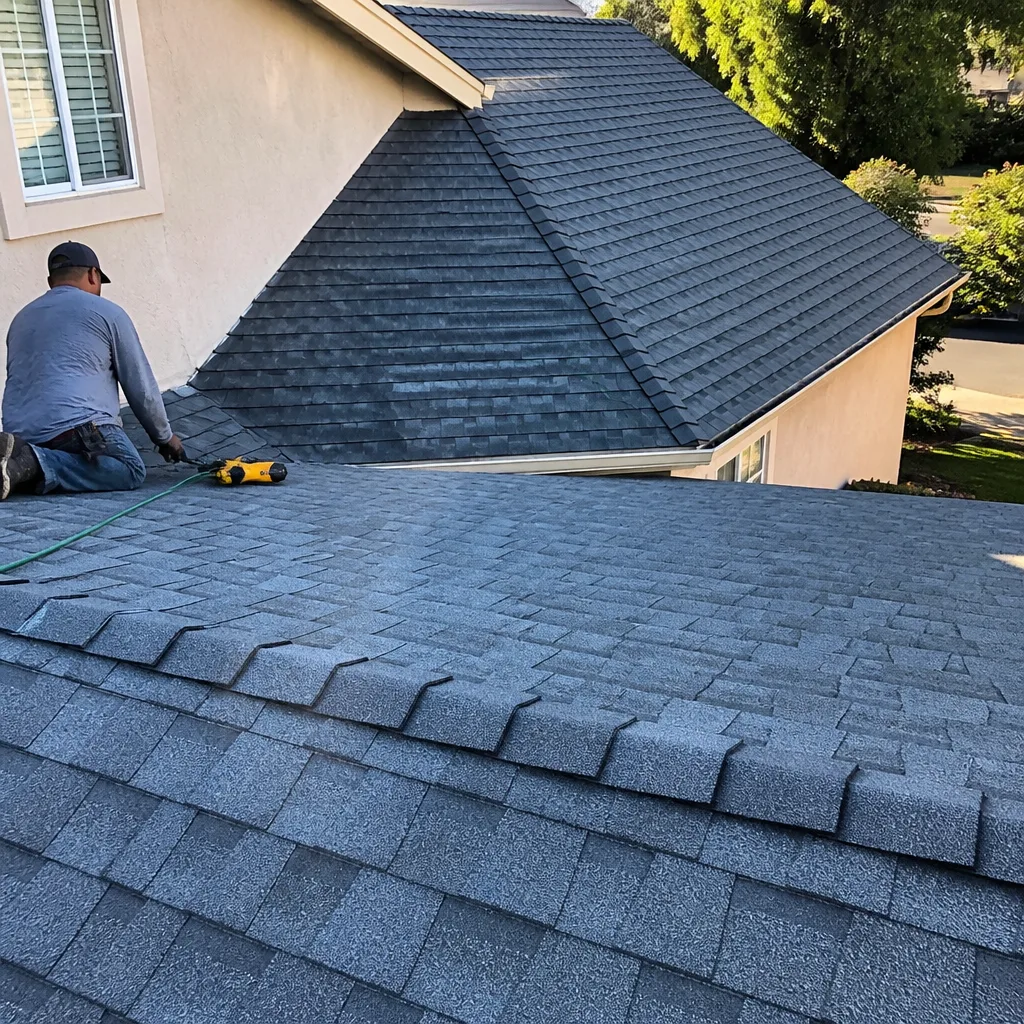 After
After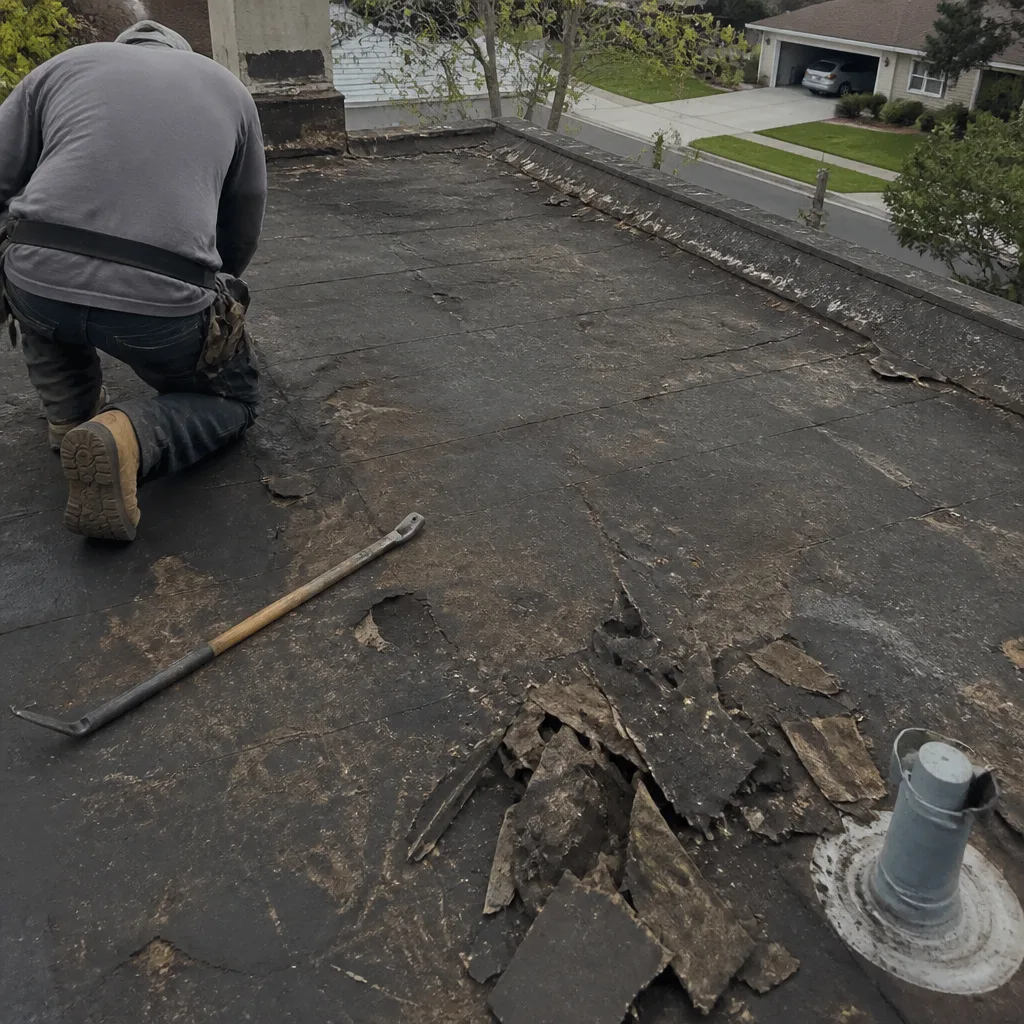 Before
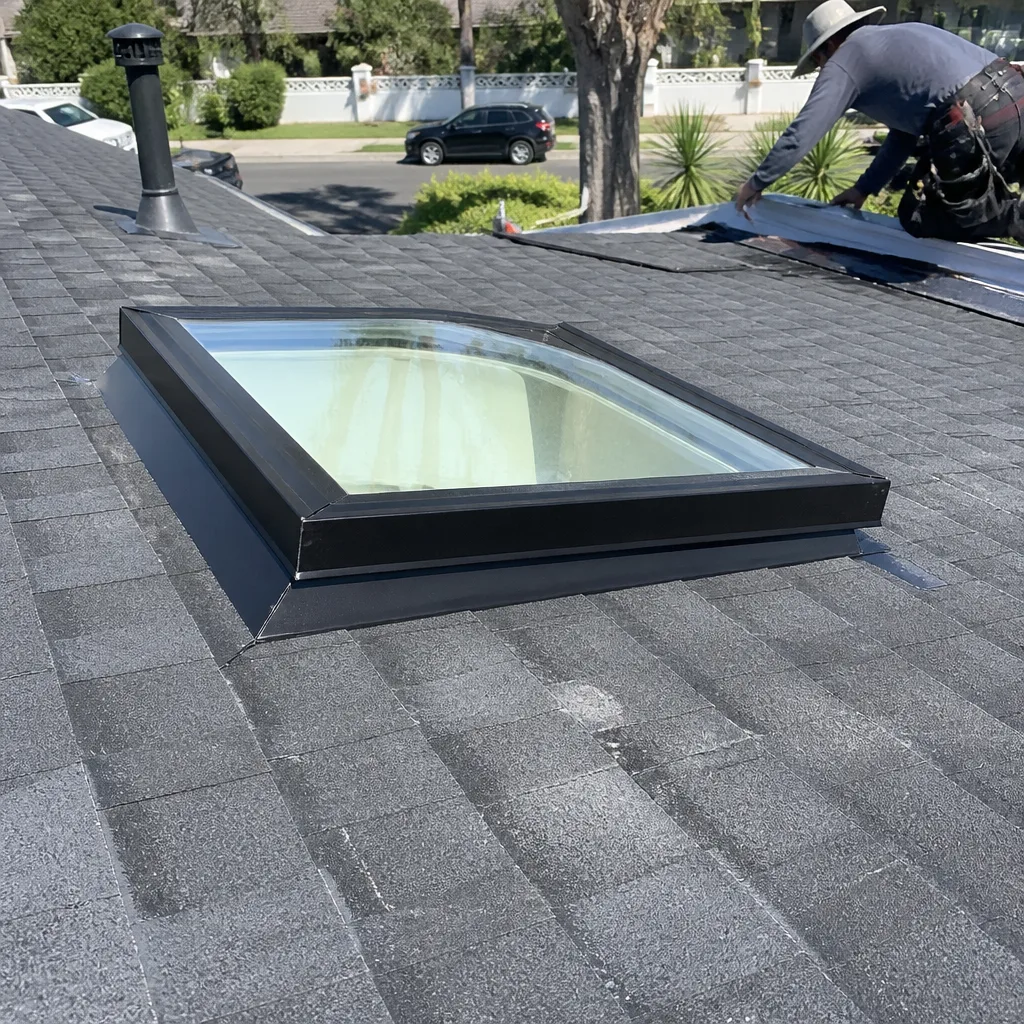 After
AfterSeasonal Roofing Care for Los Angeles: Year-Round Homeowner’s Guide
The costliest roof repairs in Los Angeles happen in February - not because the rain is worst then, but because homeowners spent the dry months ignoring the small failures that a single storm turns into a ceiling stain and a mold invoice. In our experience across the Kingswell family of roofing companies, LA’s Mediterranean climate lulls people into thinking their roof faces no real threats. That’s a costly mistake. This guide - alongside our Complete Guide to Roofing in Los Angeles - reframes your maintenance calendar around the four actual risk windows that matter here: pre-storm readiness, post-storm assessment, fire-season prep, and UV recovery. You’ll learn what to check, when to check it, and what belongs in a professional’s hands.
Quick Answer
Seasonal roofing care in Los Angeles means four focused maintenance windows: September Santa Ana wind prep, October-November pre-rain inspection, December-March post-storm checks, and May-September UV and thermal damage monitoring. Most asphalt-shingle repairs in Los Angeles run $280-$650, while tile reset and seal work typically falls between $180-$420. A simple annual roof log with dated photos protects your warranty and resale value.
Table of Contents
- Why Los Angeles Needs Seasonal Roof Care (Despite the Mild Climate)
- September: The Santa Ana Window - Wind Prep That Saves Thousands
- October-November: The Pre-Rain Walkthrough - Five Signs Your Roof Will Leak
- December-March: Post-Storm Assessment - Ground Check vs. Professional Inspection
- May-September: UV Recovery - Catching Thermal Damage Before It Reaches the Deck
- How to Build an Annual Roof Log That Protects Your Investment
- Common Mistakes to Avoid
- When to Call a Professional
- Frequently Asked Questions
- The Bottom Line
Why Los Angeles Needs Seasonal Roof Care (Despite the Mild Climate)
Los Angeles averages just 35 rainy days per year. That number tricks homeowners into treating their roof like background architecture instead of active protection. The reality is more complex. Our climate subjects roofing materials to rapid thermal cycling - 40°F swings in a single day are routine in the San Fernando Valley - plus intense UV exposure, salt-laden marine air in coastal neighborhoods, and sudden wind events that can exceed 80 mph during Santa Ana conditions.
These stressors don’t announce themselves. A ridge cap loosens in September. October’s dry heat finishes the sealant. November’s first rain finds the gap, and by February you’ve got saturated decking, compromised insulation, and a repair bill that starts at four figures - exactly why our Complete Roof Repair Guide for Los Angeles Homeowners emphasizes catching issues early.
We’ve seen this pattern repeat across Los Angeles, from Pacific Palisades to Pasadena. The homeowners who avoid February surprises are the ones who stopped waiting for dramatic weather cues and started treating roof maintenance as a calendar discipline.
The Kingswell Way applies here: we say the price before the work, show up in the window we gave, and put every guarantee in writing. That starts with knowing what your roof actually needs and when.
September: The Santa Ana Window - Wind Prep That Saves Thousands
The Santa Ana winds typically arrive in September and can persist into November. In Los Angeles, these aren’t gentle breezes. Sustained winds of 25-45 mph with gusts to 80+ mph create uplift forces that exploit every marginal seal, loose tile, and lifted shingle tab on your roof. Insurance data from the region shows wind-related claims spike in October, but the damage almost always starts with conditions present weeks earlier.
Three tasks, one afternoon. Here’s what to check:
- Walk the perimeter and look up at ridge caps and hip lines. These are the highest, most exposed elements. Any cap that’s shifted, cracked, or missing mortar (on tile) is a wind-catch waiting to become a wind-loss. In the Valley, we’ve seen single missing ridge caps lead to sequential failures across ten feet of roofline once the wind gets purchase.
- Inspect flashing at all vertical transitions. Chimneys, skylights, dormers - anywhere the roof plane meets a wall. Santa Ana winds drive debris and grit under lifted flashing edges, then the first rain wicks through. Look for gaps, lifted corners, or sealant that’s gone chalky and hard. Quality flashing work from manufacturers like Boral or GAF includes specific wind-uplift ratings; if your flashing was installed without attention to those specs, it’s vulnerable.
- Check perimeter seals and drip edges. The eaves and rakes are where wind pressure concentrates. Loose drip edge, deteriorated sealant at the fascia, or gaps in the starter course of shingles all provide entry points. In coastal Los Angeles neighborhoods like Venice or San Pedro, salt corrosion accelerates metal edge deterioration - factor that in.
If you find issues, address them before the wind arrives. A ridge cap reset runs $120-$280 per linear foot in the Los Angeles market. Flashing repair typically falls between $180-$450 depending on accessibility. Compare that to the $2,000-$5,000 cost of interior water damage remediation plus decking replacement.
Material matters here. We specify Atlas, Tamko, Boral, or GAF products - the brands we detail in Choosing the Right Roofing Brand: A Buyer’s Guide for Los Angeles - for wind-prone applications because each publishes specific uplift resistance data for our region’s building codes. Generic or off-brand materials often lack that documentation, which becomes relevant if you ever need to file an insurance claim.
October-November: The Pre-Rain Walkthrough - Five Signs Your Roof Will Leak
Los Angeles receives 80% of its annual rainfall between December and March. The October-November window is your last opportunity for preventive action. These five visible indicators, checked from the ground or a sturdy ladder, predict leaks with high reliability:
- Granule accumulation in gutters or at downspout outlets. Asphalt shingles shed granules as they age; heavy accumulation means the protective surface is thinning. In Los Angeles, UV exposure accelerates this. Once the granule layer is compromised, the asphalt substrate deteriorates rapidly. We replace shingles when granule loss exposes the underlying mat.
- Curling, clawing, or cupping shingle edges. These distortion patterns indicate the shingle is past its effective service life or was installed with inadequate attic ventilation. In the Valley’s heat, poorly ventilated roofs can see shingle life reduced by 30-40%. Curling edges lift in wind and create capillary paths for water.
- Cracked or broken tile, especially along hips and valleys. Clay and concrete tile roofs dominate Los Angeles architecture, and they’re durable - but they’re not maintenance-free. Cracked tiles expose the underlayment, which has its own finite lifespan. One broken tile over deteriorated felt paper equals a leak.
- Sagging or stained soffit panels. This indicates active or recent water intrusion at the eaves. The stain location usually points to the entry point upstream. In Los Angeles, we see this frequently where original wood soffits have been covered with vinyl or aluminum without addressing underlying ventilation issues.
- Daylight visible through the roof deck from inside the attic. This is the most definitive sign. If you can see light, water can follow. Check during full daylight with the attic lights off. Note the location with a photo for your roof log.
Most asphalt-shingle repairs in Los Angeles run $280-$650 depending on extent and access. Tile reset and underlayment patching typically falls between $180-$420. Full section replacement, where multiple adjacent tiles or shingles have failed, starts around $800-$1,400.
At Roof Repair in Los Angeles, we provide written prices before any work starts, and every repair carries our written guarantee. If a repair fails inside the guarantee period, we return at no charge under the 365-Day Done Right Promise.
December-March: Post-Storm Assessment - Ground Check vs. Professional Inspection
After each significant rain event in Los Angeles - meaning anything over 0.5 inches in 24 hours, or consecutive days of lighter rain - your roof needs attention. The question is what you can safely assess yourself versus what requires professional evaluation.
Safe ground-level checks:
- Walk the property perimeter and look for new shingle fragments, tile pieces, or granule deposits on walkways and in planting beds.
- Check gutters for overflow, separation from fascia, or new sagging. Overflow during rain often indicates blockage; overflow after rain may indicate improper slope or hidden damage.
- Inspect ceiling surfaces and wall tops in all rooms, especially those beneath roof valleys and penetrations. Water stains may appear days after the actual intrusion as moisture migrates through insulation.
- Look at exterior walls for new staining or efflorescence, particularly below eaves. This can indicate diverted water from damaged edge metal.
Leave these to professionals:
- Any roof surface inspection requiring ladder work in wet or windy conditions. Los Angeles sees surprisingly frequent ladder falls during post-storm “quick checks.”
- Attic inspection when electrical wiring is present near wet insulation. Water and energized circuits are a genuine hazard.
- Assessment of structural loading from accumulated water in flat or low-slope roof sections. These are common in mid-century modern homes across Los Angeles and can conceal significant water weight.
- Evaluation of skylight seals and flashing - the sealant compounds used here require specific temperature ranges for proper assessment, and improper handling can void manufacturer warranties from GAF, CertainTeed, or Owens Corning.
We recommend a professional inspection after any storm that produces visible interior evidence, or after the season’s third significant event, whichever comes first. For Roofing Company in Los Angeles homeowners, this timing balances thoroughness with cost - most seasonal inspections run $150-$300, while deferred damage routinely exceeds $3,000.
May-September: UV Recovery - Catching Thermal Damage Before It Reaches the Deck
Summer in Los Angeles is not your roof’s vacation. The San Fernando Valley regularly sees rooftop temperatures exceed 160°F, and even coastal neighborhoods experience sustained thermal stress. This creates a specific failure mode that many homeowners miss: thermal cycling degradation of sealants and underlayment.
Here’s the mechanism. Roof materials expand in heat and contract overnight. In Los Angeles, this cycle repeats 150+ times annually. Sealants - the compounds that waterproof nail penetrations, lap joints, and flashing intersections - gradually lose elasticity. Underlayment, the water-resistant barrier beneath your visible roofing, becomes brittle. The damage is invisible from the ground until it manifests as interior staining.
Specific checks for the UV season:
- Examine south- and west-facing slopes from the property line. These receive maximum sun exposure. Look for uniform color change (normal) versus patchy discoloration or visible substrate (failure indicator). On tile roofs, check for mortar degradation at ridge and hip lines - the heat accelerates curing and cracking.
- Check attic ventilation performance. On a 90°F day in Glendale or Burbank, your attic should not exceed 120°F. Higher temperatures indicate inadequate intake or exhaust ventilation, which compounds thermal cycling damage. We specify Tamko and Atlas products with enhanced UV stabilizers for high-exposure applications, but even premium materials fail prematurely without proper airflow.
- Inspect sealant at all penetrations. Plumbing vents, HVAC curbs, satellite mounts - these rely on flexible sealant that hardens over time. In Los Angeles, five years is a typical service life for exposed sealant. Replacement with compatible products from your original manufacturer preserves warranty coverage.
The Valley effect is real. We’ve documented sealant failure rates 40% higher in Northridge and Van Nuys versus Santa Monica for the same roof age and material. If your home sits inland from the 405, tighten your inspection interval by one year.
For homes approaching 20-25 years of service, summer is also the optimal planning window for Roof Replacement in Los Angeles. Material ordering and crew scheduling are more predictable, and you’ll enter the next rain season with full protection. A full asphalt-shingle replacement in Los Angeles typically ranges $8,500-$16,000 depending on pitch, access, and material selection from our seven manufacturer options.
How to Build an Annual Roof Log That Protects Your Investment
A roof log is simply dated documentation of your roof’s condition and any work performed. In Los Angeles, this serves two purposes: warranty protection and resale value documentation. California’s disclosure requirements for home sales are strict, and a maintained roof log demonstrates proactive care that buyers value.
Your log needs four elements:
- Annual dated photos. Shoot from consistent locations: all four elevations, plus any specific concern areas. Include a timestamp. Store in cloud backup, not just on your phone.
- Weather event notes. Record significant rain, wind, or heat events and any visible roof response. “March 15: 1.2 inches rain, no interior evidence observed” is a useful entry.
- Professional inspection reports. Keep copies of all contractor documentation, including the written price quote, scope of work, and guarantee paperwork. The Kingswell Way requires written guarantees on every repair; your log should contain these.
- Material specifications. Note manufacturer, product line, and installation date. If you ever need warranty service from Boral, GAF, or another manufacturer, this information is required.
For Los Angeles homeowners, we recommend creating the log in September, before Santa Ana season. Update it after any professional service, and review it before listing your home for sale. A complete log can add measurable value in negotiations; we’ve seen buyers waive inspection contingencies when documentation is thorough.
Common Mistakes to Avoid
- Waiting for visible interior leaks. By the time water stains appear, decking damage is usually established. In Los Angeles’s dry climate, hidden moisture can persist for months, supporting mold growth before you ever see a stain.
- Pressure-washing tile or shingle roofs. This strips protective surfaces and forces water under materials. Even “soft wash” systems cause damage. If your roof needs cleaning, hire a specialist who uses manufacturer-approved methods.
- Ignoring valley debris. Los Angeles’s combination of dry summers and occasional heavy rain means valleys accumulate dust, leaves, and granules that form impermeable dams. Check and clear valleys twice yearly.
- Using incompatible sealants for touch-ups. The sealant that works on Boral tile may degrade GAF shingle components. Always match products to manufacturer specifications, or hire a professional who carries the full range.
- Skipping attic inspection because “it’s fine.” Attics in Los Angeles homes often have limited access, but they’re where early failure evidence appears. A flashlight inspection takes ten minutes and reveals issues years before they reach living spaces.
- Assuming a 30-year shingle lasts 30 years in Valley conditions. Actual service life in high-UV, high-thermal-cycling environments often runs 18-22 years. Budget for earlier replacement and plan inspections accordingly.
- Failing to document who performed what work. Unlicensed or undocumented repairs complicate insurance claims and resale disclosures. Every Tilehurst Roofing job includes written documentation for exactly this reason.
When to Call a Professional
Some roofing situations in Los Angeles require trained assessment regardless of your comfort with ladders or home maintenance. Call a professional when you observe sagging roof planes, multiple missing or damaged tiles/shingles in one area, water stains that expand after rain, or any roof access that requires working near power lines. Steep pitches, tile roofs over two stories, and post-storm assessments with visible structural deformation all exceed safe homeowner scope.
Greg Holloway and the team at Tilehurst Roofing home provide free estimates throughout Los Angeles. A live person answers every call 24 hours a day, 7 days a week - including evenings and weekends. Call (945) 303-9821 to schedule your inspection. You’ll receive a written price before any work starts, and every repair is backed by our written guarantee and 365-Day Done Right Promise.
Frequently Asked Questions
Professional seasonal inspections in Los Angeles typically run $150-$300, while preventive repairs like sealant replacement, minor flashing work, or ridge cap reset usually fall between $180-$650 depending on scope and roof access. Call (945) 303-9821 for an exact quote - estimates are free.
We recommend professional inspection annually, with homeowner ground-level checks in September (pre-Santa Ana), November (pre-rain), and March (post-season). Homes in the San Fernando Valley or with south/west exposure benefit from an additional midsummer check for UV damage.
No. Tilehurst Roofing provides a written price before any work starts, every single time. If we discover concealed damage during repair, we document it, stop work, and present a revised scope with a new written price for your approval before proceeding. The original price is never exceeded without explicit agreement.
Yes, for all work requiring Los Angeles Department of Building and Safety permitting, which includes full replacements, structural repairs, and most decking work. We handle permit application, inspection scheduling, and final sign-off as part of our standard process. Permit costs are itemized in your written quote.
Most residential repairs - flashing work, tile replacement, sealant renewal - are completed in one working day. Larger scope repairs involving multiple areas or partial redecking may extend to two days. Full replacements typically require 3-5 days depending on size, pitch, and material selection from our seven manufacturer options.
Yes. A live person answers every call 24 hours a day, 7 days a week. For active leaks or wind damage during storm season, we prioritize temporary protection - tarping, sealing, debris removal - to prevent interior damage, then schedule permanent repair with a written price before work proceeds.
The Bottom Line
Los Angeles doesn’t give you dramatic seasonal cues, but it does give you predictable risk windows. Treat September as wind prep, October-November as leak prevention, December-March as damage control, and May-September as UV monitoring. Build a simple annual roof log. Address small failures before they become February emergencies. For more guides & resources on protecting your home, explore our blog. And when you need professional eyes on your roof, work with a company that answers the phone, arrives in the promised window, and puts every guarantee in writing before a single nail is driven.
Call (945) 303-9821 to schedule your free estimate. A live person is available now, and you’ll have a written price in hand before any work begins.
Written by Greg Holloway, Owner at Tilehurst Roofing, serving Los Angeles since 2000.