
Last updated October 8, 2026
Free roof inspection with deck photos before we talk money - GAF and Owens Corning certified installation
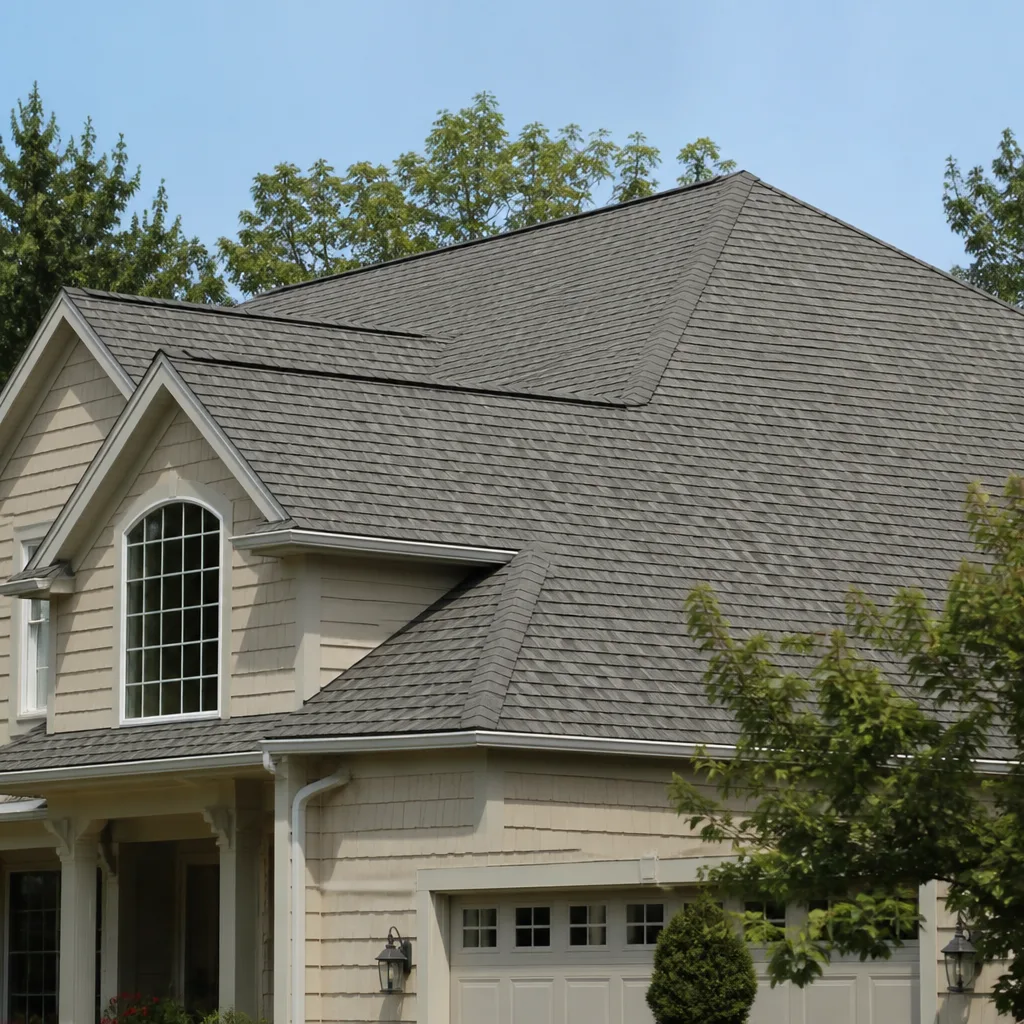
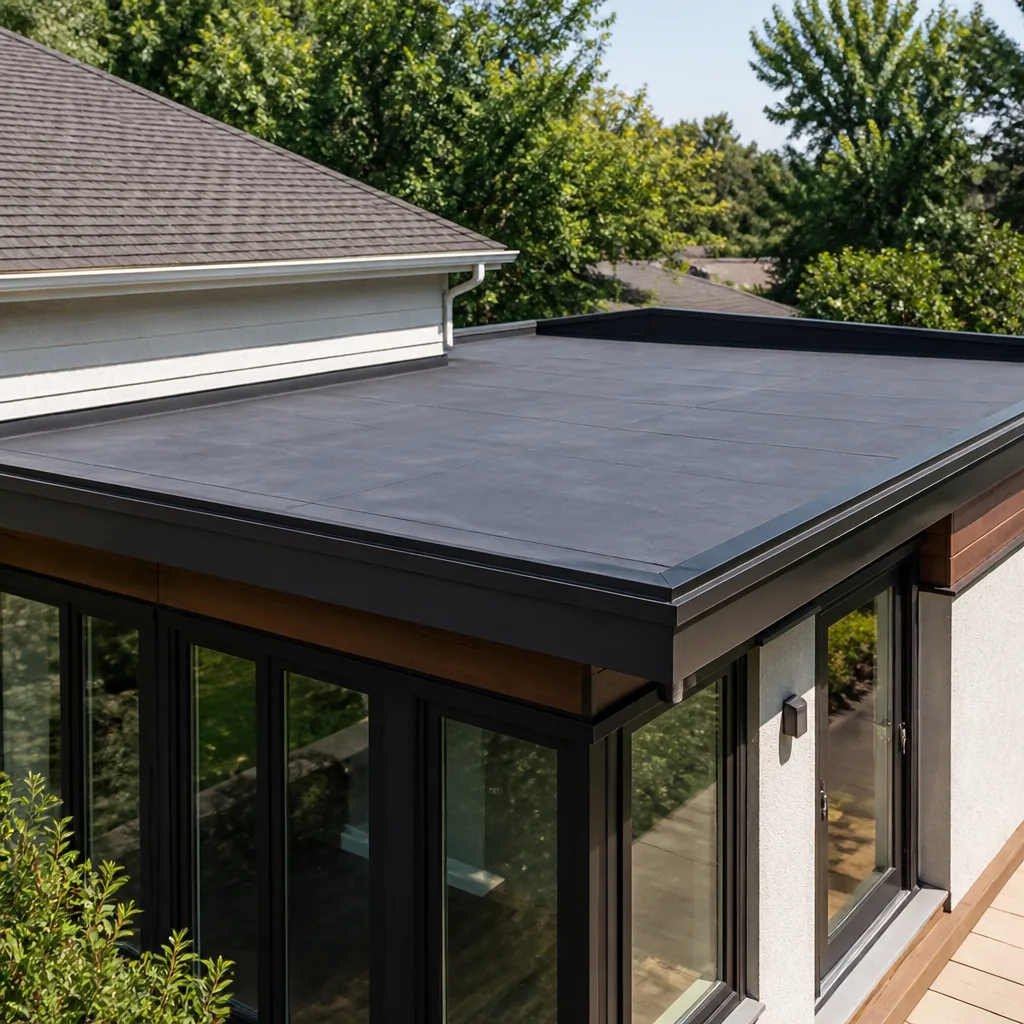
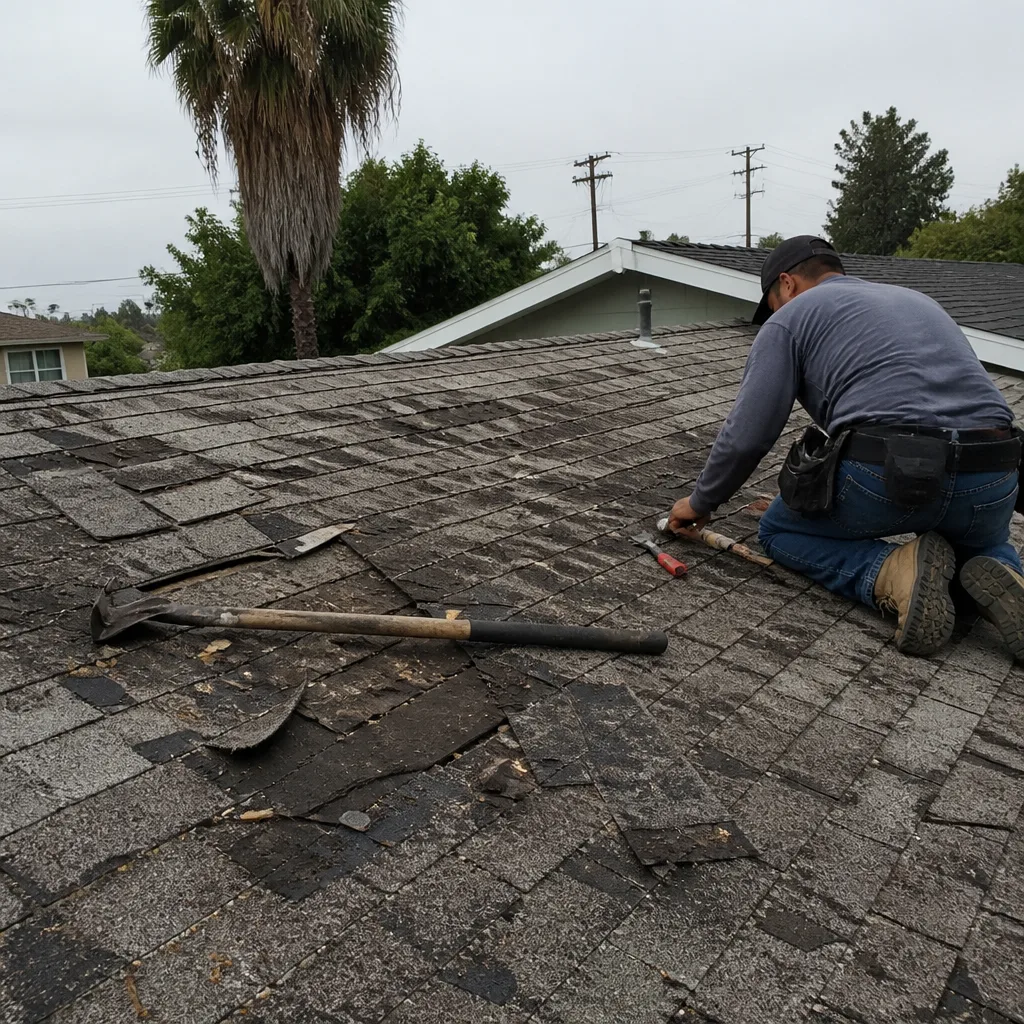 Before
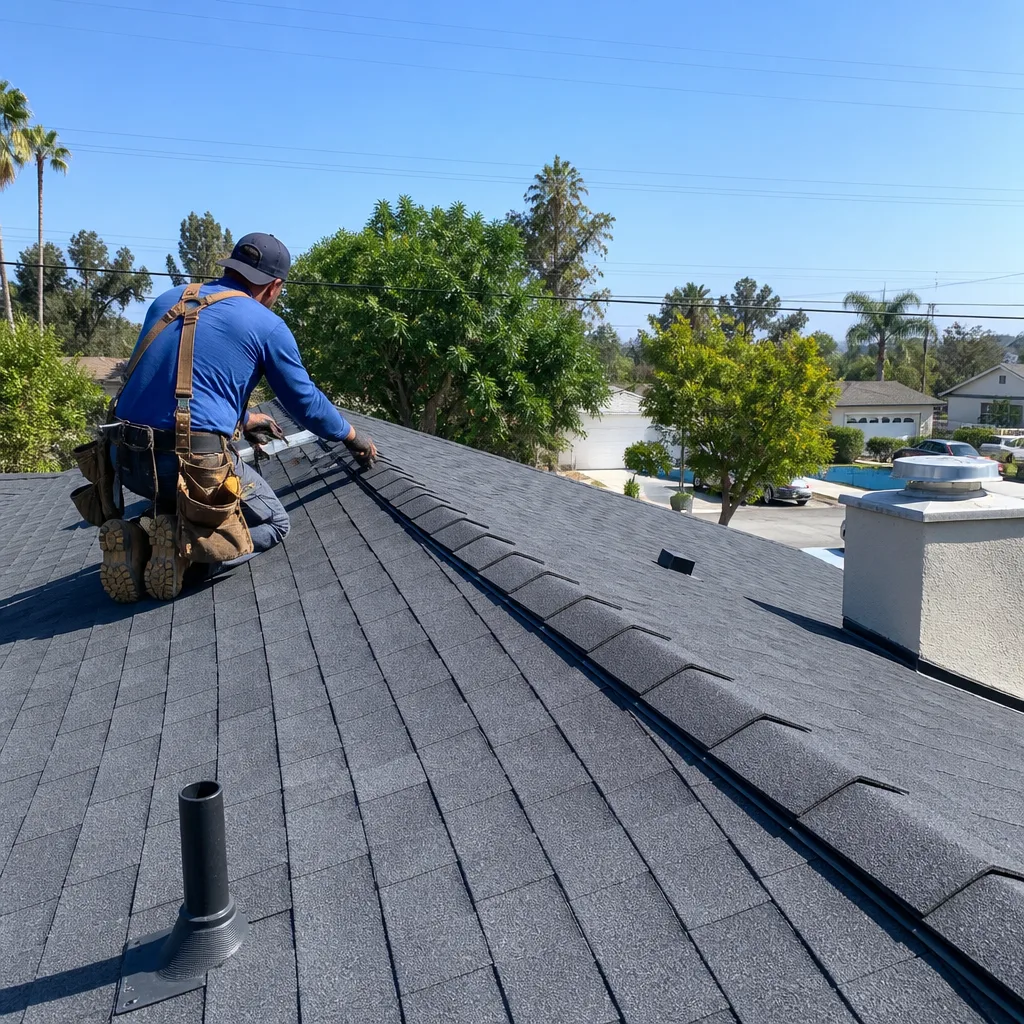 After
After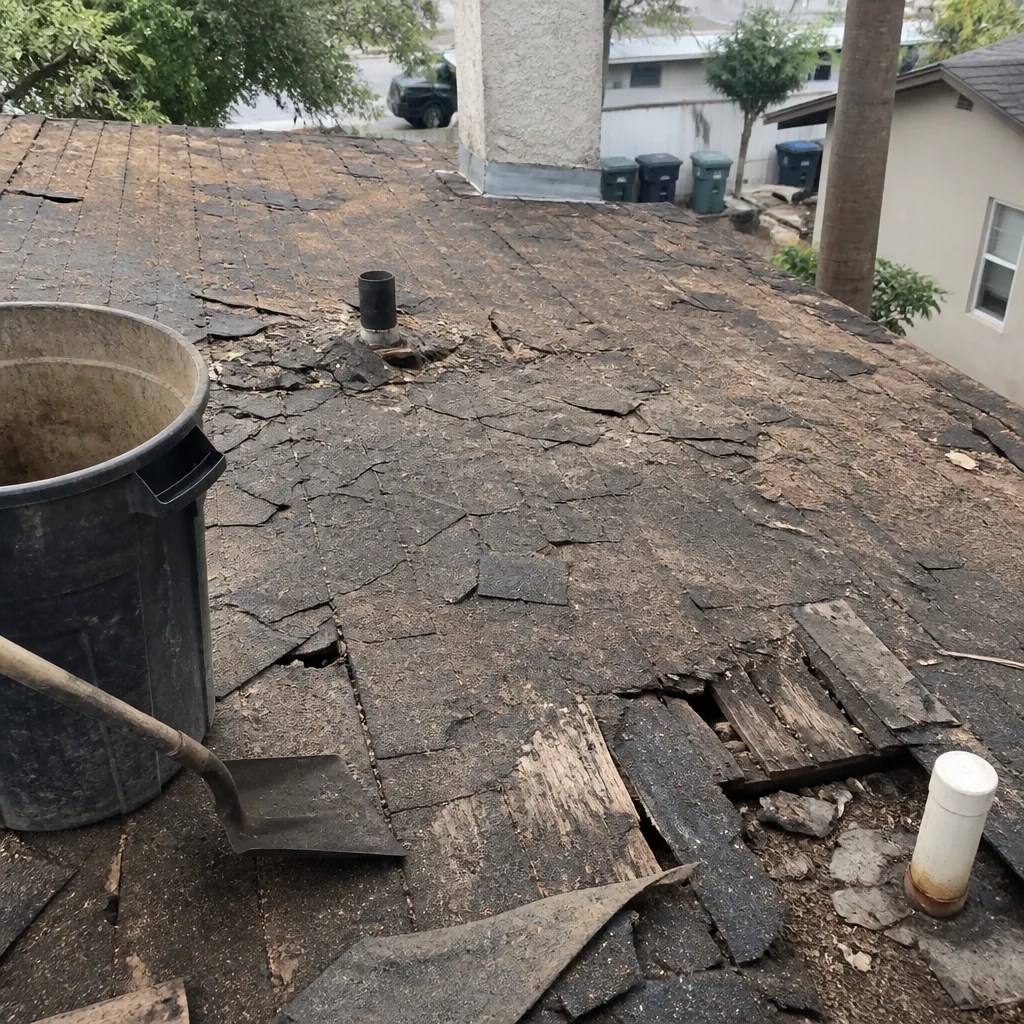 Before
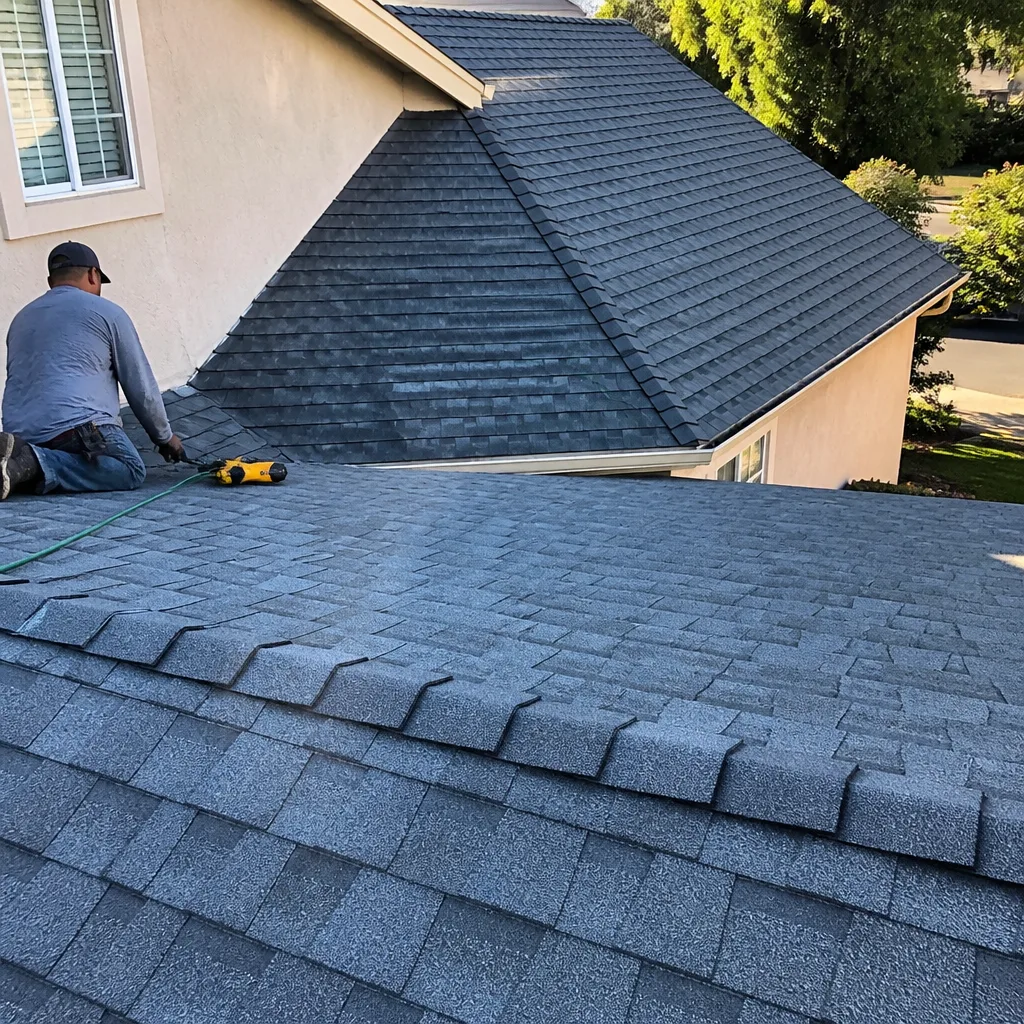 After
After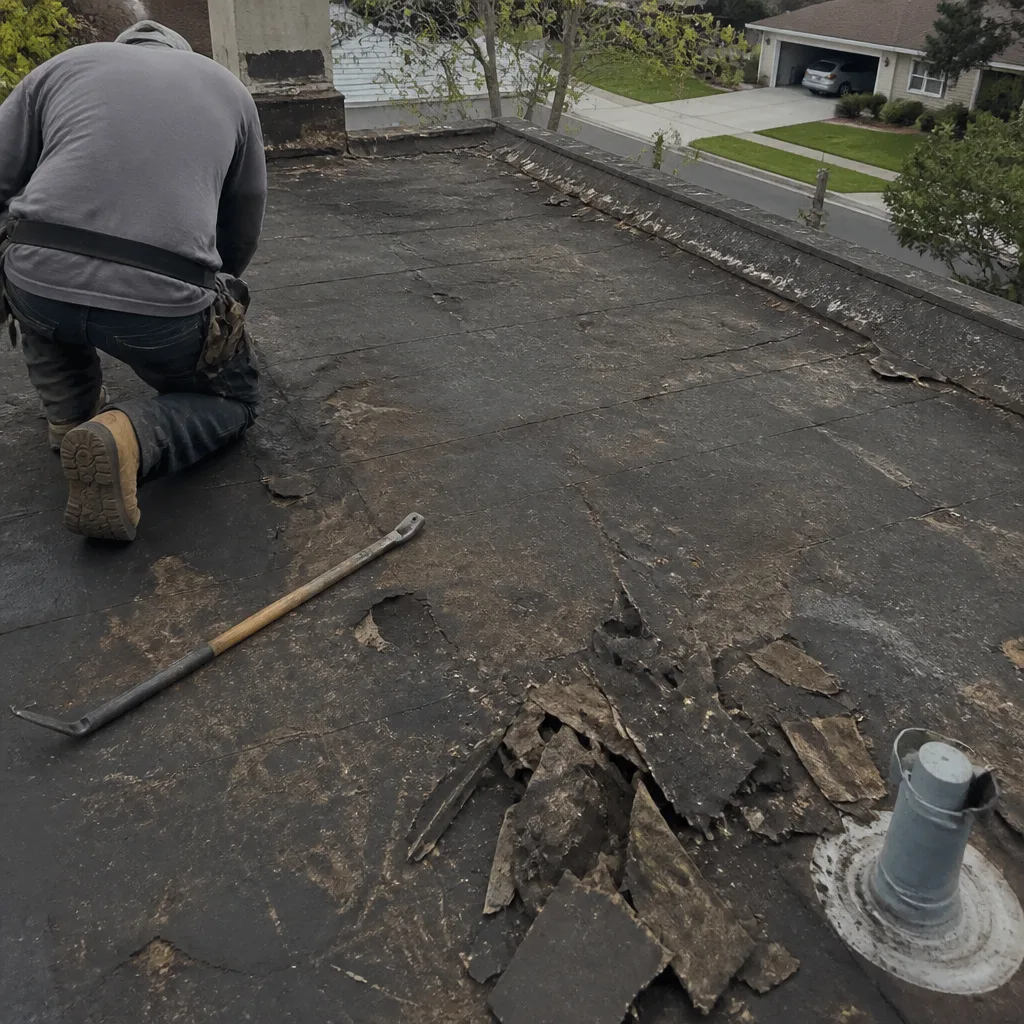 Before
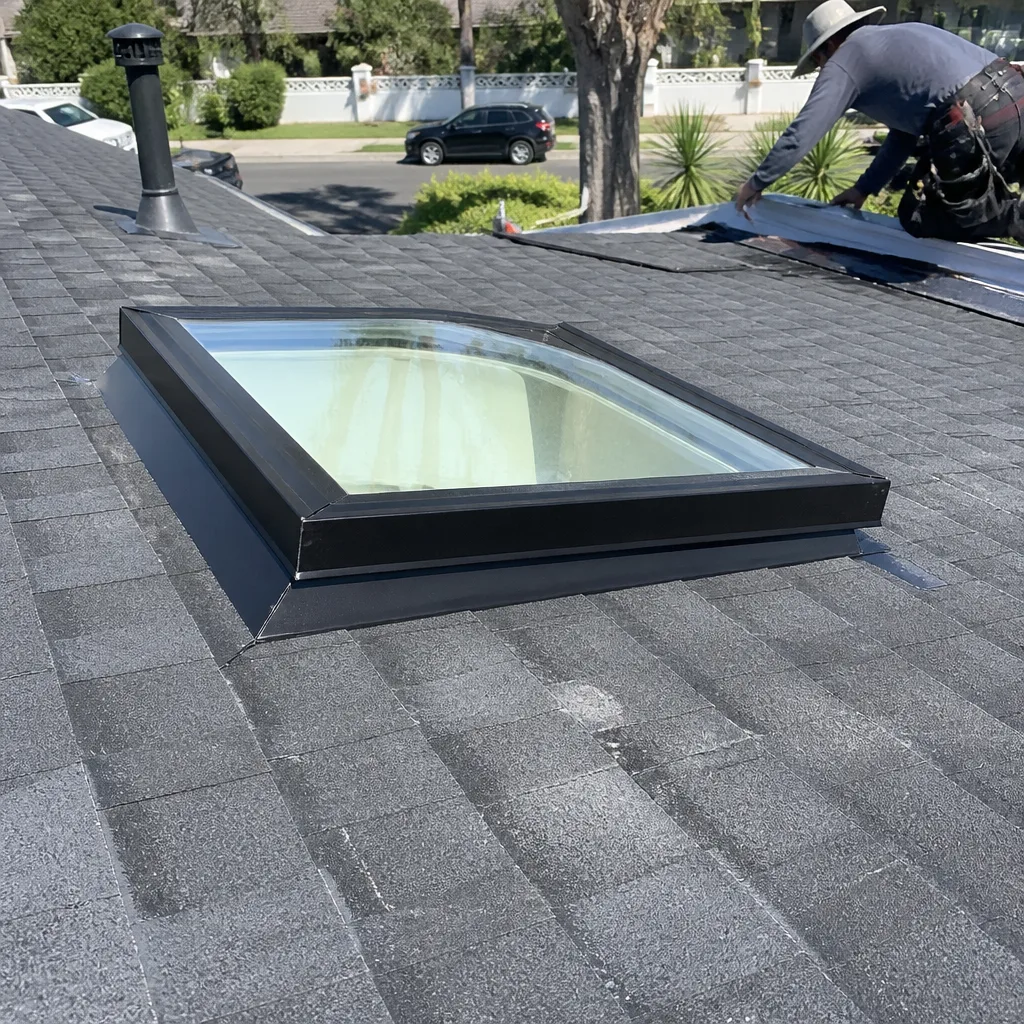 After
AfterRoofing Cost Breakdown: The Los Angeles Homeowner’s Reference for 2026
Last March, a homeowner in Silver Lake showed us three bids for the same 2,400-square-foot composition shingle roof. The lowest came in at $14,200. The highest hit $22,800. Same house, same materials on paper, same permit jurisdiction. The $8,600 gap wasn’t profit padding or a “luxury tax.” One contractor included full decking replacement, haul-away fees, and LADBS permit costs in the base price. The other left all three as “allowances” that ballooned the final invoice by 40%. In Los Angeles, where hillside access, seismic code requirements, and strict disposal rules add layers most guides ignore, understanding what’s actually inside your bid matters more than chasing the bottom line. Our Roofing Warning Signs: A Los Angeles Homeowner’s Reference Guide can help you spot trouble before it escalates. This guide breaks down every major cost driver so you can read a roofing quote like a professional and compare bids on equal footing.
Quick Answer
A complete roof replacement on a typical Los Angeles home runs $6.50 to $14.00 per square foot depending on material, access difficulty, and whether decking needs replacement. Most asphalt shingle re-roofs fall between $18,000 and $32,000 for a 2,000-square-foot home, while clay or concrete tile roofs on the same footprint range from $28,000 to $55,000. The single biggest variable isn’t the shingles - it’s whether the bid includes full decking, permits, disposal, and flashing replacement or leaves them as change-order surprises.
Table of Contents
- Material Costs by Roof Type: What Los Angeles Homes Actually Need
- Labor Rates and the LA Premium: Hillside, Steep-Pitch, and Access Surcharges
- The Four Line Items Most Commonly Excluded from Low Bids
- Permits, Inspections, and LADBS Requirements
- Manufacturer vs. Workmanship Warranties: What You’re Really Paying For
- A Simple Cost-Per-Square Comparison Template
- Common Mistakes to Avoid
- When to Call a Professional
- Frequently Asked Questions
- The Bottom Line
Material Costs by Roof Type: What Los Angeles Homes Actually Need
Los Angeles roofing isn’t a one-material market. The climate demands fire resistance, the architecture demands aesthetic range, and the hillside lots demand weight considerations that flatland guides never mention.
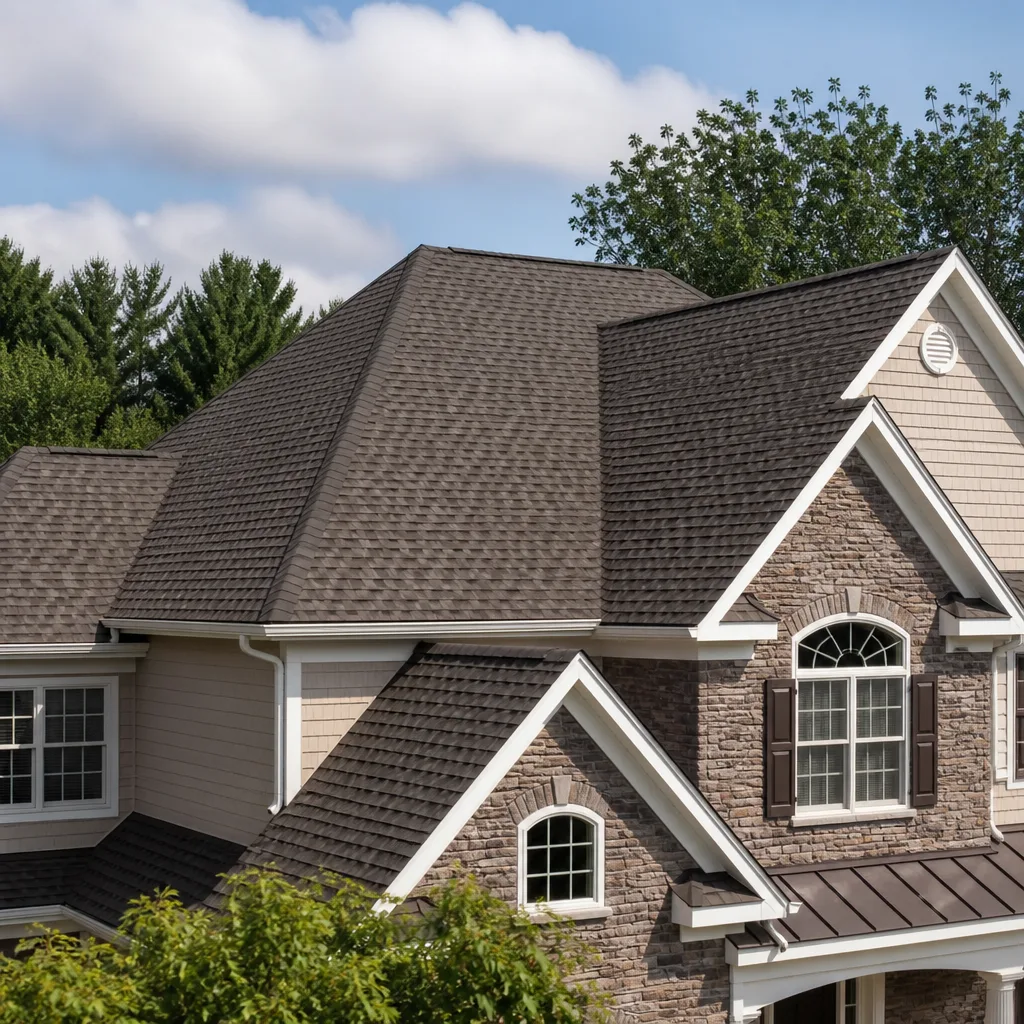
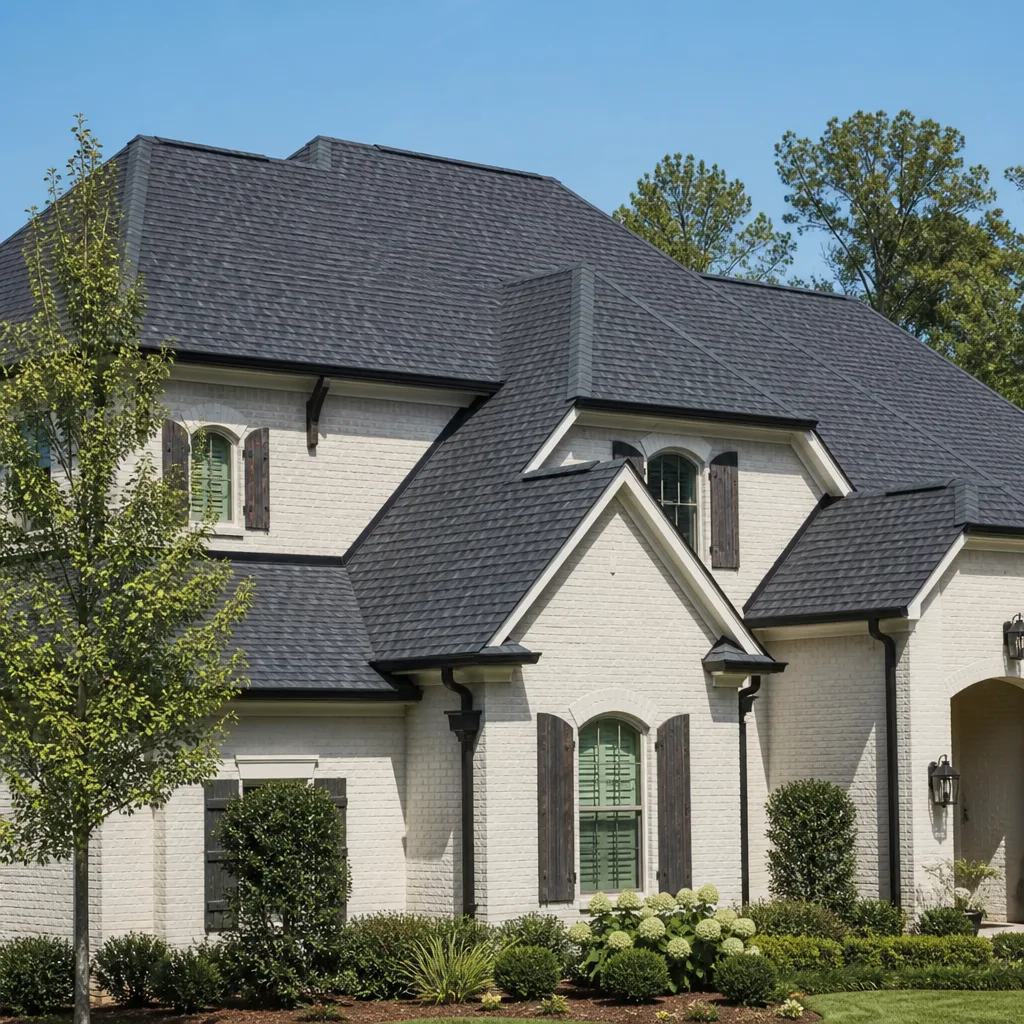
Composition asphalt shingles remain the most common choice for postwar bungalows, ranch homes, and valley subdivisions. In our experience across Los Angeles, standard three-tab shingles run $3.50 to $5.50 per square foot installed, while architectural or dimensional shingles from GAF, CertainTeed, or Owens Corning range from $5.00 to $8.50 per square foot. These prices assume standard access and walkable pitch. The Owens Corning Duration line and GAF Timberline HDZ are the two we see specified most often by homeowners who’ve done their research.
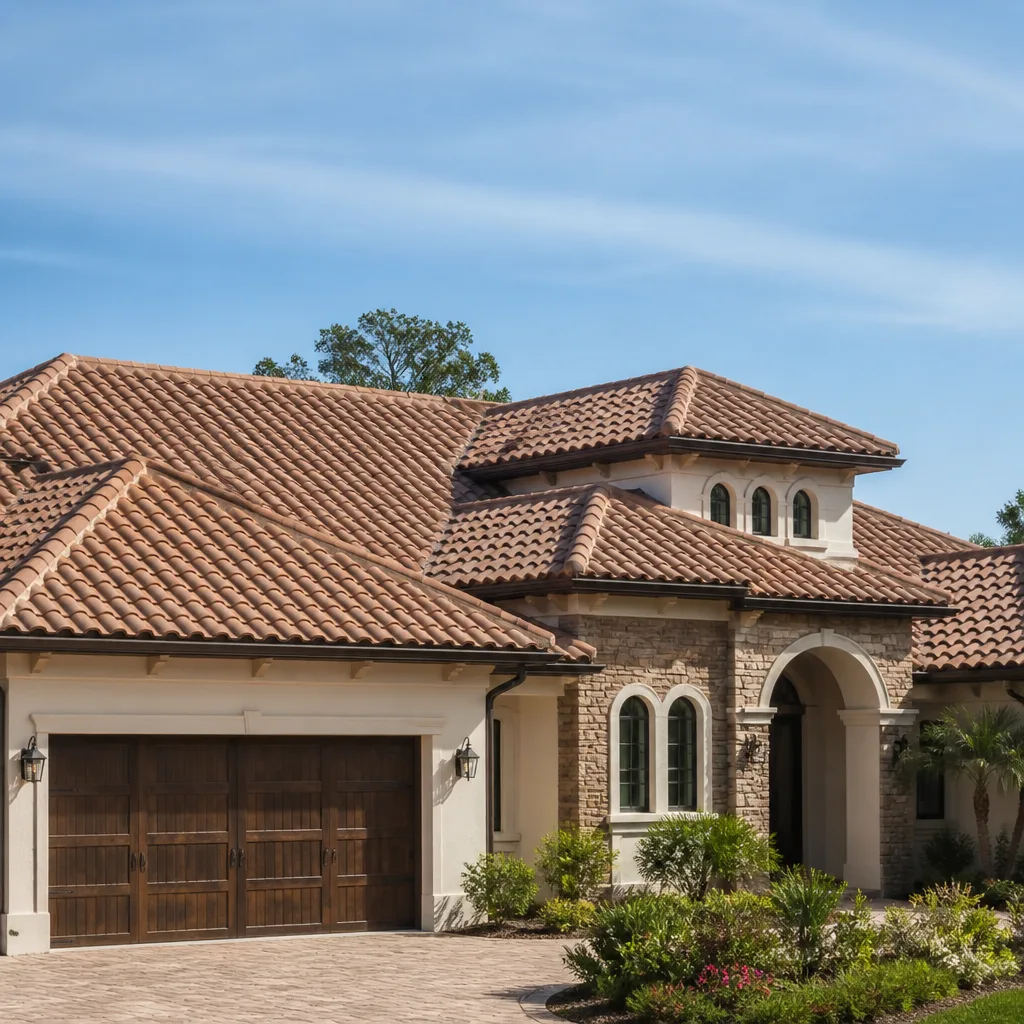
Concrete tile dominates the Spanish Colonial and Mediterranean revival homes from Pasadena to the Palisades. Material and labor together run $8.00 to $12.00 per square foot for standard profiles, with lightweight concrete options adding $1.50 to $2.50 per square foot for homes where structural load is a concern. Boral and Eagle are the brands we encounter most frequently on existing Los Angeles homes.
Clay tile sits at the premium end, $10.00 to $16.00 per square foot installed, with handmade or imported profiles pushing toward $20.00. The weight factor matters here: many 1920s Spanish homes in Los Angeles neighborhoods like Los Feliz and Hancock Park have original clay that can’t be directly replaced without structural assessment. We’ve seen projects where the tile cost was secondary to the engineering required to support it.
TPO and flat-roof membranes apply to the modernist homes, additions, and commercial-style residential buildings common in Venice, Mar Vista, and the hills above Studio City. White TPO runs $6.50 to $10.00 per square foot, with the reflective rating delivering measurable cooling benefits during Los Angeles heat waves. The seam welding and detail work around parapets and scuppers drive labor costs higher than the material itself.
Here’s what most guides miss: material choice in Los Angeles is rarely about preference alone. HOA requirements in planned communities from Calabasas to Alhambra often mandate specific profiles or colors. Fire insurance underwriting in high-risk zones increasingly requires Class A rated assemblies, which may push a homeowner from standard shingles to a more expensive system even when replacement wasn’t planned.
Labor Rates and the LA Premium: Hillside, Steep-Pitch, and Access Surcharges
Base roofing labor in Los Angeles runs 25% to 40% above national averages, and the premium isn’t arbitrary. It’s driven by four factors that don’t apply in Kansas City or Charlotte.
Hillside lots and canyon access. Homes in the Hollywood Hills, Laurel Canyon, Beachwood Canyon, and the Santa Monica Mountains above Sunset require crews to haul materials up narrow, winding roads with no turnarounds. Some sites need crane placement or manual carry from street level. We’ve quoted jobs where the access surcharge alone added $3,200 to a 2,500-square-foot roof because the driveway couldn’t accommodate a roll-off dumpster and all debris had to be bucketed down by hand.
Steep-pitch premiums. Los Angeles building codes and aesthetic preferences produce more 8/12 and steeper pitches than flatland markets. OSHA requires additional fall protection and staging above 6/12 pitch, adding 15% to 25% to labor time. A crew that completes a walkable 4/12 roof in three days needs five days on a 10/12 with proper safety setup.
Two-story valley homes. The San Fernando Valley and inland empire neighborhoods built in the 1960s and 70s feature split-level and two-story designs where the roofline sits 25 to 35 feet above grade. Scaffolding, material hoists, and extended ladder work add measurable hours.
Density and parking constraints. In Koreatown, Echo Park, and Mid-City, crew vehicles and material delivery trucks compete for street parking that may require permits or extended carry distances. Some Los Angeles neighborhoods limit construction vehicle hours, compressing the work window and extending project duration.
When comparing bids, ask for access and pitch surcharges to be itemized separately rather than buried in a lump labor figure. A transparent contractor will break this out. One who doesn’t may be planning to absorb it into change orders later.
The Four Line Items Most Commonly Excluded from Low Bids
This is where the $8,000 gap lives. These four items represent real costs that every roof replacement incurs. The question is whether they’re in your base bid or waiting to surprise you.
- Plywood decking replacement. Building code requires decking to be sound before new roofing goes down. On Los Angeles homes with original 1950s or 1960s plywood, we find soft spots, delamination, or prior leak damage in 60% to 70% of tear-offs. A low bid that assumes “decking in good condition” without inspection will hit you with $75 to $150 per sheet for replacement, plus the labor to install it. A 2,000-square-foot roof with 15 sheets to replace adds $1,500 to $3,000 that wasn’t in the original number.
- Haul-away and dump fees. Los Angeles has strict C&D (construction and demolition) waste rules. Mixed roofing debris can’t go in standard dumpsters at standard rates. Proper disposal at certified facilities runs $85 to $140 per ton, and a typical tear-off generates 3 to 5 tons. Some contractors quote “disposal included” but cap it at one ton or one dumpster load. Ask for the weight allowance and the per-ton overage rate in writing.
- Permit and inspection costs. The Los Angeles Department of Building and Safety (LADBS) requires permits for all roof replacements, with fees scaling by project value. For a typical residential re-roof, plan $450 to $850 in permit fees, plus the cost of scheduling and passing inspection. Some unpermitted work gets discovered only when the homeowner sells, triggering expensive retroactive permits and potential rework. A bid that skips permit mention is a red flag, not a savings.
- Flashing replacement. Step flashing, counterflashing, valley metal, and drip edge are not decorative extras. They’re the waterproofing system. On a Los Angeles home with multiple penetrations (chimneys, skylights, vent stacks), full flashing replacement can run $800 to $2,500. Bids that promise “reuse existing flashing” are gambling that 20-year-old galvanized metal will outlast your new 30-year shingles. It won’t.
At Tilehurst Roofing in Los Angeles, we itemize all four in every written proposal. The price you see is the price you pay. That’s The Kingswell Way - say the price before the work starts, put every guarantee in writing, and never hide costs in allowances that balloon later.
Permits, Inspections, and LADBS Requirements
Los Angeles operates under one of the more rigorous municipal building departments in California, and roofing permits are not a formality. For a deeper look at requirements, see our guide to Roofing Permits, Codes & Inspections in CA: What You Need to Know. They’re a legal requirement with enforcement teeth.
For a standard residential re-roof, the process runs:
- Submit permit application with plans showing material type, nailing pattern, and underlayment specification.
- Pay permit fee based on estimated job value.
- Schedule rough inspection after tear-off and underlayment installation, before shingles or tile go down.
- Schedule final inspection after completion.
The rough inspection matters more than most homeowners realize. LADBS inspectors verify that decking is sound, underlayment is properly lapped and fastened, and ice barrier (where required) is in place. If your contractor skipped decking replacement or used inadequate underlayment, this is where it gets caught. The correction happens on your timeline and your dime.
Some Los Angeles contractors offer to “work without permits to save you money.” This is not a favor. Unpermitted roof work can void your homeowner’s insurance, trigger code-compliance demands at sale, and expose you to penalties if discovered. The savings are imaginary; the risk is real.
Permit timelines vary by LADBS district. Valley and West LA inspections typically schedule within 3 to 5 business days. Some hillside zones with additional fire department clearance requirements add another week. A contractor who knows Los Angeles permit logistics will build this into the project schedule, not treat it as an afterthought.
Manufacturer vs. Workmanship Warranties: What You’re Really Paying For
Warranty language separates professional bids from handyman specials, and most homeowners don’t read the fine print until something fails.
Manufacturer material warranties cover defects in the roofing product itself. GAF, CertainTeed, Owens Corning, and IKO all offer tiered warranty programs. A standard limited warranty might cover material defects for 20 to 30 years. An enhanced system warranty, available when you use specified accessories and certified installers, can extend to 50 years and include labor for replacement. These enhanced warranties cost the contractor more in certification and material requirements, and that cost flows to the bid. The cheapest labor quote almost never qualifies for enhanced warranty coverage.
Contractor workmanship warranties cover installation errors: improper nailing, inadequate flashing, missed underlayment. This is where the real protection lives, because most roof failures trace to installation, not material defects. Workmanship warranty periods in the Los Angeles market range from one year (common among low-bid contractors) to 10 years or more from established companies.
Here’s the critical distinction: a manufacturer warranty won’t help if your leak is caused by installer error. Only the contractor’s workmanship warranty covers that. And if that contractor has dissolved, moved, or stopped answering calls, the warranty is worthless no matter what the paper says.
At Tilehurst Roofing, every repair carries a written guarantee before the crew leaves the site. If a repair fails inside the guarantee period, we return at no charge. The 365-Day Done Right Promise extends a full year of documented accountability on every job. We put it in writing because we’ve seen too many Los Angeles homeowners left holding a one-year “warranty” from a contractor who vanished.
A Simple Cost-Per-Square Comparison Template
“Per square” in roofing means 100 square feet. A 2,000-square-foot roof is 20 squares. Converting every bid to cost-per-square strips away packaging differences and lets you compare apples to apples.
Here’s the template we recommend Los Angeles homeowners use:
| Line Item | Bid A | Bid B | Bid C |
|---|---|---|---|
| Total roof area (sq ft) | |||
| Roof area in squares (÷100) | |||
| Material type and brand | |||
| Base material cost | |||
| Decking replacement (sq ft or sheets) | |||
| Underlayment type and coverage | |||
| Flashing replacement (full/partial/none) | |||
| Disposal / haul-away | |||
| Permit and inspection fees | |||
| Access or pitch surcharge | |||
| Total project cost | |||
| Cost per square (total ÷ squares) |
Any bid that won’t break down into these categories is asking for your trust without earning it. The contractor who itemizes isn’t trying to confuse you; they’re the one with nothing to hide.
For homeowners considering roof replacement in Los Angeles, this template becomes essential. Replacement projects have more variables than repairs, and the cost spread between bids widens accordingly.
Common Mistakes to Avoid
- Comparing bids with different material grades. One contractor quotes three-tab shingles at $4.50 per square foot. Another quotes architectural laminate at $6.75. The prices aren’t comparable until you normalize for product. Ask each bidder to quote the same material tier, or run the template above for each option separately.
- Ignoring the decking assumption. In Los Angeles, where termite damage, old leaks, and seismic stress concentrate in roof structures, “assume decking sound” is a gamble. Get a decking inspection clause or a firm per-sheet replacement rate in writing.
- Choosing by price alone in fire zones. Homes in the Very High Fire Hazard Severity Zones of the Santa Monica Mountains, Topanga, or parts of the San Gabriel foothills face insurance and code requirements that cheapest-bid contractors may not meet. A non-compliant roof is a roof you’ll pay for twice.
- Not verifying permit inclusion. Ask directly: “Will you pull the permit, or is that my responsibility?” Then ask for the permit number and verify it with LADBS. Unpermitted work is surprisingly common and expensively problematic.
- Accepting verbal warranties. A workmanship warranty that isn’t in the contract isn’t a warranty. It’s a promise from someone who may not be reachable in three years. Demand written terms with duration, coverage scope, and response procedure.
- Overlooking access logistics. That low bid from a contractor who hasn’t visited your hillside lot may not include crane time, manual carry, or extended scaffolding. If they haven’t walked the property, they haven’t priced the job.
- Assuming all disposal is equal. Los Angeles has banned certain C&D materials from standard landfills. Ask where debris goes and whether disposal fees are capped or open-ended.
When to Call a Professional
Some roofing situations in Los Angeles demand immediate professional assessment, not continued monitoring. Our Roofing Emergency Preparedness Guide for Los Angeles Homes outlines what to watch for. Active leaks during rain, visible sagging in the roof plane, daylight visible through decking from inside the attic, or granular loss exposing bare mat on asphalt shingles all indicate conditions that worsen with delay. After major Santa Ana wind events, we’ve seen lifted shingles and displaced tile that created entry points for the next storm.
For repairs, the threshold is lower than many homeowners assume. A single missing tile or lifted shingle tab is a repair, not a full replacement, but it needs proper flashing and underlayment integration, not a caulk gun and hope. The roof repair services we provide in Los Angeles include full diagnostic inspection, written pricing before any work begins, and the same written guarantee we deliver on every job.
Tilehurst Roofing offers free estimates in Los Angeles. A live person answers every call, 24 hours a day, 7 days a week - including evenings and weekends. Call (945) 303-9821 to schedule yours.
Frequently Asked Questions
Most asphalt shingle roof replacements on a 2,000-square-foot Los Angeles home range from $18,000 to $32,000, while clay or concrete tile roofs on the same footprint run $28,000 to $55,000. The exact figure depends on material selection, decking condition, access difficulty, and whether permits and disposal are included in the base bid. Call (945) 303-9821 for a written estimate on your specific home - estimates are free.
The gap usually traces to four hidden line items: plywood decking replacement, haul-away and dump fees, permit and inspection costs, and flashing replacement. A low bid that excludes these will grow through change orders. An itemized bid that includes them looks higher upfront but often costs less in the end. Ask for line-item breakdowns and compare cost-per-square using the template above.
Yes. The Los Angeles Department of Building and Safety requires permits for all roof replacements, with mandatory rough and final inspections. Permit fees typically run $450 to $850 for residential re-roofs. Unpermitted work can void insurance coverage and trigger expensive compliance demands when you sell. Any contractor who suggests skipping permits is creating liability for you, not savings.
A standard asphalt shingle replacement on a walkable, accessible Los Angeles home takes 2 to 4 days. Clay or concrete tile adds 1 to 2 days for the weight and fastening requirements. Hillside access, steep pitch, or decking replacement can extend this to 5 to 7 days. Permit inspection scheduling adds 3 to 5 business days to the overall timeline, longer in some hillside fire zones.
A manufacturer warranty covers defects in the roofing material itself - cracked shingles, premature granule loss, failed seal strips. A workmanship warranty covers installation errors: improper nailing, inadequate flashing, missed underlayment. Most actual roof failures stem from installation, not material defects, so the workmanship warranty is the more important protection. Verify duration and coverage in writing before signing.
Homeowner’s insurance covers sudden, accidental damage from named perils - wind, fire, falling trees - but not gradual wear or age-related failure. After major weather events, document damage immediately and get a professional inspection. Insurance adjusters in Los Angeles are familiar with Santa Ana wind and fire damage patterns. We provide detailed inspection reports with photos to support legitimate claims, but we don’t inflate damage for coverage that doesn’t apply.
Soft spots underfoot during inspection, visible water staining from the attic, or delaminated plywood edges at penetrations all indicate compromised decking. On Los Angeles homes built before 1980, we find repairable damage in roughly two-thirds of tear-offs. The only certain method is inspection after tear-off, which is why we specify a per-sheet replacement rate in every written proposal rather than guessing from above.
The Bottom Line
Roofing costs in Los Angeles aren’t mysterious, but they’re often obscured by bids that hide real expenses in vague allowances and optimistic assumptions. The homeowner who understands material grades, labor premiums for access and pitch, and the four line items that generate change orders can read any proposal with confidence. Use the cost-per-square template. Demand itemization. Verify permit inclusion and warranty terms in writing. For more guides & resources, visit our blog. And remember that the lowest bid rarely delivers the lowest final cost - it just delays the real number until you’re committed.
At Tilehurst Roofing, a Kingswell family company founded in 2000, we operate by The Kingswell Way: say the price before the work starts, show up in the window we gave, leave the place cleaner than we found it, put the guarantee in writing, and come back if it fails. Every job begins with a written price before any work starts. Every repair carries a written guarantee. And our 365-Day Done Right Promise means a full year of documented accountability.
Ready to compare bids with real numbers? Call (945) 303-9821 to schedule your free estimate. A live person will answer, 24 hours a day, 7 days a week.
Written by Greg Holloway, Owner at Tilehurst Roofing, serving Los Angeles since 2000.