
Last updated October 8, 2026
Free roof inspection with deck photos before we talk money - GAF and Owens Corning certified installation
 Before
 After
After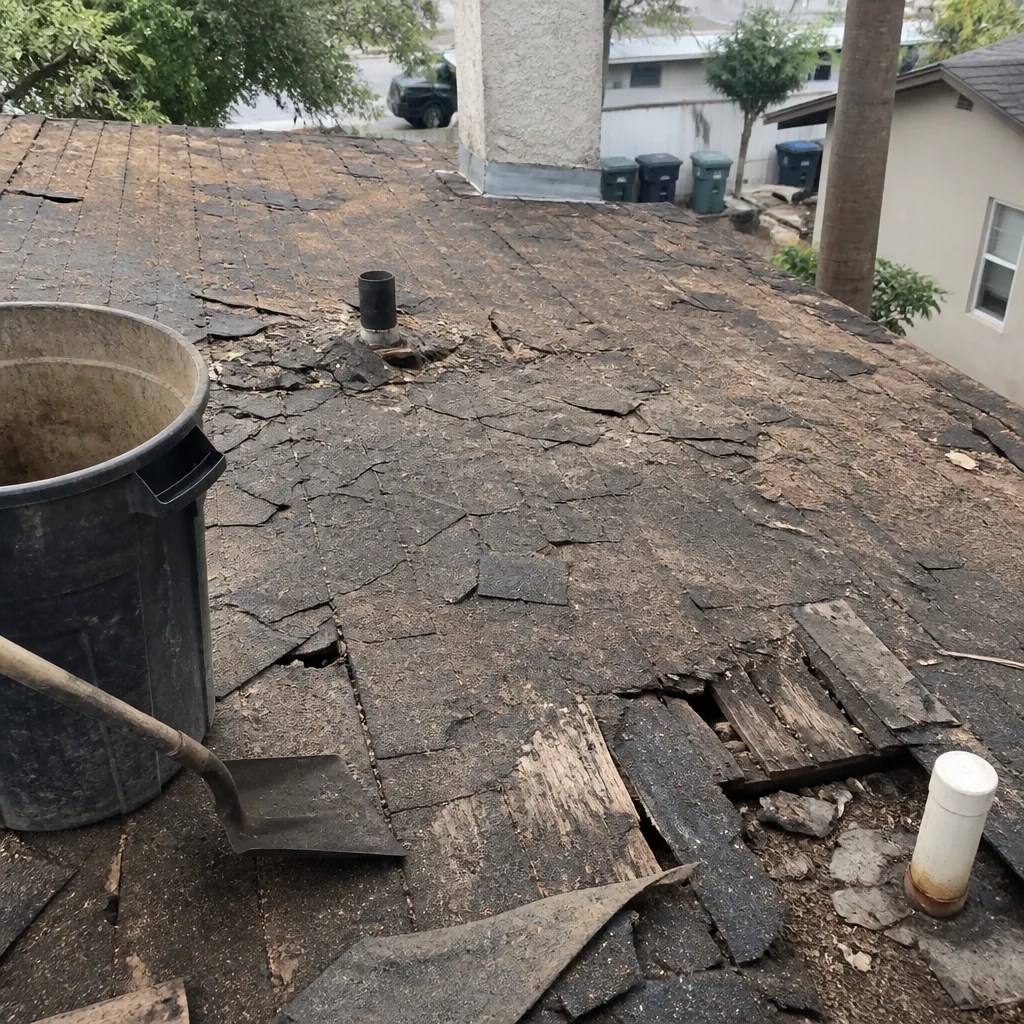 Before
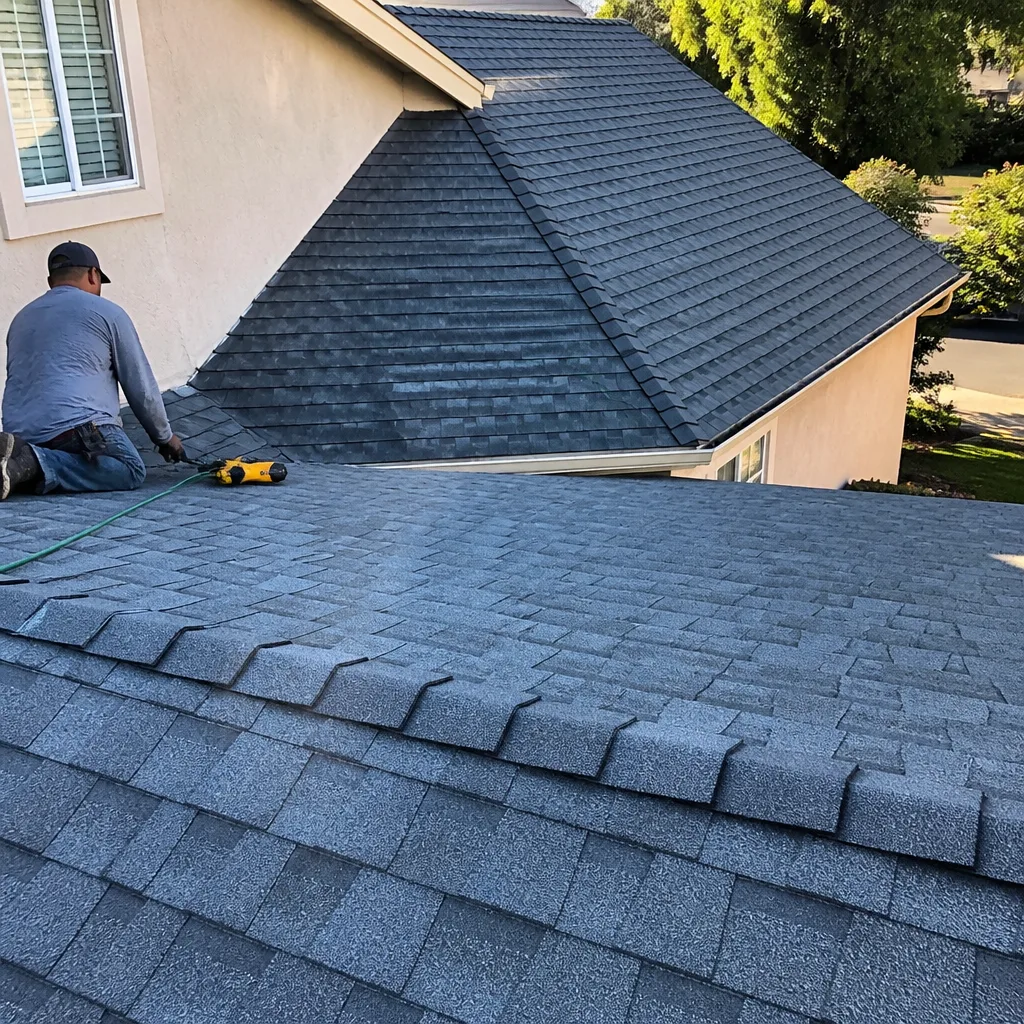 After
After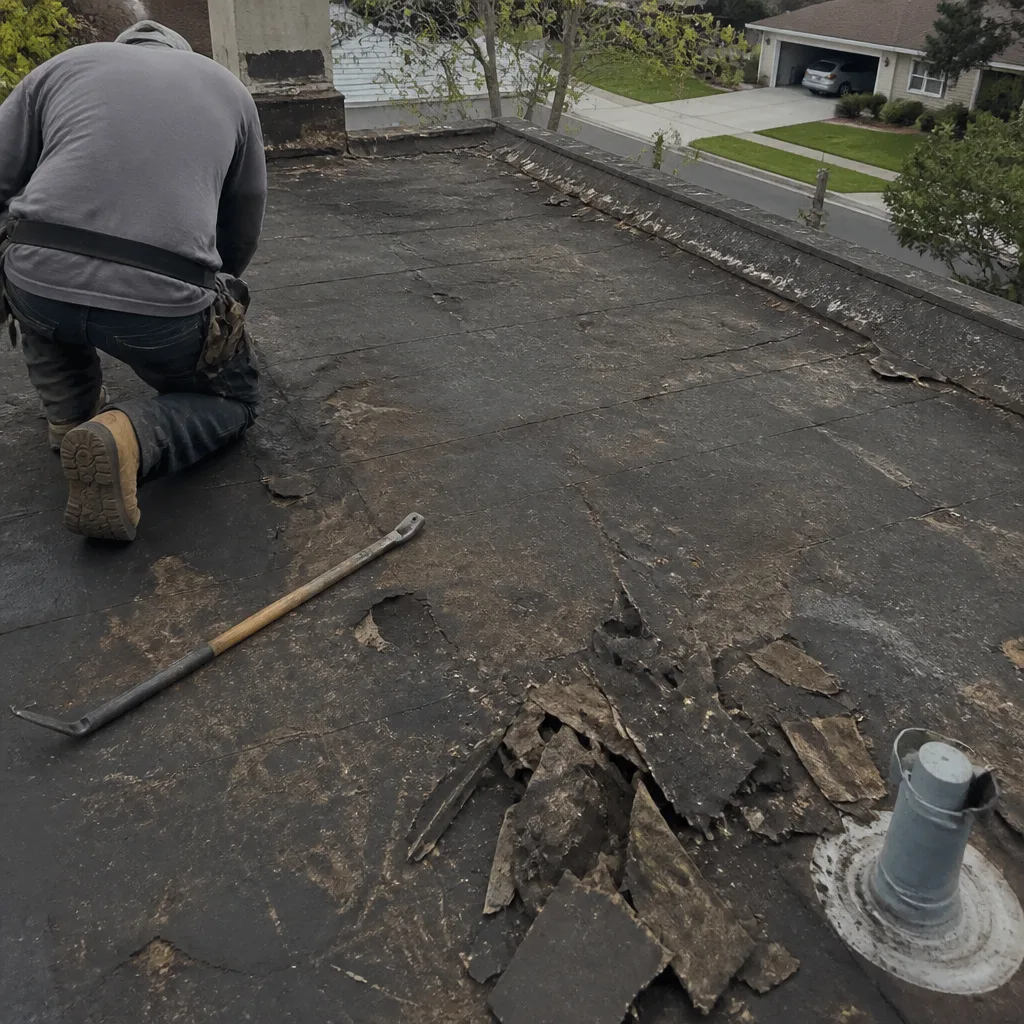 Before
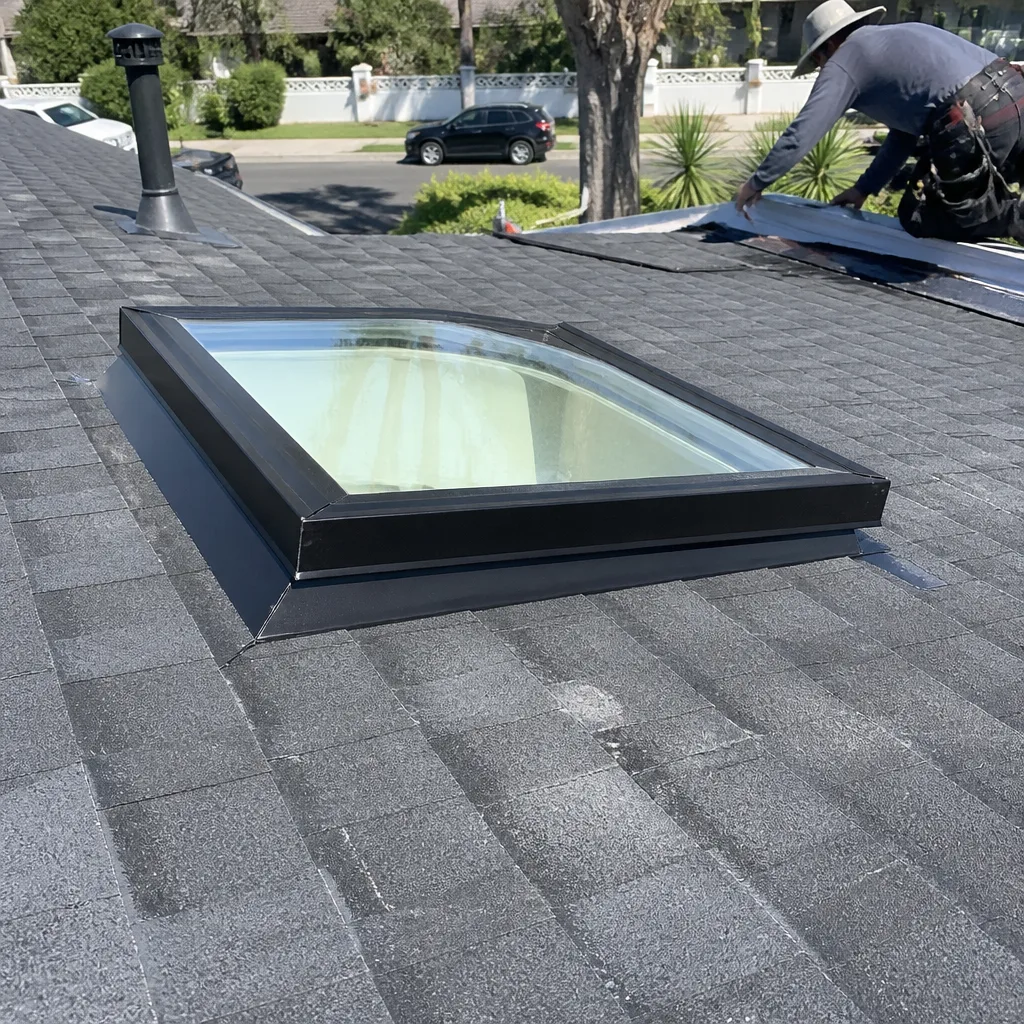 After
AfterRoof Replacement Maintenance Schedule: What to Do and When
Roofing manufacturers void more warranties over missed maintenance than over installation errors. The most common reason cited isn’t storm damage or contractor fault - it’s blocked gutters. A $15 problem that voids a $25,000 warranty. Most homeowners in Los Angeles treat their new roof like a finished product instead of a system that needs seasonal attention. In this guide, we’ll show you the exact maintenance schedule that protects your investment, built around Southern California’s real weather patterns, not generic advice from somewhere with snow.
Quick Answer
A proper roof replacement maintenance schedule in Los Angeles requires three seasonal checks: pre-Santa Ana inspection in September, post-storm inspection in February or March, and a midsummer UV and thermal check in July. Document each visit with dated photos, keep gutters clear year-round, and never pressure wash clay tile. Following this schedule satisfies most manufacturer warranty conditions and catches small problems before they become expensive ones.
Table of Contents
- Why Warranty Claims Get Denied: The Maintenance Clause Nobody Reads
- The Los Angeles Seasonal Schedule: Three Checks That Matter
- What You Can Do Yourself vs. What Requires a Pro
- Tile Roof Specifics: Mortar, Cracks, and Pressure Washing
- The Documentation Habit: Photos, Logs, and Resale Value
- Questions to Ask Your Contractor Before They Leave
- Common Mistakes to Avoid
- When to Call a Professional
- Frequently Asked Questions
Why Warranty Claims Get Denied: The Maintenance Clause Nobody Reads
Every major manufacturer - Owens Corning, IKO, Atlas, Tamko, and the others - includes a maintenance clause in their warranty documents. It’s usually buried on page three or four, written in the kind of language that makes your eyes glaze over. But it’s enforceable, and manufacturers use it regularly.
The clause typically states that the homeowner must perform “reasonable and periodic maintenance” to keep the warranty valid. What counts as reasonable? That’s where homeowners get into trouble. Manufacturers have denied claims for:
- Gutters that overflowed onto fascia boards, causing rot that migrated under the drip edge
- Debris buildup in valleys that held moisture against shingles for weeks after rain
- Tree branches that rubbed through granules on asphalt shingles over two seasons
- Attic vents blocked by insulation, creating heat buildup that curled shingles prematurely
- Pressure washing that stripped protective coatings or cracked clay tiles
We’ve seen this happen in Los Angeles more often than you’d think. The homeowner calls because shingles are failing after seven years, well inside a 25-year warranty. The manufacturer sends an inspector. The inspector finds three years of leaf buildup in the valley, or a gutter that detached and was never reattached, or a satellite dish install that punctured the underlayment and was never sealed. Claim denied. The homeowner is now paying for a repair that should have been covered.
The maintenance schedule that follows is designed specifically to prevent these denials. It’s built around what manufacturers actually check for, not what sounds good in a magazine article.
The Los Angeles Seasonal Schedule: Three Checks That Matter
Generic roof maintenance advice tells you to inspect in spring and fall. That works in places with hard freezes and leaf drops. Los Angeles has different rhythms: Santa Ana winds, winter atmospheric rivers, and summer UV exposure that degrades materials faster than most climates. Our schedule follows the actual threats.
September: Pre-Santa Ana Inspection
The Santa Ana winds arrive between October and January, with peak gusts that regularly exceed 60 mph in the San Fernando Valley and canyon-adjacent neighborhoods like Laurel Canyon and Topanga. A September inspection gives you time to fix problems before the winds test them.
- Secure loose flashing. Check where roof planes meet walls, around chimneys, and at vent penetrations. Loose flashing tears off in high wind and takes shingles with it.
- Trim overhanging branches. Santa Ana winds snap dry branches. A branch that grazed your roof gently all summer becomes a battering ram.
- Clear all gutters and downspouts. September is typically dry, but debris from summer dust and occasional monsoon-style storms accumulates. Blocked gutters overflow during the first winter rain, sending water behind fascia boards.
- Check ridge vents for intact screens. Santa Ana winds drive embers during wildfire season. Intact screens are your first defense.
- Photograph the roof condition. Date-stamped photos establish baseline condition before wind season. If damage occurs, you have proof it wasn’t pre-existing.
February or March: Post-Storm Inspection
Los Angeles gets the bulk of its annual rainfall between December and March. Atmospheric river events in 2023 and 2024 caused widespread damage that only showed up months later. Inspect after the last major storm, not during it.
- Walk the perimeter with binoculars. Look for shingles that lifted, granule accumulation in gutters (a sign of shingle wear), and displaced tiles.
- Check the attic for leaks. Water stains on rafters or insulation may not reach your ceiling for weeks. Early detection prevents mold and decking rot.
- Inspect valleys and penetrations. These are where 80% of leaks start. Look for cracked sealant around pipes, separated valley metal, or debris dams.
- Clear drains on flat or low-slope sections. Standing water degrades membrane roofs and finds any weakness in the flashing.
- Document any changes from your September photos. This is your warranty protection file.
July: Midsummer UV and Thermal Check
Los Angeles summer temperatures on a roof surface regularly exceed 150°F. Asphalt shingles soften, thermal expansion stresses seams, and attic heat buildup accelerates material aging. The July check catches heat-related degradation before it becomes failure.
- Check for blistering or curling on asphalt shingles. These are early signs of thermal aging. Caught early, ventilation improvements can extend roof life significantly.
- Verify attic ventilation. Soffit vents should be clear of insulation. Ridge vents should show daylight when you look up from inside. Poor ventilation is the hidden cause of most premature shingle failure in Los Angeles.
- Inspect sealant at all penetrations. Heat cycling cracks sealant faster in our climate than in cooler regions. Re-caulk before fall rains return.
- Check for pest intrusion. Summer is when rodents and birds seek attic access. A single gap in eave flashing becomes a colony.
- Review your maintenance log. Are you on track? Have you missed anything? July is your mid-year accountability check.
What You Can Do Yourself vs. What Requires a Pro
Manufacturer warranties distinguish between homeowner maintenance and work that must be performed by a licensed contractor. Do the wrong task yourself, and you may void coverage. Here’s the line we draw based on warranty language from GAF, CertainTeed, Owens Corning, IKO, Atlas, Tamko, and Boral.
Homeowner Tasks (Do These Yourself)
- Gutter clearing: Use a sturdy ladder, gutter scoop, and garden hose. Flush toward downspouts. Check that water flows freely at the ground exit. In Los Angeles, where rain is infrequent but intense, a single blocked gutter can overflow hundreds of gallons against your fascia.
- Debris removal from roof surface: Use a leaf blower on low setting or a soft roof rake. Never use a pressure washer. Work from the edge inward, never walk on the roof if you can avoid it.
- Attic vent inspection: Look up from the attic floor. Check that soffit vents aren’t blocked by insulation, that ridge vents show daylight, and that gable vents have intact screens. Note any daylight showing through the roof deck itself - that’s a problem.
- Ground-level visual inspection: Binoculars from the yard reveal most shingle damage, tile displacement, and flashing issues. Take photos. Date them.
- Tree trimming from the ground: Use pole pruners for branches within reach. Hire an arborist for anything requiring climbing.
Professional-Only Tasks (Warranty Protection)
- Any work on clay or concrete tile: Walking on tile without proper technique cracks tiles and voids warranties with Boral and most other manufacturers. The weight distribution matters.
- Flashing repair or replacement: This requires matching materials, proper integration with existing underlayment, and often permit compliance in Los Angeles.
- Underlayment repair: Once the primary water barrier is compromised, proper repair involves partial tile or shingle removal. One misstep and you’ve created a bigger leak.
- Ridge cap mortar work on tile roofs: Mix ratios, application technique, and curing time all affect warranty coverage. We’ll cover this in detail in the next section.
- Any work requiring ladder access to a second story or steep slope: Falls from residential roofs are a leading cause of construction fatalities. Your warranty isn’t worth a hospital stay.
At Tilehurst Roofing, we document every professional maintenance visit with a written report and photos, which we provide to the homeowner for their warranty file. The Kingswell Way means we say the price before the work, show up in the window we gave, leave the place cleaner than we found it, put the guarantee in writing, and come back if it fails.
Tile Roof Specifics: Mortar, Cracks, and Pressure Washing
Clay and concrete tile roofs dominate Los Angeles architecture, from Spanish Revival homes in Pasadena to ranch houses in the San Fernando Valley. Tile lasts 50-plus years, but the systems around it - mortar, underlayment, flashing - don’t. Tile-specific maintenance is where most guides fail completely.
Ridge Cap Mortar: The Forgotten Maintenance Item
Ridge caps on clay tile roofs are typically set in mortar, not just laid like field tile. This mortar degrades from thermal cycling and seismic movement. In our experience across Los Angeles, from older homes in Highland Park to newer construction in Porter Ranch, ridge mortar shows cracking within 7-12 years.
Re-torquing ridge cap mortar isn’t a homeowner task. It requires removing the existing cap, cleaning the substrate, mixing new mortar to manufacturer specification, resetting the cap with proper embedment, and curing under controlled conditions. IKO, Boral, and most other manufacturers specify that this work must be done by a contractor familiar with their system. DIY mortar work voids the workmanship warranty and often the material warranty too.
Hairline Cracks After Seismic Activity
Los Angeles has hundreds of minor seismic events annually. Clay tile develops hairline cracks that aren’t visible from the ground but allow water migration into the underlayment. After any noticeable quake, or as part of your February inspection, have a professional walk the roof and tap-test suspect tiles. A cracked tile sounds dull compared to intact tile. We replace cracked individual tiles under our repair guarantee - the crew returns at no charge if the repair fails inside the guarantee period.
Why Pressure Washing Voids Warranties
This deserves its own warning. Pressure washing clay or concrete tile is a warranty violation with Boral, most Owens Coring tile products, and virtually every other major manufacturer. The reasons are specific:
- High pressure drives water under the tile, saturating the underlayment
- Pressure strips the natural patina that protects clay tile surface integrity
- Cracked or loose tiles shatter under pressure, creating immediate leak points
- Mortar joints degrade from direct pressure exposure
We’ve been called to homes in Los Angeles where a “roof cleaning” service pressure-washed a 10-year-old tile roof, voiding the warranty and causing $8,000 in hidden underlayment damage that only showed up months later. If your roof needs cleaning, use a soft wash system with manufacturer-approved solutions, applied by a contractor who knows your specific tile product.
The Documentation Habit: Photos, Logs, and Resale Value
Manufacturer warranty claims require documentation. Insurance claims after storm damage require documentation. Home resale disclosures in Los Angeles increasingly require roof condition documentation. A maintenance habit that produces this documentation protects you three ways.
What to Document
After each seasonal inspection, create a dated file containing:
- Photos of the full roof from multiple angles, including close-ups of any areas of concern
- Photos of gutters, downspouts, and ground drainage
- Photos of attic ventilation and any interior signs of moisture
- Written notes on what was checked, what was found, and what was done
- Receipts or reports from any professional work, with contractor license number
Storage and Format
Cloud storage with automatic backup. Not a shoebox. Not a single hard drive. Google Drive, Dropbox, iCloud - any service that timestamps uploads and preserves metadata. Create a folder structure: Roof / Year / Season. Name files descriptively: “2024_Sept_Gutter_Clear_Front.jpg” not “IMG_4738.jpg”.
Resale and Insurance Value
In Los Angeles’s competitive real estate market, a documented maintenance history differentiates your listing. Buyers and their inspectors ask about roof age and condition. A folder showing seasonal inspections, professional reports, and manufacturer warranty transfers signals a maintained home, not a deferred-maintenance problem. We’ve had homeowners tell us this documentation added thousands to their sale price or prevented a price reduction request.
For insurance, documentation after the February post-storm inspection establishes pre-existing condition. If an atmospheric river damages your roof in March, and you have dated photos from February showing the roof was intact, your claim moves faster. Without documentation, insurers may attribute damage to long-term neglect and reduce or deny coverage.
Questions to Ask Your Contractor Before They Leave
The handoff conversation at job completion is your opportunity to understand what your specific warranty requires. Don’t treat this as reading fine print - treat it as a conversation with the person who just worked on your home. Ask these questions directly:
- “What exactly voids my material warranty?” The answer should be specific: pressure washing, unlicensed repairs, failure to maintain gutters, walking on tile incorrectly, etc. Write it down.
- “What maintenance does the manufacturer require, and how often?” Some warranties specify annual professional inspection. Others accept homeowner documentation. Know which you have.
- “What’s the exact process if I need to file a warranty claim?” Who do you call first - the manufacturer or the installer? What’s the timeline? What documentation is required?
- “Can I get a copy of the manufacturer’s warranty document, not just your workmanship guarantee?” You want the actual document with your product serial numbers registered. Not a summary. Not a brochure.
- “If I sell this house, does the warranty transfer, and what’s the process?” Most manufacturer warranties are transferable once within a specified window, but the process varies. Some require notification within 30 days of sale. Miss the window, and the new owner has no coverage.
- “What should I do if I notice something between scheduled inspections?” A good contractor gives you a direct contact and a clear threshold for when to call immediately versus when to wait for the next scheduled check.
At Roof Replacement in Los Angeles, we provide a written warranty packet at every job completion that includes manufacturer documents, our 365-Day Done Right Promise, and a maintenance schedule customized to your roof type and the specific products we installed. We also give every homeowner our direct line - because a live person answers every call 24 hours a day, 7 days a week, including evenings and weekends.
Common Mistakes to Avoid
- Waiting for visible leaks before inspecting. By the time water shows on your ceiling, decking is damaged, insulation is compromised, and mold may be growing. In Los Angeles’s dry climate, leaks can hide for months.
- Using a pressure washer “on low setting.” There is no safe pressure setting for clay tile. The warranty violation is binary. Use soft wash only, or hire a contractor who knows your specific product.
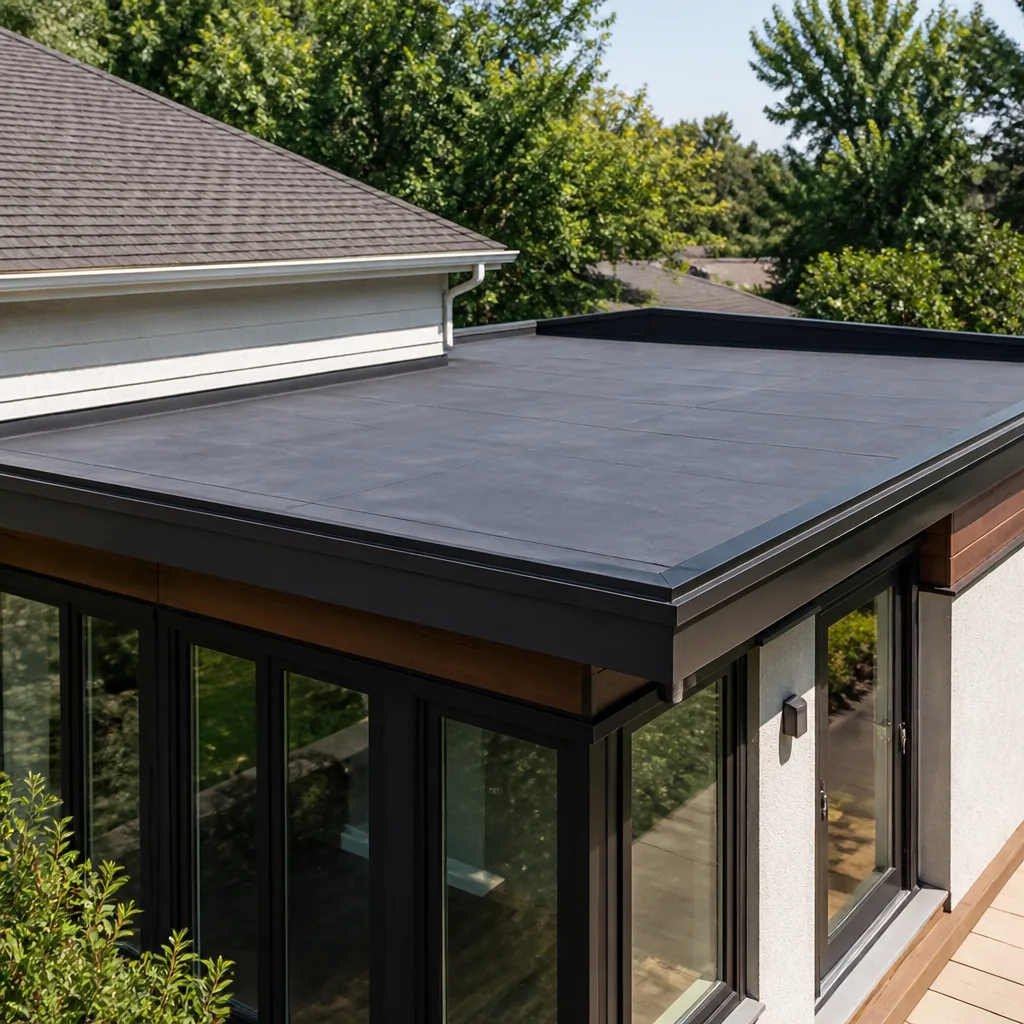
- Ignoring flat or low-slope sections. Many Los Angeles homes have mixed roof pitches. The flat section over a garage or addition uses different materials and fails differently. It needs its own inspection protocol.
- Letting satellite dish installers drill anywhere. Every penetration is a future leak point. Insist on proper flashing integration, and document the location for future inspections.
- Skipping the attic in summer. July attic temperatures in Los Angeles can exceed 140°F. Homeowners avoid the space. But summer is when ventilation failures are most obvious - you can feel the heat buildup that curls shingles from below.
- Assuming a “lifetime” warranty means no maintenance. “Lifetime” in roofing typically means 50 years for materials, with prorated coverage after a certain point, and it’s contingent on maintenance. Read the actual document.
- Hiring unlicensed workers for “small repairs.” In Los Angeles, unlicensed work on projects exceeding $500 is illegal and voids most manufacturer warranties. The “guy with a truck” who re-torques your ridge caps may save $200 today and cost you $15,000 in denied coverage tomorrow.
When to Call a Professional
Call a licensed roofing contractor immediately if you notice: water stains on ceilings or walls; shingles or tiles in your yard after wind; sagging in the roof line; daylight visible through the roof deck from inside; or granules filling your gutters after rain. These match the Roof Replacement Warning Signs Every Homeowner Should Know. These are not “wait and see” conditions. In Los Angeles’s climate, delayed response turns a $400 repair into a $4,000 replacement of decking and insulation.
For routine maintenance that requires professional execution - ridge cap mortar work, flashing repair, tile replacement, or any work on a second-story or steep roof - schedule during your seasonal windows. Don’t stack multiple years of deferred maintenance into one emergency call.
Roof Repair in Los Angeles from Tilehurst Roofing includes a written price before any work starts, every single time, and every repair is covered by a written guarantee. If a repair fails inside the guarantee period, we return to correct it at no charge under our 365-Day Done Right Promise. Call (945) 303-9821 to schedule your free estimate.
Frequently Asked Questions
Most seasonal maintenance inspections run $150-$350 for a typical single-family home, with repairs quoted separately based on what we find. A full maintenance program with scheduled visits and priority response typically ranges $400-$800 annually. Call (945) 303-9821 for an exact quote - estimates are free.
No. Manufacturer warranties explicitly expect homeowners to maintain gutters. The voiding condition is failure to maintain, not who does the work. However, any damage you cause during DIY maintenance - ladder gouges, cracked tiles from dropped tools - is your financial responsibility and may complicate unrelated warranty claims.
Properly maintained asphalt shingle roofs in Los Angeles typically last 20-25 years, though premium architectural shingles from Owens Corning or Atlas can reach 30 years. Clay tile roofs last 50-plus years for the tile itself, but require underlayment replacement every 20-30 years and mortar maintenance every 7-12 years. The roof system is only as durable as its most frequently replaced component.
Routine maintenance - gutter cleaning, debris removal, sealant touch-up - does not require permits. Repairs affecting more than 25% of the roof surface, structural modifications, or changes to roof pitch typically do require permits through the Los Angeles Department of Building and Safety. At Tilehurst Roofing, we pull all required permits and pass all inspections as standard practice on every job.
Pressure washing clay tile roofs, hands down. The immediate cost is $300-$800 for the “cleaning.” The hidden cost is voided warranty, saturated underlayment, and cracked tiles that fail within 2-3 years. We’ve replaced underlayment on 15-year-old tile roofs that should have lasted decades, solely because of pressure washing damage. The total cost often exceeds $12,000.
Most manufacturer material warranties allow one transfer within a specific window, typically 30 days to 2 years after sale, with a notification fee of $25-$100. Workmanship warranties from the installer vary - some are non-transferable, others transfer with conditions. Ask your contractor for the specific transfer process and deadline before you list your home. Documentation of maintenance history significantly strengthens transfer applications.
The Bottom Line
A roof replacement is a significant investment, and the warranty that comes with it has conditions. In Los Angeles, those conditions are best met with a three-check seasonal schedule: September before Santa Ana winds, February or March after winter rains, and July during peak thermal stress. Document everything. Know what you can do yourself and what requires a licensed professional. Never pressure wash clay tile. And have the handoff conversation with your contractor before they leave, so you understand exactly what your specific warranty requires.
The homeowners who protect their investment aren’t the ones who spend the most. For more guides & resources on maintaining your roof, visit our blog. They’re the ones who spend consistently, seasonally, and with documentation that proves they did.
Written by Greg Holloway, Owner at Tilehurst Roofing, serving Los Angeles since 2000.