
Last updated October 8, 2026
Free roof inspection with deck photos before we talk money - GAF and Owens Corning certified installation
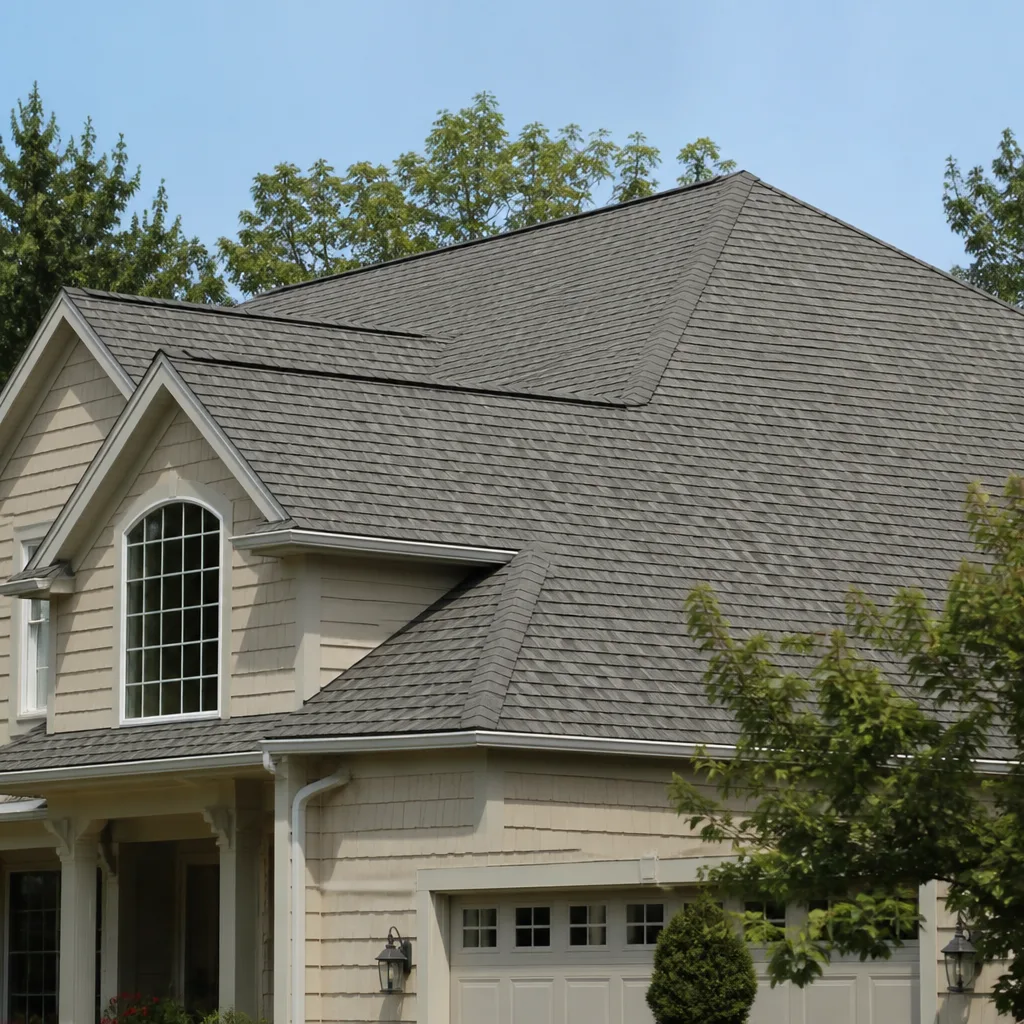
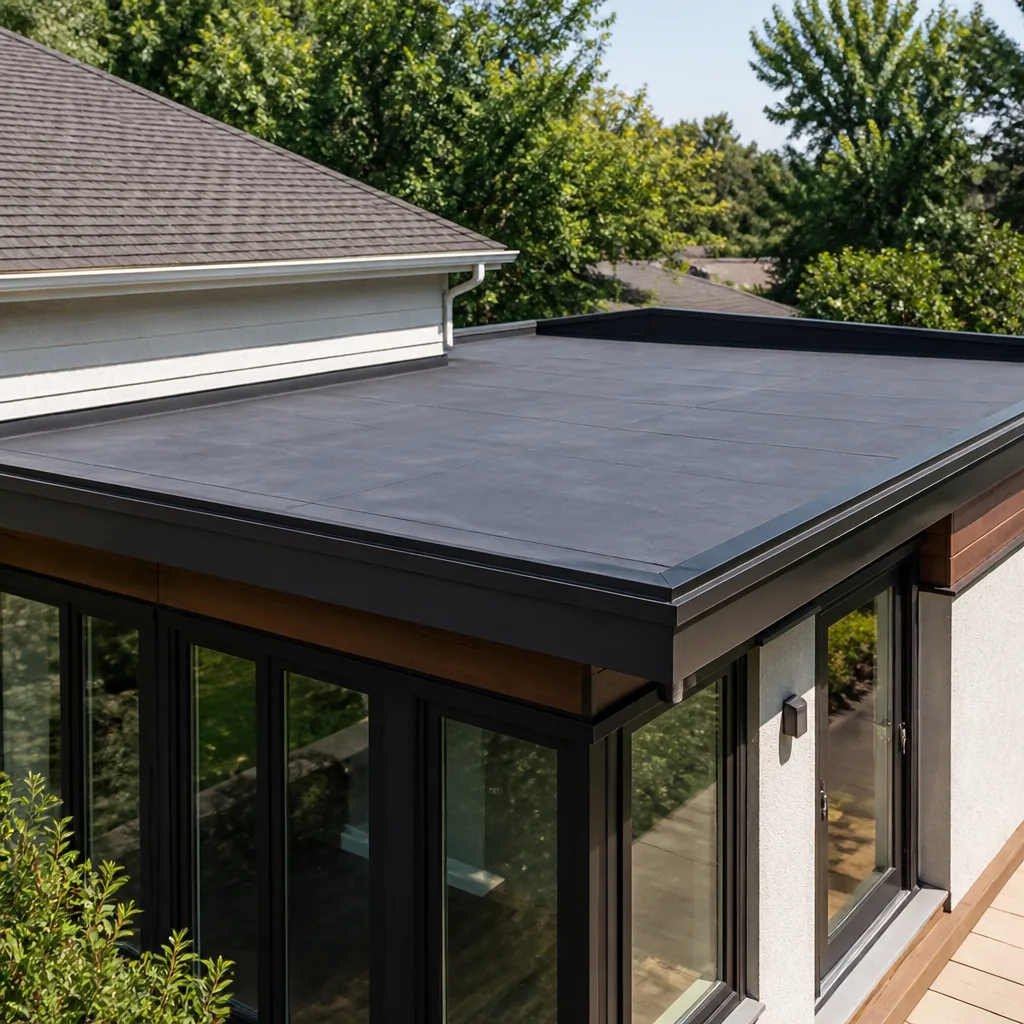
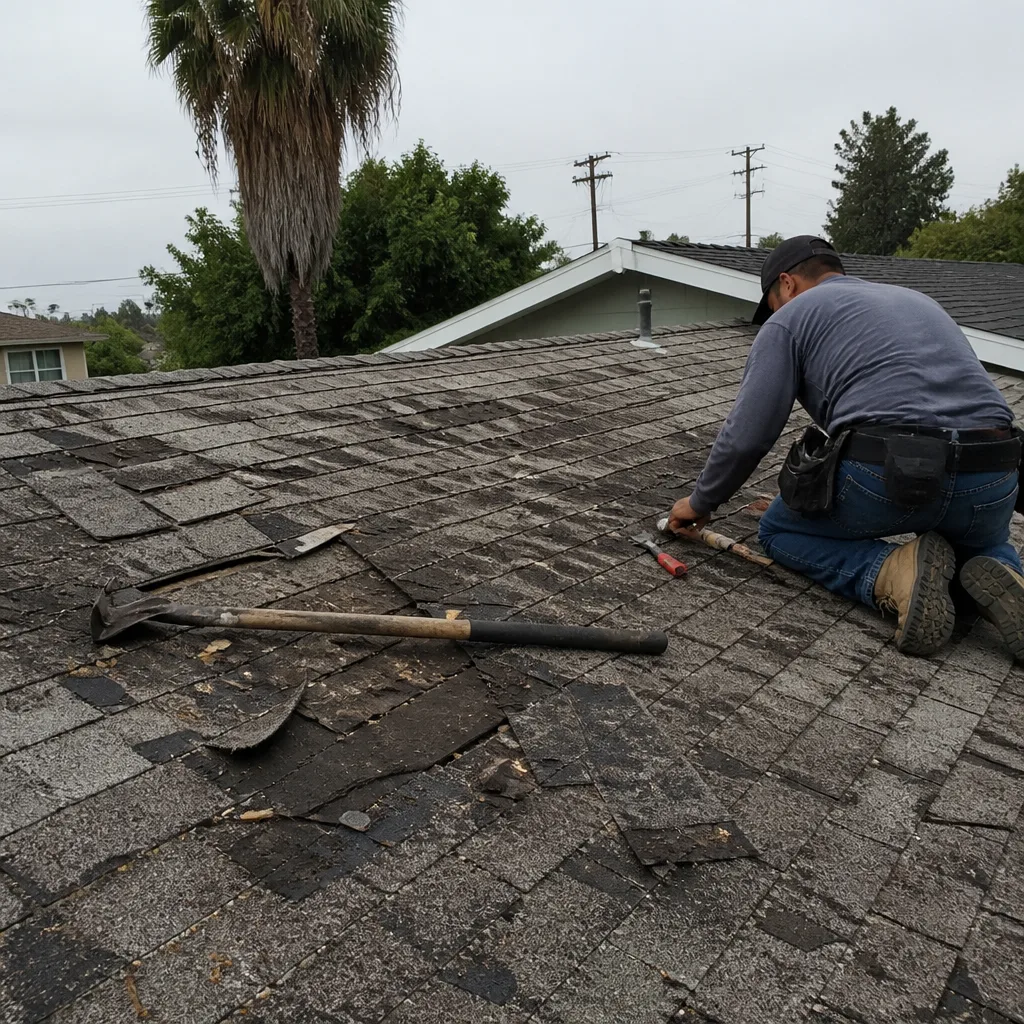 Before
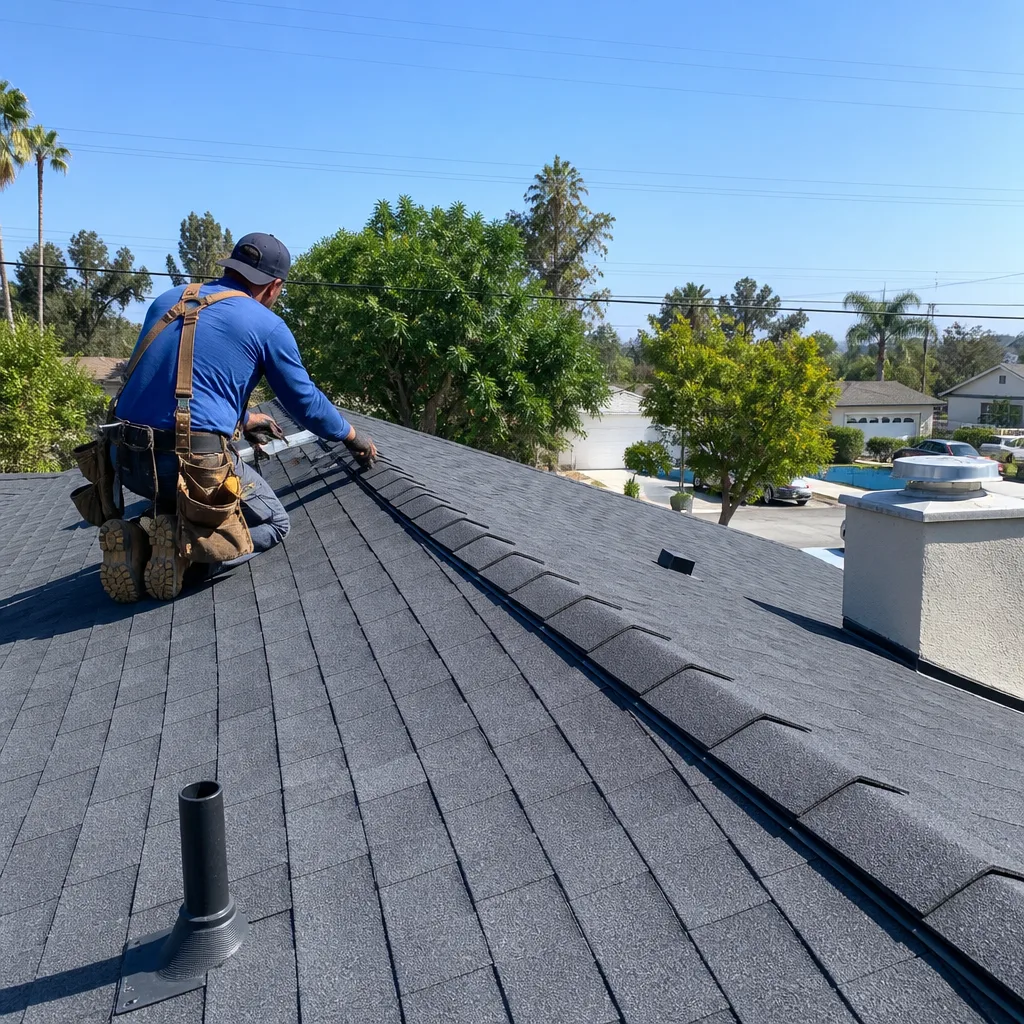 After
After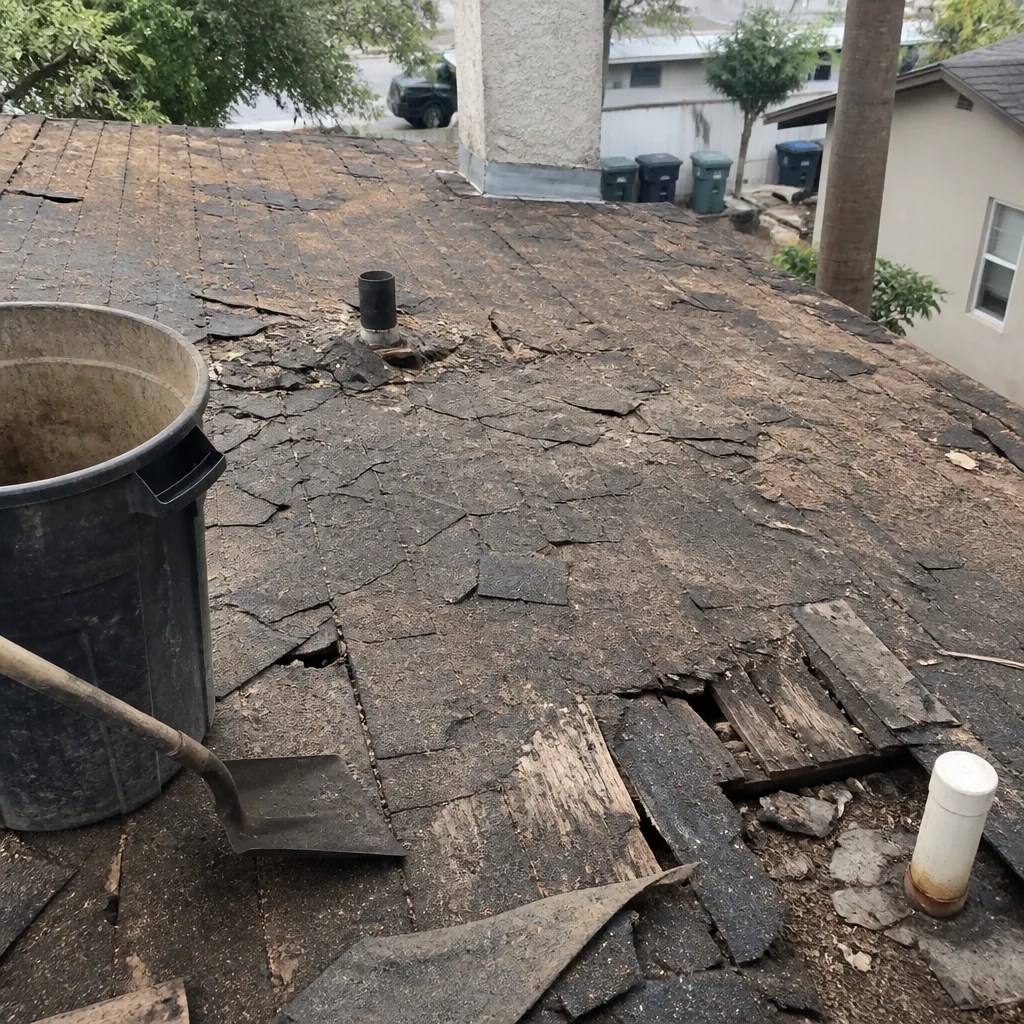 Before
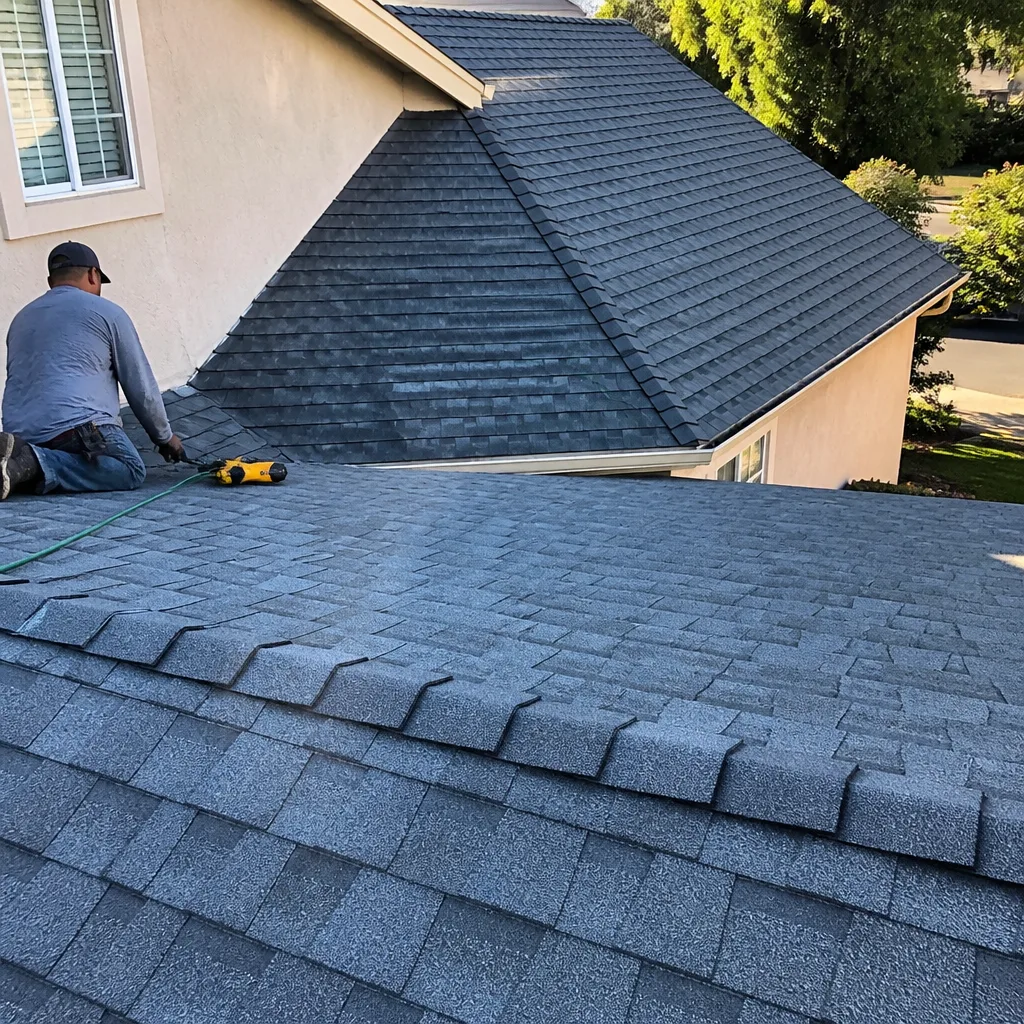 After
After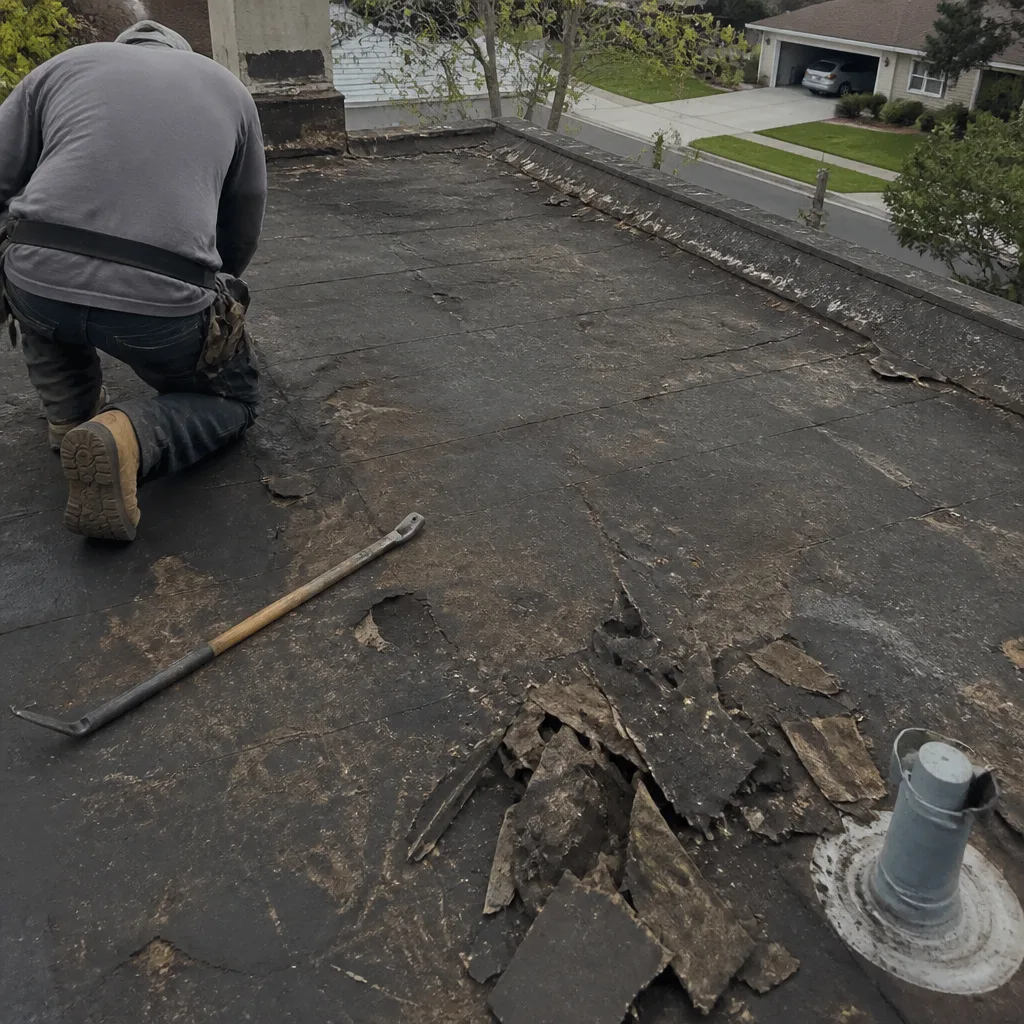 Before
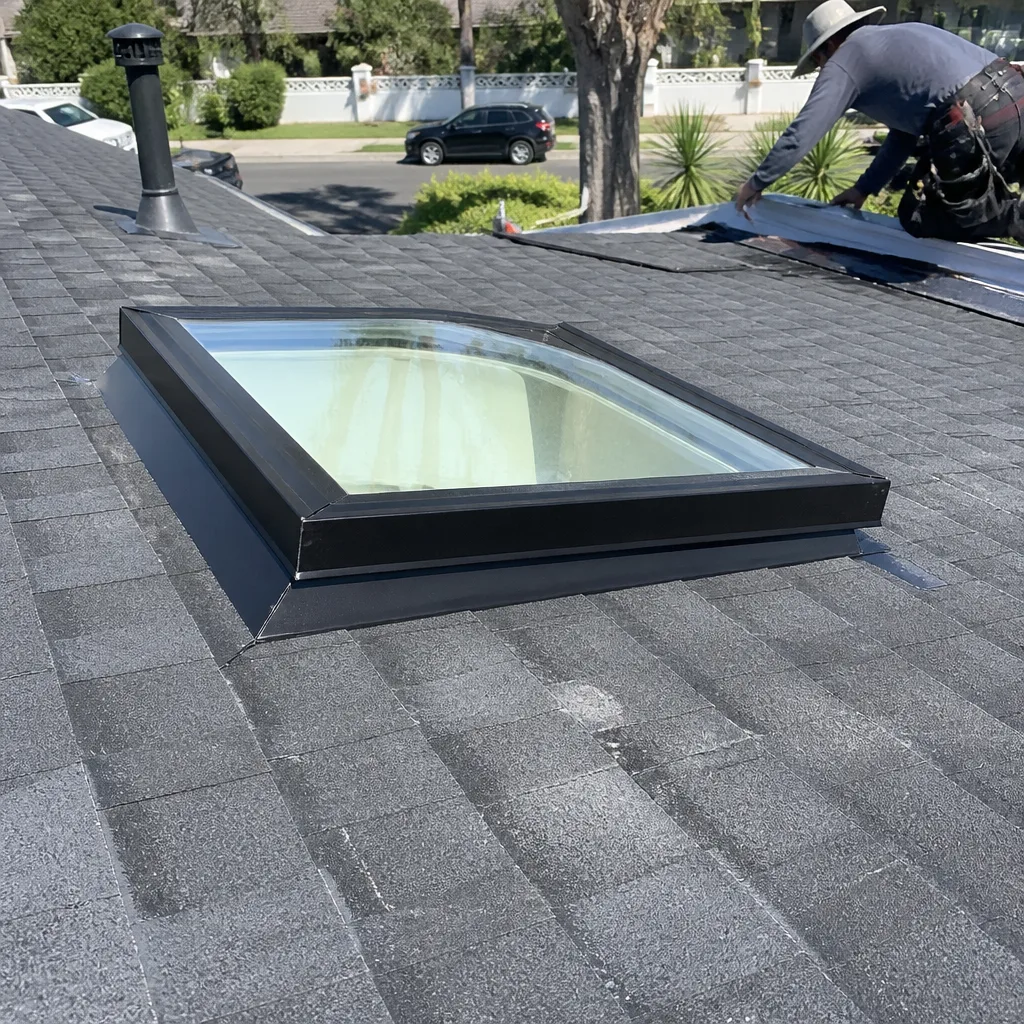 After
AfterRoof Replacement Troubleshooting: Common Problems and How to Fix Them
Here’s a number that stops most homeowners cold: nearly 40% of roof replacement callbacks in Los Angeles aren’t caused by defective shingles or tiles. They’re caused by installation problems the crew created and the homeowner never knew to check before writing the final check. After twenty-five years in this trade, we’ve learned that the most expensive roof problem isn’t the one you see - it’s the one you don’t spot until the rainy season hits, the contractor has stopped answering, and you’re staring at a water stain that wasn’t there before. This guide walks you through what to inspect before the crew leaves your driveway, the five failures that show up six months later, and exactly what steps to take if you discover a problem after the roof replacement job is done.
Quick Answer
Most roof replacement problems trace back to five installation errors: improper flashing at penetrations, inadequate attic ventilation, mismatched material lots, damaged gutters from staging, and un-finalized permits. Homeowners can prevent the majority of these by conducting a 15-minute completion-day walkthrough focused on valley alignment, ridge cap nailing, pipe boot seals, and gutter reattachment. If problems surface later, document everything with photos, contact the contractor in writing, and understand whether the issue falls under workmanship warranty or manufacturer warranty before escalating.
Table of Contents
- The Completion-Day Inspection Every Homeowner Should Do
- The Five Post-Replacement Failures We See Most in Los Angeles
- Why Ventilation Is the Most Under-Inspected Element
- What to Do When You Find a Problem After the Crew Leaves
- Troubleshooting Table: Symptom, Cause, and Who Pays
- Los Angeles Permits, Codes, and Inspection Gaps
- Spotting Material Mismatches Before They Become Eyesores
- Common Mistakes to Avoid
- When to Call a Professional
- Frequently Asked Questions
The Completion-Day Inspection Every Homeowner Should Do
The best time to catch a roof replacement problem is before the final payment clears. Most Los Angeles homeowners sign off based on a quick glance from the driveway - the new shingles look uniform, the crew cleaned up, and the foreman seems confident. That’s exactly when expensive mistakes get locked in.
We’ve developed a four-point walkthrough that takes fifteen minutes and has saved our clients thousands in rework. You don’t need to climb the roof. A pair of binoculars and a ground-level inspection will reveal most critical errors.
Valley Flashing Alignment
Valleys are where two roof planes meet, and they’re the single busiest water channel on your entire roof. In Los Angeles, where winter storms can dump two inches in an hour and summer monsoons are getting more intense, a misaligned valley is a guaranteed leak.
What correct looks like: The metal valley flashing should run straight from ridge to eave with no waves, buckles, or gaps where it disappears under shingles. The shingles should cut cleanly at the centerline, not overlap unevenly. From the ground, use binoculars to trace the valley line - it should look ruler-straight. If you see a wobble or a place where the metal appears to dip or rise, that’s a water trap waiting to happen.
Ridge Cap Nailing Pattern
The ridge cap covers the peak where two slopes meet. It’s also the most wind-exposed part of your roof, and in the Santa Ana wind corridors of the San Fernando Valley and Pasadena foothills, a poorly nailed ridge cap will lift and tear.
What correct looks like: Each ridge cap piece should sit flat with no gaps between pieces. Nails should be hidden beneath the overlapping edge of the next piece - exposed nail heads are an immediate failure. The pattern should be consistent; erratic spacing suggests rushed work. From the street, the ridge line should look crisp and uniform, not lumpy or staggered.
Pipe Boot Seal
Every plumbing vent penetrating your roof needs a boot - a rubber or metal collar that seals the pipe to the shingles. These fail more often than any other penetration, and in Los Angeles’s intense UV exposure, rubber boots degrade faster than in milder climates.
What correct looks like: The boot should sit snug against the pipe with no gaps, wrinkles, or lifted edges. The bottom flange should lie flat under surrounding shingles, not bridged over them. If you can see daylight between boot and pipe from the ground, water will see it too.
Gutter Reattachment
Crews remove gutters to protect them during tear-off, then reinstall them before leaving. In our experience across Los Angeles from Venice to Eagle Rock, gutter reattachment is where corners get cut most often.
What correct looks like: Gutters should slope toward downspouts with no visible sag. Fasteners should be tight with no spin or wobble. Run a hose into the gutter - water should flow freely to the downspout without pooling. Check that downspout connections are sealed and directed away from the foundation.
Before you sign the completion certificate, photograph any concern and request correction. A reputable contractor will address it immediately. At Tilehurst Roofing, we build this walkthrough into every job - we don’t consider a replacement complete until the homeowner has inspected and approved each point.
The Five Post-Replacement Failures We See Most in Los Angeles
These are the Roof Replacement Warning Signs Every Homeowner Should Know - problems that surface months after the crew leaves, often after the first real rain. They’re preventable, but only if you know what to watch for.
1. Improper Flashing at Chimneys and Skylights
Chimney flashing requires a two-layer system: step flashing woven into each shingle course, plus a counter-flashing cap that seals to the masonry. Skylights need a continuous head flashing that extends up under the shingles above. In Los Angeles’s older neighborhoods - think Hancock Park, Los Feliz, the original Craftsman homes of Highland Park - chimneys settle and shift over decades, making proper flashing detail even more critical.
The failure pattern: Water stains on interior ceilings near chimneys or skylights, often appearing months after replacement because the original tar sealant masked the gap temporarily. Once the tar dries and cracks, water finds its path.
2. Inadequate Attic Ventilation After New Decking
When old decking is replaced, the new material is often thicker or differently spaced, which can block existing soffit vents. Many crews don’t check airflow after decking changes. In Los Angeles, where attic temperatures can exceed 150°F in August, trapped heat cooks shingles from underneath and voids manufacturer warranties.
The failure pattern: Premature shingle curling, granule loss, or blistering within 2-3 years - damage that looks like defective product but is actually baked from below.
3. Mismatched Tile Dye Lots Visible from the Street
Concrete and clay tiles are fired in batches, and color varies between lots. A professional contractor orders from a single lot for visible roof areas. Less careful crews mix lots, especially on larger Los Angeles homes where material runs short and a quick supply run brings different inventory.
The failure pattern: A patchwork or striped appearance that develops as weathering progresses unevenly. On Boral concrete tiles or clay tiles common in Mediterranean-style homes from Bel Air to the Palos Verdes Peninsula, this is particularly noticeable.
4. Gutter Damage from Staging
Ladders leaned against gutters, scaffolding clips gripping the front edge, and dropped materials all cause damage that isn’t immediately obvious. A bent gutter lip won’t show until debris starts accumulating and water overflows.
The failure pattern: Overflow during the first heavy rain, with water running behind the gutter and staining fascia boards.
5. Permit Inspection That Was Never Finalized
In Los Angeles, roof replacements require a building permit and final inspection. Some contractors pull the permit but never call for final inspection, leaving the permit open. This creates problems at sale - title companies flag open permits - and means no independent verification that the work met code.
The failure pattern: Discovered years later during escrow, when the homeowner must pay for reinspection or, worse, expose completed work for verification.
Why Ventilation Is the Most Under-Inspected Element
Every major shingle manufacturer - GAF, CertainTeed, Owens Corning, IKO, Atlas, Tamko - includes ventilation requirements in their warranty terms. Boral’s tile warranties have similar provisions. Yet ventilation is the element almost no homeowner thinks to check, and many crews treat as an afterthought. Our Roofing Company Maintenance Checklist for Los Angeles Homeowners covers what to verify.
Here’s why it matters in Los Angeles specifically. Our combination of intense solar exposure, occasional Santa Ana wind events that pressurize attics, and the trend toward tighter home envelopes means attics run hotter and wetter than design assumptions from other climates. A poorly ventilated attic in Pasadena or Glendale will destroy a 30-year shingle in twelve.
The building science is straightforward. For every 150 square feet of attic floor space, you need 1 square foot of net free vent area, split evenly between intake (soffit vents) and exhaust (ridge or gable vents). This is the 1:150 ratio. Many Los Angeles homes built between 1940 and 1980 were constructed with half that ventilation or less.
During replacement, the critical checkpoint is this: Does the new decking or added insulation block any existing soffit vents? Are new ridge vents actually cut through the decking, or just laid over solid sheathing? We’ve found decorative ridge vents installed with no actual opening beneath - they look correct from outside but move zero air.
How to check without climbing: On a sunny day, feel the ceiling temperature in upper rooms. It should be warm, not hot. In the attic, a thermometer reading above 130°F at 2 PM indicates inadequate airflow. If your contractor can’t explain the ventilation balance they achieved, that’s a red flag.
At Roof Replacement in Los Angeles, we calculate net free vent area for every job and document it in the written specification. It’s part of The Kingswell Way: say the price before the work, show up in the window we gave, leave the place cleaner than we found it, put the guarantee in writing, come back if it fails.
What to Do When You Find a Problem After the Crew Leaves
Despite your best inspection, problems sometimes surface later. Here’s the sequence that protects your rights and gets the fastest resolution.
- Document with dated photographs. Take clear photos of the problem area, the surrounding roof, and any interior damage. Include a newspaper or phone showing the date. In Los Angeles, where rain can be infrequent, document immediately when you notice - don’t wait for the next storm to “prove” it’s a leak.
- Contact the contractor in writing. Email creates a timestamped record. Describe the problem, reference your contract date and job number, attach photos, and request a specific response timeline. California law requires contractors to address warranty claims within a reasonable time - typically interpreted as 30 days for non-emergency issues.
- Understand your warranty layers. Workmanship warranty covers installation errors: flashing gaps, nail placement, ventilation balance. Manufacturer warranty covers material defects: premature granule loss, cracking, curling not caused by installation or environment. Most problems are workmanship, but manufacturers will deny claims if installation violated their specifications. Know which you’re invoking before you call.
- Check permit status. Visit the Los Angeles Department of Building and Safety website and search your address. If final inspection shows incomplete, contact the contractor immediately - they may need to schedule, or they may never have called for inspection at all.
- Escalate to the CSLB if needed. The Contractors State License Board handles disputes when contractors won’t respond. File online at cslb.ca.gov. You’ll need your contract, correspondence, and documentation of the problem. The CSLB can pressure resolution and, in serious cases, suspend licenses.
One note on timing: The 365-Day Done Right Promise we offer at Tilehurst Roofing is longer than many competitors provide, but even standard California workmanship warranties typically run one to two years. Don’t delay reporting because you’re “not sure it’s serious enough.” A small leak becomes a large repair quickly.
Troubleshooting Table: Symptom, Cause, and Who Pays
| Symptom | Likely Cause | Responsible Party | Action to Take |
|---|---|---|---|
| Water stain on ceiling near chimney or skylight | Flashing gap, failed seal, or counter-flashing separation | Installer (workmanship) | Document, contact contractor in writing, request flashing inspection |
| Shingle curling or blistering within 3 years | Inadequate attic ventilation or nail placement error | Installer if ventilation; Manufacturer if nail pattern met spec but product failed | Have ventilation assessed; file manufacturer claim with installation documentation |
| Visible color variation across roof | Mixed dye lots or different production runs | Installer (material ordering) | Request replacement of mismatched sections from original lot |
| Gutter overflow during rain | Bent lip, improper slope, or debris from construction | Installer if damage from staging; Homeowner if debris accumulation | Inspect for physical damage; clean and test with hose |
| Open building permit on property record | Final inspection never called or failed | Installer | Demand contractor schedule final inspection immediately |
| Granule loss exposing asphalt | Defective shingle or extreme heat exposure | Manufacturer if within spec; Installer if ventilation caused overheating | File manufacturer claim; have independent ventilation assessment |
| Musty smell or mold in attic | Blocked ventilation or moisture intrusion | Installer if vents blocked during work; Homeowner if vents blocked by storage | Inspect soffit and ridge vent continuity; clear obstructions |
Los Angeles Permits, Codes, and Inspection Gaps
Los Angeles building code requires permits for any roof replacement involving more than 25% of the roof area, or any structural modification including decking replacement. The permit process includes two inspections: a mid-roof inspection with decking exposed, and a final inspection after completion.
The mid-roof inspection is where code compliance gets verified. An inspector confirms decking condition, nail penetration into framing, underlayment type and fastening, and flashing details at penetrations. If your contractor never had a mid-roof inspection, they likely pulled the permit but worked around it - a serious code violation.
Final inspection confirms completion to approved plans and visible code compliance. The inspector won’t climb every roof, but will spot-check from accessible points and review photo documentation if provided.
The gap we see repeatedly: Contractors who pull permits for homeowner peace of mind, then never call for inspections because they’re rushing to the next job or because they know some detail won’t pass. The homeowner sees “permit pulled” and assumes the process is complete. Years later, during a refinance or sale, the open permit surfaces.
Protect yourself: Request the permit number before work starts, verify it’s active on the LADBS website, and confirm both inspection types passed before final payment. At Roofing Company in Los Angeles, we provide permit numbers in writing and notify homeowners of each inspection result - it’s part of our process, not an extra request.
Spotting Material Mismatches Before They Become Eyesores
Los Angeles has one of the most visually scrutinized housing stocks in the country. From the historic districts of Angelino Heights to the view-home hills of Studio City, your roof is a major aesthetic element. Material mismatches don’t just affect performance - they affect property value.
With seven manufacturers available - GAF, CertainTeed, Owens Corring, IKO, Atlas, Tamko, and Boral - there’s genuine choice, but also genuine opportunity for error. Each manufacturer has color variations between production facilities, and even between runs from the same plant. Atlas and Tamko shingles, popular in Los Angeles for their wind ratings, can show noticeable lot variation in their charcoal and weathered wood tones.
Before installation begins, request the lot numbers for your materials. Reputable suppliers provide this on delivery. Walk the delivery with your contractor and compare bundles - they should be uniform in color when viewed from the same angle. On tile roofs, Boral’s concrete tiles should carry a production date stamp; tiles more than six months apart in manufacture date may weather differently.
The critical check point: Before the crew mixes bundles from different pallets, verify they’re the same lot. Once interwoven on the roof, replacement is a partial re-roof, not a simple swap.
Common Mistakes to Avoid
- Paying in full before inspection. In Los Angeles, we’ve seen too many homeowners hand over the final check because the foreman was packing up and seemed in a hurry. Hold 10% until you’ve done your walkthrough and confirmed permit finalization.
- Assuming the lowest bid includes the same scope. A bid that omits decking replacement, permit fees, or disposal will look cheaper until those costs appear as change orders. We always provide a written price before any work starts - every single time - so the number you see is the number you pay.
- Ignoring attic access during replacement. The attic tells the truth about ventilation and whether the crew protected interior spaces. Check it after tear-off and after completion. Dust and debris are normal; nails penetrating ceiling drywall are not.
- Accepting verbal warranty terms. California requires written contracts for jobs over $500, and warranties should be in that contract or a separate written document. A verbal “we’ll take care of you” evaporates when the phone stops being answered.
- Not verifying insurance status. Ask for a certificate of insurance naming you as additional insured during the job period. In Los Angeles’s competitive market, uninsured crews undercut prices but leave you liable for injuries or damage.
- Skipping the post-first-rain check. Even in drought years, Los Angeles gets at least one significant rain event. Inspect your attic and ceiling lines within 48 hours. Early detection prevents mold, insulation damage, and structural decay.
When to Call a Professional
Some roof replacement problems are manageable with documentation and contractor follow-up. For more guides & resources on protecting your home, explore our blog. Others require immediate professional assessment. Call a licensed roofing contractor if you see active water intrusion, sagging decking visible from the attic, daylight through the roof boards, or more than a dozen missing or damaged shingles after a wind event. These indicate structural or weatherproofing failures that worsen rapidly.
Also call if your original contractor is unresponsive after written contact. California’s legal framework protects homeowners, but you need a licensed professional’s assessment to document the defect for CSLB or small claims proceedings.
At Roof Repair in Los Angeles, we provide free estimates for post-replacement problems, even on work we didn’t perform. We’ll assess the defect, explain whether it’s workmanship or material related, and document our findings in writing. If you need a second opinion on a replacement that isn’t performing, call (945) 303-9821 to schedule your free estimate. Estimates are free, and you’ll have a written price before any work starts.
Frequently Asked Questions
Repair costs range widely based on the defect. Flashing corrections typically run $400-$1,200. Partial re-roofing for mismatched materials can reach $3,000-$8,000. Ventilation remediation averages $800-$2,500 depending on soffit and ridge work needed. The most expensive scenario is water damage that has compromised decking or interior finishes, where repair plus restoration can exceed $10,000. Call (945) 303-9821 for an exact quote - estimates are free, and you’ll receive a written price before any work starts.
At Tilehurst Roofing, the written price you receive before any work starts is the price you pay. We don’t negotiate it away or add change orders for conditions we should have identified during inspection. The only exception is genuinely concealed damage - rotted rafters hidden behind intact decking, for example - which we document with photos and discuss before proceeding. Call (945) 303-9821 to schedule your free estimate.
Most residential asphalt shingle replacements on standard Los Angeles homes complete in 2-4 days. Tile roofs take 5-8 days due to weight and the need for more careful staging. Factors that extend timeline include steep pitch, complex valley configurations, decking replacement, and weather holds - rare in Los Angeles but possible during winter storm periods. Your written proposal should include a specific timeline, not a vague range.
Yes. We pull all required permits, schedule both mid-roof and final inspections, and provide you with inspection results and permit closure documentation. In Los Angeles, working without a permit on jobs exceeding 25% of roof area is a code violation that can trigger penalties and complicate future property sales. We never ask homeowners to handle permitting themselves.
Workmanship warranty covers installation errors - how the materials were applied, flashed, ventilated, and fastened. Manufacturer warranty covers material defects - shingles that fail despite proper installation. Workmanship warranties are offered by the contractor and vary in length; manufacturer warranties require registration and proof of proper installation. A leak near a chimney is almost always workmanship. Widespread premature granule loss on properly ventilated roofs may be material defect. We provide written documentation of both warranty types before crew departure.
Check three indicators: attic temperature should stay below 130°F on the hottest Los Angeles afternoons; you should feel airflow at soffit vents with your hand; and ridge vents should show no blockage from the attic side. If your contractor installed a new ridge vent but you see solid decking beneath it, the vent is decorative only. We calculate and document net free vent area on every replacement to meet the 1:150 ratio.
Document the defect with dated photos, send written notice via email and certified mail, and allow 30 days for response. If there’s no response, file with the CSLB at cslb.ca.gov and consider consulting a construction defect attorney for claims exceeding $10,000. Maintain all contracts, correspondence, and payment records. We handle warranty calls ourselves - a live person answers every call 24 hours a day, 7 days a week - but if you’re stuck with an unresponsive contractor, we can assess the defect and provide documentation for your dispute.
The Bottom Line
Roof replacement problems are expensive, but most are preventable with a fifteen-minute completion inspection and basic knowledge of what correct installation looks like. The five failures that surface months later - flashing errors, ventilation deficits, material mismatches, gutter damage, and permit gaps - all have warning signs visible on the day the crew leaves. Document everything, understand your warranty layers, and never pay in full before verifying permit closure and performing your own walkthrough. In Los Angeles’s climate and regulatory environment, these steps aren’t excessive caution - they’re the minimum due diligence a major home investment deserves.
Written by Greg Holloway, Owner at Tilehurst Roofing, serving Los Angeles since 2000.